REVIEW · SANTA TERESA GALLURA
Santa Teresa Gallura: Valle della Luna hiking
Book on GetYourGuide →Operated by Escursì · Bookable on GetYourGuide
Moon-like rocks in Sardinia sound like fiction.
In reality, a guided hike through Valle della Luna at Capo Testa is exactly that: smooth, angular granite that looks lunar, right off the Santa Teresa di Gallura area.
I really like that this is a short, serious hike with a clear payoff: you’re walking a loop trail (about 6 km) among huge granite boulders while your guide points out things you’d miss on your own. I also like the way the route mixes geology with sea scenery, from coves with clear blue water to viewpoints over the promontory.
One possible drawback: it’s classed as tourist-level difficulty, but the total hike still involves elevation (about 100 m) and uneven ground, so you need real hiking shoes and a steady pace. If you prefer to move fast and stop rarely, keep in mind at least some groups can feel a bit large, which can mean a little waiting at slower sections.
In This Review
- Key highlights you’ll feel on this hike
- Valle della Luna: why Capo Testa looks like the Moon
- The 6 km loop: what the walking feels like
- Granite boulders and lunar rocks: the main show
- Wrecks, lighthouses, and coastal reminders you can’t “spot” alone
- Caves and quarries: where the island’s work shows up in stone
- Hidden coves and viewpoints: the part that makes you slow down
- Snorkeling gear and the “cove time” reality
- What the guide actually does (and why it’s worth the money)
- Price and value: is $56 fair for 5 hours?
- Meeting point at Cala Spinosa: how to find the start fast
- What to bring for a comfortable day on Capo Testa
- Who this hike suits best (and who should skip)
- Should you book the Santa Teresa Gallura Valle della Luna hike?
- FAQ
- How long is the Valle della Luna hike?
- What distance and elevation should I expect?
- What difficulty level is it?
- Where is the meeting point?
- What language is the guide?
- Is there time to swim?
- What should I bring?
- Are dogs allowed?
- Is the hike suitable for people with mobility impairments?
- Is free cancellation offered?
Key highlights you’ll feel on this hike
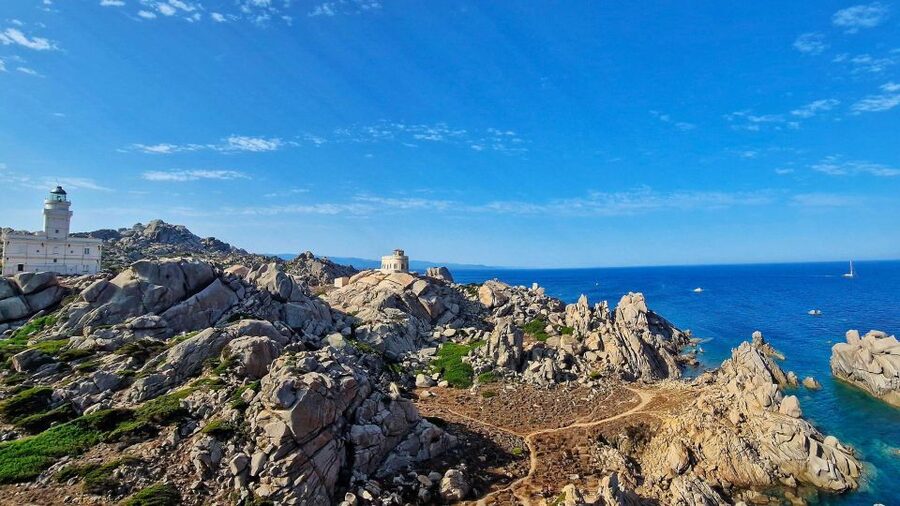
- Valle della Luna’s lunar-looking granite just a few kilometers from Santa Teresa di Gallura
- A guided loop trail through Capo Testa with about 6 km and ~100 m gain
- Wrecks, lighthouses, caves, and old quarries along the way, not just “pretty rocks”
- Coves with clear blue water where you can take a refreshing dip in warmer seasons
- An explanation-heavy guide experience that helps the scenery make sense as geology and coast history
Valle della Luna: why Capo Testa looks like the Moon
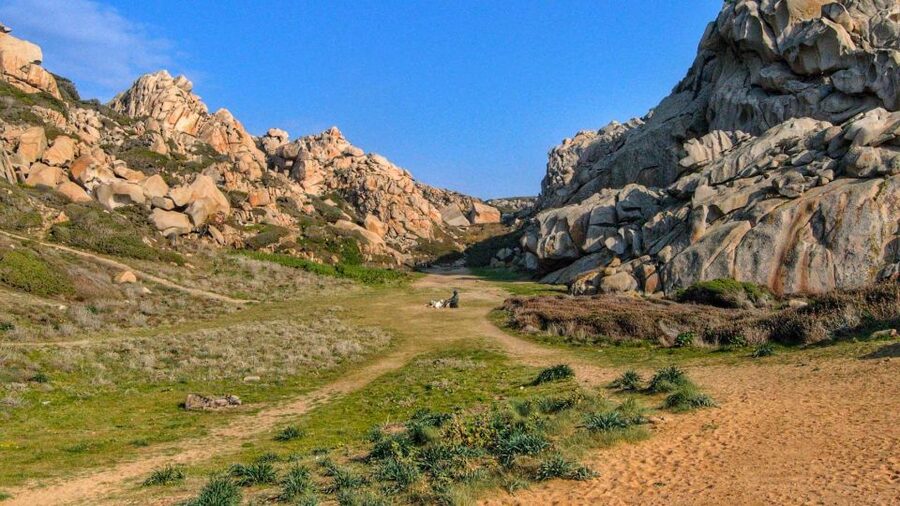
Capo Testa is all about stone and sea meeting in dramatic ways, and Valle della Luna is the best example. You’ll see granite boulders that feel sculpted by time—smooth in some places, sharp and angular in others—so the whole area gets its nickname because it resembles a lunar surface. On a plain walk, that could just look like rocks. With a guide, it turns into a “how did this coastline become this?” kind of experience.
The hike also stays close to the coast, so you’re not trapped in a single kind of scenery. Expect to look out at the promontory and then turn back toward the boulders, caves, and coastal features that make this part of Sardinia feel wild and slightly unreal.
The 6 km loop: what the walking feels like
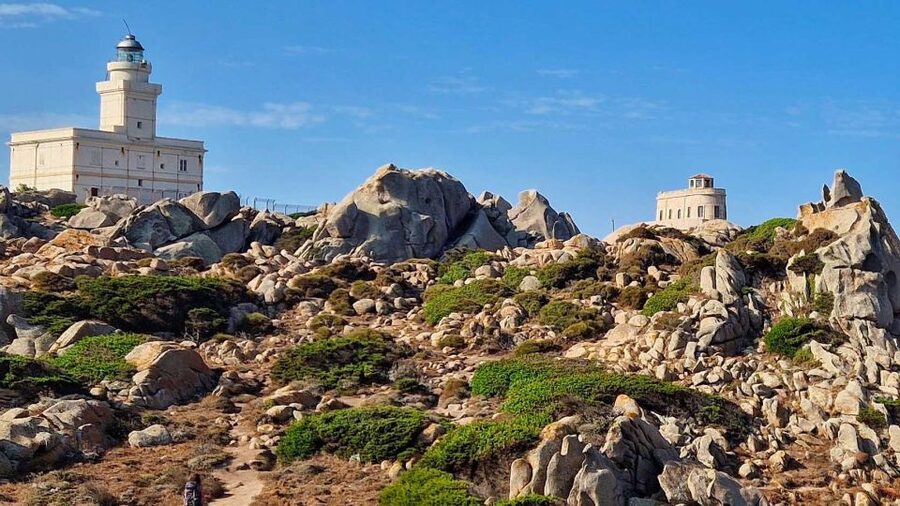
This is a loop trail on the Capo Testa promontory with a hiking time of about 3 hours and a total tour length of 5 hours. That extra time matters: you’re not just moving from point A to B—you’re pausing for explanations, checking out coastal features, and getting time at the coves and viewpoints.
The route is listed as tourist-level (T) with about 6 km of distance and roughly 100 m of height difference. “Touristic” here doesn’t mean easy. The ground is granite and coastal terrain, which can be a little uneven, and the elevation is enough to get your legs working. If you like hikes that feel like a workout but still fit well into a day, this hits a good middle ground.
I’d treat this as “steady effort,” not “race pace.” Plan to take breaks when your guide does and you’ll enjoy it much more—especially when the route opens up to bigger views.
Granite boulders and lunar rocks: the main show
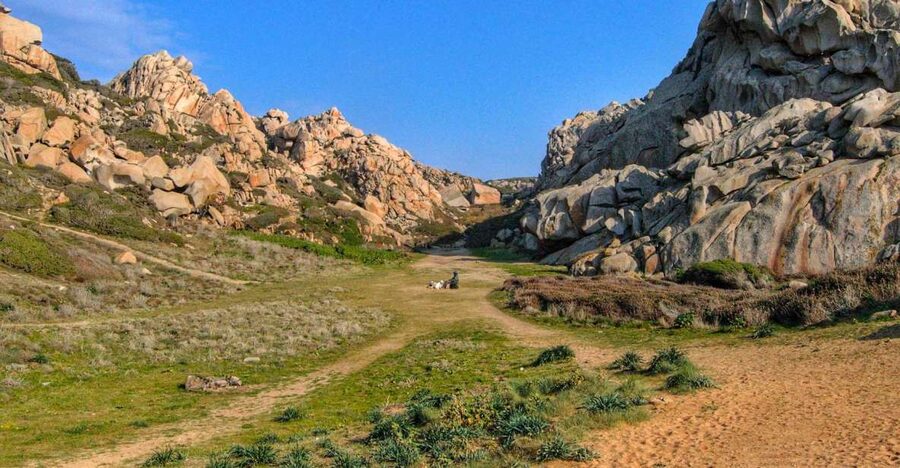
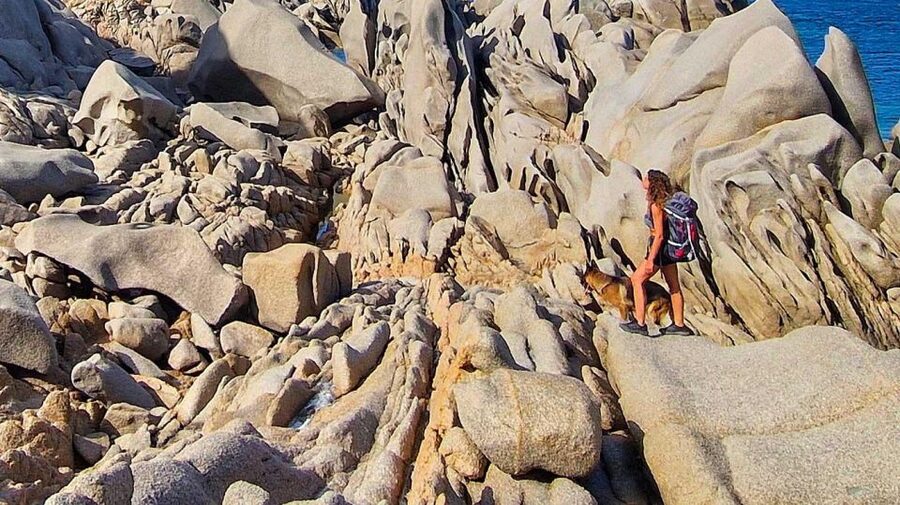
The core of Valle della Luna is the granite itself. Along the loop, you’ll walk among huge boulders that shape the trail and frame your photos. The rock looks like it has edges for days, and that texture is the reason the area feels like another planet.
What I like about this part is how physical it is. You’re not just looking at a viewpoint from afar. You’re moving through the coastline’s “building blocks,” so you start to notice patterns—how the rocks sit, how they form passages, and how the sea has carved and exposed different sections over time.
Practical tip: wear hiking shoes with grip. This isn’t a sneakers-only stroll. When the ground is granite, a stable sole is the difference between feeling confident and feeling rushed.
Wrecks, lighthouses, and coastal reminders you can’t “spot” alone
A big reason to go guided is that Capo Testa has layers of human traces mixed right into the natural drama. On this hike, you’ll discover features like wrecks and lighthouses as part of the coastal walk.
Without guidance, you can see the coast but miss the context—why something is positioned where it is, what it meant in the working life of the promontory, and how the coastline’s shape affected navigation and safety. With a guide, those details become part of the story instead of random objects in the rock.
A guide also helps you shift your thinking: instead of asking, “What am I looking at?” you start asking, “What does this tell me about the coast?”
Caves and quarries: where the island’s work shows up in stone
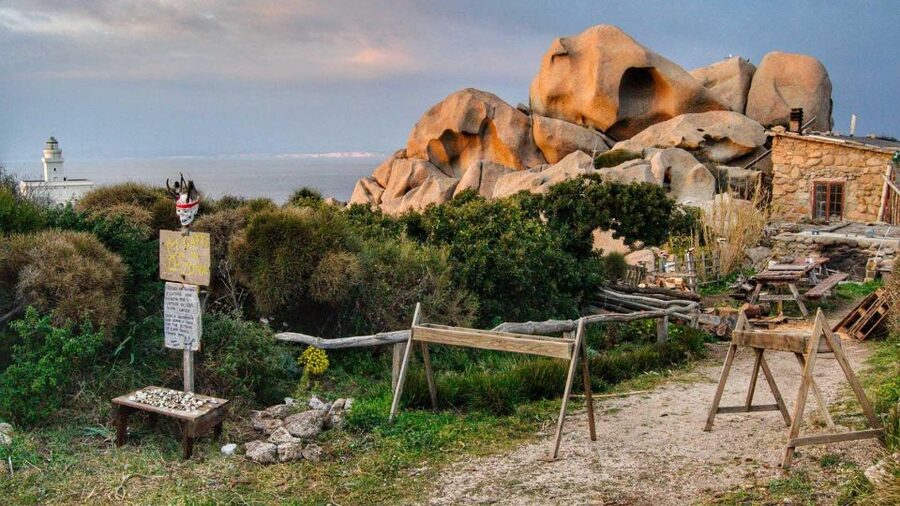
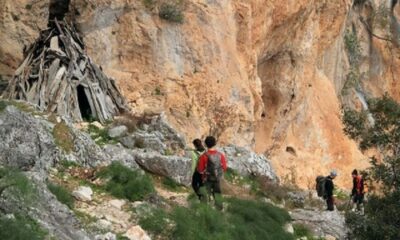
Valle della Luna isn’t only about nature. The route also includes caves that were inhabited until yesterday, plus old quarries. Those are the kinds of stops that change how you see the coastline.
Caves can feel mysterious from a distance, but on a hike you get closer—so they stop being abstract and become part of your walking world. Old quarries, meanwhile, add a different layer: you’re seeing how stone was taken from this same landscape and how that work left marks that still shape the terrain today.
If you like travel that mixes sciencey observation with real places that people used, this section is a highlight. It makes the rocks feel more grounded in human scale.
Hidden coves and viewpoints: the part that makes you slow down
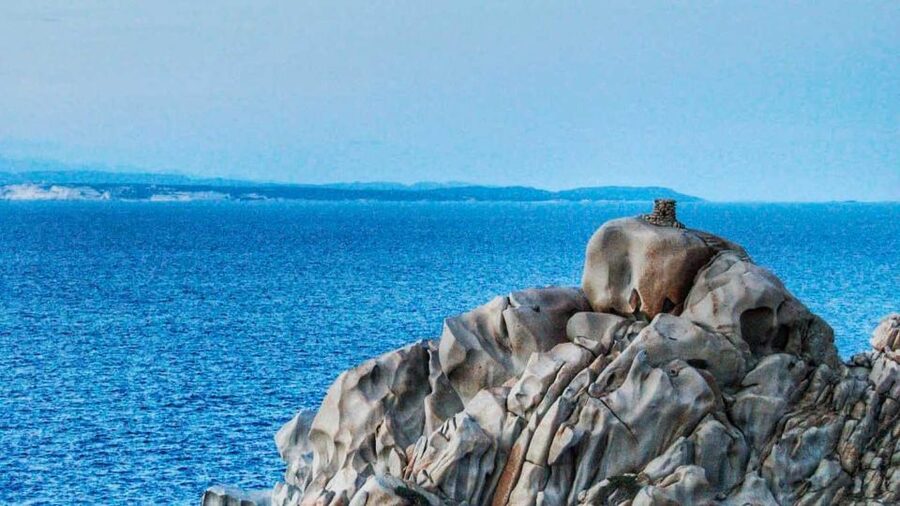
Along the loop, you’ll reach coves with clear blue water and get breathtaking viewpoints over the promontory. This is where the hike earns its “vacation” feeling.
In warmer seasons, you can take a regenerating dip in the water. That’s why they ask you to bring beachwear and a towel. Even if you only plan to dip your feet, having the option changes how you experience the hike. A cove break is also a natural reset for tired legs.
Viewpoints matter here because Capo Testa’s structure is easier to understand when you can see it from above or from a vantage point. From those spots, you’ll connect the boulders, the coves, and the coastline into one bigger picture.
Snorkeling gear and the “cove time” reality
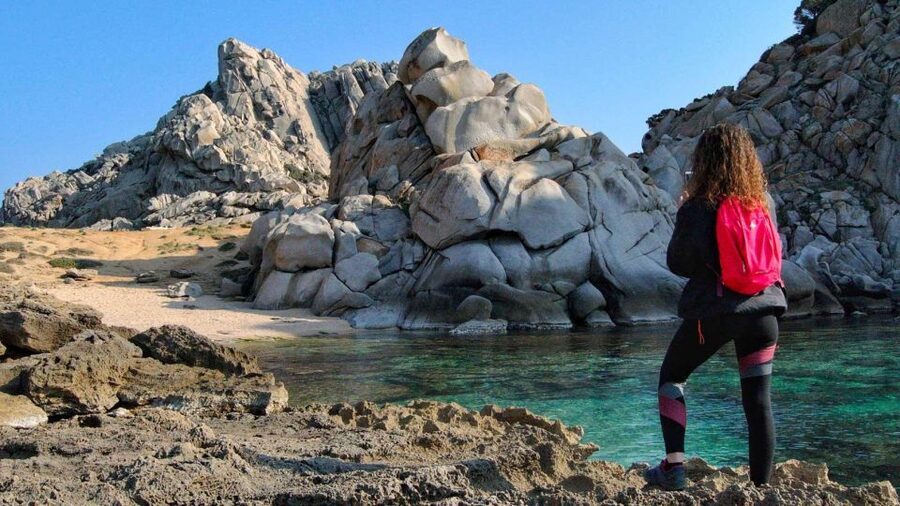
Bring snorkeling gear if you have it. The tour information specifically lists snorkeling gear, which signals that the water time is meant to be more than just a quick splash.
That said, you should plan for your comfort rather than chasing a perfect swim. Granite coasts can be demanding underfoot, and getting in and out of the water takes energy. If conditions or your own stamina aren’t ideal that day, you can still enjoy the coves as scenery and take the dip at your comfort level.
Also bring a daypack. You don’t want to carry everything in your hands while you’re stopping and starting around rocks.
What the guide actually does (and why it’s worth the money)
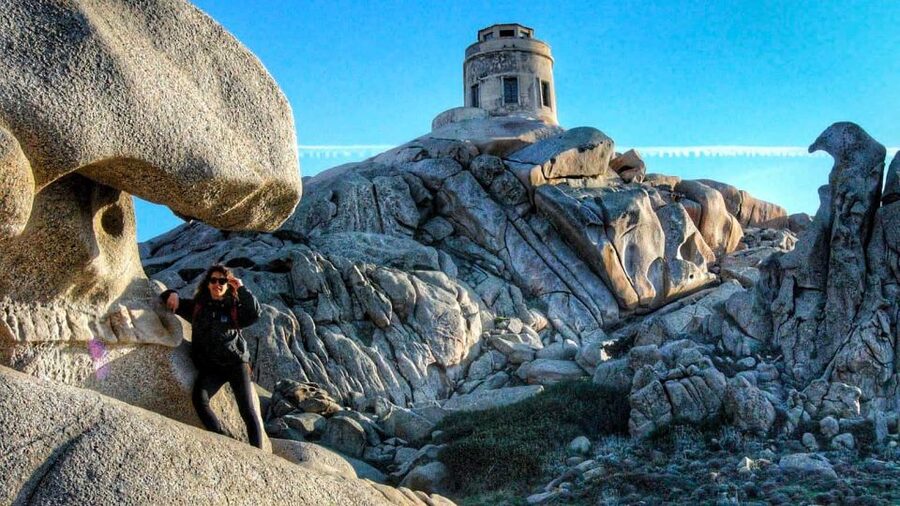
This hike is guided by an environmental hiking guide. That matters because the tour doesn’t just show you places—it helps you read them.
In particular, the guide’s explanations and anecdotes are a repeated highlight. One guide name you may hear is Manuele, and people specifically point out that he shares lots of stories and takes time to explain. That style of guiding is the difference between a scenic walk and an experience that sticks in your head.
You’ll also get direction and safety awareness while moving through uneven terrain. And for this kind of coast, navigation can be tricky enough that a guide is what keeps the hike feeling smooth.
Price and value: is $56 fair for 5 hours?
At $56 per person for about 5 hours total, this isn’t a bargain in the “cheap” sense. But it is strong value if you factor in the guided nature of the hike and the fact that the route includes multiple geological and coastal features.
Here’s the practical math: you get around 3 hours of hiking plus time for stops and guide-led explanations. You’re also getting a human layer—environmental context and interpretation—that you’d struggle to replace on your own without a lot of prep.
If you love trekking and you want the “what am I looking at?” answered while you walk, $56 can feel like a good trade. If you only want photos from a single viewpoint and you don’t care about explanations, then it might feel pricier than you expect.
Meeting point at Cala Spinosa: how to find the start fast
The meeting point is set near the Cala Spinosa Street parking areas, with free and paid parking along the road. This matters because you’re arriving to a trail area, not a museum entrance with clear signage everywhere.
The guide will wear black pants and a yellow or blue T-shirt or jacket, which makes it easier to spot once you’re there. If you’re driving, give yourself time to park and walk a bit before the start.
What to bring for a comfortable day on Capo Testa
Pack like you’re doing a real coast hike with a possible water break. Here’s what you’re asked to bring, and why each item helps:
- Sunscreen: strong Sardinian sun can hit fast
- Packed lunch: you’ll likely want food for the full 5-hour experience
- Beachwear and towel: for the warmer-season dip option
- Sportswear + sun hat: for comfort during longer stop-and-walk sections
- Daypack: carry water, snacks, and any swim items
- Water and snacks: granite terrain makes hydration a must
- Snorkeling gear: if you want to use the cove time fully
- Hiking shoes: for grip and stability on uneven ground
And one more: since dogs are allowed with leash, bring that leash if you’re traveling with a pup.
Who this hike suits best (and who should skip)
This works best if you:
- enjoy trekking with scenic stops
- like geology and coastal features—wrecks, lighthouses, caves, and quarries
- want a guide’s explanations so the walk makes sense
- are okay with tourist-level hiking and uneven granite terrain
It’s not suitable for people with mobility impairments. Also, if your ideal hike is flat and fast, the 100 m height difference and rocky ground may feel like more than you want.
If you’re traveling with kids, check comfort level carefully. Nothing is listed as unsafe, but this is still a guided walk over real terrain.
Should you book the Santa Teresa Gallura Valle della Luna hike?
I’d book it if you want a Sardinia day that’s not just “another beach hour.” This is a walk that gives you a mix of lunar-style geology, coastal features, and genuine cove time with a chance to swim in warmer seasons.
You should hesitate or choose a different option if:
- you’re not comfortable with 6 km of hiking and uneven granite ground
- you prefer minimal waiting and a mostly solo pace
- you have mobility limitations that make uneven terrain hard for you
If you’re the type of traveler who loves when a place has layers—stone, sea, and human traces—this guided Valle della Luna loop is a smart use of time near Santa Teresa di Gallura.
FAQ
How long is the Valle della Luna hike?
The full tour lasts about 5 hours, with roughly 3 hours of hiking time on the loop trail.
What distance and elevation should I expect?
You’ll hike about 6 km with a difference in height of around 100 m.
What difficulty level is it?
It’s rated tourist-level (T), meaning it’s intended for hikers who can handle some elevation and uneven terrain.
Where is the meeting point?
Meet near Cala Spinosa Street, where there are free and paid parking spaces along the road.
What language is the guide?
The live tour guide is available in Italian, English, and Spanish.
Is there time to swim?
The tour description includes coves with clear blue water where you can take a regenerating dip during warmer seasons.
What should I bring?
Bring sunscreen, a packed lunch, beachwear, sportswear, a sun hat, a daypack, water, snacks, snorkeling gear, a towel, and hiking shoes.
Are dogs allowed?
Yes, dogs are allowed as long as they are on a leash.
Is the hike suitable for people with mobility impairments?
No, the activity is not suitable for people with mobility impairments.
Is free cancellation offered?
Yes. You can cancel up to 24 hours in advance for a full refund.