REVIEW · TENERIFE
Tenerife: Guided Hike to the Peak of Mount Teide
Book on GetYourGuide →Operated by Sana Senda · Bookable on GetYourGuide
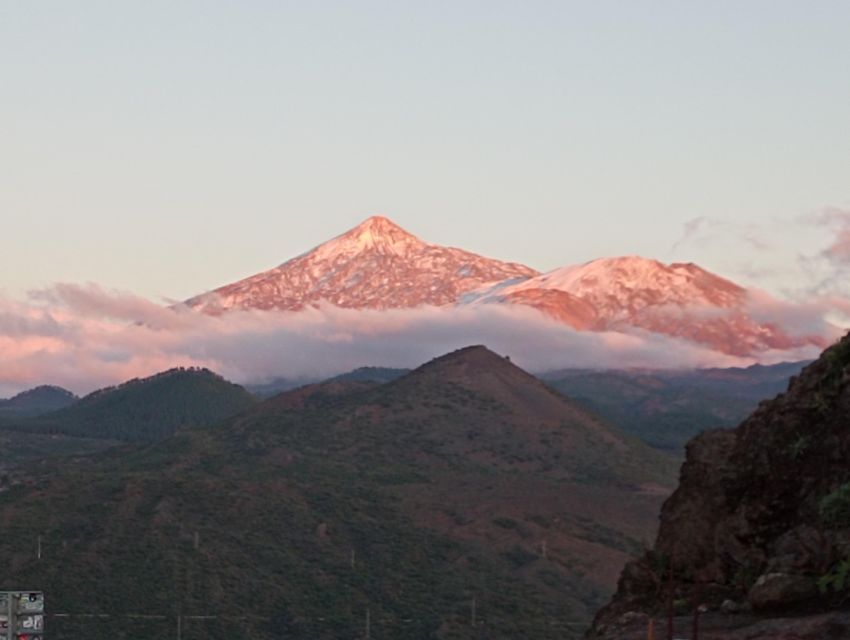
Teide at sunrise is the kind of day you remember for years. This guided hike takes you from the Teleferico del Teide parking area to Spain’s highest point, with included gear and a real focus on high-altitude safety and big sky views. I love that you’re a small group of up to 6, and the guide helps you handle the thin air without rushing. The main consideration: the cable car down costs extra and may not run in wind, turning the day into a tougher 20 km round-trip.
You’ll be walking roughly 10 km with about 1,500 meters of positive elevation, and the route is built around reaching the summit area for sunrise. I also like the included permit to access the peak and trails of El Teide, because that’s not the sort of thing you want to scramble for on your own. The drawback I’d plan for is the cold and darkness on the ascent if you’re going for early light—great for the stars, but not for scenery until the higher viewpoints.
In This Review
- Key Points You’ll Care About
- Why a Teide Summit Hike Feels Different With a Guide
- The Real Numbers: Distance, Elevation, and Time on the Mountain
- Dark Ascent to Sunrise: What the Headlamp and Pacing Actually Help With
- What You’ll See on the Way Up (Besides Your Own Legs)
- The Summit Moment: Views Across Tenerife and the Neighboring Islands
- Safety Briefing and Permits: Small Things That Save Big Headaches
- Cable Car Down: A Cool Shortcut, With One Weather Catch
- Price and Value: Is This Worth $175?
- Group Size and Guide Quality: Why Up to 6 Matters
- Who Should Book This Teide Sunrise Hike
- Who Should Skip It (Or Choose a Softer Option)
- What to Pack: Your Teide Survival Kit
- Timing Tips: How to Avoid the Most Common Mistakes
- Should You Book This Teide Summit Hike?
Key Points You’ll Care About
- Small group size (max 6) means you get pacing help instead of feeling swept along.
- Headlamp, poles, and gloves included—exactly what you want for a cold, pre-dawn start.
- Permit included for access to the peak area and Teide trails.
- Sunrise-focused summit timing with pauses to notice volcanic rock shapes and highland flora.
- Cable car is optional and weather-dependent (wind limits), otherwise you walk down.
- Guides like Almos (and Joshua mentioned in one review) can make a tough altitude day feel manageable.
Why a Teide Summit Hike Feels Different With a Guide
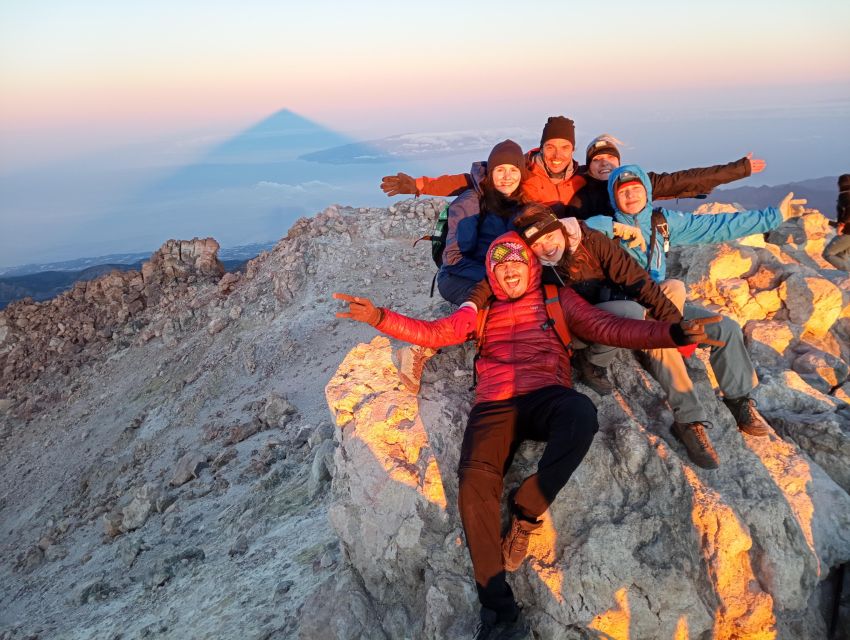
Mount Teide is one of those places where the “simple plan” has hidden edges. One moment you’re on a climb; the next you’re dealing with altitude, cold, and wind—all while trying to be safe and still enjoy the view. This is why I like the guided format here: the pace is controlled, and the day is structured so you’re not just hiking for the sake of hiking.
The experience is also tuned to what makes Teide special. You’re not only getting to Spain’s highest peak; you’re doing it with a permit and a guide who talks about what you’re standing on—volcanic ground, strange rock forms, and the life that survives at elevation. And because the group is limited to 6, you’re more likely to get help when your legs or breathing start to protest.
There’s another value point too: the guide includes safety briefing, plus insurance for the hike. That doesn’t eliminate the effort, but it reduces the stress factor when conditions get real.
You can also read our reviews of more tours and experiences in Tenerife.
The Real Numbers: Distance, Elevation, and Time on the Mountain
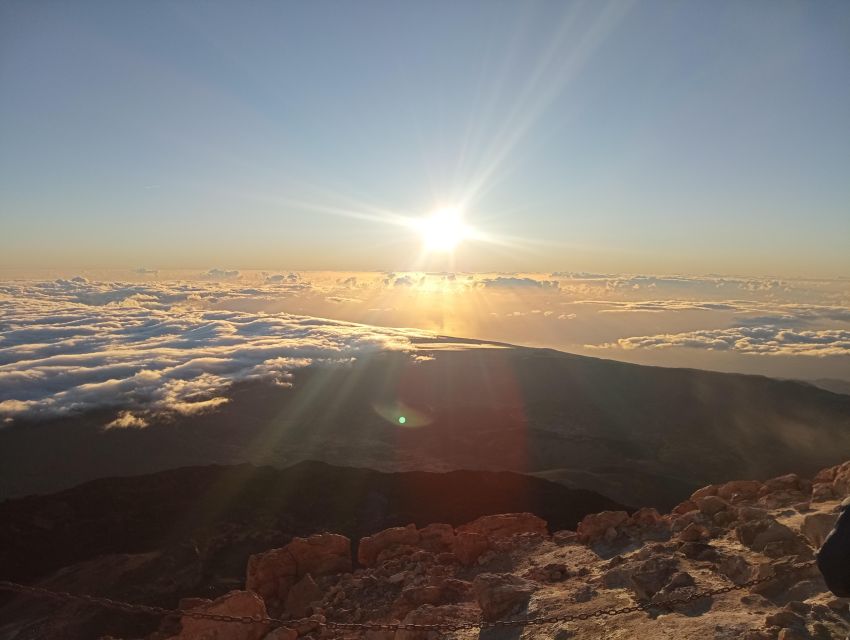
You’re looking at about 10 km of hiking up and roughly 1,500 m of positive elevation. In a typical setup, it takes about 5 to 6 hours to reach the summit area, with stops along the way. That means the hike isn’t an all-day grind with a slow stroll; it’s a steady climb where timing matters—especially if you’re there for sunrise.
The climb also comes with altitude math. The tour plan states you’ll reach around 3,715 meters (12,188 ft), which is a big deal for breathing and stamina even if you’re reasonably fit. The included headlamp and suggested long pants/thermal clothing hint that you’ll start in dark and cool conditions, not warm afternoon hiking.
Total day time is about 7 hours, which is efficient. You spend your energy on the hike and the summit moment, then you come back down—either by cable car or on foot—so you’re not turning this into a multi-day ordeal.
Dark Ascent to Sunrise: What the Headlamp and Pacing Actually Help With
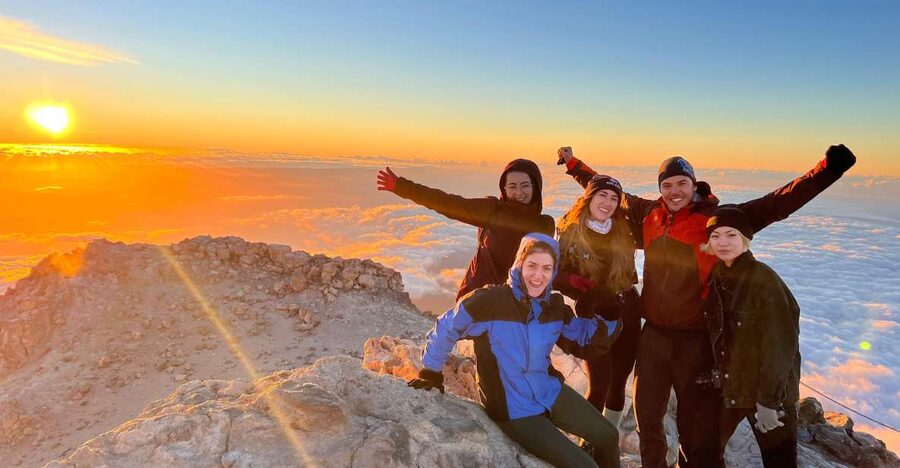
The gear list tells you a lot about what the day feels like: headlamp, walking poles, and gloves are included. That’s not a “nice to have.” Poles take strain off knees on steep sections, and gloves matter because Teide can feel cold and exposed at height.
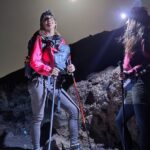
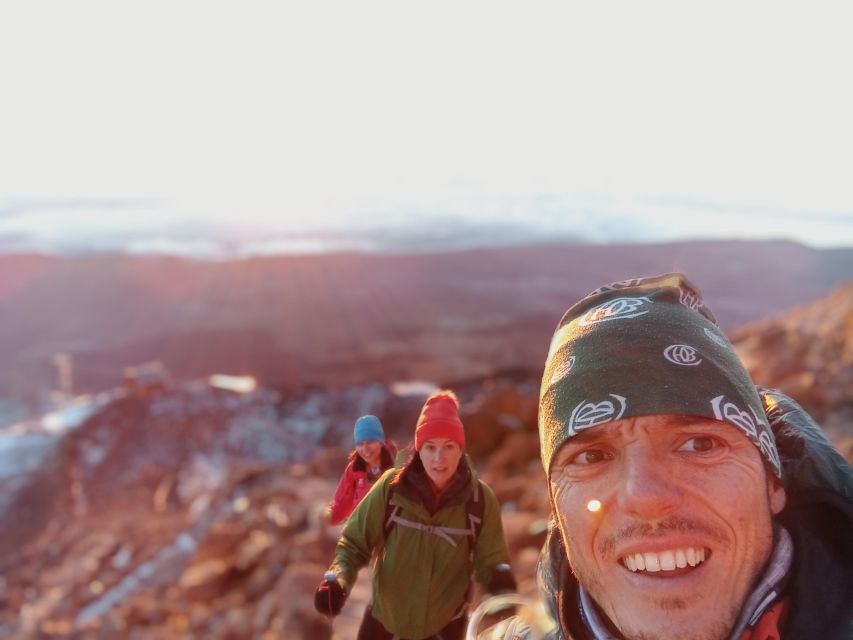
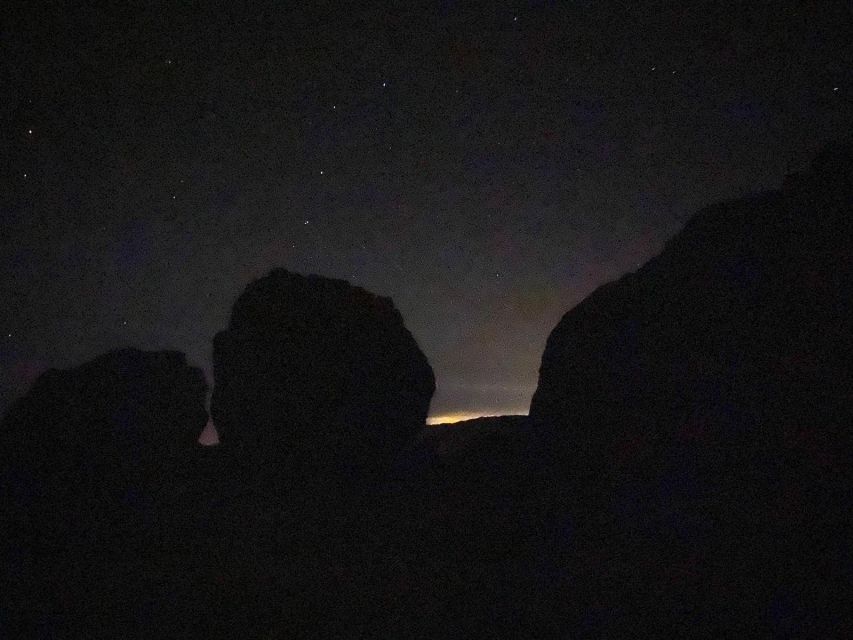
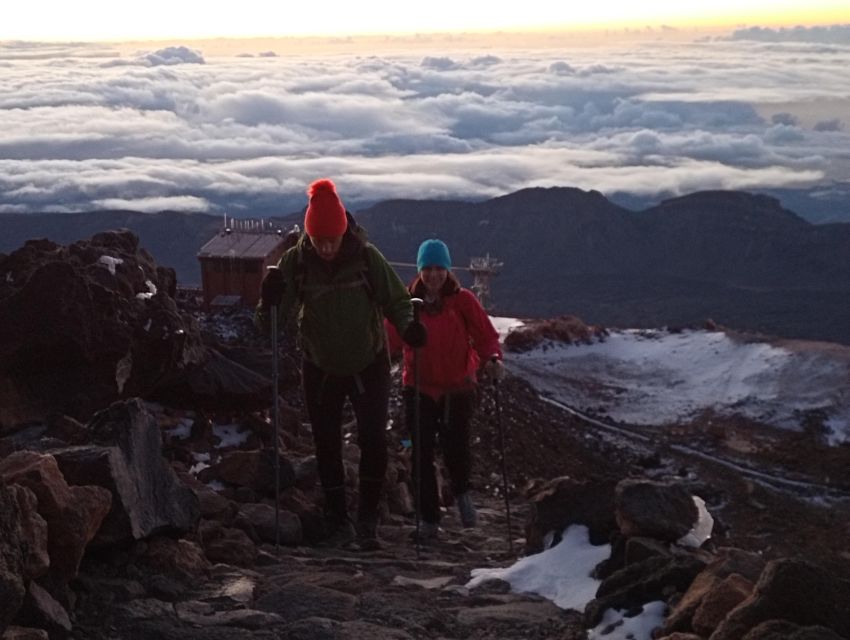
If you’re arriving before dawn (the sunrise focus strongly suggests that), you’ll likely hike in the dark for a stretch. That changes the vibe of the experience: you’re listening, breathing, and learning the route from your guide’s cues. One review describes an impressive star-filled night walk under a sky many people rarely see, and that fits the headlamp setup.
The best part of pacing is psychological. When you’re at altitude, the goal is not to sprint. The guide keeps everyone moving at a sustainable rate and builds in stops to avoid overheating or blowing up your breathing too early. One review specifically praised this kind of support for altitude difficulty and the extra layers and motivation that came along during the climb.
What You’ll See on the Way Up (Besides Your Own Legs)
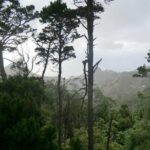
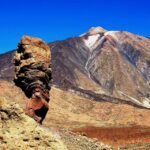
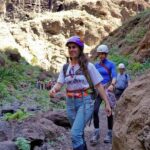
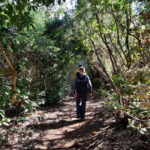
The itinerary-style description is clear that you’ll pause several times during the ascent. Those stops are not random. They’re meant for observing authentic flora and fauna that can handle volcanic and high-elevation conditions, plus the volcanic rock shapes that make Teide feel otherworldly.
This is the difference between “we walked up and got pictures” and “we understood what we were walking through.” At Teide, the ground and rocks are part of the story. Even if you’re not a geology nerd, your guide’s explanations can turn ordinary stops into small discoveries—what this rock pattern suggests, why the vegetation looks the way it does up high, and how the volcanic landscape shaped the area around Tenerife.
Do expect the climb itself to dominate your attention at lower levels, especially early. You’ll probably not see much scenery until the sky lightens. But once the light comes, you’ll start noticing how the views open up and why people travel specifically for this moment.
The Summit Moment: Views Across Tenerife and the Neighboring Islands
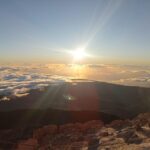
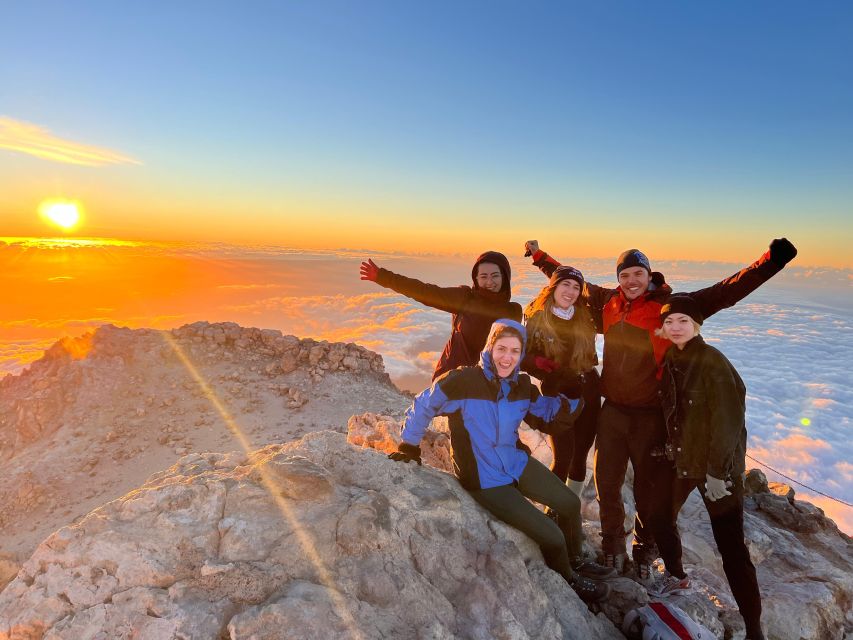
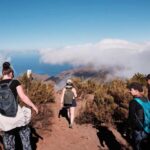
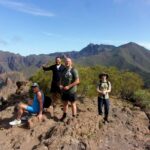
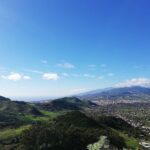
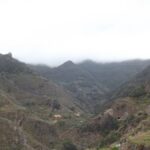
At the top, you’re not just looking at one view. You’re getting a wide, high-altitude perspective that spreads across Tenerife and—if the weather cooperates—toward the surrounding islands. The highlights spell out the islands you may be able to observe: Gran Canaria, La Gomera, El Hierro, and La Palma, plus the Atlantic Ocean.
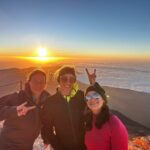
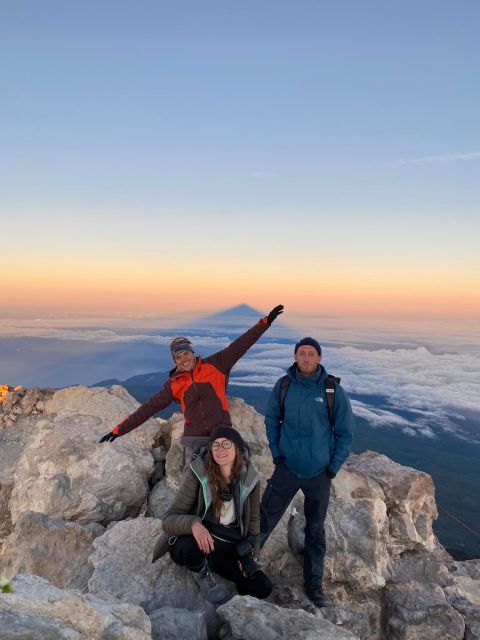
What makes the summit special isn’t only the “highest point” badge. It’s the sense of scale. Teide is high, yes, but you’re also higher than the usual weather layer, which can make the horizon feel extra crisp. And because this tour is sunrise-focused, the light can be dramatic—one of the strongest reasons people rave about the experience, including a review that called it the most incredible sunrise of a lifetime.
Even the practical side matters here: you’ll want layers because summit temperatures can be much colder than you expect at sea level. One review notes that time at the cable-car height can be brief and that conditions can be cold, even with built-in waiting areas. So be ready to bundle up and treat the summit window like a photo-and-breathing moment, not a lazy picnic.
Safety Briefing and Permits: Small Things That Save Big Headaches
Two things in the included list feel like “value insurance” for your day.
First, you get a safety briefing before heading out. That matters when you’re dealing with altitude, uneven terrain, and changing weather. A guide who talks safety early helps you make smart choices later—where to pause, how to use poles, and how to pace yourself when you feel the altitude.
Second, the tour includes the permit to the peak and the trails of El Teide. If you’ve ever tried to plan mountain access on short timelines, you know permits can be the difference between a dream trip and a disappointing scramble. Here, it’s handled as part of the tour.
You also get hike insurance, which won’t make the mountain easier, but it can take the edge off worries if something goes wrong on a long ascent.
Cable Car Down: A Cool Shortcut, With One Weather Catch
After the hike, you have a choice driven by conditions: take the cable car down if it’s running, or walk down if it isn’t.
- Cable car tickets cost €22 per person and are not included in the tour price.
- The cable car runs only in good weather, specifically when wind is less than 35 km/h.
- If the cable car is not working, you walk down by foot, and the plan says the total distance becomes 20 km.
This is the biggest decision point of the day because it changes your fatigue level a lot. Walking down for an extra 10 km can be tougher on quads and knees, even with poles. If your day is already demanding, you’ll be glad you have poles and included gloves for comfort on the descent.
So when should you expect the cable car to work? If the wind is low. But you can’t control that. Plan your expectations: cable car is a bonus, not a guarantee.
Price and Value: Is This Worth $175?
At about $175 per person, the price looks steep until you break down what you’re actually getting.
Included:
- Tour guide (with safety briefing and pacing help)
- Headlamp, walking poles, and gloves
- Permit for the peak and Teide trails
- Insurance for the hike
Not included:
- Hotel pickup/drop-off
- Cable car tickets (€22/person)
In other words, you’re paying for the guide’s time plus the items that make an early, high-altitude climb realistic. Headlamps and poles aren’t optional at this altitude style of trek; they’re practical tools. And the permit is the kind of “administrative cost” that can be hard to obtain on your own.
The best way to judge value is this: Teide is hard, early, and exposed. If you go independently, you might spend time on logistics and you still need the right gear. This tour bundles the key pieces so you can focus on getting to the summit and enjoying the sunrise safely.
That said, if you’re hoping the return trip will definitely be easy, remember the weather rule. Cable car adds comfort, but it’s extra money and not always available.
Group Size and Guide Quality: Why Up to 6 Matters
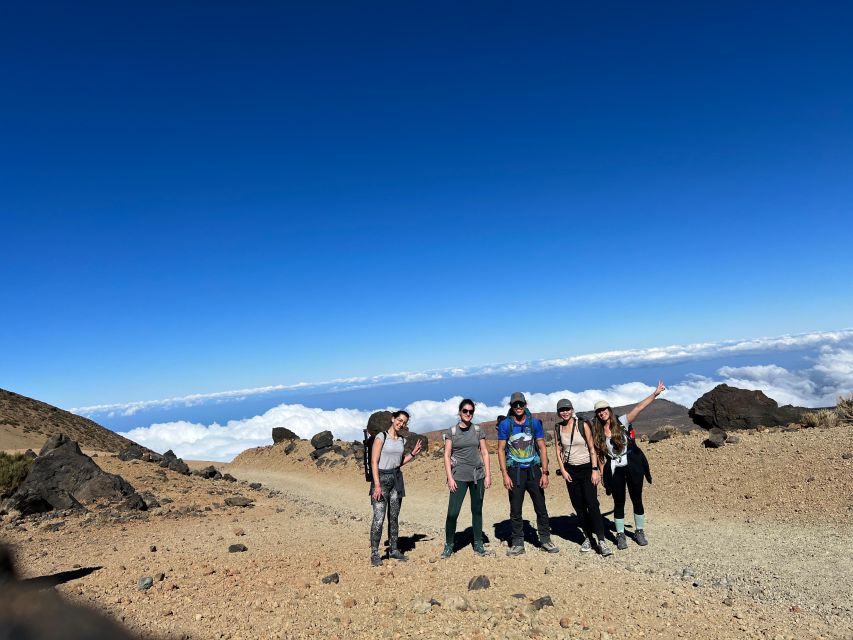
This tour caps the group at 6 participants. That’s a big deal on a route that reaches over 3,700 meters. With fewer people, the guide can slow down for the ones who need it and can adjust pacing when altitude makes walking feel harder than it should.
Reviews strongly emphasize the guide’s support—especially around altitude. One review specifically mentions Almos providing motivation and practical help like extra layers and helpful items during the hike. Another names Joshua alongside a guide, reinforcing that the support team is present beyond just “pointing the way.”
Even if you don’t need handholding, small-group pacing reduces stress. Your day feels more like a shared climb than a crowded scramble.
Who Should Book This Teide Sunrise Hike
This experience is a great fit if you:
- Are comfortable hiking 10 km with 1,500 m of ascent
- Want sunrise at the summit area of Teide
- Prefer guided help for altitude pacing and safety
- Like structured time outdoors instead of winging it
It’s also ideal if you don’t want to manage permit access and summit trail rules on your own.
Who Should Skip It (Or Choose a Softer Option)
The tour is explicitly not suitable for:
- Pregnant women
- People with back problems
- People with mobility impairments
- People with heart problems
- People with respiratory issues
- People with epilepsy
- People with a cold
- People with haemophilia
- People with kidney problems
- People with recent surgeries
- People with motion sickness
Even if you’re healthy, the altitude and early start make this one for people who can handle effort and cold. Don’t treat Teide like a casual morning walk.
What to Pack: Your Teide Survival Kit
The packing list is detailed for a reason. Here’s how I’d translate it into a simple plan for your body and comfort:
Must-haves:
- Hiking shoes (and waterproof shoes are recommended)
- 2 to 3 liters of water
- Food and drinks (bring enough for the hike duration)
- Sunglasses and sunscreen (high altitude + sun glare is real)
- A jacket, long pants, and thermal clothing
- A charged smartphone
Also consider:
- A comfortable layer system so you can add/remove warmth as your body heats up on the climb
- Personal medication if you need it
- ID or passport (a copy accepted)
Don’t show up with:
- Pets, luggage or large bags
- Drones or bikes
- Alcohol or drugs
- Littering (seriously, don’t)
- Bare feet
If you’re planning to bring extra warmth, err on the side of being slightly overdressed. One of the most common comfort failures in mountain weather is underestimating how cold it can feel at the summit.
Timing Tips: How to Avoid the Most Common Mistakes
Teide rewards preparation more than luck. The tour notes suggest eating enough before you start and hydrating well. If you’re even slightly dehydrated, altitude makes that problem louder.
Also plan for wind and temperature swings. The cable car has a wind limit of 35 km/h, but even when it’s running, conditions can change quickly. You don’t need to panic—just dress for it.
Finally, manage expectations about scenery timing. If it’s dark early, you’ll climb first and see the big scenery later. That’s normal. Focus on breathing and pacing during the climb, then switch into “view mode” as light arrives.
Should You Book This Teide Summit Hike?
Book it if your top priority is sunrise at Spain’s highest peak and you want a guided, small-group day with the permit handled. I think it’s especially worth it if you’d rather not figure out logistics while also trying to manage altitude in the dark.
Don’t book it (or look for a different format) if you’re not comfortable with a serious climb to 3,715 meters, or if your health falls into the tour’s not-suitable categories. And if you’re counting on an easy descent, keep the cable car weather rule in mind—wind can force a 20 km walk.
If you’re fit, prepared, and excited for a high-altitude sunrise with serious Atlantic views, this is one of the most efficient ways to experience Teide the right way.