REVIEW · ARUSHA
Arusha: Napuru Waterfalls Guided Hike
Book on GetYourGuide →Operated by Uhuru Adventures · Bookable on GetYourGuide
Napuru Waterfalls feel like a secret walk. I love the way the hike links village life to the quiet Mount Meru forest, with guides like Frank or Uhuru who point out plants, crops, and local wildlife along the way. One thing to consider: you’ll be walking over rocks and through water, plus there’s an extra 40,000 TZS entrance fee on top of the tour price.
This is built for travelers who want something real, not a crowded outing. You get picked up from your Arusha hotel, join a small group limited to 4 people, and spend about 3 hours actually walking, with time to enjoy the waterfall before heading back.
In This Review
- Napuru Waterfalls Hike: What You Really Do and See
- The Walking Route: Arusha Pickup to Napuru Falls
- Along the way through villages
- Into the Mount Meru forest area
- The waterfall arrival and your best rest time
- The Guide Makes It: Why This Feels Different Than a DIY Walk
- Time, Pace, and Physical Reality (So You Can Choose Wisely)
- Money and Value: Is $50 Worth It Here?
- Footwear and River Time: How to Prepare for Napuru Falls
- What the Waterfall Experience Feels Like
- Who This Hike Is Best For (and Who Should Skip It)
- Quick Practical Tips Before You Go
- Should You Book the Napuru Waterfalls Guided Hike with Uhuru Adventures?
- FAQ
- Where does the Napuru Waterfalls hike start?
- How long is the tour?
- How much does it cost?
- What is included in the price?
- Is the entrance fee included?
- What languages will the guide speak?
- How many people are in the group?
- What should I wear or bring for the river section?
- Is the hike suitable for seniors?
Napuru Waterfalls Hike: What You Really Do and See
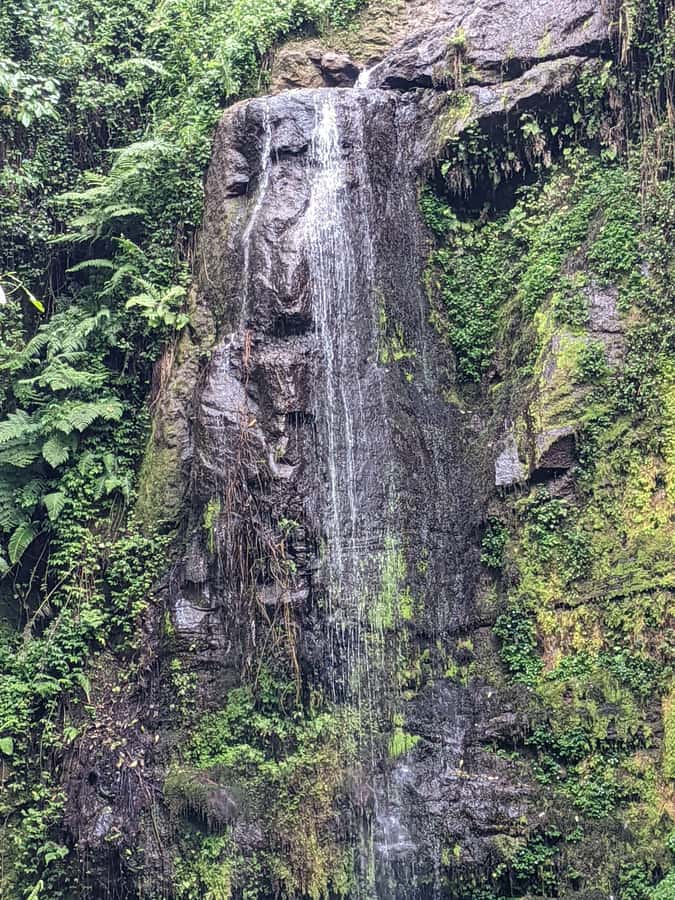
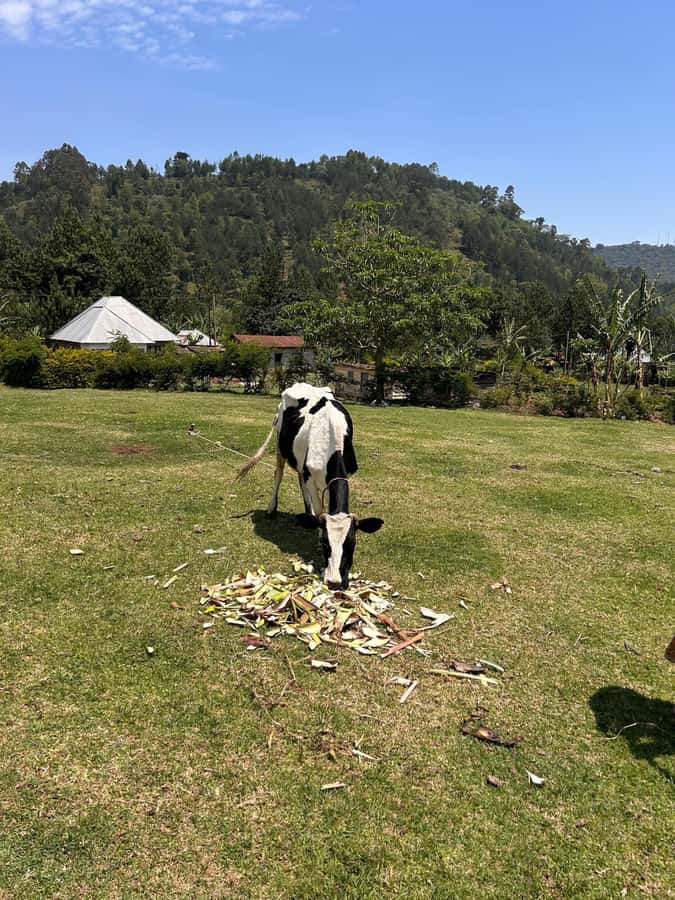
This trip is a “walk and look” kind of experience. You start in Arusha, then move outward toward the Napuru Waterfalls area, passing everyday scenes like grazing cattle and village paths. It’s not just about arriving at the falls. The experience is the route: the guide narrates what you’re seeing and makes the whole walk feel personal.
A major part of the magic is that the trail is not heavily marked. That matters more than it sounds. When a path is unclear, a good guide keeps the group on track and helps you focus on the scenery instead of worrying where to step next. Guides on this hike also pay attention to the small stuff—local plants, the forest’s clues, and the logic of the surroundings—so you leave understanding a bit more about what’s around you.
Then you reach the waterfall, where the atmosphere shifts. Instead of constant movement, you get a slower pace: rest, cool off, and soak in the sounds of water and forest. Multiple guide experiences describe it as quiet and low-key, with fewer people than you’d expect for something this beautiful.
The Walking Route: Arusha Pickup to Napuru Falls
Your day begins with pickup from your Arusha hotel. This is a practical setup because you don’t have to coordinate transport on your own, and it keeps the timing clean. After pickup, you’re on the move toward the waterfall zone with scenic walking time built in.
You can also read our reviews of more tours and experiences in Arusha.

Along the way through villages
Early on, you’ll walk through charming village areas. Expect friendly greetings as you pass homes and farmland. Guides often explain what crops you’re seeing and how people in the area use the land. That small layer of context changes the walk from “pretty” to “I get it.”
This is also where you have one of the best chances to spot wildlife—especially monkeys—while you’re still thinking of it as a hike, not a safari.
Into the Mount Meru forest area
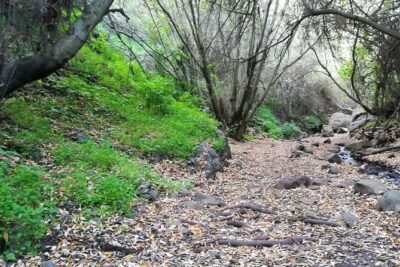
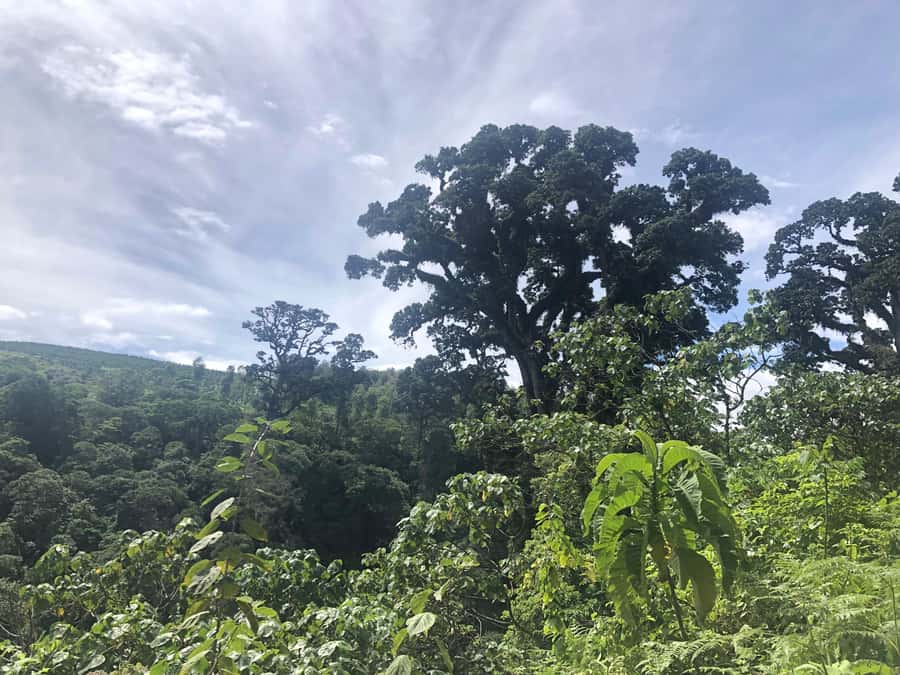
As you continue, you transition toward the Mount Meru Forest Reserve area. The change is immediate: the air cools, the path feels more shaded, and the walk turns more about texture and sound—tree cover, leaves overhead, and the quiet that comes with deeper forest walking.
Here’s a distinctive detail: you may walk barefoot through a shallow river section. It’s one of those experiences that can be fantastic if you’re comfortable with wet feet and taking your time. If you’re not, you still have options (more on footwear later).
The waterfall arrival and your best rest time
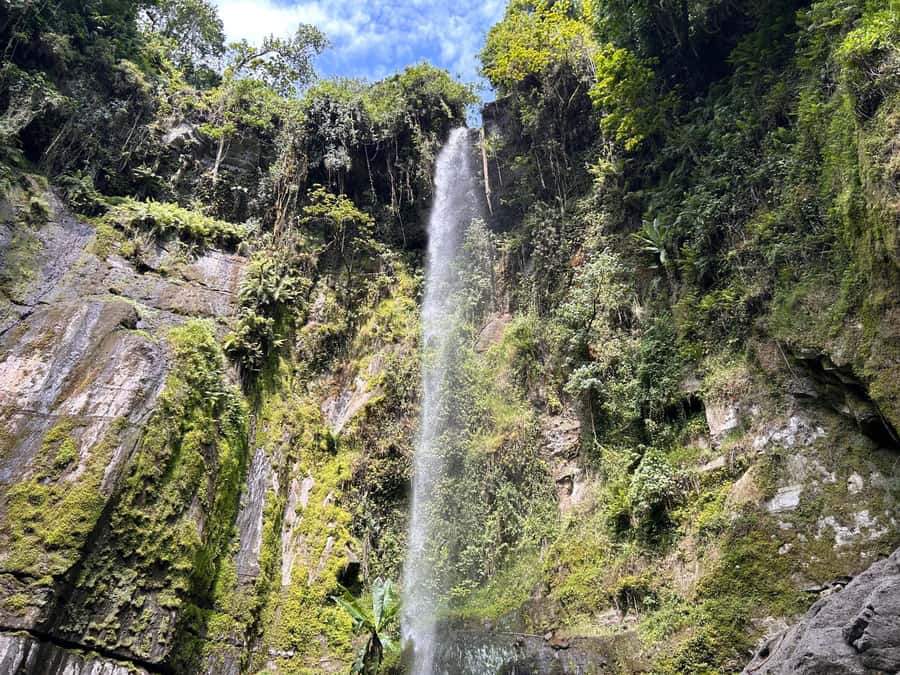
When you reach Napuru Waterfalls, you get the moment you paid for: a cool place to stop. You can relax in the area near the falls and enjoy the water’s chill. Guides are described as patient here, so the stop doesn’t feel rushed.
In some guide-led experiences, you can also find a calmer feel—more nature, less posing-for-pictures energy. You’ll still be with other small-group participants, but it doesn’t sound like the kind of place where you’re stuck in a long line.
The Guide Makes It: Why This Feels Different Than a DIY Walk
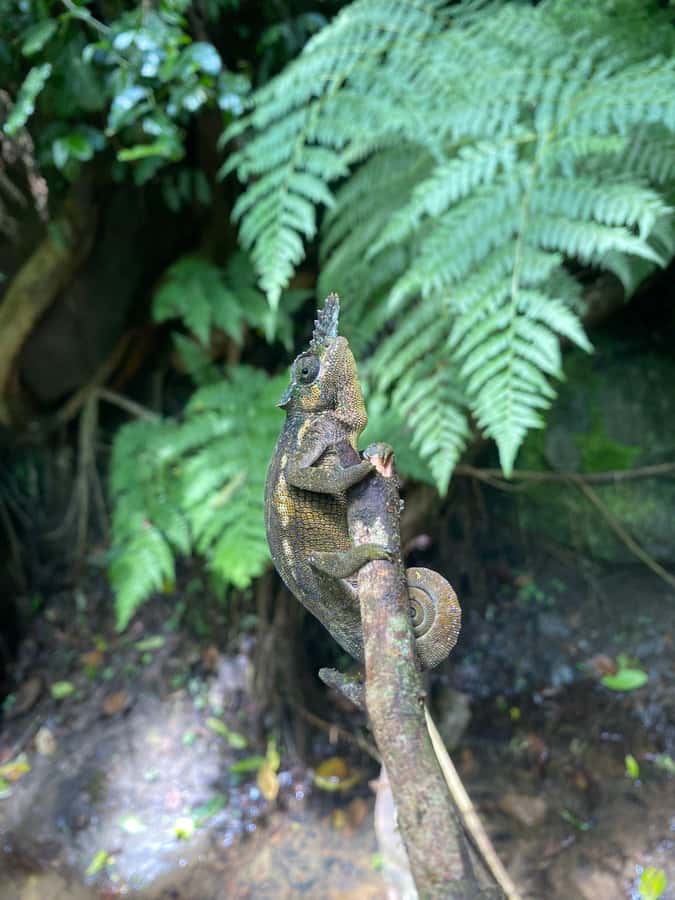
You’re paying for more than movement. You’re buying direction, context, and comfort with an unmarked route. Guides like Frank, Uhuru, Fred/Fredrick, Calvin, and Godfrey are repeatedly highlighted for being friendly, relaxed, and able to connect what you see with the local environment.
The biggest value here is interpretation. Instead of only pointing out the waterfall, guides connect the dots:
- Trees and plants you notice on the trail
- How farmland and village life fit into the region
- What wildlife activity might look like in the area
More than once, guides are described as chatting during the drive and the walk. That matters because it turns the hike into a shared experience instead of a checklist.
And because the trail can be confusing on your own, having a guide isn’t just a nice extra. It’s what keeps the hike smooth enough to enjoy.



Time, Pace, and Physical Reality (So You Can Choose Wisely)
This hike is described as manageable for people who are fairly active. It’s not pitched as an intense mountaineering challenge, but it does include real-world hiking features: uneven ground, occasional rock scrambling, and a river section that can involve barefoot walking.
So here’s the honest trade-off:
- If you’re used to walking outdoors and don’t mind wet feet, you’ll likely find the pace enjoyable.
- If you prefer flat trails with dry footing, you should think carefully.
One more consideration: the trip is about 4 hours total, with roughly 3 hours of hiking. That means you need enough energy for a half-day outing. You’ll also be changing from dry street to forest shade to wet areas, so bring a mindset for varied conditions.
Also note the limit: the hike is listed as not suitable for people over 95 years.
Money and Value: Is $50 Worth It Here?
At $50 per person, this is positioned as a value option because so much of the service is included:
- Hotel pickup in Arusha
- A local guide during the hike
- Local snacks
The big extra cost is the entrance fee of 40,000 Tanzanian Shillings per person, which is not included in the tour price. In practice, guides and participants have mentioned that the fee may accept card, but it’s smart to carry cash as backup.
So does the $50 feel fair? For most people, yes, if you value guidance on an unmarked route and you want local explanations about plants and village life. Without a guide, you’d likely lose both the navigation confidence and the interpretive layer that makes the hike worth repeating in your memory.
This is also a small-group hike (max 4 participants), which helps keep the experience personal rather than hurried.
Footwear and River Time: How to Prepare for Napuru Falls
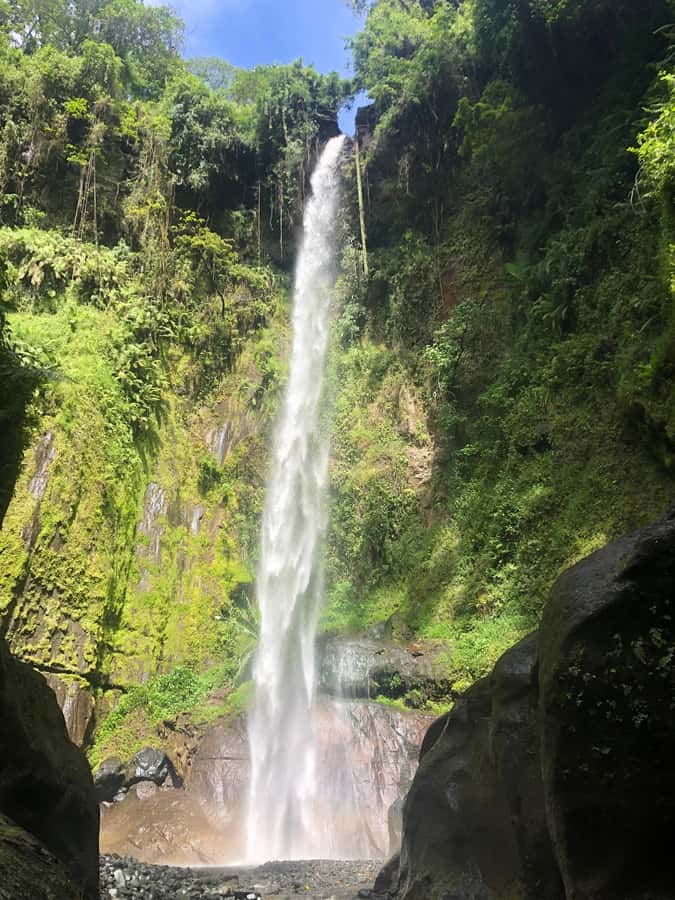
You’ll likely spend time walking through water, and the route includes a barefoot river segment. Some guides also make it possible to use footwear designed for wet conditions. In real-world experience, people have suggested:
- Using your own crocs or wellington boots for walking through the water
- Hiring footwear on-site if you didn’t bring suitable shoes
My practical advice: bring something you can get wet and still walk steadily in. If you hate the idea of bare feet in a river, treat that as your deciding factor before you go.
And because you’ll be crossing uneven ground on the way to the falls, good grip matters more than style.
What the Waterfall Experience Feels Like
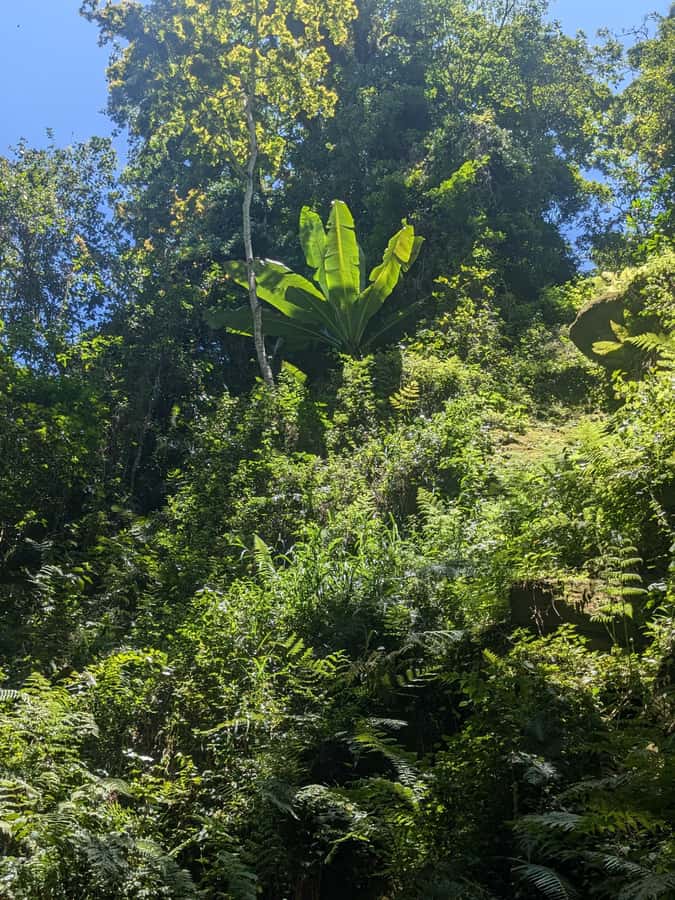
Napuru Waterfalls is the reward at the end of the walk, but it sounds like the best part is how you experience it. Multiple accounts describe the falls as unusually calm—more of a nature stop than a crowded photo stop.
Once you arrive, the focus shifts to taking it slow:
- Resting in the cool water area
- Letting the sound of the falls do the talking
- Enjoying the surrounding forest atmosphere without a hard time squeeze
A subtle but important detail: guides are described as patient and not pushy. That’s the difference between a waterfall that feels like a stop on a schedule and a waterfall that feels like a moment.
Who This Hike Is Best For (and Who Should Skip It)
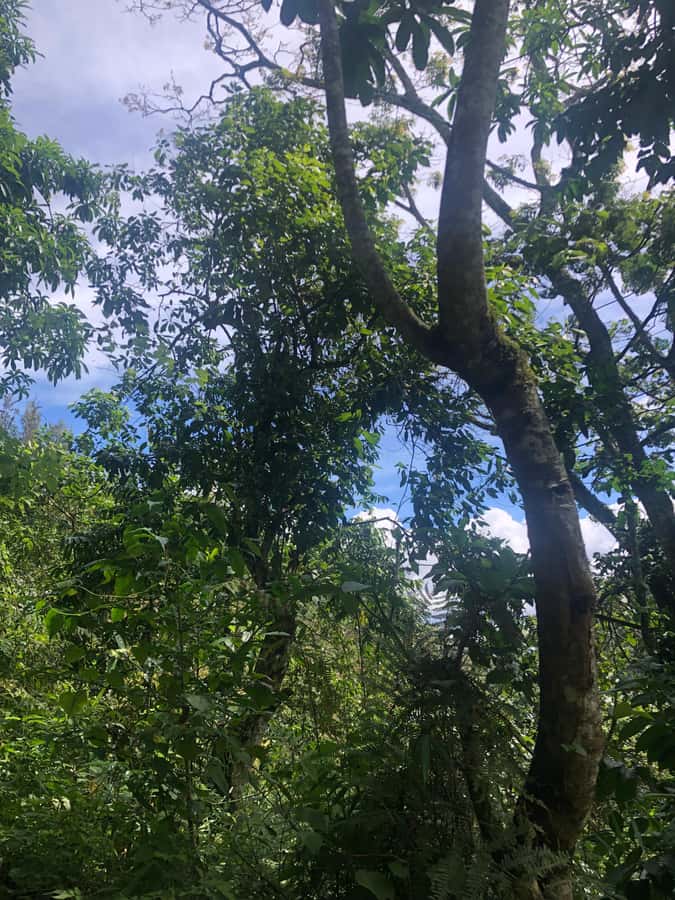
This experience is a strong match if you:
- Want a half-day outdoor walk near Arusha without committing to a full day
- Enjoy learning from a guide about local plants, crops, and wildlife
- Like small-group days where you can ask questions and move at a relaxed pace
- Don’t mind uneven ground or getting wet
You might want to choose a different activity if you:
- Strongly prefer dry, level trails
- Have mobility limits that make rock steps and river sections difficult
- Want a purely “view from a vehicle” experience (this is walking-focused)
And if you’re traveling with kids, keep in mind the river and rock areas can require careful supervision. This doesn’t come with “family-friendly stroller paths” energy.
Quick Practical Tips Before You Go
A few small decisions make your day smoother:
- Plan for the 40,000 TZS entrance fee so you’re not scrambling on arrival.
- Bring footwear you can trust on wet, uneven ground. If you’re okay going barefoot for the river section, that’s part of the experience, but comfort varies.
- If you’re prone to feeling cold after getting wet, bring a light layer you can put on after the waterfall time.
- Expect a small-group pace: with a limit of 4 participants, the guide may tailor the walk and explanations more than on bigger tours.
If you want the quietest waterfall moment, show up with a calm attitude and don’t rush the walking section. The trip works best when you treat it like an afternoon in nature, not a race to the photo.
Should You Book the Napuru Waterfalls Guided Hike with Uhuru Adventures?
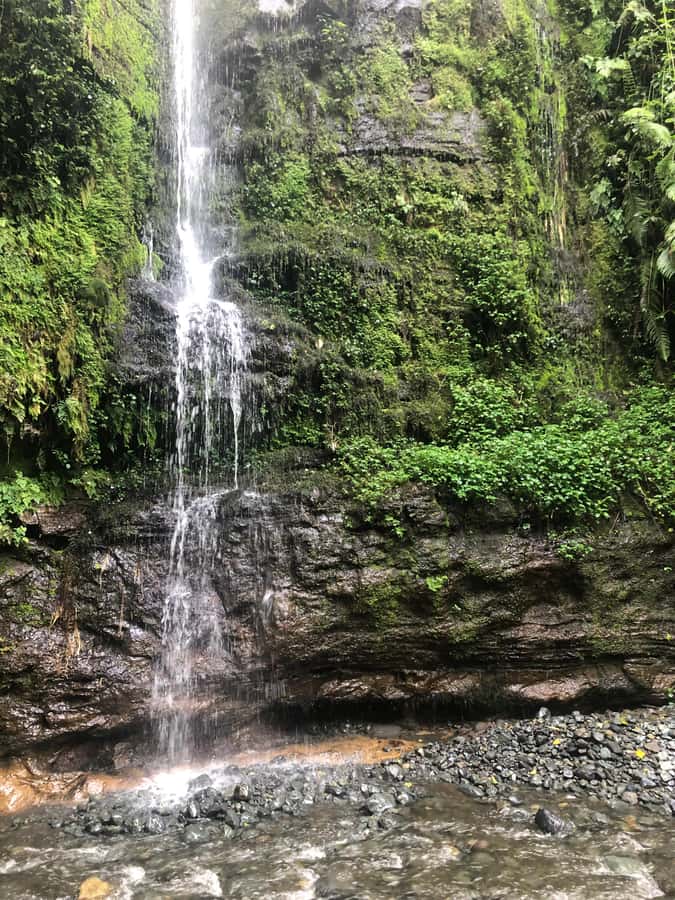
If you’re in Arusha and you want an authentic, low-crowd style hike with local guidance, I’d book this. The combination of unmarked trail navigation, village-to-forest context, and time to relax at Napuru Waterfalls hits the sweet spot for value.
Skip it only if you strongly need dry, easy footing or you’re uncomfortable with wet areas and rock steps. If you can handle that, you’re likely to walk away with both a beautiful waterfall memory and a better understanding of the living landscape around Mount Meru.
FAQ
Where does the Napuru Waterfalls hike start?
The tour includes pickup from your hotel in Arusha.
How long is the tour?
The total experience is listed as 4 hours, with about 3 hours of hiking time.
How much does it cost?
The price is $50 per person.
What is included in the price?
It includes hotel pickup in Arusha, a local guide during the hike, and local snacks.
Is the entrance fee included?
No. There is an entrance fee of 40,000 Tanzanian Shillings per person.
What languages will the guide speak?
The live guide speaks English and Swahili.
How many people are in the group?
This is a small group limited to 4 participants.
What should I wear or bring for the river section?
The walk includes a barefoot river segment, and some people use crocs or wellington boots for the water. Footwear may also be available to hire.
Is the hike suitable for seniors?
The activity is listed as not suitable for people over 95 years.