REVIEW · ARUSHA
Mount Kilimanjaro Day Hike Through Marangu Route to Mandara Hut
Book on Viator →Operated by Kanje grand tours · Bookable on Viator
Kilimanjaro in one day is a real thing. This Marangu Route hike climbs from Marangu Gate (1,860 m) to Mandara Hut (2,700 m), so you get the altitude feel, rainforest colors, and big-mountain energy without committing to a multi-day trek. I love the way this trip targets a “taste test” of Kilimanjaro, and I also love how guides like Johnson, William, Ham, and Abdi are repeatedly described as supportive and attentive to pace. One drawback to plan around: the day runs about 10 hours, and the rainforest can mean steady rain, so you need decent boots and a rain-ready mindset.
If you’re traveling with kids, short on time, or just want to see whether a longer Kilimanjaro route fits your fitness, this is a smart entry point. You’ll start early (6:00 am), register at the national park gate, hike up through rainforest where tropical showers are common, and then enjoy lunch-box food at the hut before heading toward Maundi Crater nearby. The result is a full “Kili day” even though you’re not summiting.
In This Review
- Key highlights to know before you go
- Marangu Route Day Hike: what “Kilimanjaro” feels like in 10 hours
- 6:00 am starts and Marangu Gate logistics that keep things calm
- From rainforest to Mandara Hut (2,700 m): pace, rain, and wildlife moments
- Lunch at the hut and the Maundi Crater add-on
- Guide impact on the Marangu Route: why names keep showing up
- Price and value: what $265 actually buys you
- What to pack (and why it matters on this specific trail)
- Who this one-day Kilimanjaro hike fits best
- Should you book this Marangu Route to Mandara Hut?
- FAQ
- What time does the hike start?
- Where does the trek begin and where do you hike to?
- How long is the experience?
- What’s included in the tour price?
- Is the tour private?
- What’s not included?
- What happens if weather is poor?
Key highlights to know before you go
- Marangu Route, one-day format: Climb to Mandara Hut and return the same day, ideal for first-timers.
- Rainforest section is part of the deal: Expect mist and possible showers; pack rain protection.
- Box lunch at camp: You’ll get food at the hut after reaching your main turnaround point.
- Optional Maundi Crater hike after lunch: A nice add-on when you still have energy.
- Guides that manage pace: Many guides named in feedback focused on encouragement and keeping you moving at your level.
- Good value for what’s included: Lunch, water, snacks, soda/pop, park fees, and private transport are part of the package.
Marangu Route Day Hike: what “Kilimanjaro” feels like in 10 hours
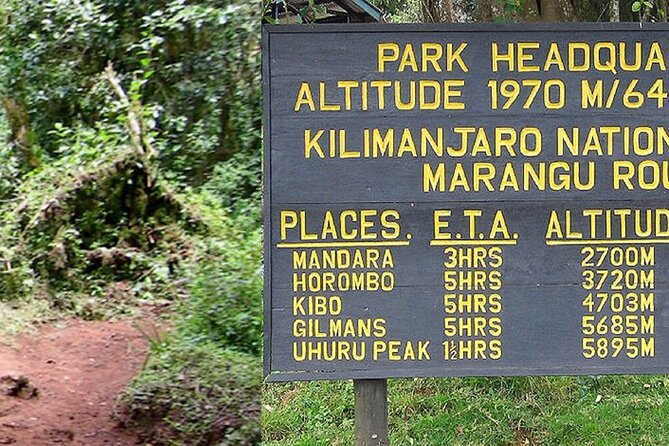
A one-day Kilimanjaro experience is not a gimmick. It’s a concentrated hit of the mountain: the climb starts in the lower zone, you move into higher air, and you spend enough time above the rainforest edge that you feel you’re on a real mountain trek. The Marangu Route to Mandara Hut is the classic “in-and-out” option, and it’s built for people who want context before they commit to a longer expedition.
You’re also getting a plan that’s easier to wrap around a vacation schedule. Instead of carving out a full week, you’re looking at roughly a 10-hour day. That means you can fit Kilimanjaro into a tight itinerary in Arusha without turning your whole trip into one long recovery session.
The altitude bump matters too. You’ll climb from about 1,860 m to about 2,700 m during the day. You won’t get the same multi-day acclimatization approach as longer routes, so treat this as an experience day, not a “train-to-summit” plan. If you take it steady and follow your guide’s pacing, it’s a manageable way to experience the mountain’s rhythm.
You can also read our reviews of more tours and experiences in Arusha.
6:00 am starts and Marangu Gate logistics that keep things calm
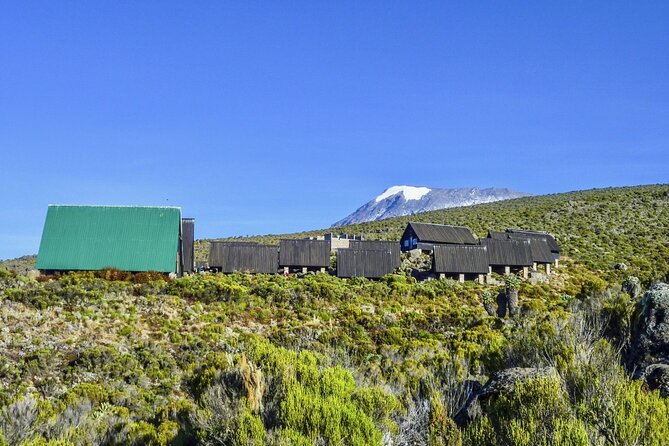
Your day begins early. The meeting starts at 6:00 am, and you’ll meet your guides and do a quick briefing before heading to the eastern entrance of Kilimanjaro National Park: Marangu Gate (1,860 m / 6,046 ft).
Once you get there, the process is straightforward: you register climbing permits and register with the rescue service. That part sounds administrative, but it’s actually reassuring. It means your trek has the basic safety structure in place before you hit the trail.
Then it’s time to walk. The early start also helps with your comfort. You avoid some of the harsher daytime weather swings, and you give yourself more daylight buffer if the hike runs a little slower (which can happen once you’re in the rainforest and the footing gets slick).
From rainforest to Mandara Hut (2,700 m): pace, rain, and wildlife moments
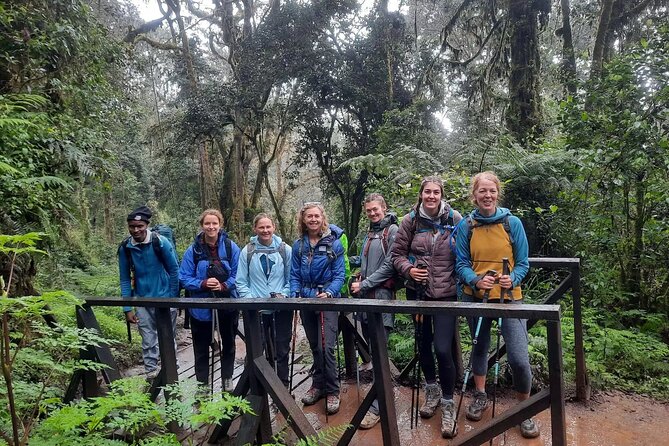
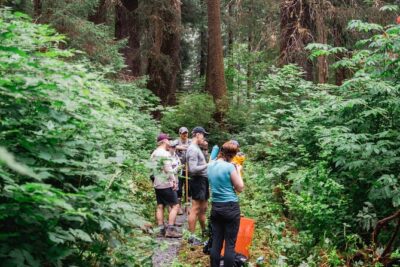
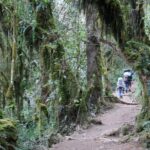
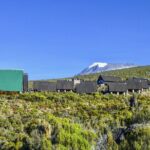
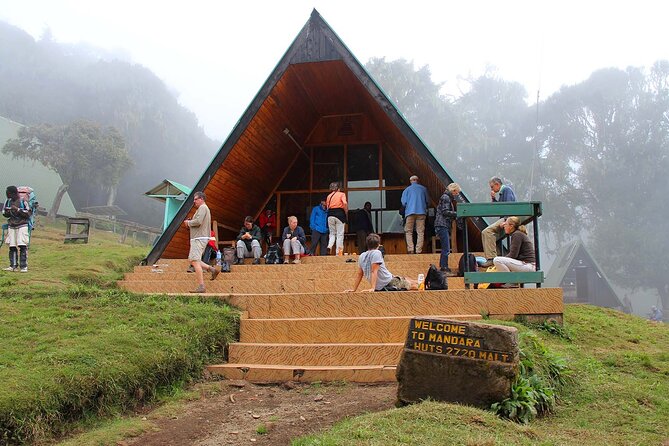
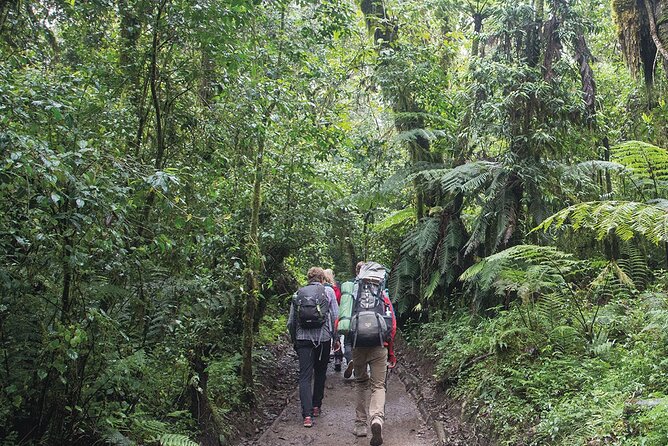
The heart of this hike is the climb to Mandara Hut, at about 2,700 m / 8,858 ft. You’ll trek through rainforest, and tropical showers are highly likely. This is not a “maybe it rains” situation. Bring real rain gear and plan for wet trail conditions.
How hard is it? The trip is described as suited for people with moderate physical fitness. “Moderate” doesn’t mean easy. The trail can get steeper as you ascend, and carrying yourself comfortably matters more than speed. In the feedback, guides often set a pace that matches the hiker—people mention support and encouragement, with some guides even using hands-on reassurance when the incline felt tough. That shows what matters most on this route: steady steps, calm breathing, and trusting your guide’s timing.
Wildlife is a fun bonus here, especially in the lower rainforest zone. One common highlight is monkeys—people specifically mention colobus-style sightings—plus birds and quick “look up” moments in the trees. The key word is moments. Wildlife isn’t guaranteed every minute, but the rainforest setting gives you better odds than a bare, rocky trail.
When you finally reach Mandara Hut, you’ve done the main climb of the day. From there, you shift from “getting up” to “enjoying what you reached.” That mindset change is half the reward.
Lunch at the hut and the Maundi Crater add-on
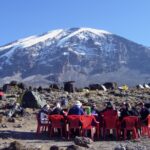
Once you reach camp, you’ll get lunch-boxes. The food setup is practical: you’re not waiting around for a sit-down meal service. It’s fuel that fits the day’s pacing, and it gives you a chance to refuel before you decide what’s next.
After lunch, you can take a hike to Maundi Crater nearby. This is a smart optional component. It helps you stretch the day from a simple point-to-point climb into a more varied mountain outing with another scenic target.
There’s also a mental benefit. Reaching Mandara Hut first gives you the “I’m on Kilimanjaro” milestone. Then the crater hike turns your remaining time into exploration instead of just survival-mode walking. If the weather is misty, don’t assume it’s automatically bad. For many people, fog and cloud can actually make the experience feel more atmospheric and dramatic.
Guide impact on the Marangu Route: why names keep showing up
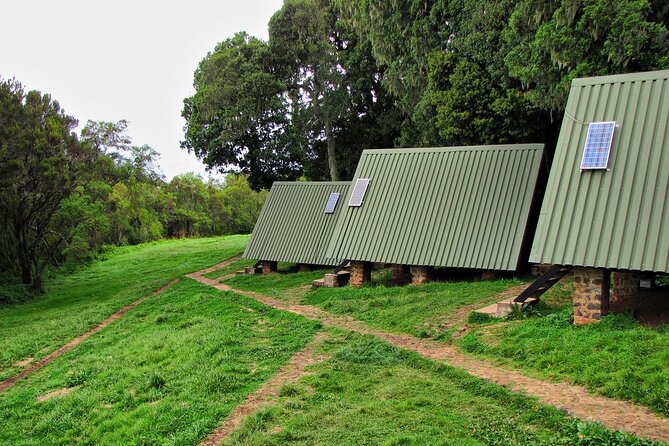
On a one-day hike, your guide can make or break the experience. You’re walking for hours, you’re dealing with altitude and weather, and you need someone to manage your energy.
The strong theme in the feedback is guidance that keeps things human and safe. People repeatedly name guides such as Johnson, William, Ham, Wille, Abdi, Ernest, Anthony, and Jackson, and the descriptions are consistent: friendly support, clear knowledge, and a pace that works for the group. Some hikers highlight encouragement during harder moments. Others stress that their guide adapted speed to their level so they stayed on schedule.
That matters because the Marangu day isn’t just a “walk and see” outing. It’s an effort day. A good guide:
- keeps you moving without rushing you
- explains what you’re seeing along the route
- helps you manage effort when rain or steep sections slow you down
If you care about comfort and confidence on the trail, this is the part to pay attention to when you choose your operator and confirm your guide assignment.

Price and value: what $265 actually buys you
The price is $265 per person, and group discounts are offered. On paper, a one-day tour can look “short,” but Kilimanjaro costs come from logistics, guides, permits, and the work of running a safe hike. Here, your day includes a lot of the expensive basics.
What’s included:
- Lunch
- Soda/pop and bottled water
- Snacks
- All fees and taxes
- Private transportation
- Admission ticket is listed as free
If you’ve tried planning your own day hike on Kilimanjaro, you know the hidden costs add up fast. You need permissions, trained staff, and a transport plan from Arusha to the gate and back. Having private transport simplifies the day. It also reduces friction when you’re starting at 6:00 am.
Is it worth it? For many people, yes—especially if this is your first Kili taste. You’re buying access to a guided climb to Mandara Hut, a real slice of rainforest trekking, and a structured plan that keeps the day manageable.
What to pack (and why it matters on this specific trail)
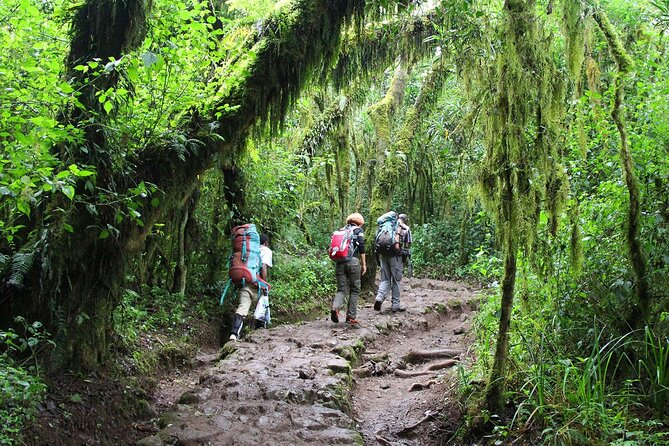
Because this is a rainforest-heavy route with possible showers, your packing list should be about function, not style.
Plan for:
- Rain protection (raincoats are specifically recommended)
- Good grip footwear for wet trails
- A layer system, because conditions can shift as you gain altitude
- A pace-friendly mindset: take it slow enough that you can enjoy the hike, not just finish it
If you’re bringing kids or going at a moderate fitness level, the biggest difference-maker is comfort on your feet. Wet trail surfaces can turn a moderate climb into a tiring one if your shoes aren’t up to it.
Who this one-day Kilimanjaro hike fits best
This is a strong choice if you’re:
- short on time in Arusha but still want a true Kilimanjaro day on the trail
- traveling with children who may not be ready for a full multi-day trek
- unsure about your stamina and want a lower-commitment way to judge your readiness
It can also work well as a “first big mountain” experience, as long as you take it seriously. That means starting early, following your guide’s pace, and not turning the day into a race.
If you’re expecting a casual stroll with almost no effort, you’ll likely find the climb challenging. One feedback theme calls it demanding. The good news is that guides are described as supportive and patient, especially when weather makes the trail slower.
Should you book this Marangu Route to Mandara Hut?
If you want a real Kilimanjaro experience without a multi-day commitment, this is an easy yes. The structure is built for a full day in the mountains: early start, park gate formalities, rainforest trekking, lunch at the hut, and a chance to hike toward Maundi Crater nearby. The feedback is consistently positive, with hikers rating it highly and repeatedly praising guides and organization.
You should consider another plan if you know you’re not comfortable with steady uphill walking for around 10 hours, especially in possible rain. This isn’t a test of bravery; it’s a test of steady effort. If you can manage that, you’ll come away with a clear picture of what Kilimanjaro feels like.
Also keep weather in mind. The experience depends on good weather. When conditions are off, the operator offers a different date or a full refund, which helps if you’re trying to protect the trip on a tight itinerary.
FAQ
What time does the hike start?
It starts at 6:00 am.
Where does the trek begin and where do you hike to?
You go from Kilimanjaro National Park’s eastern entrance at Marangu Gate (1,860 m) up to Mandara Hut (2,700 m), then return to the entry gate the same day.
How long is the experience?
It’s listed as about 10 hours.
What’s included in the tour price?
Included are lunch, soda/pop, bottled water, snacks, all fees and taxes, and private transportation.
Is the tour private?
Yes. It’s private for your group only.
What’s not included?
Visa and tips are not included, and international flights are also not included.
What happens if weather is poor?
The experience requires good weather. If it’s canceled due to poor weather, you’ll be offered a different date or a full refund.