REVIEW · ARUSHA
Private Day Tour Kilimanjaro Hike
Book on Viator →Operated by King Mufasa Expeditions · Bookable on Viator
One day is enough to feel Kilimanjaro. This private trek from Arusha or Moshi lets you tackle the Marangu Route at a relaxed pace, focusing on the hike up to Mandara Hut without needing to plan a full summit climb. I especially like the smooth logistics—hotel pickup, registration at Marangu Gate, and an easy ride back—plus the fact that the day is built around real rainforest hiking with wildlife sightings. One thing to know upfront: this is a taste of Kilimanjaro, not a summit attempt, so if you’re chasing the biggest high-altitude challenge, you won’t get that here.
You’ll start early (typically around 6:00–6:30 AM), walk through lush forest with birds and monkeys, and stop for a picnic lunch at Mandara before heading down. Guides I’ve seen praised again and again—like Luck, John, Solomon Godfrey, Noel, and Emma—tend to be friendly, safety-focused, and great at keeping you moving at your own pace.
In This Review
- Key highlights worth getting excited about
- Kilimanjaro in One Long Day: Who This Private Trek Fits
- From Your Hotel to Marangu Gate: The Morning Logistics You’ll Appreciate
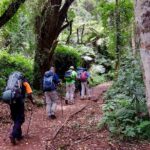
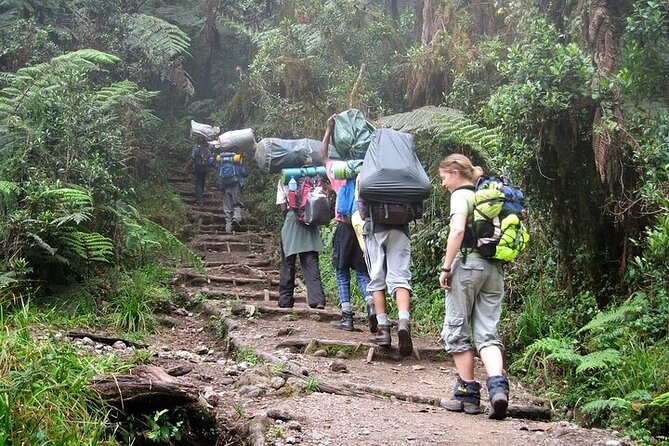
- Rainforest Climb Toward Mandara Hut: What You’ll Actually Walk Through
- Picnic Lunch at Mandara Hut: Break Time with a View (and Wildlife)
- The Descent Back to Main Gate: Why Going Down Can Still Be a Real Trek
- Price and Value: What You’re Really Paying For
- Guides and Drivers: The Human Side That Makes or Breaks the Day
- Weather, Altitude, and Comfort: Your Real Checklist for a Day Hike
- Should You Book This Private Day Tour to Mandara Huts?
- FAQ
- How long is the private Kilimanjaro day hike?
- Where does the tour start and where does it end?
- Is hotel pickup included?
- Do I need to pay park fees separately?
- What part of the Kilimanjaro route do you hike?
- Is this tour private?
- What time does the hike typically start?
- What’s included for hiking comfort?
- What should I plan to bring since some items aren’t included?
- What is the cancellation rule?
Key highlights worth getting excited about
- Private day trek with hotel pickup from Arusha or Moshi, so you’re not stuck waiting with strangers.
- Marangu Gate registration included, meaning you handle the official entry process without hassle.
- Mandara Hut is the turnaround point, so you get Kilimanjaro without committing to a long multi-day climb.
- Rainforest wildlife and birdlife are part of the day, with sightings of blue/colobus monkeys and even smaller animals like dik-dik.
- Hiking poles and drinking water are provided, which helps a lot on a day that runs about 10 hours.
Kilimanjaro in One Long Day: Who This Private Trek Fits
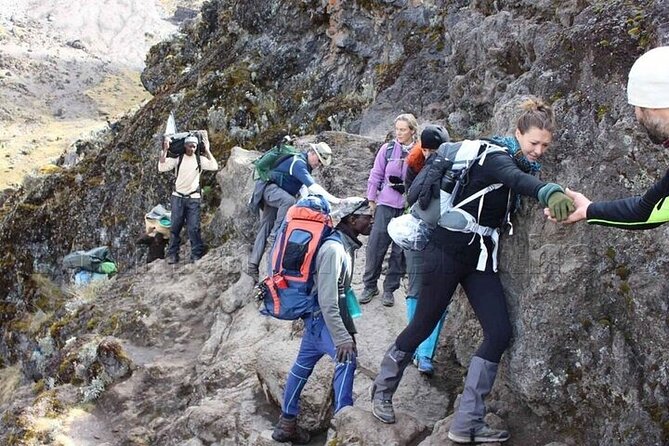
If you’re short on time, this is the most practical kind of Kilimanjaro trip. You get the feeling of being on the mountain—morning start, official entry, a guided climb into the rainforest—without spending multiple days camped at altitude.
I think it’s a great fit if you’re a beginner, returning to hiking after a break, or traveling with limited flexibility. The plan is built around reaching Mandara Hut, taking a short rest (around 30–45 minutes), then descending slowly back to the Main Gate. That structure keeps the day focused and manageable.
The “private” part matters too. Even though you’re not alone in the park, you’re not sharing the experience with a random crowd the way you might on larger group tours. Plus, you may see group discounts offered depending on how you book, which can make it better value if you’re traveling with family or friends.
One caution: because you’re going for a daytime push up to the first major stop, the hike can still feel like work. The forest trails and steady ascent mean you’ll want comfortable shoes and a calm hiking pace.
You can also read our reviews of more tours and experiences in Arusha.
From Your Hotel to Marangu Gate: The Morning Logistics You’ll Appreciate
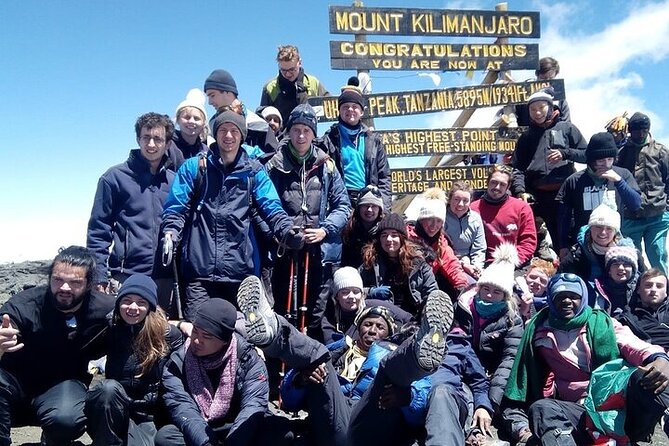
The day starts with pickup from your hotel in Arusha or Moshi, then a drive to Marangu Gate. That transfer saves you energy and helps you avoid the common headache of figuring out permits and getting the timing right.
At Marangu Gate, you’ll register with the authorities before you begin your hike. That step is more important than it sounds. It keeps things official, organized, and on schedule—especially since the day’s success depends on starting early and getting to Mandara Hut in time.
Timing-wise, the activity runs daily within a set window—typically starting around 6:00 AM to 6:30 AM. This matters because rainforest trails and morning conditions are usually your best bet for a smooth climb and a pleasant return.
On the drive, guides and drivers often add context. For example, Emmanuel is praised for sharing insights about Moshi Town and the Chagga Village as you head toward the gate. It’s not just travel time. It’s extra value and it helps you understand what you’re walking through.
Rainforest Climb Toward Mandara Hut: What You’ll Actually Walk Through
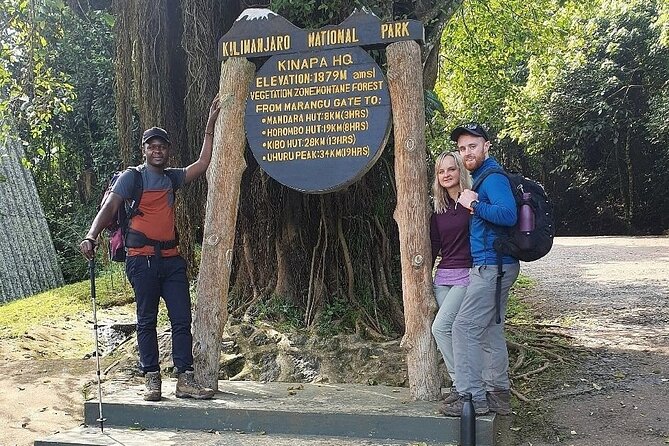
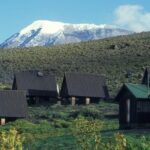
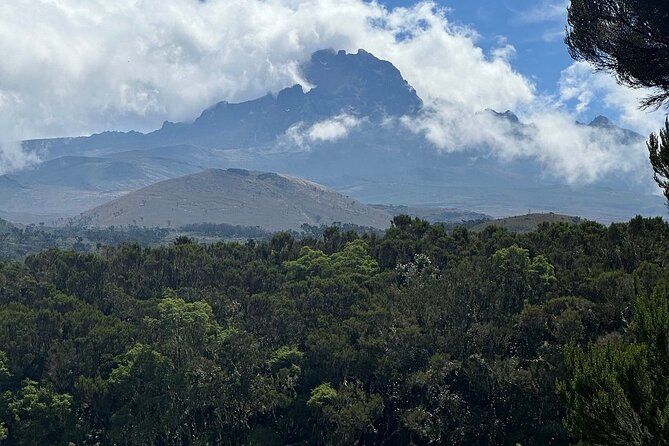
Your main goal is reaching Mandara Hut, the first point of this day route. You’ll be walking through lower altitudes on the Marangu approach, which is a big reason this works for first-timers. You still feel the mountain, but you’re not trying to survive the hardest stages of Kilimanjaro routes.
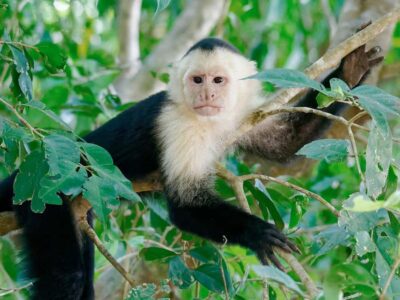
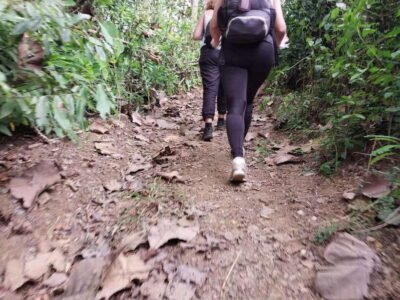
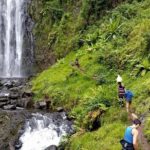
Expect the trail to be in a lush rainforest zone. This is where the day gets fun in a different way than a “summit grind.” You’ll likely hear birds more than you see them, and if you’re lucky (or your guide is good at noticing), you’ll spot monkeys along the way. People describe seeing Colobus and blue monkeys, plus plenty of birds—and a guide’s ability to help you spot wildlife at the right moment is a huge part of why the day feels special.
The walking style is also worth noting. You’re aiming for steady progress rather than sprinting. Guides mentioned in the feedback—like Solomon Godfrey—are known for encouraging hikers to go at their own pace. That advice translates into fewer stress moments and a better day overall.
The route direction you take is the southeast approach, and the vibe changes as you climb. Even within the same day, the forest can feel cooler and more shaded, and your breaks become more about rhythm than recovery. You’re building a comfortable pace so the day doesn’t turn into a sprint you regret.
Picnic Lunch at Mandara Hut: Break Time with a View (and Wildlife)
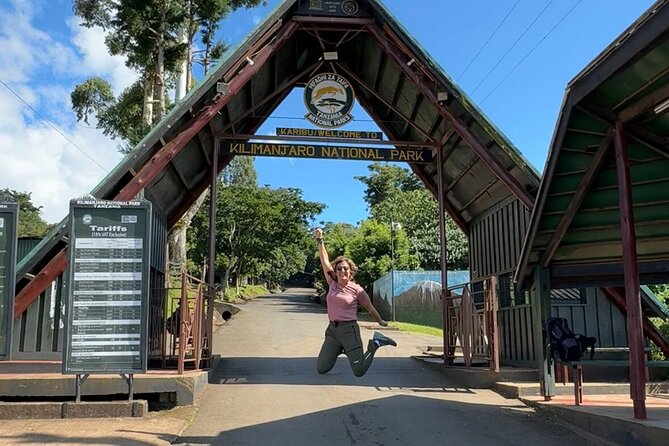
Reaching Mandara Hut is the moment your day tour earns its name. You’re not turning around at a random halfway point. You’re getting to a recognized hub on the mountain route and then taking a proper break.
You’ll rest for about 30 to 45 minutes. During that window, the picnic lunch is part of the experience. This is a key detail: you’re not just eating on the move. You have time to sit, look around, and reset your energy before the descent.
That rest period is also when wildlife spotting often peaks. People describe monkey encounters and birdlife along the trail, and once you pause at Mandara, you tend to notice more in your surroundings—small movement, calls from the trees, and animals darting through the edges of the path. Even glimpses of smaller species like dik-dik show up in memories, mostly because the day is structured to slow down.
If you’re traveling with a mix of fitness levels, the Mandara stop helps everyone. Everyone gets the same main “goal moment,” then the descent feels like a coordinated finish instead of a chaotic retreat.
The Descent Back to Main Gate: Why Going Down Can Still Be a Real Trek
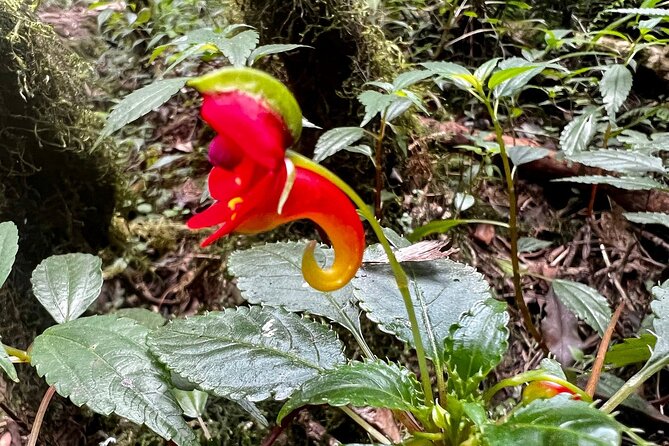
After the Mandara break, the day turns into a slow descent back to the Main Gate. This is where many people underestimate effort. Going down can be tough on knees and ankles, especially if the trail is uneven or you’ve been walking longer than you expected.
The good news is that the day is paced for a day hike. Your plan includes a “slow descent,” not a fast jog back. That’s exactly what you want for comfort.
Two practical points help a lot here:
- Bring and use the hiking poles you’re provided. You’ll feel the difference on uneven ground and while controlling your speed.
- Keep your pace consistent, not dramatic. A steady shuffle is safer than sudden bursts of speed to catch up.
Also, the tour design includes a driver waiting to take you back after you finish. So you’re not stuck searching for a ride or improvising your final hours. People describe the return drive as relaxing, with cold or warm refreshments mentioned as part of the ride back to your hotel.
Price and Value: What You’re Really Paying For
At $264 per person for a roughly 10-hour private day hike, the price might look high at first glance. But when you break it down, it’s paying for more than just a guide’s time.
Here’s what’s explicitly included in your package:
- All fees and taxes, including park fees for non-residents
- A professional driver/guide and transportation
- Admission ticket included
- Drinking water during the day
- Hiking poles
- All taxes/VAT
- Group discounts are listed as a feature (depending on how you book)
What’s not included:
- Tips and gratuities for guides, porters, and cooks
- Personal expenses
- Visas, international flights, laundry, travel insurance
- Sleeping bags
For many people, sleeping bags are the big surprise because Kilimanjaro is famous for camping. Here, it’s a day hike, so you’re not being asked to show up with summit gear for an overnight trek. Still, the fact that sleeping bags aren’t provided is a reminder to check what the operator expects you to bring for your exact day plan.
In value terms: you’re paying for a whole organized day—entry process, permits, transport, a guided rainforest hike, and the in-forest lunch rhythm—without the need to build logistics yourself. If you’ve tried to coordinate park access and timing on your own in Tanzania, you’ll appreciate what’s saved.
Guides and Drivers: The Human Side That Makes or Breaks the Day
This tour’s best reputation isn’t about the view alone. It’s about how the day is run and how people feel while they’re hiking.
Multiple guide names show up in positive feedback: Luck, John, Solomon Godfrey, Noel, and Emma. The common threads: friendly attitude, professionalism, and helping you feel safe and confident. One reason this matters on a day hike is that you can’t “out-technique” fatigue. You need a guide who can manage your pace, answer questions, and keep you calm when the rainforest feels hotter or your legs feel heavy.
Drivers also get credit. Emmanuel is singled out for sharing insights about Moshi and the Chagga Village en route. That kind of storytelling turns a transfer into part of the trip.
And yes, the operator is involved. Davis, mentioned as an operator/owner, gets praise for prompt communication and making sure details line up smoothly on the day.
If you care about good vibes and reliable leadership more than you care about chasing a summit photo, this is where this day tour tends to win.
Weather, Altitude, and Comfort: Your Real Checklist for a Day Hike
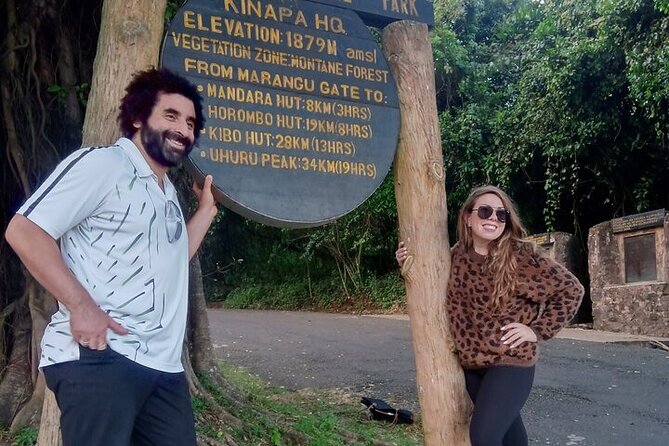
Even though you’re not summiting, you should still plan like you’re hiking on a mountain. Conditions can change quickly on Kilimanjaro—especially from early morning to midday and during the descent—so layers and comfort matter.
Based on what’s included, you’ll likely want to focus on the personal stuff:
- Wear good hiking shoes with grip.
- Dress in layers so you can adjust as you climb.
- Bring a small daypack for your personal items.
- Use the provided poles to help your joints on the way down.
Also, remember this is about the rainforest route. You may want a little rain protection and something to keep dust and sweat under control. Your guide will handle the route and timing; you handle your comfort.
If you’re prone to getting cold early, start with a layer for the drive before the hike warms you up. If you run hot, plan for breathing room. Your guide can also help adjust pacing.
Should You Book This Private Day Tour to Mandara Huts?
Book it if you want Kilimanjaro without turning your trip into a long, gear-heavy expedition. It’s a smart choice for first-time hikers, short-stay travelers, couples, and anyone who wants an organized, private-feeling introduction to the mountain.
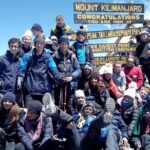
Skip it (or choose a different Kilimanjaro plan) if your main goal is summiting or if you want a multi-day acclimatization journey. This day hike reaches Mandara Hut and then comes back down. That’s the point.
One final tip: if you have knee issues or you’re new to downhill walking, ask your guide to help you manage descent pace. The tour’s structure supports slow movement, and using the poles will make a real difference.
If you want a day that feels meaningful, guided, and well run—this Marangu Route to Mandara Hut setup is an easy yes.
FAQ
How long is the private Kilimanjaro day hike?
It runs about 10 hours (approx.), including pickup, registration, hiking to Mandara Hut, a short rest, and the return drive.
Where does the tour start and where does it end?
It starts with pickup in Arusha (and you can also be picked up from Moshi), and it ends back at the meeting point you started from.
Is hotel pickup included?
Yes. Pickup is offered from hotels in either Moshi or Arusha.
Do I need to pay park fees separately?
No. Park fees (for non-residents) and all fees and taxes are included, along with admission ticket access.
What part of the Kilimanjaro route do you hike?
You hike part of the Marangu Route, reaching Mandara Hut as the main turnaround point, then descend back to the Main Gate.
Is this tour private?
Yes. It’s private, meaning only your group participates.
What time does the hike typically start?
The activity window lists starts between 6:00 AM and 6:30 AM, Monday through Sunday.
What’s included for hiking comfort?
The tour includes hiking poles and drinking water during the day.
What should I plan to bring since some items aren’t included?
The tour does not include tips/gratuities, personal expenses, travel insurance, visas, sleeping bags, or other personal nature items.
What is the cancellation rule?
You can cancel up to 24 hours in advance for a full refund. If you cancel less than 24 hours before the start time, there’s no refund.