REVIEW · ARUSHA
Mount Kilimanjaro Day Hike
Book on Viator →Operated by Rupia Adventure · Bookable on Viator
One-day Kilimanjaro thrills, without the summit slog. This day trip from Arusha gives you a real taste of the Marangu Route as you hike up toward Mandara Hut, then come back down with a picnic lunch break built in. It’s the kind of outing that feels adventurous, but still doable if your schedule is tight.
I really like the focus on the right altitude for a day—lower altitudes only—so you’re not thrown into summit-level stress. I also love that you get a private guide plus round-trip hotel transfers, which keeps the day moving and makes the hike feel more personal.
One consideration: this is a weather-dependent hike. Bad conditions can mean changes, and even on a good day the early start and drive time are part of the deal.
In This Review
- Key things to know before you go
- One-Day Kilimanjaro from Arusha’s Marangu Gate
- 07:00 pickup and the 3-hour drive to the gate
- Marangu Route up to Mandara Hut: the real workout
- What you’ll do at Mandara Hut (and why it matters)
- The descent to Marangu Gate and your return to Arusha
- Private guiding and the group limit that keeps things human
- Price and value: what $300 buys you (and what it doesn’t)
- Weather, punctuality, and how to protect your day
- Who should book this Kilimanjaro day hike?
- Should you book this Kilimanjaro day hike with Rupia Adventure?
- FAQ
- What time does the Kilimanjaro day hike start?
- How long is the tour?
- Where do we register before hiking?
- Does the hike include lunch?
- Is this hike a summit attempt?
- What fitness level do I need?
- Are there transfers included?
- How many people are on the tour?
- What happens if the weather is bad?
- FAQ
- Is the tour refundable if I cancel?
- If the minimum number of travelers isn’t met, will I get my money back?
- What ticket type do I receive?
- Is there a private guide?
- Where does the route start and end?
- What’s the biggest time pressure during the day?
- Can the hike reach Mandara Hut?
Key things to know before you go
- Private guiding on the Marangu Route: you’ll hike with one dedicated guide for the day.
- Target: Mandara Hut (lower altitudes): expect a challenging hike, but not a summit mission.
- Picnic lunch at the hut: food and a 30-minute reset are built into the schedule.
- Start around 7:00 am, register at Marangu Gate: you begin hiking around 10:00 am after formalities.
- Smaller groups: the tour lists a maximum of 15 travelers.
One-Day Kilimanjaro from Arusha’s Marangu Gate
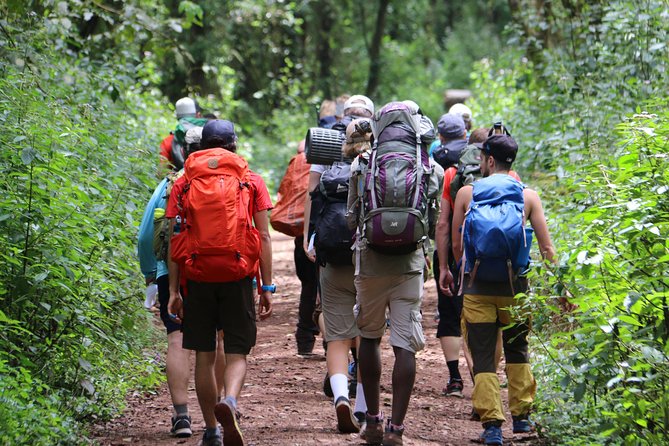
Let’s set expectations right up front: you can’t climb to the Kilimanjaro summit in a single day. But you can experience the pull of the mountain—steps in the forest, changing scenery, and the sense you’re really getting close to something famous. This trip is designed for that middle ground: a hike that feels legit, while staying within lower altitude territory.
The heart of the experience is the Marangu Route. It approaches Kilimanjaro from the southeast, and it’s one of the more straightforward routes to organize for short trips. Your goal is to reach Mandara Hut, where you’ll stop for a picnic lunch and a rest before heading back down.
If you’re short on time in Tanzania—or you’re not ready for a multi-day acclimatization plan—this is a smart way to get a taste of Kilimanjaro without turning your vacation into a marathon. And if you’re already planning a longer climb later, this can be a useful fitness and pacing test.
You can also read our reviews of more tours and experiences in Arusha.
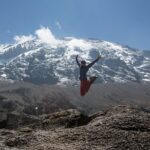
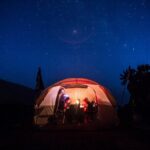
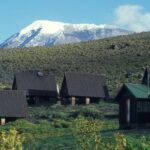
07:00 pickup and the 3-hour drive to the gate
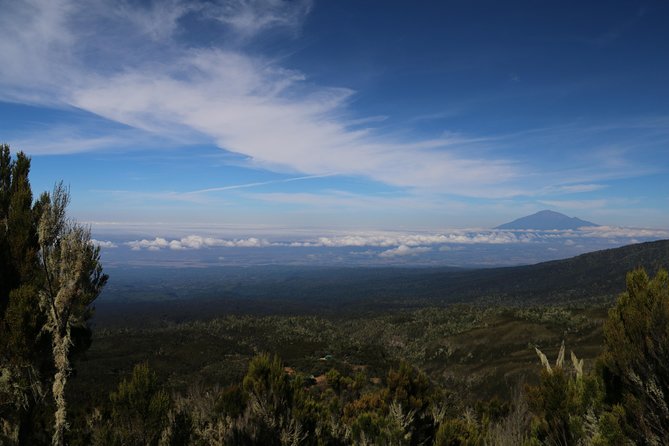
Your day starts early: hotel pickup at 7:00 am. Then you drive about 3 hours to Marangu Gate. This transfer time matters more than people think, because it sets the rhythm. The day feels like two parts: the road up to the park and the hike once you’re registered.
At the gate, you’ll register with Kilimanjaro National Park authorities, then begin hiking at about 10:00 am. I like this structure because it keeps things official and removes uncertainty. It also means you don’t spend your energy wandering around the gate area guessing what comes next.
You’ll also want to be ready for how quickly the day moves after that. The schedule is tight enough that if you’re the type who needs a long coffee stop before a trek, plan for a shorter one that morning. The upside is you’ll be back in Arusha the same day, arriving around 4:00 pm.
Marangu Route up to Mandara Hut: the real workout
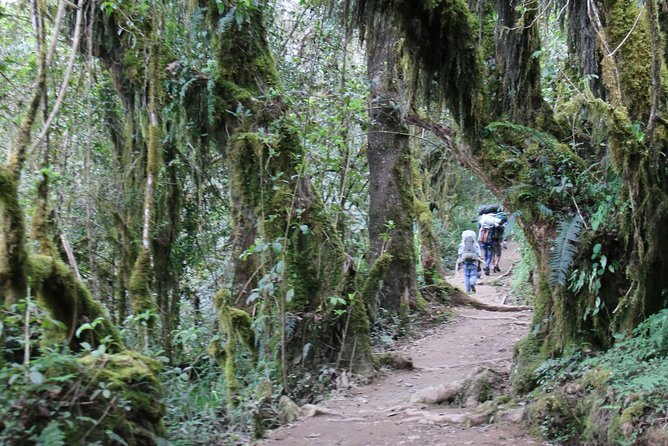
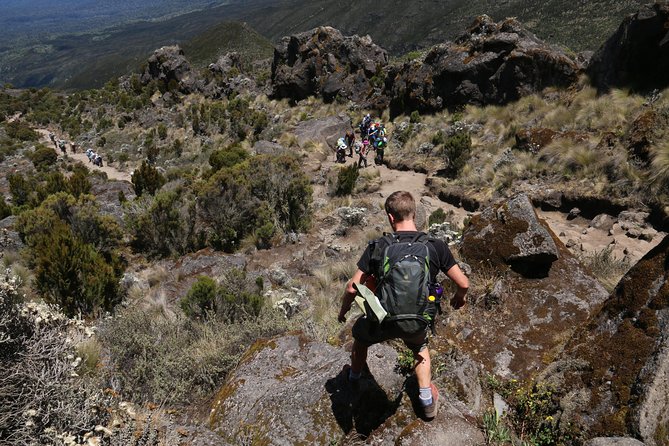
Once you start hiking, you’re basically stepping into the Kilimanjaro experience in condensed form. The tour follows the Marangu Route, heading uphill toward Mandara Hut while staying in the lower altitudes. That’s crucial. It means the day is still hard, but it’s not the kind of altitude exposure that comes with summit itineraries.
How hard is it? The tour notes you should have moderate to good physical fitness. In practice, people describe the hike as a real workout—one of the best “fitness” days they’ve done—without pretending it’s easy. Some accounts mention around 16 km for the day hike, while others describe 20–25 km, so expect roughly that range depending on your pacing and timing.
The big variable is your pace. Some people reach Mandara Hut in about 4 hours of uphill hiking; others may take longer if they stop for photos, questions, or slower pacing. Either way, your guide will set the rhythm, and your job is to match it—steady, not sprinting.
This is also the part of the day where good guidance really shows. On this route, the scenery changes as you move through forested stretches. Guides often point out plants, talk about the routes and climbing approach, and explain local details along the way. You may even hear playful conservation-style stories—one guide (Meshack) was noted for entertaining conversation, like a warthog-themed moment—while still keeping you focused on hiking.
What you’ll do at Mandara Hut (and why it matters)
Your arrival at the hut is scheduled for about 2:00 pm, and once you reach Mandara Hut, you’ll stop for around 30 minutes. Then you’ll descend slowly back toward Marangu Gate for about 2.5 hours.
That picnic lunch stop isn’t just a nice-to-have. It’s a smart reset. A day hike like this makes one thing obvious fast: if you ignore food and hydration, you’ll pay for it on the way down. The schedule builds in time to eat, catch your breath, and reduce the chances you’ll burn out before the descent.
Also, Mandara Hut gives you a psychological milestone. Reaching a recognized mountain stop changes how the day feels. You’re not just hiking—you’re actually getting “to a place,” which makes the return trip feel earned rather than rushed.
One more reason this stop is valuable: it gives you a window to ask questions while you’re still fresh. Many guides use breaks to explain what comes next on different routes, how altitude affects people, and what to watch for if you plan a multi-day summit attempt later. If you’re curious about Kilimanjaro planning, this is the moment to ask.
The descent to Marangu Gate and your return to Arusha
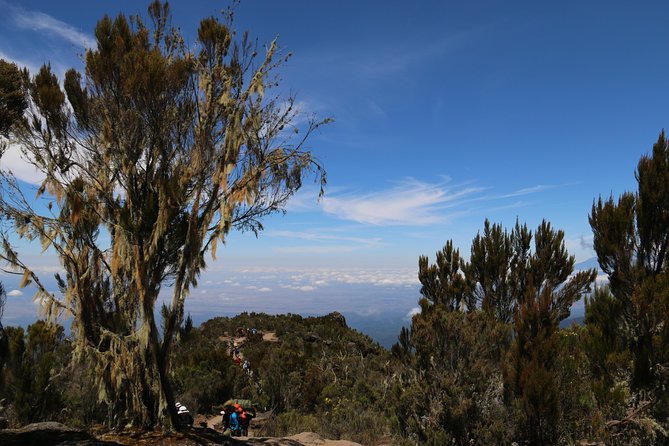
After your rest, the descent begins. The tour estimates about 2.5 hours down to Marangu Gate, and the vehicle is waiting for pickup. That “waiting” detail matters. It means you’re not guessing about logistics while tired legs keep tugging at you.
The timing in the itinerary is set so you should finish your day and return to Arusha by around 4:00 pm. Some people mention later end-times in their experience, but the plan is a same-day loop: hike up, lunch at the hut, hike down, return home.
I like that the descent is described as slow. That’s not just comfort—it’s safety. Going downhill quickly is how people end up with sore knees, twisted ankles, or exhaustion that lingers for days. You’ll feel better if you treat the downhill as part of the hike, not an afterthought.
If you’re tempted to use the descent for a photo sprint, don’t. Instead, walk with your guide’s pacing. Many guides keep an eye on footing and energy. A good guide also knows when to pause for plants, small wildlife sightings, or a better view—without letting the hike drag too long.


Private guiding and the group limit that keeps things human
This tour lists a maximum of 15 travelers, and it’s set up as a private tour. That combination is one of the best quality-of-life choices you can make for a day hike. Smaller groups reduce the “pile-up” feeling on narrow sections, and private guiding means you can move as a unit instead of getting lost in a shuffle.
It also changes how people experience the day. Many guides on this route spend time explaining nature and route information—not just leading you from A to B. Names that have shown up include Gideon, Emanuel, Frank, Meshack, and Mescheck, plus support from people like Mathias (who’s been described as coordinating and communicating with clients) and Julius. You might not get the exact same team, but the point is clear: strong guides are a big part of the value here.
And it’s not only the guide. Some experiences mention help from additional staff, such as a student guide-in-training paired with a main guide. That kind of setup can be great if you’re flexible—your hike may feel educational, not just functional.
If you care about communication, this is also where you’ll feel the difference between a guide who talks and one who only gestures. Some accounts specifically praise guides for being attentive and professional, including setting pace for parents hiking with kids. Still, language ability can vary by person and day, so if you want more detailed conversation, plan to ask questions when you stop for lunch and brief pauses.
Price and value: what $300 buys you (and what it doesn’t)
At $300 per person, this isn’t the cheapest way to “see Kilimanjaro.” But the value is tied to what’s included: private guiding and round-trip transfers from your Arusha hotel. You’re not just paying for a walk—you’re paying for the logistics, the guide time, and the day structure that gets you into the park and back safely.
You also get a built-in picnic lunch at the hut. That reduces planning stress and helps you avoid the common day-hike trap: showing up hungry and then making bad food choices later. A lunchbox provided during the hike has been praised as good and “perfect,” which tells you the experience aims to be comfortable rather than bare-bones.
Now, what it doesn’t do: it doesn’t give you a summit view in your one-day timeframe, and it doesn’t promise an easy route. If your dream is Uhuru Peak-level achievement, you’ll still need a multi-day plan.
So here’s the honest value test: if you want a real hiking experience on Kilimanjaro, with transport and guide support handled, this price can make sense—especially if you’re traveling on a tight schedule and want something more structured than DIY.
Weather, punctuality, and how to protect your day
This tour depends on good weather. If the mountain conditions aren’t right, the operator may offer a different date or a full refund. For you, that means planning with a little flexibility in your Arusha days. If Kilimanjaro day is the only free day you have, it’s worth thinking about a backup plan for your other time.
Punctuality is another practical consideration. Most experiences describe prompt pickup and smooth handling, but a few accounts mention a late pickup or issues with vehicle comfort. That doesn’t mean every day is like that, but it does mean you should set realistic expectations when you’re picked up that early.
If you’re picky about timing, do this: confirm details the day before, and be ready to leave on time. Also pack like you’ll spend most of the day away from your room—water, layers, and the kind of small snacks that keep your energy steady if you run hungry between meal moments.
Who should book this Kilimanjaro day hike?
This hike fits best if you want an actual taste of Kilimanjaro and you’re in good physical condition (the tour also mentions “moderate” fitness). It’s ideal for hikers who want a challenge but don’t want to commit to a multi-day acclimatization trek.
It can work well for families and groups in the right circumstances. Some accounts mention hiking with parents and even children—suggesting the route can be paced appropriately with a strong guide—though you should treat it as demanding and plan to go at a safe tempo.
You may want to skip this day hike if:
- you’re planning to go from sofa to summit in 10 hours,
- you have limited mobility or serious knee issues,
- your vacation schedule is inflexible and you can’t handle a weather change.
Should you book this Kilimanjaro day hike with Rupia Adventure?
If your goal is a structured, guided Kilimanjaro day hike from Arusha—hiking toward Mandara Hut, eating lunch on the mountain, then returning the same day—this tour is a solid match. The best part is that the experience is built around the Marangu Route logic: a realistic route target, a clear schedule, and guided support.
I’d book it if you want:
- private attention on the trail,
- a day plan that runs from early pickup through a same-day return,
- a chance to learn from guides like Gideon or Emanuel and ask about route strategy.
I’d think twice if you’re counting on perfect timing every day, or if you can’t manage the reality that weather can affect mountain plans. Still, if you’re flexible and prepared, this is one of the more practical ways to get the Kilimanjaro feeling without the summit timeline.
FAQ
What time does the Kilimanjaro day hike start?
Pickup starts at 7:00 am, and after a drive and park registration you begin hiking at around 10:00 am.
How long is the tour?
The day trip runs about 10 hours (approx.). It typically returns to Arusha around 4:00 pm.
Where do we register before hiking?
You’ll drive to Marangu Gate and register with Kilimanjaro National Park authorities before you start hiking.
Does the hike include lunch?
Yes. You stop for a picnic lunch at the Mandara Hut area during the hike.
Is this hike a summit attempt?
No. You’ll hike through the lower altitudes and your target is the Mandara Hut, not the summit.
What fitness level do I need?
The tour is suitable for people with moderate physical fitness and notes that travelers should be in good physical condition.
Are there transfers included?
Yes. There are round-trip transfers from your Arusha hotel, and a vehicle is waiting to pick you up at Marangu Gate after the descent.
How many people are on the tour?
The experience lists a maximum of 15 travelers.
What happens if the weather is bad?
This experience requires good weather. If it’s canceled due to poor weather, you’ll be offered a different date or a full refund.
FAQ
Is the tour refundable if I cancel?
No. This experience is non-refundable and cannot be changed for any reason.
If the minimum number of travelers isn’t met, will I get my money back?
If it’s canceled because the minimum isn’t met, you’ll be offered a different date/experience or a full refund.
What ticket type do I receive?
You’ll have a mobile ticket.
Is there a private guide?
Yes. The tour includes a private guide, which supports a more personalized pace on the hike.
Where does the route start and end?
It starts at Marangu Gate (after registration) and ends back at Marangu Gate after descending from Mandara Hut.
What’s the biggest time pressure during the day?
The schedule has you hiking up after a 10:00 am start, reaching the hut around 2:00 pm, and then descending for about 2.5 hours to finish by late afternoon, so your pace matters.
Can the hike reach Mandara Hut?
The plan is to attempt to reach Mandara Hut while staying in lower altitudes, with the timeline built around reaching the hut around 2:00 pm.