REVIEW · ARUSHA
5 days safari, hiking & culture (Serengeti & kilimanjaro)
Book on Viator →Operated by safari soles tours · Bookable on Viator
Wildlife hits hard in Tanzania. This 5-day route stacks Tarangire, Serengeti, and Ngorongoro into one tight circuit with hiking and culture. You’ll spend real time in the parks, then finish with warm water and coffee culture instead of rushing back to another city.
What I like most is how much of the long driving day is turned into game-drive time, not just transit. I also like that meals and key gear are handled for you, including camping equipment and binoculars. One thing to keep in mind: the trip includes a couple of big sit-and-scan days, and the optional Maasai village stop costs an extra $20 entrance fee.
In This Review
- Key Points at a Glance
- Why This Five-Day Circuit Makes Sense (Tarangire to Kilimanjaro)
- Day 1 in Tarangire: Lions, Cheetahs, and the Best First-Night Energy
- Day 2: Ngorongoro Viewpoint, Maasai Village Option, Then Serengeti Sunset
- Day 3 in Serengeti: Early Drives and the Calm Confidence of Knowing the Rhythm
- Day 4: Ngorongoro Crater Floor Time and the Black Rhino Search
- Day 5: Materuni Waterfalls, Coffee Farms, and Kikuletwa Hot Springs
- Food, Gear, and the Practical Comforts That Matter
- Guides and Wildlife Spotting: What You Can Control
- Price and Logistics: Is $1,950 Good Value?
- Who Should Book This Safari-Hike Mix
- Should You Book This 5-Day Safari With Serengeti and Kilimanjaro Region Stops?
- FAQ
- What time does the experience start?
- Where are you picked up from?
- Are meals included?
- Is the Maasai village included, and is there an entrance fee?
- Are park tickets included?
- How long is the hike to Materuni Waterfalls?
- What happens on day 5?
- What gear is provided?
- What is the cancellation policy?
Key Points at a Glance
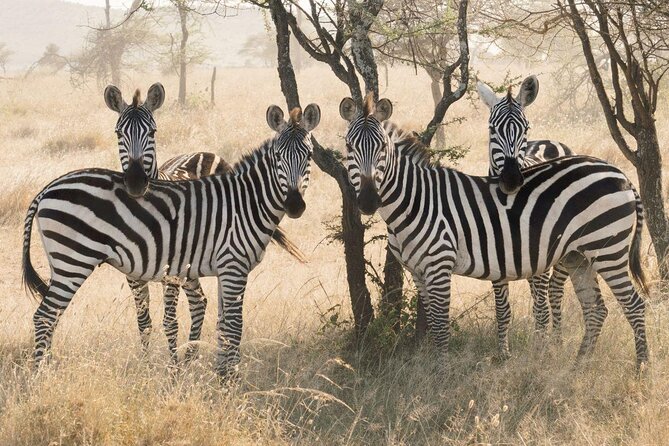
- Big-five focused route across Tarangire, Serengeti, and Ngorongoro in only five days
- Ngorongoro crater viewpoints + crater floor time, including a push for black rhinos
- Serengeti early drives with wake-up game viewing and animal spotting around campsites
- Optional Maasai village visit (extra $20 entrance fee) for cultural context
- Kikuletwa hot springs on day 5 to soak off safari fatigue
- Day-5 hike to Materuni Waterfalls plus coffee-farm processing time
Why This Five-Day Circuit Makes Sense (Tarangire to Kilimanjaro)
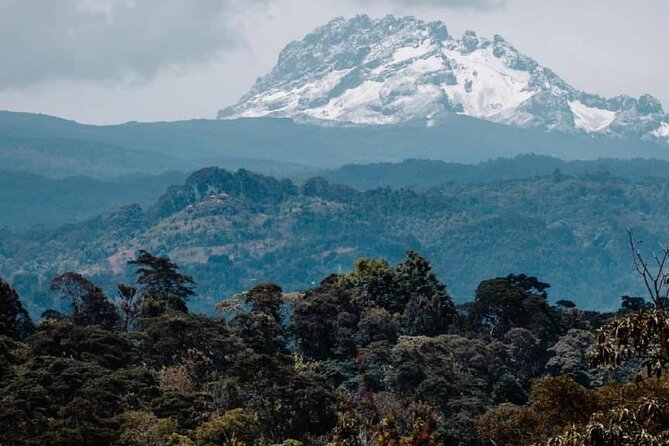
If you only have a few days, Tanzania can feel like it’s trying to cram the whole country into one suitcase. This itinerary does the opposite: it connects the places that deliver big wildlife moments fast, then adds a lighter day at the end.
I like that the pacing isn’t just about checking boxes. Tarangire gives you predator chances in a more open setting, Serengeti brings the classic plains energy, and Ngorongoro adds the unique caldera vibe where animals gather on a natural bowl. Then day 5 flips the switch into hiking, coffee, and hot springs.
The Kilimanjaro National Park name can sound like you’re signing up for a summit attempt. You’re not. You’re doing a scenic local hike to Materuni waterfalls and then cooling off at Kikuletwa. That’s a great fit if you want the region’s feel without the altitude grind.
You can also read our reviews of more tours and experiences in Arusha.
Day 1 in Tarangire: Lions, Cheetahs, and the Best First-Night Energy
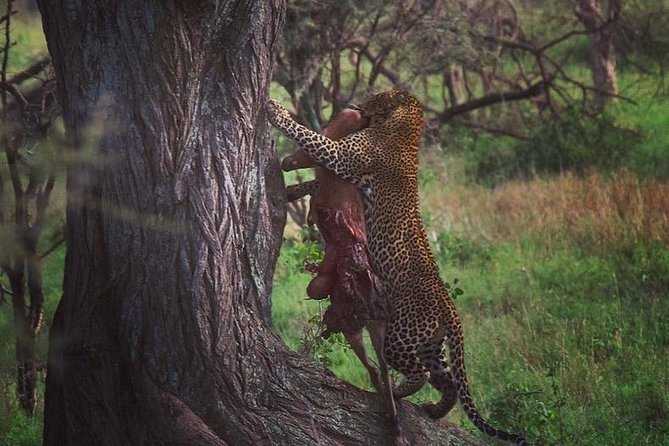
You start with a pickup from your Arusha or Moshi hotel and a roughly 2-hour drive into Tarangire National Park. Then you hit a game drive designed to put you in the right areas for spotting lions, cheetahs, and leopards. The herbivores do their part too—elephants, wildebeest, buffalo, zebras, and gazelles are commonly part of the mix.
This is a smart first day because it sets expectations. Tarangire can feel like a warm-up lap: you learn how your guide reads animal signs, you get used to the vehicle rhythm, and your eyes calibrate quickly. When you’re fresh, spotting movements off in the distance feels easier.
A practical note: you’ll likely end the day tired, not just thrilled. It’s long enough that you’ll appreciate that meals are included and you don’t have to hunt for food after dark.
Day 2: Ngorongoro Viewpoint, Maasai Village Option, Then Serengeti Sunset

Day 2 is a three-part day, and that’s where the itinerary really earns its keep.
First up is a stop at the Ngorongoro crater viewpoint. Even on a quick stop, the crater view is the kind that makes you forget about schedules. The caldera’s scale is hard to describe until you see it.
Then there’s the optional Maasai village visit. It’s meant to be cultural learning time, not a theme-park show. The village experience includes talking about Maasai nomadic life and warrior traditions, including the fact that chasing lions for status is part of history. The note in the plan also flags that drinking raw animal blood is discussed as tradition from the past, though it’s still referenced. If you’re sensitive about that topic, you’ll want to think twice before choosing this add-on. Also, budget the extra $20 entrance fee since it’s not included.
Finally, you move into Serengeti for an afternoon game drive in the Seronera area, followed by a sunset experience. This is when Serengeti starts to feel like the Serengeti you’ve seen in photos—except you’re there, and the light is doing real work.
You’ll sleep at the Seronera camp site after the drive. The plan notes that animals can be viewed from camp mostly hyenas, and there’s close protection from active rangers. Still, bring a calm mindset. You’re camping near wildlife, not inside a hotel bubble.
Day 3 in Serengeti: Early Drives and the Calm Confidence of Knowing the Rhythm
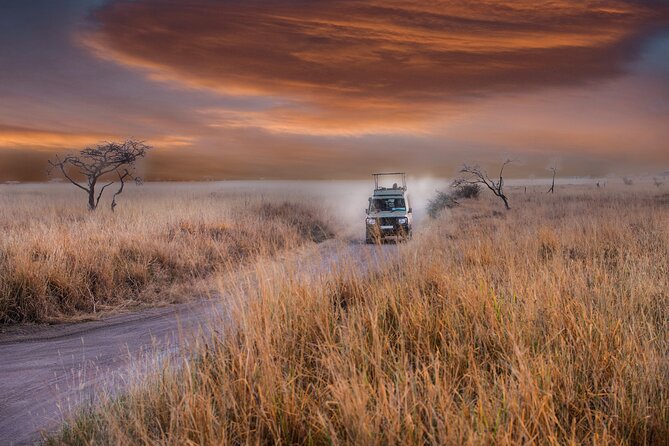
Day 3 is built around an early start: breakfast, then a game drive designed to catch animals when the day is still fresh. That early timing matters because behavior changes fast as temperatures rise. You also get better chances when predators are hunting or repositioning.
This is one of the stops where the structure helps you. The plan keeps you in Serengeti long enough to do more than one drive; you’re not just passing through on autopilot. After the morning drive, you’ll head to lunch at camp and then continue with additional park game viewing before exiting Serengeti toward the Simba campsite.
If you like photography, this is the day that usually gives the most satisfying results—not because you’re guaranteed a perfect shot, but because you’re giving yourself more hours when light and animal activity are aligned. Your guide’s skill matters here: good spotting isn’t luck, it’s pattern recognition.
Another small comfort: the plan notes that you can spot animals from campsites. That means you’re not waiting around only for the next official drive.
Day 4: Ngorongoro Crater Floor Time and the Black Rhino Search
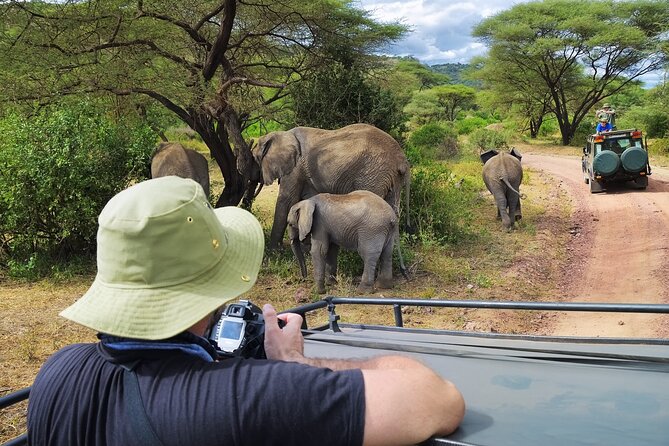
Day 4 is all about Ngorongoro again, but with a key change. You’re descending into the crater rather than viewing it from above. The goal here is to find the black rhinos, which the plan notes are the hardest animals to spot in the crater. That’s not a reason to worry—it’s a realistic heads-up that this is a challenge hunt.
You’ll descend in the morning on a journey focused on those rarer sightings. Then after lunch, you’ll do another game drive in the crater and later ascend back up and pack for the trip toward Arusha.
Why this matters for your trip: Ngorongoro compresses the ecosystem into a single bowl. That makes it a unique wildlife stage compared to the open plains of Serengeti. The density of animals can surprise you, and when the day is managed well, you spend time watching instead of endlessly searching.
One consideration: since black rhinos are specifically called out as difficult, manage expectations. If you don’t see one, the rest of the crater experience still has plenty to offer. But if black rhinos are your main target, bring patience and lean on your guide.

Day 5: Materuni Waterfalls, Coffee Farms, and Kikuletwa Hot Springs
By day 5, you’re probably ready for two things: a break from scanning savanna grass and a real reset for your body.
After breakfast, you drive to Materuni village and join locals there. Then you hike to the Materuni waterfalls, with a hike time listed at about 2 hours 40 minutes. This is the trip’s fitness ask, but it’s a manageable one if you’ve been moving for the last few days.
Next you head to local coffee farms. The plan includes learning how coffee is planted and processed, and you get to make your own cup of coffee. This is one of those small experiences that makes the whole safari week feel more human. You’re not only watching animals; you’re also tasting how people live here day to day.
Then comes the payoff: you drive to Kikuletwa hot springs, where you can swim and relax before returning to your hotel in the evening. After days of early mornings and dust, warm water feels like a cheat code.
Food, Gear, and the Practical Comforts That Matter
This tour handles a lot of the daily grind. Camping gear is included, and so are binoculars, plus all fees and taxes as part of the package.
Meals are included throughout the safari: lunches (5), dinners (4), and breakfasts (4). There’s also a note that dietary requirements are accommodated if you communicate them in advance. That’s important on a safari because eating well keeps your energy up for long drives and early starts.
Comfort-wise, the plan doesn’t promise a restroom on board. So I’d pack a simple strategy: plan bathroom breaks around stops, and keep essentials easy to grab. It’s the small stuff that stops a long day from feeling annoying.
Accommodation details aren’t spelled out beyond camping/campsites in the itinerary, but the reviews you’ll find for Safari Soles repeatedly highlight that food and accommodation quality are strong for this style of trip. If you’re open to camping life, the structure tends to feel smooth.
Guides and Wildlife Spotting: What You Can Control
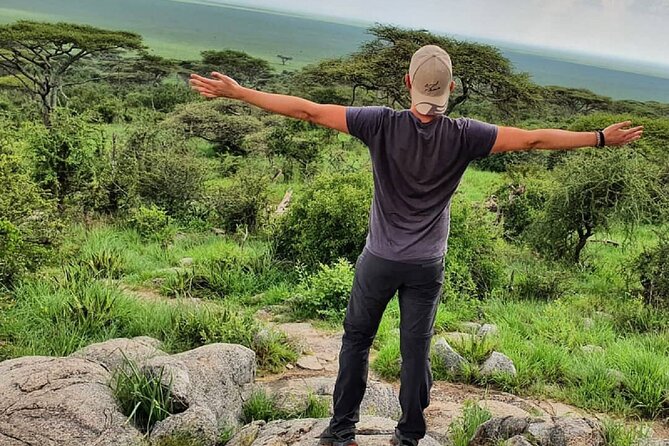
On a safari, you control almost nothing about animal behavior. What you can control is how you work with your guide.
A theme that shows up in the guide praise is strong animal knowledge and smart driving. Guides named in past experiences include Innocent, Cheddy, Chadi, Lucas, Omar, Lewis, and Vincent. The common thread in those comments is that guides know where to position you for sightings and answer questions without getting flustered.
One specific tactic that’s worth using: if you care about crowds and photo angles, ask your guide to time the route to avoid the busiest spots. One guide was praised for getting ahead of crowds, which can make the difference between a stressful stop and a calm one.
Also, don’t treat the binoculars like a toy. Use them early in the day. Scan systematically: edges of herds, treeline borders, and any area where animals slow down. Your guide can help you interpret what you’re seeing, and binoculars speed that learning up.
Price and Logistics: Is $1,950 Good Value?
At $1,950 per person, this isn’t a budget safari. But for a five-day plan that combines multiple top-tier areas plus food, gear, and most fees handled, it can be solid value.
Here’s the value math I’d use:
- You’re covering Tarangire, Serengeti, and Ngorongoro, plus finishing with Materuni and Kikuletwa.
- You’re getting all meals included during the safari days, not just breakfast.
- Camping equipment and binoculars are included.
- All fees and taxes are included in the package.
Where costs can surprise you is the optional Maasai village entrance fee ($20) and anything you choose to buy yourself while on the road. Also remember that the trip requires good weather; if weather cancels it, you’ll be offered another date or a full refund.
The private tour note matters too: it says only your group participates. In practice, that usually means less waiting and more flexibility within the schedule, compared with sharing vehicles with strangers.
Who Should Book This Safari-Hike Mix
This is a good fit if you want:
- A classic northern Tanzania safari core in a short window
- More time in wildlife than in check-in lines
- A day 5 that feels like a vacation, not another park drive
You should also be comfortable with camping/campsites as part of the plan. You’ll be active—game drives all day at times, plus a 2 hours 40 minutes hike to waterfalls on day 5.
If you want a fully cushy lodge-and-spa schedule with zero ruggedness, this may feel too “real.” But if you want the safari experience without spending extra days getting there and back, it hits the sweet spot.
Should You Book This 5-Day Safari With Serengeti and Kilimanjaro Region Stops?
If you’re deciding right now, I’d book if your priorities are big wildlife time, a strong sequence of parks, and a balanced ending with coffee and hot springs. The combination of Ngorongoro’s crater experience plus Serengeti drives is a powerful core for a five-day itinerary.
I wouldn’t book if:
- You’re not okay with camping/campsites
- You need a restroom on board
- You’re not interested in an optional cultural stop that costs extra and includes discussion of historical traditions
If your goal is to see a lot, learn from your guide, and then actually recover on day 5, this plan has the structure to deliver. For many people, that’s the difference between a “cool trip” and a week you still talk about months later.
FAQ
What time does the experience start?
The start time listed for the experience is 7:30 am.
Where are you picked up from?
Pickup is offered from hotels in Arusha or Moshi.
Are meals included?
Yes. The plan includes breakfast (4), lunch (5), and dinner (4). Dietary requirements are catered to if you communicate them in advance.
Is the Maasai village included, and is there an entrance fee?
The Maasai village visit is optional. The plan notes a 20 USD entrance fee that is not included.
Are park tickets included?
Ngorongoro crater admissions are listed as included in the itinerary. Other listed park admissions are marked as free, and all fees and taxes are included overall, but the Maasai village entrance fee is not included.
How long is the hike to Materuni Waterfalls?
The Materuni hike duration is listed as about 2 hours 40 minutes.
What happens on day 5?
Day 5 includes a drive to Materuni village for the waterfalls hike, a visit to local coffee farms to learn and make coffee, and then time at Kikuletwa hot springs before returning to your hotel.
What gear is provided?
The plan includes camping equipment and the use of binoculars.
What is the cancellation policy?
Free cancellation is available if you cancel up to 24 hours in advance for a full refund. It requires canceling at least 24 hours before the start time.