REVIEW · ARUSHA
From Arusha/Moshi: Kilimanjaro Hike Marangu Route Day Trip
Book on GetYourGuide →Operated by KILINGE -ADVENTURES · Bookable on GetYourGuide
Rainforest hiking with big-mountain payoff sounds tough, but this Marangu day hike makes it doable. You’ll climb from Marangu Gate to Mandara Hut for a break and lunch, then turn around and head back, all while keeping an eye out for the two famous peaks, Kibo and Mawenzi. What I like most is the clear, guided pacing for a 1-day itinerary and the chance to see Kilimanjaro’s personality beyond photos.
One possible drawback: this is still a hike, not a stroll. You’ll want good-grip shoes and real hiking clothes, because damp rainforest weather can mean slipping, cold feet, and an uncomfortable day for anyone who shows up in the wrong gear.
In This Review
- Key highlights you’ll feel on the trail
- Marangu Route day hike: what you’re really signing up for
- From Moshi or Arusha to Marangu Gate: the early start plan
- Rainforest to Mandara Hut (about 3–4 hours): monkeys, birds, and steady climbing
- Mandara Hut lunch and the Maundi Crater viewpoint
- The descent back to Marangu Gate (about 2–3 hours): where comfort matters most
- Price and logistics: what your $101 really covers
- What to pack: shoes, gloves, and the cold-rain reality
- Who should book this day hike from Arusha or Moshi
- Should you book this Marangu Route day hike?
- FAQ
- How long is the Kilimanjaro day hike on the Marangu Route?
- Where does the hike start and end?
- What is the typical hiking time to Mandara Hut?
- What is the plan at Mandara Hut?
- How long is the descent back to the gate?
- What’s included in the tour price?
- Is the national park fee included?
- What should I bring, and are hiking poles provided?
Key highlights you’ll feel on the trail
- Marangu Route in a day: 8–10 hours total with a loop hike to Mandara Hut and back
- Rainforest wildlife along the way: birds and monkey spotting (including blue and colobus monkeys)
- Mandara Hut lunch stop: a proper picnic lunch at about 2,720 m, plus time to rest
- Scenic Maundi Crater viewpoint: a quick add-on that looks out toward the plains and Kilimanjaro peaks
- Guides that keep you safe and informed: registration, briefing, and steady route navigation
- Long day, manageable effort: big views without the time commitment of a multi-day summit attempt
Marangu Route day hike: what you’re really signing up for
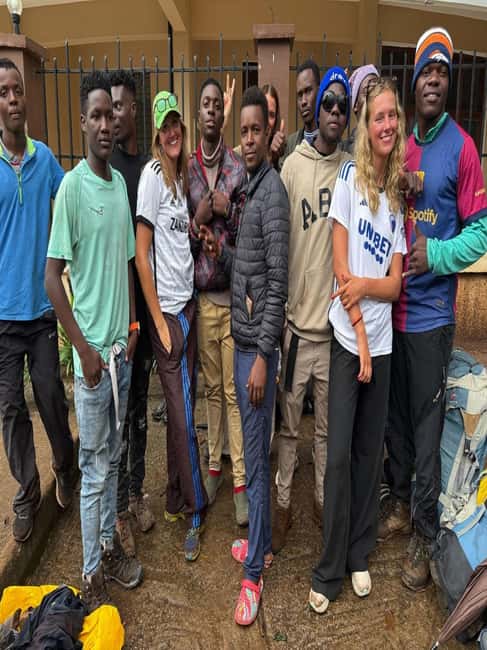
If you’re based in Arusha or Moshi and you want Kilimanjaro in one day, this is the classic “first move” on the mountain. The Marangu Route is known for being the more straightforward option for day hiking, and this tour follows the routine: get to the gate early, walk into the rainforest to Mandara Hut, eat, then head back down.
I love how this tour turns Kilimanjaro from a distant icon into something physical. You’re not just looking up; you’re walking through altitude and vegetation changes you can actually feel. I also like the way the itinerary builds in a real mid-day break at Mandara Hut, so you’re not trying to power through the whole day on empty tank.
The trade-off is that it’s still an up-and-down day. You’ll gain elevation as you climb, then lose it on the descent, which is why foot support and pacing matter. Expect a long outing with a solid workout feel, especially if you’re not used to steep, uneven trails.
You can also read our reviews of more tours and experiences in Arusha.
From Moshi or Arusha to Marangu Gate: the early start plan
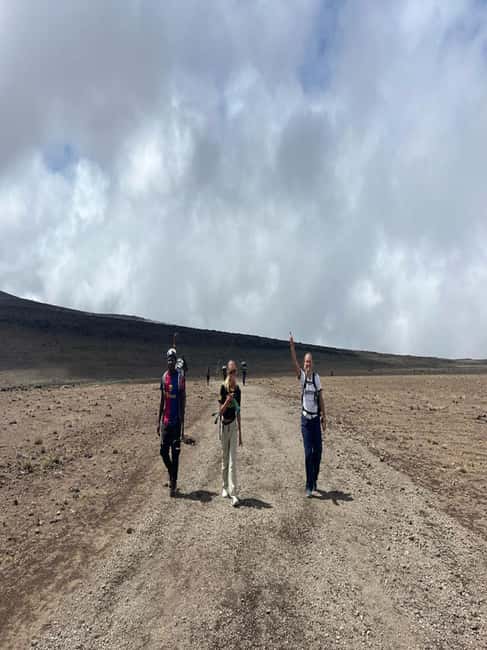
Your day begins with an early pickup from your hotel area in Moshi or Arusha. One key timing note: pickup from Arusha is listed as 6:00am. The drive itself is part of the “prep.” It gets you out before the day gets hot or cloudy and gives you time to settle before paperwork and hiking start.
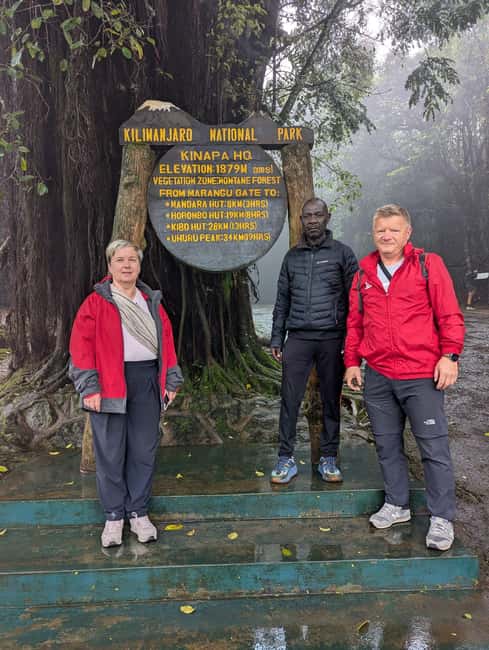
Once you reach Marangu Gate (about 1,870 m), you’ll handle registration and a trek briefing with your guide. This is more important than it sounds. Kilimanjaro trail rules and park procedures are not the same as a standard local hike, and the briefing helps you know what you’re walking into—weather, terrain, and how the day will flow.
You’ll likely end up with a late-afternoon or early-evening return to Moshi or Arusha, depending on your exact pickup route and traffic. That means this is not a “half-day views” plan. It’s a full day out in the mountains.
Rainforest to Mandara Hut (about 3–4 hours): monkeys, birds, and steady climbing
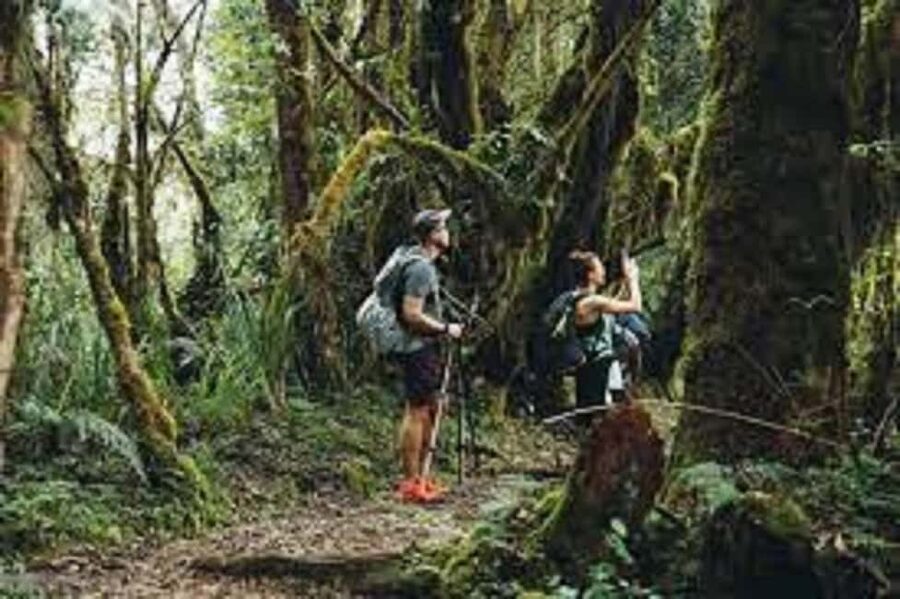
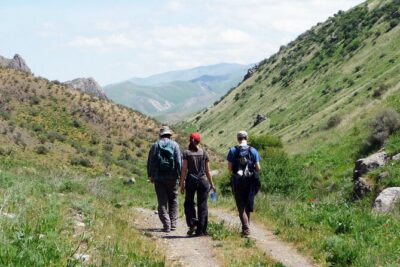
The main walk takes you from Marangu Gate to Mandara Hut over roughly 3–4 hours. You start with the Rainforest Zone, where the trail can feel gentler than higher-altitude routes, but don’t confuse that with easy. The ground can be slippery, and you’re still steadily working uphill.
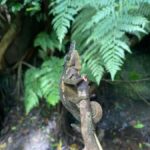
This is where you’ll likely notice the small stuff: thick forest, birds, and the occasional monkey sighting. The tour info and route expectations include blue and colobus monkeys, and that kind of wildlife spotting is one of the reasons people love doing Kilimanjaro even before any summit attempt.
A practical detail: some guides will keep an eye on you during the climb—your pace, your comfort level, and how you handle wet patches. That matters because rainforest hiking can turn from warm and misty to cold and damp quickly. If you’re the type who runs cold, wear layers you can adjust during breaks.
From a fitness standpoint, one of the biggest takeaways is simple: if your shoes slip on wet trail, you’ll spend the day compensating. If your footwear grips well, the climb feels far more controlled and enjoyable.
Mandara Hut lunch and the Maundi Crater viewpoint
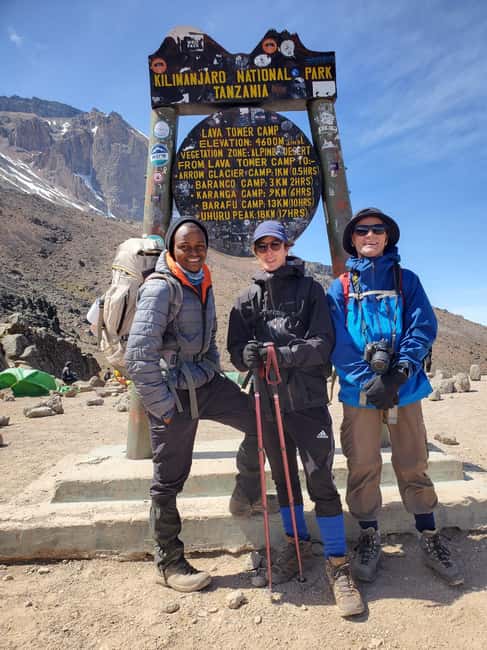
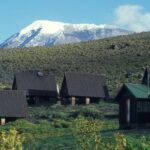
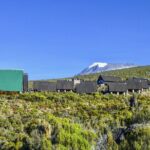
Reaching Mandara Hut (about 2,720 m) is your mid-day checkpoint. The tour builds in time to rest and relax, not just inhale a quick bite and keep marching. You’ll have a picnic lunch here, served as part of the included package.
One thing you should count on is that this lunch stop helps you recover for the descent. Even though the hike to Mandara Hut is relatively long, the day’s total effort comes from doing both the climb and the return. Taking your break seriously—water, a slow reset, and a few minutes to take in the surroundings—can make the walk back feel much easier.
You may also have the chance to explore the nearby Maundi Crater area for views toward the plains and Kilimanjaro’s peaks. You’re not looking at a distant postcard. You’re standing in a high place where the air feels different and the mountain looks big in a more realistic way.
Facilities at and near the hut area may include bathroom options that some people find surprising. One note from experience: restrooms in the park can be Turkish-style toilets, which is worth knowing ahead if you’re not used to that setup.
The descent back to Marangu Gate (about 2–3 hours): where comfort matters most
After lunch and photos, you’ll turn around and start the descent back to Marangu Gate. The downhill typically takes 2–3 hours, faster than the climb, but it’s where mistakes happen.
Going down is hard on knees, and it’s harder on footing. Wet trail + tired legs can equal slips. This is why I think grip is non-negotiable. If you trained by walking on uneven ground at home, you already know how much easier the descent feels when your shoes match the terrain.
A descent is also the moment when weather can change your mood. If you’ve been comfortable in a warm rainforest, the lower altitudes can feel damp and chilly when the light fades. Bring layers you can wear without slowing down your whole pace.
By the time you reach Marangu Gate again, you’ll meet your driver and head back toward Moshi or Arusha, with most people arriving in the late afternoon or early evening.

Price and logistics: what your $101 really covers
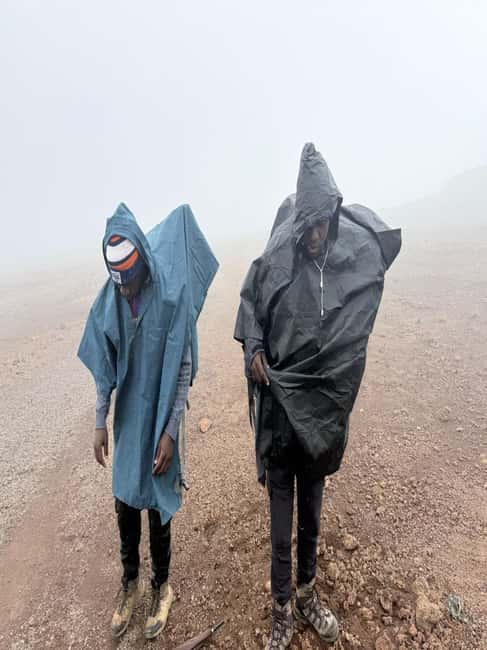
The listed price is $101 per person, and the value is best understood by looking at what’s included vs. what’s not.
Included:
- Transfer from your hotel in Moshi to the gate (and pickup is also described for Arusha via an early morning departure)
- Professional tour guide
- Lunch
- Drinking water
Not included:
- National park fee
- Transfer fee from Arusha to Moshi (if you’re moving between those towns)
- Travel insurance
- Alcoholic beverages
- Hiking poles
- Water bottles
So the “real cost” can be higher once you add the park fee. The important part is not the exact number—it’s budgeting so you don’t get stuck at the gate. Park fees are paid at the start of the hike, and one practical lesson from a real group situation is that payment handling can get confusing. In one case involving a group of five, entrance fee payment at the gate caused last-minute coordination because only one person was able to pay the group’s entrance fees, and separate tickets would have meant extra guide needs.
That’s not something you can fully control, but you can reduce stress:
- Keep your group organized on payment.
- Ask your guide what to expect about entrance fees and ticket handling before you arrive at the gate.
- Bring enough cash or follow the payment instructions you’re given (since park fees aren’t included in the base price).
On value: the tour earns its price by wrapping route guidance, paperwork support, and food into one organized day. If you try to replicate it independently, you’ll spend time solving transport, gate procedures, and guide logistics—time you may not have.
What to pack: shoes, gloves, and the cold-rain reality
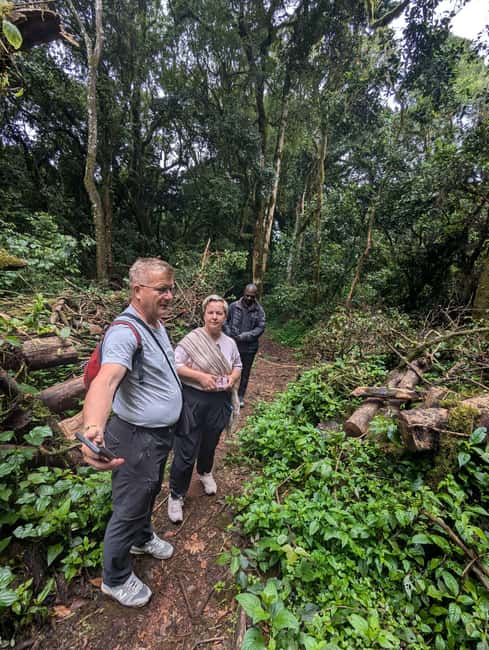
The tour suggests bringing:
- Hiking shoes
- Gloves
- Trekking gear
And the fine print: hiking poles and water bottles are not included. That means you should plan to carry what you need for comfort. If you have trekking poles and they help your knees, bring them. If you don’t, you’ll still manage the day, but grip and footing stay crucial.
Here’s how I’d think about packing for this exact itinerary:
- Shoes with real traction for wet rainforest trails
- Layers you can adjust quickly if you get cold after mist or rain
- Gloves if your hands run cold or if you’ll be stopping for photos
- A day pack for rain protection, snacks if you like extra fuel, and your water management
One more gear note: since drinking water is included, you don’t have to show up with water already purchased. But you should still know how you’ll carry it. If you prefer drinking from a bottle, bring an empty bottle to fill.
Who should book this day hike from Arusha or Moshi
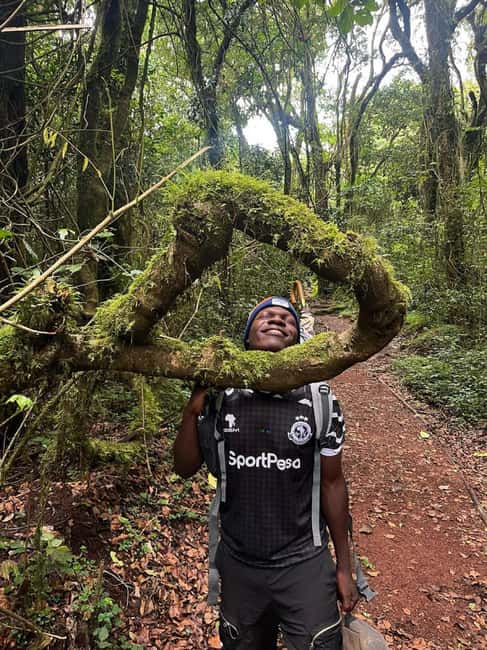
This tour is a great fit if you:
- Have limited time and want a true Kilimanjaro experience without committing to a multi-day trek
- Like guided hikes with clear structure and a mid-day rest stop
- Want the rainforest section of the mountain, plus a chance for views toward the peaks
It’s also a smart choice if you want to test the terrain. A day hike like this can help you judge whether a longer route later in your trip makes sense.
You might want to choose a different option if you:
- Expect an easy walk with minimal elevation effort
- Don’t have suitable shoes for wet trail conditions
- Are uncomfortable with long day timing (it’s 8–10 hours)
In short: come ready for a workout day, but don’t come expecting summit-level altitude. This is about seeing Kilimanjaro close up and building confidence.
Should you book this Marangu Route day hike?
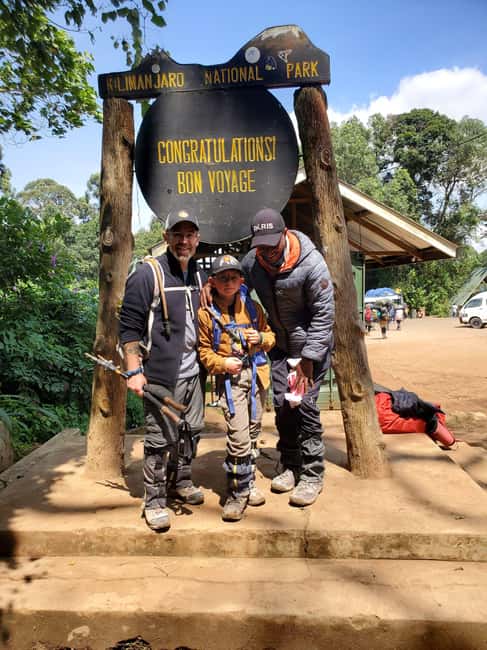
I’d book it if you want the most “Kilimanjaro for your time” you can get from Arusha or Moshi—especially if the idea of walking through rainforest, spotting wildlife, and reaching Mandara Hut for lunch sounds like your kind of day.
I would double-check a few details before you lock it in:
- Confirm your pickup point (Arusha vs Moshi) and that the transfer arrangement matches your plans
- Budget for the national park fee since it’s not included
- If you’re traveling in a group, get clear guidance on how fee payment at the gate will work
- Pack for wet trail conditions: grippy shoes matter
If you handle those bits, this day hike is a solid, organized way to experience Kilimanjaro’s main themes—forest, altitude effort, and mountain views—without turning your trip into a week-long project.
FAQ
How long is the Kilimanjaro day hike on the Marangu Route?
The hike takes about 8 to 10 hours total for the ascent and descent.
Where does the hike start and end?
You start at Marangu Gate (about 1,870 meters), hike up to Mandara Hut (about 2,720 meters), and then descend back to Marangu Gate.
What is the typical hiking time to Mandara Hut?
The hike from Marangu Gate to Mandara Hut takes about 3 to 4 hours.
What is the plan at Mandara Hut?
You’ll rest, enjoy a picnic lunch, and you can explore the nearby Maundi Crater area for views.
How long is the descent back to the gate?
The descent back to Marangu Gate usually takes about 2 to 3 hours.
What’s included in the tour price?
It includes hotel transfer from Moshi to the gate, a professional tour guide, lunch, and drinking water.
Is the national park fee included?
No. The national park fee is not included.
What should I bring, and are hiking poles provided?
Bring hiking shoes, gloves, and trekking gear. Hiking poles are not included. Water bottles are also not included.