REVIEW · ARUSHA
4 Days Mount Meru Climbing | Hiking | Trekking Tour
Book on Viator →Operated by KILIMANJARO CLIMBING TOURS · Bookable on Viator
Mount Meru gets you ready for Kilimanjaro. What makes this 4-day hike so interesting is the combo of armed ranger safety and big high-altitude payoff: you’re aiming for a summit at sunrise with views over Mount Meru’s crater and, if the clouds cooperate, a glimpse of Kilimanjaro.
I especially like the built-in pacing and altitude rhythm: you spend nights in huts along the trail and you get a chance to push to Little Meru on Day 2 before the real summit night. I also like how organized the human side is, with a full crew of guide, cook, and porters—one guide named Geofrey was called out for clear, supportive guidance.
The only real drawback to flag is the effort level. Day 3 is long and steep, starting around 1:30 a.m., and the hike from Rhino Point to summit plus the descent can take 10–12 hours total.
In This Review
- Key highlights before you go
- Mount Meru Is More Than a Warm-Up
- Arusha National Park and the Armed Ranger Escort
- Your 4-Day Schedule: Huts, Early Starts, and Two Summits
- Day 1: Momela Gate to Miriakamba Hut (10 km, 4–6 hours)
- Day 2: Miriakamba Hut to Saddle Hut, plus Little Meru (8 km, 3–5 hours)
- Day 3: Pre-dawn summit bid (about 1:30 a.m. start, 5 km up / 13 km down)
- Day 4: Saddle Hut area down to Momela Gate, then transfer back
- What the Crew Gets Right (and Why It Matters)
- Price and Value: What $2,600 Covers (and What It Doesn’t)
- Timing, Group Size, and the Reality of Altitude Days
- Who Should Book This Meru Hike
- Should You Book 4 Days Mount Meru?
- FAQ
- How long is the Mount Meru climbing tour?
- Where is the meeting point and when does it start?
- Are pickup and transfers included?
- Do I need an armed ranger on this hike?
- Where do you sleep during the trek?
- What meals are included?
- Are Mount Meru park fees included in the price?
- What happens if weather is bad or I cancel?
Key highlights before you go
- Armed ranger escort is part of the trek because wildlife lives up on the mountain
- Sunrise summit timing: you’re working toward the top as the sun rises
- Two peaks in one trip: Little Meru on Day 2 and Mount Meru on Day 3
- Hut-based sleeping on the trail, including Miriakamba Hut and Saddle Hut
- Food included (3 breakfasts, 3 dinners, 4 lunches), so you’re not hunting meals at altitude
- You get crater-and-ash-cone views from the ridge line as you climb
Mount Meru Is More Than a Warm-Up
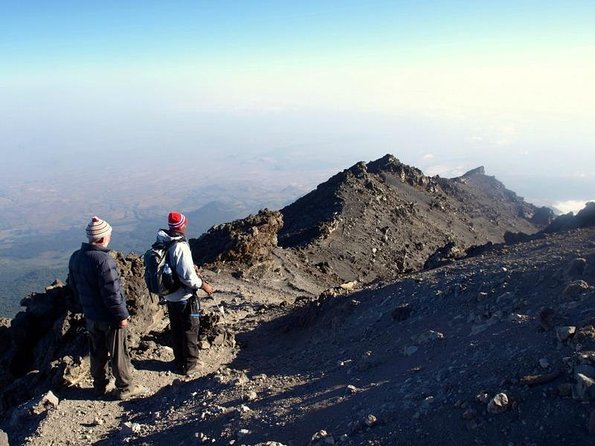
Mount Meru sits in Arusha National Park and reaches 4,568 m (that’s 15,000 ft-ish), making it the third-highest peak in Africa and the second-highest mountain in Tanzania. If Kilimanjaro is your next goal, Meru is a smart rehearsal: you train your body for altitude while practicing the kind of early-morning, slow-and-steady hiking that peak days demand.
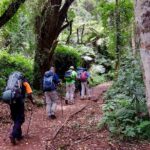
This trek has a practical rhythm. You start lower in montane forest, then move through forest and moorland, and finally into alpine desert moorland as the air thins. That matters because your body adapts faster when the climb is staged rather than one big vertical leap.
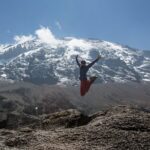
And yes, you’re in for real views. The route tracks along the north rim of the volcano’s crater, so you’re not just walking up a wall—you’re working along ridges with dramatic crater perspectives. The summit day plan is also set up for sunrise, which is when the mountain rewards the early wake-up.
You can also read our reviews of more tours and experiences in Arusha.
Arusha National Park and the Armed Ranger Escort
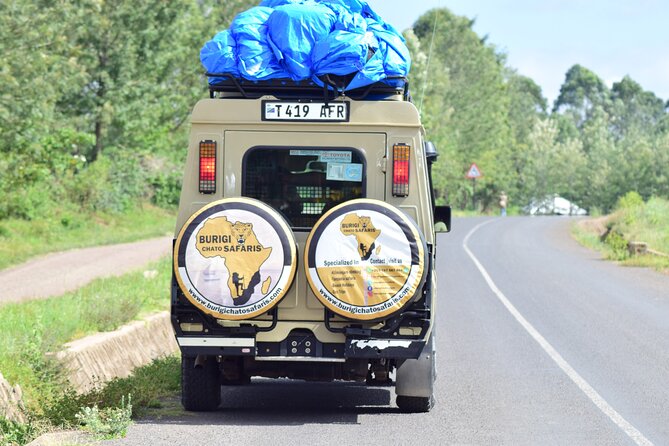
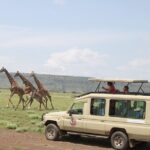
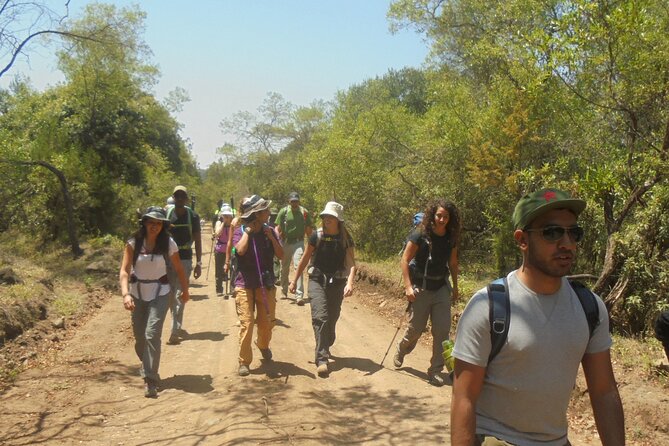
Because the mountain is within Arusha National Park, the trek includes an armed ranger escort. That’s not a small detail. The lower slopes are where wildlife sightings are more likely—elephants, giraffes, buffalo, plus zebras and other animals on the way to the gate and through the early hiking sections.
Once you’re higher, sightings may be less frequent, but you’ll still feel the reason for the escort. You’re sharing the environment with animals that live there year-round, and the ranger presence keeps the trek safer and more controlled.
The practical takeaway: treat this like a real park hike, not a casual trail walk. Follow the ranger lead, keep close to your group on narrow sections, and don’t try to rush ahead just for a photo.
Your 4-Day Schedule: Huts, Early Starts, and Two Summits
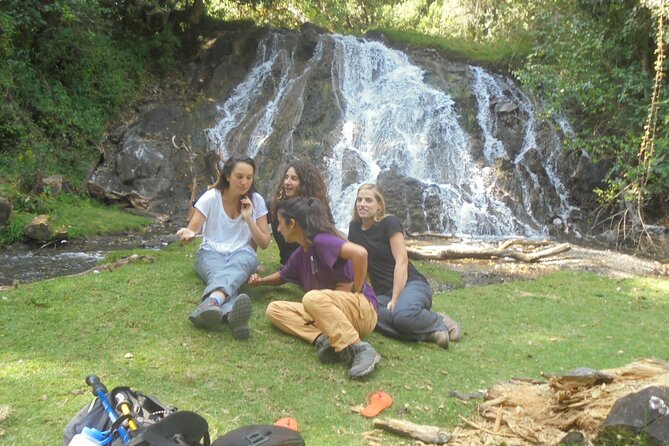
This is a true trekking itinerary with hut sleeping along the route. You’re also looking at a max group size of up to 200 travelers, so expect a shared experience—though the crew-to-hiker support is the part that tends to make it feel personal.
Day 1: Momela Gate to Miriakamba Hut (10 km, 4–6 hours)
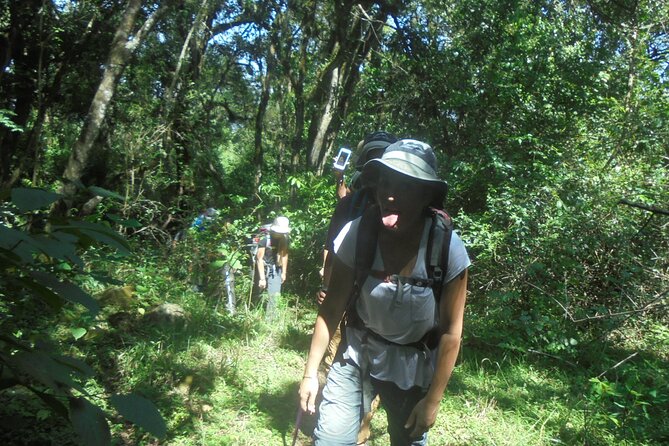
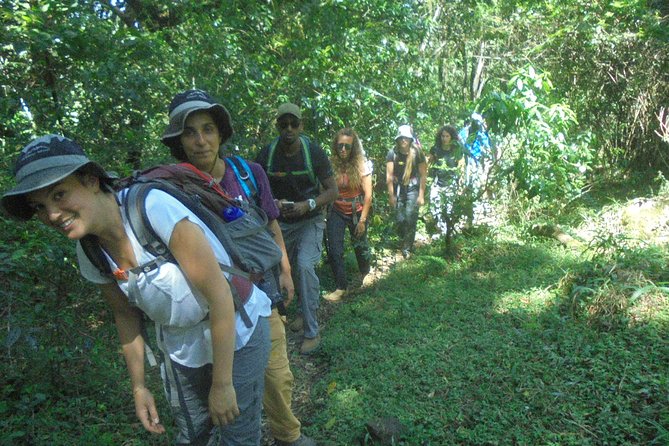
You drive from Arusha to Momela Gate and do a short registration. Then the hiking starts with the armed ranger escort. You’ll be walking through montane forest, at roughly 1,387 m up to around 1,500 m early on. The distance is about 10 km, and it’s paced as a solid first-day effort rather than a test.
This is the day for wildlife odds. The route is specifically described as giving you chances to see elephants, zebras, giraffes, monkeys, antelope—and elephants are mentioned as a frequent sight along the way.
You’ll end at Miriakamba Hut for dinner and overnight. The fact that you sleep in a designated hut matters. It simplifies logistics at the end of the day and lets you focus on recovery, not searching for a spot to camp.
Day 2: Miriakamba Hut to Saddle Hut, plus Little Meru (8 km, 3–5 hours)
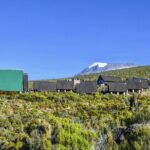
Day 2 is shorter on paper—about 8 km and 3–5 hours—but it’s described as a short day with a steep climb. You’ll hike from Miriakamba Hut toward the saddle below Little Meru and gradually work along a ridge line where you can see across the Meru crater and the ash cone.
After hot lunch at Saddle Hut, there’s a short climb to Little Meru’s summit (3,820 m). You’re doing this right before sunset, which is a smart strategy. It gives you another “high moment” before the main summit push without wiping yourself out.
You’ll have dinner and overnight at Saddle Hut, staying in the forest and moorland zone. That’s useful acclimatization territory: you’re getting altitude time, not just altitude peaks.
Day 3: Pre-dawn summit bid (about 1:30 a.m. start, 5 km up / 13 km down)
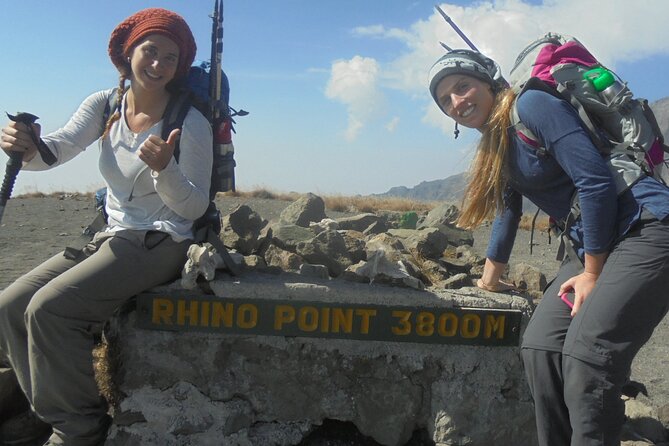
This is the big day. You start early, around 1:30 a.m., and climb steeply toward Rhino Point (3,800 m) and then Cobra Point (4,350 m).
From there, you work toward the summit at 4,566 m and reach it for sunrise. There’s also a possibility to see Kilimanjaro Peak above the clouds, which is exactly what you hope for on a clear morning. The final part is described as a dramatic, narrow ridgeline with sheer inner cliffs and the sloping outer crater wall—so you’re not just chasing altitude, you’re moving through an exposed, dramatic setting.
Total walking distance is listed as 5 km up and 13 km down, and hiking time is 10–12 hours. After the sunrise and a short rest, you’ll have brunch at Saddle Hut before descending back to Miriakamba Hut.
This day is where mental pacing matters as much as fitness. A guide encouragement style and steady footwork are what help people keep moving through the steep sections. One tip that comes up in the feedback is simple: don’t give up on the last night because that climb is hard early in the morning.
Also, there’s a practical note in the trip details: Meru climbing permits duration time is 12 hours. So even if you feel like you could keep pushing, your schedule is built around a timed window.
Day 4: Saddle Hut area down to Momela Gate, then transfer back
You finish with a fast descent through open grassland and mixed forest. The trek time is 2–4 hours for about 10 km, dropping from roughly 2,514 m down toward 1,500 m and finally 1,387 m near the gate area.
Wildlife odds can still show up on the way down before you reach Momela Gate in the late morning. When you get there, your return transfer is waiting to pick you up and take you back to your hotel in Arusha or Moshi.
What the Crew Gets Right (and Why It Matters)
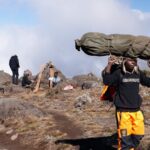
Good support turns a tough hike into a doable one. The tour includes crew wages and a full team structure: guide, cook, and porters. That matters because porters help reduce the load, and the cook’s role is what keeps you fueled so you can keep pacing on summit night.
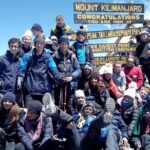
From the feedback provided, the best praise isn’t just about reaching the summit—it’s about how the team helps you get there. One person specifically mentioned Geofrey for being excellent and for answering questions clearly. Another praised motivation and team spirit, including cheering on the summit and celebratory singing after reaching the top.
Food and accommodation also come up as organized well. Since you’re in huts rather than sleeping outdoors, it’s easier to focus on recovery and hydration between hiking days.
Price and Value: What $2,600 Covers (and What It Doesn’t)
At $2,600 per person for an approx. 4-day trek, this isn’t a budget hike. But it’s also not just “walk and good luck.”
Here’s what’s included:
- Airport pickup and drop up, plus gate transfer
- Crew wages
- Meals: 3 breakfasts, 3 dinners, 4 lunches
- A mobile ticket (and confirmation at booking)
- Admission ticket listed as free in the itinerary notes (still, see park fees below)
What’s not included:
- Flights
- Visas
- Tipping the crew
- Mount Meru park fees (you can pay directly to the park or via the tour operator)
The value question comes down to this: you’re paying for a full, timed, safety-minded expedition in a national park setting—with ranger escort, hut stays, and meal support. If you’re someone who wants the mountain experience without managing the logistics yourself, that’s where the price starts to make sense.
One thing to plan for: you may still need to budget for park fees and crew tipping, since those are not included in the base price.
Timing, Group Size, and the Reality of Altitude Days
The start time listed is 8:30 am at the meeting point in Arusha Center Inn TouristTZ on Bondeni St. Your trek ends back at the meeting point as well, even though Day 4 also mentions transfer waiting at Momela Gate for your hotel in Arusha/Moshi—so it’s worth confirming where you’ll be dropped off for your specific booking.
The max group size noted is up to 200 travelers. That doesn’t automatically mean you’ll be packed shoulder-to-shoulder all day, but it does mean you’re likely hiking with other people in the broader system and on shared hut schedules.
Altitude reality check: this is short compared with long trekking circuits, but Day 3 is still a serious effort. You’re climbing from 3,570 m to 4,565 m, then descending back to 2,514 m, with a total walking time of 10–12 hours. If you’re fit enough to hike for that long at altitude, you’ll have a much better time.
Who Should Book This Meru Hike
This tour is a strong fit if:
- you’re planning Kilimanjaro soon and want a real acclimatization step
- you like structured trekking with hut sleeping and meals handled
- you want wildlife possibilities on the lower slopes with the safety of a ranger escort
- you appreciate clear crew support and motivation on summit day
It may be a tougher match if:
- you’re not comfortable with pre-dawn hiking and a long summit day
- you prefer self-guided flexibility over scheduled pacing
- you’re trying to keep costs fully all-inclusive, since park fees and tipping aren’t included
Should You Book 4 Days Mount Meru?
I’d book it if your main goal is smart prep for Kilimanjaro and you want a mountain experience that feels serious but still well-supported. The biggest reasons: the sunrise summit plan, the chance to see crater views from the ridge, and the fact that you’re sleeping in huts while getting meals from the crew.
Before you commit, do two reality checks:
- Be honest about your ability to handle Day 3’s 1:30 a.m. start and 10–12 hour walking.
- Budget for what’s not included, especially park fees and tipping.
If you want an authentic, organized mountain climb in Arusha National Park—with safety systems in place—that’s exactly what this trip is designed to deliver.
FAQ
How long is the Mount Meru climbing tour?
It’s listed as approximately 4 days.
Where is the meeting point and when does it start?
The meeting point is at Arusha Center Inn TouristTZ on Bondeni St, Arusha. The start time is 8:30 am.
Are pickup and transfers included?
Yes. The package includes airport pickup and drop, and gate transfer.
Do I need an armed ranger on this hike?
Yes. Because the trek is in Arusha National Park and wildlife is present, hikers must climb with an armed ranger.
Where do you sleep during the trek?
You sleep in designated huts along the trail, including Miriakamba Hut and Saddle Hut.
What meals are included?
You get 3 breakfasts, 3 dinners, and 4 lunches.
Are Mount Meru park fees included in the price?
No. Mount Meru park fees are not included and can be paid directly to the park or via the tour operator.
What happens if weather is bad or I cancel?
The experience requires good weather. If it’s canceled due to poor weather, you’ll be offered a different date or a full refund. You can cancel for a full refund if you do so at least 24 hours before the start time; within 24 hours, there is no refund.