REVIEW · ARUSHA
7-Day Private Kilimanjaro Hiking Tour via Machame from Arusha
Book on Viator →Operated by Duma Explorer · Bookable on Viator
Kilimanjaro starts quietly, then turns serious fast. This private Machame trek mixes easy access from Arusha with classic western-side scenery, ending in a headlamp summit hike to Uhuru Peak. I like how the route planning and long-run mountain know-how are built into the whole week, and I also like the pacing choices that help you climb smarter. The one drawback to keep in mind is that Machame is the most popular camping option, so you’ll share camps with lots of other climbers along the way.
This is also a high-effort trek, not a stroll. You’ll handle steep sections like the Barranco Wall scramble and the midnight ascent, and you really do need solid fitness and the patience for altitude. If you’re expecting a totally empty mountain experience or an easy walk every day, this isn’t that kind of trip.
In This Review
- Key points that make this Machame climb worth your time
- The Machame Route From Arusha: Why this west-side plan works
- Day 1: Arusha to Machame Gate and cloud forest into Machame Camp
- Day 2: From forest edges toward Shira Plateau and Shira Camp
- Day 3: The key acclimatization day to Barranco Camp (with optional Lava Tower)
- Day 4: Barranco Wall scramble to Karanga Valley
- Day 5: Barafu Camp setup day, glacier views, and the midnight summit wake-up
- Day 6: Headlamp ascent to Stella Point and Uhuru Peak, then down to Mweka Camp
- Day 7: Forest descent to Mweka Gate and the ride back to Arusha
- Private trip feel vs. a popular route: what that balance means for you
- What you’re paying for: $2,699 value in real terms
- Staff quality you can feel on mountain time (names you may see)
- Fitness and preparation notes that matter most on Machame
- Who this Machame private climb is best for
- Should you book this 7-day private Machame climb?
- FAQ
- FAQ
- What time do we start from Arusha?
- Is this a private climb?
- What camps and trail stops are included during the week?
- How hard is the summit day?
- Are park admission tickets included?
- What should I be like physically to join?
- What’s the cancellation window for a full refund?
Key points that make this Machame climb worth your time
- Private support with a small-group feel: your guides/porters/cooks are for your group, even if camps are busy
- Cloud forest on Day 1: moss-covered trees first, then high-altitude plants later
- Smart acclimatization on Day 3: small elevation gain, big “go up then down” adjustment
- Barranco Wall is the stress test: a hand-help scramble that’s famous for a reason
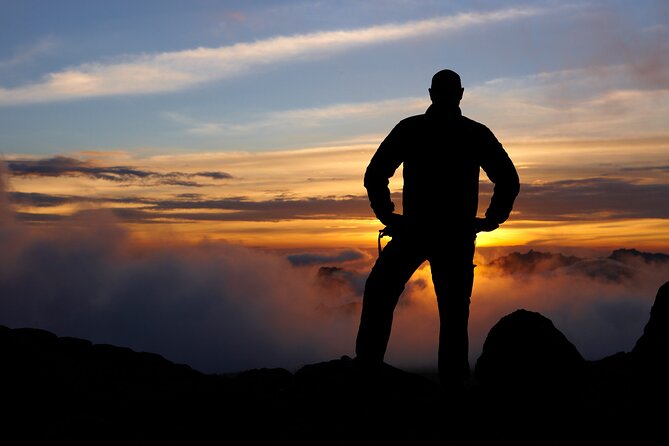
- Midnight summit plan: start around midnight, steep climb to Stella Point, then a longer-but steadier push
- Route variety you can feel: Shira Plateau to barren ridges to alpine desert before the final summit stretch
The Machame Route From Arusha: Why this west-side plan works
Machame is often chosen for a simple reason: you get to the trailhead without a long grind, then you travel through changing ecosystems without feeling like you’re repeating the same view. The route also ascends on the west side, which shapes the way Kibo and Mawenzi appear across the week.
I like that the week doesn’t just throw you upward. You start with a gentle onboarding into the mountain’s “moods” and then you hit acclimatization days that make the summit push more realistic. Even better, the experience is set up as a private tour, so your group isn’t being shuffled around by other parties.
You can also read our reviews of more tours and experiences in Arusha.
Day 1: Arusha to Machame Gate and cloud forest into Machame Camp
You depart Arusha at 9:00am and drive to Machame Gate in about 1.5 hours. Along the way you pass coffee farms and villages, then you arrive at the gate to register your climb. This is also when your porters, guides, and cooks get their final set-up sorted before you hike.
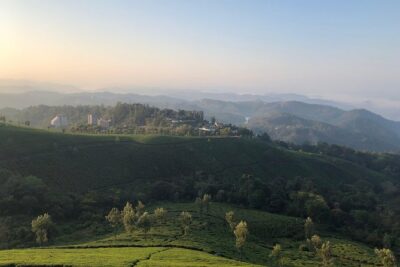
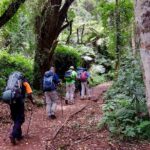
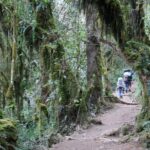
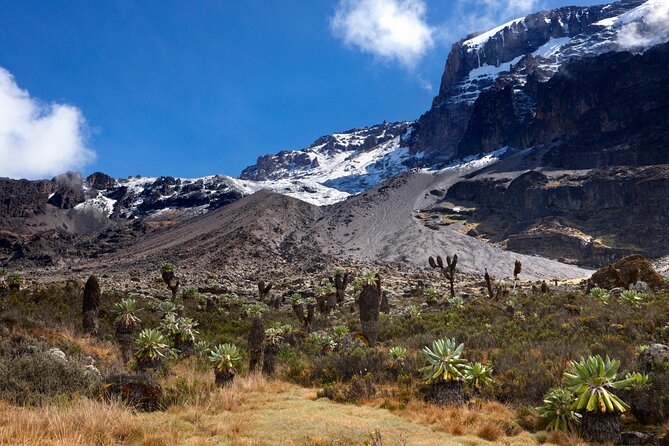
The first walking stretch goes through Kilimanjaro’s cloud forest—moss-covered trees, cool air under the canopy, and a gentle sense that you’re still in “low elevation Tanzania.” As the forest thins, you transition into heathers, tall grasses, and wildflowers. If the weather is clear, you can catch big views toward Kibo Peak, which is a great mental warm-up for what comes later.
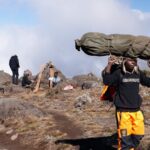
A small detail that matters: the porters and cooks go ahead and prepare the campsite before you arrive. That means less time wrestling with logistics and more time putting your feet up when you’re tired.
Day 2: From forest edges toward Shira Plateau and Shira Camp
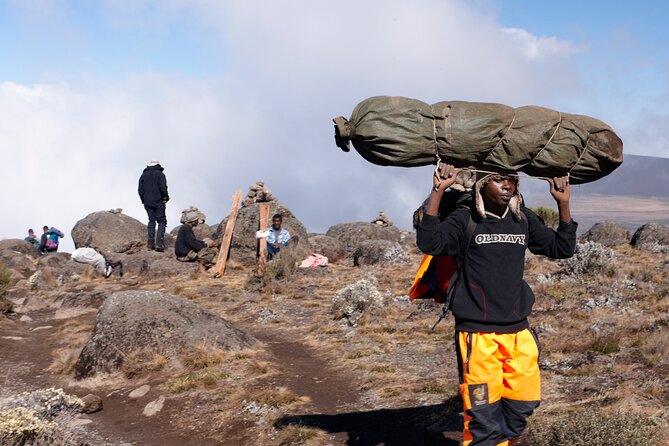
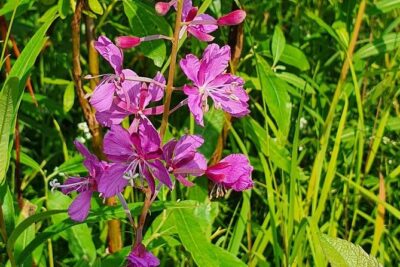
Today includes several uphill sections, and you’ll want plenty of drinking water—hot hiking can happen if the day is clear. You’ll also start spotting how vegetation changes as altitude climbs: trees shrink, then you shift into high altitude plants like Senecio kilimanjari and Lobelia deckenii.
The Shira Plateau is a payoff day. You get viewpoints over the forests and plains below, while Kibo and Mawenzi sit above you like a “look up” reminder that the hard part is still coming. After lunch you keep climbing on that lava-formed plateau terrain and then finish at Shira Camp.
Keep your expectations simple here: this is a day to move steadily, drink consistently, and let the altitude start “teaching” your body.
Day 3: The key acclimatization day to Barranco Camp (with optional Lava Tower)
This is one of the most important days on the Machame plan because it’s designed for acclimatization. On paper, the elevation gain is only about 110 meters, but you’ll still climb up to roughly 4,530 meters before descending to Barranco Camp. That go-up-then-drop pattern helps your body adjust before you commit to the next tougher segments.
You hike east on the Shira Plateau and reach the junction where the Shira and Lemosho routes connect. After lunch, you head through barren terrain and reach the highest point of the day before beginning a faster descent to Barranco Camp.
There’s an optional detour for faster hikers: the Lava Tower, a roughly 300-foot lava formation jutting out of the mountainside. It’s not required, but if your legs feel decent and your breathing is under control, it can add a memorable bonus.
Day 4: Barranco Wall scramble to Karanga Valley
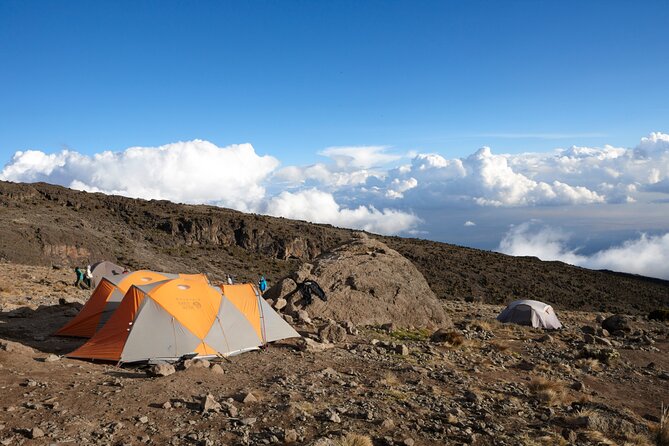
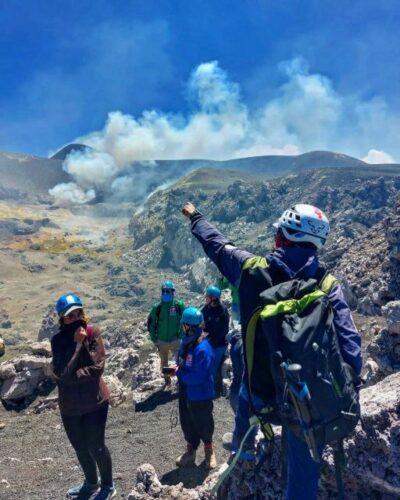
If Day 3 is about acclimatization, Day 4 is about courage and foot placement. You leave Barranco Camp after breakfast for Karanga Valley, and the day starts with about 1.5 hours of scrambling up the Barranco Wall. In some places you may need your hands for balance. This is the kind of climb where trekking poles help, but technique matters more than speed.
Once you’re over the wall, the terrain eases into more level walking before you drop into the green Karanga River Valley. The green part matters psychologically: after rough rock and steep effort, having a valley feel can make you feel like you’re taking a breather, even though the work isn’t finished.
Day 5: Barafu Camp setup day, glacier views, and the midnight summit wake-up
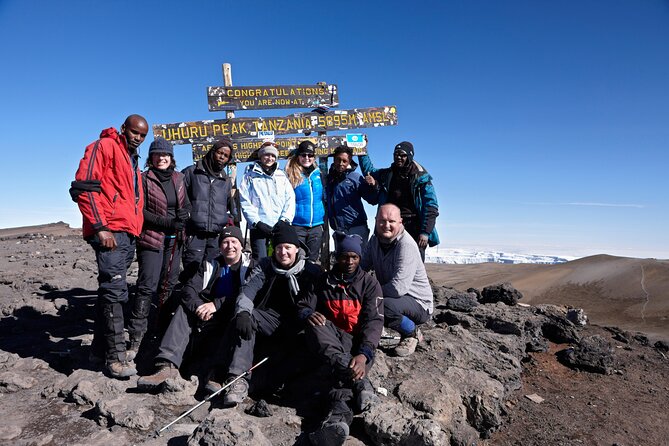
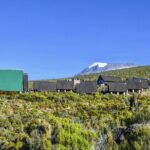
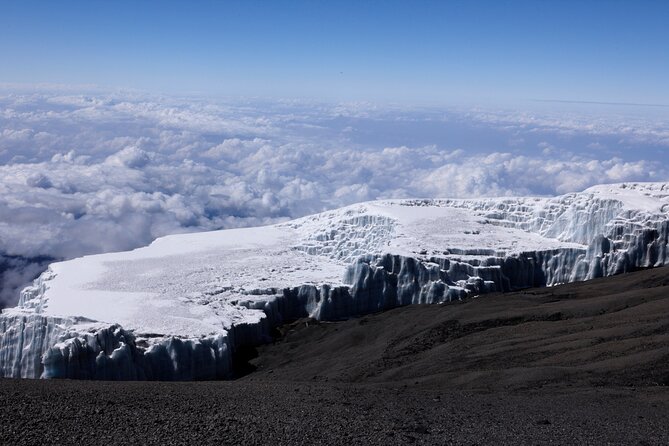
After breakfast, you hike to Barafu Camp. Along the way, you can view glaciers on Kibo and also pass the junction area connected to the Mweka descent route. You’ll also get looks at glaciers such as Heim, Kersten, and Decken.
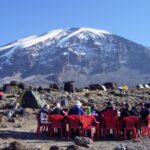
The route toward Barafu is more exposed and drier—an alpine desert with little vegetation. That means fewer distractions and more focus on breath rhythm and steady pacing. Then you arrive at Barafu Camp with stunning views of Kibo and Mawenzi peaks, which is exactly the mood you want before the summit day.
Here’s the practical part: you’ll want to sleep when you finish dinner, because you wake before midnight for the summit hike. Treat this as part of the climb, not a separate task. If you burn energy staying restless, you’ll feel it later.
Day 6: Headlamp ascent to Stella Point and Uhuru Peak, then down to Mweka Camp
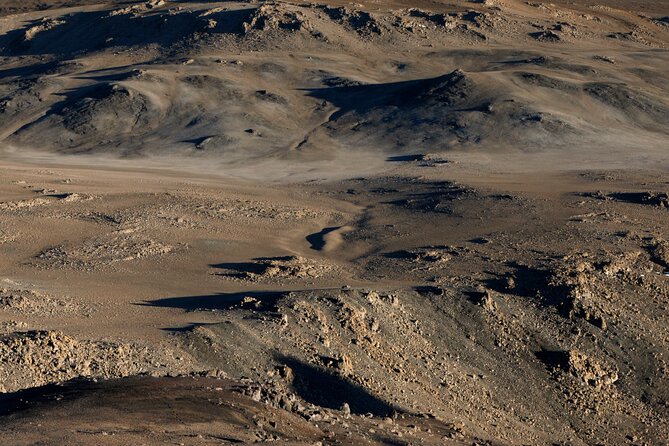
Around midnight, the final ascent begins. For roughly six hours you’ll hike by headlamp, which is why your lighting and layer system matter. The ascent is very steep until you reach the crater rim at Stella Point. After that, the trail from Stella Point to Uhuru Peak becomes more gradual.
Even when the trail feels easier, altitude makes it feel harder. The crater rim hike takes about one hour, and the last stretch to Uhuru isn’t technically difficult so much as it’s long and tiring because oxygen is thin.
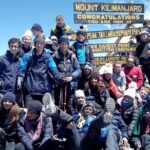
Once you reach Uhuru, you take photos with your guide and group at the peak, then start descending to Mweka Camp. On the way down, you’ll see the mountain, crater views, clouds, and glaciers—often in changing light because the weather can shift fast.
Day 7: Forest descent to Mweka Gate and the ride back to Arusha
You wrap up with a hike through the forest to Mweka Gate. This final day is shorter in distance and time, but it can still be slippery, especially if there’s been rain. Save your energy for careful steps here; it’s the classic “almost there” phase where people rush.
At Mweka Gate’s lower station, your vehicles meet you to take you back to Arusha. The moment you’re off the trail, it’s usually a mix of relief and satisfaction—like your body finally believes the work is done.
Private trip feel vs. a popular route: what that balance means for you
This is a private tour/activity, meaning your guides/porters/cooks work for your group. But Machame is also the most popular camping route overall, and camps can be busy with fellow climbers.
That’s not automatically bad. More people can mean a bit more shared energy at camp and more of a “we’re in this together” atmosphere at meal and rest times. The potential drawback is that you may not get total quiet at your campsite. If your ideal Kilimanjaro memory is silence and solitude, you’ll want to adjust that expectation.
What you’re paying for: $2,699 value in real terms
At $2,699 per person, this is not a budget trek. So the value question is: what does that price buy beyond the mountain itself?
From what’s outlined, you’re paying for superior service, route planning, and high-end equipment, plus the benefit of an operator that started as a trekking company and has led climbs for almost twenty years. That matters because Kilimanjaro success isn’t only about willpower. It’s also about timing, pacing, and having a team that can keep you moving safely through steep days and altitude pressure.
Also, the route description shows that admission ticket costs are marked as free for several days, with Day 6 listed as admission ticket included. That doesn’t replace reading your final booking details, but it suggests some day-to-day park-related costs are handled within the package.
If you want a trip where the logistics are tight and the focus stays on walking, breathing, and getting to the top, this price can make sense.
Staff quality you can feel on mountain time (names you may see)
The operator’s broader Kilimanjaro service shows up in the names climbers have shared. For instance, some past experiences credited guides such as Colman and Earnest on other routes, and Ema and Shaban for making climbs feel well organized and morale-friendly. In another related Tanzania experience, Sifuni was highlighted as a knowledgeable driver who helped the day feel smooth and meaningful.
You shouldn’t assume those exact staff will be on your Machame climb. Still, the pattern is useful: when people remember a climb, it’s often the human side—calm guidance, practical problem-solving, and steady encouragement—more than the scenery alone.
Fitness and preparation notes that matter most on Machame
This trek explicitly calls for strong physical fitness. That doesn’t mean you need to be a mountain athlete. It does mean you should be ready for long days, steep scrambling, and the midnight summit effort.
Here’s what to prep for, based on what the route asks of you:
- Be ready for steep climbs and hand-help scrambling on Barranco Wall
- Expect frequent changes in altitude and breath intensity, especially around Day 3
- Plan for disturbed sleep on Day 5 so you can start the summit push around midnight
- Bring a headlamp plan you trust, because the summit day includes several hours of night hiking
If you’re unsure about whether you’re fit enough, train for steady effort: hiking stairs, long walks with a pack, and practicing taking breaks without stopping your rhythm.
Who this Machame private climb is best for
This tour fits best if you want:
- A private guide/porter team but don’t mind popular-camp energy
- A classic Machame “western ascent” route with multiple climates and big payoff views
- A summit plan that starts around midnight and uses a realistic ascent rhythm
It’s also a good match for hikers who like structure. If you’ll do best when someone else handles timing, logistics, and route guidance, this kind of operator-led plan will feel reassuring.
Should you book this 7-day private Machame climb?
I’d book it if your goal is a well-supported Kilimanjaro attempt with thoughtful acclimatization steps, a route that gives varied scenery, and a summit day plan that’s clearly set up around the realities of altitude.
I would think twice if you need total solitude at camps, you’re prone to panicking during steep scrambling, or your fitness is still building. The mountain won’t negotiate. On Machame, you’re challenged—then rewarded.
FAQ
FAQ
What time do we start from Arusha?
You start at 9:00am, with a drive of about 1.5 hours to Machame Gate.
Is this a private climb?
Yes. It’s a private tour/activity, so only your group participates. That said, the Machame route is popular, and camps can have many fellow climbers.
What camps and trail stops are included during the week?
You pass through Machame Gate to Machame Camp, then Shira Camp, Barranco Camp, Karanga Valley, Barafu Camp, and Mweka Camp. The trek ends at Mweka Gate.
How hard is the summit day?
The final ascent starts around midnight and includes about six hours of hiking by headlamp. The steepest part is until the crater rim at Stella Point, and altitude makes the total climb long and tiring even after the trail becomes more gradual.
Are park admission tickets included?
The day-by-day details show admission ticket free for Days 1-5 and Day 7, with Day 6 listed as admission ticket included. Check your final booking confirmation for exactly what’s covered in your package.
What should I be like physically to join?
The experience notes that travelers should have a strong physical fitness level.
What’s the cancellation window for a full refund?
You can cancel up to 3 days in advance for a full refund. If you cancel less than 3 days before the start time, the amount you paid is not refunded. The experience may also be canceled if a minimum number of travelers isn’t met, with an alternate date or a full refund offered.