REVIEW · ARUSHA
4 days Best experience Kilimanjaro Hike, Serengeti &Ngorongoro
Book on Viator →Operated by Dancing Simba Safaris · Bookable on Viator
Big wildlife, crater views, and a hot spring splash. This 4-day Tanzania combo is built around Serengeti and Ngorongoro plus a Kilimanjaro-region detour to Materuni. You’ll get a packed mix of classic safari moments and hands-on local culture without feeling like you’re bouncing around for no reason.
Two things I really like: the way the itinerary balances wildlife time with real human experiences (coffee, local guides, and a hot springs swim). And the Big Five focus is especially strong in Ngorongoro, where you’ll also have chances for other animals like hippos and flamingos.
One drawback to plan for: you’ll spend nights in camping-style accommodations (including the Serengeti Seronera camp area and the Ngorongoro crater rim camping site). If you’re the type who expects a polished hotel room every night, this may feel rough around the edges.
In This Review
- Key highlights worth planning for
- Why this 4-day safari mix works so well
- Day 1: Materuni village trek, coffee tour, and Chemka hot springs
- Day 2: Serengeti game drive and a night near Seronera
- Day 3: Ngorongoro Conservation Area, Maasai life, and crater rim views
- Day 4: Crater descent and Big Five odds at ground level
- What private safari really changes for you
- Big Five on a tight schedule: how to set expectations
- Food, water, and sleeping in camps without losing your mind
- Value check: what’s included and what you should plan for
- Guides and communication: the human part that shows up in real feedback
- Who should book this 4-day Tanzania itinerary
- Should you book Dancing Simba Safaris for this 4-day plan?
- FAQ
- How long is the safari experience?
- Where does the itinerary take place?
- What activities are included besides safari drives?
- Are meals and drinking water included?
- What’s not included in the tour price?
- What is the cancellation and refund rule?
Key highlights worth planning for
- Materuni trek to about 2500m with a local coffee tour included
- Chemka hot springs swim with both warm and cooler water areas
- Serengeti evening game drive with a lunch box and a top-roof safari jeep
- Ngorongoro crater rim viewing plus Maasai cattle grazing in the wider conservation area
- Crater descent day with the chance to see lions, elephants, buffalo, rhino, and leopard
- Private setup where you move as one group with your own driver/guide team
Why this 4-day safari mix works so well
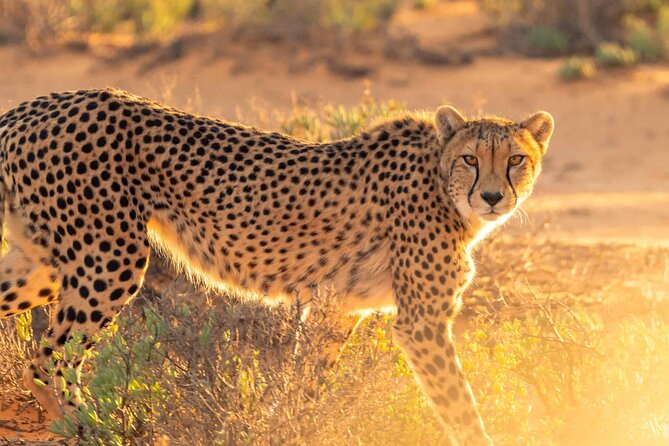
If you want Tanzania in one short trip, this plan hits three big “yes” moments fast. Serengeti gives you wide-open savanna wildlife time, Ngorongoro adds a crater bowl full of animals, and the Materuni side trip breaks up the safari with culture and views linked to Kilimanjaro.
I like that it doesn’t treat hiking and hot springs like filler. Materuni is a proper day trek from the village (up toward 2500m), and Chemka is a real swim stop where you can cool off after the walking.
The other smart piece: it’s structured around early starts on safari days, not random timing. That helps you get meaningful game-viewing windows rather than chasing daylight like a stopwatch game.
You can also read our reviews of more tours and experiences in Arusha.
Day 1: Materuni village trek, coffee tour, and Chemka hot springs
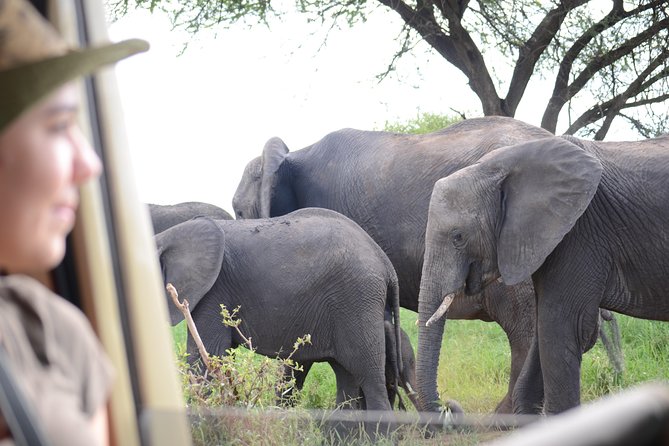
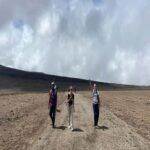
Your day starts in Arusha, then you move to the Kilimanjaro region for a day trek from Materuni village. The plan takes you up to about 2500m above sea level before you turn that effort into a local payoff: a coffee tour with a guide.
What you’ll likely love here is the pacing. You’re not just walking for the sake of exercise—you’re walking in a place where you can ask questions, learn how coffee fits local life, and then warm up with hot traditional food afterward.
After the trek and coffee time, you head to Chemka hot springs. The cool part is that the “nature pool” experience includes variation: one side feels warm while another side is colder, so you can choose what your body wants at that moment. And yes—you’ll actually swim.
Practical considerations: this day is the most physical in the itinerary. Even though it’s still a day trek (not a multi-day hike), going up to around 2500m can feel demanding, especially if you’re not used to hills or if you’re traveling from sea-level climates.
Day 2: Serengeti game drive and a night near Seronera
After breakfast, you depart around 8:00am for a direct run toward Serengeti National Park. You’ll carry a lunch box, and you arrive later in the afternoon for an evening game-viewing session of about two hours.
This is a very workable approach if you’re trying to fit Serengeti into a short 4-day trip. You don’t spend the whole day driving in circles, and you still get the key safari rhythm: get to the park, settle in, then scan for animals at the time of day when sightings often feel active.
Night one in the wild is at Serengeti Seronera camp (camping-style accommodation). The big value here is being close to the action. You’ll have time to rest and reset before Ngorongoro.
If you’re choosing what to pack for this day, think practical layers. Even if the weather looks fine at breakfast, conditions can change as you head deeper into the park.
Day 3: Ngorongoro Conservation Area, Maasai life, and crater rim views
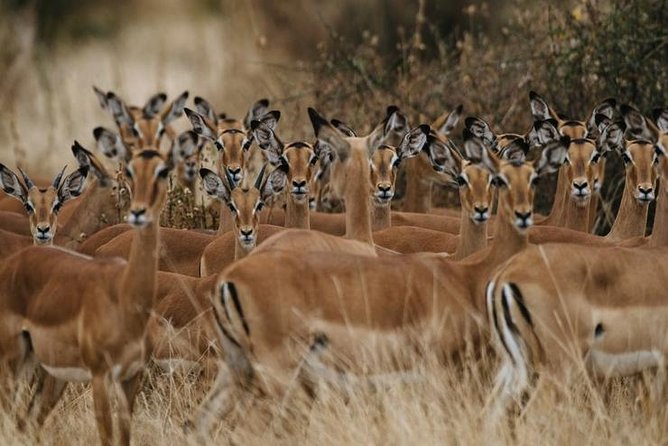
Day 3 shifts from savanna to a place that feels different the moment you arrive: Ngorongoro Conservation Area. One detail I appreciate is that it’s described as a conservation area managed for wildlife and Masai people who graze cattle alongside the wildlife.
That matters because it shapes what you experience while you travel. During the drive, you’ll have chances to glimpse the Maasai way of life, not just the animals. Then you stop at the gate area to learn more about the volcanic terrain of the crater—useful context if you want your photos to mean something.
After that, you drive around the crater rim, looking down over a scene that can include herds such as wildebeest or buffalo. Dinner and overnight happen at the NgoroNgoro crater rim simba camping site.
One thing to keep in mind: crater rims can feel exposed. Even if it’s sunny, wind can make temperature swings noticeable, so bring a layer you’ll actually wear.
Day 4: Crater descent and Big Five odds at ground level
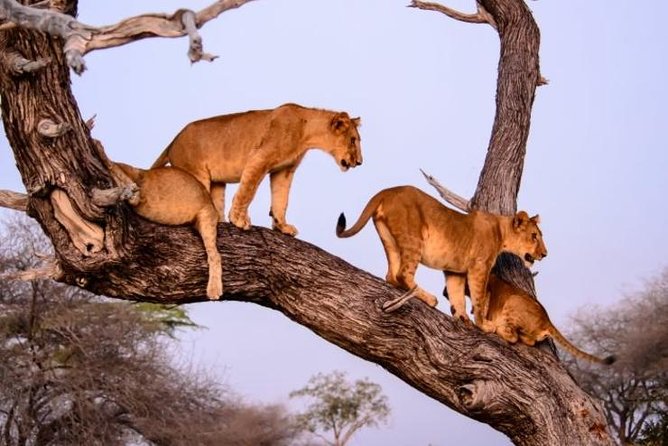
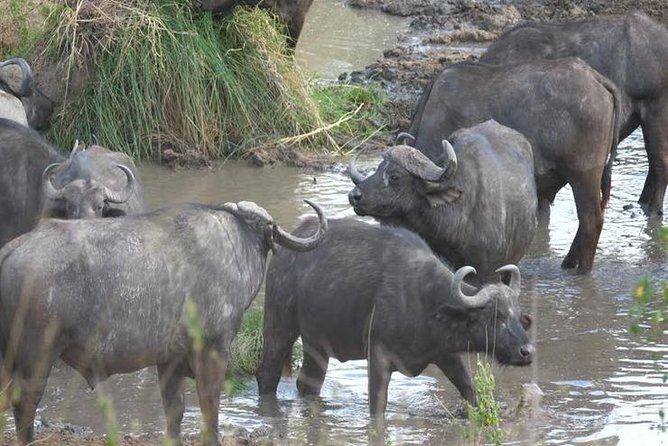
On the final day, you descend into the crater after breakfast. This is where Ngorongoro earns its reputation: the crater walls create a natural shelter for animals, which helps with viewing. The plan specifically calls out the chance to see the Big Five: lions, elephants, buffalo, rhino, and leopard.
You can also have opportunities to spot other wildlife such as hippos, hyenas, and flamingos, plus additional species. The key for you is mindset. In a short trip, you won’t control what you see, but a crater setting puts you close to multiple habitats in one concentrated area.
Once your crater time is done, you’ll be driven back toward Arusha for your overnight or to the airport, depending on your schedule.
For most people, day 4 is the “mental reward” day. You’ll feel the tiredness from earlier drives and trekking, but the crater descent tends to bring focus back to why you came.

What private safari really changes for you
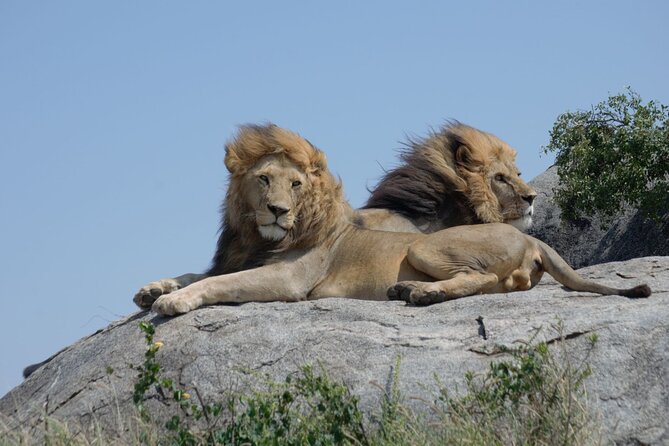
This is listed as a private tour/activity, meaning it’s only your group. That makes a difference in how the days feel. You’re not stuck waiting for strangers to decide how long they want to stand in front of a photo spot.
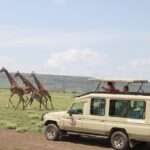
The safari setup includes a safari jeep with a top up roof. That roof style is practical for spotting and photographing animals without leaning or twisting into awkward angles. It also helps when light changes and you need to see above tall grasses.
You’ll also travel with camping equipment, plus meals and drinking water. Those inclusions are what keep a short safari from becoming a daily expense hunt.
Still, “private” doesn’t mean “no early mornings.” The plan includes an early morning game drive on the Ngorongoro day, and that’s part of the value. Early timing helps you get better animal activity windows and avoids the feeling of being stuck in the heat all day.
Big Five on a tight schedule: how to set expectations
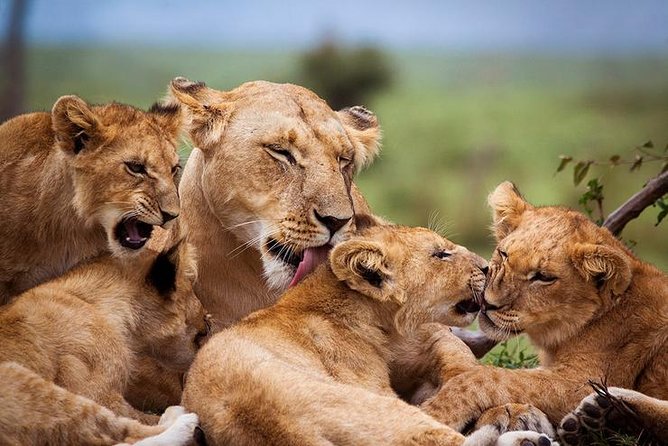
In a 4-day timeframe, you’re really doing a “greatest hits” approach: Serengeti for wide views and wildlife encounters, then Ngorongoro for concentrated, crater-based viewing.
I like that the plan doesn’t sell you on a guarantee. It clearly frames what you’ll have a chance at seeing—especially the Big Five—while also listing other animals you might encounter. That makes your day-by-day expectation easier to manage.
Here’s the practical advice I’d give you: spend your mental energy on the ride itself. A good guide helps you track what’s happening, read animal behavior, and understand what you’re seeing in context. That’s often what separates a good safari from a memorable one, even when sightings are unpredictable.
Food, water, and sleeping in camps without losing your mind
Meals are included: breakfasts across the trip, lunches, and dinners (the plan lists dinner three times). Drinking water is also included, which matters because you’ll be outdoors for long stretches.
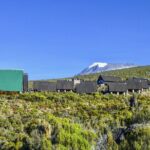
Accommodation is camping-style in at least two places: Serengeti Seronera camp and the NgoroNgoro crater rim simba camping site. That’s not automatically bad—it can be part of the fun—but it does change what “comfortable” means.
If you do camp well, you’ll probably enjoy the feeling of being close to the ecosystem. If you don’t, plan to bring a few comforts: warm layers at night, a small headlamp, and whatever helps you sleep in tents.
Hot springs on day 1 also help, because it gives you an actual reset. You’re not just walking all day and then sleeping rough; you get a warm-and-cool nature swim before you settle into the bush rhythm.
Value check: what’s included and what you should plan for
I can’t see a real price in the details you shared, so treat cost as a quote you should confirm. What I can judge is the value based on what the tour includes.
On the included side, you get:
- Private safari adventure
- Camping equipment
- Safari jeep with top up roof
- Meals and drinking water
- Dinner (3), lunch (4), breakfast (4) listed in the inclusions
On the not-included side:
- Tipping
- Flights
- Personal items
One more detail to verify: the day-by-day descriptions label admission ticket free. That’s promising, but you should still confirm exactly what’s covered for each park and activity when you get your final voucher.
Guides and communication: the human part that shows up in real feedback
The best safari isn’t just about animals. It’s about interpretation—why something is there, why it’s moving, and what you should watch for next.
Names that come up in past trip experiences include guides such as Ezra, Mathew, Michael, and Bulldozer. I’d treat that as a sign you’ll likely get wildlife knowledge and explanations, not just a driver who recites road distances.
Also, David appears repeatedly in communications and responses. That suggests a pattern of owner-level attention to questions before and during the trip. For you, that matters because safari logistics can get confusing fast—especially when you’re balancing trekking, crater time, and long drives.
If you book, ask your questions early. You’ll get a faster yes/no on things like pickup timing, what to pack for camps, and whether any add-ons are possible for your schedule.
Who should book this 4-day Tanzania itinerary
This is a strong fit if you want:
- Classic Tanzania safari highlights in a short window
- A mix of wildlife and hands-on culture (Materuni coffee and trek)
- The crater experience at Ngorongoro, where the viewing day includes a Big Five focus
It’s likely not the best fit if:
- You strongly prefer hotels over camping nights
- You want an itinerary with minimal walking and zero altitude-related effort (day 1 climbs to around 2500m)
If you’re a first-time visitor to Africa and you want big moments without stretching your trip to a full week, this format makes sense. You’re balancing effort with payoff.
Should you book Dancing Simba Safaris for this 4-day plan?
My take: book it if your priorities are wildlife concentration plus a Kilimanjaro-area cultural break, and you’re okay with camping-style nights. The itinerary hits Serengeti and Ngorongoro in a way that’s realistic for 4 days, and it adds Materuni and Chemka so the trip doesn’t feel like only sitting in a vehicle.
Before you commit, do three quick checks:
- Confirm what admission ticket coverage includes for each park and activity.
- Ask what camping comfort looks like for you personally (warm layers, sleep setup expectations).
- Plan for tipping and basic personal items, since those are not included.
If those answers work for you, this is the kind of short safari that can turn into a lifetime memory—crater views, coffee with a local guide, and wildlife sightings you’ll keep replaying long after the dust settles.
FAQ
How long is the safari experience?
The tour runs for 4 days, with each day’s activities planned around sunrise/afternoon timing and travel between Arusha, Serengeti, and Ngorongoro.
Where does the itinerary take place?
You’ll start in Arusha, visit the Kilimanjaro-area Materuni village for a day trek and coffee tour, go to Serengeti National Park, and then visit the Ngorongoro Conservation Area and crater.
What activities are included besides safari drives?
Besides game drives, you’ll do a day trek from Materuni village (up to around 2500m), have a coffee tour with a local guide and hot traditional food, and swim at Chemka hot springs.
Are meals and drinking water included?
Yes. The inclusions list meals and drinking water, including breakfast (4), lunch (4), and dinner (3).
What’s not included in the tour price?
Tipping, flights, and personal items are listed as not included.
What is the cancellation and refund rule?
You can cancel up to 24 hours in advance for a full refund. If you cancel less than 24 hours before the experience starts, no refund is provided.