REVIEW · ARUSHA
6 Days: Hiking Kilimanjaro via Machame Route
Book on Viator →Operated by Mountain Warriors Tours and Safaris · Bookable on Viator
Kilimanjaro feels personal on this Machame climb. You start in Kilimanjaro National Park, move through rainforest and open ridges, then end with the long, high push to Uhuru Peak. I like how this route builds your confidence step-by-step with changing scenery and constant forward motion, and I especially like the Machame Route reputation for real adventure, not a gentle walk. One drawback to plan for: the itinerary’s steep sections and altitude levels can be demanding if you are not already hiking regularly.
I also like the summit-night tone—serious, cold, and focused, but never lonely. The guiding team, often led by Gasto, is praised for encouragement when conditions get rough, including the pre-dawn climb with headlamps and the slow grind toward Stella Point. That kind of team energy matters when your legs feel like they have their own opinion.
This trip asks for moderate physical fitness, and it expects you to keep moving at altitude. Since the climb includes multiple long hiking days and a late-night summit attempt, you should consider how you handle early starts, darkness, and exhaustion. Also note that person climbing gear is not included, so you’ll want to sort your kit before you go.
In This Review
- What makes the Machame Route worth your time on Kilimanjaro
- Mountain Warriors Tours and Safaris: the crew, the pace, and the support
- Price and value: what $1,950 includes (and what it does not)
- Day 1: Kilimanjaro National Park to Machame Camp (the rainforest start)
- Day 2: from heather ridges into the Shira Hut campsite
- Day 3: Lava Tower direction and the long pull to Barranco Camp
- Day 4: Barranco Wall, Karanga Valley lunch, and Barafu Camp
- Day 5: midnight summit climb to Uhuru Peak, then down to Mweka Hut
- Day 6: gentle rainforest descent to Mweka Gate and the certificate moment
- Summit night logistics that actually affect your comfort
- Tents, meals, and purified water: what “included” feels like on the ground
- Gear and fitness: what you should sort before the Arusha drive
- Who this Machame trek fits best
- Should you book Mountain Warriors Tours and Safaris for Machame?
- FAQ
- Where does the trek start, and what time do we begin
- How long is the Kilimanjaro hike on the Machame Route
- Which route is used to reach Uhuru Peak
- Is this a private tour
- What is included in the price
- What is not included
- Do we climb to Uhuru Peak on Day 5
- What fitness level is required
- Is free cancellation available
What makes the Machame Route worth your time on Kilimanjaro
The Machame Route is one of the most famous ways up Kilimanjaro for a reason: it mixes hard effort with a steady stream of scenery shifts. You are not just going higher. You are moving through different ecological zones—rainforest, heather-covered ridges, and high, dry alpine terrain—so your body works while your eyes keep switching gears.
It also has a reputation for steep passages and higher altitudes. That does not mean it is impossible. It does mean you should expect a tougher rhythm than easier profiles, especially on the days that climb into the higher sections and when you wake up in the dark for the summit push.
The payoff is big. Along the way, you may catch views of Mount Meru, Shira Ridge, and Kibo (the summit area). Even when visibility is less perfect, the sheer variety of terrain gives you constant “new scene” moments—colobus monkeys in the early part, then scrubby high slopes, then the crater-area walk that ends with a 360-degree view from Uhuru Peak.
Mountain Warriors Tours and Safaris: the crew, the pace, and the support
This is a private tour/activity, so you are trekking with only your group. That sounds small, but it matters on Kilimanjaro. When things get uncomfortable—thin air, steep steps, or slow going in the dark—having a team that manages your day-to-day pacing helps you stay calm and consistent.
The package includes professional, experienced mountain guides. You also get guides who actively assist on the harder parts, including the Day 4 Barranco Wall, where a steady hold is needed. Several accounts highlight encouragement on summit night, with the guiding team keeping spirits up through bitter cold conditions and the long, headlamp-only approach toward Stella Point.
Gasto is mentioned again and again in positive terms: energetic, fun to be around, and able to support everyone during challenging sections. People also bring up that the guides share stories about Tanzania’s culture, including Maasai culture. That is not fluff for the trek. It helps you feel like the mountain is not just a fitness test—it is a place with people and meaning around it.
You can also read our reviews of more tours and experiences in Arusha.
Price and value: what $1,950 includes (and what it does not)
At $1,950 per person, you are paying for a serious, logistics-heavy mountain operation. The included items are the ones that usually drive Kilimanjaro costs:
- Quality, waterproof private mountain sleeping tents
- All meals while on the mountain (lunch 6 times, breakfast 6 times, dinner 5 times)
- Quality mess tents with table and chairs
- Clean, purified drinking water
- All park fees and rescue fees
- Airport transfers
- Pickup offered and a start time of 7:30 am
- Mobile ticket
What you do not get:
- Tanzania visa
- Tips
- Person climbing gear
That last part is important. You will want to show up with your own climbing/trekking gear. If you wait until you arrive, you risk paying emergency prices or making do with the wrong items.
The value angle here is simple: this price covers the mountain infrastructure and the required fees so you can focus on hiking safely and consistently. For a climb where altitude and timing matter, that support is not optional.
Day 1: Kilimanjaro National Park to Machame Camp (the rainforest start)
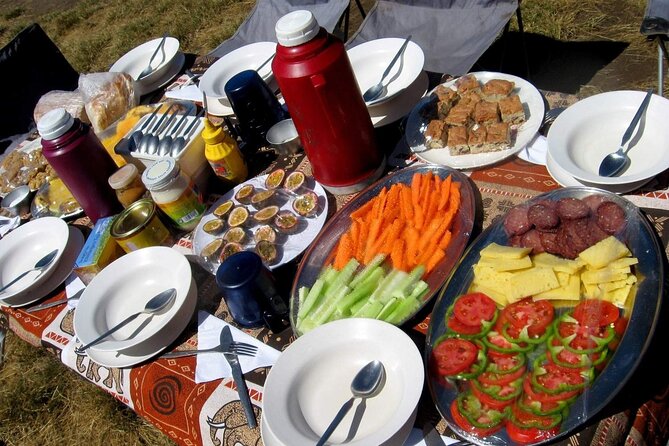
Day 1 is about getting into the park, finding your rhythm, and hiking long enough to wake up your legs.
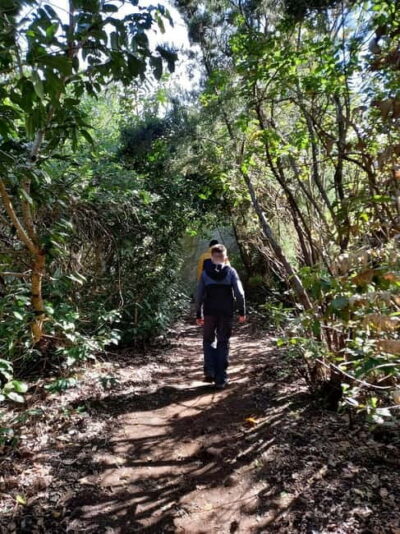
You get a morning drive to the Kilimanjaro National Park entrance gate, about an hour away. From there, you begin trekking toward Shira Cathedral. This is also when wildlife can show up early. You might spot black-and-white colobus monkeys watching you as you walk past.
You then hike for about 5 to 6 hours to Machame Camp, set at 3,010 m above the tree line. That is a key detail. Even on Day 1, you are not in low country. Your body starts adjusting right away, and the air can feel different sooner than you expect.
Practical feel: this day ends with an evening meal and overnight at Machame Camp. If you are coming from Arusha, plan to treat Day 1 as your warm-up and your mental setup. You are building a routine for what comes next.
Day 2: from heather ridges into the Shira Hut campsite
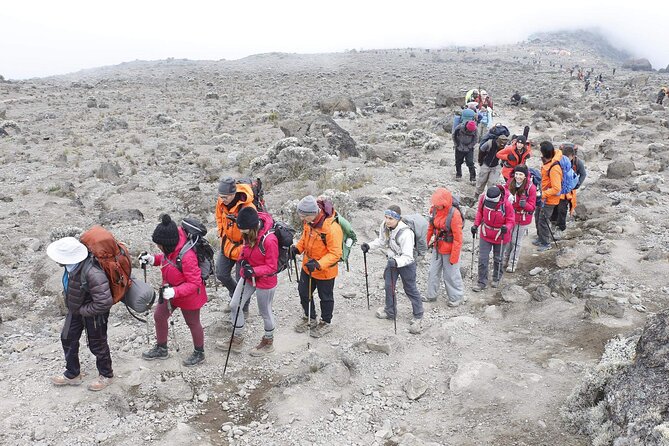
After breakfast, the trek shifts away from the rain forest and toward higher, rockier terrain.
You climb on an ascending path, cross a little valley, and walk along steep rocky ridge covered with heather until the end of the ridge. Then the route turns west onto a river gorge at 3,658 m. Expect a day that feels both longer and steeper than people imagine when they picture Kilimanjaro.
You hike for about 5 to 7 hours and sleep at Shira Hut campsite at 3,845 m.
Why this day is important: it is one more jump upward, and the vegetation changes as you go. When your surroundings go from lush to more sparse, you feel like you are moving into a tougher environment, even if you still have energy.
The drawback to keep in mind: this is not a slow, scenic sit-and-smile day. If you rush the pace, you will likely pay for it on later days.
Day 3: Lava Tower direction and the long pull to Barranco Camp
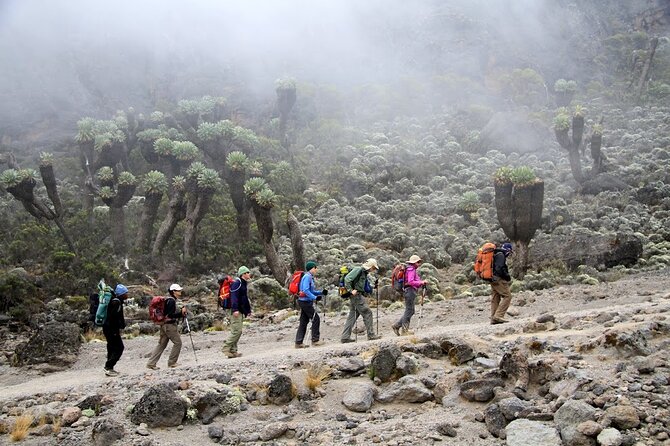
Day 3 starts with a climb above the Shira Plateau, heading toward Lava Tower at 4,640 m. The higher you go, the more sporadic the vegetation becomes. The terrain turns toward an alpine desert feel, which is striking after rainforest.
Then you walk through Barranco Valley, where you may see lobelia and giant senecio plants. The day ends with a trek of about 6 to 7 hours to Barranco Camp, known as one of the most beautiful camps on the mountain.
This is the kind of day where your pacing strategy matters. You have a lot of altitude gain, and you want to finish feeling like you can still do tomorrow’s work.
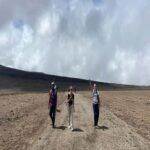
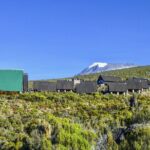
Day 4: Barranco Wall, Karanga Valley lunch, and Barafu Camp
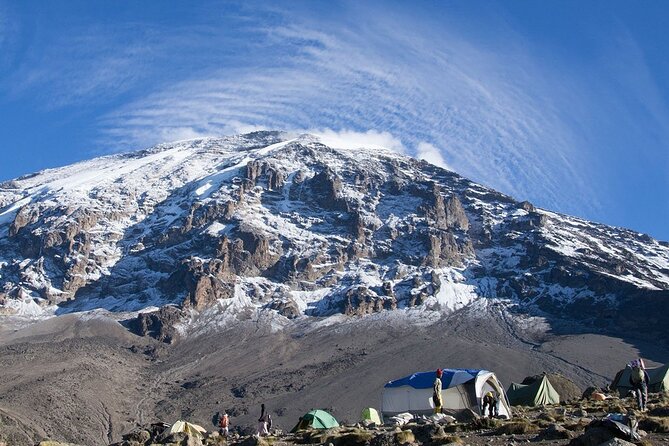
Day 4 is where Machame starts flexing its muscles.
You climb the Barranco Wall, and the route asks for a steady hold. The good news: the guiding team assists wherever needed. That support can be the difference between feeling stressed and feeling controlled.
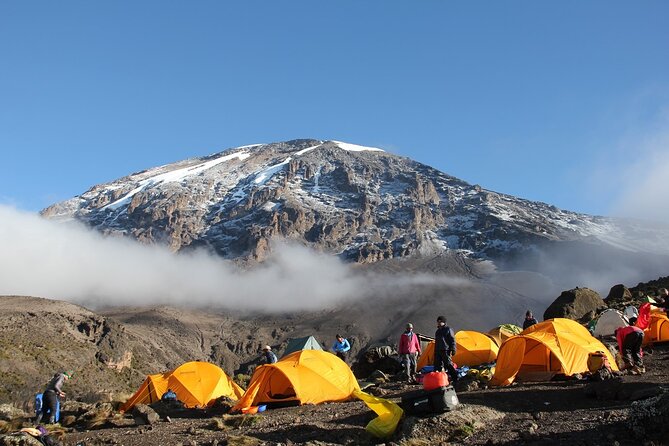
After the wall, you descend through the Karanga Valley, with a lunch stop there. Then you climb again for 2 to 3 hours to reach Barafu Camp at 4,640 m.
At Barafu Camp, you get a well-deserved break, an evening meal, and an early night.
This day is the turning point. It sets you up for summit night by getting you high and ready—but it also drains you. If you treat the early night as a real priority and rest like your schedule depends on it (because it does), you’ll be better prepared for what happens after midnight.
Day 5: midnight summit climb to Uhuru Peak, then down to Mweka Hut
This is the big day: the midnight start and the push to the top.
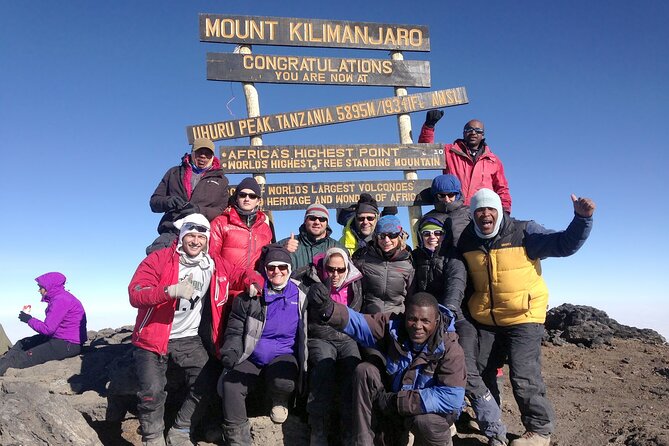
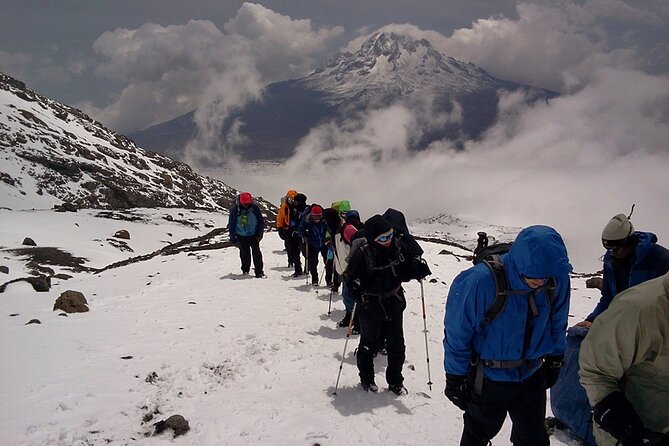
Around midnight, you wake to hot tea with light snacks, then begin climbing to Uhuru Peak. You ascend in the dark using headlamps. The route takes you up the screes of Kibo, reaching Stella Point in about 5 to 7 hours. From there, you walk along the crater ridge and finally reach Uhuru Peak at 5,895 m.
On the Roof of Africa, you get a 360° view over the surrounding landscape. Then you start the descent along the same route back down toward Barafu, where you have a warm meal and relax. After that, you continue to Mweka Hut campsite at 3,080 m, a journey that takes about 5 hours. You sleep at Mweka after dinner.
Two realities to respect:
- Cold hits on summit night, and it can feel sharp even when you are moving.
- You will be tired after the summit and still need to hike down to Mweka.
This is where the guiding team’s encouragement gets mentioned most often. People describe a supportive vibe and the sense of a group pushing together. When you are cold and slow, that energy matters.
Day 6: gentle rainforest descent to Mweka Gate and the certificate moment
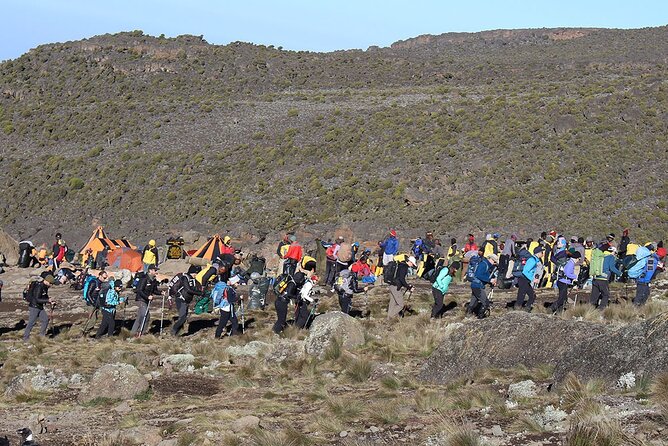
Your final day is a descent, and it comes through rainforest down to Mweka Gate.
You gently descend through the forest until you reach the gate. After the whole group gathers, there’s a congratulation moment, and you get a chance to share your opinion of the hike in the guest book. A certificate is provided, and then the driver picks you up and drives you back to your hotel.
This is not a “race to the finish.” It is about finishing with control. If your knees and ankles feel cranky from the descent, take it slow. Day 6 is also when the whole experience lands in your head: you are done, and you finally get to stop listening to your watch and start just soaking in the relief.
Summit night logistics that actually affect your comfort
Summit night sounds straightforward on paper: start around midnight, headlamp climb, reach Stella Point, then Uhuru Peak, then descend.
In real terms, you need to prepare for darkness, bitter cold, and effort when you are tired. Multiple accounts mention the bitter cold and the way guides keep people moving and encouraged. Some of that is attitude. Some of it is practical support—keeping your group together, helping you stay steady, and making the climb feel manageable one step at a time.
Here’s what you can do to make the night easier (based on what the itinerary and experience describe):
- Plan for a long day of sleep deprivation and cold work. The early start at midnight is part of the deal.
- Trust your headlamp setup and keep your pace controlled. The walk toward Stella Point is timed in hours for a reason.
- Keep your mindset on short goals. You are climbing in sections: screes of Kibo to Stella Point, then crater ridge to Uhuru Peak.
Also remember: this tour includes all meals and purified water on the mountain, so you are not figuring out food and hydration mid-climb. Your job is showing up with the right gear and an effort level that matches the challenge.
Tents, meals, and purified water: what “included” feels like on the ground
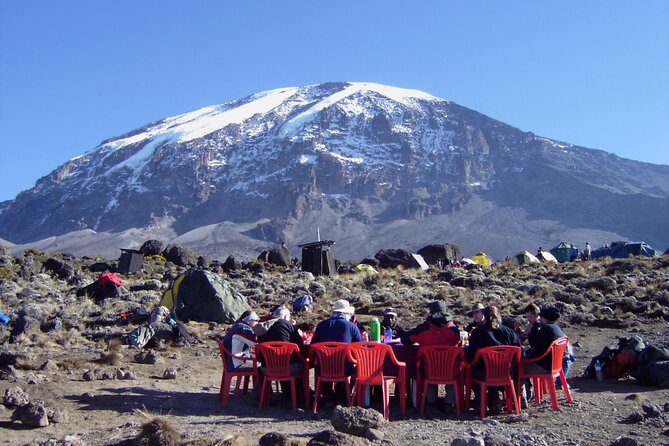
Kilimanjaro operations are won or lost by comfort details. This package includes quality, waterproof private mountain sleeping tents. It also includes mess tents with table and chairs, which might not sound exciting until you’re tired and just want a place to eat without squatting on rocks.
You also get clean, purified drinking water. That is one less stress item to handle at altitude.
Meals are built into the timetable: breakfast 6 times, lunch 6 times, dinner 5 times. On a climb, that matters because it keeps your energy routine consistent. The itinerary also includes hot tea and light snacks around midnight on summit night, which is a smart touch for an already brutal schedule.
If you have dietary requirements, confirm them during booking. The trip clearly includes meals each day on the mountain; you’ll want those meals to match your needs.
Gear and fitness: what you should sort before the Arusha drive
The tour is described for travelers with moderate physical fitness. That means you should be comfortable with hiking days that last 5 to 7 hours on steep terrain and at higher altitudes.
You also need to understand what is not provided: person climbing gear. That is your responsibility.
Even without a detailed packing list in the info here, the lesson is clear: do not arrive hoping you can borrow what you need for cold summit conditions and rocky climbs. Bring the gear that keeps you warm and stable for the steep passages and for the headlamp night approach.
If you are considering this climb and your training is still basic, use this as your sign to do more hiking before you go. Machame asks you to keep a steady pace when you feel the altitude.
Who this Machame trek fits best
This is a strong match if you want:
- A route with real variety, from rainforest to higher, drier zones
- Expert guiding and hands-on help on harder sections like the Barranco Wall
- A summit-night experience that includes encouragement and a group mindset
- A private tour where your group moves together
It might feel like too much if you:
- Have never handled steep hiking or long hiking days
- Prefer a gentler pace with fewer demanding altitude days
- Are not ready for a midnight summit start and cold conditions
The best fit is someone who can hike consistently for hours and can follow a slow, disciplined pace.
Should you book Mountain Warriors Tours and Safaris for Machame?
If you want a 6-day Kilimanjaro experience with a strong support team, this one has a track record for a reason. The guiding is consistently praised, with Gasto highlighted for energy, encouragement on summit night, and stories about Tanzania and Maasai culture. People also mention good food and a supportive group vibe that feels like comradery instead of pure suffering.
For me, the decision comes down to value and preparedness. The price covers the big operational pieces: park and rescue fees, guides, tents, meals, purified water, and transfers. Your part is bringing your own climbing gear and showing up with the hiking fitness to handle steep, high-altitude days.
If you are ready for a real climb and you want a crew that keeps morale up when it matters most, I’d say it is worth booking.
FAQ
Where does the trek start, and what time do we begin
The trek starts with a morning pickup offered and a meeting/start time of 7:30 am. You then drive about an hour to the Kilimanjaro National Park entrance gate.
How long is the Kilimanjaro hike on the Machame Route
The duration is 6 days approximately.
Which route is used to reach Uhuru Peak
This trek uses the Machame Route and includes the summit climb to Uhuru Peak.
Is this a private tour
Yes. It is a private tour/activity, with only your group participating.
What is included in the price
Included items are quality waterproof private mountain sleeping tents, professional mountain guides, all park fees and rescue fees, all meals on the mountain, quality mess tents with table and chairs, clean purified drinking water, airport transfers, and pickup. A mobile ticket is also included.
What is not included
Not included are the Tanzania visa, tips, and person climbing gear.
Do we climb to Uhuru Peak on Day 5
Yes. The itinerary includes a summit attempt to Uhuru Peak, starting around midnight with headlamp hiking, reaching Stella Point and then Uhuru Peak at 5,895 m.
What fitness level is required
The information says travelers should have a moderate physical fitness level.
Is free cancellation available
Yes. There is free cancellation, and you can cancel up to 24 hours in advance of the experience for a full refund. Canceling less than 24 hours before does not receive a refund.