REVIEW · SEATTLE
Mount Rainier: Day Hike on the Mountain
Book on GetYourGuide →Operated by Adventures In Seattle · Bookable on GetYourGuide
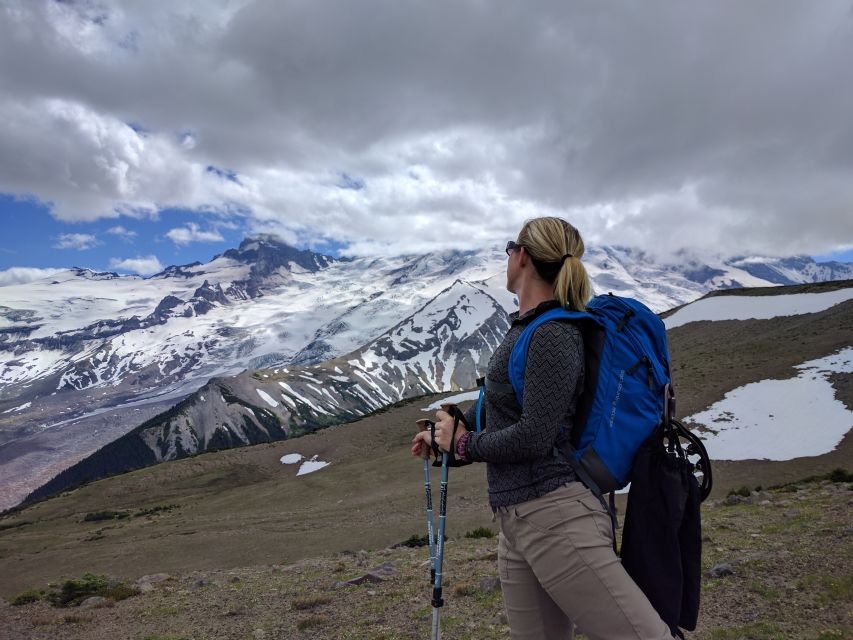
Rainier feels close on this ridge hike. I love how the Three Burroughs Trail lines you up for big views of Mount Rainier and, on clear mornings, distant Glacier Peak and Mount Baker. I also like that the hike gives you time to look for resident goats in the meadows.
At 6,500 feet and often uneven with snowfields, this is not for the faint of heart. You’ll want to go in with steady pacing and a plan for turning back at 4, 6, or 9 miles if needed.
In This Review
- Quick hits before you go
- Three Burroughs is the kind of Rainier viewing you actually feel
- The early pickup and drive that keeps the day smooth
- Sunrise start: quick climb to the ridge and the volcano sightline test
- Frozen Lake area: meadows, goats, and why you should slow down
- Two snowfields to Second Burroughs: the honest altitude-and-traction part
- Lunch at the right moment: picnic food plus climber watching
- The guided part: small group pacing and how your guide improves the hike
- Gear and comfort: what matters for this specific route
- Price and value: what you’re paying for at $269
- Who this hike is perfect for (and who should choose a different day)
- Should you book? My honest take
- FAQ
- FAQ
- Where are the pickup locations?
- What time does pickup usually happen?
- How much hiking is involved?
- Is the trail technical or do I need special climbing skills?
- Is there a lunch stop?
- What should I bring?
- Are pets allowed?
- Is this suitable for children?
- Can I cancel for a full refund?
Quick hits before you go
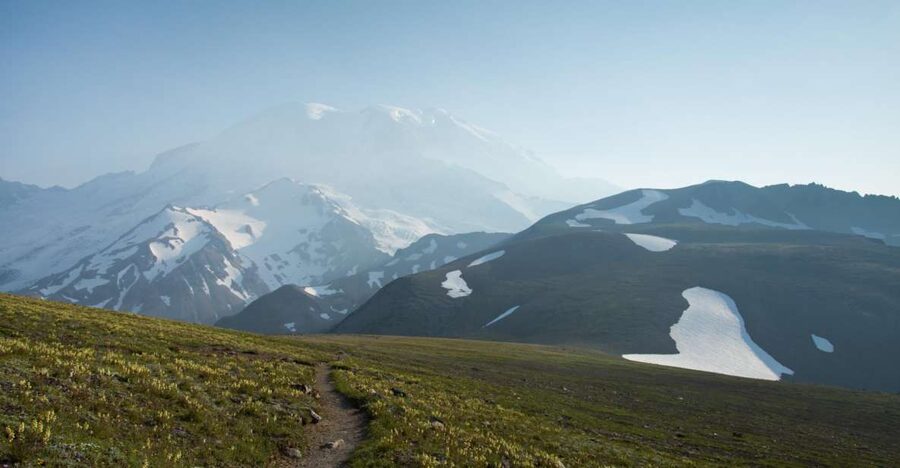
- Three Burroughs views: a route built for seeing Rainier from a ridge, with other volcanoes in the distance
- Mountain goat chances: meadows above and below the trail are worth scanning
- Picnic lunch with peak watching: you’ll pause for provided food and watch climbers on/near the summit area
- Hard-ish effort, not technical: uneven ground and snowfields, but no special climbing skills required
- Small group feel: limited to 5 participants so the guide can adjust to your pace
Three Burroughs is the kind of Rainier viewing you actually feel
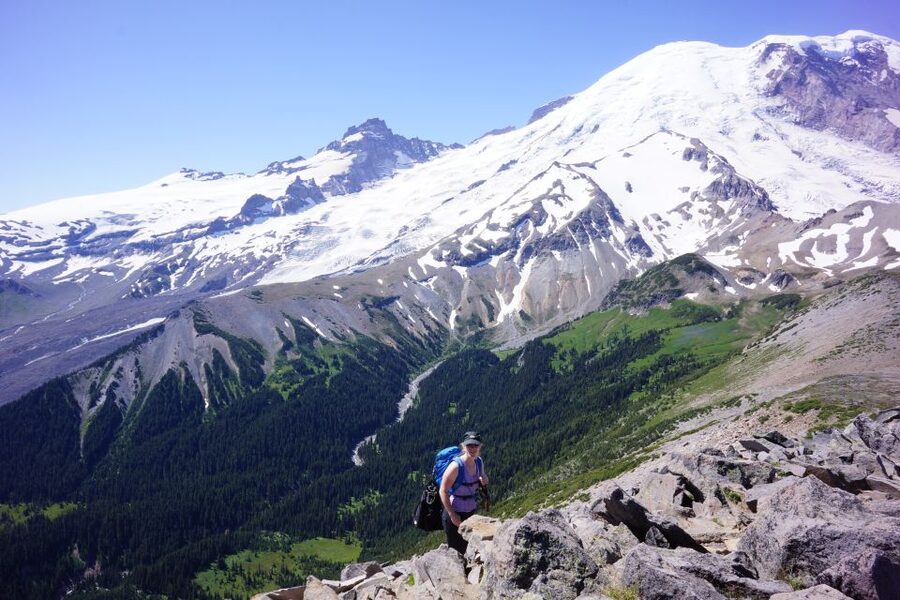
This hike works because it is designed for sightlines, not just distance. You start from the Sunrise Visitor Center area, climb quickly to a ridge, and then keep moving along terrain that keeps paying you back with views. If the weather cooperates, you can see Glacier Peak and Mount Baker from high spots early on.
I also like that it is not a sit-and-stare viewpoint tour. You’re walking through meadows and around Frozen Lake area, and you get a real sense of the mountain’s scale as you gain elevation. That means even if you don’t push to the very far turn-back point, you still earn the views with your legs.
The other big win is the animal-factor. Resident goats are a real possibility here, and the route gives you multiple chances to spot them while you’re above and below the meadows.
You can also read our reviews of more tours and experiences in Seattle.
The early pickup and drive that keeps the day smooth
Pickup typically runs between 6 AM and 8 AM from your Seattle-area accommodation, plus areas around Mount Rainier (especially North side/Sunrise side). Then you’re in the car for about two hours, which is long enough to make the day feel like an outing, not just a quick drop-off.
That drive matters more than you might think. You’re heading to a high-altitude starting point, and leaving early improves your odds of clearer skies and better hiking conditions. The group stays small, so logistics don’t turn into a slow-moving school bus situation.
You also get real value in the door-to-trail transition. Transportation is included, plus park entrance fees, so you don’t spend your morning hunting for tickets and parking. A guide handles the flow, and that lets you focus on the hike.
Sunrise start: quick climb to the ridge and the volcano sightline test
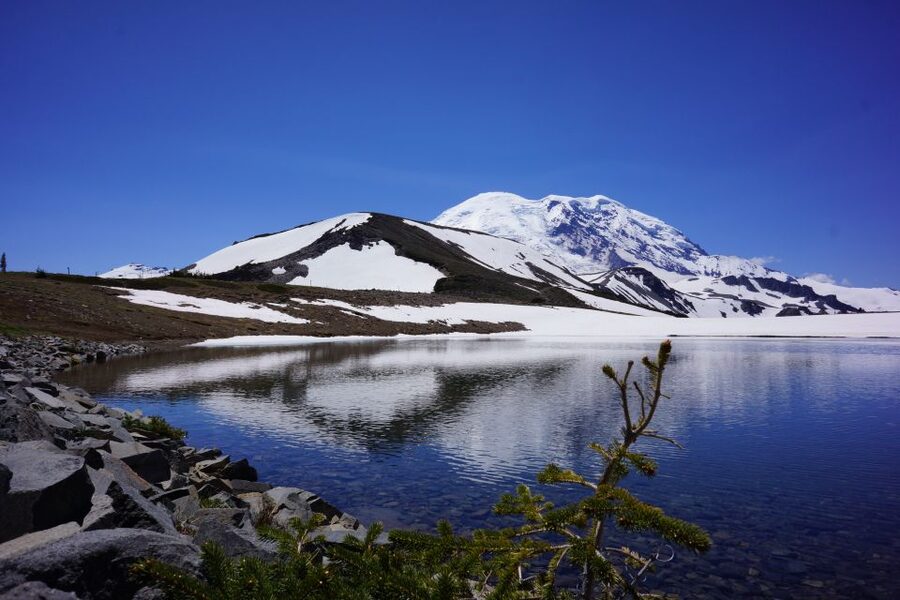
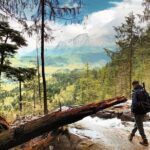
After arriving at the park area, the hiking portion ramps up fast at first. The trail climbs to a ridge where, on a clear day, you get views of other major Washington volcanoes—specifically Glacier Peak and Mount Baker.
This is the moment to manage expectations. Clouds can roll in, and mountain weather is moody. But even when the distant peaks aren’t crisp, the ridge climb still gives you that expanding horizon effect—trees fall away, space opens up, and the mountain begins to dominate your view.
One practical tip: take your time on the first push. Even though the hike isn’t technical, it is at altitude and the terrain can be uneven. If you rush early, you’ll feel it later on the snowfield sections.
Frozen Lake area: meadows, goats, and why you should slow down
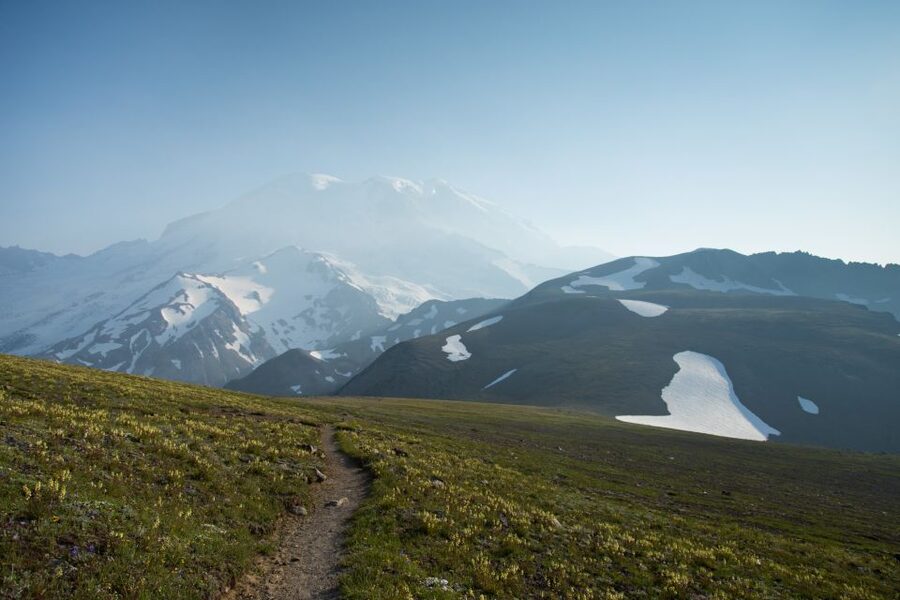
As you continue, you pass by the Frozen Lake area. This is one of those “pay attention” sections where the scenery is doing more than just looking pretty. The trail runs along terrain that drops you into angles where you can scan both above and below you for wildlife.
Goats are the star here. You’ll be walking through mountain meadows where resident goats may graze. You don’t need to chase them or force a sighting. In fact, the best sightings usually come when you keep walking calmly and give your eyes a chance.
This is also where the hike feels most alive. Depending on conditions, you might notice the ground texture changing, and you might see patches that feel colder or more exposed. That’s your cue to keep layers on and stay ready for shifting wind.
Two snowfields to Second Burroughs: the honest altitude-and-traction part
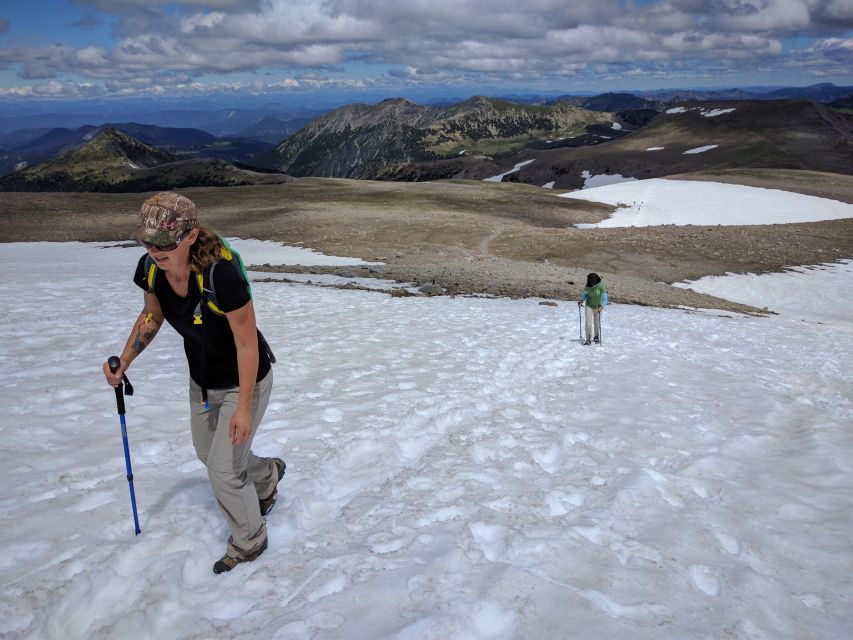
From here, the route continues up across two snowfields to the Second Burroughs. This is where the hike’s difficulty becomes more about footing and stamina than about climbing skills. The trail isn’t technical—no rope, no special climbing moves—but uneven ground and snow patches can still slow you down fast.
If you’re new to altitude hiking, this section can feel like a big jump even if it is not steep in the technical sense. The tour is designed to be adaptable, and you can turn back at set distances—4, 6, or 9 miles—if you need to. That flexibility is a real safety feature because it lets you respond to how your body is handling elevation rather than pushing to prove something.
My advice: treat the snowfield crossings like you’re walking on a slightly unpredictable surface. Shorter steps help. Trekking poles (included) can help you keep balance if snow is slick or uneven.
And remember: weather here can make the mountain feel louder—wind, colder air, and sudden cloud shifts. Warm layers and a windbreaker or raincoat are not optional if you run cold.
Lunch at the right moment: picnic food plus climber watching
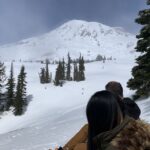
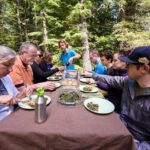
You’ll get a pause for provided lunch—about 45 minutes—while you’re in position for major views. This is one of the best parts of the day because you’re not taking a random snack break. You’re pausing at a point where the mountain is in frame and the day has earned it.
The food matters, too. Lunch and snacks are included, and that means you can bring just the essentials and still have enough energy to continue. In one past group, a guide even helped set people up for a great lookout for lunch, so the break wasn’t just about eating—it was about getting the best view during the pause.
Then there’s the climber factor. From your vantage, you’ll watch mountain climbers on the peak area. Even if you’re not a mountaineering person, it’s a powerful reminder that this is a working mountain, not just a postcard. It gives the hike meaning.
The guided part: small group pacing and how your guide improves the hike
The tour runs with a small group limited to 5 participants, which changes the entire vibe. You’re not competing for the guide’s attention, and you’re not stuck behind a line of strangers moving at one speed.
Guides bring more than directions. In past departures, guides like Josh and Sophia have been strong on spotting and explaining flora, fauna, and landscape features. One group also received a photo-focused touch: the guide photographed the hike and shared the pictures afterward, which lets you enjoy the moment without turning it into a constant phone-checking contest.
And there’s flexibility. If conditions and wildlife sightings line up, a quick roadside stop for something like a herd of elk can happen. That kind of detour is small, but it’s memorable because it breaks the day out of “just transportation and trail” mode.
Gear and comfort: what matters for this specific route
This is an uneven, high-altitude hike that may include snow. So your comfort gear is not about being fancy—it’s about staying warm and steady.
Bring:
- Comfortable, close-toed shoes with grip (open-toed shoes are not allowed)
- Warm layered clothing, including a hat and gloves
- Base layer plus fleece or a down coat, plus a windbreaker or raincoat
- Sunglasses (yes, even if it’s cloudy)
The tour includes hiking equipment like trekking poles and backpacks, which helps if you don’t want to buy gear or if you’re traveling light. Still, wear what you know works. If your shoes have never been tested on uneven ground, borrow them or choose something you’ve already walked in.
Also, this is not suitable for everyone. It’s not listed for children under 12, people with mobility impairments, or people with heart problems. If any of those apply, it’s worth picking a different Rainier experience designed for your limits.
And keep it simple: no smoking, no alcohol or drugs, and no pets.
Price and value: what you’re paying for at $269
At $269 per person, this isn’t a budget walk. But it does bundle a lot of the stuff that usually adds up on your own.
You’re getting:
- Transportation from Seattle-area pickup (and nearby areas around the park)
- Park entrance fees
- An experienced guide
- Hiking equipment (trekking poles, backpacks)
- Lunch and snacks
If you tried to DIY this, the cost would shift into rentals, guide fees, fuel/parking, and entrance costs—plus the stress of getting the timing right for a sunrise trail start. Here, the guide handles the pacing, and the small group size means the experience is built for actual hikers, not crowds.
So I’d frame the value like this: if you want Rainier views without spending your day on logistics and gear worries, this price can make sense. If you already have gear, a vehicle, and strong altitude experience, you might find cheaper options. But you’d lose the “I can adjust my pace safely” support and the included equipment.
Who this hike is perfect for (and who should choose a different day)
This tour fits best if you’re:
- Looking for a real hike on the mountain, not a short viewpoint stroll
- Comfortable adjusting your goals and turning back at set distances
- Willing to dress for cold and handle uneven terrain with snow patches
- Interested in the chance of seeing mountain goats and the bigger volcano picture
It’s likely not a great match if you:
- Need a fully accessible route or easier footing
- Have heart concerns that could be affected by altitude
- Want an easy, family-friendly outing (it’s not suitable for children under 12)
One more thing: even if the hike is “manageable” for many people, altitude affects everyone differently. This route is built to accommodate personal needs, but you still have to listen to your body.
Should you book? My honest take
If your goal is the best chance at Rainier views from the Three Burroughs route, with a guided hike that includes goat-scanning meadows, a picnic pause, and a small-group feel, I’d book it. The structure of the day also helps: steady walking, intentional breaks, and the ability to turn back at 4, 6, or 9 miles keeps it from turning into a one-speed grind.
I’d only skip if you’re dealing with significant mobility limits, heart concerns, or you know you struggle with altitude and uneven snow traction. Otherwise, this is one of those rare “one day that feels like a real mountain experience” options from Seattle.
FAQ
FAQ
Where are the pickup locations?
Pickup is included from any accommodation within the Seattle area and in the area around Mount Rainier (North side/Sunrise side).
What time does pickup usually happen?
Pickup is generally between 6 AM and 8 AM.
How much hiking is involved?
The hike includes about 2 hours of hiking, then after lunch another 2 hours of hiking. You can also choose to turn back at 4, 6, or 9 miles depending on your condition.
Is the trail technical or do I need special climbing skills?
The trail is not technical, and no special climbing skills are required.
Is there a lunch stop?
Yes. Lunch is provided and you’ll have about 45 minutes for lunch.
What should I bring?
Wear comfortable shoes, and bring warm clothing and sunglasses. The hike can be snowy and uneven, and it’s at elevated altitude.
Are pets allowed?
No, pets are not allowed.
Is this suitable for children?
No. Children under 12 years are not suitable for this activity.
Can I cancel for a full refund?
Yes. Free cancellation is available up to 24 hours in advance for a full refund.