REVIEW · SEATTLE
Visit Snoqualmie and Hike to Twin Falls (Transportation included)
Book on Viator →Operated by Explore Oregon Tours · Bookable on Viator
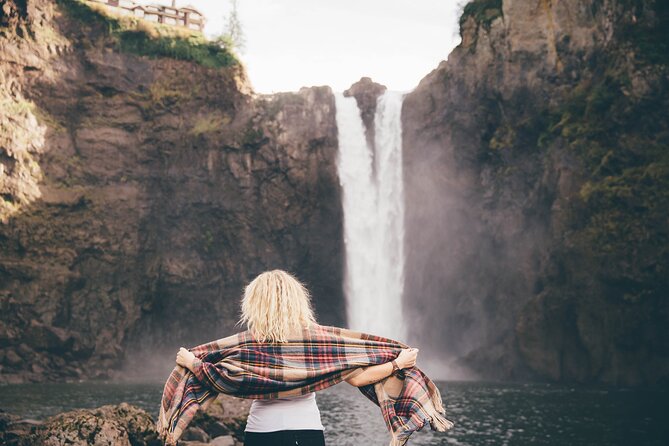
Movie-famous waterfalls start the morning. You’ll see Snoqualmie Falls (a 268-foot drop) and hike toward Twin Falls with a local guide keeping the group together and making sure you get the right views. I also like the value of having round-trip transportation from Seattle, so you can skip parking stress. One heads-up: the hike can feel more uphill and muddy than you might expect in winter, so good shoes matter.
The tour runs about 4 hours and keeps things efficient: a strong first stop for big waterfall views, a guided walk in Washington’s temperate rainforest at Olallie State Park, then you’re back where you started. If you want a half-day that feels outdoorsy without turning into a full-day endurance event, this hits that sweet spot.
In This Review
- Key things I’d bet you’ll notice right away
- Snoqualmie Falls: the 268-foot spectacle and the Twin Peaks factor
- Getting there from Seattle without the hassle
- The Twin Falls hike: moderate work, real traction needs
- Olallie State Park: temperate rainforest time, not just a photo stop
- Timing, weather, and what can change in the morning
- Price and value: $76.93 for a guided, transported half-day
- Who this tour fits best (and who should think twice)
- What to pack for Snoqualmie and Olallie in real life
- Should you book this Snoqualmie and Twin Falls morning?
- FAQ
- What is the duration of the Snoqualmie and Twin Falls tour?
- Where do I meet, and what time does the tour start?
- Is transportation included from Seattle?
- Is there an entrance fee for Snoqualmie Falls and Olallie State Park?
- How big is the group?
- What happens if weather isn’t good?
Key things I’d bet you’ll notice right away
- Snoqualmie Falls viewpoints first thing, with time for photos
- Small group (max 14) so the guide can manage pace and spacing
- Twin Falls hike is out-and-back, so you can turn around if needed
- Olallie State Park rainforest stop gives you more than just waterfalls
- Guide Jonny (or Jonathan on some materials) who offers route options and checks in often
- Winter weather can change the view, especially if fog rolls in
Snoqualmie Falls: the 268-foot spectacle and the Twin Peaks factor
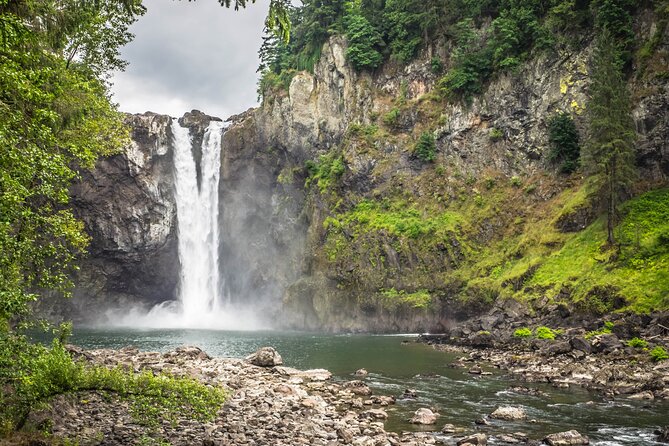
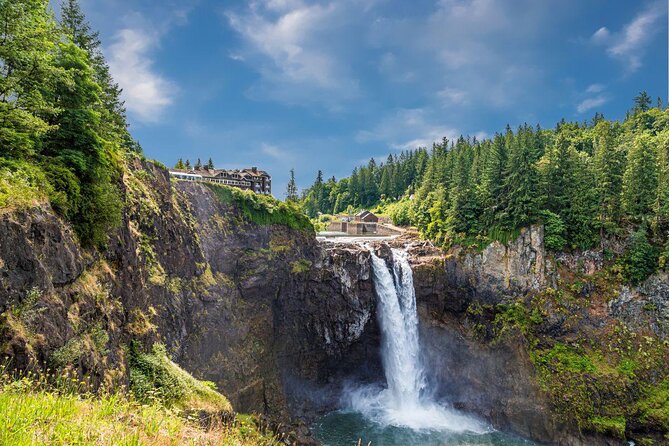
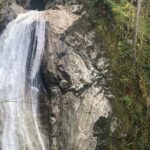
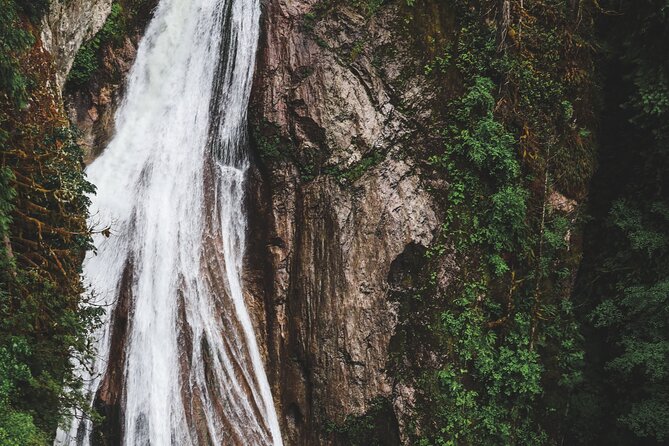
Snoqualmie Falls is the kind of place that turns your phone camera into a bad habit. Even from the viewpoints used for classic photos, you get that wall of water energy fast—because the waterfall is tall (268 feet) and loud enough that you feel it before you fully process it.
And yes, this is a Twin Peaks stop. The area has been featured in that TV world, so if you’re a fan, it’s fun to connect the on-screen imagery with what’s actually in front of you. Beyond pop culture, the practical value is that you don’t have to work for the best views. You’ll get to stand where the falls dominate the scene, then you’ll move on before the crowd energy gets weird.
What I like most is the guide style. On this kind of trip, a good guide doesn’t just tell facts—they help you choose a route and timing that fits your group. People on this tour talk about Jonny making different options depending on fog, visibility, and comfort level. That matters because Snoqualmie is one of those places where the weather can shift what you can see.
You can also read our reviews of more tours and experiences in Seattle.
Getting there from Seattle without the hassle
This is one of those day trips that feels simple by design. You meet at Zeitgeist Coffee, 171 S Jackson St in Seattle, and the tour ends back at the same meeting point. Start time is 8:00 am, which is ideal: you’re out early enough to enjoy the morning light and avoid turning the day into traffic math.
Transportation is round-trip, and that’s not a minor perk. Having a van pick you up means you don’t have to figure out parking at every stop, and you don’t have to worry about coordinating rides if someone in your group moves slower on the trail.
Group size is capped at 14 travelers, which keeps the day from feeling like a moving crowd. In practice, that also gives the guide room to keep track of everyone—especially on a hike with turns, climbs, and different pacing needs.
One practical note: the meeting point is near public transportation, so you can make this work even if you’re not in a car. If you’re taking transit, aim to arrive a few minutes early so you’re not rushing in the moment they’re gathering the van group.
The Twin Falls hike: moderate work, real traction needs
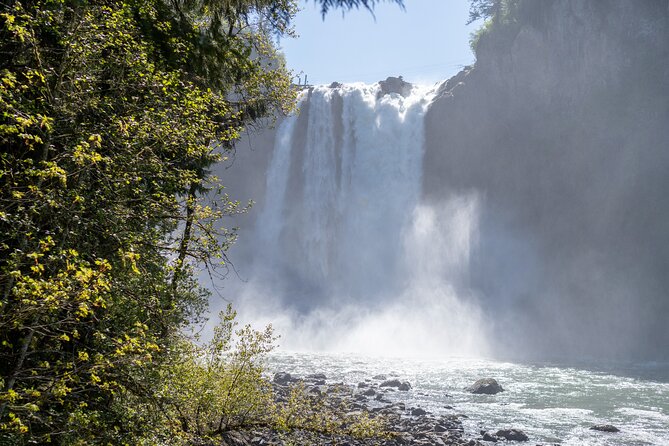
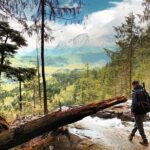
The hike part is what most people remember, and it’s also where planning matters. This route is an out-and-back, so you’re not committing to a long loop where you have to guess your way back. That structure helps you make smart decisions if you’re tired, dealing with muddy patches, or just trying to keep your energy for photos.
Distance and effort vary with conditions and your turnaround point, but you should plan for a real hike:
- expect roughly a few miles total depending on how far you go
- plan for uphill climbs and about 1,000 feet of elevation gain in the profile people describe
- in winter, you might encounter mud, gravely stretches, and slick footing
This is why the shoes rule is so important. Reviews and practical tips point toward traction shoes. The trail may be under forest canopy most of the time, which helps with sun exposure, but that doesn’t mean it’s dry. You can be cool and still slide.
Pace is also flexible. People on this tour say Jonny keeps the group together while letting hikers go at their own pace, and you can take your time with pictures. There’s also a common theme in the feedback: if you want a workout, go farther. If you’d rather keep it manageable, you can turn around earlier and still feel like you got the experience.
One extra detail to keep in mind: there’s an opportunity to get close to the river, and in colder months that water can be very cold. If that’s your thing, bring the right mindset (and maybe a plan for warm layers afterward).
Olallie State Park: temperate rainforest time, not just a photo stop
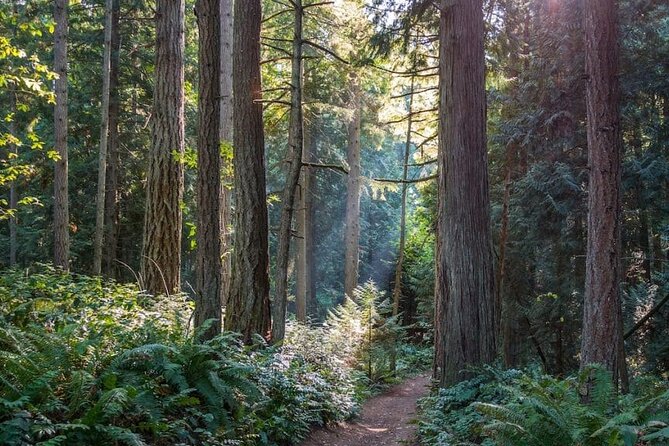
After Snoqualmie, the day shifts from power-wash waterfall views to a quieter, greener world. Olallie State Park is the rainforest stop, and it’s built for slow looking.
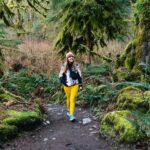
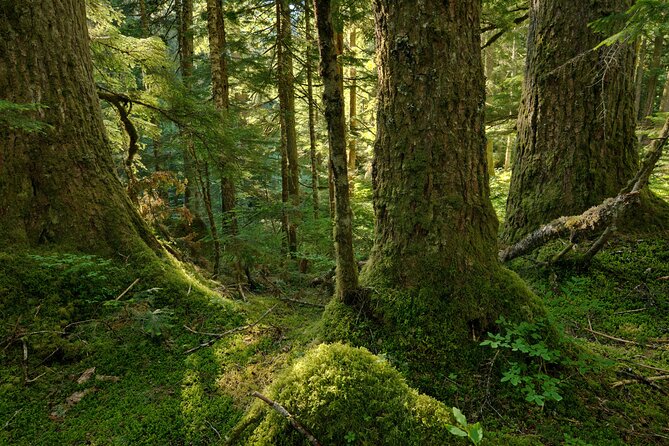
The guide-led exploration is about 1 hour, and that hour is valuable because it’s long enough to notice the forest pattern—tall, old trees; thick green; and the kind of moisture that makes the whole area feel alive. If you’ve only ever experienced Washington outdoors from a scenic lookout, this part gives you the under-the-canopy version.
It’s also the stop where the day can feel more restorative. People describe the trail as never feeling dangerously exposed, because you’re under cover most of the way. So while you still hike, it doesn’t feel like you’re on a high-risk ridge.
Practical comfort matters too. One standout point from people who did this in winter: bathroom access was available at the stops, and they specifically recommend bringing snacks and water. That’s good advice. Half-day tours can still drain you, and you’ll feel better if you snack before you hit the climbs.
If fog is around (especially in winter), your waterfall views might change. The forest won’t care as much. It’ll still be beautiful, and that helps the day feel successful even when the weather plays games with the views.
Timing, weather, and what can change in the morning
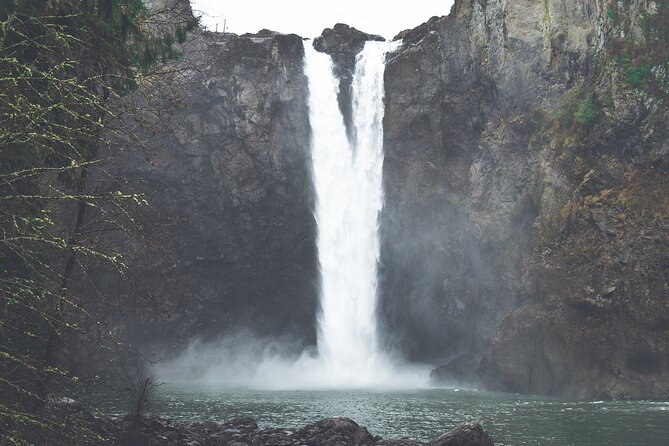
This tour is about 4 hours total, so it doesn’t waste time. The key is that you’ll move through three different “moods” of the region:
1) big waterfall at Snoqualmie Falls
2) rainforest atmosphere at Olallie State Park
3) hike to Twin Falls for that reward view
Because the experience depends on good weather, you should keep your expectations realistic. If conditions are poor, the operator will cancel due to weather and offer another date or a full refund. That’s a good sign operationally—waterfalls plus slippery trails are not the moment to wing it.
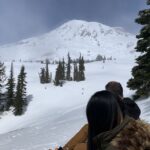
Fog can also affect what you see from the upper viewpoints on Snoqualmie. Some people describe a situation where the lower view was gorgeous, and the upper view would have been even better without dense fog. Translation for you: if you’re visiting in winter, plan for the possibility that you’ll still get a great day even if visibility isn’t perfect.
Also, note how the schedule is built for return timing. Some hikers say the group pace might feel a bit “on schedule,” especially as you get farther along the hike. The good news is that Jonny’s approach seems to solve the problem: he watches the group, offers options, and still gives you time to take pictures. Just don’t treat it like a leisurely nature walk where you can wander for hours.
Price and value: $76.93 for a guided, transported half-day
At $76.93 per person, you’re paying for three things that are usually hard to assemble cheaply on your own:
- round-trip transportation from Seattle
- a guide to manage pacing and routes
- admission tickets listed as free for the stops
If you were to DIY this, you’d still spend time and fuel getting to Snoqualmie area trailheads, and you’d likely spend time coordinating your own timing to hit both the waterfall viewpoints and the state park hike without losing half the day.
This tour keeps it tight: about 4 hours means you’re not sacrificing your entire day in Seattle. People also describe it as a good “short to medium” hike—challenging enough to feel like a real outdoors experience, but not so long that it becomes a full-blown trek.
Is it cheap? No. But for a morning with transport included and a guide handling the route, it’s fair value—especially if you want to see both waterfall and rainforest in one go.
Who this tour fits best (and who should think twice)
This is a good match if you want:
- waterfall views without complicated driving
- a guided hike where you can adapt your pace
- a small-group format instead of a huge bus tour
- a half-day outdoors plan from Seattle
It also seems workable across a range of abilities because the trail is out-and-back and you can turn around. Families and solo travelers mention making it work by adjusting distance and taking rests as needed.
You might think twice if:
- you have limited tolerance for uneven, muddy, or slippery footing
- you’re expecting a flat, effortless stroll the whole time
- you strongly prefer longer hikes where you set the entire schedule yourself (this one is guided and timing matters)
Service animals are allowed, and the tour is in English, which makes planning simple if you’re traveling without a car or without specialized outdoor gear experience.
What to pack for Snoqualmie and Olallie in real life
Even if the forecast sounds mild, the falls area can feel cooler, especially right near the base. People specifically recommend a jacket even on warmer days. Add traction-focused shoes, and you’re already ahead of the common mistakes.
For most hikers, this packing list works well:
- jacket or warm layer (cool near waterfalls)
- shoes with traction (mud and gravel can happen)
- water and a snack (you’ll feel better on the climbs)
- a way to keep valuables secure while hiking
- optional: a hiking stick if you like extra stability on uphill sections
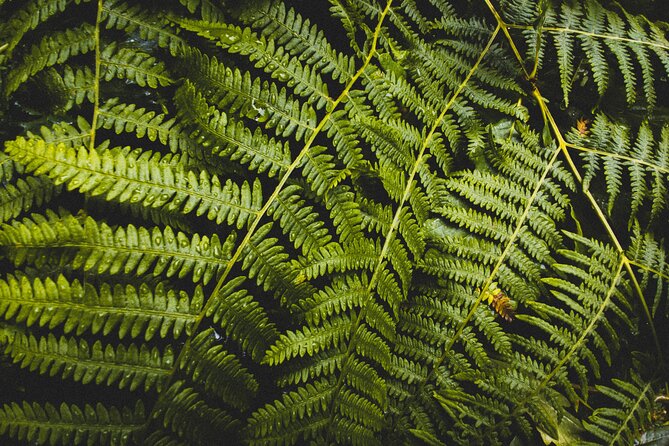
If you’re the type who loves photos, bring what keeps your hands steady and your phone protected from damp air. The forest is humid, and the waterfall mist can be real.
Should you book this Snoqualmie and Twin Falls morning?
I think you should book if you want a smart Seattle day trip that blends two big hits—Snoqualmie Falls and a guided rainforest hike—without making you plan logistics or fight traffic. The small group size, the out-and-back hike flexibility, and a guide like Jonny who offers route options and checks in with comfort level make it feel workable for more people than many hikes.
Skip it (or at least be cautious) if you’re allergic to any uphill climbs, or if you don’t do well with muddy traction conditions. The views are worth it, but you need shoes and a plan.
If you’re visiting Seattle for a short trip and you want an authentic Washington outdoors morning that still respects your time, this one is easy to recommend.
FAQ
What is the duration of the Snoqualmie and Twin Falls tour?
The tour lasts about 4 hours.
Where do I meet, and what time does the tour start?
You meet at Zeitgeist Coffee, 171 S Jackson St, Seattle, WA 98104, and the tour starts at 8:00 am. It ends back at the same meeting point.
Is transportation included from Seattle?
Yes. Round-trip transportation from Seattle is included.
Is there an entrance fee for Snoqualmie Falls and Olallie State Park?
The tour lists admission tickets as free for both Snoqualmie Falls and Olallie State Park.
How big is the group?
The maximum group size is 14 travelers.
What happens if weather isn’t good?
This experience requires good weather. If it’s canceled due to poor weather, you’ll be offered a different date or a full refund.