REVIEW · ARUSHA
Kilimanjaro Private 2 Days Hiking Tour
Book on Viator →Operated by Serengeti Wildlife Safaris · Bookable on Viator
Two days on Kilimanjaro can still feel huge. This private Marangu route is designed for people with limited time, or families with children who are not ready for the full summit hike, while still delivering rainforest trekking, camp living, and big Kilimanjaro scenery.
I especially like that the day-by-day plan is paced around your group’s condition, with a guide who can steer you toward the right option on the second day. You also get real trail-side value: park entry plus all meals (breakfast, lunch, dinner) are included, and the mountain support crew takes care of camp basics once you arrive.
One thing to consider: you’re going uphill fast, even on a lower-camp trek, and good weather matters. Rain is common in the rainforest section, so if you show up unprepared, the hike can feel wetter and tougher than you expected.
In This Review
- Key things that make this tour work well
- Why This 2-Day Kilimanjaro Plan Fits Families and Tight Schedules
- Arusha Pickup to Marangu Gate: The Start of Your Trek
- Mandara Hut Day One: Rainforest Trail and Camp Setup
- Day Two to Maundi Crater: Choosing the Right Pace
- Marangu Route Details and Wildlife Moments You Can Actually Notice
- Meals, Park Entry, and the Real Value of What You Pay
- Gear and Weather: How to Stay Comfortable on Lower-Camp Kilimanjaro
- Private Tour Details: Guides, Timing, and Small-Group Feel
- Who Should Book This Instead of the Longer Summit Hike
- Should You Book Kilimanjaro Private 2 Days Hiking Tour?
- FAQ
- Where does this tour start and where does it end?
- Is pickup offered?
- How long is the hiking portion across the two days?
- Where do you spend the night?
- What is included in the tour price?
- What is not included?
- What fitness level do I need?
- What weather should I be ready for?
- What is the cancellation policy?
Key things that make this tour work well
- Private group, not a cattle-car schedule so your guide can adjust pace for your family
- Marangu route focus with rainforest walking and wildlife you can spot along the trail
- Mandara Hut camping with dinner handled by the support crew, not by you
- Maundi Crater option on Day Two where your guide advises based on your condition
- Park entry and fees included, plus guide and crew wages built into the price
Why This 2-Day Kilimanjaro Plan Fits Families and Tight Schedules
A full Kilimanjaro summit hike is a big commitment. This two-day version is the practical alternative when your holiday is short, or when someone in your group just can’t handle a full summit itinerary yet.
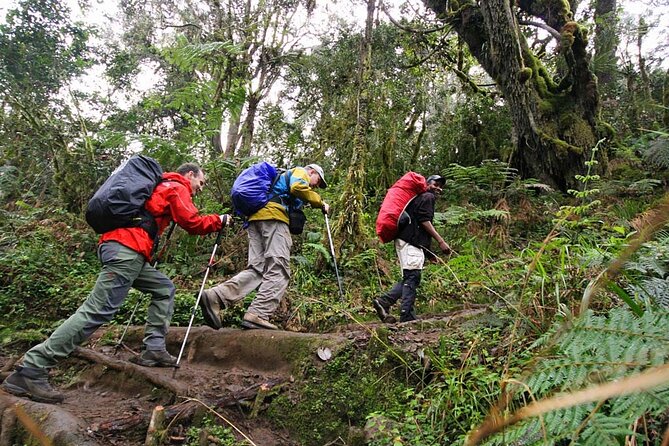
You still get the core Kilimanjaro experience: walking through the rainforest zone, reaching one of the lower camps for the overnight, and experiencing the feeling of entering an alpine world as you move higher. If you’ve ever wanted to test whether Kilimanjaro is for you, this is a smart way to do it without turning your vacation into a multi-week training project.
You can also read our reviews of more tours and experiences in Arusha.
Arusha Pickup to Marangu Gate: The Start of Your Trek
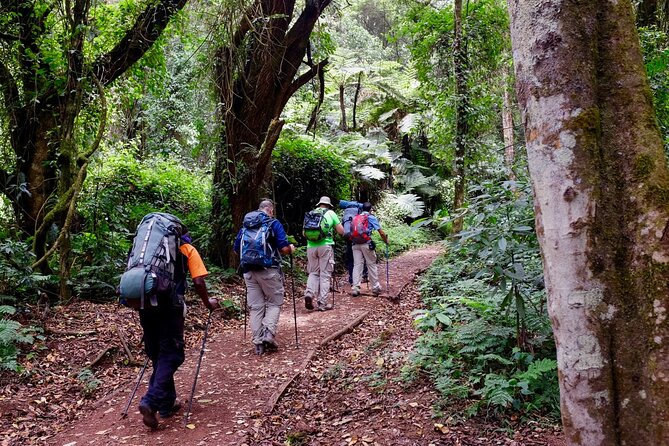
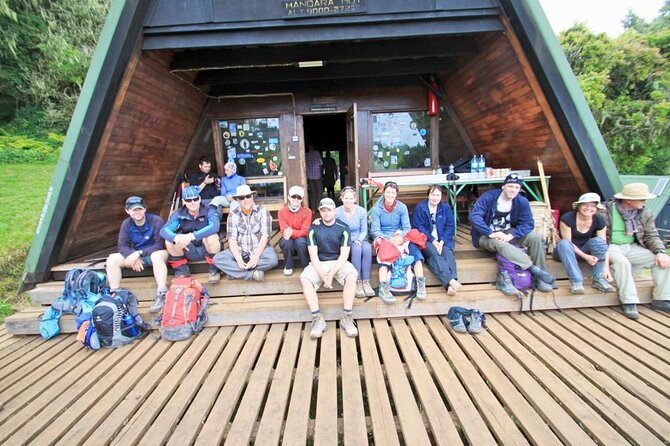
Your day begins in Arusha, Tanzania, with pickup offered. A guide and mountain support crew arrive in the morning for a quick briefing, then you drive to the Kilimanjaro National Park eastern entrance at Marangu Gate (1,860 m / 6,046 ft).
Before you start walking, the team handles the formalities: permits and registration with the search and rescue service. That part matters more than it sounds. It’s one of the ways you can travel with confidence on a mountain that demands respect.
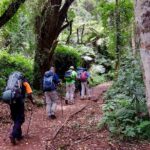
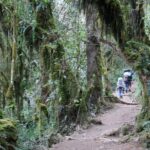
Once you’re registered, the trekking begins. The first section is the kind of start that quickly sets expectations: lush, humid, and alive with the sights and sounds of the rainforest.
Mandara Hut Day One: Rainforest Trail and Camp Setup
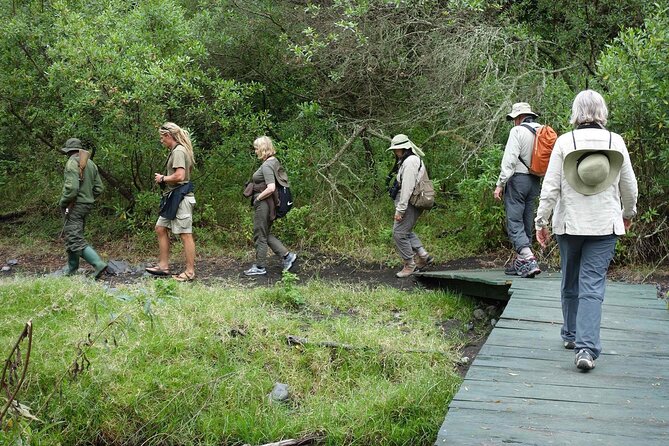
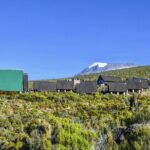
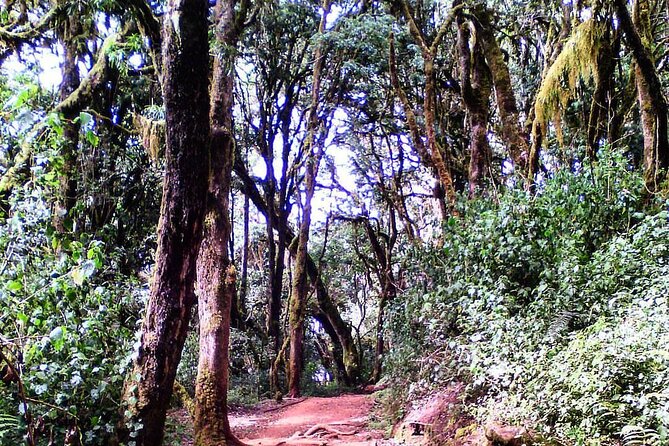
Day One is a steady push up to Mandara Hut (2,700 m / 8,858 ft). Expect about 7 hours of trekking time on this first day, and plan your clothing for wet conditions.
The route runs through rainforest, so tropical showers are a real possibility. The practical advice here is to bring more than one set of dry layers and include raincoats in your pack. When it’s raining, the people who are comfortable aren’t the ones who packed more stuff; they’re the ones who planned for getting wet and stayed warm afterward.
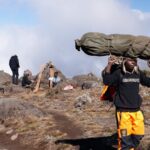
When you reach Mandara Hut, the mountain support crew takes care of the essential camp work and prepares dinner. That changes the whole vibe of the first day. Instead of “camp survival,” it feels like you’ve arrived somewhere that’s set up for climbers—so you can focus on rest, hydration, and getting ready for the second day.
Day Two to Maundi Crater: Choosing the Right Pace
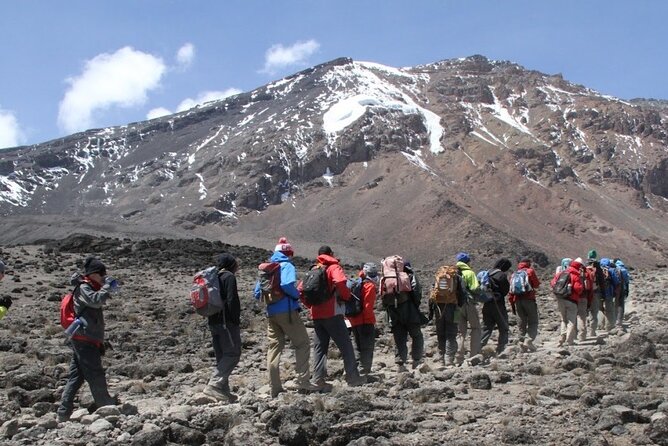
After breakfast at Mandara Hut, you head toward Maundi Crater, listed at 400 m. This is the part of the trip where your guide’s judgment is key. The plan explicitly says that based on pace and overall condition, the guide will advise which option is better.
That matters because Kilimanjaro doesn’t reward one-size-fits-all planning. Even on a shorter trek, people differ in how they handle uphill effort, breath rate, and fatigue. A guide who knows the route and has a sense of how long your ascent and descent might take helps keep the day feeling controlled instead of rushed.
The day continues with a return to Mandara camp, where the cook prepares lunch. Then you begin your descent to the exit from the national park. A driver meets you there and transfers you back to the hotel, so you finish with less hassle and more closure than you’d get if you were figuring out logistics yourself.
Marangu Route Details and Wildlife Moments You Can Actually Notice
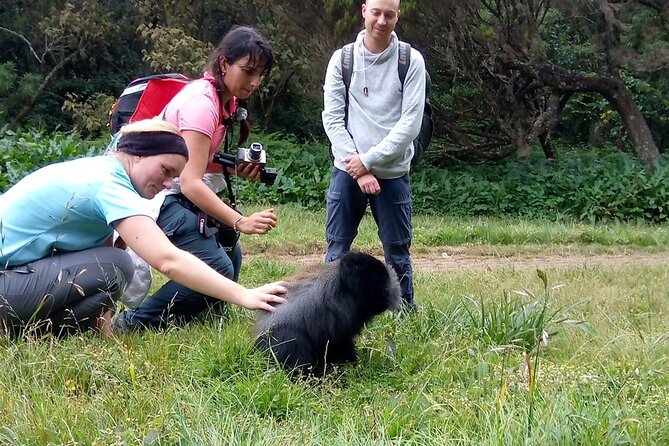
Marangu is one of the well-known routes on Kilimanjaro, and it’s the trail associated with the early explorers. On this trek, it also lines you up for wildlife moments you might not get on a purely “straight-up” itinerary.
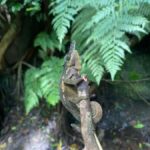
A standout detail here is the chance to see black-and-white colobuses living in branches along the trail. This is the kind of wildlife spotting that doesn’t require special equipment or a long detour. It’s simply easier when the walking pace allows you to look up and pay attention.
If you’re traveling with kids, that matters. They often remember the “wow” moments on a trek more than the altitude number. And Marangu’s rainforest walking gives you those chances early, before the day turns into a long, tiring uphill grind.
Meals, Park Entry, and the Real Value of What You Pay
At $1,090 per person (two days, private), the price can look steep at first glance. The best way to judge value is to look at what’s already taken care of.
This tour includes:
- All fees and taxes
- Air-conditioned vehicle
- Professional guide and crew wages
- Breakfast (2), lunch (2), and dinner (2)
- Park access with admission ticket included
That’s a big chunk of costs that many people end up paying separately on other trekking styles—guiding, park fees, and meals. Here, those basics are baked into the total, which makes budgeting simpler and reduces the risk of surprise costs later.
What’s not included is also clear: tips, visa, and flights. If you’re planning your trip as a whole, build those into your total before you decide. Tips are common on mountain guiding, and visa costs depend on your nationality, so you’ll want those numbers settled early.
Gear and Weather: How to Stay Comfortable on Lower-Camp Kilimanjaro
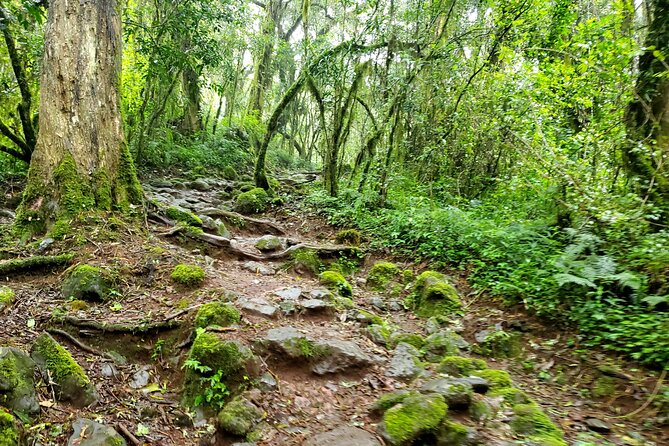
Even though this isn’t the full summit route, you’re still hiking in changing conditions. The description points directly to what can catch people off guard: rainforest rain and the need for spare dry clothes.
Here’s the practical way I’d prepare based on the route conditions:
- Pack rain gear you’ll actually wear, not just keep dry in a bag
- Bring spare clothes for the sections where you get soaked
- Keep layers simple so you can adjust as you warm up on the climb and cool down in camp
If you’re new to trekking, remember this rule: wet + cold is what makes climbs feel harder than they should. Warm + dry helps you move steadily even when you’re working uphill.
Also, don’t ignore the altitude factor. You’ll start at 1,860 m and climb to 2,700 m on Day One. The trek is built for moderate fitness levels, but you should still pace yourself and listen to your guide’s advice.
Private Tour Details: Guides, Timing, and Small-Group Feel
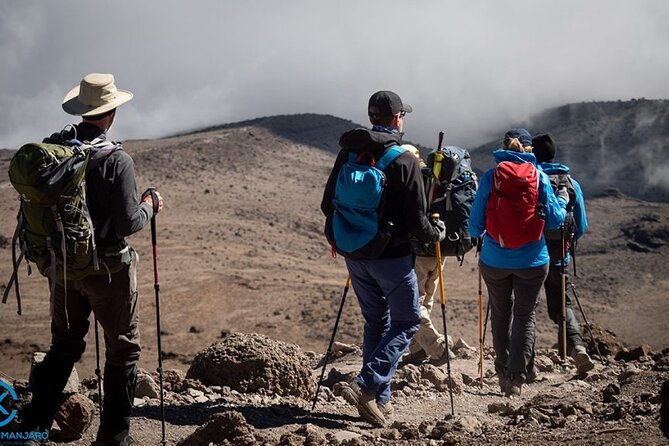
This is a private tour/activity, meaning only your group participates. That changes everything about communication and pacing. Instead of trying to match a group that’s stronger or slower than you, the guide can keep the day aligned with your reality.
The timing is straightforward: the trekking days are about 7 hours each, with camp work and meals handled by the support team. Pickup is offered in Arusha, and the activity ends back at the meeting point after you exit the national park.
One more human detail: the name John shows up repeatedly in the operator feedback, with people praising his guidance and communication. If John is the person assigned to you, it’s worth leaning on his route knowledge, especially for that Day Two decision around Maundi Crater options.
Who Should Book This Instead of the Longer Summit Hike
This tour is best for people who want a Kilimanjaro experience without the full time and endurance required for a summit attempt.
It fits especially well if:
- You’re traveling with children or anyone who isn’t ready for the full climb
- Your Tanzania trip is short and you want to make the most of it
- You want to test Kilimanjaro as a future option, possibly for a longer excursion later
It’s also a good choice if you prefer structure. The itinerary includes the key pieces—permits, support crew camp setup, meals, and transfers—so your mental load stays low and your attention stays on the hike.
Should You Book Kilimanjaro Private 2 Days Hiking Tour?
Yes, if you want the Kilimanjaro feeling in a time-friendly package and you’re okay with rainforest weather and a two-day push uphill. The inclusion of meals, park access, and a private guide/support team is where the value really shows.
I’d lean “book” if your group’s goal is: see the mountain up close, hike the Marangu corridor, sleep at Mandara Hut, and come back feeling like you accomplished something real. I’d pause if anyone in your group dislikes getting wet, hates cold in the evening, or isn’t comfortable with moderate hiking demands.
If that sounds like you, this is a smart way to do Kilimanjaro with less time stress and more control.
FAQ
Where does this tour start and where does it end?
The tour starts in Arusha, Tanzania, and it ends back at the meeting point after you return from the park.
Is pickup offered?
Yes. Pickup is offered from your hotel/starting area in Arusha as part of the experience.
How long is the hiking portion across the two days?
Day 1 is about 7 hours of trekking, and Day 2 is also about 7 hours.
Where do you spend the night?
You hike up to Mandara Hut and have your overnight there as part of the two-day trek.
What is included in the tour price?
The price includes all fees and taxes, an air-conditioned vehicle, a professional guide, crew wages, and two breakfasts, two lunches, and two dinners. Admission ticket access is listed as included.
What is not included?
The tour does not include tips, visa, or flights.
What fitness level do I need?
You should have a moderate physical fitness level to join this experience.
What weather should I be ready for?
The route includes rainforest walking where tropical showers are highly probable, so you should plan for rain. The trip requires good weather overall, and rain gear is important.
What is the cancellation policy?
You can cancel up to 6 days in advance for a full refund. Any changes made less than 6 days before the experience start time are not accepted for a full refund. If it’s canceled due to poor weather, you’ll be offered a different date or a full refund.