REVIEW · KILIMANJARO
8 Days Kilimanjaro Hike via Lemosho Route
Book on Viator →Operated by Nafika tours · Bookable on Viator
Kilimanjaro feels different on Lemosho. This 8-day climb starts on the western side and works its way around the mountain for frequent, big panoramic views—plus the route is known for being quieter than some alternatives. You get the classic Kilimanjaro stages: rainforest hiking early, open high-altitude moorland later, and a real summit push at the end.
I especially love the balance here. You’re not just grinding up every day; you’re given time to adjust, including a short acclimatization-focused day before the final climb. I also like how Nafika makes safety part of the routine, not a poster—guides do regular health checks and are ready to detect and treat altitude sickness, with emergency oxygen and a first aid kit included.
One drawback to plan for: the summit day is a long, cold effort. You’re woken around midnight, climb for hours in darkness toward Stella Point, then continue on to Uhuru Peak before descending again—so this is not a casual hike, even with good pacing.
In This Review
- Key highlights that make this climb worth your time
- Lemosho Route Basics: west-side entry, scenic circling, and the altitude plan
- Safety First With Nafika Tours: health checks, oxygen, and a real emergency plan
- Price and What You Actually Get for $2,350 per person
- Day 1: Lemosho glades to Big Tree Camp and the rainforest start
- Day 2: Shira moorland, grassy plateaus, and Kibo Peak in clouds
- Day 3: Shira Plateau acclimatization and the ice-fields look from the west
- Day 4: Lava Tower at 4,640 m and the Great Barranco Valley descent
- Day 5: Barranco Wall, glaciers overhead, and a key short acclimatization day
- Day 6: Barafu Camp at 4,640 m and the midnight alarms
- Day 7: Stella Point sunrise to Uhuru Peak (5,895 m), then down to Barafu
- Day 8: Final descent to Mweka Gate, certificates, and that first real shower
- Camp life and the local team: tents, food, and daily medical checks
- Who should choose this 8-day Lemosho climb, and who might rethink
- Should you book this 8-day Lemosho Kilimanjaro hike?
- FAQ
- How long is the Kilimanjaro hike on the Lemosho route?
- Where does the trek start and at what altitude?
- Is pickup offered before the climb begins?
- What’s included in the tour price?
- Is the visa included in the price?
- When is the summit push?
- What is the maximum group size?
Key highlights that make this climb worth your time
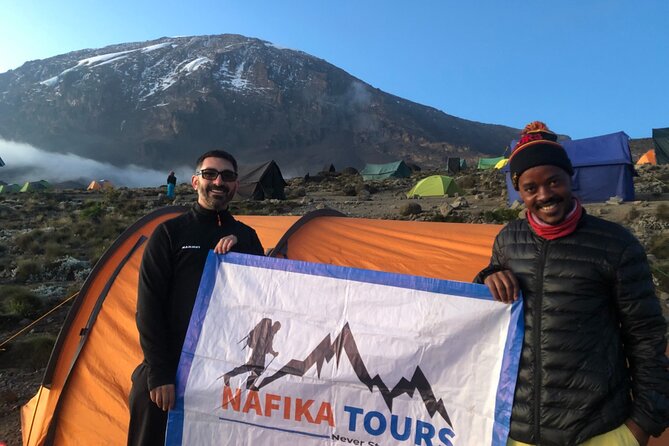
- Lemosho’s west-side start: more gradual rhythm early, with frequent views as you gain altitude
- Panoramic payoff built into the schedule: Kibo and the ice fields show up at different angles
- Safety is handled on the ground: regular health checks plus emergency oxygen and first aid support
- A smart acclimatization day before the summit push: you rest, then test your altitude tolerance
- Local team attention: multiple guides/crew names come up in real feedback, with daily care and medical checks
- Everything camp-related is covered: tents, sleeping pads, sleeping bags, and cooking table setups are included
Lemosho Route Basics: west-side entry, scenic circling, and the altitude plan
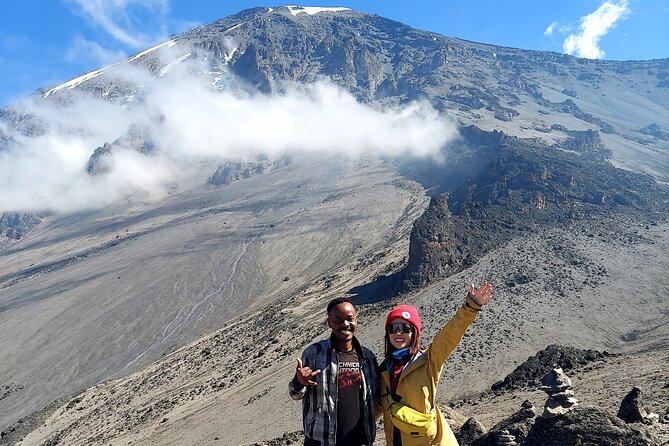
The big reason people choose the Lemosho route is simple: it gives you scenery from more than one direction. Your climb begins at about 2,360 meters at Lemosho Gate (also described as Londorossi Gate), on the western approach. From there, you circle around Kilimanjaro toward the south, spending time through rainforest early on and then moving into higher moorland and desert-like zones as the air thins.
The schedule is built for acclimatization, which is what makes or breaks a Kilimanjaro trip. The route’s arc toward Shira Ridge and then across Shira Plateau helps you gain altitude steadily rather than in one brutal jump. You’ll still feel the mountain’s punch—some days include steeper segments—but the pacing is clearly intended to help your body adjust.
Another plus: this route tends to be less crowded. That matters in practical ways. Camps can feel calmer. You’re less likely to spend your limited energy waiting in line for a good view or a stable photo spot.
If you’re the kind of traveler who likes your adventure to feel like more than just a checkbox, Lemosho delivers. It’s the kind of climb where you catch Kibo Peak from different sides, with clouds sometimes acting like a special effects team.
Safety First With Nafika Tours: health checks, oxygen, and a real emergency plan
On Kilimanjaro, safety isn’t just about having a guide. It’s about how often they check in and what tools they have ready. Nafika states a clear safety focus: guides do regular health checks and are prepared to detect and treat altitude sickness.
That’s important because altitude sickness can show up gradually. Having daily monitoring helps your team spot issues early—before the problem becomes a bigger crisis. It also means you’re more likely to move at the pace that keeps you in the best zone for acclimatization.
There’s also equipment-level support included. You get emergency oxygen, plus a first aid kit. That doesn’t mean you can ignore altitude. It does mean your operation isn’t guessing once trouble starts. You’re entering the mountain with a team that expects the risks and plans for them.
And from the reviews, the “attention to you” part shows up more than once. People highlight that guides are checking how everyone is doing, adjusting pace, and being present—down to medical checks happening during the trip. One theme that repeats: the guides and porters consistently treat your wellbeing as the priority.
Price and What You Actually Get for $2,350 per person
At $2,350 per person for an 8-day Lemosho climb, you should look at what’s included—not just the headline price. Here’s what’s covered in the tour package:
- Camping setup: tents, sleeping pads, sleeping bags, plus table and chairs
- Guides and crew pay: good salary to mountain crews, porters, and guides
- Support and safety gear: emergency oxygen and a first aid kit
- Transport: private transportation, plus hotel pickup to the start gate area
- Accommodation off the mountain: 2 nights hotel in Moshi
- Meals: breakfast (8), lunch (8), dinner (7)
- Treated water throughout the trek
- Parking fees
When you add it up, a lot of what can inflate Kilimanjaro costs elsewhere is already folded into this deal—especially the camping equipment, meals, and the oxygen/first-aid safety piece. You’re paying for a staffed operation with a full camp system, not just someone leading you up a trail.
A small line item you still need to budget: the visa isn’t included. The tour lists visa cost as $50. If you’re coming from outside Tanzania, this is the one obvious “extra” you should confirm before you leave home.
Group size is capped at 20 travelers, which is another practical value detail. Smaller groups can mean less crowding at camp areas and on the trail during key moments.
Day 1: Lemosho glades to Big Tree Camp and the rainforest start
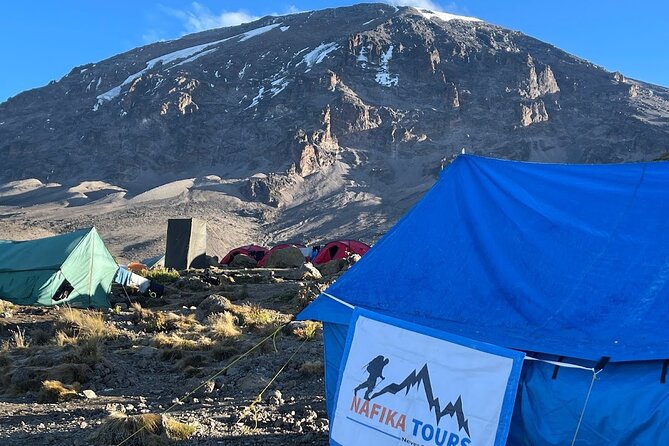
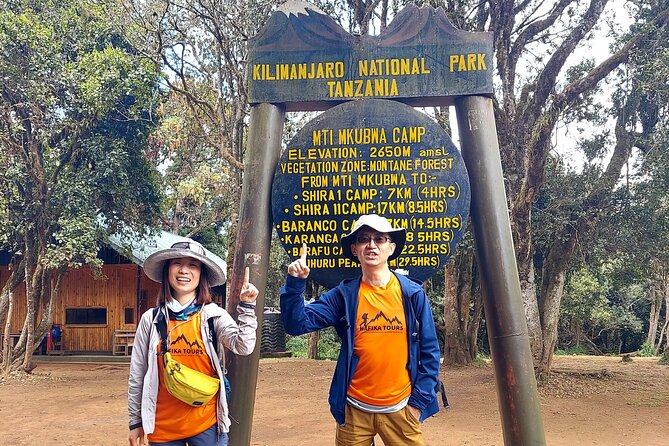
Day 1 is all about getting your Kilimanjaro legs working while your body is still at more forgiving altitude. You’ll be picked up around 8:00 am from your hotel area and transferred to Lemosho Gate on the western side. Once the pre-hike formalities are handled, you start hiking through the forests of the Lemosho glades.
Your first night is at Big Tree Camp. This matters because day 1 is rarely about speed. It’s about warm-up effort and learning how you feel while carrying your day pack. The rainforest start also helps you get a sense of the mountain’s ecosystems before you move into the drier zones.
A practical upside: the early stage is usually less mentally intense than summit day. You’re seeing the trail system come alive, not staring at the clock waiting for midnight.
The only thing you should keep in mind is that even day 1 can feel wet and muddy depending on conditions. If you expect a classic jungle vibe—humidity, leaves, and the sound of your own breathing—you’ll feel more prepared.
Day 2: Shira moorland, grassy plateaus, and Kibo Peak in clouds
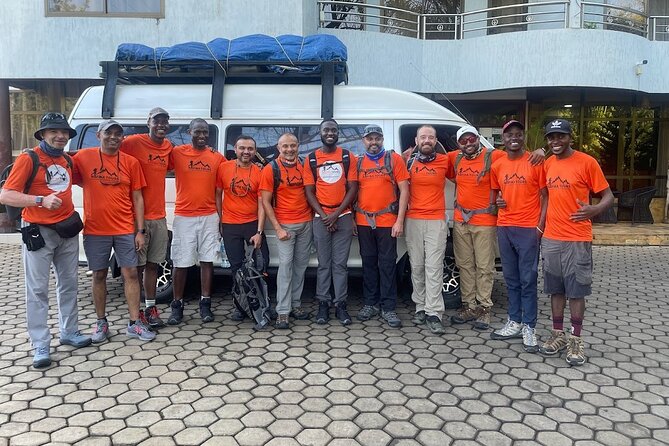
Day 2 moves you across a plateau of grassy moorland and heather scattered with volcanic rock formations. The distance listed is 8.5 km / 5.3 mi, and the route includes altitude gain with some fairly steep sections.
Your destination is Shira 1 Camp. This is where the mountain starts doing that Kilimanjaro magic trick: there are views of Kibo Peak floating on the clouds. Even if the weather changes during your hike, you’re likely to catch at least a few dramatic angles.
Why this day is important: you’re building altitude without pretending it’s easy. If you go too fast, you’ll pay later. If you go steady, you’ll feel the benefits when the higher camps start testing you.
Also, Shira moorland feels visually wide open. The ground can be uneven, so your footing matters. Use your poles if you have them, keep your steps controlled, and don’t try to “win” the hike.
Day 3: Shira Plateau acclimatization and the ice-fields look from the west
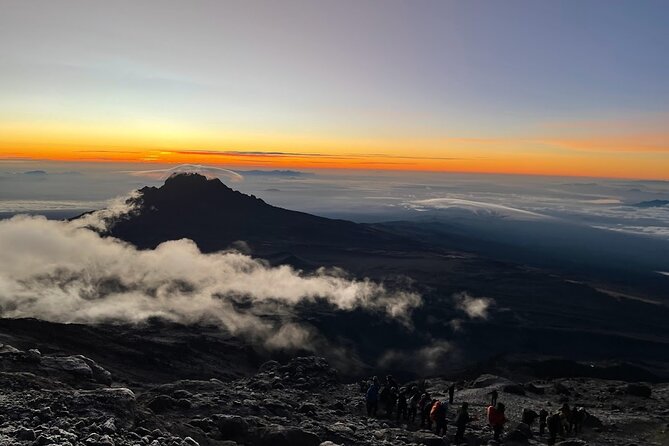
On Day 3 you hike across moorland of the Shira Plateau, with views toward the Northern Ice fields from the western side of the mountain. You also get unusual views of Kibo from this angle.
You reach Shira 2 Camp. The distance is 8 km / 5 mi. After arriving, Nafika’s guides take you on a short acclimatization walk before you head back to camp for dinner and sleep under the stars.
That acclimatization walk is a real value moment. Instead of just sleeping immediately after altitude gain, you gently test how your body responds and help reduce the odds of feeling wrecked later. It’s a subtle difference, but it can make the days ahead feel more manageable.
Keep your pace calm today. This is one of those days where you can feel strong, then overdo it and regret it. When guides mention health checks and altitude support, this is the kind of scheduling they’re working with.
Day 4: Lava Tower at 4,640 m and the Great Barranco Valley descent
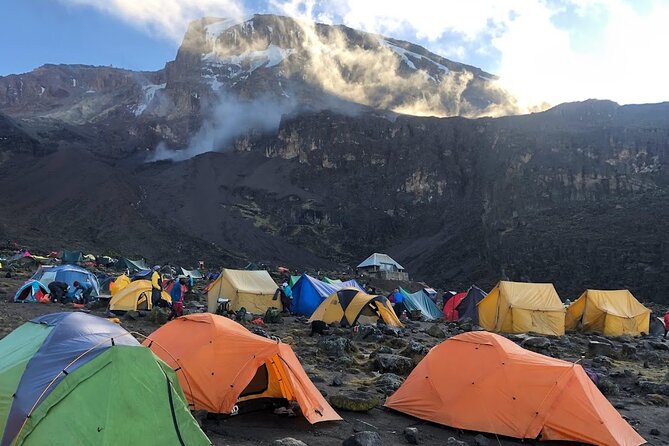
Day 4 is one of the most photogenic days, and also one of the more “mountain-y” ones. Your hike begins with an ascent that gives far-reaching panoramic views. Then you reach the climatic zone of the upland desert, and the route continues across lava ridges beneath the glaciers of the Western Breach.
You’ll reach the distinct pinnacle of Lava Tower at 4,640 m, and that’s where lunch happens. The elevation makes it feel exposed—air thinner, sky sharper, and every step a reminder you’re climbing.
After lunch, you descend to camp for the night in the base of the Great Barranco Valley at around 3,960 m. The valley is sheltered by towering cliffs but still offers extensive views of the plains below.
Distance listed is 10 km / 6.2 mi, with a hike time of about 7 hours. That combination—moderate distance, meaningful altitude, and a descent—can be tough on tired legs. But it’s also the day where your “I’m really on Kilimanjaro” feeling locks in.
Day 5: Barranco Wall, glaciers overhead, and a key short acclimatization day
Day 5 starts with a steep ridge and then the famous Barranco Wall obstacle. You climb it, and the tour description notes that it can look imposing but is easier than it looks. Either way, it’s a scramble moment. You’ll want your core steady and your rhythm consistent.
From there, you pass underneath the Heim and Kersten glaciers, then head toward the Karanga Valley. The descriptions emphasize views of Kibo glaciers overhead and the jagged peaks of Mawenzi when you look east.
You’ll have lunch in camp. Then the afternoon is your own, but resting is recommended—especially because summit night is coming soon. There’s also an optional mid-afternoon acclimatization trek up to around 4,200 m before descending back to camp.
That short day is strategic. You’re not trying to exhaust yourself. You’re preparing your body for the thin-air effort of the next two days. If you’ve ever wondered why summit day feels like it changes your whole relationship with your legs, it starts here.
Day 6: Barafu Camp at 4,640 m and the midnight alarms
Day 6 takes you from where you are to Barafu Camp at 4,640 m. It’s described as alpine desert, and the hiking time listed is about 4 hours with the distance shown as 4 km. That short distance can trick people into thinking it’s easy. Don’t fall for it. Higher altitude turns every step into effort.
On the way, you’ll see views of Kibo and Mawenzi peaks. When you arrive at Barafu, lunch is provided and the schedule shifts into summit mode. You’re encouraged to use the quiet afternoon to catch sleep in your tent because dinner is early and then the plan is to get rest.
Then comes the part that makes this climb intense: alarms are set around midnight to start the summit push.
This is also where the “safety routine” matters most. The team needs everyone ready, calm, and monitored. In high-altitude conditions, the difference between brave and reckless is often just how steady your team keeps you.
Day 7: Stella Point sunrise to Uhuru Peak (5,895 m), then down to Barafu
Day 7 begins with a midnight wake-up, with light tea and breakfast. Then you start the climb—about 4 to 5 hours gaining incredible height over a short distance. This is when the air feels thinnest and your patience matters most.
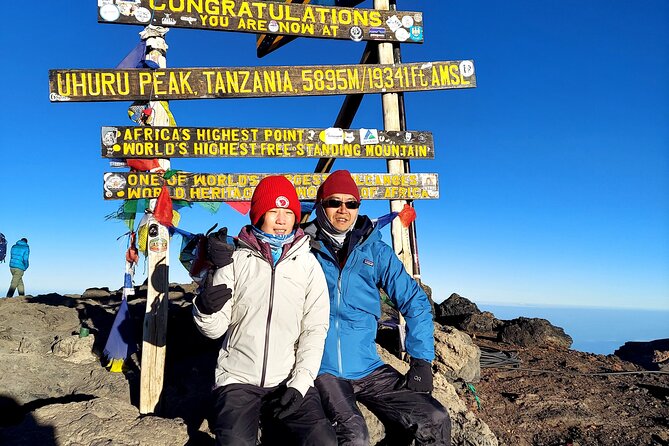
As you climb, you’ll get a sunrise view that’s described as spectacular, with the expectation you reach the crater rim at Stella Point (5,756 m) as the first rays hit. From Stella Point it’s about 1 hour to Uhuru Peak (5,895 m).
Once at Uhuru Peak, you celebrate your accomplishment. The tour description notes photos will be taken, and then you begin the descent to Barafu Camp for lunch and rest. This is a long day—13 hours is listed—so you’re not just climbing up. You’re climbing up and then spending energy coming down.
A note that’s practical for your expectations: even after the summit, your body still has to handle altitude and fatigue while moving downhill. Downhill can be easier on the heart rate, but it can be harsher on knees and balance if you rush.
If you’re doing this with someone who gets anxious, the repeated mention in feedback of guides staying available and supportive can matter. On summit day, you’ll want your team close and clear.
Day 8: Final descent to Mweka Gate, certificates, and that first real shower
Day 8 is the reward day. You start with breakfast and begin the final descent, described as a couple of hours to Mweka Gate. You’ll collect certificates there, plus enjoy a cold beverage. After saying goodbye to your mountain guides, a private car takes you back to your hotel so you can finally get that warm shower you’ve been dreaming about.
The trek includes moving from the Millennium Campsite toward Mweka Gate, and the tour description places the habitat back in montane forest—a shift you’ll feel in your surroundings immediately. That’s also a psychological switch. The mountain is no longer asking you to climb. It’s asking you to finish strong and stay steady on your feet.
Distance listed is 14 km with about 5 hours total. That’s a lot of walking after a summit. Treat it like a gentle cooldown, not another race.
If you want a memorable Kilimanjaro photo, this is when you can actually enjoy your surroundings again. Your focus shifts from survival mode to savor mode.
Camp life and the local team: tents, food, and daily medical checks
This trip isn’t just about the summit. It’s about how life works inside the camp system. Nafika states that camping equipment is provided, including Mountain Hardware sleeping tents, sleep pads, and sleeping bags—plus table and chairs. That sounds minor until you’re the one trying to sleep in cold air. Comfort is not luxury here; it’s logistics for your next day’s success.
Food is also part of the experience. The tour includes breakfast 8 times, lunch 8 times, and dinner 7 times. In the reviews, people talk about the chef preparing excellent food, with little surprises, and guides and porters making sure everyone is taken care of.
One small but telling detail from feedback: guides and porters did daily medical checks and adjusted pace to match the group. Some reviews mention guides taking turns eating with the group, which says a lot about how present they are rather than disappearing while you’re adjusting to altitude.
Group size matters here too. With a maximum of 20 travelers, you’re less likely to feel like a number. Camps also feel more manageable when you’re not surrounded by dozens of teams.
Who should choose this 8-day Lemosho climb, and who might rethink
This climb is listed for travelers with moderate physical fitness. That’s a fair match for many people, but “moderate” doesn’t mean “easy.” You still have steep ridges, a big obstacle at Barranco Wall, and a midnight summit start.
It also helps if you like a steady rhythm. Lemosho gives you pacing with acclimatization points rather than constant max effort. If you enjoy the process—watching clouds roll in, taking photos from different angles, and feeling your body adapt—this will feel rewarding.
You might rethink this specific plan if you know you struggle with very long days or midnight starts. Day 7 alone is a massive time commitment, and the cold/dark climb adds stress.
On the other hand, if you want a climb with visible safety systems and a team that pays attention—regular health checks, emergency oxygen, first aid—this route and operator combo is built around that.
Should you book this 8-day Lemosho Kilimanjaro hike?
I’d lean toward booking if you want the combination of scenic west-side Lemosho plus an operation that treats safety as a day-to-day habit. The package includes a lot of what actually costs time and stress: camping gear, meals, treated water, two nights in Moshi, and emergency oxygen.
Skip it if your priority is a short, low-effort hike. This is a real mountain climb. The payoff is worth it for people who can handle the long summit day and keep an even pace.
If you’re aiming for a serious Kilimanjaro goal and you like the idea of fewer crowds, frequent views, and structured acclimatization, this is a strong choice.
FAQ
How long is the Kilimanjaro hike on the Lemosho route?
It’s an 8-day climb (approx.).
Where does the trek start and at what altitude?
You start at Lemosho Gate on the western side of Kilimanjaro, at about 2,360 meters.
Is pickup offered before the climb begins?
Yes. On day 1, you’re picked up around 8:00 am and transferred to Lemosho Gate.
What’s included in the tour price?
Camping equipment (tents, sleep pads, sleeping bags, and table/chairs), professional guides and crews, private transportation, emergency oxygen and a first aid kit, 2 nights hotel in Moshi, treated water, and most meals (8 breakfasts, 8 lunches, 7 dinners). Parking fees are also included.
Is the visa included in the price?
No. Visa cost is listed as $50 USD and not included.
When is the summit push?
You’re awoken at midnight on day 7 for the ascent to Stella Point and Uhuru Peak, then you descend back to Barafu Camp for lunch and rest.
What is the maximum group size?
The tour has a maximum of 20 travelers.