REVIEW · SWEDEN
Morning hike in Abisko National Park
Book on Viator →Operated by Lights Over Lapland · Bookable on Viator
Frozen quiet in Abisko starts fast.
This morning hike in Abisko National Park mixes an easygoing pace with real local guidance, so you’re not just walking—you’re learning what you’re seeing. I like how the route keeps moving without feeling rushed, and I like that the small group size helps your guide notice questions, pacing, and footing early. The only real catch is the winter surface: even when the trail is “well-trodden,” you can hit slippery ice under snow or drifted pockets that make the walk work a little.
I also like the wildlife angle. You’ll scan for reindeer and other Arctic animals, but you’ll also learn to read the clues—tracks and signs that make the park feel alive even when animals don’t show up.
One thing to consider up front: this hike can include inclines and loose or drifted snow, so it may be a tougher morning if you’re sensitive to slippery steps or you’re not comfortable on winter traction.
In This Review
- Key takeaways before you go
- Abisko National Park in winter: short hike, big payoff
- Meeting up in Abisko and Björkliden: pickup timing that matters
- What the relaxed pace really feels like on snowy footing
- Parc Nacional d’Abisko: what you’ll see, step by step
- Wildlife spotting in winter: reindeer, tracks, and the “signs win” mindset
- Guides and interpretation: what makes it feel personal
- Gear and comfort: overalls, boots, poles, and what you should plan
- Price and value: is $91.71 worth a 2-hour winter walk?
- Who should book this hike (and who should rethink it)
- Should you book this Abisko morning hike?
- FAQ
- How long is the Abisko National Park morning hike?
- What time does the tour start?
- Is hotel pickup included?
- What language is the tour guide?
- What should I wear or bring?
- Is the hike suitable for most people?
- Can I cancel for free?
Key takeaways before you go
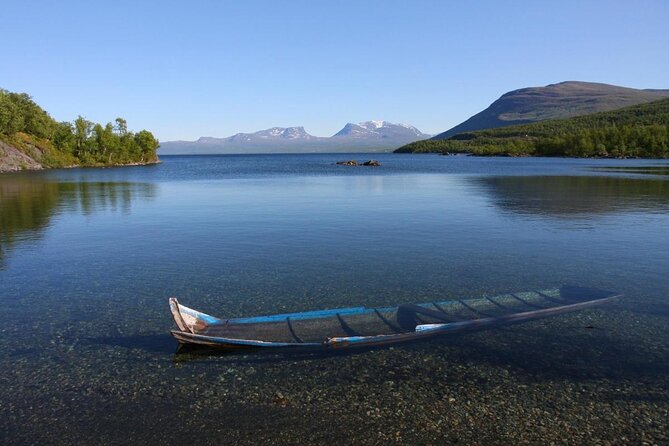
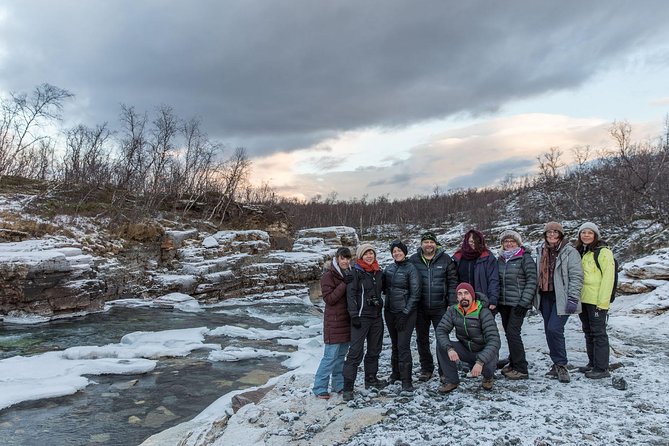
- Small group, one guide attention: Maximum 10 travelers, and it’s typically paced for a mixed group.
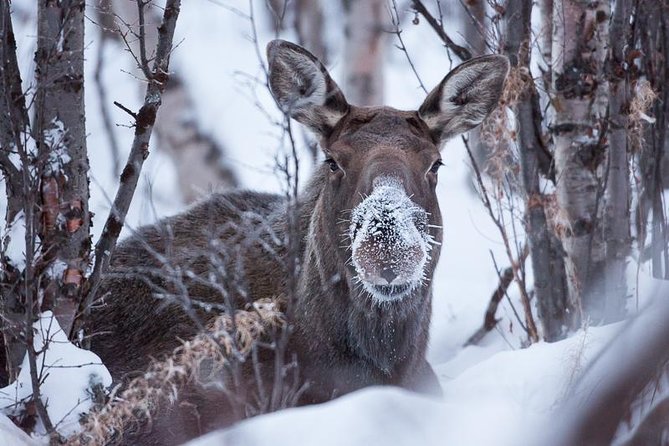
- Wildlife is about signs, not just sightings: You’ll look for reindeer, mountain hare, foxes, birds, and moose if luck hits.
- Walking poles are available on request: Helpful for ice and deeper snow.
- Guides bring the park to life: Expect practical info on animals, tracks, plants, and the area’s story.
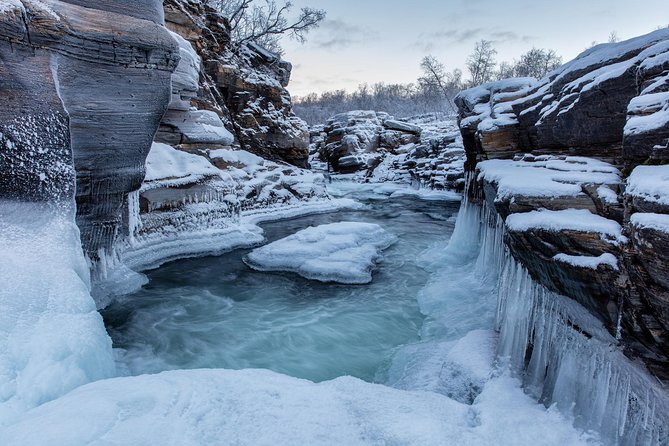
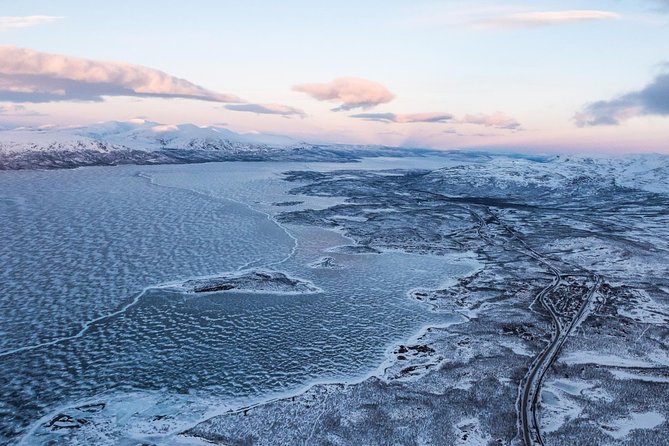
- You’ll often walk over snow and sometimes frozen lake areas: Great for photos, but watch footing.
Abisko National Park in winter: short hike, big payoff
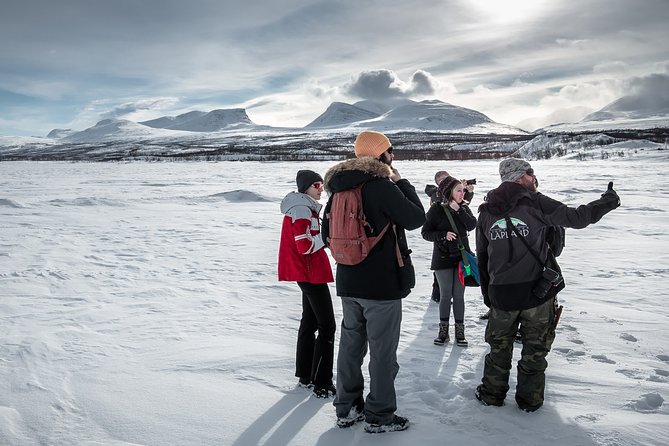
If you’re coming to northern Sweden, you quickly learn that winter isn’t just cold. It’s a whole different way of moving through the world—quiet air, sharp light, and a lot of clues on the ground. This hike is a focused way to experience that without committing to an all-day trek.
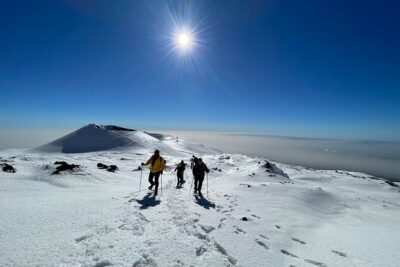
The pace is deliberately relaxed. The walk typically takes about 1.5 to 2 hours, and most of the route runs on level, well-known ground. Still, this isn’t a “stroll on pavement” scenario. You should expect snow texture changes, some inclines, and patches where the ground looks smooth but acts slippery.
Meeting up in Abisko and Björkliden: pickup timing that matters
Logistics are part of the win here, because you don’t need to figure out transport in the dark. Pickup is offered from most hotels, and the meeting times are specific.
Start time is 9:30 am. If you’re staying in the village of Abisko, be ready for pickup at your hotel at 9:15 am. If you’re staying at STF Abisko Turiststation, you meet your guide in the hotel lobby at 9:30 am. If you’re staying in Björkliden, pickup is 9:00 am.
If you don’t need pickup, you choose STF Abisko Turiststation as your pickup place and meet in the hotel lobby at 9:30 am. I like this flexibility because it makes the experience easy to plug into whatever else you’re doing that day.
One small practical note: you’ll receive a confirmation at booking time, and the tour uses a mobile ticket. So yes, bring your phone, but also make sure you don’t leave it at 1% battery like a true Nordic hero.
What the relaxed pace really feels like on snowy footing
On paper, this hike is simple: well-trodden ground, a calm speed, and guidance that helps you stay balanced. In real winter hiking, the details matter. Snow can look uniform and then surprise you with drifted depth or a slick layer underneath.
The guide keeps things manageable, and you’ll get help navigating little obstacles—especially where ice hides beneath fresh snow. If you asked for it when arranging your gear, walking poles can be provided on request. Poles won’t make you superhuman, but they do reduce strain on calves and help you catch yourself on uneven footing.
Fitness level is flexible. The tour states that most travelers can participate, and the group size is small enough that you can be supported. Still, the experience is designed for a group pace, so if you have physical limitations that make it hard to keep up, let the organizers know ahead of time.
Parc Nacional d’Abisko: what you’ll see, step by step
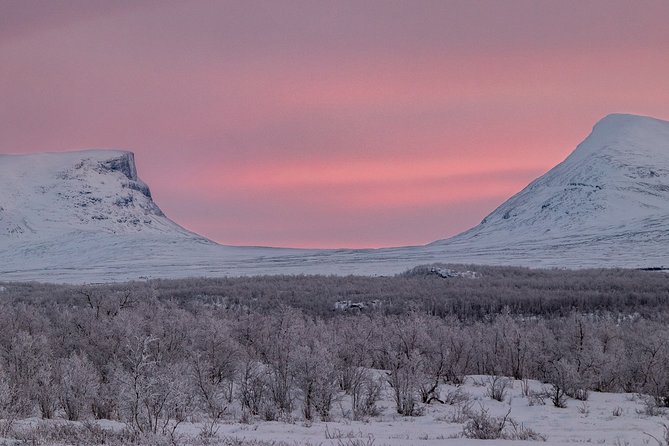
This is a morning walk inside Abisko National Park, with the main stop listed simply as Parc Nacional d’Abisko. The “one stop” format is actually a good thing for winter travelers. It means the time is spent outdoors, not in transit or long transfers between viewpoints.
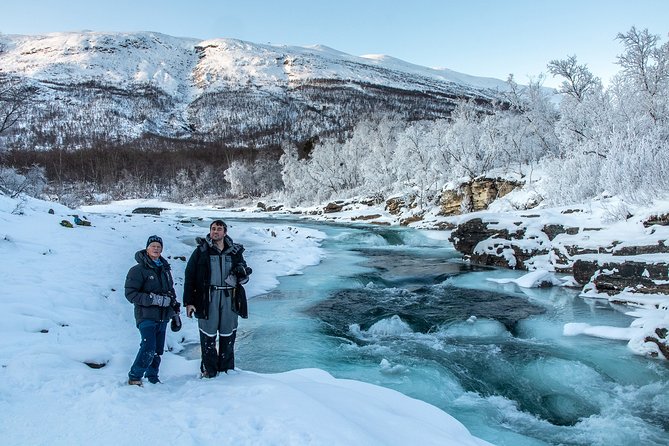
Depending on snow and weather, you’ll likely cover a mix of terrain: mostly level stretches, plus a few places that feel steeper than they look. That mix is part of why the hike works as an introduction to the park. You get a taste of how it feels to walk through the Arctic, not just a single flat photo moment.
Expect scenery that gives you multiple ways to frame shots. Several guides are described as setting people up nicely for photos. You can also expect snow-light drama—one morning might be clouded with heavy winds and snowfall, while another could swing into bright sunshine. Winter weather changes fast up here, so going with the flow is the whole game.
Wildlife spotting in winter: reindeer, tracks, and the “signs win” mindset
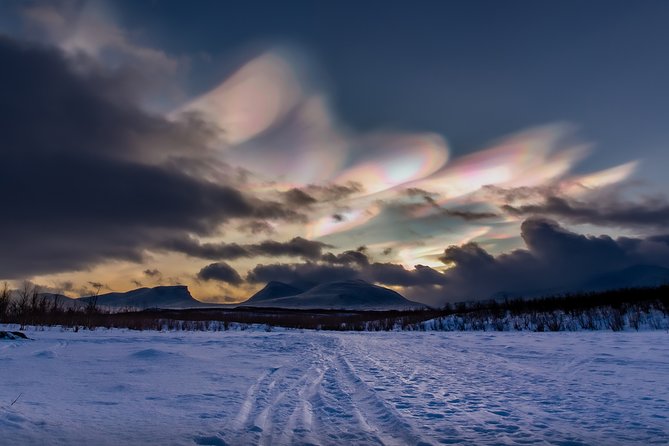
Let’s be honest: you can do everything right and still not see a moose. This hike is built on the idea that the park tells stories through animals, and you learn to read those stories even when you don’t get a direct sighting.
You’ll keep your eyes peeled for local wildlife such as reindeer. There’s also a chance to spot mountain hare and foxes, plus a wide range of birds. If luck is on your side, the big star is the Scandinavian moose—but moose sightings aren’t promised.
What is very practical is how the guide helps you look for evidence. Some walks focus on animal tracks and tracks in snow, and you’ll get pointers for noticing sign like iridescent footprints and other traces you might otherwise miss. You’ll also come away with a better sense of Arctic plants and how they relate to snow cover—because in this region, snow isn’t just weather. It’s part of the ecosystem.
And yes—bring a camera. Not because you’ll get Instagram perfection every minute, but because the snow textures, prints, and occasional animal sightings are exactly the kind of moment you’ll want to save.
Guides and interpretation: what makes it feel personal
The guides are one of the biggest reasons this tour scores near the top. You’ll be with a professional guide from Lights Over Lapland, and the small group size matters because it turns “walk with a stranger” into real conversation.
From past groups, different guides have been highlighted—people like Gavin, Sara, Anne, Fabian, Miguel, and Félix. The common theme is clear: they’re friendly, upbeat, and focused on helping you understand what you’re seeing.
Guides are also described as enthusiastic and careful with group pacing. That’s especially helpful when the route isn’t perfectly clear under snow. Even when you could walk the area on your own, winter can hide the trail, and the guide becomes the difference between feeling confident and feeling unsure.
If you want a hike that teaches you without turning into a lecture, this is the style.
Gear and comfort: overalls, boots, poles, and what you should plan
Cold-weather success is mostly about dressing correctly. The tour doesn’t include warm overalls and winter boots, but they are available for rent if you book in advance. Don’t wait until the morning of. Winter gear rentals fill up, and you don’t want your hike to double as a search mission.
If you already have proper winter footwear and insulation, you’re fine. If not, plan to rent. The hike involves snow, and you want boots that give grip and protect against cold at the soles.
On the comfort side, walking poles can be provided upon request. I’d treat that as a “why not?” item. If there’s ice under snow—as some people warn about—poles give you extra stability and can save your knees.
Also: dress for the weather you start in, not the weather you hope for. The hike runs in the morning, so conditions can shift quickly. Bring layers you can manage without overheating.
Price and value: is $91.71 worth a 2-hour winter walk?
At $91.71 per person, this hike isn’t a budget add-on. But it can be good value if you factor in what’s included: professional guiding, and hotel pickup and drop-off for guests in Abisko or Björkliden.
You’re paying for someone to:
- read the terrain and keep the group moving safely in snow and ice,
- provide context (animals, tracks, plants, and local history-type facts),
- and make the logistics painless.
The duration is short enough that it works even if you’re only in the area briefly. If you’re trying to pack in an Arctic experience without committing to a long outing, this is a reasonable use of time—and the guide coverage is what makes it feel worth the cost.
Who should book this hike (and who should rethink it)
This is a solid choice if you want a winter introduction to Abisko National Park with guidance, wildlife focus, and a manageable time commitment. It’s also a good fit if you like learning what you’re looking at while you walk.
It likely suits:
- first-time snow hikers,
- travelers who want a relaxed pace,
- photographers who want help with timing and angles,
- anyone who prefers a group size small enough for real interaction.
Rethink it if you:
- have trouble on uneven footing or slippery surfaces,
- struggle with walking in deeper snow pockets,
- need a very low-impact option with zero inclines and no risk of ice.
The good news: the tour asks you to share physical limitations so the guide can help you plan. That’s a better conversation than guessing.
Should you book this Abisko morning hike?
I’d book it if you want a calm, guided winter walk that teaches you how to see the park—not just how to walk through it. The small group size, pickup convenience, and wildlife-and-tracks focus make it more than a “quick stroll.” It’s a smart way to spend a morning in Abisko without exhausting yourself.
I wouldn’t book it if you’re very cautious about ice traction or if winter footing is a hard limit for you. This is not extreme mountaineering, but it is still snow hiking, with the kind of slipperiness that only shows up when you’re already on the ground.
If you’re somewhere in the middle—curious, willing to dress warm, and okay with a bit of snowy effort—this tour is an easy yes.
FAQ
How long is the Abisko National Park morning hike?
The hike lasts about 2 hours (roughly 1.5 to 2 hours in most cases).
What time does the tour start?
The start time is 9:30 am.
Is hotel pickup included?
Hotel pickup and drop-off are included for guests staying in Abisko or Björkliden. Pickup times vary by where you stay.
What language is the tour guide?
The tour is offered in English.
What should I wear or bring?
Warm overalls and winter boots are available for rent but are not included, and you should book the rental in advance. The hike happens on snow, so dress for winter conditions.
Is the hike suitable for most people?
Most travelers can participate. If you have physical limitations that would make it hard to keep up with a group of eight guests and one guide, let the organizers know.
Can I cancel for free?
Yes. Free cancellation is offered if you cancel at least 24 hours in advance of the experience’s start time. If you cancel less than 24 hours before, the amount paid is not refunded.