REVIEW · KWAZULU NATAL
3 day Drakensberg hike
Book on Viator →Operated by Soul Adventures · Bookable on Viator
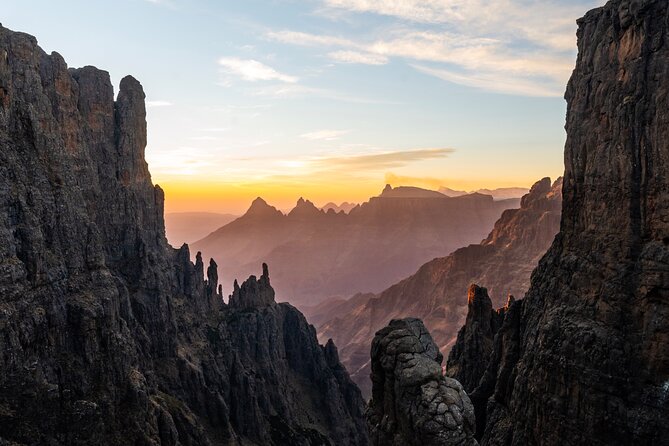
Sleep in a Drakensberg cave. This 3-day Mnweni hike feels big-screen wild: high passes around 10,000 feet and a trail so remote you can hear your own breathing. I also love that everything is handled for you with gear and hiking permits included, and a small group capped at 10.
The highlight is the night in a cave set into the cliffs above the valleys. You’re sleeping after days of trekking in the mountains at roughly 40km over 3 days, with 2 nights camping and hot drinks, breakfasts, and dinners along the way.
One heads-up: it starts early, with a 5:00 am meeting time, and the hike needs moderate fitness. Also, lunch and getting to the starting point are not included.
In This Review
- Key highlights worth knowing
- Why the Mnweni Drakensberg feels extra remote
- Day-by-day: your 3 days, 40km, and the cave night
- Day 1: 5:00 am start and getting into mountain mode
- Day 2: Big-distance trekking day up in the high country
- Day 3: Finish strong, with the cave night as the memory-maker
- Sleeping in a cave: what it means for comfort and vibe
- Gear, permits, meals, and photos: where the value really shows
- Guides and group size: why attention matters on a tough trail
- Fitness and altitude: how to judge if you’re a match
- What to pack (so the mountain doesn’t win)
- Price and value: is $584.97 per person fair?
- Should you book this Mnweni cave hike?
- FAQ
- How long is the Mnweni Drakensberg hike, and how far do you cover?
- How high does the hike go?
- What level of fitness do I need?
- What’s included in the price?
- What isn’t included?
- How big is the group?
- What time does the hike start?
- What happens if weather is bad?
Key highlights worth knowing
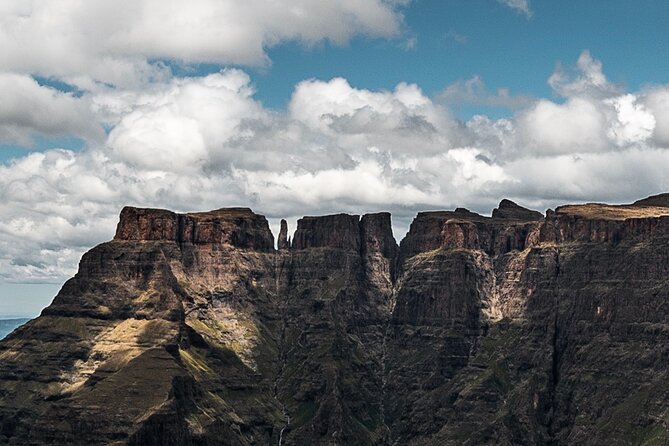
- Cave sleep overlooking the valleys for a truly memorable Drakensberg night
- Small group (max 10) so your guide can watch pacing and help with setup
- Gear and permits included, so you’re not juggling rentals and paperwork
- Cover 40km over 3 days with nights camping in the mountains
- High altitude trekking up to 3100m, with views near 10,000 feet
- Hot drinks plus full meals (breakfasts and dinners), with lunch left out
Why the Mnweni Drakensberg feels extra remote
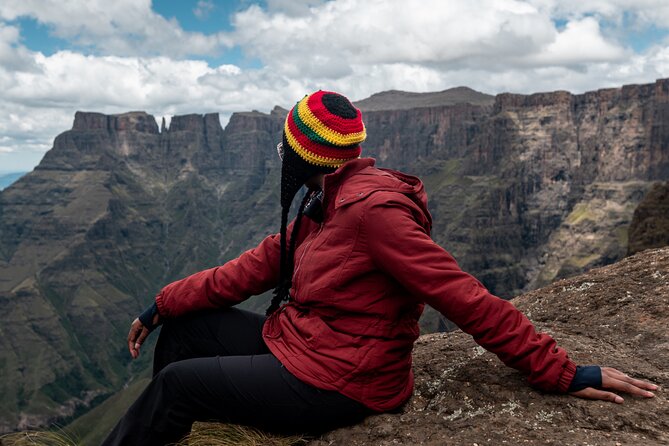
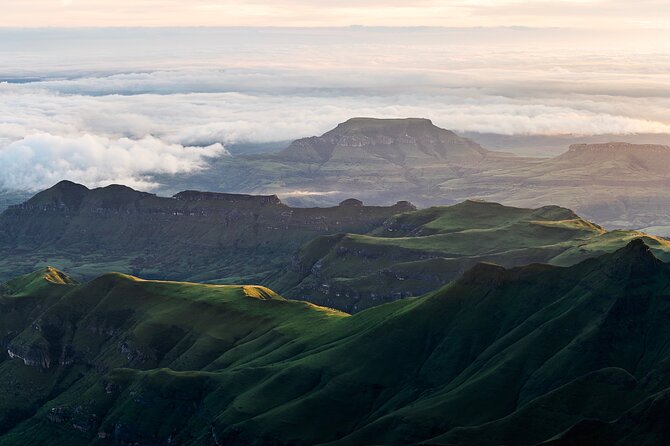
The Mnweni area has that dramatic Drakensberg feeling you hope for. You’ll be trekking in the high country around 3000m, where the air feels cooler and the views come with a sense of space. The goal is a real hike, not a sightseeing stroll.
Part of what makes this work is how the trip is paced. You cover about 40km total, and the days are built around camping deep in the mountains for two nights. That means you’re not constantly packing up and switching camps like some one-night add-ons.
There’s also a practical side to the remoteness. You’ll drink water from the river during the trek. That’s one of those details that quickly makes the experience feel grounded and hands-on.
Day-by-day: your 3 days, 40km, and the cave night
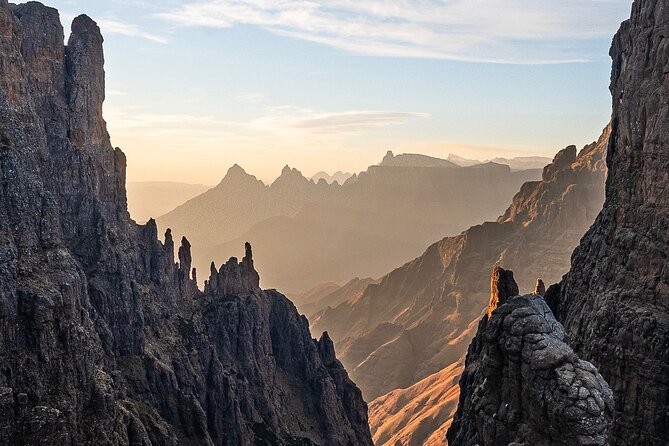
Here’s how the rhythm of the hike comes together, based on the structure of the tour.
Day 1: 5:00 am start and getting into mountain mode
You meet at 5:00 am at the Drakensberg starting point. That early launch matters here. At higher altitude, mornings cool things down fast and give you more daylight for hiking before conditions shift.
Once you’re moving, the focus is on settling into the route at a steady hiking pace. Since lunch isn’t included, your planning should account for how the included meals are spaced out (hot drinks plus breakfast and dinner are covered; lunch is the one missing piece).
This is also the day where the group dynamic clicks. With a max of 10 people, you’re not lost in a crowd. Your guide can help with the practical stuff like staying together and keeping the workload balanced.
Day 2: Big-distance trekking day up in the high country
Day 2 is where the hike starts to feel serious. You’re working in the Mnweni region, at elevations that reach up to about 3100m. At that height, steady effort beats sprinting. The payoff is the kind of scenery that makes the hours feel shorter.
In this part of the trip, the guide’s route choice and pacing make a noticeable difference. I like hikes where the group is coached through the hard bits instead of just being told to walk faster. Here, the small-group format supports more attention and adjustment as you go.
You’ll also keep using camp and meal rhythm to reset. Hot drinks help a lot when the day’s over and your body wants warmth and calories.
Day 3: Finish strong, with the cave night as the memory-maker
Day 3 is the wrap-up day. By now you’ve built the stamina, learned the hiking tempo, and figured out what your body needs between breaks.
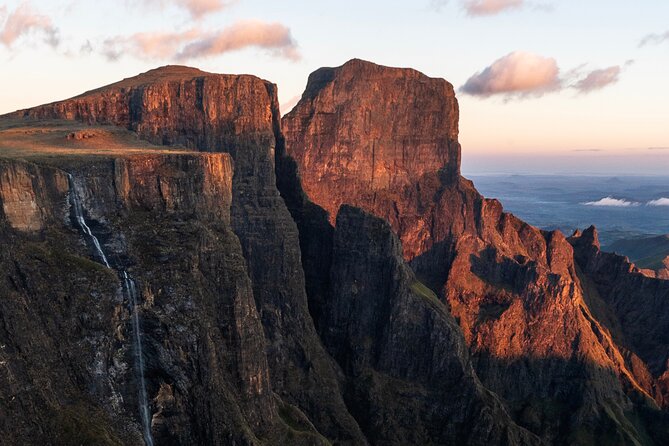
And yes, the memory-maker is the night spent in a cave set into the edge of the escarpment cliffs, overlooking valleys. That detail is what makes this trip feel different from a normal multi-day trail.
When you finally step out in the morning after cave sleep, it’s usually not just the views that hit. It’s the fact that you lived inside the mountain for a night.
Sleeping in a cave: what it means for comfort and vibe
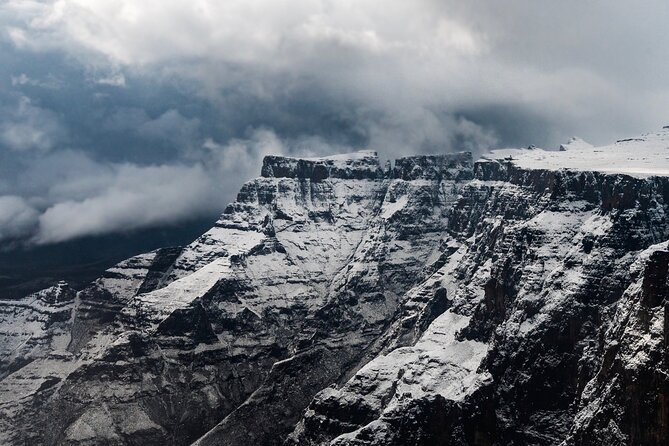
This tour isn’t trying to turn you into a camper influencer. It’s about earning that cave sleep as part of the route.
Sleeping in a cave does two things. First, it changes your night. Instead of a tent-only experience, you’re inside rock and shadow, with cliffs right there above you. Second, it makes your rest feel tied to the environment, not separated from it.
Comfort is handled for you. You’ll have use of tents and sleeping bags, plus the trip provides backpack support through the included gear setup. Still, a cave night can feel different from a flat campground, so come in expecting the mountain to be the main character.
Gear, permits, meals, and photos: where the value really shows
This is the kind of tour that earns its price by removing hassle.
You get all gear and hiking permits as part of the package, plus practical basics like tents, sleeping bags, backpacks, and eating utensils. That’s a big deal in the Drakensberg. Getting there is one thing. Getting the right gear and having it all lined up is another.
Meals are also built into the day flow. The included items are:
- Hot drinks
- Breakfasts
- Dinners
Lunch is not included. That means you’ll want to plan for an outside snack or meal solution for midday, depending on how your day is structured when you’re on the trail.
One more line item that’s easy to underestimate: professional photos are included. After a 3-day hike with serious viewpoints, you’ll likely appreciate having strong images without needing to play photographer every minute.
Guides and group size: why attention matters on a tough trail
This hike runs with a maximum of 10 travelers, which is a sweet spot. On demanding terrain, it’s not just about company. It’s about safety, pacing, and quick help when someone’s energy dips or a trail section looks worse than it is.
The guide names that show up in past groups include Patrick, Darren, Rasta, Terry, and Thebani. Patrick gets extra credit for gear, route, food, and a positive vibe. Darren is repeatedly praised for route knowledge and keeping things moving in a supportive, upbeat way, including humor during tough stretches. Others like Rasta and Thebani are also recognized for taking care of people and keeping camp organized.
If you’re the type who likes a guide who helps run the logistics (camp setup, carrying support, keeping the group together), this setup fits that style. If you want total self-guided freedom with zero structure, this one may feel more directed than you’d like.
Fitness and altitude: how to judge if you’re a match
The tour specifically calls for moderate physical fitness. That’s the right wording here. “Moderate” means you should be comfortable hiking for hours and handling uneven ground. It does not mean it’s a flat walking holiday.
You’ll also be at significant altitude. The trek reaches up to around 3100m, and the experience description references hiking around 10,000 feet for standout views. Even if you don’t have altitude issues, plan for slower pacing and expect a steady burn rather than bursts of speed.
A useful way to think about it: if you can comfortably hike several hours on uneven ground close to home, and you can handle a challenging day without needing to quit, you’ll likely be fine. If you only do easy walks, this may feel like a shock.
What to pack (so the mountain doesn’t win)
The tour provides a lot of the core trekking gear, but you still control your comfort and safety with your own personal items.
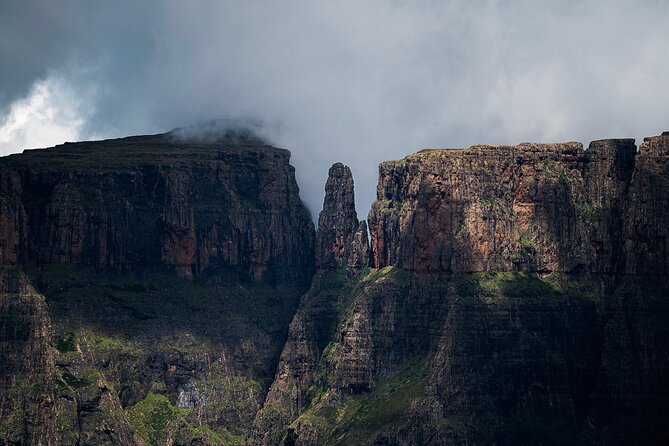
I’d pack for cold mornings, fast weather changes, and wet sections. Expect layers. Bring a warm layer you can access quickly. Rain protection is smart even when the sky looks okay.
Also, think about how you’ll handle no lunch being included. Bring simple snacks you can use when the day needs it, unless your group plan dictates otherwise. The tour covers meals, but midday fuel matters when you’re hiking hard.
Finally, consider footwear with solid grip. Drakensberg trails can be rocky and uneven, and the best shoes are the ones that don’t leave you rethinking every step.
Price and value: is $584.97 per person fair?
At $584.97 per person, it’s not a cheap walk in the park. But it’s also not priced like a basic guided day hike. You’re paying for a full 3-day operation in the mountains, including:
- Gear and tents/sleeping bags
- Hiking permits and fees
- Hot drinks, breakfasts, and dinners
- Professional photos
- A small group size
The real value is that you’re not separately arranging equipment rentals, missing permits, and photo coverage. Those things add up fast if you try to piece it together yourself.
You should also remember you’re covering about 40km in 3 days, camping for two nights, and spending one night sleeping in a cave. When you total that up, the price starts to look like a mountain logistics package, not just a guide-for-a-walk rate.
Should you book this Mnweni cave hike?
Book it if you want a real multi-day hike in the Drakensberg, not a day trip. If you like being cared for on logistics, you’ll probably enjoy how the gear, permits, meals, and camp setup are handled. And if cave sleep sounds like the kind of story you’ll still be telling a year from now, this is one of the few tours that actually delivers that exact experience.
Skip it or wait for a different option if early starts and altitude feel like a problem. Also, if you want lunch included, this isn’t built that way, so you’ll need to plan midday food yourself.
If you can handle moderate hiking and you’re excited by the idea of sleeping in rock above the valleys, this is a strong choice.
FAQ
How long is the Mnweni Drakensberg hike, and how far do you cover?
It runs for about 3 days and covers around 40km over the trip.
How high does the hike go?
The maximum height is about 3100m. The experience also references hiking around 10,000 feet for views.
What level of fitness do I need?
The tour is suitable for people with moderate physical fitness.
What’s included in the price?
The package includes use of tents, sleeping bags, backpacks, and eating utensils, plus dinners, breakfasts, hot drinks, hiking permits, and all fees and taxes. Professional photos are also included.
What isn’t included?
Lunch is not included, and transport to the starting point is not included.
How big is the group?
The maximum group size is 10 travelers.
What time does the hike start?
The start time is 5:00 am.
What happens if weather is bad?
This experience requires good weather. If it’s canceled due to poor weather, you’ll be offered a different date or a full refund.