REVIEW · AREQUIPA
4-hour excursion: Sillar Route with Hiking in Culebrillas
Book on GetYourGuide →Operated by Latitudes · Bookable on GetYourGuide
Canyon walls and carved sillar stone in four hours. I like how the Añashuayco quarry turns Arequipa’s famous stone-making into a living, hands-on scene, and I also love the payoff of the Culebrillas Canyon walk, ending with Wari-era petroglyphs. One watch-out: this isn’t a strenuous trek, so if you’re expecting hours of hiking, adjust your expectations.
You’ll spend the morning bouncing between overlooks, a working quarry, and the gorge—then you’re back in Arequipa by early afternoon. For many people, that pace is the whole point: you get history, views, and a real cultural stop without burning a whole day.
In This Review
- Key highlights at a glance
- A quick reality check on the 4-hour timing
- Morning viewpoints: volcanoes, Chilina Valley, and Andenerías
- Añashuayco Quarry: seeing sillar production up close
- The mega carving of the Church of the Company of Jesus
- Quebrada de Culebrillas: the short canyon walk that feels longer
- Wari petroglyphs: ending the walk with a time jump
- Apachetas: gratitude, good luck, and a quiet moment
- Is it actually hiking, or is it sightseeing with a walk?
- Price and tickets: where the $20 feels fair
- How the guide experience can affect your day
- Who this tour fits best (and who might want alternatives)
- Should you book the Sillar Route with Hiking in Culebrillas?
- FAQ
- FAQ
- How long is the excursion?
- What time does the tour start and when do you return to Arequipa?
- Where does the tour take place?
- How much does it cost?
- What is included in the price?
- Are entrance tickets included?
- Is the tour guide available in English and Spanish?
- What do you do at the Añashuayco Quarries?
- What is the canyon walk like at Culebrillas?
- What cultural stops are included in the hike area?
Key highlights at a glance
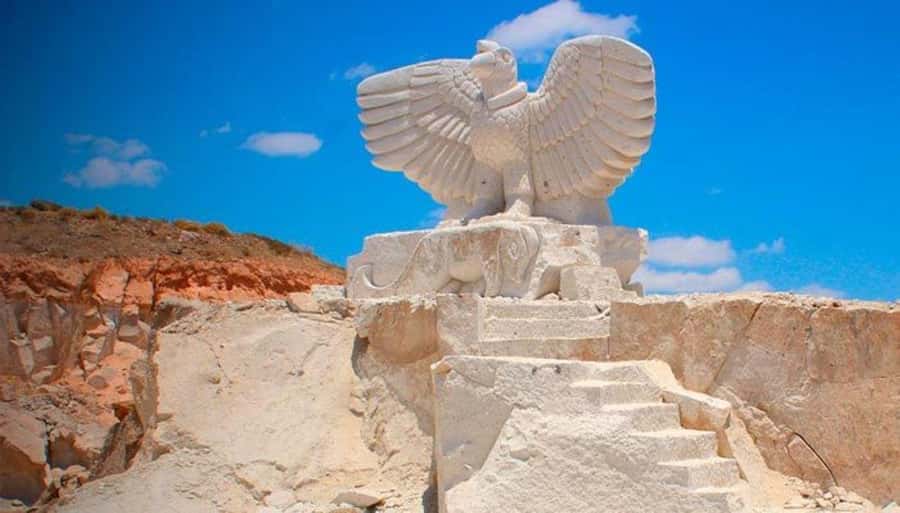
- Working sillar extraction at Añashuayco with stonemasons working early
- A mega carving of the Church of the Company of Jesus made by the stonemasons
- A short interior walk in the Quebrada de Culebrillas canyon (about 20 minutes)
- Wari petroglyphs at the end of the canyon path
- Apachetas—stacked stone offerings tied to gratitude and good luck
- Volcano and Chilina Valley viewpoints from the Mirador de los Volcanes area
A quick reality check on the 4-hour timing
This tour is built for a half-day that still feels full. You start at 09:15 and you’re back in Arequipa by 13:30, with the return leaving around 12:30. That schedule matters because it keeps the trip efficient: you get several key stops without feeling like you’re trapped in transit.
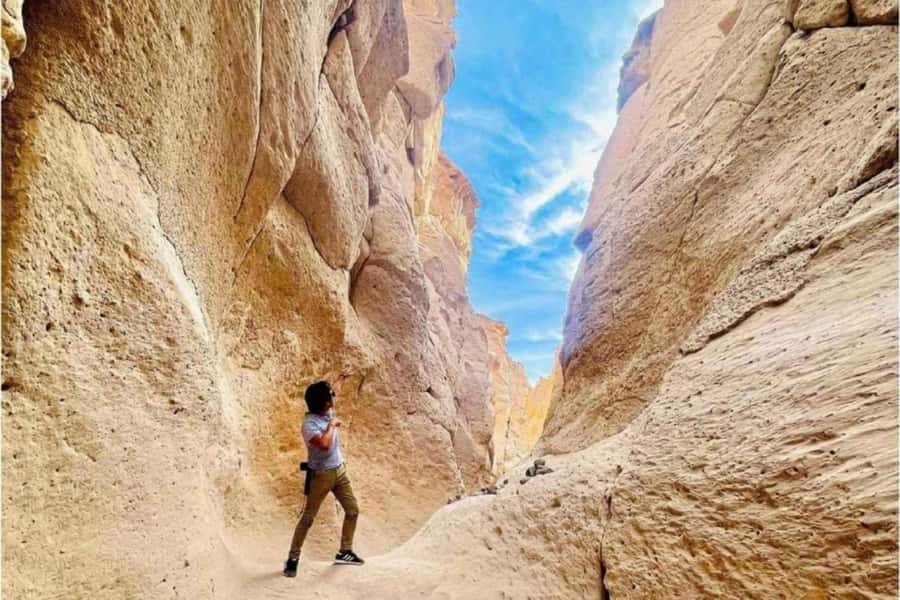
Also, your “hiking” time is limited. The most active moment is a walk of about 20 minutes inside the canyon at Culebrillas. Everything else is stops, viewpoints, and quarry time—so wear comfortable shoes, but think “short walk + culture,” not “big hike.”
Morning viewpoints: volcanoes, Chilina Valley, and Andenerías
Right after you begin the journey toward the Ruta del Sillar, you’ll stop at a strategic lookout point. The idea is simple: you get a view of the volcanoes and the Chilina Valley, and the guide uses that vantage to set the stage for what comes next.
Depending on the time of year, the tour may include a different traditional viewpoint early on. You’ll also see areas associated with Mirador de los Volcanes and Andenerías as part of the scenic flow. Even if you’re not a hardcore photo person, this first stretch helps you understand where the quarries and canyons sit in the larger Arequipa region—your brain likes the context.
Practical tip: if you want photos, keep your camera ready at the first overlook. These are the kinds of stops where the light and the view are the “product,” so you don’t want to spend the best minute fiddling with settings.
Añashuayco Quarry: seeing sillar production up close
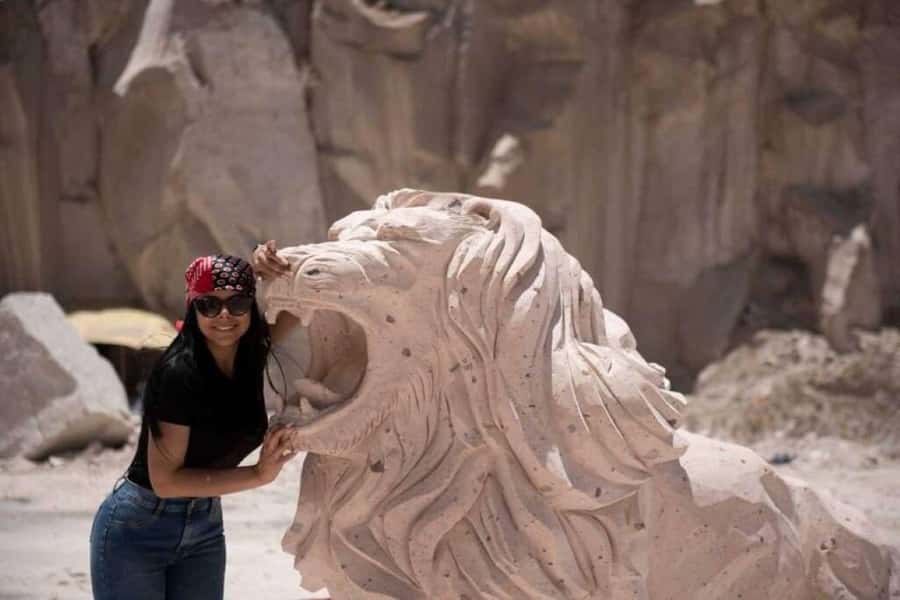
The route toward Añashuayco takes about 45 minutes, and when you arrive, the experience shifts from “viewing” to “working.” This quarry is currently in operation, and you’ll see stonemasons working very early. That early start is important. It tells you this isn’t staged history—it’s a living craft that still has a daily rhythm.
From here, you’ll look out over a huge canyon with cliffs made of ignimbrite walls. Those walls formed from extraction for ashlar production. It’s not just dramatic scenery; it’s also a physical explanation of how the material comes out and why the area looks the way it does today.
The guide will walk you through the history of ashlar, its production, and the use it’s been given over time. Even if you already know Arequipa is famous for its pale stone, I like how this tour keeps it grounded: you’re standing in the place where the material comes from, so the story doesn’t feel abstract.
The mega carving of the Church of the Company of Jesus
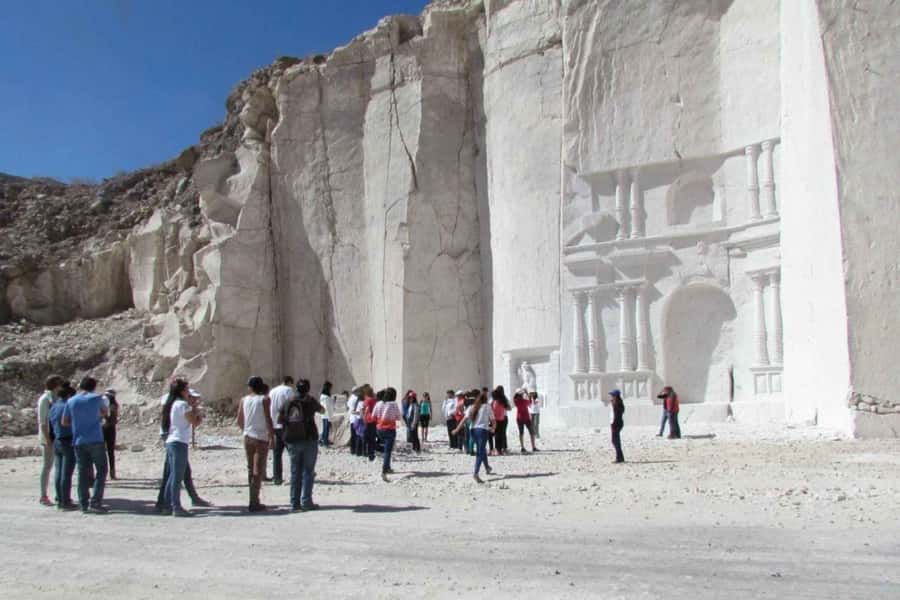
One standout at Añashuayco is the mega carving of the Church of the Company of Jesus. What makes this so memorable is that you’re not just seeing an art piece—you’re seeing a large-scale result of the same stone work you’re watching live.
The tour also offers a more personal angle: you can visit the stonemasons to hear what daily work looks like, and in the quarry area you can even try cutting one of the stone blocks yourself. You won’t turn into a master craftsman in minutes, of course. But the point is to understand the physical reality of the craft. You’ll come away with better respect for why this region’s stone has the reputation it does.
If you’re the kind of person who learns best by doing, this part is your payoff. It’s also a nice break from pure sightseeing because it changes the tempo—you get hands-on engagement.
Quebrada de Culebrillas: the short canyon walk that feels longer
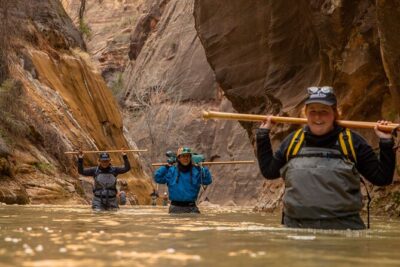
After Añashuayco, the tour moves about 30 minutes to the Quebrada de Culebrillas area. Then comes the most “hike-like” section: a walk of roughly 20 minutes through the interior of a small canyon formed by the passage of water.
The canyon walls start around 15 to 20 meters high, and as you move in, the walls rise, making the space feel tighter and more dramatic. Even though the walk is short, the canyon shape makes it feel like more than a casual stroll. You’ll slow down naturally because there’s a lot to look at—textures, curves, and the changing feel of the space as you progress.
This is also where you should pay attention to your footing. The tour doesn’t describe the surface in detail, so I can’t promise it’s flat and easy everywhere. But with a canyon interior, you’re smart to wear shoes you trust.
Wari petroglyphs: ending the walk with a time jump
At the end of the canyon interior walk, you’ll see petroglyphs made by the Wari culture—more than a thousand years ago. That time jump can hit harder than you expect, because it isn’t presented as “mystical for mystery’s sake.” It’s anchored to a specific place you walk through, and you can literally see the marks where the Wari left them.
I like that the guide ties this into the geography of the canyon. Water shaped the canyon over time; people later used that space and left their own messages. It’s one of those moments where you stop thinking about the clock and just look.
Photo note: petroglyphs can be tricky to capture if the light is harsh or angles are awkward. Take a few quick shots, then spend the rest of the time watching with your own eyes. This is one of those “you’ll understand it better live” stops.
Apachetas: gratitude, good luck, and a quiet moment
Before heading back toward the city, you’ll observe Apachetas—stone formations stacked one on top of the other. The guide explains them as symbols of gratitude toward nature and also as a way people associate with good luck.
This stop matters because it shifts the tour from “historical sites and geology” into lived meaning. You’re not just collecting sights; you’re seeing how people mark places that feel important. Even if you’re not into the mystical angle, the physical act of stacking stones is a window into how communities relate to the land.
You might feel a little “tour group” energy here, since it’s also a photo opportunity. Still, it’s one of those moments where a minute of quiet attention can change the feel of the whole experience.
Is it actually hiking, or is it sightseeing with a walk?
Based on how the day is structured, I’d call this a sightseeing tour with a short nature walk, not a full hiking day. The canyon walk is about 20 minutes inside the interior. Everything else is view stops, quarry time, and guided explanations.
So who should book it? If you want:
- a taste of the outdoors without committing to a long trek,
- quick context for Arequipa’s stone culture,
- and a canyon-and-culture hit in one half-day,
…this makes a lot of sense.
If you want:
- long distances,
- sustained climbing,
- or “real hiking” for most of the tour,
then you may feel slightly underwhelmed. The canyon section is the main walking segment, and it stays relatively contained.
Price and tickets: where the $20 feels fair
At $20 per person, this is priced like a value-focused half-day. The included pieces—tourist transport and a professional guide—matter because you’re paying for access and interpretation, not just bus fare.
What’s not included is the entrance ticket to the places: 10 soles. In practical terms, you should plan for that extra cost so it doesn’t surprise you at the start of a stop. Still, even with that addition, the overall structure looks fair for a 4-hour guided circuit that combines multiple distinct sites.
If you’re comparing options, think about what you get for your time. You’re getting a working quarry visit with demonstrations, plus the canyon walk with petroglyphs and Apachetas. That combination is hard to recreate on your own in a single afternoon without some planning.
How the guide experience can affect your day
Two things can shape how much you get out of the tour: explanation quality and sound clarity. One report you might consider: some guides can sound nervous or have a heavy accent, and the microphone may make certain sections harder to understand. That doesn’t mean the tour is bad, but it does mean you should go in ready to catch the key points rather than expecting every nuance to land perfectly through speakers.
My advice if you care about learning: ask questions at the stops where the group naturally pauses. Quarry time and viewpoint time are usually calmer moments for dialogue. If audio is unclear during movement, save your questions until you’re standing still.
Who this tour fits best (and who might want alternatives)
This is a strong fit if you like a mix of:
- hands-on stone craft (including the chance to cut a stone block),
- a geology-meets-human-history canyon stop,
- and a short, manageable walk.
It’s also good if you’re staying in Arequipa and want a half-day outside the city without getting stuck on a full itinerary.
It might feel less satisfying if you want the Sillar portion to feel purely spiritual or ancient in tone. The quarry route has a tourist layer, and some people focus more on photos than the story. If you want a slower, less crowded vibe, you might find other options better match your style.
Also, if you’re sensitive to audio clarity or you hate feeling rushed, keep in mind that this tour is efficient by design. The pace leaves less time to linger in any one place.
Should you book the Sillar Route with Hiking in Culebrillas?
Yes, I’d book it if you want a practical, high-reward half-day: working quarry + volcano viewpoints + a canyon walk with Wari petroglyphs + Apachetas. The price-to-time ratio is solid, and the hands-on quarry portion is the kind of detail that usually makes tours feel worth it.
I’d hold off or pair it with something else if you’re hunting for a long hike or if you mostly want a quiet, off-the-beaten-path experience. This day is more structured and photo-friendly than you might expect, and the walking is short.
If your goal is simply to see more of the Arequipa region in a single afternoon—without planning transportation yourself—this is a smart choice.
FAQ
FAQ
How long is the excursion?
It lasts 4 hours.
What time does the tour start and when do you return to Arequipa?
It begins at 09:15 and you arrive back in Arequipa at 13:30. The return trip starts at about 12:30.
Where does the tour take place?
It’s in the Arequipa Region of Peru, around the Sillar Route and Culebrillas area.
How much does it cost?
The price is $20 per person.
What is included in the price?
It includes tourist transport and a professional guide.
Are entrance tickets included?
No. Entrance tickets to the places cost 10 soles and are not included.
Is the tour guide available in English and Spanish?
Yes. The live guide is available in English and Spanish.
What do you do at the Añashuayco Quarries?
You learn about ashlar history and production, see the canyon cliffs formed by extraction, visit a stonemason area, and you can experience cutting one of the stone blocks yourself.
What is the canyon walk like at Culebrillas?
You take a walk of about 20 minutes inside the Quebrada de Culebrillas canyon, where the walls are roughly 15 to 20 meters high and increase as you go in.
What cultural stops are included in the hike area?
You see Wari petroglyphs and also Apachetas, which are stacked stone formations tied to gratitude and good luck.