That first climb toward Basque country pastures feels instantly rewarding. This 10-hour, small-group hike takes you away from San Sebastián and up into shepherd country, with breakfast, cider, and the kind of guide-led wandering that turns a route into a story.
I really like how the day is built around food at altitude: a proper breakfast before the trail, then a mountain snack with cider at a shepherd’s edge. I also like the flexible feel—after you reach the valley at about 950 meters, you can choose a tougher push toward a 1528-meter peak or take the easier valley option and still get the best views. The one drawback to plan for is weather: the experience requires good conditions, and the route will feel tougher if it’s windy or slick.
In This Review
- Quick Take: what you’ll remember most
- Why this Basque countryside hike feels more local than it looks on a map
- 8:00 AM in San Sebastián: start where locals actually begin their day
- Breakfast on the way out: fuel first, then start climbing
- The “shepherd’s paradise” valley: pastures at 950 meters and the best snack timing
- The peak option (1528 m) versus the valley route: your choice, your pace
- Circular hike and mini-yoga: why the day ends with your muscles, not just your phone
- 500-year-old farmhouse drinks: the kind of finish you remember in photos
- What’s included (and what’s not), plus how it affects your budget
- Group size, guide style, and how that shows up on the trail
- Difficulty check: 12 km, +600 m, moderate—what that means in real life
- Who should book this hike, and who should skip it
- Should you book this Basque heart hike?
- FAQ
- What time does the hike start, and where do I meet?
- How long is the tour, and what’s the difficulty?
- What food and drinks are included?
- Can I choose whether to hike to the peak?
- Is pickup available, and how big is the group?
- What happens if the weather is bad?
Quick Take: what you’ll remember most
- Small group (max 8) means you’re not stuck with the slowest (or fastest) pace.
- A real shepherd’s-edge break with local mountain snacks and cider, not just a generic stop.
- Peak choice at 1528 m lets you match the hike to your energy level.
- A circular route through pasture country, ending with a stretch session (mini-yoga).
- A 500-year-old farmhouse drink is a satisfying finish after the climb.
Why this Basque countryside hike feels more local than it looks on a map
San Sebastián is all energy and pinxtos—then this tour quietly flips the script. Instead of doing another city walk, you drive out into the Basque hinterland, where sheep bells, pasture paths, and working farms dominate the day. The payoff is that you get context for what you’re seeing. A good guide here doesn’t just point at a view; they connect it to how people live on these slopes.
The other thing I appreciate is that the tour isn’t only about summit-pushing. Yes, there’s an option to go high (up to 1528 meters), but the core experience is “shepherd’s paradise”: pastures, valley air, and food and drink that actually match the setting. You’ll taste things along the way that feel like part of the region’s routine, not a staged tasting.
Finally, it’s a practical format. You get a guide, navigation is handled, and the day flows with stops at meaningful moments—breakfast first, then a snack break after you gain altitude, then a wind-down at the end.
You can also read our reviews of more tours and experiences in San Sebastian.
8:00 AM in San Sebastián: start where locals actually begin their day
You meet at Boulevardeko Kioskoa, Alameda del Blvd., 25W, 20003 Donostia-San Sebastián at 8:00 am. That early start matters. It gives you time to drive for about an hour before the hike proper, and it means your legs work better while the day is still cool.
If you’re with a private group and you choose pickup, the guide can pick you up anywhere in the Basque Country. For most people, though, arriving at the meeting point is straightforward and you’re near public transport.
One small tip: if you’re the kind of person who hates arriving late to group tours, aim to be there a bit early. The hike is long enough that wasting even 15 minutes at the start feels silly later. This day moves.
Breakfast on the way out: fuel first, then start climbing
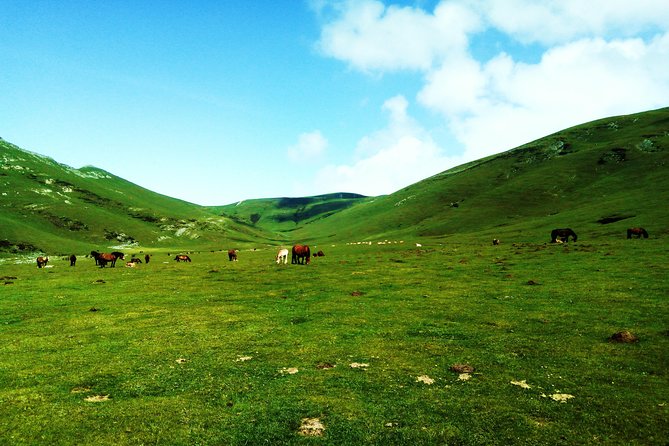
Before the trail begins, you drive about one hour and stop for breakfast. This is not a quick pastry-and-coffee moment that disappears before the first hill. The idea is to start with energy so the morning climb from about 700 meters above sea level feels manageable.
What you’re likely to eat is a full breakfast: fruit, a homemade pastry, and coffee. If you’ve ever tried a mountain hike on a half meal, you’ll understand why this matters. The tour’s difficulty is labeled moderate, but the total hike is 12 km with about 600 m of increased elevation—so you’ll want your body ready before the first steady uphill sections.
The “shepherd’s paradise” valley: pastures at 950 meters and the best snack timing
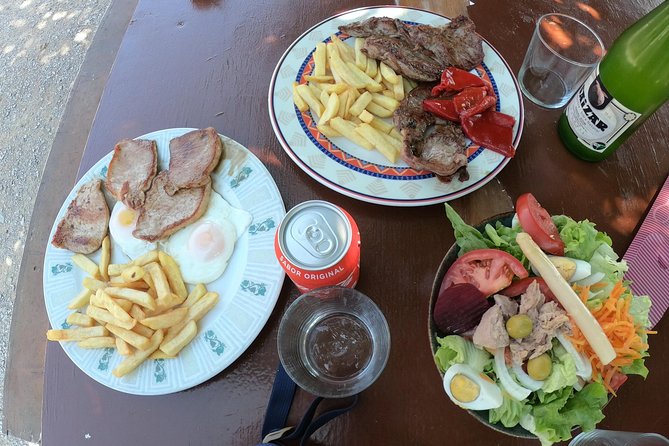
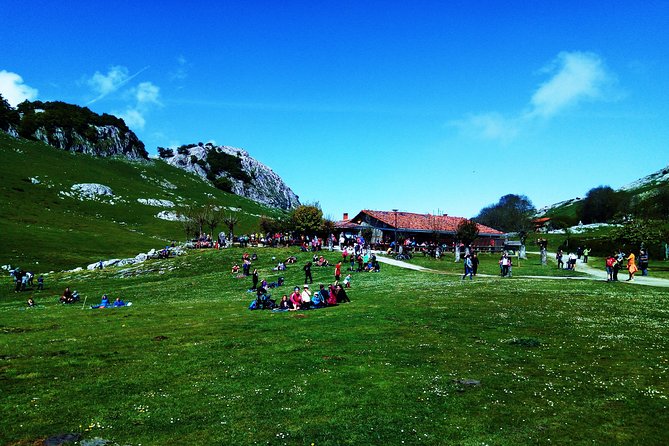
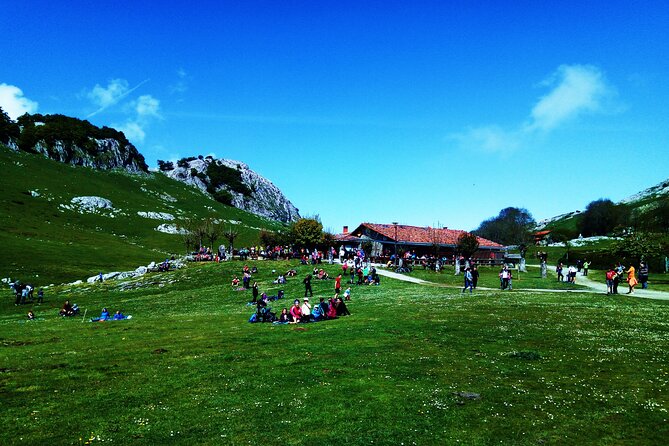
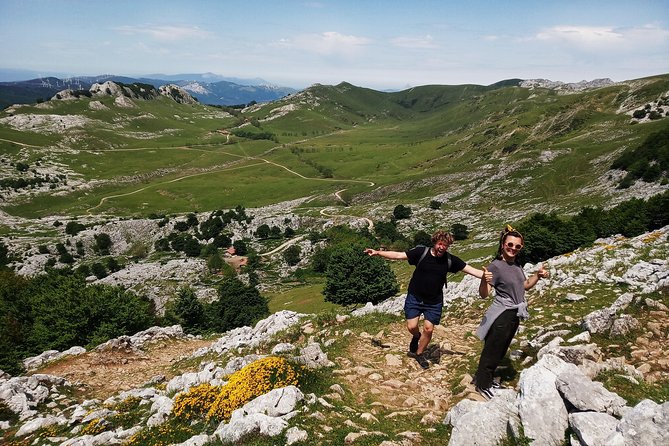
Here’s the heart of the day. Starting near 700 meters, you take an easy trail toward a valley around 950 meters high. This is where the countryside hike stops being a walk in the woods and starts feeling like real pasture country: open space, grazing areas, and the calm rhythm of shepherd life.
Once you reach the valley, you get the mountain snack at the shepherd’s edge. The tour description calls out a local base using natural products, plus cider. This is a smart pairing. Cider fits the setting, and having it here—after altitude effort but before the big choices—keeps your energy stable for what comes next.
In the experience, you’ll also have a moment to look around from the edge. That matters because the day gives you two paths:
- go higher toward one of the highest peaks in the Basque Country (1528 m), or
- relax and enjoy the valley views at a calmer pace.
If you’re unsure, choose based on how your body feels right then. You’re not being judged; you’re matching the day to you.
The peak option (1528 m) versus the valley route: your choice, your pace
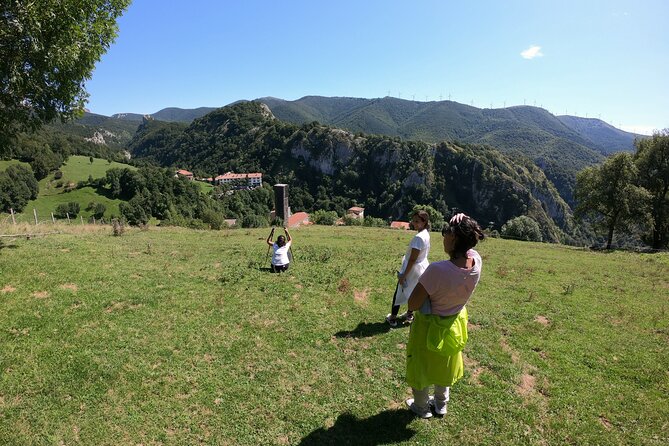
This is the part I like most about the tour: it respects different hiking styles without splitting the group into chaos.
If you opt for the peak, you’ll be pushing into tougher terrain after already gaining elevation earlier. You’ll likely earn your summit moment—views up high tend to come with that clear, wide-open feeling where everything below looks smaller and quieter. If the weather is good (and you came dressed for it), the peak experience can feel like a mini reset for your brain, not just a physical challenge.
If you skip the peak, the valley option still feels complete. You’re already in the right altitude zone, and the tour is designed so that taking the slower route doesn’t mean losing the best parts. You’ll still have the shepherd’s-edge snack, the dramatic valley perspective, and plenty of time on the circular route afterward.
Practical advice: if the day is windy, the peak option can feel more intense because exposed sections can shake your pace. In that situation, I’d lean toward the valley route and save your energy for the late-day stretch and farmhouse finish.
Circular hike and mini-yoga: why the day ends with your muscles, not just your phone
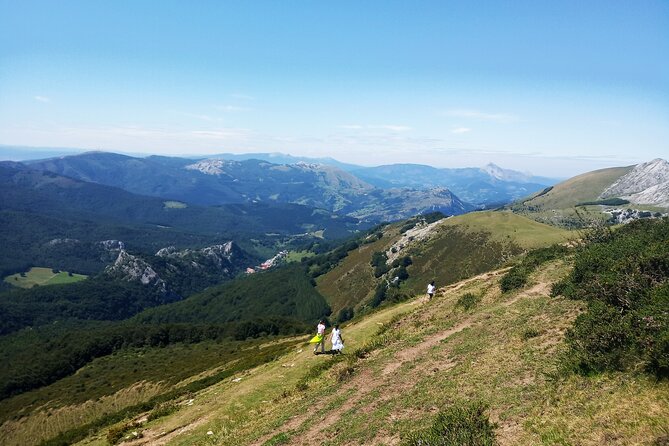
After the shepherd’s-edge break and your choice (peak or valley), you continue on a circular route through an area known for spectacular beauty. The goal here is variety: you don’t just go out-and-back. You gain views from different angles and you experience more of the countryside rather than repeating the same steps.
Then comes the mini-yoga session. It’s short, and it’s not about turning you into a yoga person. It’s about stretching after 12 km of hiking and helping your legs feel better before the drive back. I find that matters on this kind of day because long downhill sections and elevation changes can leave your calves cranky.
If you’re stiff, do the stretches fully. If you’re flexible, use it as a chance to relax your shoulders after hours outdoors.
500-year-old farmhouse drinks: the kind of finish you remember in photos
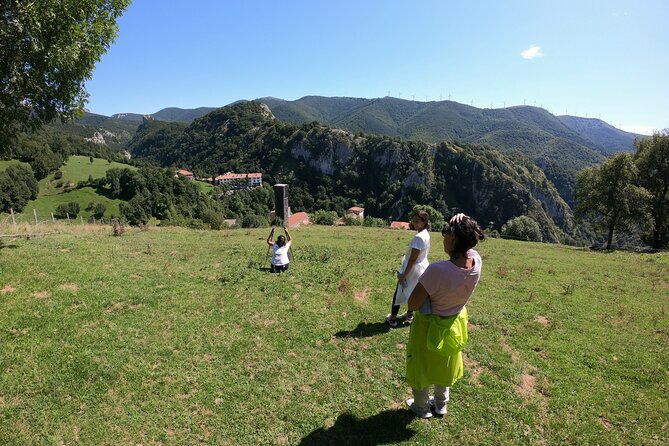
You’ll end the day with a drink at a 500-years-old farmhouse. That finish is more than a nice photo moment. It signals that the tour isn’t only about scenery—it’s also about how people historically used this land and how the Basque countryside connects to farm life.
The exact drink isn’t spelled out beyond having a drink, but in the spirit of the day you should expect local, easygoing hospitality rather than a formal dinner setting. It’s the kind of end that makes the hike feel like part of a lifestyle, not a boxed activity.
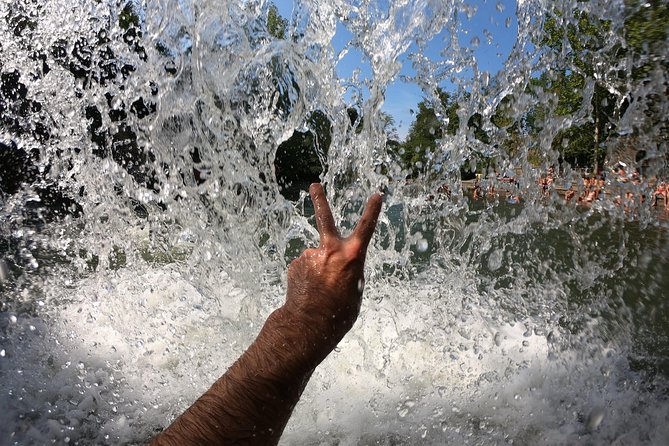
And if you want to go even further, you can add an option on the way back: a stop to take a bath in mountain waters. You’ll want to bring a towel and swimsuit if you think you’ll want this.
What’s included (and what’s not), plus how it affects your budget
This tour costs $771.34 per person, and value is all about what you get for that price.
Included:
- Breakfast with fruit, homemade pastry, and coffee
- Mountain snack with local products and cider
- Private transportation
- Mountain guide, hiking sticks, and water
- Accident and liability insurance
Not included:
- Lunch is optional. The listing mentions an optional lunch in the shepherd’s edge area, but food and drinks aren’t included there.
So you’re paying for more than “a walk with a guide.” You’re paying for:
1) transportation out of the city,
2) two guided food moments (breakfast + mountain snack), and
3) navigation and pacing for a full half-day hike with elevation.
If you’re comparing to a cheaper city tour, remember this is a full countryside day with real altitude and a guide who is invested in the region. Several hikers highlighted how the guide shared history and pointed out places you wouldn’t find on your own. The small group size (max 8) also supports the value, because the guide can actually keep eyes on everyone.
Group size, guide style, and how that shows up on the trail
The tour caps at 8 travelers, which changes the vibe immediately. It’s the difference between a group tour that drifts apart versus a hike where the guide can slow down when someone asks a question (or speed up when everyone’s feeling good).
Guides mentioned in past experiences include Julen and June, and the common thread is clear: they bring local passion and local detail. You’re likely to hear history, cultural context, and practical explanations of how shepherd-land works. That’s why this hike often feels like more than exercise. The guide adds meaning to the route.
Another useful detail: the guide provides mountain sticks. If you’re not used to hills, that helps your knees and balance—especially with the increased elevation and the downhills.
If you’re traveling as a family, you can do this—but the listing only says travelers should have moderate physical fitness. For kids or teens, you’ll want to judge your group’s comfort with a 12 km hike and a 600 m elevation gain.
Difficulty check: 12 km, +600 m, moderate—what that means in real life
The hike is listed as:
- Moderate difficulty
- 12 km distance
- 600 m increased elevation
Moderate usually means you’ll be walking steadily, maybe with some steeper stretches, but you’re not doing technical climbing. Still, 600 m of elevation over 12 km adds up. Plan for steady effort and take breaks when the tour stops you.
What to wear:
- appropriate hiking shoes
- layers (especially if it’s windy or cool)
What to bring if you want options:
- towel and swimsuit for the possible mountain water bath
Also, the experience requires good weather, so if clouds and wind roll in, it can affect how comfortable the hike feels. The tour can adjust by offering a different date if canceled due to poor weather.
Who should book this hike, and who should skip it
You should book if:
- you want Basque countryside beyond pinxtos and beaches
- you like guided hikes where food and culture are part of the trail
- you’re okay with a full 10-hour day and a moderate climb
You might skip if:
- you’re looking for an easy stroll only
- you hate wind exposure (peak days can be more challenging if it’s gusty)
- you’re not comfortable outdoors for most of the day
This is also a great pick for your first day in San Sebastián if you want a stronger sense of place fast. The countryside angle gives you context that makes later city visits feel richer.
Should you book this Basque heart hike?
I’d book it if you want a small-group, guide-led countryside day that mixes hiking with real Basque mountain food and drink. The best reason to choose this tour is the combination: early breakfast, a shepherd’s-edge cider snack, an optional high-peak moment, and then a proper finish at a centuries-old farmhouse.
If you’re flexible about weather and you dress for the outdoors, you’ll likely come away with more than photos. You’ll come away with the feeling of understanding how Basque rural life fits into the culture.
If you want a hike that’s mostly about views, choose the peak option. If you want a calmer day with the same countryside soul, go for the valley route and enjoy the pace.
FAQ
What time does the hike start, and where do I meet?
You meet at Boulevardeko Kioskoa, Alameda del Blvd., 25W, 20003 Donostia-San Sebastián at 8:00 am. The activity ends back at the meeting point.
How long is the tour, and what’s the difficulty?
It runs for about 10 hours and includes a 12 km hike with around 600 m of increased elevation. Difficulty is listed as moderate.
What food and drinks are included?
The tour includes breakfast (fruit, homemade pastry, and coffee) and a mountain snack made from natural and local products, plus cider. Lunch is optional and not included.
Can I choose whether to hike to the peak?
Yes. After reaching the valley around 950 meters, you can choose to go up to a peak at 1528 meters or relax and enjoy the valley.
Is pickup available, and how big is the group?
Pickup is available for private groups anywhere in the Basque Country. The group size is capped at 8 travelers.
What happens if the weather is bad?
This experience requires good weather. If it’s canceled due to poor weather, you’ll be offered a different date or a full refund.