REVIEW · ANCHORAGE
From Anchorage: Valley and Forest Hike with Naturalist Guide
Book on GetYourGuide →Operated by Go Hike Alaska · Bookable on GetYourGuide
A good day in Alaska starts with good shoes. This Eagle River valley and forest hike pairs a naturalist guide with real wildlife habitat along the Chugach State Park trails. I love how the walk mixes forests, salmon streams, and glaciated scenery, so the scenery changes without feeling like a theme park.
I also like the way guides keep you safe while still letting you look for animals. Guides I’ve heard called out include Michael and Abe, and both styles seem to focus on wildlife awareness without turning the hike into fear. One possible drawback: this isn’t a casual stroll, and parts are steep and hilly with uneven ground.
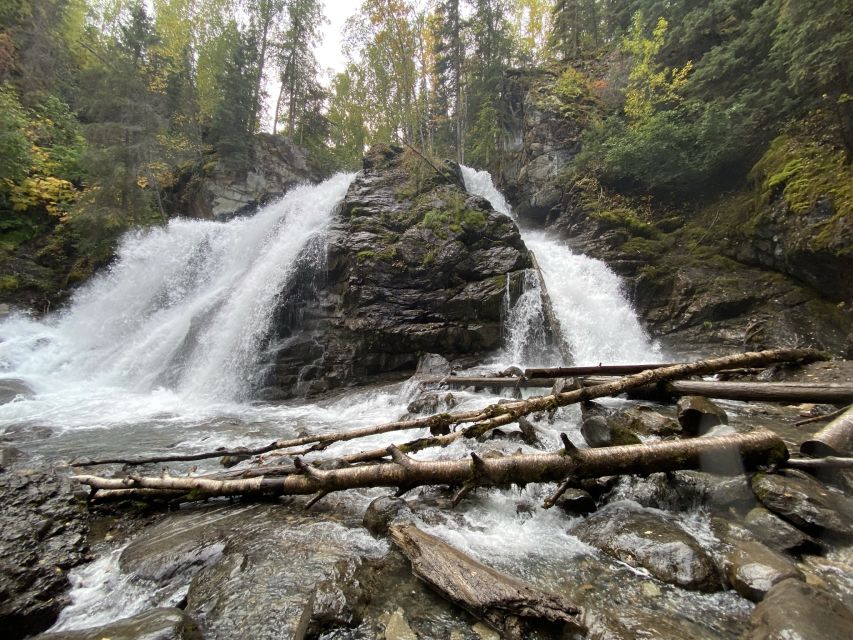
What makes this trip worth your time is the payoff: you earn the views on a trail system that wildlife actually uses. You’ll also get a short, satisfying finale at Barbara Falls, which is exactly the kind of “good stop at the right time” moment most hikes miss.
In This Review
- Key highlights to plan for
- Why this Eagle River hike feels like the real Chugach
- How the 5 hours actually break down on the trail
- Part one: Eagle River Nature Center area and salmon streams
- Wildlife chances in the forest
- Part two: the short transport and the Barbara Falls finale
- Wildlife watching: exciting, sometimes tense, always managed
- Barbara Falls: the photo stop that also teaches you to look
- The Iditarod trail connection and why it matters
- Price and value: what $179 includes and why it’s fair
- What to bring: the small list that makes a big difference
- Fitness level and safety: who should and should not book
- Getting to the start in Anchorage without stress
- Guides can make or break this kind of hike
- Who this hike is best for
- Should you book the Valley and Forest Hike with a Naturalist Guide?
- FAQ
- How long is the Valley and Forest Hike from Anchorage?
- What does the tour cost?
- How big is the group?
- Is transportation included, and where do I meet?
- What is included in the price?
- Do I need to have hiking experience?
- What should I bring with me?
- Are pets allowed on this tour?
- Are drones allowed?
- Is this tour suitable for wheelchair users or mobility impairments?
Key highlights to plan for
- Small group (up to 12) keeps the pace friendly and the wildlife viewing more controlled
- Eagle River trail system connects forest paths, salmon spawning areas, and valley scenery
- Iditarod trail section adds Alaska texture without needing a sled or a dog ride
- Wildlife spotting is part of the point with chances to see moose, bears, birds, and small mammals
- Barbara Falls half-mile walk delivers frequent photo opportunities and close-up plant/fungus viewing
- Snack-and-water support helps you stay steady on a 5-hour hike
Why this Eagle River hike feels like the real Chugach
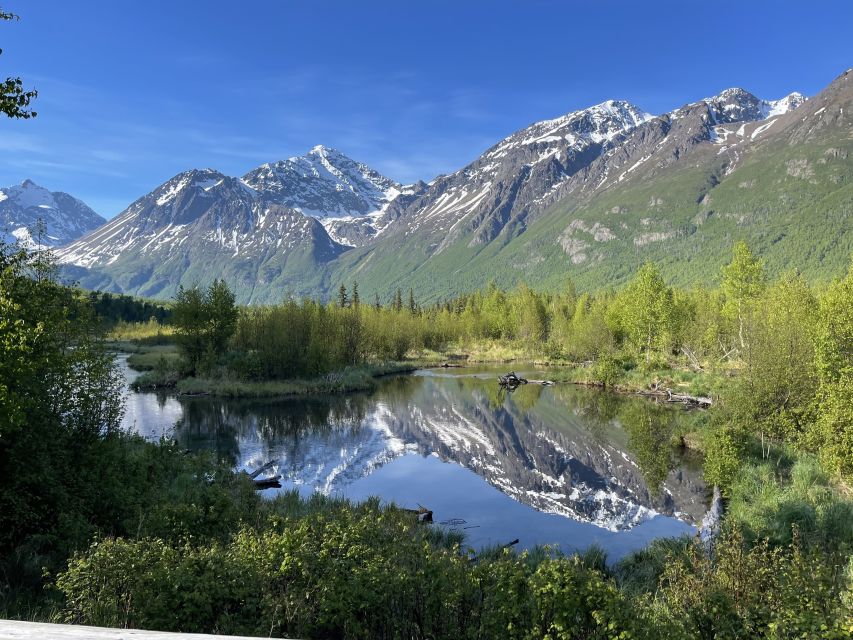
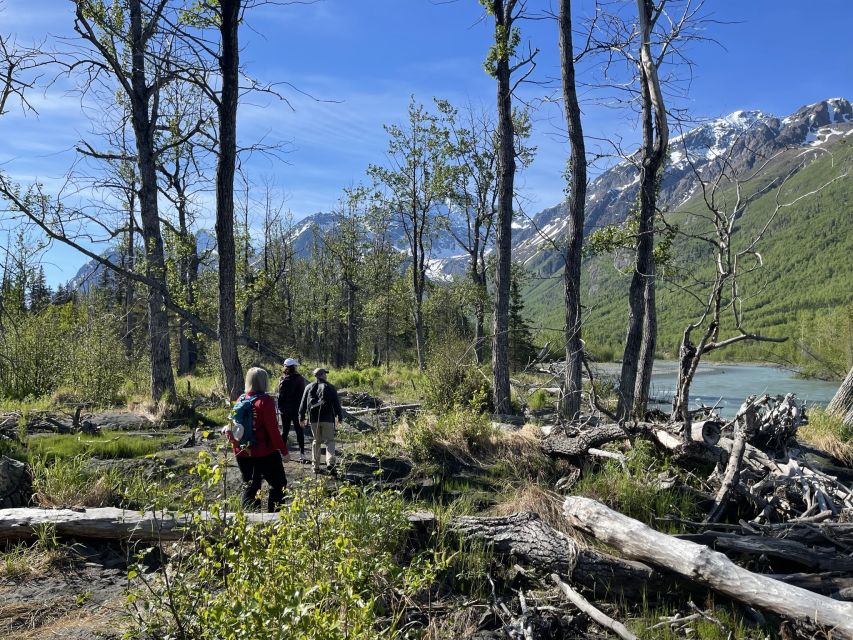
Anchorage has plenty of tours that toss you onto a viewpoint and call it nature. This one is different because it works with the land instead of just looking at it. You’re hiking through the Chugach State Park’s glaciated valley setting, on the Eagle River trail system where boreal forest meets salmon country.
That matters for two reasons. First, the forest and water aren’t just background. They create the real rhythm of the trip: short stretches where you walk, pause, listen, and look. Second, you’re in habitat where animals make decisions based on food and safety. Even when you don’t see the headline species, you’re still experiencing why the area is worth protecting.
You can also read our reviews of more tours and experiences in Anchorage.

How the 5 hours actually break down on the trail
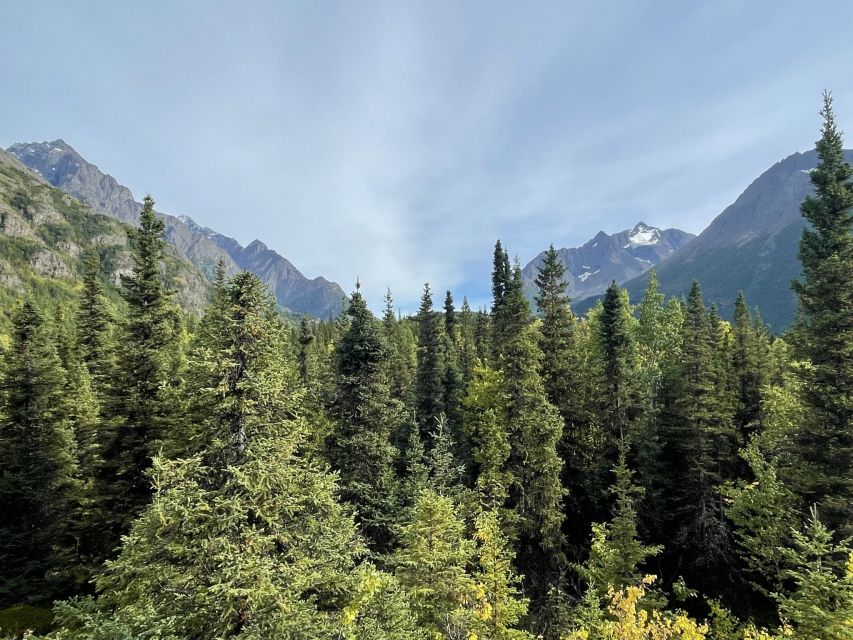
You’re on the move for about 5 hours, starting with a hike portion tied closely to the Eagle River Nature Center area. Expect a mix of forest paths and trail sections that can feel uneven and rolling. You won’t need technical gear, but you do need to be comfortable walking distances and handling slippery conditions when microspikes come into play.
Part one: Eagle River Nature Center area and salmon streams
The first stretch takes you to the network of forested trails along the north fork of the Eagle River, in the area connected with the Eagle River Nature Center. This is where the hike gets especially “Alaska” in a quiet way. You’re in boreal forest country, and you may spot signs of salmon spawning streams.
If you’re the kind of person who likes learning while you walk, this is a strong fit. In prior experiences, guides have been known to explain plants and what you should notice as you pass through different spots along the trail. That makes the hike feel less like cardio and more like observation practice.
There’s also a neat historical layer: you’ll hike a portion of the historic Iditarod dog sledding trail that’s no longer active for dog teams. You won’t see sleds or hear harnesses, but you get the sense of how trails become lifelines in winter—then how the same routes become wildlife corridors in summer.
Wildlife chances in the forest
As you move through thick spruces and birches, the guide helps you watch carefully, not just wander. This is where animals can show up in a few different modes:
- Big, slow, and calm: moose sightings are possible
- Busy and small: snowshoe hare and red fox sightings can happen
- Birds and water: the American dipper may be spotted swimming in a tributary warmed by geothermal heat
That geothermal detail is useful because it explains why you might see activity near water even when conditions feel cold. It also gives you something real to look for besides “maybe a bear.” Speaking of which…
Part two: the short transport and the Barbara Falls finale
After the forest portion, you’ll take a short ride to Barbara Falls in Chugach State Park. Then you walk about half a mile to reach and enjoy the waterfall area.
This part is designed to feel rewarding without being exhausting. The trail is short, but it’s not a flat walkway—it offers plenty of chances to slow down, point, and take photos. You’ll also get a close-up view of local plants and fungus, which is one of those nature details people often miss when they rush toward the biggest view.
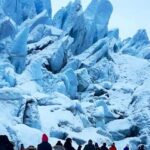

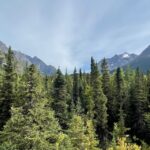
Wildlife watching: exciting, sometimes tense, always managed
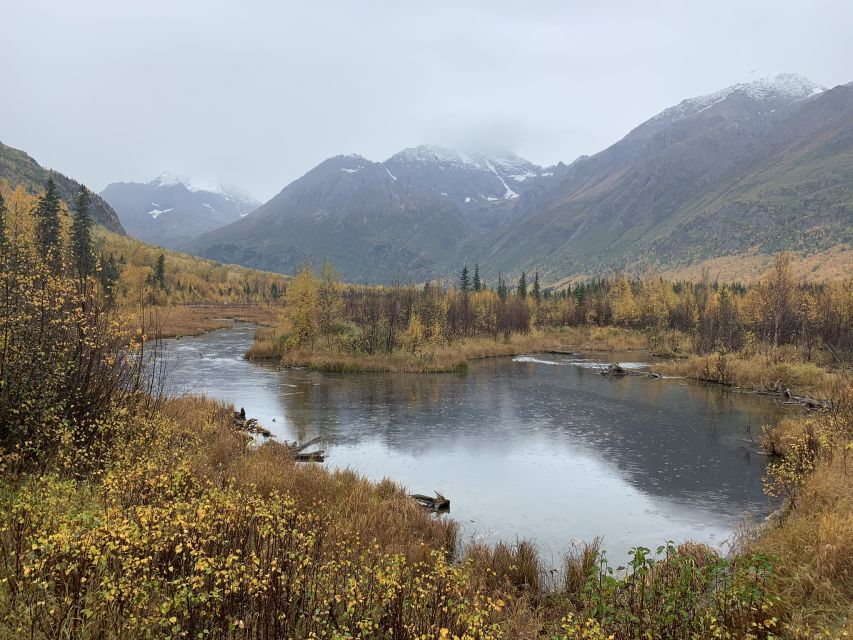
Seeing animals is one of the main reasons to book this hike, and it’s not promised in a way that turns it into hype. What you do get is a guide mindset built around safety and awareness. That shows up in the way sightings are handled.
For example, there’s a story connected with the route of a large bull moose on the trail. The guide spotted it before it got too close, and the group stayed safe while getting pictures. That’s exactly how wildlife encounters should work: early awareness, distance maintained, and calm movement.
There’s also a safety reality you should know about. At least one guide-run incident at the falls area involved a bear near Barbara Falls. The key point for you: guides treat wildlife seriously, especially around popular stopping points. That doesn’t mean the hike is unsafe, but it does mean you should listen when the guide changes pace, asks you to spread out, or gives specific instructions.
Barbara Falls: the photo stop that also teaches you to look
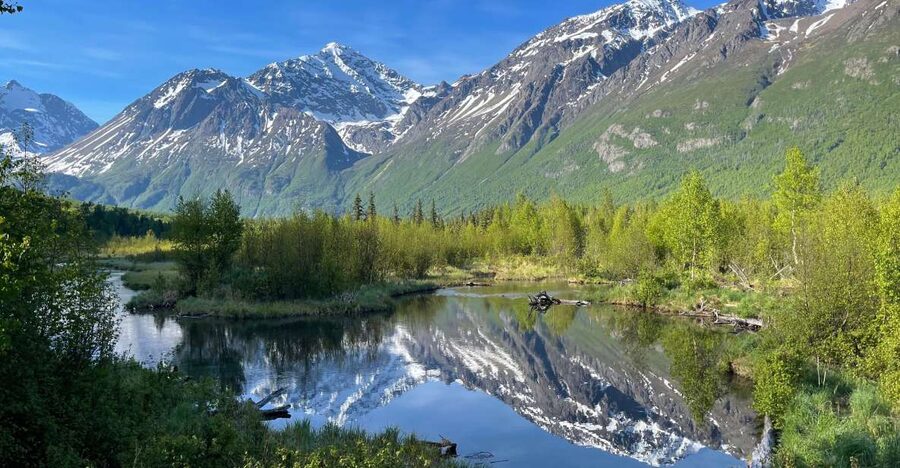
Barbara Falls is the kind of place that works on multiple levels. Yes, it’s a waterfall worth seeing. But the real value is the short walking approach that makes you slow down enough to notice things.
Because the walk is about half a mile, you don’t burn your energy before the payoff. That’s ideal if you’re trying to enjoy Alaska scenery rather than just survive a long distance. The guide also frames the area beyond the water—pointing out local plants and fungus—so you walk away feeling like you learned something tangible.
And the photo opportunities are frequent. Instead of a single “big shot,” you get multiple chances as the trail curves and the viewpoints change.
The Iditarod trail connection and why it matters
The historic Iditarod dog sled trail section is brief, but it adds context. Trails in Alaska aren’t just for tourists; they’re routes that connect communities, trackways, and seasonal travel. Even though you won’t see dogs or sleds on this hike, you’re stepping onto a path that once had a different job.
This kind of detail can make a hike feel more grounded. You’re not just thinking, I’m hiking in a forest. You’re thinking, this path mattered to people moving through harsh winters. That shift in perspective makes the scenery feel more connected to the place itself.
Price and value: what $179 includes and why it’s fair
At $179 per person for a 5-hour hike, this isn’t the cheapest day you can buy in Anchorage. But it also isn’t trying to be. The value comes from the combination of transportation, a naturalist guide, and the logistics that help you focus on the trail.
Here’s what you’re paying for in practical terms:
- Transportation from downtown Anchorage so you’re not scrambling to time a drive and parking
- Guided hike that improves your odds of meaningful wildlife spotting
- Snacks and water, which helps you keep steady energy without dragging the day
- Day packs and trekking poles available upon request, which is useful if you travel light
If you’ve ever done a self-guided hike where you spend half your time figuring out where to stand for pictures, you’ll appreciate the guide’s role here. Even when wildlife doesn’t show up on cue, the interpretive part—plants, habitats, and why specific areas matter—tends to be what keeps the walk from feeling repetitive.
What to bring: the small list that makes a big difference
This hike runs on weather and ground conditions. Alaska can change its mind fast, and that affects comfort and safety more than people expect. Bring items that help you stay functional:
- Sunglasses
- Sun hat
- Camera
- Hiking shoes
- Sunscreen
- Insect repellent
- Weather-appropriate clothing
If you tend to get cold, layer. If you blister easily, double-check your shoe fit before you show up. And remember: you should feel comfortable walking slippery conditions with assistance of microspikes. Even if you don’t use them all the time, you’re better off mentally prepared for uneven traction.
Also note what’s not allowed: no pets, no weapons or sharp objects, and no drones. It’s a nature setting with wildlife and a guide safety-first approach.
Fitness level and safety: who should and should not book
No experience is required, which is a big plus. But there’s a clear walking expectation. You should be able to walk at least 6 miles on flat pavement or 5 miles on uneven rolling terrain over about 4 hours. The route includes steep and hilly sections.
This is where you need to be honest with yourself. The tour isn’t described as suitable for people with back problems, mobility impairments, heart problems, wheelchair users, or respiratory issues. If any of those apply, don’t treat that as a maybe. Choose something gentler.
If you’re generally active—comfortable on uneven ground and steady when surfaces get slick—you’ll likely enjoy this. The mix of forest walking and a short waterfall section is a good balance: you get challenge up front and a satisfying conclusion without a final endurance grind.
Getting to the start in Anchorage without stress
The meeting point is in front of the Egan Center. There are parking garages nearby if you’re driving yourself. The tour also includes transportation from downtown Anchorage, so if you’re staying near the core, you’ll likely find this easy to slot into your day.
Timing matters for a 5-hour hike. Plan to arrive a bit early so you can gear up and get oriented before you head out.
Guides can make or break this kind of hike
The tour’s success isn’t just about the trail. It’s about how you experience it. Guides here have been highlighted for being attentive to safety and for explaining what you’re actually looking at.
I’ve picked up a consistent theme from how guides are described: safety is priority number one, but enjoyment still comes first. That’s the sweet spot on a wildlife hike. If the guide is calm, instructive, and observant, you get to relax into the experience instead of scanning the woods on your own.
If you’re the type who likes learning along the way—plants, animal habits, the meaning of local features—this kind of naturalist framing will fit you well. If you only want scenery with zero guidance, you might find yourself wanting a bit more independence. But the format is built around the guide-led experience, so lean into that.
Who this hike is best for
This tour makes a lot of sense if you want:
- A guided walk in Chugach State Park without planning every detail yourself
- Wildlife chances, including the hope of seeing moose, bears, birds, and small mammals
- A clear payoff at the end with Barbara Falls
- A day that combines learning and photos, not just movement
It’s also a good choice if you’re visiting Anchorage and want one high-quality outdoors day without renting a car for multiple stops.
Should you book the Valley and Forest Hike with a Naturalist Guide?
If you can walk 5 to 6 miles over uneven terrain, you enjoy forests and water, and you like learning what you’re seeing, I’d book this. The $179 price feels more reasonable when you consider that you get transportation from downtown, a naturalist guide, and support like snacks and water. Add the Barbara Falls finale, and you’ve got a hike with both effort and payoff.
Skip it if your body can’t handle steep, hilly sections or uneven slippery ground. And if wildlife experiences stress you out, be aware this tour is wildlife-focused and the guide will manage encounters with safety instructions.
FAQ
How long is the Valley and Forest Hike from Anchorage?
The tour lasts 5 hours.
What does the tour cost?
The price is $179 per person.
How big is the group?
The group is limited to 12 participants.
Is transportation included, and where do I meet?
Transportation from downtown Anchorage is included, and the meeting point is in front of the Egan Center.
What is included in the price?
Included items are transportation from downtown Anchorage, a guided hike, day packs (available upon request), trekking poles (available upon request), snacks, and water.
Do I need to have hiking experience?
No experience is required, but you should be able to walk at least 6 miles on flat pavement or 5 miles of uneven rolling terrain over the course of 4 hours.
What should I bring with me?
Bring sunglasses, a sun hat, a camera, hiking shoes, sunscreen, insect repellent, and weather-appropriate clothing.
Are pets allowed on this tour?
No pets are allowed.
Are drones allowed?
No, drones are not allowed.
Is this tour suitable for wheelchair users or mobility impairments?
No. It is not suitable for wheelchair users and people with mobility impairments.