REVIEW · LOMBOK
Mount Rinjani Hiking to summit( 2 Days 1 Night )
Book on Viator →Operated by lombok trekking info · Bookable on Viator
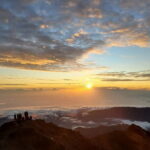
You climb into Rinjani’s night sky. This 2-day, 1-night summit hike from Sembalun is built around crater-rim camping and a 2:00am push for sunrise over Lombok, Bali, Tambora, and Segara Anak.
I like how the trek is staged with clear altitude “posts,” so you’re not guessing when to rest. I also really value the setup: an English-speaking guide, professional porters, and camp gear like a tent, sleeping bag, mattress, pillow, and even a toilet tent with paper.
The one drawback to plan for is the early start and the steep, chilly hours during the dark climb to the top. If you’re not comfortable hiking fast while cold and tired, this can feel intense.
In This Review
- Key things to know before you go
- From Sembalun Meadows to the 2,639m Crater Rim
- Pos 1, Pos 2, Pos 3: How the Staged Climb Works
- Camping on the Rim: Sunset, Sunrise, and Realistic Comfort
- The 2:00am Wake-Up and the 3,726m Summit Run
- Descending Back to Sembalun: The Legs-First Reality Check
- Guides, Porters, and What’s Actually Included
- Price and Budget: Where the Real Cost Lands
- Weather, Timing, and When Plans Get Adjusted
- What to Pack for Rinjani’s Cold Early Hours
- Who This Trek Suits Best (and Who Might Rethink It)
- Should You Book This 2 Days 1 Night Summit Trek?
- FAQ
- What time does pickup happen for this Mount Rinjani trek?
- What’s the summit time for the 3,726m climb?
- Is the national park entrance fee included in the price?
- What’s included for sleeping and camp?
- What food and water are provided during the trek?
- Is this trek dependent on weather?
Key things to know before you go
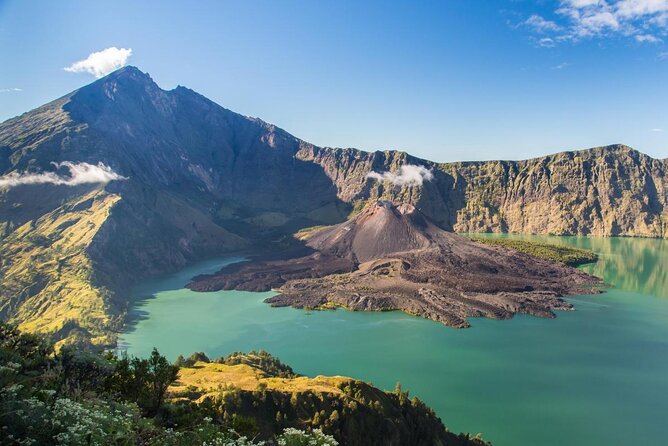
- Crater rim camping at 2,639m with sunrise and sunset views built in
- A 3:00am summit push so you’re at 3,726m for sunrise around 6:00am
- Pos 1 to Pos 3 altitude stops that break up the first-day grind
- Porters carry camp and cooking gear, so your job is mainly your pack + trekking
- Entrance fees are extra (national park fee per day), so budget beyond the trek price
From Sembalun Meadows to the 2,639m Crater Rim
This hike starts in Sembalun village, which sits at about 1,156m. From there, you’ll walk up through open meadow terrain before the route gets steeper. It’s a good first-day rhythm: you build breathing space before you start testing your legs for real.
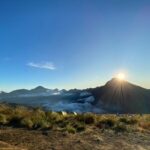
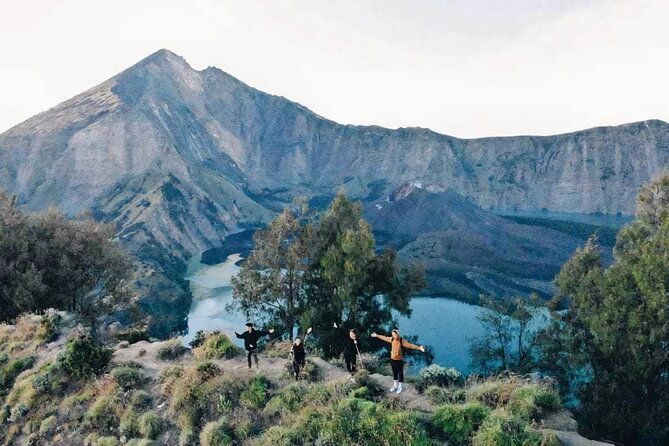
The main goal on Day 1 is reaching the crater rim at 2,639m and sleeping there. That’s where the view payoff happens—because you’re camping high enough to catch the sky changing colors, even before the summit run.
You’ll be picked up from your hotel around 7:00am and driven to the start point, then start trekking around 8:00am. Plan for a full day right away. There’s no gentle warm-up like a casual walk—this one ramps up.
You can also read our reviews of more tours and experiences in Lombok.
Pos 1, Pos 2, Pos 3: How the Staged Climb Works
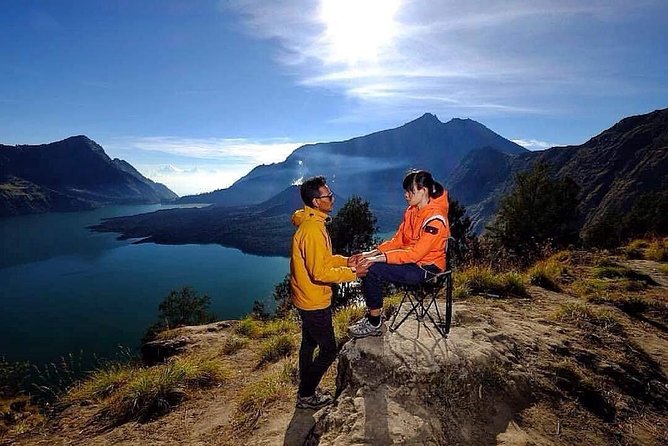
Day 1 is organized around three main stops that act like checkpoints for effort and timing. You climb for about two hours after leaving the start, then reach Post 1 (about 1,300m). After that, it’s about 40 minutes to Post 2 (1,500m).
Post 2 is where you stop for lunch. It matters more than you might think, because lunch here gives you fuel before the final push toward the crater rim. It also breaks the day’s monotony—your brain gets a checkpoint, not just a long grind.
Then you continue to Post 3 (around 1,800m). After resting there, you go for the steepest part of Day 1. The climb to the crater rim takes about 3 hours, including a prolonged steep section. That’s the part where you’ll want consistent pacing, not speed.
A practical tip: if you tend to rush at the start, force yourself to settle into a steady cadence after Post 2. Day 1 isn’t “get there fast.” It’s “save enough energy to sleep well and wake up strong.”
Camping on the Rim: Sunset, Sunrise, and Realistic Comfort
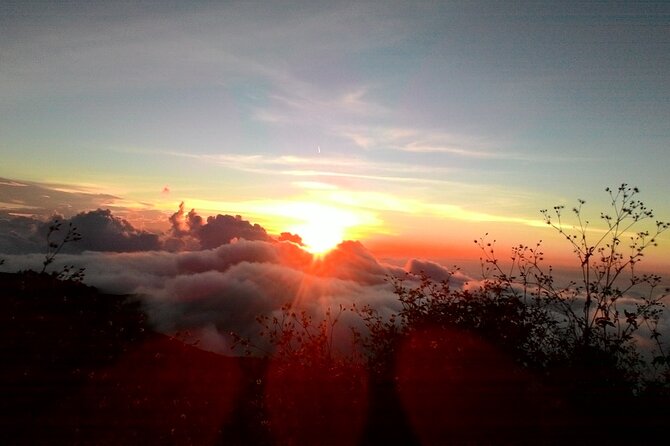
Reaching the crater rim is the finish line for Day 1. Once you’re there, you camp on the rim at 2,639m, so the night feels like it belongs to the mountain, not just to your itinerary.
Expect a proper camp setup. You’ll have a tent, plus a toilet tent with paper. You’ll also be provided sleeping bag, mattress, and pillow—comfort isn’t a gimmick here; it’s genuinely useful when temperatures drop.
The view is the emotional win. From the rim, you can enjoy sunrise and sunset. Sunrise is especially important because it sets you up mentally for the next day’s early run. Sunset also gives you something to “hold onto” while your body is cooling down.
Sleep strategy matters at altitude. Even with sleeping gear provided, you’ll likely feel the cold more than you expect, especially because the second day starts before dawn. Bring your layering mindset: you’re not just sleeping—you’re recovering for a 2-day effort.
The 2:00am Wake-Up and the 3,726m Summit Run
Day 2 starts with a wake-up around 2:00am. You’ll be given a hot drink and a light breakfast, then set out around 3:00am. That early start is the entire logic of the summit attempt: you’re climbing in the dark to arrive in time for sunrise.
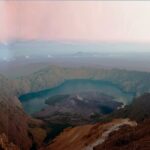
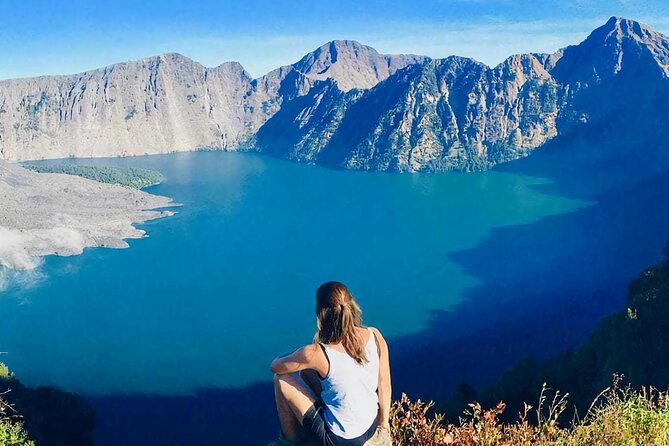
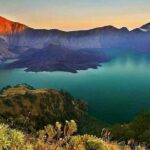
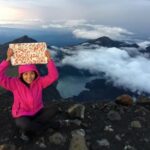
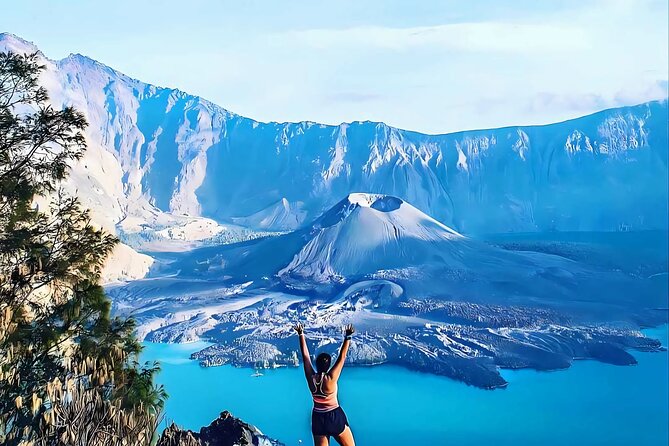
The summit climb is aimed at reaching 3,726m by about 6:00am. When that works, the reward is big: a panoramic view across Lombok island, Mount Bali, Mount Tambora (on Sumbawa), plus Segara Anak Lake.
This is also where a good guide can make a real difference. One guide name that comes up in past experiences is Jon, described as supportive and helpful in ways that make people feel at ease. On a climb that’s dark, steep, and fast, that kind of calm leadership helps you focus on steps instead of panic.
After summit time, you descend back toward the campsite. You’ll trek down for about 2 hours and have breakfast. Then it’s another long descent day toward Sembalun.
Descending Back to Sembalun: The Legs-First Reality Check
The descent is not “easy because you already reached the top.” It’s a different kind of hard—more impact on knees and more strain on hips and calves.
From the summit area, you drop back to the camp site in about 2 hours, then breakfast happens there. After that, you start the main descent back to Sembalun village.
That final leg takes about 5 hours. So even though you’ve done the emotional highlight, you’re still in work mode. This is why pacing on Day 1 matters: if you finish Day 1 exhausted, Day 2’s descent becomes harder than it should be.
If your feet tend to blister, keep an eye on your shoe fit during the first descent stage, not only at the end. A small hot spot can turn into a full problem once you’ve got hours of walking left.
Guides, Porters, and What’s Actually Included
This trek is structured with a guide and professional porters. The guide handles route leadership and safety, while porters handle the heavy lifting for camp.
Here’s what you can count on being included:
- An experienced English-speaking guide
- Professional porters
- A tent, toilet tent, and paper
- Sleeping bag, mattress, and pillow
- Porters who carry cooking gear and camping equipment
- Food and drinking water on the trek: 3 litre mineral water per person per day
- Pickup in your hotel in Senaru or Sembalun
A helpful pattern: because porters carry the camping and cooking load, you can focus on your personal pack and breathing. That’s a big value point for a summit attempt, where energy is the limiting factor.
In one past experience, people also mentioned free walking sticks being available to borrow and a warm coat being rentable. That’s not listed as a formal inclusion, so don’t assume you’ll get either. But it’s worth asking when you confirm your booking—those items can make a cold summit push feel more manageable.
Price and Budget: Where the Real Cost Lands
The price is $170 per person, and for a 2 days / 1 night summit trek with guides, porters, and full camping gear, it’s a fairly strong value if you want the full experience without logistics headaches.
But there’s one budget line you shouldn’t miss: the national park entrance fee is not included. The fee is listed as IDR 250,000 per day per person, which means IDR 500,000 total for two days.
That entrance fee matters because it’s the one “surprise” that often catches people off guard when they only look at the trek price. I’d budget the fee at the start so you’re not doing math on a mountaintop.
Also worth noting: your pickup is included from hotels in Senaru or Sembalun, and the trek uses mobile ticketing. That’s not just convenience—it reduces friction on arrival day.
One more value signal: this trek is commonly booked in advance (about 41 days on average). If you want a spot on a specific date, earlier booking gives you more control.
Weather, Timing, and When Plans Get Adjusted
This experience requires good weather. If weather forces a change, the operator says you’ll either be offered a different date or a full refund.
That’s important because summit hikes are weather-dependent by nature. Cloud cover, rain, or poor conditions can turn the plan into a safety problem. Having a clear weather policy means you’re not stuck guessing what happens next.
Another constraint: there’s a minimum number of travelers. If that minimum isn’t met, the experience may be rescheduled or refunded. In practice, that means if you’re going solo or on a very quiet date, you might want to confirm your departure well before you commit to other parts of your Lombok trip.
What to Pack for Rinjani’s Cold Early Hours
The trek doesn’t include trekking shoes, rain jacket, long pants, or gloves. So treat packing like part of the trip, not an afterthought.
Bring:
- Trekking shoes with decent grip (you’ll be walking up and down for many hours)
- A rain jacket or at least a reliable waterproof layer
- Long pants
- Gloves for the early morning chill
- Layers. Daytime can feel different from pre-dawn and night on the rim.
Even with sleeping bags provided, you may want warm layers for sitting around camp and for the early pre-summit period. If you tend to get cold easily, prioritize warmth over fashion. This isn’t the place for light comfort choices.
Who This Trek Suits Best (and Who Might Rethink It)
This hike is described as possible for most travelers, and it follows a guided, porter-supported structure with camps and rest points. That makes it more approachable than self-guided summit attempts.
It’s best for you if:
- You want a real summit experience in a short window (2 days / 1 night)
- You’re okay hiking steep stretches, especially on Day 1’s final climb
- You can handle waking up around 2:00am and starting the summit climb in the dark
It might not be ideal if:
- You’re sensitive to cold and don’t handle pre-dawn starts well
- You have injuries that flare with long descents (Day 2 includes a long trek back to Sembalun)
Should You Book This 2 Days 1 Night Summit Trek?
I think you should book this if you want the classic Rinjani rhythm: crater-rim camping, then a sunrise summit push with big views over Lombok, Bali, Tambora, and Segara Anak. The value is strong for what’s included—especially the guide/porter support and the camping setup with sleeping gear.
I’d also book it if you’re the type who likes clear schedules and defined rest stops. Pos 1 to Pos 3 on Day 1 makes the climb feel more manageable than “just keep going.”
But if early mornings and cold, steep effort stress you out, be honest with yourself before you commit. This trek isn’t a gentle hike—it’s a focused summit mission with comfort details that help, not magic that removes the challenge.
If you want, tell me your fitness level and travel dates, and I’ll help you decide how to pace the trek and what to prioritize in your packing list.
FAQ
What time does pickup happen for this Mount Rinjani trek?
Pickup is scheduled around 7:00am, and the trek starts in Sembalun around 8:00am.
What’s the summit time for the 3,726m climb?
You start heading toward the summit around 3:00am, and you can reach the summit at about 6:00am.
Is the national park entrance fee included in the price?
No. The national park entrance fee is IDR 250,000 per day per person, which is IDR 500,000 total for the two days.
What’s included for sleeping and camp?
You get a tent, toilet tent and paper, plus sleeping bags, mattress, and pillow.
What food and water are provided during the trek?
Food is provided on the trek, and you receive 3 litre mineral water per person per day.
Is this trek dependent on weather?
Yes. It requires good weather. If canceled due to poor weather, you’ll be offered a different date or a full refund.