REVIEW · LOMBOK
3D-2N Explore Mount Rinjani – Summit -Lake and Hotspring
Book on Viator →Operated by Cakrawala Rinjani Trekking · Bookable on Viator
Mount Rinjani rewards you fast, then keeps testing you. What makes this 3D/2N trek appealing is that you get real summit-and-lake hiking while still sleeping safely in Senaru on both nights, with camping equipment provided so you’re not hauling everything yourself. I also like that the trek is run with a guide and porter included, and that permits and insurance are covered in the price—fewer admin headaches, more time to focus on the trail.
There is one downside to consider: because the experience is capped at a small size (max 10) and described as private/small-group, coordination should be smooth—but in practice, some departures can feel less tightly managed than you’d expect, especially when groups are assembled together. If you’re the type who hates uncertainty, I’d confirm your day-by-day plan and your start times early.
In This Review
- Key takeaways before you commit
- What this trek really feels like: a summit schedule, not a casual hike
- Starting in Senaru: where you meet and why that matters
- Day 1: getting into Mount Rinjani National Park and setting your rhythm
- Day 2: the 2:00 am start and the Rinjani sunrise summit
- Day 2 and onward: Lake Segara Anak and crater scenery on the route back
- Day 3: descent through rainforest back to Senaru (and a chance at black monkeys)
- Why guide + porter support is the real value here
- Who should book this Mount Rinjani trek
- Price and expectations: how to judge $235 honestly
- Should you book it or look for another option?
- FAQ
- What’s the duration of the Mount Rinjani trek?
- Where does the tour start and what time?
- Where do you sleep during the 2 nights?
- Is a guide and porter included?
- Are permits and insurance included in the price?
- How early is the summit attempt on Day 2?
- What’s the maximum group size?
Key takeaways before you commit
- Two nights in Senaru: you get a proper night’s recovery setup instead of sleeping out after every major push.
- Guide + porter support: you’re hiking, not managing cooking and water logistics.
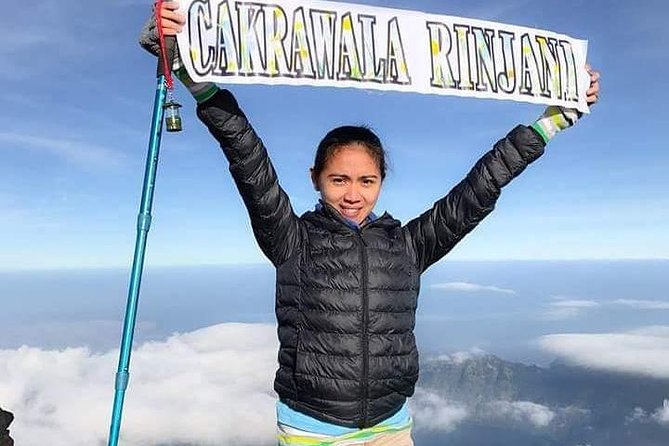
- Early summit push for sunrise: wake around 2:00 am, reach the summit around 6:00 am when conditions allow.
- Lake Segara Anak plus the crater rim route: the “middle section” is built into the program, not an add-on.
- Permits and insurance included: less paperwork anxiety and fewer surprises about what’s covered.
What this trek really feels like: a summit schedule, not a casual hike
This Mount Rinjani package is built around three big days: a start that feeds you into the national park zone, a summit attempt tied to sunrise, and a descent that brings you back down to Senaru by evening.
You should expect a route with steep sections, early-morning darkness, and real altitude effort. The tour is marked as suitable for travelers with at least moderate physical fitness, so if you’re new to high-altitude hiking, plan on needing training and a slower, steadier pace than you might use on lowland trails.
What stands out is how the itinerary spreads the effort: you’re not just doing a single point-to-point summit. You’re hiking toward the crater rim, reaching the top around dawn, and then spending time on the lake/crater scenery, before turning back down through rainforest on the final day.
You can also read our reviews of more tours and experiences in Lombok.
Starting in Senaru: where you meet and why that matters
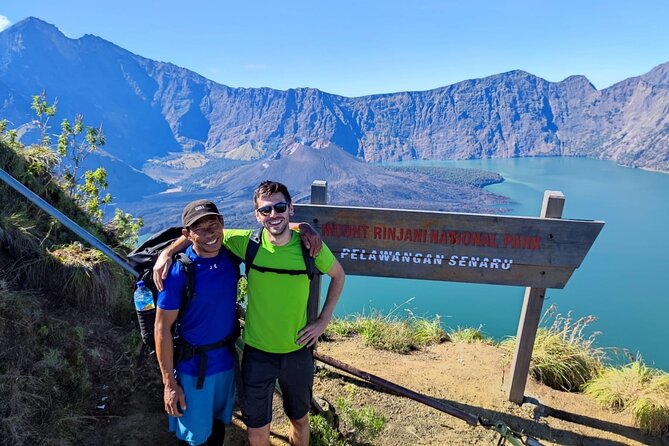
The tour meets at Cakrawala Rinjani Trekking on Jl. Pariwisata in Senaru, with a 7:00 am start time. Pickup is offered, which matters more than it sounds like—Senaru is where your “base” is, and morning logistics can eat your energy if you’re figuring things out yourself.
This matters because Rinjani treks live or die by timing. When your day starts late, your summit window can slip, and the sunrise climb becomes a longer, colder wait. By locking in a morning meetup and making the logistics part of the plan, you’re giving yourself a better shot at smooth transitions.
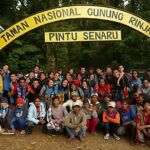
Also note the cap: the maximum is 10 travelers, and it’s described as private/small-group friendly. That usually means you’ll have more flexibility and clearer communication than you’d get with huge groups—but it still helps to stay aware that trail pacing and meeting times can shift if conditions require it.
Day 1: getting into Mount Rinjani National Park and setting your rhythm
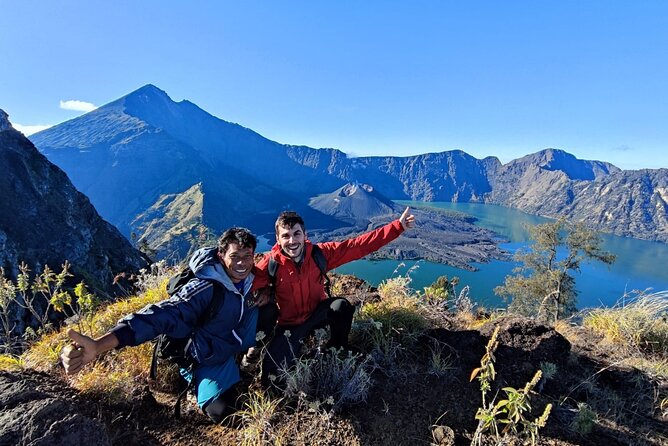
Day 1 is listed as about 7 hours in the national park area. The program is framed as a 3-day, 2-night trek that starts from Sembalun and moves toward the crater rim zone, with the overall goal of reaching the summit and later Lake Segara Anak, then returning down to Senaru.
Here’s the key value on Day 1: it helps you “warm up” into the trek without immediately going all-in on the summit push. Even if Day 1 feels like a workout, it’s also about building pacing—so when the calendar flips to an early start on Day 2, you’re not scrambling to catch up physically.
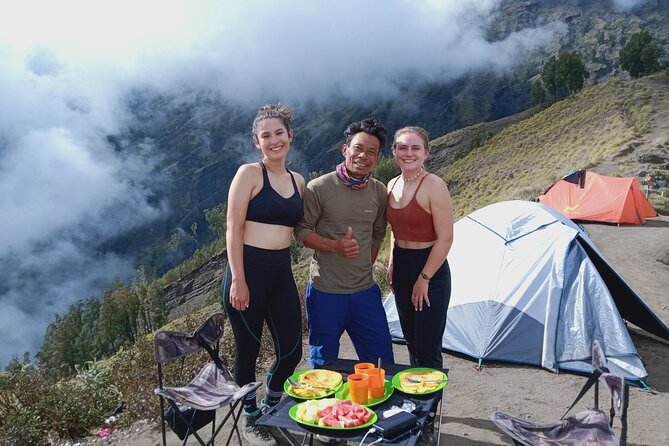
One more practical point: the experience includes camping support so you’re not carrying your own cooking setup and you’re not managing water in the way many independent trekkers do. That doesn’t make the hike easy, but it does keep your backpack lighter and your mind focused.
Possible consideration: because the program emphasizes moderate fitness and includes guides/porters, you’ll get the best experience if you follow the crew’s pacing. If you try to sprint ahead on Day 1, you’ll pay for it on the summit day.
Day 2: the 2:00 am start and the Rinjani sunrise summit
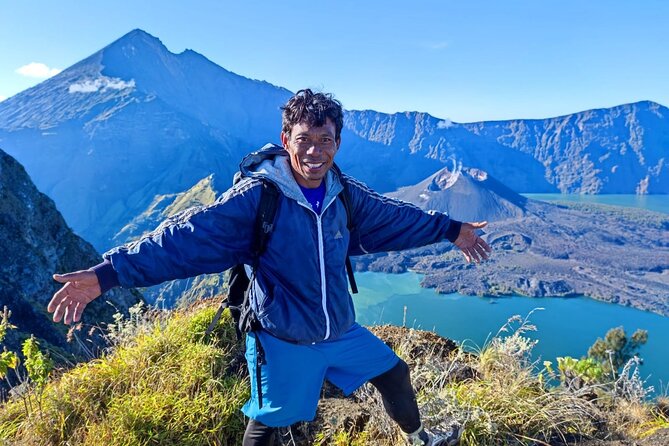
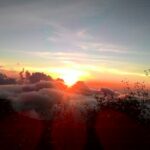
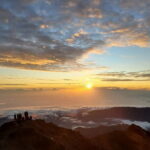
This is the headline day. You’ll wake at around 2:00 am with a hot drink and a light breakfast, then head toward the summit in the dark. The plan aims for you to reach the top around 6:00 am, so sunrise can be part of the experience.
What I like about this structure is that it’s explicit: early start, sunrise summit goal, then you’re moving again rather than treating the top like a lazy viewpoint. Rinjani is high, and time matters because weather can change quickly as the day climbs.
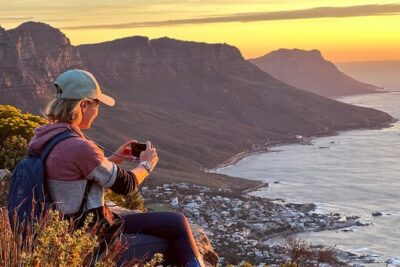
Once you’re up near the summit area, you’ll likely feel that classic “now it’s real” moment—your legs know you’ve been climbing all night, but your view horizon and light are what you came for. If you’re prone to getting chilled, early darkness is where you’ll feel it most, so prepare for cold hours rather than expecting a comfortable walk.
Another important thing: the program is built with a guide and porter, meaning you’re not negotiating heavy gear while also trying to manage altitude. That’s a big mental advantage at 3726 m—especially on a cold, steep, and sometimes slippery slope.
One drawback to watch: if you’re expecting a relaxed, scenic day only, Day 2 is not that. It’s physically demanding, and it’s scheduled. You’ll enjoy it most if you want the mountain experience at full intensity.
Day 2 and onward: Lake Segara Anak and crater scenery on the route back
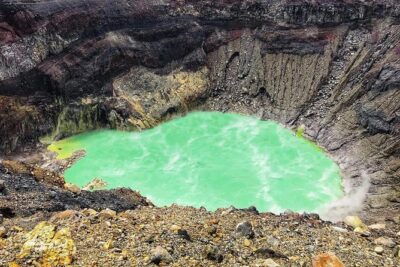
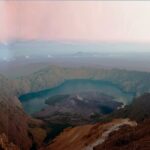
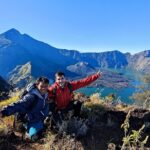
While the summit day has the biggest timing pressure, the trek’s identity is bigger than the peak. The tour is designed to include hiking by Lake Segara Anak and experiencing the volcanic crater landscape that surrounds it.
This is where Rinjani shifts from “climb” to “place.” Instead of only thinking about elevation and steps, you start noticing how the terrain changes—volcanic textures, water contrast, and the crater rim views that make the earlier steep effort feel worth it.
Also, the tour title includes hotspring, which signals that your day’s “reward stops” are meant to be more than just photos. Water-based relaxation after hard hiking is often what keeps people sane on Day 3.
Because the provided outline doesn’t give exact hot spring timing, treat it as a bonus included in the itinerary rather than something you can control. If you’re planning your schedule around a specific soak duration, keep expectations flexible.
Day 3: descent through rainforest back to Senaru (and a chance at black monkeys)
Day 3 is focused on coming down—about 6 hours total—after breakfast with sunrise again. The descent goes through rainforest on the way back to Senaru village.
This is the day your knees start filing complaints, so you’ll enjoy it more if you approach it like a controlled hike, not a race. Rainforest trails can be slippery, and they can also feel cooler and shaded compared to the morning summit zone.
A nice detail in the plan: if you’re lucky, you may spot the rare black monkey on the descent. You can’t count on it, but knowing it’s possible helps you stay observant rather than just watching the ground for footing.
By the time you reach Senaru, the overall design makes sense: you’re not staying in a remote camp for all nights. You’re getting a stable base back in town, which can be a big quality-of-life upgrade after two intense climbing days.
Why guide + porter support is the real value here
It’s easy to fixate on the summit number, but the day-to-day quality often comes down to the support system.
In this trek:
- Your guide handles route decisions and pacing.
- Your porter carries items so you don’t need to manage cooking equipment or water yourself.
- Permits and insurance are included, which is often where budget trekkers cut corners.
This package is priced at $235 per person, and that price only feels fair if you treat it like more than “just getting from A to B.” You’re paying for reduced hassle, risk coverage through insurance, and a system that expects you to hike hard without carrying the whole expedition on your back.
If you’re trying to save money by going independent, you’ll likely spend time and effort replacing what’s included here—permits, support roles, and the logistics that keep you from guessing on the trail. If you value a smoother climb and clearer responsibility, you’ll probably feel the value quickly.
Who should book this Mount Rinjani trek
This is a strong match if:
- You want summit sunrise timing rather than a “sometime later” version.
- You’re comfortable with early mornings and a physically serious hiking day.
- You prefer sleeping in Senaru on both nights instead of trekking-camp life every evening.
- You want a small-group setup (max 10) with guide and porter support.
It’s not ideal if:
- You hate uncertainty in pacing or organization.
- You want a fully relaxed tour with minimal physical strain.
- You’re looking for a fully DIY experience where you control every detail yourself.
Price and expectations: how to judge $235 honestly
At $235 per person, the right question isn’t just “Is it cheap?” It’s “What’s bundled?”
In this case, you’re getting:
- Guide and porter assistance
- Camping equipment support
- Permits and insurance covered
- Pickup offered (when available)
Those items add up fast on active trekking days. The best value comes when you show up ready to hike and trust the schedule. If you arrive unprepared—without enough fitness, or with a mindset that the climb should feel leisurely—you’ll likely judge the trek harsher than it deserves.
So I’d treat this as an adventure you’re buying structure for. The mountain still takes its due, but the setup reduces your mistakes.
Should you book it or look for another option?
Book it if you want a 3D/2N Mount Rinjani experience with real milestones: a sunrise-oriented summit attempt, time around Lake Segara Anak, and a final descent through rainforest back to Senaru with camping support and porter help.
Skip or shop around if you need ultra-polished coordination and hate feeling like the group plan might shift at the edges. Even with a small cap, high seasons can bring operational quirks, and you’ll enjoy the trek more if you can roll with minor changes without spiraling.
If you do book, do one smart thing: confirm your start times and what the crew is responsible for before you leave. Then you can spend your energy on the only job that really matters—walking uphill, one steady step at a time.
FAQ
What’s the duration of the Mount Rinjani trek?
The trek runs for about 3 days (3D-2N).
Where does the tour start and what time?
It starts at the meeting point in Senaru at 7:00 am.
Where do you sleep during the 2 nights?
You sleep in Senaru on both nights.
Is a guide and porter included?
Yes. You hike with a mountain guide and porter, and you don’t need to carry your cooking equipment or water.
Are permits and insurance included in the price?
Yes. All permits and insurance are covered by the tour cost.
How early is the summit attempt on Day 2?
You wake up around 2:00 am, and the plan aims for reaching the summit around 6:00 am.
What’s the maximum group size?
The tour has a maximum of 10 travelers.