REVIEW · MOSHI
Private Kilimanjaro Hike 7 Day Lemosho Route
Book on Viator →Operated by Nafika tours · Bookable on Viator
A good Kilimanjaro route feels like a plan, not a gamble. The Private Kilimanjaro Hike 7 Day Lemosho Route runs the mountain from the western side, works up slowly, and gives you the best views on the way to the crater rim.
What I like most is how the schedule builds in real acclimatization without wasting your time. I also like that you’re not trekking blind on logistics: pickup from Moshi, handled park formalities, and camp support all feel organized. One thing to keep in mind: this is still a serious altitude climb with a long midnight summit night and it depends on good weather.
In This Review
- Key highlights in plain terms
- Why the Lemosho Route’s “slow burn” works
- Price and what you truly get for $2,450
- Getting to the mountain: Moshi pickup and your first gate day
- Day 1: Lemosho Gate (2360m) to Big Tree Camp (about 4 hours)
- Day 2: Shira Plateau views and the long walk (about 9–10 hours)
- Day 3: Lava Tower acclimatization (then back down to Baranco Camp)
- Day 4: Barranco Wall plus glacier views, with a rest-friendly afternoon
- Day 5: Barafu Camp (4640m) and the quiet countdown to midnight
- Day 6: Summit night to Stella Point (5756m) and Uhuru Peak (5895m)
- Day 7: Mweka Gate certificates and the long exhale
- Who this private Lemosho climb fits best
- Stuff to consider before you commit
- Should you book Nafika’s private 7-day Lemosho route?
- FAQ
- How long is the private Kilimanjaro hike on the Lemosho route?
- Where does the climb start and what altitude?
- Is pickup from Moshi included?
- What’s included for camping and gear?
- Is oxygen or medical support included?
- Do I need a visa for Tanzania?
Key highlights in plain terms
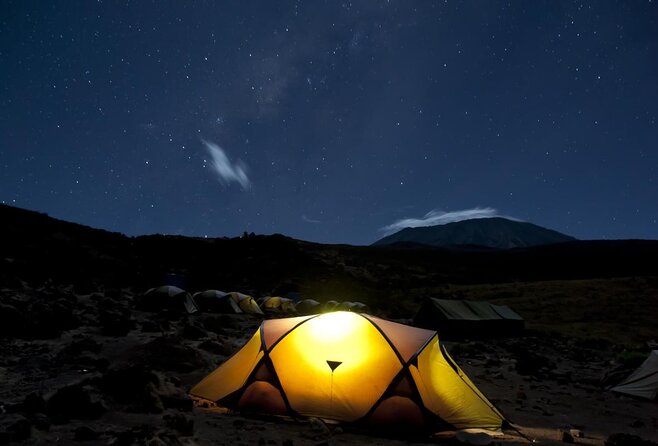
- Lemosho’s western approach: start at Lemosho Gate (2360m) and work around Kilimanjaro for big panoramic viewpoints.
- Scenery through several “worlds”: rainforest, moorland, alpine desert, then back through montane forest on the way out.
- Smart acclimatization days: you hike up, then descend to sleep at lower altitude (not just “walk higher and hope”).
- Summit route timing: wake around midnight, reach Stella Point (5756m), then Uhuru Peak (5895m) near sunrise.
- Support that matters at altitude: emergency oxygen, a first aid kit, and a Pulse Ox are listed as included.
- Private-by-design: your group only; planning and pace should feel tighter than joining a big crowd.
Why the Lemosho Route’s “slow burn” works
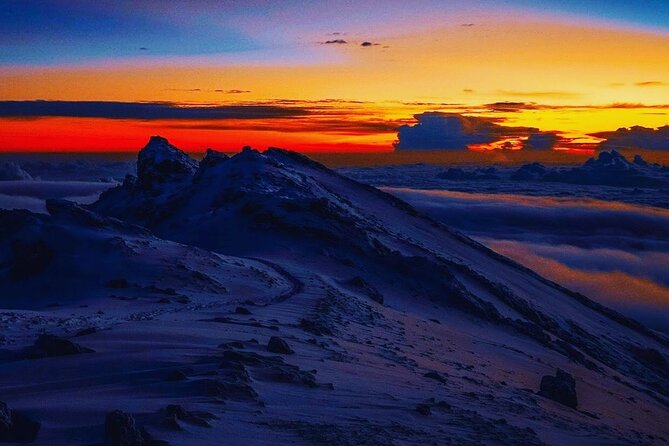
The Lemosho route is famous for views because of where it starts and how it circles the mountain. You get that western approach feel early on, then you keep turning the corner on Kilimanjaro’s scenery from different angles. It’s not just pretty; that variety can help you stay mentally fresh on a long climb.
The biggest practical win is the acclimatization rhythm. On this plan, you don’t only go up—you also deliberately step down to sleep, then continue. That matters because altitude doesn’t care how motivated you are.
One more benefit you should care about: the route is described as having a good balance of low crowds and high summit success. Lower crowd time often means fewer traffic jam moments at camps or trail bottlenecks. You can focus on your own pace instead of constantly matching someone else’s speed.
You can also read our reviews of more tours and experiences in Moshi.
Price and what you truly get for $2,450
At $2,450 per person, you’re paying for a full service climb, not just a guide and a “good luck” wave. The included items read like what you’d want if something goes wrong and you need calm, competence.
Here’s what stands out as real value:
- Camping gear and comfort basics: tents, sleeping pads, sleeping bags, plus chairs and tables.
- Medical and safety tools: emergency oxygen, a first aid kit, and a Pulse Ox meter (useful for tracking oxygen saturation trends).
- Water handled during the trek: treated water through the hike.
- Logistics + park costs covered: private transportation and all fees and taxes are listed as included.
You also get two night hotel stays in Moshi—one on arrival and one after the climb. That’s not just convenience. It helps you recover on the ground before you’re dealing with jet lag plus altitude plus a mountain schedule.
The one cost you should plan for separately is the visa (listed at $50 USD).
Getting to the mountain: Moshi pickup and your first gate day
Your experience is built around Moshi (the most common jump-off town for Kilimanjaro). You’ll eat breakfast, then you’re picked up around 8:00 am and transferred to Lemosho Gate on the west side. After arriving, Nafika tours handles pre-hike formalities before you start hiking.
Your first night is at Big Tree Camp after a forest start. Day 1 is relatively short—7 km / 4.3 mi in about 4 hours—and it’s a good opener. Even if you feel nervous, this day gives you time to find your stride without getting crushed.
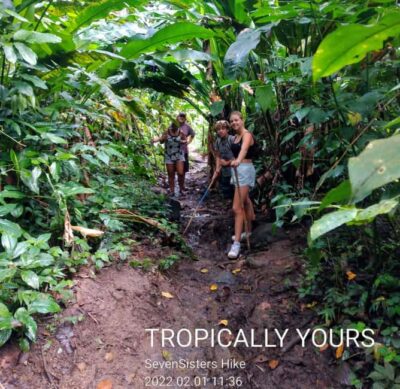
If you care about wildlife and thick forest vibes, Day 1 is where you get that. The route is described as passing through rainforest with unique wildlife, and the first day hiking through forest glades sets the tone.
Day 1: Lemosho Gate (2360m) to Big Tree Camp (about 4 hours)
This is your gentle start. You leave Lemosho Gate at 2360 meters, and the first hiking window is through forest glades toward Big Tree Camp.
What makes this day useful is pacing. The plan gives you a short hike, then you’re settled in camp for dinner. You also get a full meal setup on travel days: breakfast, lunch, and dinner are included.
A drawback? If you’re the type who wants instant epic views, you might have to wait. Day 1 is more about finding your rhythm than staring at the crater rim.
Day 2: Shira Plateau views and the long walk (about 9–10 hours)
Day 2 is a big move. You’ll cover 16.5 km / 10.3 mi in about 9–10 hours, trekking across a plateau of grassy moorland and heather with volcanic rock formations.
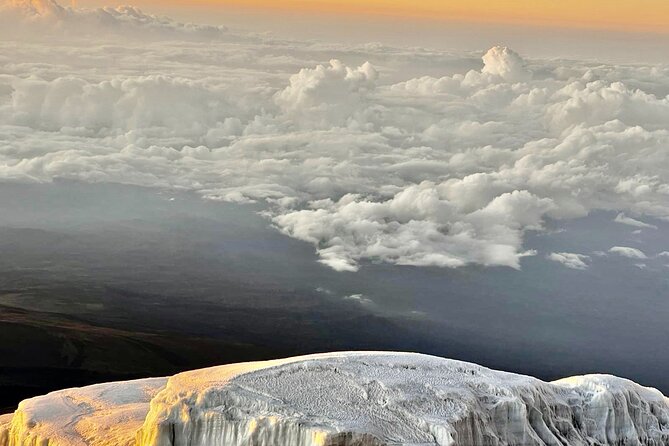
You’ll hike to Shira 1 Camp, where parts can feel steep, then continue toward Shira 2 Camp. A key moment here is what the route is set up to show you: you may be able to see Kibo Peak floating on the clouds from Shira areas, plus views of the Northern Ice fields from Shira 2.
This day is where the Lemosho story becomes more than a marketing line. When the weather is clear, that “different side of the mountain every so often” effect helps you feel like the climb is changing, not repeating.
Day 3: Lava Tower acclimatization (then back down to Baranco Camp)
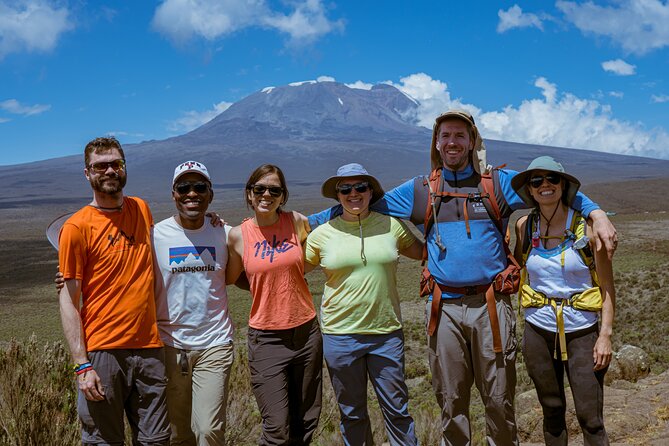
Day 3 is where the altitude strategy shows up. You hike to Lava Tower (4600 m), then descend back to Baranco Camp (3900 m) for the night. The listed total is about 6 hours and 10 km, and the terrain shifts into alpine desert.
That “go up, then sleep lower” structure is one of the best tools you have on Kilimanjaro. It’s basically a way to help your body adjust while still gaining elevation over time.
This day also gives you photo opportunities: the descent is noted for views of the Western Breach and the Baranco wall. The camp sits in a valley below the Barranco wall, which sets up a memorable sunset moment while you wait for dinner.
Day 4: Barranco Wall plus glacier views, with a rest-friendly afternoon
Day 4 takes you to the Barranco wall, described as an imposing obstacle that can feel easier than it looks. After that, the trail heads toward the Karanga valley.
On this day you pass beneath the Heim and Kersten glaciers, and you get a classic Kilimanjaro “three-peak” visual: you can look east from the camp and see Mawenzi. The plan is shorter in walking time—about 4 hours—and it includes a hot lunch in camp.
Why this matters: it’s a shorter day right before your summit push window. Your afternoon is your time, and the recommendation is to rest. This is the kind of day where you’ll benefit from treating your body like it’s about to work harder tomorrow.
Day 5: Barafu Camp (4640m) and the quiet countdown to midnight
Day 5 climbs to Barafu Camp (4640 m) after breakfast. It’s listed as about 4 hours and 4 km, which sounds easier than the rest of the week. But don’t be fooled—the big work is coming.
You’ll have views of Kibo and Mawenzi peaks along the way, then you arrive for lunch. After that, the afternoon is quiet time in camp, and dinner is early. Then you’re back in your tent, with alarms set around midnight for the summit night.
This is one of the most important days in the itinerary. Even if the hike itself is shorter, you’re paying for it with sleep schedule. If you’re sensitive to disrupted sleep, plan for that mentally and physically.
Day 6: Summit night to Stella Point (5756m) and Uhuru Peak (5895m)
This is the day most people remember forever—and the day you should treat with respect.
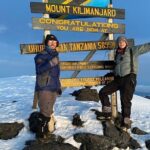
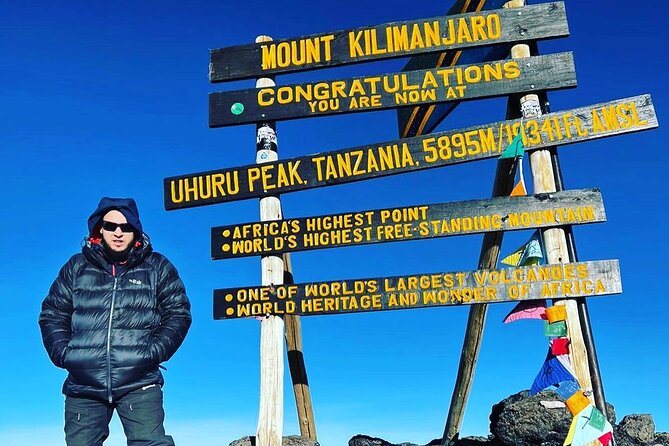
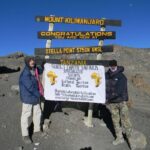
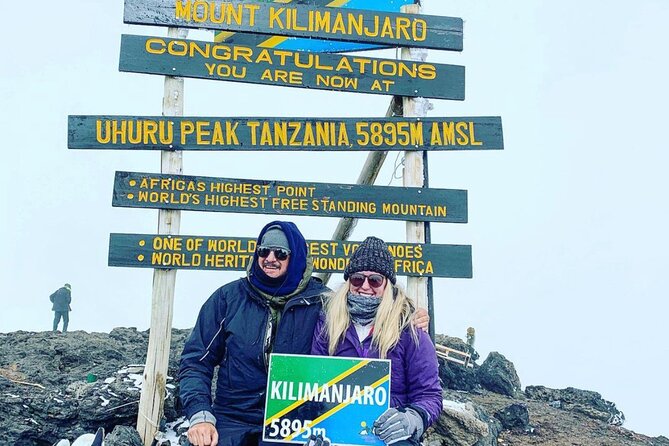
You’re awoken at midnight with light tea and breakfast. The climb is listed as 4 to 5 hours gaining height over a short distance, then you move toward Stella Point (5756 m) as the sun begins to rise. From Stella Point, it’s about 1 hour onward to Uhuru Peak (5895 m).
Photos are part of the summit setup, and then you start descending to Barafu Camp for lunch and rest. The day is listed as 12 hours total, which tells you how long it really is, even if the hardest sections are concentrated.
If the air feels thin (it will), your job is to keep moving at the pace your guide sets. With Kilimanjaro, “slow and steady” isn’t a slogan. It’s survival math.
Day 7: Mweka Gate certificates and the long exhale
On the final day, after breakfast, you start the descent. It’s a walk from Millennium Campsite to Mweka Gate, listed as about 5 hours and 14 km.
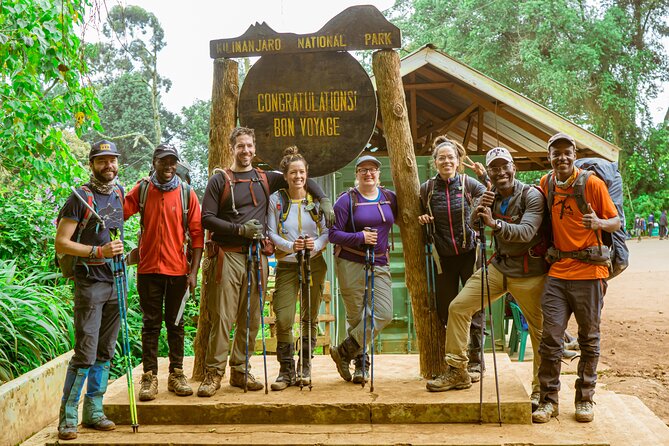
At Mweka Gate, you collect certificates and then say goodbye to your guides. After that, a private car takes you back to your hotel in Moshi so you can enjoy that warm shower feeling you’ll be thinking about since day 1.
The habitat on day 7 is listed as montane forest, which is a nice change. Coming out through forest often feels like your body is finally returning to normal altitude air.
Who this private Lemosho climb fits best
This plan is built for people with moderate physical fitness who want a structured, guided climb with proper camp support. If you like a route that prioritizes acclimatization and longer-term pacing over rushing, Lemosho fits.
It also fits you if you want a more controlled group experience. The tour is listed as private, so it’s only your group, not a big join-and-wait situation.
One more detail from feedback: people often praise the team and organization behind the scenes. The names Elias (owner) and guides such as Eli, Benson, Frank, and Sebastian show up in the tour’s positive notes. In at least one example shared, a small group had multiple guides and a large porter team, which typically helps keep camp life organized.
Stuff to consider before you commit
Here’s the honest checklist from the facts given:
- Altitude is the real challenge, not the distance. Even with acclimatization, summit day is intense.
- Weather matters. The experience requires good weather, and the operator states you’ll be offered a different date or a full refund if canceled due to poor weather.
- Visa is not included (listed at $50 USD).
- The summit night includes midnight waking and long hours. If you’re hoping for a “relaxed hike,” you’ll want a different style of trip.
Should you book Nafika’s private 7-day Lemosho route?
If you’re looking for a Kilimanjaro plan that mixes big scenic potential with a deliberate acclimatization schedule, I think this is a strong choice. The included safety items—emergency oxygen and Pulse Ox—plus treated water and full camping support make it feel built for real mountain conditions, not just a sales pitch.
Book it if: you’re ready for a serious trek, you want the western Lemosho approach, and you value organized logistics from Moshi through Mweka Gate.
Skip it (or at least rethink the timing) if: you’re very sensitive to disrupted sleep, you don’t want to deal with a long summit-day push, or your schedule doesn’t allow flexibility for weather.
FAQ
How long is the private Kilimanjaro hike on the Lemosho route?
It’s listed as 7 days (approx.). The day-by-day plan includes five hiking days plus the summit push night on day 6 and a final descent to Mweka Gate on day 7.
Where does the climb start and what altitude?
The climb starts at Lemosho Gate, at an altitude of 2360 meters.
Is pickup from Moshi included?
Yes. You’re picked up at your hotel (around 8:00 am after breakfast on day 1) and transferred to Lemosho Gate.
What’s included for camping and gear?
The tour lists all camping equipment, including tents, sleeping pads, sleeping bags, chairs, and tables.
Is oxygen or medical support included?
Yes. The included items list emergency oxygen, a first aid kit, and a Pulse Ox meter.
Do I need a visa for Tanzania?
A visa is listed as not included, with the cost stated as $50 USD.