REVIEW · MOSHI
One Kilimanjaro Day hike Tour ISMANI TOURS AND SAFARIS
Book on Viator →Operated by ISMANI TOURS & SAFARIS: #1.Best Tanzania Safari Co. | Kilimanjaro Climb | Serengeti | Arusha & Moshi · Bookable on Viator
A Kilimanjaro day, without the marathon. This Marangu Route hike runs from Marangu Gate up to Mandara Hut, with a challenging push to Maundi Crater before you head back down. You’ll spend about 8 to 12 hours on your feet, with an elevation gain around 915 meters (3,000 feet), plus time in the rainforest where wildlife sightings are possible.
Two things I’d really watch and feel good about: the pickup (so you’re not scrambling to arrange transport) and a guide who can turn a tough climb into a day you actually enjoy. Guides such as Yusuph and Norbert have been praised for being informed and motivating, even at the harder moments around the climb.
One consideration: a few experiences point to extra costs and inconsistent communication. One guest described a late start and added charges, and another flagged an after-tour contact issue, so it’s smart to confirm what’s included ahead of time and set clear boundaries on messaging.
In This Review
- Key things that make this Kilimanjaro day hike work
- Marangu Gate to Mandara Hut: the rainforest start that sets your pace
- What can feel tricky here
- Mandara Hut rest: why this stop is more than a bathroom break
- Maundi Crater climb: where the effort spikes and views take over
- Weather and footing reality check
- Heading down to Marangu Gate: the underrated skill is not burning out
- Price and value: what $230 covers (and what it doesn’t)
- Transport and pickup: how the start and finish affect the whole day
- Small but meaningful tip
- What to pack for a Kilimanjaro day hike without pain surprises
- Your guide experience: why names like Yusuph and Norbert keep coming up
- Group size and pacing: what max 50 means for your day
- How to pace yourself when you’re hiking as a group
- Who this one-day Kilimanjaro hike suits best
- Should you book ISMANI TOURS & SAFARIS for this Kilimanjaro day hike?
- FAQ
- Where does this Kilimanjaro day hike start and where does it end?
- How long is the tour?
- What elevation changes should I expect?
- Is pickup from Moshi or Arusha included?
- What is included in the $230 price?
- Are gratuities included?
- What is the maximum group size?
Key things that make this Kilimanjaro day hike work
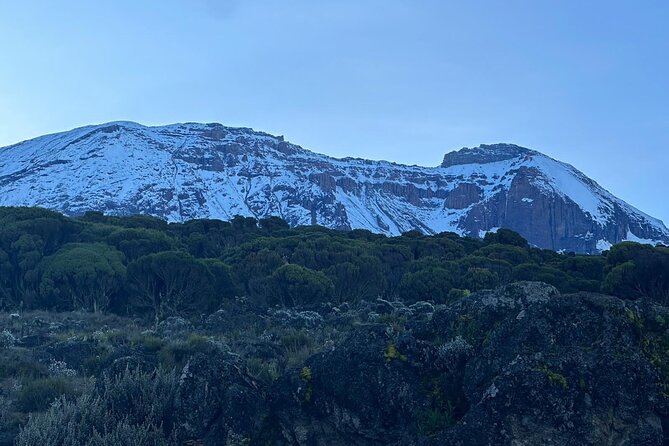
- Marangu Route focus: start at Marangu Gate (1,800m) and reach Mandara Hut (2,743m) for a real sense of progress
- Rainforest time early on: a 4 to 5-hour ascent where birds and monkeys like colobuses are possible
- Mandara Hut break: you stop, rest, and refuel before the harder climb onward
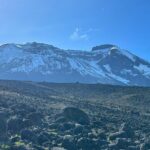
- Maundi Crater payoff: the demanding section is rewarded with big views from the crater area
- Guides who motivate: some groups reported extra encouragement like Kilimanjaro songs during tough stretches
- Group size stays capped: up to 50 travelers, though smaller groups can happen on the day
Marangu Gate to Mandara Hut: the rainforest start that sets your pace
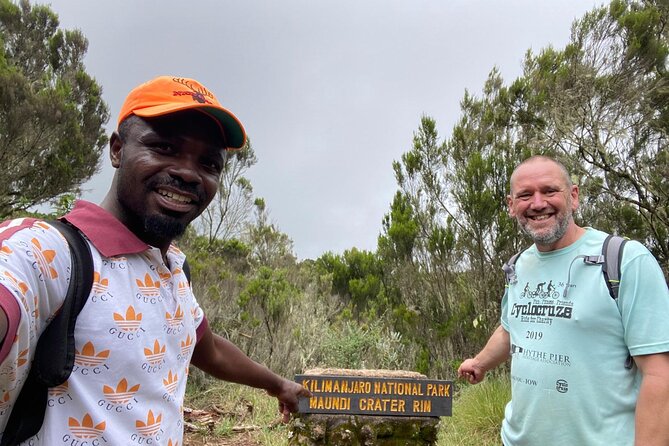
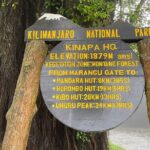
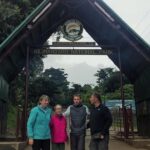
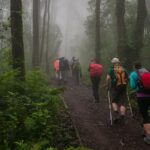
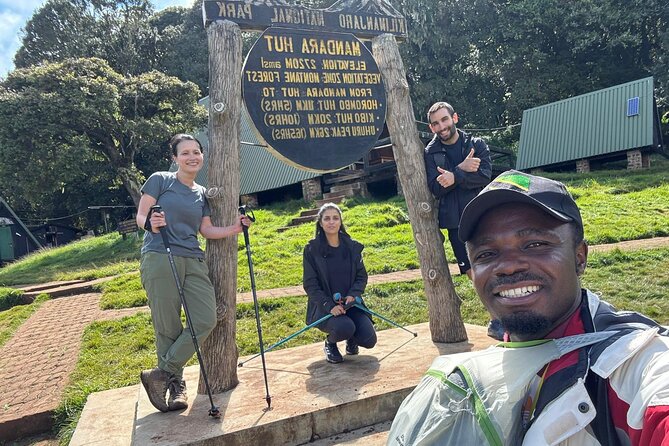
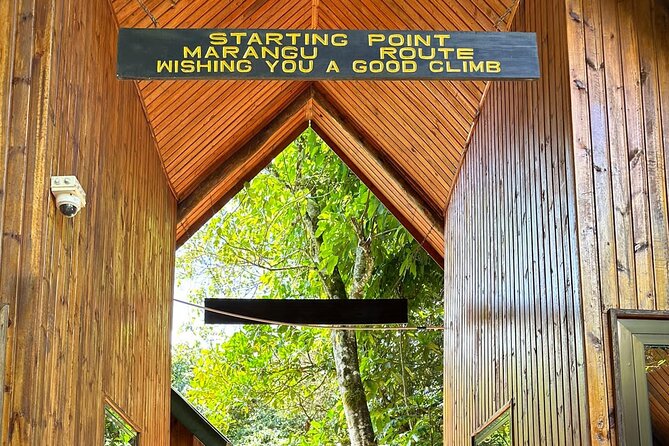
Your day begins at Marangu Gate (1,800m/5,905ft) in Kilimanjaro National Park, with the first stretch designed as a true warm-up. Expect roughly 4 to 5 hours of rainforest ascent, which matters because it shapes the whole hike: you’re not just grinding uphill right away, you’re adjusting to effort while the air stays cooler and the trail stays lively.
This is the part where I like the “nature” payoff. The route is known for sightings such as birds and colobuses, and there’s even a chance of spotting mongooses. Don’t count on any one animal, but if you like small surprises and quiet attention, this opening section rewards it.
You’ll be heading toward Mandara Hut (2,743m/9,000ft), and that elevation change is where you start to feel the climb in your legs. The good news: you’re doing it with a guide and with a plan that includes a proper break later, not just a push-and-pray day.
You can also read our reviews of more tours and experiences in Moshi.
What can feel tricky here
Even on a “manageable” day hike, the rainforest uphill can be slippery and tiring. If you’re the kind of person who tends to sprint early, you’ll want to rein that in. A steady pace early makes the later crater push feel harder in a controlled way, not like a shock.
Mandara Hut rest: why this stop is more than a bathroom break
Reaching Mandara Hut is your built-in reset. After the long rainforest climb, you pause to rest and refuel before continuing toward the more challenging section. This is where your energy management pays off: if you treat the hut stop casually, you’ll feel it later on steeper ground.
This is also where the tour’s “day hike” practicality shows. Instead of doing everything continuously, you get a structured rhythm: climb, stop, and then climb again with a clearer head. With a guide in charge, you’re also less likely to miss the small timing cues that keep a hike comfortable.
One of the most praised parts of these Kilimanjaro day trips is the guiding style. Guests gave specific praise for Yusuph and Norbert, describing guides who shared helpful Tanzania context and who stayed encouraging when the altitude and grade tightened up. That kind of mental support matters more than people think, especially when you’re not taking days to acclimatize.
Maundi Crater climb: where the effort spikes and views take over
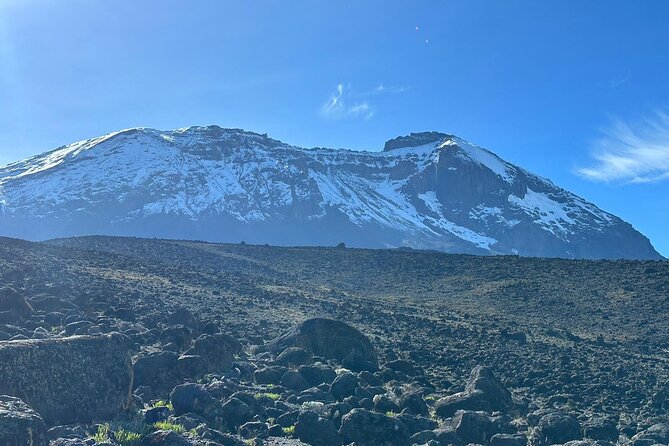
Once you leave Mandara Hut, the day shifts from “steady climb” to “challenging climb.” You’ll go for Maundi Crater, and the goal is the same as most good Kilimanjaro days: earn a memorable view without turning the day into a multi-day suffering contest.
Some of the best guidance comes exactly here. One guest credited Norbert for motivating them at a difficult point around 2,400m by keeping spirits up with songs. Whether or not your guide uses music, the principle stays useful: when the climb steepens, you need a pace you can sustain and encouragement that keeps you focused on movement, not panic.
At this stage, I’d think about your priorities like this:
- If you want photos, you’ll likely want to stop briefly when the view opens up, not constantly
- If you want to finish feeling proud, you’ll save energy by keeping a rhythm and letting the guide handle route timing
- If weather changes, you’ll want to trust your gear and your guide’s judgment
Weather and footing reality check
The tour information specifically asks for a rain cover/poncho and hiking boots. That’s not just formality. On Kilimanjaro routes, wet sections can mean slick footing, and a poncho keeps your day functional instead of turning into “walk, then wipe, then wait.”
Heading down to Marangu Gate: the underrated skill is not burning out
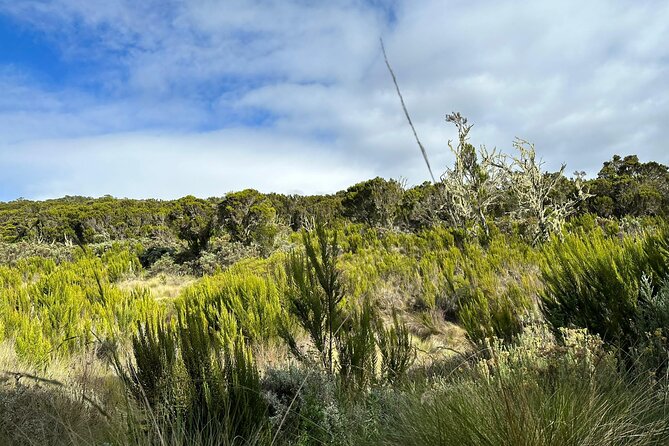
After Maundi Crater, you’ll descend back to Marangu Gate and then return toward Moshi or Arusha. The downhill usually feels faster, but it can be brutal on knees and quads if you rush it. I like that this is still a one-day plan, because you don’t have to recover for days, but you still want to walk smart.
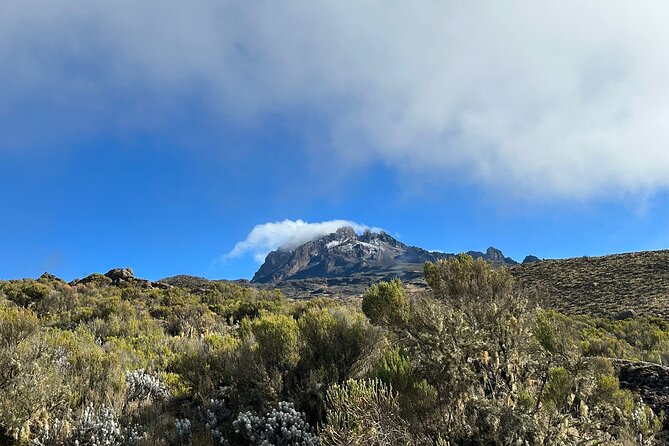
If you’ve been pacing well, you’ll likely feel that end-of-day satisfaction people talk about: tired, yes, but also powered up by the fact you did something big in one day. A day hike doesn’t give you summit time, but it does give you the core Kilimanjaro experience: elevation, ecosystems changing underfoot, and that crater-view moment.
Price and value: what $230 covers (and what it doesn’t)
The price is $230.00 per person, and for me the “value” question is simple: what does it buy you in real travel terms?
Here’s what’s included:
- Lunch box
- Bottled water
- Guide
- All fees and taxes
- Mobile ticket
- Admission ticket free
That combination is important because it reduces guesswork. You’re not trying to budget for separate entry fees on a tight schedule, and you’re not trying to negotiate a day-of plan while you’re already tired.
What’s not included:
- Personal expenses
- Gratuities for guide and driver, recommended around $10 to $20 per person
A practical way to think about this: if you’re already planning to pay for entry fees, transport time, and a guide, the included structure can make the day easier to manage. If you’re the type who likes to keep your spending tightly controlled, you’ll just want to budget the tips and any snacks beyond the lunch box.
Transport and pickup: how the start and finish affect the whole day
This tour offers pickup, and that’s a big deal on Kilimanjaro day hikes. Getting to Marangu Gate with a driver who shows up on time saves you stress you don’t need. More than one account highlighted safe, reliable pickup and return, including a driver returning people back to their hotel after the hike.
You’ll also be happy to know it’s listed as near public transportation. That doesn’t mean you must use public transit, but it’s useful if you ever need flexibility.
Timing matters because this hike runs 8 to 12 hours. A smooth pickup means you start the climb with your head in the right place instead of wondering if your driver vanished.
Small but meaningful tip
Pack your rain gear and boots before pickup. If you’re scrambling at the hotel entrance, you’ll lose that early calm that keeps the later crater section from feeling like a scramble.
What to pack for a Kilimanjaro day hike without pain surprises
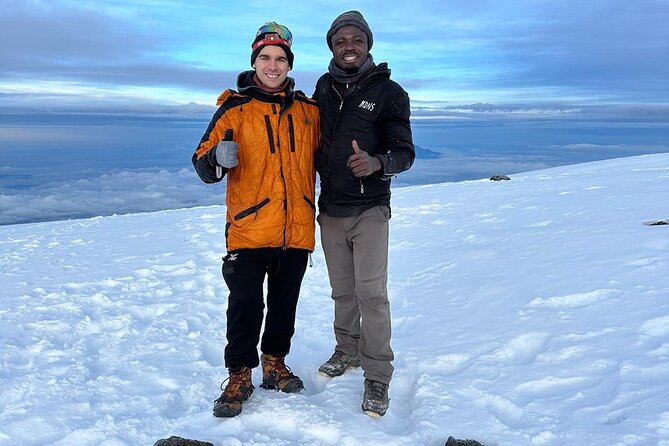
The tour guidance is clear about gear, and I agree with it. You’ll want:
- Rain cover/poncho
- Hiking boots
- Walking poles/sticks (optional)
That optional pole detail is worth taking seriously. Even if you’ve hiked before, poles can help with downhill control and reduce strain when the trail turns slick. If you already have trekking poles, bring them. If you don’t, it’s often still possible to use sticks, but the main goal is stability.
Also remember the park rule: drones are not allowed in the Park. So if your plan includes aerial shots, you’ll need to switch to ground-based photography.
Your guide experience: why names like Yusuph and Norbert keep coming up
For a one-day Kilimanjaro hike, the guide isn’t a background extra. Your guide affects pace, morale, and the little decisions that keep the day safe and enjoyable.
Some people described guides like:
- Yusuph, praised as very informed and helpful with Tanzania context
- Norbert, praised for caring, motivating, and even using Kilimanjaro songs during tough moments around 2,400m
- Tyson, mentioned as fantastic in one case, though the overall experience still included problems with the agency
In other words: the hike can be great because the guide is great, but you still want to be practical about communication and costs. If you’re sensitive to after-tour contact or want everything strictly scheduled, tell them what works for you up front.
Group size and pacing: what max 50 means for your day
The tour caps at 50 travelers, which keeps it from becoming a chaotic mob. Still, in a one-day hike, group density can change how quickly you move through rest points and how long you spend waiting for the slowest pace.
One guest described joining a group of 7 people, which suggests the experience can sometimes feel more personal. But you should assume you’ll be part of a group setting and plan to be patient during stops.
How to pace yourself when you’re hiking as a group
- Don’t match the fastest walker’s pace early
- Use your breaks for breathing and regrouping, not for over-snacking
- If you’re feeling strong early, save that energy for the crater push
Who this one-day Kilimanjaro hike suits best
This is a strong fit if:
- You want a taste of Kilimanjaro without committing to a multi-day climb
- You can handle a full day on uneven trails
- You’re okay with a route that prioritizes a meaningful day experience rather than summit goals
- You like the idea of rainforest wildlife chances on the way up
It may be less ideal if:
- You want a fully private, no-group vibe every minute
- You get upset by communication quirks or last-minute changes
- You’re extremely sensitive to “extra costs” situations—so you’ll want to clarify expectations before leaving
Also, if you’re traveling from Moshi or Arusha, the pickup-and-return structure is built for you. It reduces time logistics and helps you keep the day focused on the hike.
Should you book ISMANI TOURS & SAFARIS for this Kilimanjaro day hike?
I’d book it if you want a well-structured, one-day Marangu Route climb with a real stop at Mandara Hut and a crater-view goal. The included price—guide, lunch box, bottled water, and fees/taxes—is the kind of setup that usually makes travel days smoother.
I would hesitate only if your budget can’t handle tips or you’re uncomfortable with the sort of agency communication complaints that showed up in a small number of accounts. If you do book, your best move is simple: confirm what costs are included, ask what the plan is for tipping, and set rules for how you want to be contacted after the tour.
Bottom line: for many travelers, this is a practical way to feel Kilimanjaro up close in a single day. If you go in knowing it’s a full hike day, pack for rain, and follow your guide’s pace, you’re set up for a strong experience.
FAQ
Where does this Kilimanjaro day hike start and where does it end?
The hike starts at Marangu Gate and goes up toward Mandara Hut, then continues to the Maundi Crater before descending back to Marangu Gate and returning to Moshi or Arusha.
How long is the tour?
The duration is listed as 8 to 12 hours (approx.).
What elevation changes should I expect?
You start at 1,800m (5,905ft) at Marangu Gate and reach 2,743m (9,000ft) at Mandara Hut, with an elevation gain of about 915 meters (3,000 feet).
Is pickup from Moshi or Arusha included?
Yes, pickup is offered.
What is included in the $230 price?
Included items are lunch box, bottled water, a guide, and all fees and taxes, and you receive a mobile ticket.
Are gratuities included?
No. Gratuities for the guide and driver are not included, and a recommended range is $10 to $20 per person.
What is the maximum group size?
The tour/activity has a maximum of 50 travelers.