REVIEW · KAILUA KONA
Big Island: Mauna Kea Summit, Stargazing & Dinner
Book on GetYourGuide →Operated by Hawaii Forest & Trail · Bookable on GetYourGuide
One night changes how you see the sky. This Big Island outing takes you to the Mauna Kea summit for sunset, then down the mountain for night-sky viewing with telescopes and warm treats.
I really like two things here. First, the tour keeps it small (up to 12 people) and uses a live guide who ties the stars to Hawaiian nature and wildlife, plus star navigation basics. Second, the photo setup is legit: a digital astro-photography scope and a proper telescope, with digital images emailed to you afterward.
One thing to think about: the price is on the high side, and the summit moment is intentionally short. If you’re hoping for hours of time at the very top, you may find the schedule too tight for the cost.
In This Review
- Key highlights worth planning around
- Mauna Kea at sunset, then stars: why this combo works
- Pickup and pacing on the Big Island
- Visitor Information Station dinner: warming up before the big climb
- The summit window: sunset with a strict timing reality
- Hot cocoa star show with an 11-inch Celestron telescope
- Digital astro-photography scope and getting images after
- The dessert stop and scenic return views
- What to bring: staying warm matters more than you think
- Price: is $329 good value for Mauna Kea summit stargazing?
- Who this tour fits (and who should skip)
- Should you book this Mauna Kea summit stargazing & dinner tour?
- FAQ
- How long is the Mauna Kea Summit, Stargazing & Dinner tour?
- Do I get hotel pickup and drop-off?
- What food and drinks are included?
- Will I get stargazing photos after the tour?
- How do you handle telescope viewing?
- How many people are in the group?
- What should I wear or bring?
- Are there restrictions on what I can bring?
- Who isn’t this tour suitable for?
Key highlights worth planning around
- Mauna Kea sunset at the summit with a timed visit (about 35 minutes)
- 11-inch Celestron telescope for a private star show, plus a digital astro-photography scope
- Warm meal plan: picnic dinner, hot chocolate and cookies, and dessert
- Hawaiian sky context: nature/wildlife talk and star navigation guidance
- Small-group feel with pickup and drop-off from multiple Kona-area hotels/resorts
Mauna Kea at sunset, then stars: why this combo works
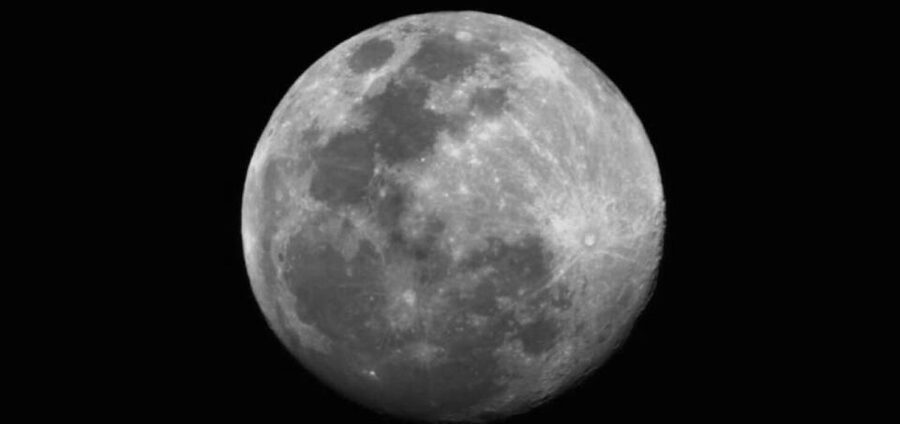
Mauna Kea changes fast after dark, and this tour matches that reality. You get the payoff of the summit sunset while the light is still doing something magical, then you shift to the night-sky portion with a second act designed for actual observing (not just standing around).
I like that the plan doesn’t treat stargazing as an afterthought. It’s built around telescope time and photo capture, with your guide explaining what you’re seeing and why Hawaiian star knowledge matters. On a place this high and this far from city lights, that context makes the whole night feel more personal and less like a checklist.
You’ll also get a practical rhythm: eat, then watch. That sounds basic, but it’s smart on Mauna Kea where cold and altitude can make you feel off-balance if you’re hungry or underdressed.
Pickup and pacing on the Big Island
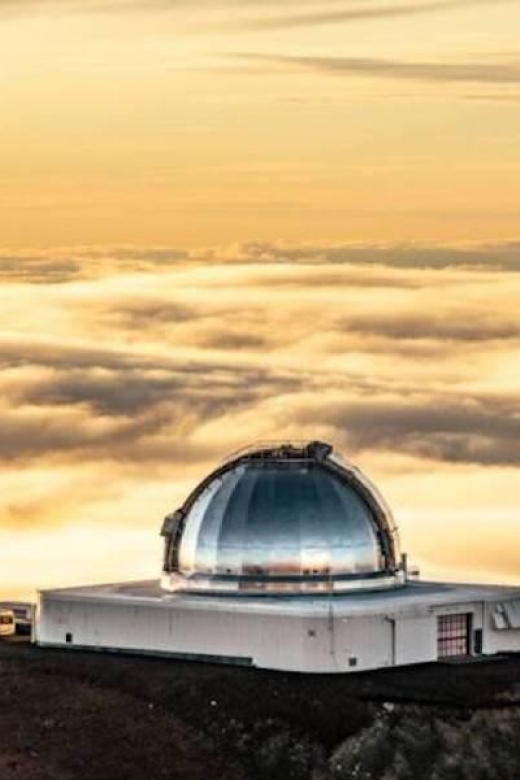
This is an 8-hour tour with hotel pickup and drop-off included. You’ll usually start with a van ride (about 2 hours), and the route is paced to get you to Mauna Kea with enough time to settle in.
Pickup options include several Kona-area locations (like Courtyard by Marriott King Kamehameha’s Kona Beach Hotel, Four Seasons Resort Hualalai, Kona Village, Waikōloa Plaza, and a stop at the Maunakea Visitor Information Station area). The important detail is that your exact pickup time may not match the tour start time shown online—so confirm your meeting time with the operator.
The group size is capped at 12, which matters more than it sounds. It usually means less jostling at the telescope and more chances for your guide to keep the group on the same page.
Visitor Information Station dinner: warming up before the big climb
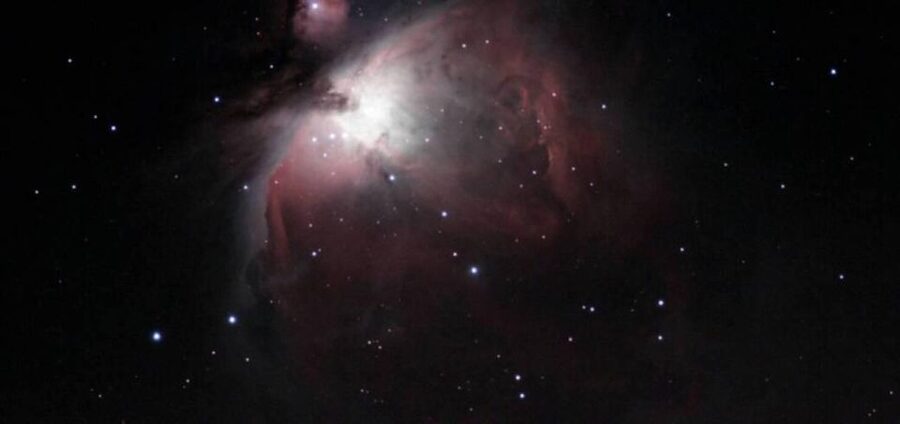
Before you reach the summit, you stop at the Mauna Kea Visitor Information Station area for dinner/picnic (about 45 minutes). This matters because the “Mauna Kea night” is not a gentle stroll. You’ll be dealing with cold, higher elevation, and low light—so eating early keeps you comfortable during the later viewing portion.
The tour also includes hot chocolate later, plus cookies during the star show. That’s not just a comfort perk. Hot drinks help when your hands are busy adjusting cameras or shielding your eyes while your vision adjusts to darkness.
If you’re someone who tends to forget winter layers on Hawaii trips, this is where you’ll feel it. The good news: winter parkas and gloves are provided. You still need to bring long pants, closed-toe shoes, and warm socks or leggings, but the essentials are covered.
The summit window: sunset with a strict timing reality
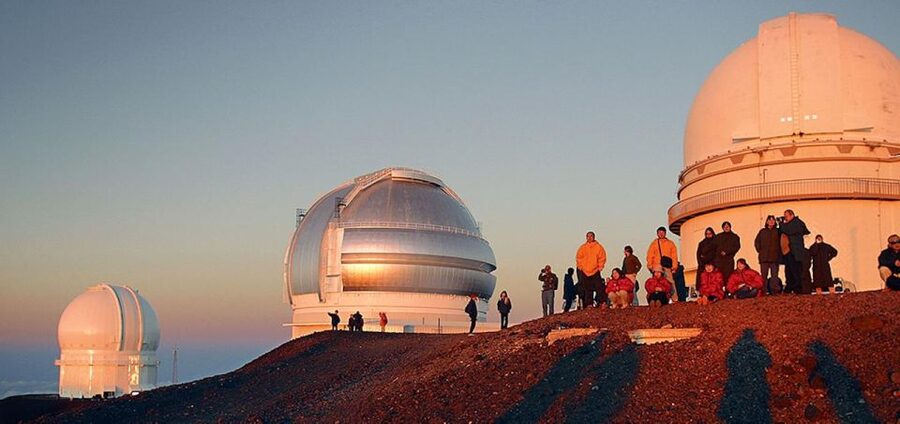
Your summit time is focused: around 35 minutes for sunset at Mauna Kea. That’s enough to watch the light change and get the iconic summit views, but it also means you’re not going to wander at leisure for hours.
Here’s how I’d think about the timing. This schedule is designed to get you positioned for a great sunset and then transition into night viewing without wasting too much time in the cold. If you go in expecting a long summit hangout, the plan can feel short. If you go in expecting a high-impact window followed by telescope time, it makes sense.
Weather can always be a wildcard on a mountain. The itinerary does give you a chance to view after the sun sets and after descending to a lower elevation, which increases your chances of getting real observing time rather than staring at clouds the whole evening.
Hot cocoa star show with an 11-inch Celestron telescope
After sunset, you descend to a lower elevation and enjoy hot chocolate and cookies during a private star show using an 11-inch Celestron telescope. This is the heart of the tour for anyone who wants to see planets or deep-sky objects more clearly than the naked eye can manage.
What I like here is that the telescope time isn’t random. The guide talks about Hawaiian star navigation while you watch the sky. That gives the objects and constellations more meaning than a quick pointing session.
From guide styles described in past groups, the best experiences tend to come when you let the guide’s pace guide you. One guide approach can be very serious and thorough (like John, noted for careful, detailed explanations). Another can be more patient and even funny while still teaching (like Jeff and Jason, named in different accounts). If you’re sensitive to fast speaking, it helps to be ready to listen closely and ask questions if you need clarification.
Digital astro-photography scope and getting images after
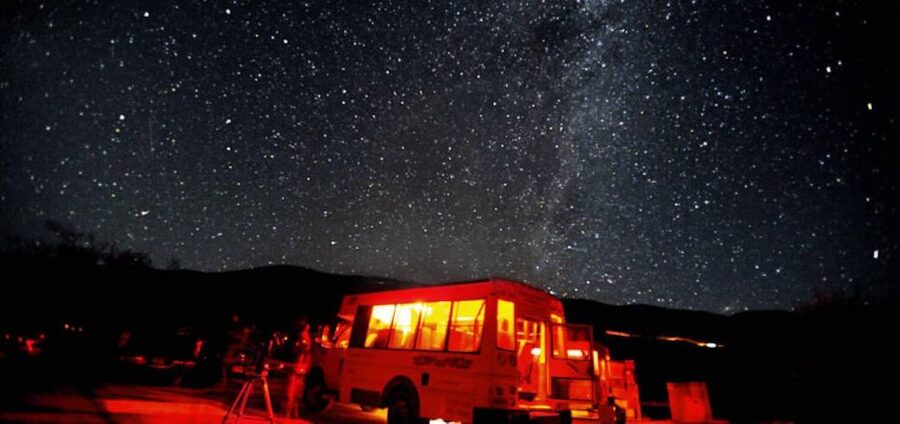
The tour also uses a state-of-the-art digital astro-photography scope. The goal is to show you deep space objects and to capture images during the session.
After the tour, digital images are emailed to you so you can share with friends and family. That’s a big deal for two reasons:
- You don’t have to know telescope photography to get something shareable.
- You’re not left with only blurry phone shots from a frozen summit.
This setup turns the night into a mix of seeing and collecting. You can enjoy the views in real time and still have a digital memory that looks like it came from a proper observing session.
The dessert stop and scenic return views
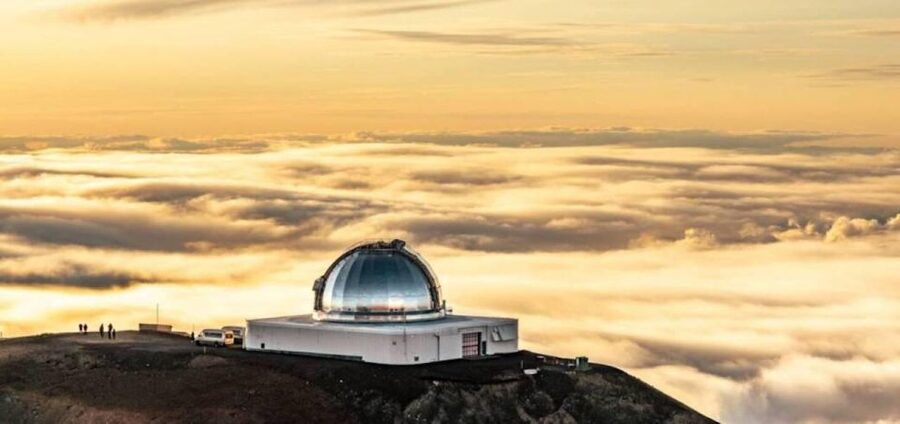
After your star show portion, you return to the Visitor Information Station area for dessert and scenic views on the way (about 1 hour). This gives you a softer landing after the astronomy time, and it helps break up the evening so you’re not just rushing from one hard moment to the next.
Then it’s back on the van for about 2 hours to your drop-off locations.
This part of the schedule is underrated. Once you’ve been cold and focused on the sky, having a warmer, calmer window makes the tour feel complete instead of abrupt.
What to bring: staying warm matters more than you think
This is one of those tours where packing wrong can ruin the experience. Mauna Kea is cold, and you’ll be outdoors for key portions of the evening.
Bring:
- Warm clothing
- Long pants
- Closed-toe shoes
- A reusable water bottle
Wear:
- Winter socks or leggings can help a lot
- A sweatshirt or sweater is smart under the parkas
- Gloves help, and winter parkas/gloves are provided by the tour, but you still want to be prepared
Not allowed:
- Drones
- Alcohol and drugs
- Smoking
- Open-toed shoes
- Climbing
If you only remember one thing: dress like you’re going to a winter hike, not like you’re visiting a beach. The parkas and gloves help, but your feet and legs need proper layers too.
Price: is $329 good value for Mauna Kea summit stargazing?
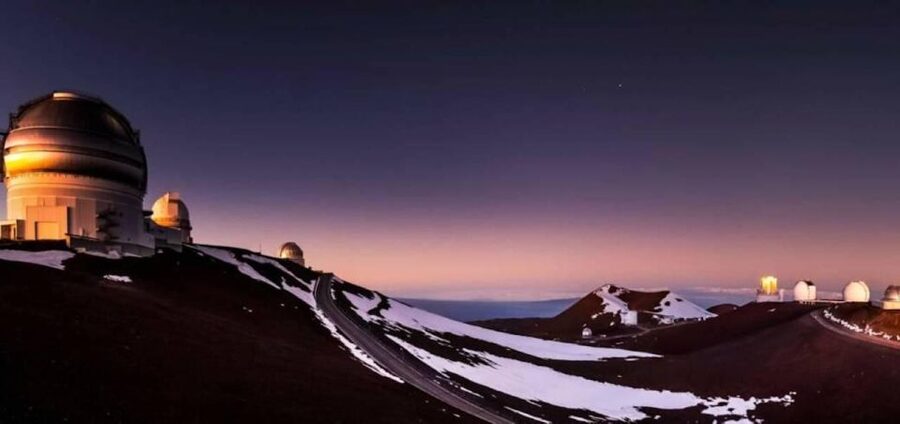
At $329 per person for an 8-hour small-group tour, it’s not cheap. But value here comes from three places that are hard to replicate on your own: guided interpretation, telescope time, and the photo capture process.
If you tried to DIY this, you’d need to solve the logistics of reaching the right area at the right time, then figure out how to get access to quality telescope viewing and astro-imaging without specialized gear or training. This tour handles the coordination and provides the equipment and instruction.
You still should go in with realistic expectations:
- Summit time is about 35 minutes.
- Stargazing time depends on conditions, and you’ll be moving between elevations.
Still, the combination of summit sunset + a guided telescope show + digital photo delivery is what pushes this from a “nice tour” into a “planned night on Mauna Kea,” which is what most people actually want.
Who this tour fits (and who should skip)
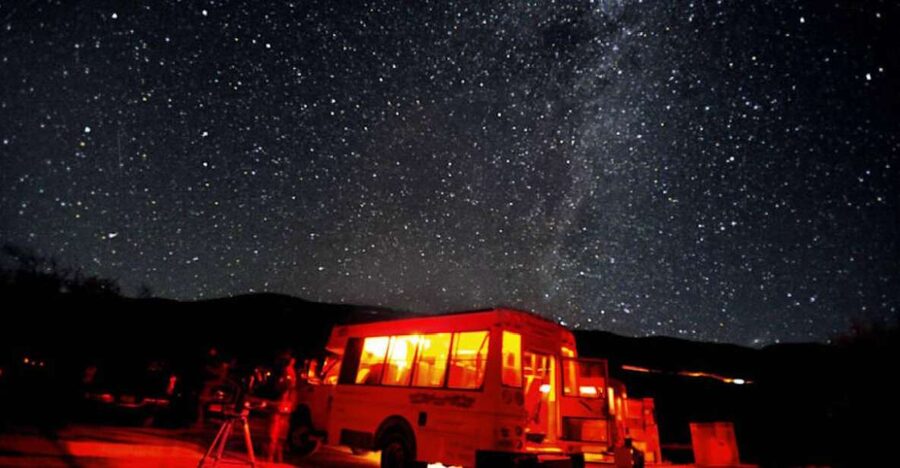
This tour is not suitable for:
- Children under 13
- Pregnant women
- People with heart problems
- People with respiratory issues
- People with altitude sickness
- People with high blood pressure
- People with a cold
- Wheelchair users
- People who are diving up to 24 hours prior
That list is the big filter. If any of those apply, don’t gamble on making it work. Mauna Kea is physically demanding even when everything goes smoothly.
On the other hand, this is a strong choice for:
- Adults who want a guided stargazing night rather than a drive-and-hope mission
- People who want the educational piece (Hawaiian star navigation and nature/wildlife talk)
- Anyone who wants telescope viewing plus emailed images without needing to bring astrophotography gear
Should you book this Mauna Kea summit stargazing & dinner tour?
I’d book it if you want a structured, guided Mauna Kea night with real observing time and photo results. The small group size and the mix of sunset + telescope show + digital imaging make it feel like a complete experience, not just a tour that drops you off at a viewpoint.
Skip it if you’re looking for long, relaxed summit time, or if your health situation makes high-elevation outings risky. Also, if you’re very sensitive to cold, set yourself up for success by dressing as if you’re going somewhere wintery—even with parkas and gloves provided.
If you can handle the conditions, this is one of the more thoughtfully put-together Big Island experiences for seeing Mauna Kea at night with both meaning and proper equipment.
FAQ
How long is the Mauna Kea Summit, Stargazing & Dinner tour?
The tour lasts 8 hours total.
Do I get hotel pickup and drop-off?
Yes. Hotel pickup and drop-off are included, with multiple Kona-area pickup and drop-off locations.
What food and drinks are included?
You’ll have a picnic meal, hot chocolate, cookies during the star show, and dessert.
Will I get stargazing photos after the tour?
Yes. Digital images from the astro-photography scope are emailed to you.
How do you handle telescope viewing?
The tour includes a private star show using an 11-inch Celestron telescope, plus a digital astro-photography scope for viewing deep space objects.
How many people are in the group?
The group is small and limited to 12 participants.
What should I wear or bring?
Bring warm clothing, long pants, closed-toe shoes, and a reusable water bottle. Winter parkas and gloves are provided.
Are there restrictions on what I can bring?
Yes. No drones, no alcohol or drugs, no smoking, and no open-toed shoes or climbing.
Who isn’t this tour suitable for?
It isn’t suitable for children under 13, pregnant women, wheelchair users, and people with heart problems, respiratory issues, altitude sickness, high blood pressure, or a cold. It’s also not suitable for people who are diving up to 24 hours prior.