REVIEW · LOMBOK
2 Day Guided Hiking to Mount Rinjani Senaru Crater Rim
Book on Viator →Operated by Tour and Travel · Bookable on Viator
Rinjani wakes up fast, and so will you. This 2-day guided trek from Senaru takes you to the rim of Mount Rinjani’s crater for big views over Segara Anak Lake, with jungles, waterfalls, and moments for sunrise and sunset. You also get a dose of local Sasak life through village visits and traditional rituals.
What I like most is the mix of serious scenery and real human context. The walk through coffee plantations and lush greenery (with a break at the rainforest gate) makes the start feel grounded, not rushed. And at the top, your “wow” moments come with support from a tight team—people specifically praised guides like Baba and organizers like Mr. Hardy, plus porters who help you keep your footing and energy.
The main drawback to weigh is the effort level. This hike calls for moderate physical fitness, starts very early, and it depends on good weather to run safely.
In This Review
- What Makes This Hike Special (and Practical)
- Price and value: does $165 make sense here?
- Senaru morning: cool air, coffee plantations, and the setup
- Day 1 on the mountain: jungle effort and starlit camp
- Crater rim payoff: Segara Anak Lake and sunrise moments
- Sasak culture isn’t a side quest
- Day 2: sunrise first, then the descent to Senaru
- Mobile ticket, small group, and the kind of support that matters
- What to pack and how to handle the “early start” reality
- Who this tour is best for
- Should you book? My honest take
- FAQ
- FAQ
- Where does the hike start, and when?
- How many people are in the group?
- What’s included in the price?
- What should I expect to eat during the two days?
- Is this hike suitable for moderate fitness levels?
- What happens if weather is bad?
What Makes This Hike Special (and Practical)
- Small group size (max 6): less crowding at viewpoints and an easier time asking questions.
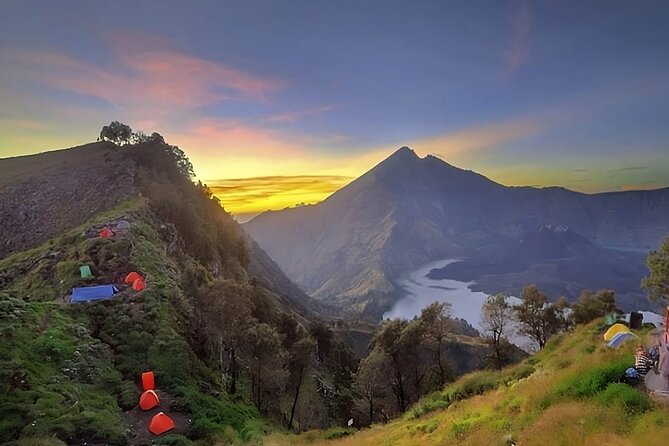
- Crater-rim sunrise and sunset: you’re in the right place at the right light, not just passing through.
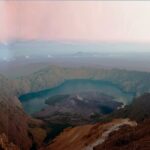
- Segara Anak Lake panoramas: the lake view is the big headline, and it shows up more than once across the two days.
- Coffee-plantation start from Senaru: the morning walk gives you a gentler rhythm before steeper effort.
- Sasak culture on the route: village visits and rituals add meaning beyond photos.
- Meals included (lunch + dinner): you don’t need to plan food for at least the key hiking meals.
Price and value: does $165 make sense here?
At $165 for a roughly two-day guided trek, the value mostly comes from three things you can feel on the ground: guidance, overnight access to the crater rim experience, and food coverage. You’re not just buying a viewpoint ticket—you’re buying a team that manages the hike, the timing around sunrise/sunset, and the logistics that keep you from guessing.
The small group limit (6 travelers) also matters. Even when the hike is demanding, you’ll usually move with less congestion, and your guide can adjust pacing and answer questions without losing the whole group.
One more value point: meals included. Lunch and dinner are covered, which reduces the “surprise costs” problem that can happen on self-guided hikes. The plan also notes that tipping guide/porter and any extra porter for personal luggage aren’t included, so you should expect to budget a little extra if you want to tip well.
You can also read our reviews of more tours and experiences in Lombok.
Senaru morning: cool air, coffee plantations, and the setup
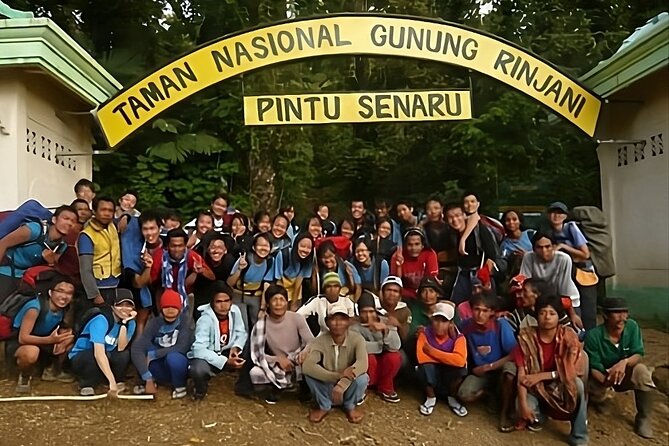
Your start happens in Senaru (Bayan, North Lombok), with the activity listed to begin around 6:30am. The hike segment begins from the Rinjani Trekking Centre, Senaru, between 7:30 and 8:00am, so you’re up early either way.
Right away, the trail uses the local setting to ease you in. You walk through coffee plantations and lush greenery for about the first 30 minutes, then pause at a tropical rainforest gate. That early structure is more than scenic—having a clear “first checkpoint” helps you settle into the day’s rhythm before the tougher stretches.
Also, Senaru is a smart base for a crater-rim trek. The meeting point is described as near public transportation, which gives you more flexibility once the hike ends back at the same place.
Day 1 on the mountain: jungle effort and starlit camp
Day 1 is listed around 7 hours, and the big goal is getting you positioned for the rim experience. Expect a mix of thick jungle walking and the kind of uneven trail that makes good shoes and steady pacing matter more than speed.
The experience description highlights several “signature” environment touches: waterfalls along the way and thick jungles as you move upward. You’ll also be part of an approach that’s meant to be eco-friendly, which matters in places like Rinjani where foot traffic and waste can quickly become an issue.
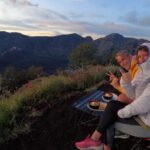
By the overnight portion, the tone shifts from hiking effort to camp life. The tour description promises camping under a starlit sky, and that night is when the group vibe usually changes—people stop talking like they’re only surviving the trail and start talking like they’re actually doing something special.
If you care about how the night feels, this is the part to pay attention to: camp and dinner tend to be where a good guide and porter team make the difference between exhausted and comfortable. In the feedback, porters were called out as strong support, and the organizing from Mr. Hardy was praised for being responsive and organized.
Crater rim payoff: Segara Anak Lake and sunrise moments
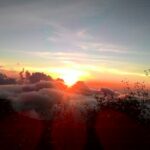
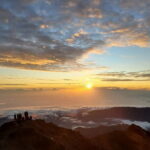
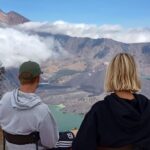
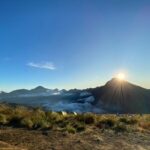
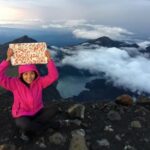
The headline view is Segara Anak Lake. You’re taken to the crater rim for panoramic sightlines, and the tour is built around sunrise and sunset at that dramatic high point.
Why this matters: crater rim hikes can feel repetitive if the trail is just “walk up, look, walk back.” Here, the plan gives you multiple chances for different light and different angles. That’s how you get more than one good photo set—and more importantly, multiple chances to experience the atmosphere. Sunrise in particular is often when the air feels crisp and the scene looks most alive.
This is also where having a small group pays off. With up to 6 hikers, you’re less likely to spend the key rim moments fighting for position.
And remember: the experience is tied to weather. The operator notes it requires good weather, and if the trek gets canceled due to poor conditions, you’re offered another date or a full refund. That policy is there for a reason on Mount Rinjani—wind, visibility, and trail conditions can change fast.
Sasak culture isn’t a side quest
One of the strongest “value beyond the hike” elements is the cultural component. This isn’t only about nature. You’ll visit traditional Sasak village areas and witness ancient rituals, with guidance that frames what you’re seeing in local life.
In practice, this usually turns the hike into something you can talk about later. Instead of only describing steep trail segments, you can explain how people in the area live with the mountain—not just how the mountain looks from above.
Also, Sasak culture in Lombok often connects to daily routines, beliefs, and ceremonies. That’s why it feels more authentic than a quick stop for a souvenir photo.


Day 2: sunrise first, then the descent to Senaru
Day 2 is shorter on paper—about 5 hours—but it includes the most important moment (sunrise) and the longest stretch of movement: the descent.
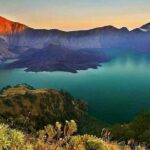
The plan calls for breakfast, then enjoying the sunrise and taking pictures with the lake scenery. After that, you head down to Senaru village for roughly 4–5 hours, with breaks and lunch on the way. Lunch is described as happening between pos2 or a possible extra stop (pos extra), which signals there are planned checkpoints rather than a random “go until tired” descent.
Here’s the practical reality of a crater-rim descent: even when it’s “only” a few hours, your legs can feel like they’re negotiating every step. If you’re even slightly prone to knee discomfort, you’ll feel it on the way down. This is exactly where good guidance and pacing matter.
Then you return back to the meeting point at the end of the activity—so you’re not left wondering how to get yourself out of the mountains.
Mobile ticket, small group, and the kind of support that matters
This tour is set up with a mobile ticket, and confirmation is provided at booking. That’s helpful if you don’t want to fuss with printing or last-minute document hunting.
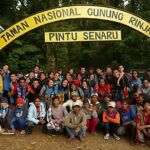
Group size is capped at 6 travelers, which keeps things manageable for guides and porters. It also usually helps with comfort around camp and viewpoints.
Support is where the praised details from feedback show up. People specifically mentioned great porters and an awesome guide named Baba. Others credited Mr. Hardy with being responsive over text and organizing pickup and care, even giving advice on what to pack. Another guide name that came up was Tuman as part of the team. If you’re someone who likes to know there’s a plan—and someone local actually watching the details—you’ll likely feel comfortable with this setup.
What to pack and how to handle the “early start” reality
The data you have points to a hiking plan with moderate fitness requirements, early morning starts, and a full day on your feet—plus camping. So I’d pack like you’re dealing with mountain weather changes and long walking hours.
A few common-sense items (without pretending I know what your body needs): wear shoes that can handle uneven trail, bring layers for cool mornings, and expect you’ll want something for sun protection even if it starts crisp. Also plan for the night—camping under stars means temperature drops can happen.
One more budgeting note: tipping for guide and porter isn’t included, and there’s mention of an extra porter option for carrying your own luggage. Even if you’re traveling light, it’s worth deciding ahead of time how you want to handle that.
Who this tour is best for
This is ideal for you if:
- You want a guided crater-rim experience on Mount Rinjani instead of DIY.
- You care about the big view (Segara Anak) but also want Sasak culture to be part of the day.
- You prefer a small group hike with real human help, especially on steep or uneven sections.
- You’re comfortable with moderate fitness and early mornings.
It might not be the best fit if:
- You expect an easy stroll. This is challenging enough that the plan explicitly mentions moderate fitness.
- You’re sensitive to knee stress on descents.
- You’re hoping for a totally flexible schedule. This kind of trek depends on weather, and the operator says it requires good conditions.
Should you book? My honest take
Yes, if your dream is a two-day Mount Rinjani crater-rim hike with both the big natural moments and meaningful cultural stops. The price looks reasonable for what you’re getting: guided access to the rim experience, meals included (lunch + dinner), a small group setup, and camp under the stars.
Book it if you’re ready for an early start and you can handle a moderate hiking level with a long descent on Day 2. And check the forecast close to your date—because the plan hinges on good weather.
Don’t book it if you want a low-effort outing or you’re not comfortable with steep trail days. In that case, your energy might be better spent elsewhere on Lombok.
FAQ
FAQ
Where does the hike start, and when?
You meet in Senaru, Bayan (North Lombok, West Nusa Tenggara, Indonesia). The activity start time is listed as 6:30am, and the trek from the Rinjani Trekking Centre begins between 7:30 and 8:00am.
How many people are in the group?
This tour has a maximum group size of 6 travelers.
What’s included in the price?
Lunch and dinner are included. The cost also covers the guided hiking experience as described for this 2-day trek.
What should I expect to eat during the two days?
Dinner and lunch are included. The plan also mentions breakfast on Day 2 before sunrise and the descent.
Is this hike suitable for moderate fitness levels?
Yes. The tour notes that travelers should have a moderate physical fitness level.
What happens if weather is bad?
The experience requires good weather. If it’s canceled due to poor weather, you’ll be offered a different date or a full refund.