REVIEW · LOMBOK
3 days 2 night trekking Rinjani to Summit and lake
Book on Viator →Operated by Rinjani Trek Adventure · Bookable on Viator
Summit Rinjani comes with a price of effort. I love the tight, well-timed plan that gets you from Senaru to Sembalun and up through clear checkpoints, and I especially like the human support—guides such as Fahri and Ipan get praised for being organized and attentive. I also like that the trek isn’t only about the summit; you go down to the crater lake and hot spring. The possible drawback: it’s physically demanding, with a very early 2:30am summit push and long downhill hours.
This is a 3 days / 2 nights camping trek in Lombok’s Rinjani National Park area, starting in Senaru and beginning the hiking from Sembalun. You’ll meet at the Rinjani Trek Adventure office in Senaru (or be picked up from your accommodation in Senaru) for a briefing, then spend the days with an English-speaking local guide and porters carrying food and your trekking kit.
One more thing I’d flag: the plan relies on weather, and Rinjani can turn fast. Still, there’s at least one account of the team handling rough conditions (including storm weather) while keeping the experience moving and people cared for.
In This Review
- Key things I’d bet on before you go
- Senaru start: meeting point, briefing, and what “organized” feels like
- Day 1 from Sembalun: Pos checkpoints to the crater rim camp
- Day 2 at 2:30am: sunrise summit timing, then lake and hot spring
- Day 3: 6am sunrise, then 5 hours down to Senaru gate
- Guides and porters: the part that makes or breaks a Rinjani trek
- Price and value: what you’re paying for at $245, plus the local extras
- What to bring (and what to skip) for summit-dark trekking
- Timing, weather, and the reality check on “summit plans”
- Who this Rinjani trek is best for
- Should you book this 3D/2N Rinjani summit-and-lake trek?
- FAQ
- Where is the meeting point and what time does the trek start?
- How long is the trek?
- What route does the trek follow?
- When do you start the summit hike?
- Do you visit the lake and hot spring?
- What is included in the price?
- What costs extra during the trip?
- What’s the maximum group size?
- How fit do I need to be?
- What happens if weather is bad?
- Is the ticket mobile?
Key things I’d bet on before you go
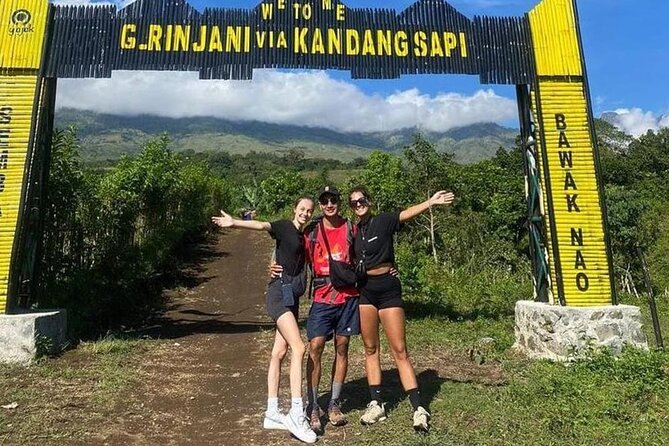
- Small group size (max 6) means you’re less likely to get lost in the shuffle and easier to manage on steep, dark sections.
- Porter support is real: they carry your food and trekking equipment, and the team also handles setup basics like tents and camp gear.
- English-speaking guide makes a big difference early on, when the briefing and pacing matter most.
- Two sunrise moments: one aiming for sunrise on the summit, and another sunrise before the final descent.
- Lake and hot spring time on day 2 turns this from a straight summit slog into a full crater experience.
- Gear is included (tent, sleeping bag, mattress, toilet tent), so you don’t need to rent a small village’s worth of camping kit.
Senaru start: meeting point, briefing, and what “organized” feels like
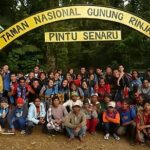
Most days begin at 7:00am at the Rinjani Trek Adventure office in Senaru (Jl. Pariwisata, dusun magling, Senaru). If you’re already staying in Senaru, the team meets you there for the briefing before you start the route work.
I like how this is set up like a system, not a vague promise. You get a procedure rundown first, then the team moves you to the next stage by car—about 45 minutes to Sembalun—so you don’t waste the best energy of the day on confusion.
In at least one recent account, people were welcomed into an eco villa complex at the foot of Rinjani, with music and a friendly vibe before the hiking starts. Even if your arrival looks a little different, the common thread is that the team tries to make the start calm and clear, which helps when you know you’ll be walking in the dark later.
You can also read our reviews of more tours and experiences in Lombok.
Day 1 from Sembalun: Pos checkpoints to the crater rim camp
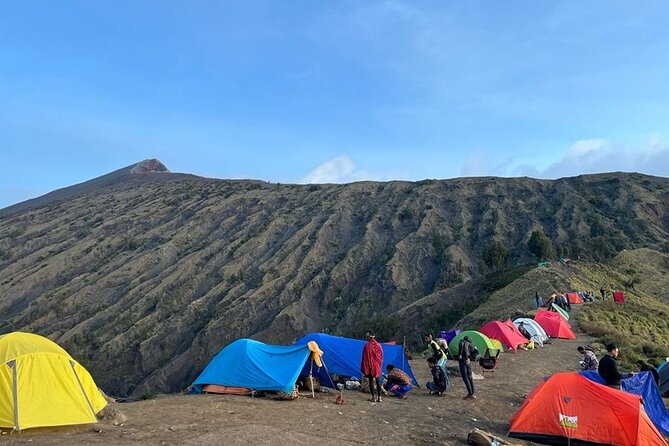
After reaching Sembalun, you register at the Rinjani office, then drive to the starting area again at the Sembalun gate. From there, hiking begins with a first push to Pos 1 in about 2 hours, then a 15-minute break.
Then it’s Pos 2 (about 45 minutes) and lunch time there. After lunch you continue to Pos 3 (around 1 hour), rest at Pos 3, and then hike onward to your first overnight spot at the Sembalun crater rim.
What makes this day valuable is the pacing. You’re not asked to sprint nonstop; you’re given structured stop points that help you manage breathing and energy. And because the porters handle food and equipment, you can keep your pack light enough to actually enjoy the volcanic scenery rather than just survive it.
One practical note: the checkpoints and rest stops are part of the plan, so don’t treat them like random trail breaks. Use them to reset—water, snack, and a steady pace—because day 2 starts very early.
Day 2 at 2:30am: sunrise summit timing, then lake and hot spring
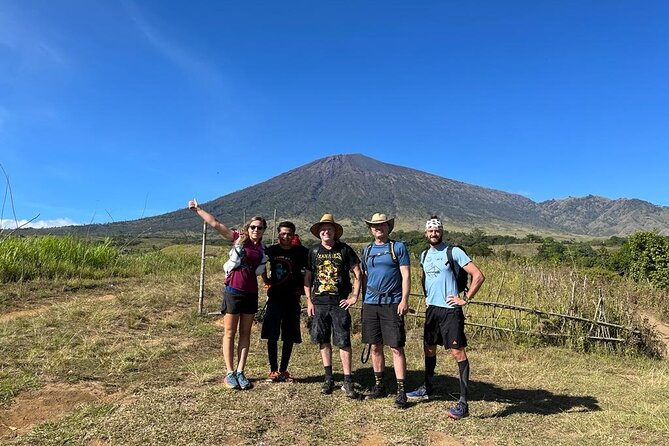
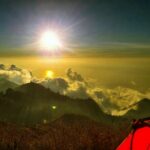
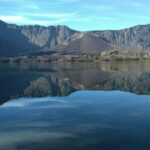
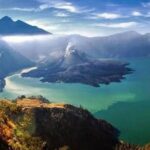
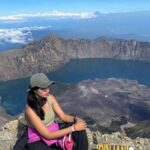
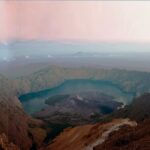
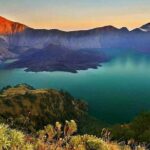
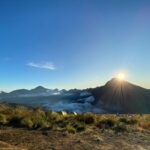
Day 2 is the signature day. You’ll start the climb to the summit at 2:30am to catch sunrise. The summit walk is roughly 3 hours, then the trek turns into descent, about 2 hours down, before you go further down toward the crater lake and the hot spring.
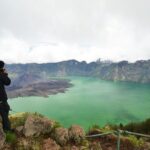
After that crater-time break, you walk back up to your second camp at the Senaru crater rim. You’ll be tired, but the payoff is that this isn’t only a peak-bagging mission; it’s a crater day with water and steam in the middle.
For your comfort, the timing matters. Midnight starts mean you’ll be walking in the dark, likely with cold temperatures and limited visibility. Bring a headlamp and use it, and don’t drift off the intended path—one account includes the kind of confusion that happens when you lose your trail cue in low light.
Also, keep expectations realistic: when you’re exhausted, the idea of “one more section” can get blurry. This is where a steady guide makes a huge difference. Names like Fahri, Ipan/Irapn (Ivan), and others have been mentioned in connection with attentive care, route handling, and keeping people comfortable during hard parts.
Day 3: 6am sunrise, then 5 hours down to Senaru gate
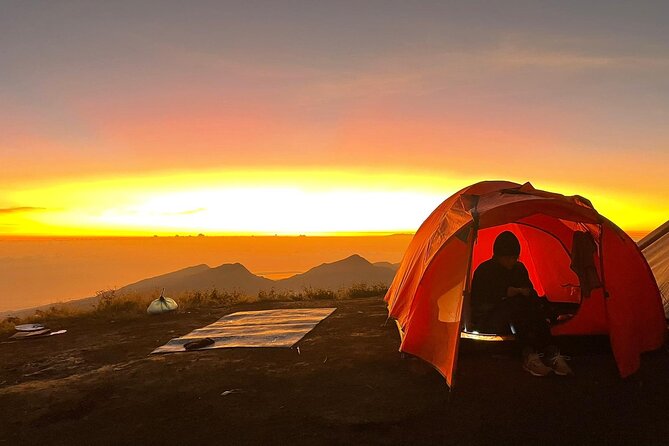
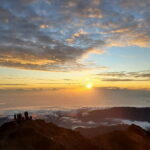
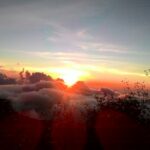
You wake up around 6:00am for sunrise, then you start the descent. The walk down to Senaru gate is about 5 hours, and it includes lunch on the way.
The plan aims to finish around 1:00pm, and your service wraps up back near the meeting point in Senaru. That timing is helpful: you’re not stuck in a “we’ll know when we know” finish, so you can plan a meal and a shower without losing your whole afternoon.
What makes day 3 easier for your brain (even if your legs protest) is the structure: sunrise, descent, lunch, finish. You’re not juggling multiple unknowns. Use this day to slow down and keep footing careful—downhill is where people get sloppy, especially when they’re hyped from summiting.
Guides and porters: the part that makes or breaks a Rinjani trek
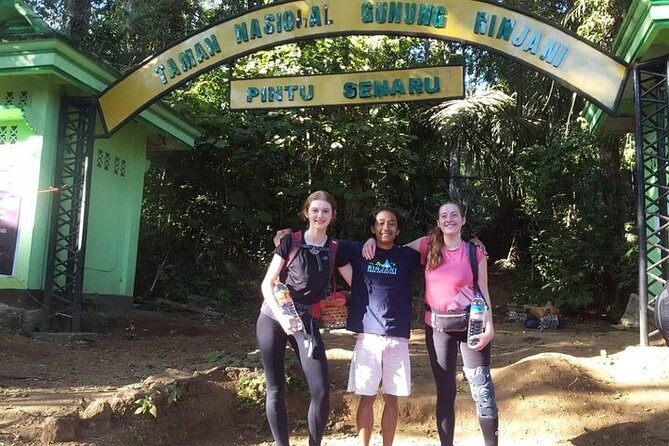
On a trek like Rinjani, the scenery is the headline. But in practice, the team is what keeps the whole thing running smoothly.
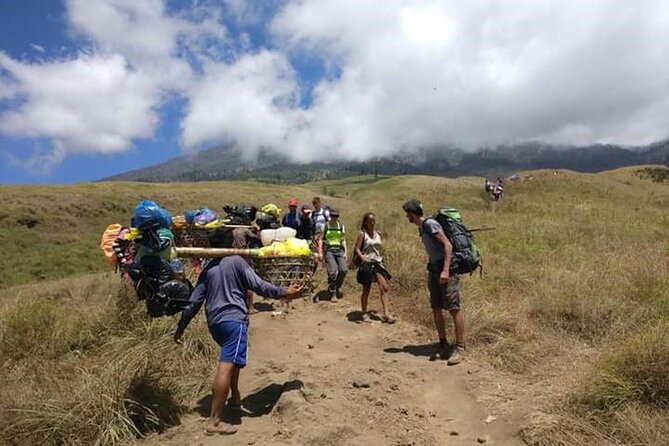
This trip includes an English-speaking local guide and an experience porter setup to carry your food and trekking equipment. That’s huge for value because a lighter pack changes how your trek feels, especially across the steep sections and long day 3 descent.
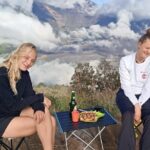
In multiple accounts, porters are described as strong and key to the experience, not just as “carry guys.” There are also mentions of excellent camp cooking—people call the food better than they expected, and some highlight the guide being friendly, funny, and genuinely attentive. Names that come up include Adi and Ipan/Ivan, and a few entries point out how the team supported people during difficult moments.
If you’re the type who likes a clear plan and a team that pays attention to safety and comfort, this model is a good fit. If you’re looking for total solo freedom, this isn’t that kind of trek.
Price and value: what you’re paying for at $245, plus the local extras
At $245 per person, you’re paying for a guided, supported camping trek structure. What’s included matters: English guide, porters, food and water, fruit and soft drink, and core camping gear like tent, sleeping bag, mattress, and a toilet tent.
So you’re not paying $245 and then discovering you need to rent half the gear or pay for each snack stop. You’re also not carrying everything yourself.
What costs extra:
- Transport to Senaru on arrival day: IDR 500,000 per person
- Accommodation before trekking: IDR 250,000 per person
- Mt Rinjani entrance fee: IDR 600,000 per person
Because these added costs are local and separate, I’d treat the $245 as the trek service cost, then budget for the entrance and the Senaru logistics. That’s still normal for Rinjani, but it’s worth planning so you don’t get surprised at the last minute.
The average booking lead time is about 43 days, and the group limit is 6. That’s another value signal: you’re likely booking into a schedule that can still be tight around weather.
What to bring (and what to skip) for summit-dark trekking
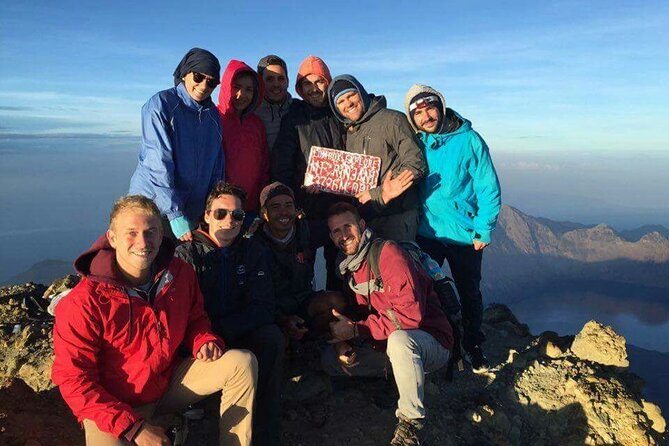
The schedule is intense, so packing should be practical, not romantic. Since you’re starting summit hiking at 2:30am and doing sunrise twice, plan for dark hours and cold mornings.
Beyond your standard hiking basics, here’s what I’d prioritize based on the way people describe the trek:
- Headlamp (not optional in practice, because you’ll be walking in the dark)
- Trekking poles (more than one account treats them as a must for the hard trail)
- Good foot support for downhill day 3, when legs feel everything
- A rain plan: at least one trek report mentions making it work during storm weather, so you want waterproof layers and a way to protect your gear
The good news: you don’t need to pack a tent or sleeping bag setup. Those are included, which lets you focus on staying comfortable and moving efficiently.
Timing, weather, and the reality check on “summit plans”
This experience depends on good weather. If conditions are too poor, you’ll be offered another date or receive a full refund. That means you should keep your schedule flexible if you can.
Also, understand what changes when weather worsens: not just comfort, but visibility and footing. One account notes they still completed the trek even with a storm, which suggests the team is used to adjusting and keeping people supported.
Your best approach is to trust the guide, stay on the intended route, and keep a pace that matches your body. Even strong hikers can struggle in the dark and on steep segments, so don’t be a hero.
Who this Rinjani trek is best for
This is best for people with strong physical fitness, since the plan includes a summit attempt starting at 2:30am and two long hiking days. If you’ve done multi-hour ascents and descents before, you’ll be on more familiar ground.
I’d also recommend it to travelers who want:
- English guidance and clear trail management
- Porter support and camp gear included
- A trek that covers more than one highlight (summit + crater lake + hot spring)
If you’re expecting a relaxed nature stroll, this will feel tough. But if you want a real mountain mission with a team that manages logistics and camp life, it’s a strong match.
Should you book this 3D/2N Rinjani summit-and-lake trek?
I’d book it if you want the full Rinjani experience in 3 days / 2 nights: sunrise summit time, then crater lake and hot spring, plus camping gear and porter help built into the package. The emphasis on organization and team care (with guides like Fahri and Ipan/Ivan) is exactly what you want when the trail gets dark and the climb gets brutal.
I’d think twice if you hate early starts, dislike long descents, or don’t have strong fitness for a summit push. Also budget for the extra local costs like the entrance fee and Senaru transport, since that’s where the real total comes together.
If you’re ready to work for it, this trek has the structure and support to make the effort feel worth it.
FAQ
Where is the meeting point and what time does the trek start?
You meet at Rinjani Trek Adventure (Senaru), at 7:00am. The team also meets you at your accommodation in Senaru village for the briefing if you’re staying there.
How long is the trek?
It’s a 3-day trek with 2 nights of camping. The duration is listed as approximately 3 days.
What route does the trek follow?
Day 1 starts with driving from Senaru to Sembalun, then hiking to a camp site at the Sembalun crater rim. Day 2 includes the summit and then going down to the lake and hot spring, before camping at the Senaru crater rim. Day 3 finishes with a descent to Senaru gate.
When do you start the summit hike?
The summit hike starts at 2:30am so you can catch sunrise. The sunrise is around 3 hours after you start walking for the summit.
Do you visit the lake and hot spring?
Yes. On day 2, after descending from the summit, you go down again to the crater lake and the hot spring before heading back up to camp.
What is included in the price?
Included are an English-speaking local guide, porter support for carrying your food and trekking equipment, food and water, fruit and soft drink, and camping gear: tent, sleeping bag, mattress, and toilet tent.
What costs extra during the trip?
Not included costs are: transport to Senaru on arrival day (IDR 500,000 per person), accommodation before trekking (IDR 250,000 per person), and the Mt Rinjani entrance fee (IDR 600,000 per person).
What’s the maximum group size?
The maximum group size is 6.
How fit do I need to be?
You should have strong physical fitness, since the schedule includes a summit ascent starting at 2:30am and long hiking days including downhill.
What happens if weather is bad?
This experience requires good weather. If it’s canceled due to poor weather, you’ll be offered a different date or a full refund.
Is the ticket mobile?
Yes, the tour lists a mobile ticket as the ticket type.