REVIEW · LOMBOK
3 Days Tour in Mount Rinjani Summit with Lake Hiking
Book on Viator →Operated by Rinjani Trekking Center · Bookable on Viator
A 2 AM start changes everything. This 3-day Mount Rinjani trek stacks three big moments into one plan: the summit sunrise, the Segara Anak Lake descent, and the crater-rim views on the way back. I love how the trip is run like a real operation, with guides and porters taking care of camp and meals, plus a small group size (max 6). One thing to weigh up: this is built for solid trekking days, with a very early summit push and long walking stretches.
Before you go, you’ll want to be in Lombok at least a day early so the 4:00 am pickup and briefing can happen smoothly. The route also includes the Senaru and Sembalun sides, so you get variety instead of repeating the same paths. If you’re a beginner, you can still be considered on private packages, but you should be ready for the reality of steep, high-altitude hiking.
You’ll also get practical support details that make a big difference in comfort: tent setup, sleeping gear, and even a toilet tent in camp. And if you’re feeling off, the team can help adjust the hike so you don’t push beyond what you can handle.
In This Review
- Key highlights to decide fast
- Entering Senaru and Sembalun: the “start line” you actually feel
- Day 1: From Senaru approach to Pelawangan Sembalun grasslands
- Day 2: The 2 AM summit push to 3,726 m
- Segara Anak Lake: descent, valley views, and the change of mood
- The climb to Senaru Crater Rim: arriving before sunset
- Day 3: Down to Senaru Village and the trek’s finish
- Price and what you really get for $170
- Gear, fitness, and how to prep without overthinking
- Who should book this Rinjani summit-and-lake trek
- Should you book Mount Rinjani Summit with Lake Hiking?
- FAQ
- What time does the trek start?
- Is pickup included?
- How many people are in the group?
- What’s included in camp and meals?
- Do I need to bring my own hiking gear?
- Is entrance and trekking insurance covered?
Key highlights to decide fast
- Summit timing built around sunrise, with a ready-at-2 am attack for the 3–3.5 hour climb
- Segara Anak Lake included as a main “cool-down” segment, plus crater-rim climbing afterward
- Small group size (max 6), which usually means less waiting and more personal pacing
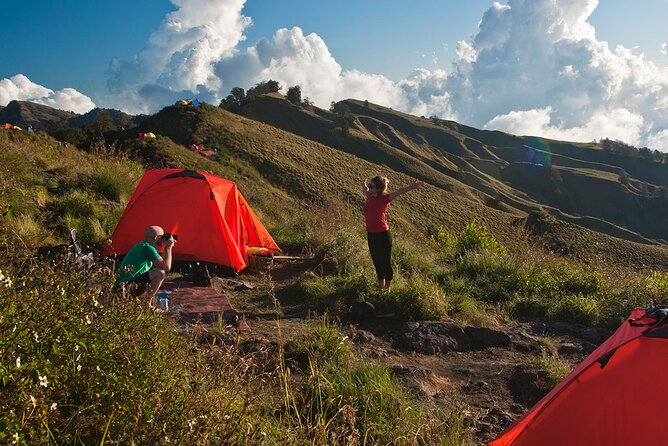
- Real camp support: tent, sleeping bag, mattress, pillow, plus chair/table setup and a toilet tent
- Guides with steady confidence (I’ve seen names like Jake, Antok/Anton, Joe, Sap, Pendi, and Ardi), and a real focus on feeling safe
- QR trekking pass flow and park registration handled at Sembalun so you’re not scrambling on the trail
Entering Senaru and Sembalun: the “start line” you actually feel
This tour is structured for one clear goal: get you from Lombok into the Rinjani system with minimal friction. You’ll start in Senaru Village, then transfer to Sembalun Village for the official trek registration. That matters because it keeps the first day from turning into paperwork chaos.
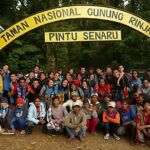
In Senaru, you check in at the trekking center office, meet the guide and crew, and get a briefing. You also get breakfast and a short intro to what the days will feel like. From a travel point of view, I like this approach because you’re not guessing at the plan after you’re already tired.
Then comes the move to Sembalun. The drive is about 45 minutes, and at Sembalun you handle your trekking paperwork: a medical card and a QR code tied to your trekking pass. After that, you check in at the national park registration office and you’re on the trail.
The biggest benefit of this early organization is psychological. When your climb is brutal, you want the process to feel boring and reliable. This part is designed to be that.
You can also read our reviews of more tours and experiences in Lombok.
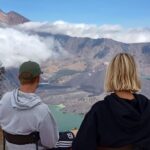
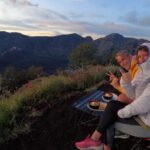
Day 1: From Senaru approach to Pelawangan Sembalun grasslands
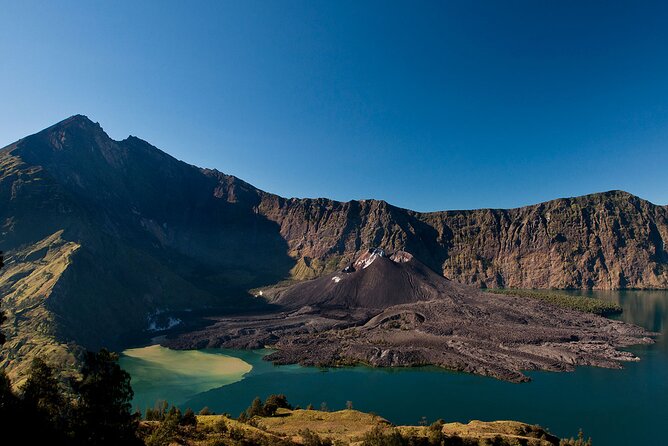
Day 1 is your “get your legs ready” day, and it’s also where the scenery starts doing its job. After Senaru village, you spend time in the Sembalun area and begin the trek with a long push of walking time. Expect around 8 hours on this segment, with a gradual start.
The climb begins gently through a mix of village paths and farmland, then transitions into more open grassy areas used for cattle grazing. This savanna-style section is a nice contrast to the steeper, higher-altitude parts of Rinjani later on.
What I like about this is that it gives you a chance to find your rhythm. You’re not thrown into the hardest angle immediately. Your guide will likely help with pacing early, and it’s also the moment you’ll notice how your body handles long walking.
A practical consideration: day 1 is still long. If you arrive in Lombok too late the day before, you’ll cut it close on sleep. For a trek like this, poor rest doesn’t show up in hour one. It shows up at hour five.
Day 2: The 2 AM summit push to 3,726 m
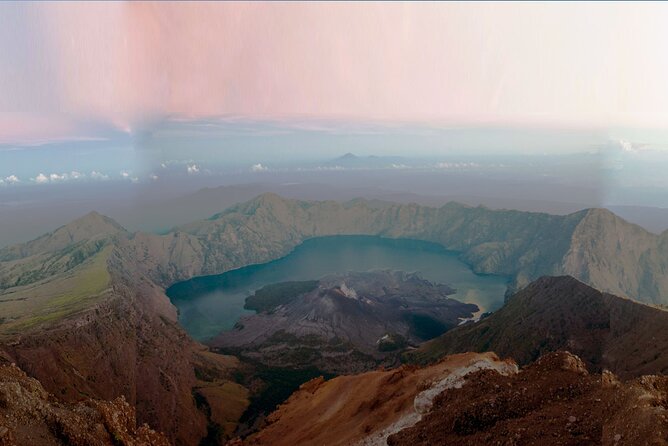
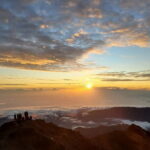
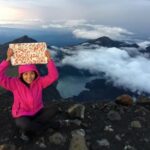
Day 2 is the day everyone talks about, and for good reason. You’ll be ready at 2:00 am for the summit attack. The climb to the top is about 3 to 3.5 hours, and the summit elevation is 3,726 m.
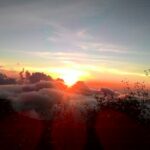
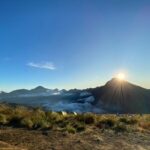
This timing is about sunrise and visibility. Once you reach the top, you get that proud, hard-earned moment along with sunrise views across the Wallace Line, toward Bali, including Mount Agung on clear days.
I love summit mornings when they feel intentional like this: you’re not hiking in the dark for fun. You’re working toward a payoff at the top, then you shift gears into descent afterward.
One consideration: the summit climb is not a “light day.” Even if you’re fit, it’s emotionally demanding because the start comes before you feel awake. Your guide and crew support helps a lot here. The team is described as keeping you safe the whole time, and there’s also an option to shorten the hike if you don’t feel comfortable. That flexibility matters because you’re not only chasing views; you’re managing your own limits.
If you’re the type who worries you’ll slow everyone down, this is a good tour to look at. A well-run Rinjani guide doesn’t treat the summit as a forced checkbox.
Segara Anak Lake: descent, valley views, and the change of mood
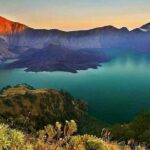
After the summit, you’ll move from high-drama climbing into a quieter reward: descent to Segara Anak Lake. You’ll start down after breakfast, with the walk taking about 2 to 2.5 hours to reach the lake.
This segment is about changing your mental state. The summit pushes you into focus. The lake brings you into breath and space. The route highlights valley views and the presence of Mount Sangkareang to the west of the Rinjani National Park area.
Once you arrive, you’re not just standing around. Porter support is part of the plan so you can settle in. Camp life starts feeling more real as you shift from summit effort into recharging mode.
Also, the lake portion is a nice photo break without being a full “rest day.” It’s active recovery: walking down, then taking in water-and-peak views before the next ascent.
The climb to Senaru Crater Rim: arriving before sunset
Later in day 2, you’ll leave the lake area around 14:00 and begin a climb toward Senaru Crater Rim. This is about a 2 to 3 hour ascent to the next camp site, with an expected arrival before sunset.
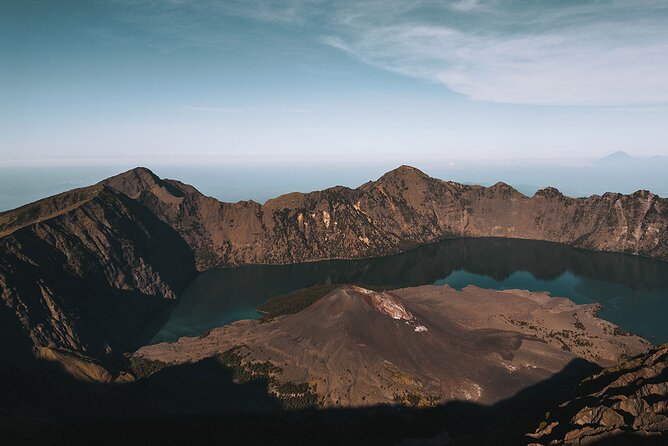
That timing is not accidental. Getting up to the crater rim before the light changes helps you see the lake from a new angle—described as opposite direction from the sunrise side. In other words: you get repeat views, but not the same view.
This is also the part where your camp setup becomes more than a comfort detail. You’ll have a proper tent arrangement and cooking support through the crew, so you’re not surviving on cold snacks and hope. People specifically highlight that meals feel hot and that porters keep camp life running smoothly. There’s even mention of porters being in a good mood—like playing frisbee—so the vibe isn’t just survival mode.
One possible drawback: this is still an uphill segment after a summit day. If your legs feel cooked, don’t pretend it will be easy. Pace and attitude matter. A patient guide makes a huge difference, and names like Sap, Anton/Antok, Joe, Jake, Pendi, and Ardi have shown up in the tour’s guide stories as people who keep trekkers feeling looked after.


Day 3: Down to Senaru Village and the trek’s finish
Day 3 is a descent day, but don’t confuse it with a stroll. After breakfast, you’ll start trekking down to Senaru Village (at about 601 m). Rest stops are part of the plan, and lunch is prepared along the route—mentioned as being prepared on Post 1 Extra.
The overall walking time on this descent is described as about six hours, and the trek ends at the Rinjani Trekking Center Office.
What I like about the finish: you get closure without needing a long transfer immediately after your legs give out. You end back in the Senaru side where the tour started, which keeps the “last day logistics” from turning into extra stress.
Practical tip: treat day 3 like a careful race against fatigue. If you push too fast downhill, you’ll pay for it later—often in sore knees and feet. Let the crew set the pace, grab rest stops when offered, and use trekking poles if you rented them.
Price and what you really get for $170
For $170 over roughly 3 days, this package looks like it targets value through two things: shared logistics and included camp support.
You’re not only buying a guide. You’re getting:
- return transport on Lombok mainland area,
- tents and sleeping gear (sleeping bag, mattress, pillow),
- a camp setup that includes seating and even a toilet tent,
- guide and porter support,
- snacks and soft drinks,
- and entrance fees plus trekking insurance,
- plus a trekking certificate and meals (breakfast 3, lunch 3, dinner 2).
That kind of inclusion is a big part of why a trekking package can feel fair. If you had to rent everything separately, arrange porters, and solve camp logistics yourself, your costs and effort would likely jump.
The main extra you should budget for is personal gear like shoes, jackets, or trekking poles (renting is mentioned at $5). Tips for the crew are listed as not mandatory, but if your crew goes above and beyond—and with Rinjani, they often do—that gratitude usually shows up in the end-of-trek moment.
Also note the group size cap of 6 travelers. In real hiking terms, smaller groups often mean you’re not constantly stopping and starting to regroup.
Gear, fitness, and how to prep without overthinking
The tour states it’s designed for experienced trekkers, though there’s a path for really beginner participants on a private package. Either way, you should treat this as a serious trek.
Minimum fitness expectation is “moderate physical fitness,” but the schedule is what really matters:
- long walking day on day 1 (about 8 hours),
- early start summit day (ready at 2 am),
- climbing to the crater rim after lake time,
- then a long descent on day 3 (about 6 hours).
So my advice is simple: train for steady uphill effort and long walking, not just short bursts. Also plan your footwear and socks. The tour explicitly says shoes and some personal gear aren’t included, and rentals are available.
And because you’re dealing with high altitude and early dawn hours, I’d rather you overprepare on basics than underprepare and hope adrenaline saves you.
Who should book this Rinjani summit-and-lake trek
This is a strong match if you:
- want a structured 3-day plan that hits summit and lake,
- prefer a small group over big-tour crowding,
- value camp comfort and organized meals, not just “survive and snap photos,”
- and like hiking with a team that helps you feel safe.
It’s especially good if you want a guide who takes care of the hard parts. Several guide names come up in the tour’s stories—Jake, Sap, Pendi, Joe, Anton/Antok, and Ardi—and the consistent theme is that people felt supported on the tough stretches, with options to adjust if needed.
You might rethink if:
- you’re looking for a slow, casual nature walk,
- you hate early mornings and don’t handle night starts well,
- or you know you’re not comfortable with long uphill/downhill days.
Should you book Mount Rinjani Summit with Lake Hiking?
I’d book this if you want the full Rinjani “big moments” package in one go—summit sunrise, Segara Anak Lake, and the crater rim views—with a crew that runs camp and pacing in a way that helps you stay safe.
Do it if you can handle early starts, long walking days, and real mountain effort. Don’t over-romanticize it: this is hiking, not sightseeing.
If you’re on the fence, decide based on one question: can you realistically commit to the 2:00 am summit preparation and the long days after? If the answer is yes, this tour’s structure, included gear, and small-group support make it good value for what you’re actually doing.
FAQ
What time does the trek start?
Pickup is typically early, with a start time around 4:00 am for the tour. The summit day has you ready at 2:00 am for the summit push.
Is pickup included?
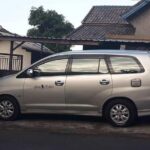
Yes. Return transport (Lombok mainland area) is included, and pickup is offered depending on your hotel location.
How many people are in the group?
The tour has a maximum of 6 travelers, which helps keep the hiking more manageable.
What’s included in camp and meals?
The package includes tents and sleeping gear (sleeping bag, mattress, pillow), plus camp setup items like chairs and a table, and a toilet tent. Meals are included: 3 breakfasts, 3 lunches, and 2 dinners, along with snacks and soft drinks.
Do I need to bring my own hiking gear?
Personal gear like shoes, jacket, and trekking pole is not included, but rentals are available (listed as $5). You’ll still want to pack whatever you personally prefer for comfort.
Is entrance and trekking insurance covered?
Yes. Entrance fee & trekking insurance are included, and you also receive a trekking certificate.