REVIEW · LOMBOK
Mount Rinjani Summit Trek Full Sunrise Point (2D-1N)
Book on Viator →Operated by Dhyns Rinjani Hiking · Bookable on Viator
Rinjani sunrise starts before your alarm. This 2D-1N trek in Lombok aims for the full sunrise point near the Mount Rinjani summit at 3726m, and it starts with a relaxing change of pace: waterfall scenery around Sendang Gile and Tiu Kelep.
Two things I like a lot are the organized team setup and the fact that so much gear is already handled for you. An experienced English-speaking guide runs the trek, porters carry the cooking gear and camping equipment, and the included camp kit (tents, sleeping bags, mattress, pillow, and even a chair) means less stress and less hauling.
One drawback to plan for: this trek asks for real fitness. You’re also facing extra costs not listed as included, like the national park entrance fee (IDR 200,000 per day per person) and tipping your guide and porters.
In This Review
- Key things you’ll notice on this trek
- Senaru starts the story: waterfalls before the climb
- Chasing the full sunrise point at 3726m
- Your camp isn’t an afterthought: what’s included (and why it matters)
- Guides and porters: reliable pace is a real value
- Gear and cold-weather prep: what you get for $160
- Price and logistics: what’s included vs what you should budget
- Fitness level: who this is for (and who should be cautious)
- Start point, luggage storage, and after-trek drop
- Weather and trail reality (so you don’t get surprised)
- Should you book Mount Rinjani Full Sunrise Point (2D-1N)?
- FAQ
- How long is the Mount Rinjani summit trek (Full Sunrise Point)?
- Where does the trek start and where does it end?
- Is the tour for a private group?
- What’s included in the price?
- Is the national park entrance fee included?
- Do I need to bring my own sleeping bag or camping gear?
- Is there water provided during the trek?
- Is pickup transport included before the trek?
- What fitness level do I need?
- What is the cancellation policy?
Key things you’ll notice on this trek
- Full sunrise focus at the 3726m summit area, so expect an early, serious climb rhythm.
- Sendang Gile and Tiu Kelep waterfall time as your “warm-up” moment before the hard effort.
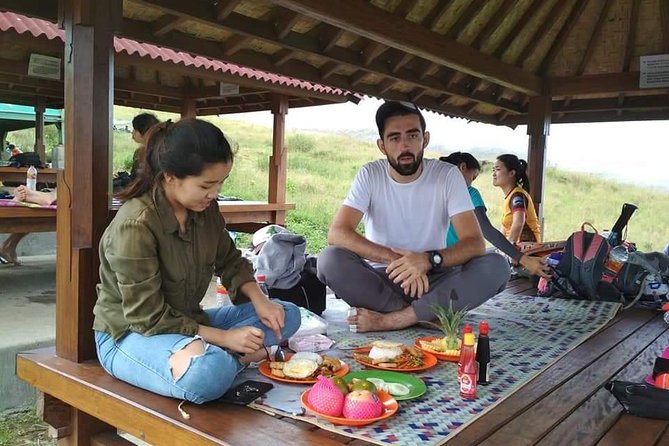
- English-speaking guide plus professional porters, with porters carrying cooking and camping gear.
- Cold-weather support included: warm jacket and gloves, plus a trekking pole per person.
- Camp comfort basics included, like sleeping bags, mattress, pillow, and a toilet tent with paper.
- Drop-off after the trek to Senggigi, Mataram, or Bangsal, while pickup/transfer logistics may cost extra.
Senaru starts the story: waterfalls before the climb
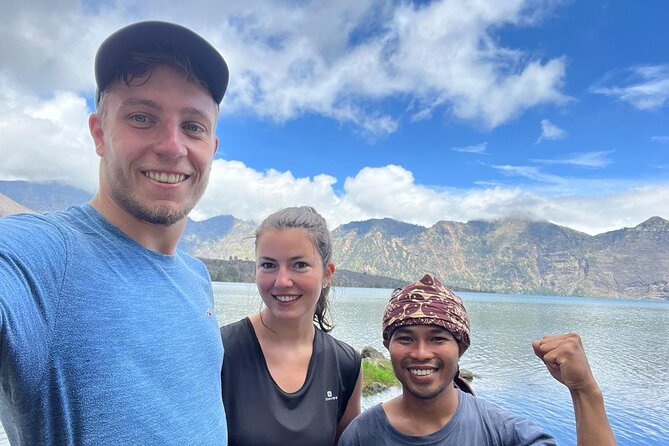
Most Rinjani treks feel like a switch flips. In the beginning, you’re not yet grinding uphill. You’re easing into Lombok mountain life around Senaru and the waterfall area.
A highlight built into this 2D-1N format is Sendang Gile and Tiu Kelep. These aren’t just quick photo stops. They work like a morale boost. You get moving on day one, you’re surrounded by lush, moving water, and you still feel like you’re on a trip, not just training.
There’s also room to add nearby sights before climbing, depending on timing and your schedule—places like Senaru traditional village and coffee plantations can be part of the experience. Even if you only manage the waterfall portion, that first scenic hit helps you arrive mentally ready for the ascent.
One practical tip: wear shoes that work on wet ground. Waterfall areas can be slippery, and you’ll want your footing solid before you switch into “serious trek” mode.
You can also read our reviews of more tours and experiences in Lombok.
Chasing the full sunrise point at 3726m
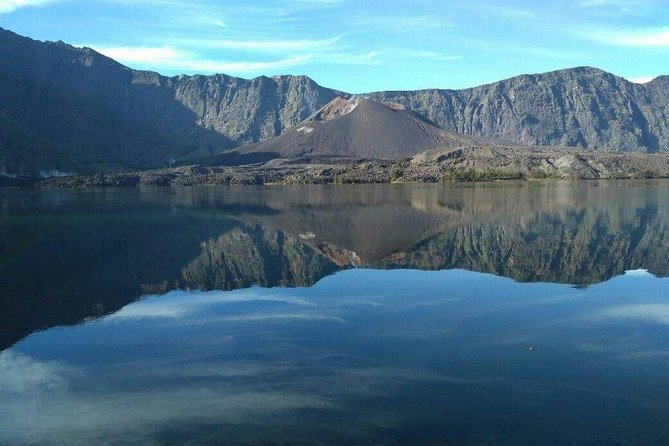
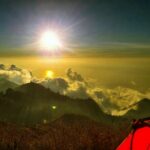
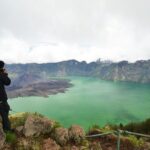
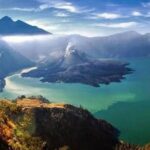
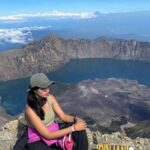
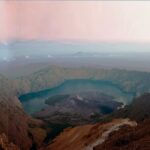
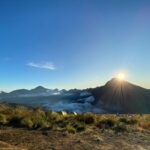
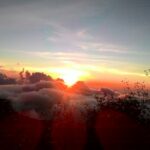
The main event here is the climb toward the Mount Rinjani summit area (3726m) with the goal of a full sunrise point. That kind of objective matters because it shapes the whole day’s pace. You’re not sightseeing at leisure. You’re moving with purpose, and you’ll likely be out before daylight.
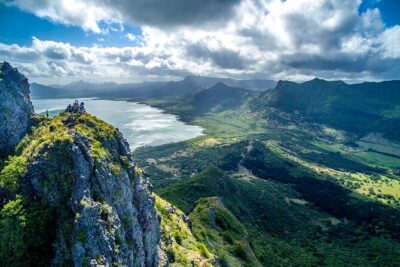
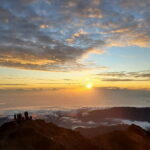
What makes it worth it is the kind of view this mountain is known for: wide-open sky moments, strong contrast as the light changes, and that rare feeling of standing where the horizon feels close. Sunrise on a mountain also tends to bring a strange calm. The climb can feel intense, but the payoff is not just a pretty picture. It’s a physical reset, like your effort finally has a purpose you can see.
Reality check: the tour is recommended for experienced trekkers. Even if you’re fit, Rinjani is not a gentle hike. You’ll want to go in with steady stamina and comfortable uphill technique, especially if you’re not used to higher altitudes.
Your camp isn’t an afterthought: what’s included (and why it matters)
For many first-time trekkers, the camp setup is the make-or-break detail. Here, camp support is built into the package, not left for you to figure out.
You’ll have:
- Tents and a toilet tent with paper
- Sleeping bags, a mattress, and a pillow
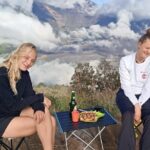
- A chair (yes, a chair), plus a more complete camp layout through the trekking system
- Warm jacket and gloves as part of the included items
- Mineral water provided on the trek: 3 litres per person per day
Why this matters: at high elevation, temperature can turn fast. A warm jacket and gloves being included saves you from last-minute gear shopping, and it can help you avoid arriving on day two underprepared. The sleeping setup and toilet tent also reduce the “roughing it” stress. You’re still hiking hard, but you’re not starting from zero every night.
Small practical note: the package includes camp basics, but you’ll still want to keep your personal items organized—things like a headlamp, dry bag, and layers in your daypack (items not listed here). The trek is more pleasant when your essentials are easy to reach.
Guides and porters: reliable pace is a real value
Mount Rinjani is long, and it’s not the kind of mountain where you do well if the plan falls apart. That’s why I put a lot of weight on how teams communicate and move.
This trek uses an experienced English-speaking guide and professional porters. Porters handle major weight like cooking gear and camping equipment, so your job stays focused on trekking. That reduces fatigue and keeps you safer when trail conditions get uneven.
From the guide-and-porter experience shared by others, names you might hear around this operation include guides such as Apeng, Kusmayadi, or Oky, with porters like Mali and Satar. Your exact team can vary by date, but the consistent idea is the same: people who know how to manage logistics at altitude.
One more value point: the tour notes you should be strong physically, which usually means the pacing is taken seriously. Good teams don’t sprint you for photos. They manage rhythm so you’re not completely wrecked when sunrise time hits.
Gear and cold-weather prep: what you get for $160
This tour includes a set of items that directly reduce hassle on summit treks.
Included gear items you should feel good about:
- One trekking pole per person
- Gloves and a warm jacket
- Sleeping bags, mattress, and pillow
- Chair plus full camp support (tents and toilet tent with paper)
For a summit trek, trekking poles are not optional. They take pressure off your knees on descents and improve stability on steep steps. If you’ve never used poles before, you’ll likely appreciate them more than you expect.
Also, don’t ignore the cold-weather pieces. Even if you think you’re tough, mornings for sunrise can be brutally chilly. Having a warm jacket and gloves included means you can spend money on other essentials instead of buying last-minute “maybe this works” gear.
Price and logistics: what’s included vs what you should budget
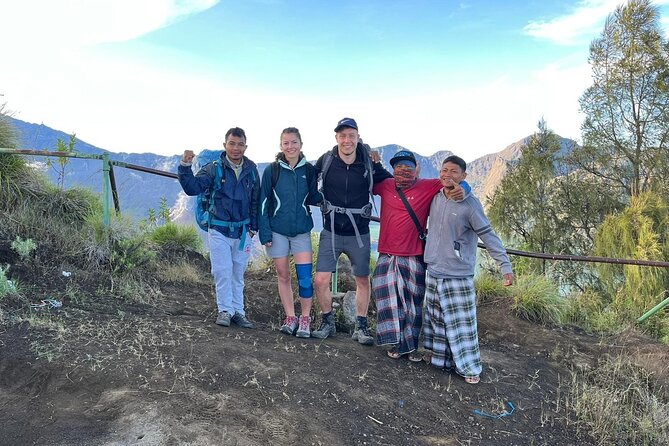
At $160 per person for about 2 days (2D-1N), this trek can be good value if you compare it to what it would cost to arrange guide time, porters, and camp gear separately.
Here’s the core package you’re paying for:
- Trekking guide and porters (porters carry cooking gear and camping equipment)
- English-speaking guidance
- Camp equipment (tents, toilet tent, sleeping bags, mattress, pillow, chair)
- Water: 3 litres per person per day
- A trekking pole per person
- Warm jacket and gloves
- Luggage storage available at the Rinjani Vacation office
- Transport drop after the trek to Senggigi, Mataram, or Bangsal
Now the extras to plan for:
- National park entrance fee: IDR 200,000 per person per day
- Tips for guide and porters (not included)
- Extra porter for personal luggage (if you want it)
- Accommodation/hotel
- Transport pickup before the trek and transfers beyond the listed drop
So how do you judge value? If you want to show up with your fitness and a basic backpack, this package tries to handle the heavy stuff and camp setup. If you’re already bringing your own gear and you know you’ll need private transfers or extra porters, your total cost might climb.
Tip for your budget: add the park fee first, then set aside a realistic tip amount. That prevents the common “surprise cost” moment right when you’re tired.
Fitness level: who this is for (and who should be cautious)
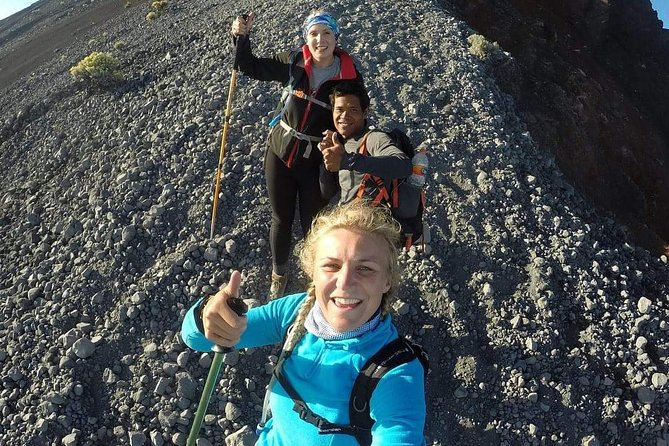
The trek is described as recommended for experienced trekkers, and the operator also states travelers should have a strong physical fitness level.
Here’s what that usually translates to in practice:
- You should be comfortable hiking for long periods with elevation gain
- You should be able to handle early starts for sunrise
- You should have a proven routine for hills, not just flat fitness
- You should bring a calm, steady mind—Rinjani rewards patience
If you’ve never done a serious multi-day hike, consider building up first. If you have experience but you know your weakness is stamina, focus your training on uphill endurance and controlled descents. Poles help, but they can’t fix poor pacing.
Start point, luggage storage, and after-trek drop
You meet at the Mount Rinjani Vacation Tours & Trekking Organizer Lombok Indonesia office in Senaru, with an address listed on Jl. Pariwisata, Senaru, Pawang Karya, Kabupaten Lombok Utara, Nusa Tenggara Barat 83354. The activity also states it’s near public transportation, so you’re not stuck hunting for a remote pickup point.
At the office, luggage storage is available. That’s a big deal for summit days because you can travel lighter and keep your energy for the climb.
After the trek, the package includes a drop to Senggigi, Mataram, or Bangsal. The listing also says transport pickup and transfers aren’t fully included, so if your hotel is outside those areas, you’ll want to plan your next move ahead of time.
Weather and trail reality (so you don’t get surprised)
The data doesn’t spell out specific weather patterns, but it does clearly signal cold readiness through included clothing like a warm jacket and gloves. That’s your clue: mornings and higher points can feel colder than you expect.
If you go, dress like it’s a cold sunrise day even if the afternoon feels warm. Layers work better than one thick coat because temperatures can shift during the climb. Also, plan for muddy or wet footing around waterfall zones and trail edges.
One more practical thought: with a sunrise objective, you want to be prepared mentally for an early, focused schedule. The best treks feel efficient. The worst treks feel chaotic, and chaotic usually comes from people who aren’t ready.
Should you book Mount Rinjani Full Sunrise Point (2D-1N)?
Book it if you want a straightforward, guided summit-focused trek with the big friction points handled for you: English-speaking guide, porters, camp equipment, water, and cold-weather support are all built into the package. The included camp basics and water are especially valuable when you’d rather spend your energy on the climb than logistics.
Skip it or consider a lighter format if you’re not confident in your endurance. This one isn’t marketed as a casual hike. It’s built for trekkers who can handle elevation and an early sunrise mission.
If you’re the kind of person who loves a mission with a clear payoff—sunrise views and a summit goal—this is a compelling way to do it in about two days.
FAQ
How long is the Mount Rinjani summit trek (Full Sunrise Point)?
The duration is listed as approximately 2 days for the 2D-1N experience.
Where does the trek start and where does it end?
It starts at the Mount Rinjani Vacation Tours & Trekking Organizer Lombok Indonesia office in Senaru. It ends back at the meeting point.
Is the tour for a private group?
Yes. The activity is described as private, meaning only your group participates.
What’s included in the price?
Included items cover an English-speaking guide and professional porters, camp equipment (tents and toilet tent with paper, sleeping bags, mattress, pillow, chair), 3 litres of mineral water per day per person, and additional trekking support items like a trekking pole per person, gloves, and a warm jacket. It also includes luggage storage at the office and a drop after the trek to Senggigi, Mataram, and Bangsal.
Is the national park entrance fee included?
No. The national park entrance fee is listed as IDR 200,000 per person per day.
Do I need to bring my own sleeping bag or camping gear?
No. Sleeping bags and other camp setup items are included, including tents, mattress, pillow, and chair.
Is there water provided during the trek?
Yes. You get 3 litres of mineral water per person per day, listed as part of what’s included.
Is pickup transport included before the trek?
Transport pickup is listed as not included. The trek includes a drop after the trek to Senggigi, Mataram, and Bangsal.
What fitness level do I need?
The tour notes that travelers should have strong physical fitness level and that it is recommended for experienced trekkers.
What is the cancellation policy?
Free cancellation is offered if you cancel up to 24 hours in advance of the experience start time for a full refund.
If you want, tell me your hiking experience level and travel dates, and I’ll help you decide whether this 2D-1N format fits or if you should look at a longer acclimating option.