REVIEW · LOMBOK
3 Days and 2 Nights Summit Via Sembalun
Book on Viator →Operated by Rinjani Hero · Bookable on Viator
Rinjani sleep is the main event. This 3-day, 2-night summit trek from Sembalun is built for people who want the top, but also want the crater-lake and volcanic hot springs stops (not just a checkbox summit). Two things I really like: porters carry your camping and cooking gear so you can hike with less to worry about, and the route gives you more than skyline photos—there’s real time down at the lake and soakable hot springs.
Day 2 is long and steep, and the overall trek expects moderate fitness. If you’re hoping for a relaxed nature walk, this isn’t that. Think climbing, altitude, and camping nights on the mountain, then repeating the effort with good, guided pacing.
In This Review
- Key things to know before you hike Rinjani from Sembalun
- Sembalun vs. Senaru: what the meeting point setup means for your trip
- Day 1 from Sembalun crater rim to your first camping night
- Day 2 summit day: the views over Lombok and the reward at Segara Anak
- Day 3 sunrise, lake scenes, then the descent back to Senaru
- What you get for the $220 price (and what will cost extra)
- Guide support and porter work: why the team setup matters on steep days
- Gear and clothing checklist: what’s explicitly required
- Fitness and timing: how hard is the 3D2N plan really
- Should you book this Rinjani 3D2N summit with Rinjani Hero?
- FAQ
- How long is the trek, and how many nights do I camp?
- What fitness level is recommended?
- What gear is included versus not included?
- Are porters and a guide included?
- What extra costs should I budget beyond the $220 price?
- What’s the cancellation policy?
Key things to know before you hike Rinjani from Sembalun
- Small-group feel (max 15) with a guide who keeps you moving safely on steep, higher terrain.
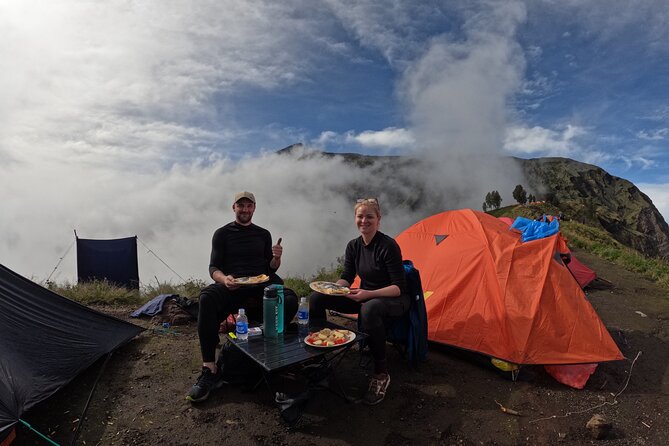
- Two nights camping with major gear included: tent, sleeping bags, mattress, pillows, plus a toilet tent.
- Porters handle more than you expect—they carry cooking gear and camping equipment so your personal load stays lighter.
- A summit route that includes Segara Anak time plus a chance to bathe in volcanic hot springs.
- Plan for extra costs like the Sembalun entrance fee and tipping (not included in the listed price).
- You’ll want to dress for cold and rain: a plastic rain coat and medical check are included, but you still bring your core trekking clothing.
Sembalun vs. Senaru: what the meeting point setup means for your trip
This trek starts around Senaru village, then you’ll use transport from Senaru to reach the Sembalun start area for your climb. That matters because it reduces the time you spend moving on roads before the real hiking begins.
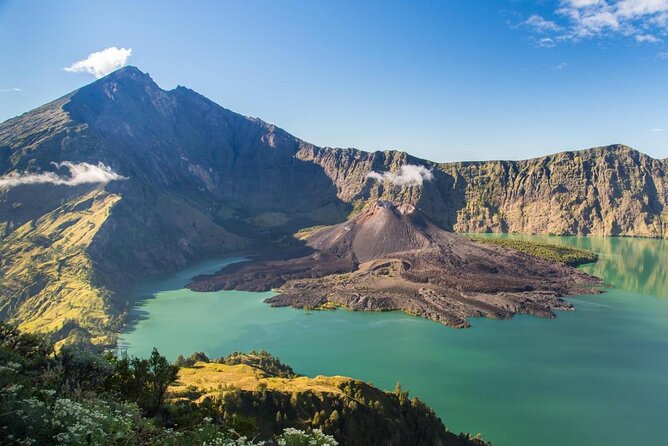
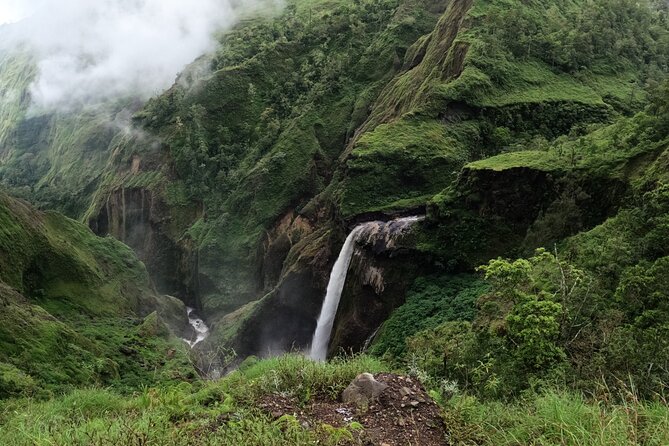
You’ll also be hiking in a loop that includes both sides of Rinjani’s crater rim areas: you climb from the Sembalun side to the summit area, then come back down toward Senaru on the final day. The payoff is you get different viewpoints—wide-sky views from higher ground, then a crater-focused feel when you reach the lake and hot spring area.
If you’re the kind of traveler who hates getting lost or making wrong turns on steep trails, this route’s “guided first” approach is the point. The guide and group structure helps you focus on walking and breathing instead of route anxiety.
You can also read our reviews of more tours and experiences in Lombok.
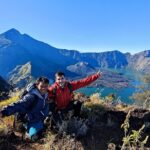
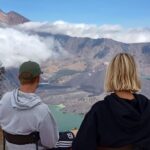
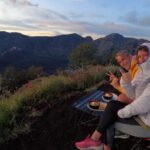
Day 1 from Sembalun crater rim to your first camping night
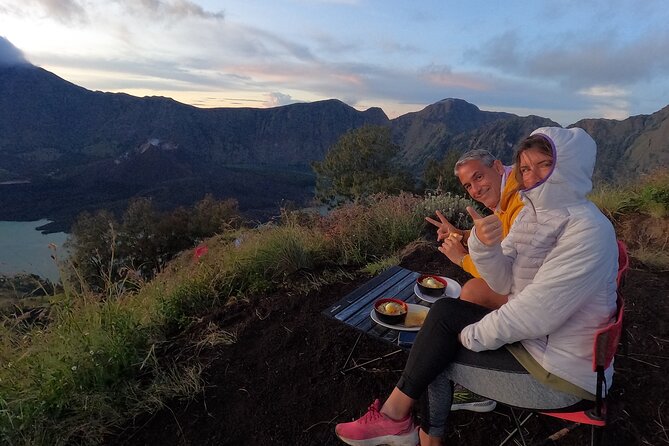
Day 1 centers on reaching Pelawangan Sembalun / Sembalun Crater Rim (2,639 m) after meeting up and getting transported to the trekking start area. Expect about 7 hours total for the day, with a prolonged steep climb built into the push up toward the rim.
Why that first climb matters: the mountain sets the tone early. Your legs learn what “up” feels like on Rinjani before the longer summit day. Also, you’re moving from lower areas up toward much colder air and thinner-feeling conditions, so slow and steady pacing becomes your best tool.
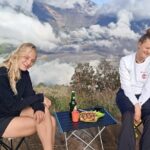
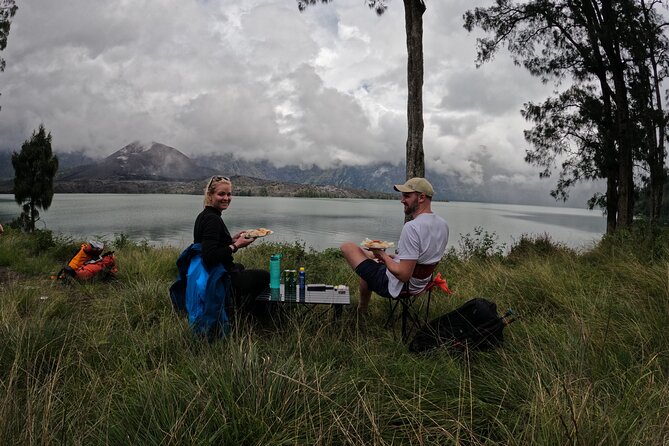
Then comes the part that makes this itinerary different from budget summit-only hikes: you spend your first night camping on the mountain. The big practical win is that tent, toilet tent, sleeping bags, mattress, and pillows are included, plus a chair and table setup. Camping is still camping, but you’re not carrying the whole system on your back.
One more thing: the itinerary lists admission ticket not included for Day 1, and the overall info notes an entrance fee for Sembalun Village later. So if you’re budgeting, don’t plan as if all fees are rolled into the base price.
Day 2 summit day: the views over Lombok and the reward at Segara Anak
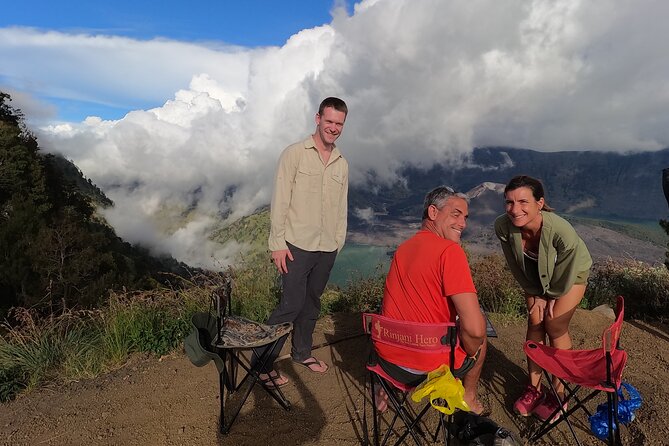
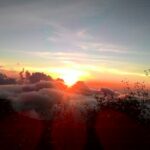
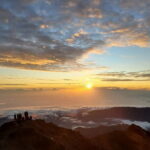
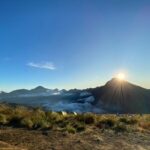
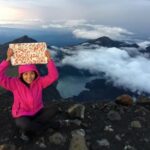
Day 2 is the star. It’s about 10 hours, starting with a summit push where, on a clear day, you can see Lombok, Bali, Sumbawa, and Segara Anak Lake from the top. That view detail isn’t small talk—it’s the reason people accept the grind.
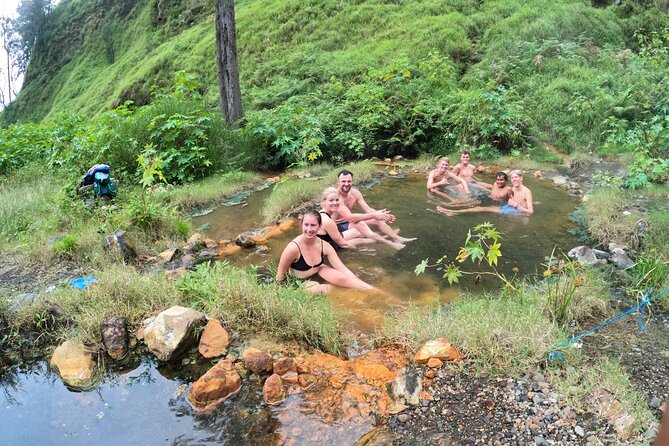
But this trek isn’t only about reaching the highest point. From the summit area, you also get time for hot springs and lake exploration. There’s even a note about being able to swim after walking around 100 meters from the lake, which is a big deal for comfort and reward. After hours of hiking, having an actual “reset” activity (soak, then lake time) feels like the itinerary has a sense of humor.
The volcanic hot springs are the other big draw. The plan is to enjoy them after the heavier climbing portion, so you can warm up and recover instead of just celebrating with a snack and heading back down. In real terms, that helps you keep your day-3 descent from feeling like punishment.
If you want a real-world feel for the difficulty, the schedule itself tells you a lot: a long day plus summit altitude usually means you should bring a mindset for hard work, not just courage. Pace yourself, drink water, and keep your eyes on the trail when it turns rocky or steep.
Day 3 sunrise, lake scenes, then the descent back to Senaru
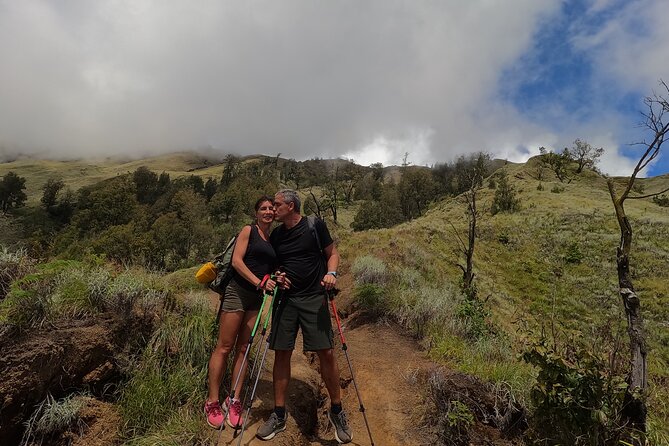
On Day 3, you’ll start with breakfast and sunrise time. The plan is to grab beautiful scenery of the lake before you head down.
Then the trek shifts from “climb energy” to “legs in motion.” You descend to Senaru village over about 4–5 hours. There’s also a break and lunch on the way between trail stops (the exact segment label isn’t fully shown, but the idea is clear: you’re not just walking nonstop all day).
This is where good gear and logistics pay off. Since your bigger equipment is handled by porters on the way in, you can keep your own load manageable on the descent too. That’s not just comfort—it’s safety. Knee-friendly walking on the way down is a lot easier when you’re not overloaded.
By the time you reach Senaru, this trek feels like a full circuit: crater rims, summit views, lake and hot springs, then a guided return to civilization.
What you get for the $220 price (and what will cost extra)
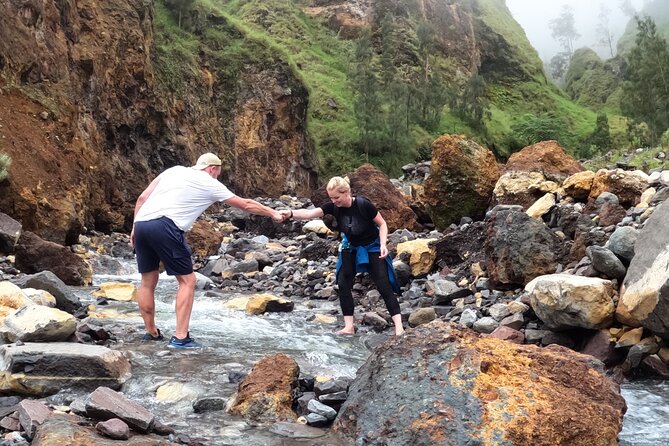
At $220 per person, the value is mostly in the things that are hardest to manage yourself.
Included highlights:
- Trekking guide + porters who carry cooking gear and camping equipment
- Tents, toilet tent, sleeping bags, mattress, pillow, plus basic campsite seating
- Medical check listed as 25,000 per person
- Plastic rain coat
- Transport from Senaru to Sembalun starting trek
What’s not included (so budget ahead):
- Personal travel insurance
- Small bag / daily pack
- Extra porter if you want one: $25/day
- Tips for porter and guide
- Trekking shoes and personal clothing listed as long pants, gloves, and jacket
- Entrance fee for Sembalun Village: IDR 600,000 per person
- Your airline ticket
Here’s how I’d think about the math as a practical hiker: if you subtract the cost and hassle of porters carrying a full campsite setup, the price starts looking less like a “deal” and more like paying for fewer headaches. You’ll still do the work on the trail, but you’re paying to reduce uncertainty—what to carry, what to rent, who sets up camp, and how to stay on the correct route.
Also note the experience includes group discounts and a mobile ticket. That can help if you’re going with friends and want less friction day-of.
Guide support and porter work: why the team setup matters on steep days
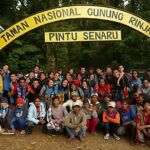
This is a small-group tour with a maximum of 15 travelers, and the tour description promises personalized attention. On Rinjani, that matters because the route includes sustained climbs and high-altitude discomfort where you want someone adjusting pacing and checking in.
Porters carry a lot of weight off your shoulders. The info is explicit: porters carry cooking gear and camping equipment. That’s the difference between hiking with a manageable pack and hiking while fighting every step with unnecessary load.
English-speaking leadership is also mentioned in the feedback you can use to set expectations. People reported guides doing the job clearly enough to lead climbs, with names like Joe and Sapar appearing in trip accounts. Another coordinator name you may see tied to smoother organization is Ketchup, and Awal is another guide name associated with solid support.
One practical note: even with this level of included help, you’ll still be expected to bring your own key trekking items (shoes and listed clothing). And tipping is part of the reality since it’s not included. Plan for it so it doesn’t feel awkward later.
Gear and clothing checklist: what’s explicitly required
The tour info is pretty specific about what you should bring:
- Trekking shoes
- Long pants
- Gloves
- Jacket
- Your airline ticket
A plastic rain coat is included, which helps on wet or windy days. Still, your personal jacket choice matters because you’re sleeping at altitude where it can feel colder even when the air is dry.
You’ll also want a small bag / daily pack (listed as not included). That’s your day-to-day carry—water, snacks, and your personal layers—while porters handle the campsite system.
If you’re packing light, don’t accidentally skip the small stuff you’ll actually use. On summit days, hands get cold and getting too wet is miserable. Your gloves and jacket aren’t optional in practice even if the forecast looks calm.
Fitness and timing: how hard is the 3D2N plan really
The tour says it’s ideal for people with moderate physical fitness. That doesn’t mean easy. It means you can handle steady climbing, long hiking hours, and camping nights in rougher conditions without needing recovery breaks every 20 minutes.
The itinerary durations show the reality:
- Day 1: about 7 hours, including a prolonged steep climb
- Day 2: about 10 hours to the summit and crater area activities
- Day 3: about 5 hours down toward Senaru
So yes, Day 2 is the heavy one. If you’ve never hiked long days with steep segments, you’ll likely feel it. The good news is that this tour is guided and organized, so the challenge is more predictable than random solo scrambling.
Timing-wise, you’ll often see this trek booked ahead. The booking pattern listed is an average of 52 days in advance, which is a polite hint: plan early if you want the dates you prefer.
Also remember: weather and visibility can affect the summit reward. When clouds roll in, the climb is still the climb—you might just get fewer far-distance views. That’s why it helps to focus on your effort and the hot springs/lake stops as part of the full package.
Should you book this Rinjani 3D2N summit with Rinjani Hero?
Book it if you:
- want a guided summit hike with two nights camping
- like the idea of porters carrying camp and cooking equipment
- care about doing more than the summit, especially hot springs and Segara Anak lake time
- are moderately fit and comfortable with a full-on hiking schedule
Skip it (or at least reconsider) if you:
- want a light, casual trek with minimal climbing
- get discouraged by long hiking days (the plan is 7–10 hours most days)
- don’t want to handle extra budget items like tips or the Sembalun entrance fee
This one is best for travelers who want structure. Not just safety, but also comfort in the camp setup so you can focus on walking and enjoying the crater-side rewards.
FAQ
How long is the trek, and how many nights do I camp?
It’s a 3-day trek with 2 nights camping on the mountain.
What fitness level is recommended?
The tour is recommended for travelers with moderate physical fitness, since the itinerary includes steep climbing and long hiking days.
What gear is included versus not included?
Included camping gear covers tent, toilet tent, sleeping bags, mattress, and pillow. Not included are your trekking shoes and personal clothing like long pants, gloves, and a jacket, plus a small daily pack.
Are porters and a guide included?
Yes. The tour includes a trekking guide and porters, and the porters carry the cooking gear and camping equipment.
What extra costs should I budget beyond the $220 price?
You’ll need to budget for the Sembalun Village entrance fee (IDR 600,000 per person), plus tips for the guide and porter. Optional extras include an extra porter for $25/day.
What’s the cancellation policy?
The experience is non-refundable and cannot be changed for any reason. If you cancel or request an amendment, the amount you paid won’t be refunded.
If you tell me your fitness level and whether you’re more excited about the summit or the lake/hot springs, I can help you decide if this specific 3D2N plan matches your style.