REVIEW · LOMBOK
Mount Rinjani: 3D/2N Trekking to Summit, Lake and Hot Spring
Book on GetYourGuide →Operated by Rinjani Climbing Tour · Bookable on GetYourGuide
Rinjani is the kind of trek that changes your breathing. You start in dense rainforest, camp on the crater rim, then end with a summit sunrise that looks over Lombok, Bali, and the Gili Islands. My favorite part is the natural combo of lake + hot spring without needing extra detours, with an experienced English-speaking guide and porters handling the camping setup. The main trade-off: this is steep and slippery, so you need solid fitness and no height issues.
You’ll walk 8 to 9 hours on trekking days, and the days are long even when you feel like you’re still “waking up.” I also like that you’re not just chasing a peak—you get time at Segara Anak Lake and a proper sunset viewpoint from Sembalun crater rim before the summit push. If you’re expecting a gentle hike, this route will feel demanding fast.
In This Review
- Key Things That Make This Trek Worth It
- Senaru Rim Day: Dense Forest, Snacks, and Starry Sleep
- Segara Anak Lake and the Hot Spring Dip You’ll Remember
- Summit Morning: Sunrise Over Four Directions of Island Country
- Camps, Gear, and What You Can Leave at Home
- Price and Value: What $150 Really Buys You
- Timing, Weather, and Fitness Reality Checks
- Who This Trek Fits Best (And Who Should Skip It)
- Final Decision: Should You Book This Rinjani 3D/2N Trek?
- FAQ
- What’s included in the trekking package?
- Do I have to pay the national park entrance fee?
- Where does the trek start and end?
- What should I bring with me?
- What’s not allowed during the trek?
- How physically difficult is the route?
- What are the age limits?
- Are there weather-related closures?
Key Things That Make This Trek Worth It
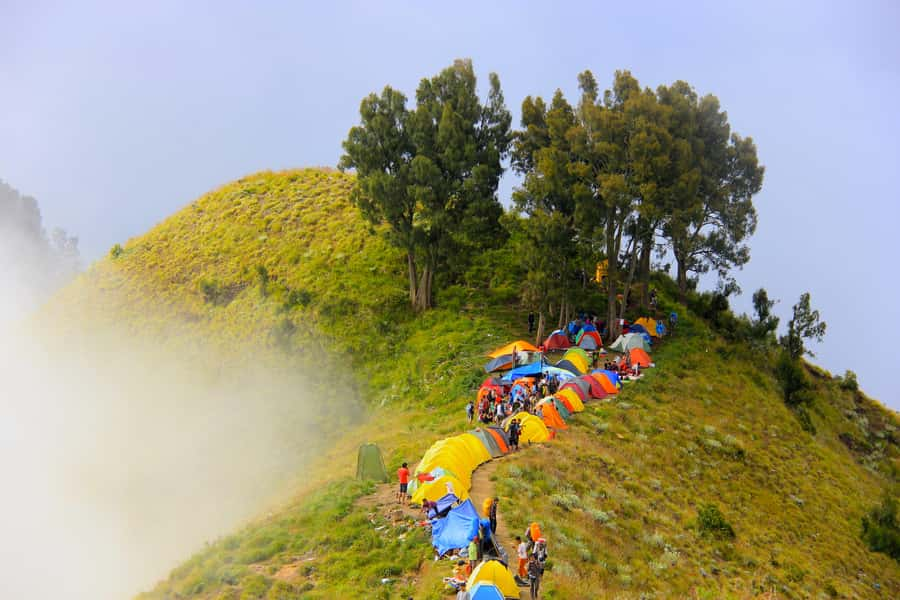
- Rainforest hiking from Senaru rim with breaks for snacks and monkey-spotting opportunities
- Segara Anak Lake day plus a dip in a nearby natural hot spring
- Sunset from Sembalun crater rim, then an overnight camp that sets up the summit timing
- Summit views over Lombok, Bali, Sumbawa’s Mount Tambora, and Segara Anak Lake
- Porters and camp gear included, so you carry less than you might fear
Senaru Rim Day: Dense Forest, Snacks, and Starry Sleep
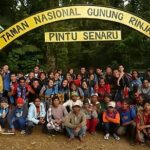
Your trek starts after pickup from your hotel area in Senaru or Sembalun, with a briefing at the meeting point so you know how the day will run. Then you head to Senaru Village and begin the trek toward the Senaru rim. This is where Rinjani immediately proves it’s not just about the summit sign.
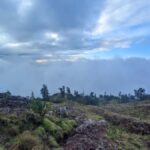
The path works through pristine, dense tropical forest, and it’s not the kind of scenery you can fully appreciate from a quick photo stop. Plan for frequent pauses for snacks and rest, which matters because the trail here is usually steady work rather than a short burst. Keep your eyes open for black or brown monkeys while you’re stopping—when they’re around, the forest feels alive in a very real way.
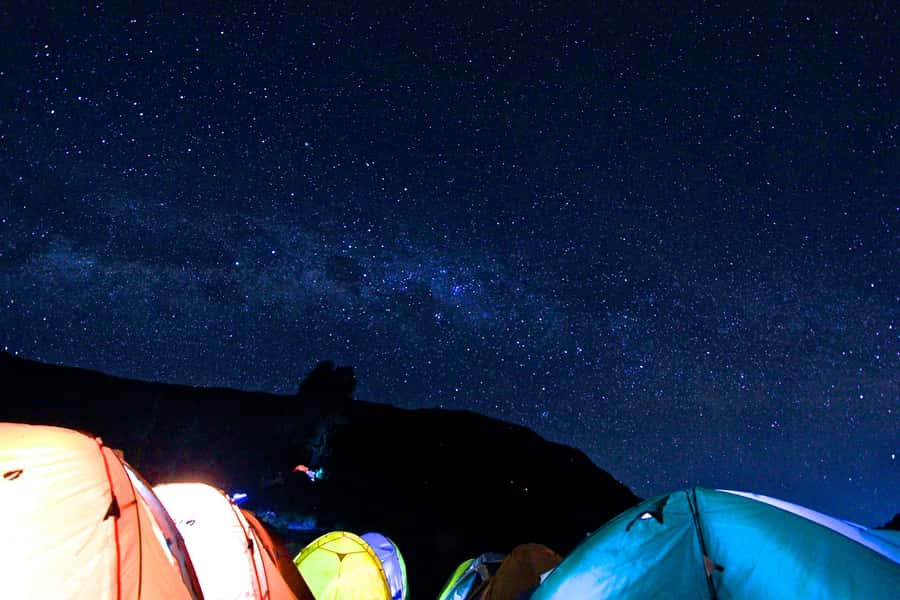
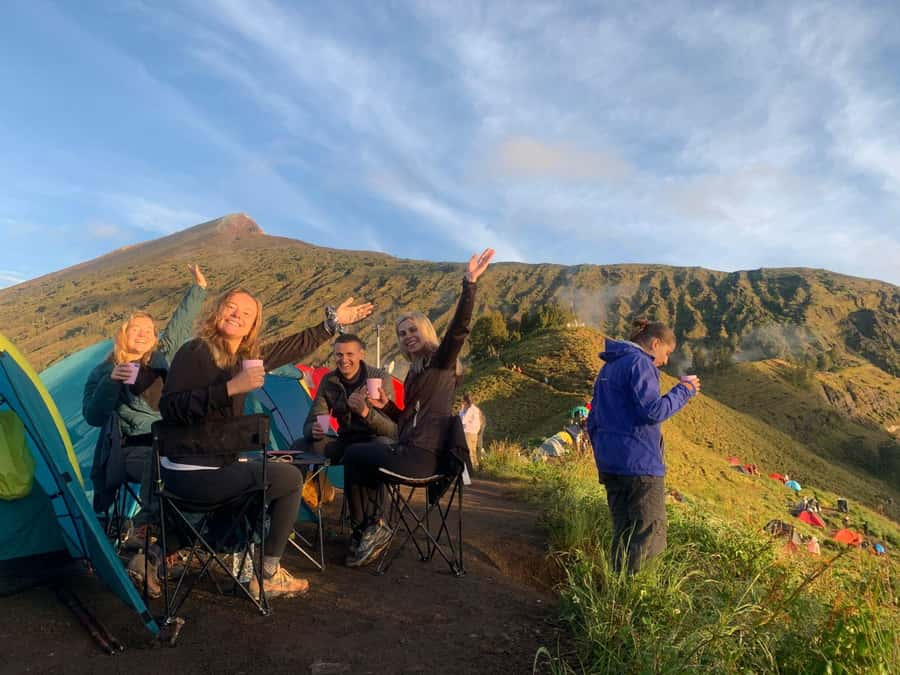
Once you reach the Senaru rim, you set up camp and shift into a slower rhythm. That first night under the stars is part of why camping here feels special: you’re not checking into a hotel and calling it a trip. You’re transitioning into mountain mode, with the crater world around you.
A practical note: you’ll want to dress for changing conditions. Forest mornings can feel damp, and the temperature can drop as you gain altitude. Comfortable layers beat one heavy outfit, especially when you’re sweating from steady trekking and then cooling down after breaks.
You can also read our reviews of more tours and experiences in Lombok.
Segara Anak Lake and the Hot Spring Dip You’ll Remember
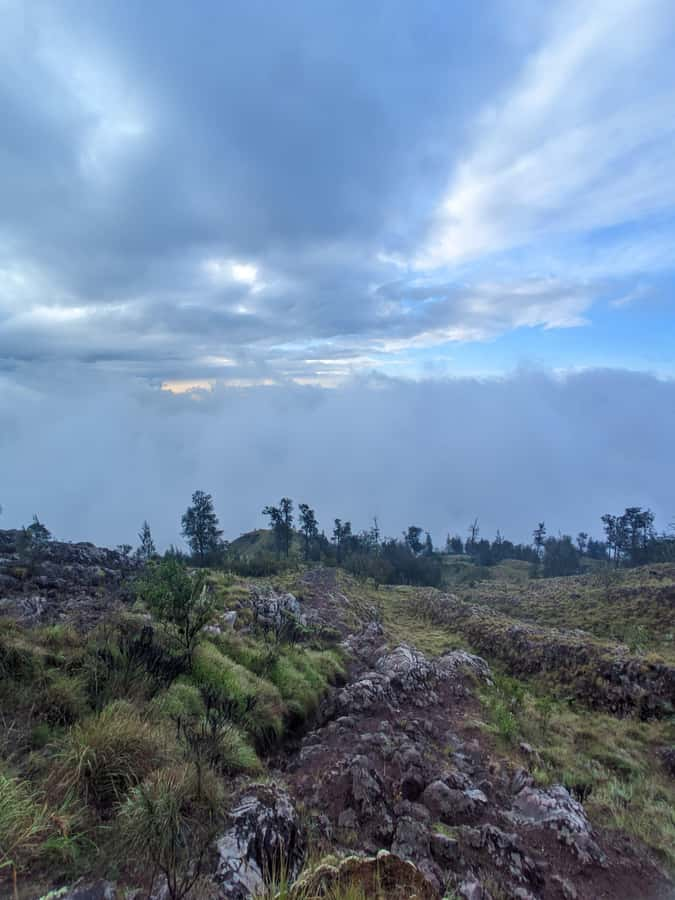
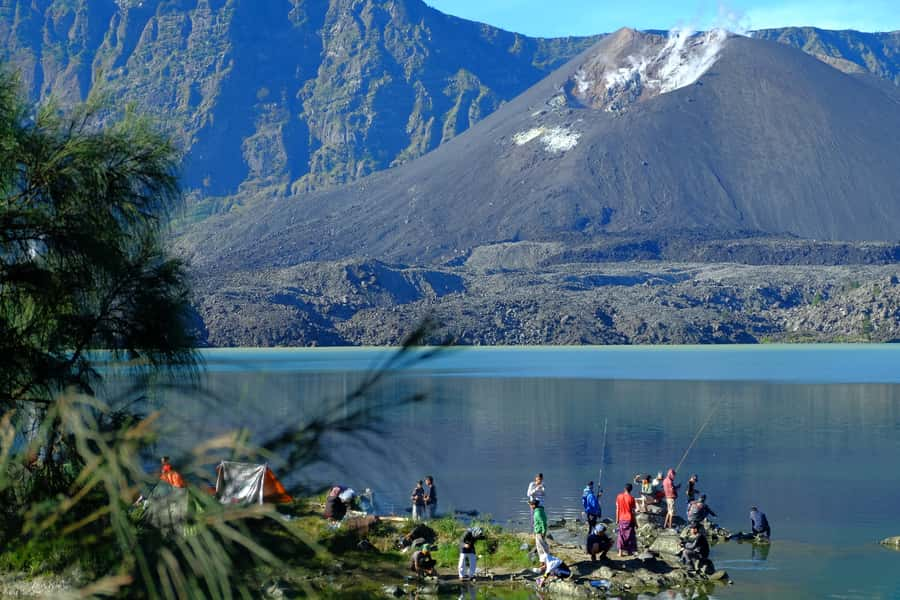
Day two begins with hot breakfast, then it’s time to hike to Segara Anak Lake. This isn’t just “arrive and take pictures.” The lake stop is built into the pace so you can actually enjoy it before moving on again.
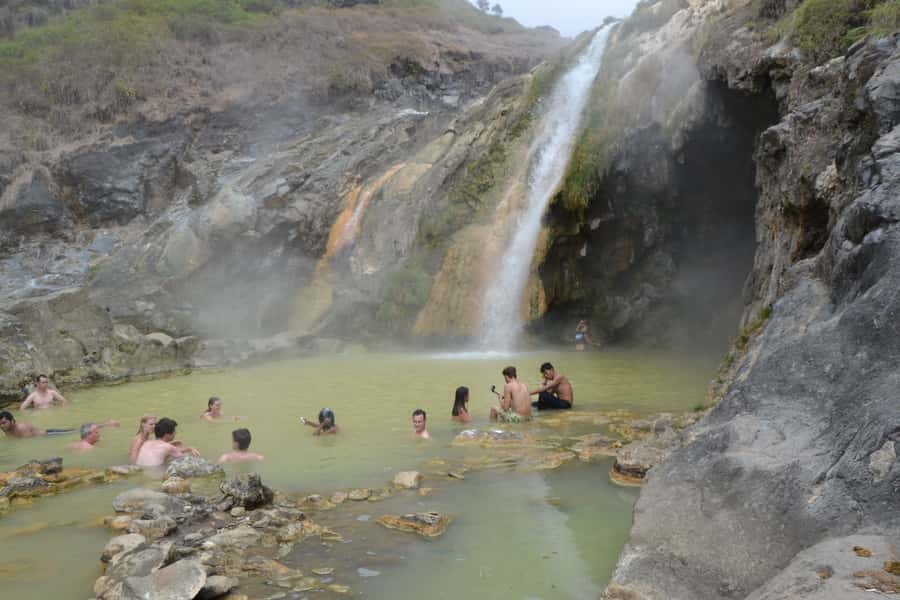
You’ll take a dip in a nearby natural hot spring close to the lake. This is one of the smartest parts of the whole itinerary. After hours on the trail, warm water can turn stiff legs into something you can manage for the next day. Even if you don’t stay long, a soak helps you reset mentally too—Rinjani isn’t only a physical test.
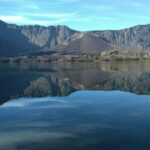
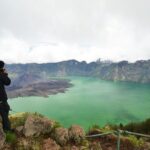
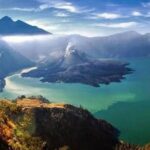
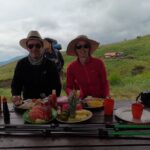
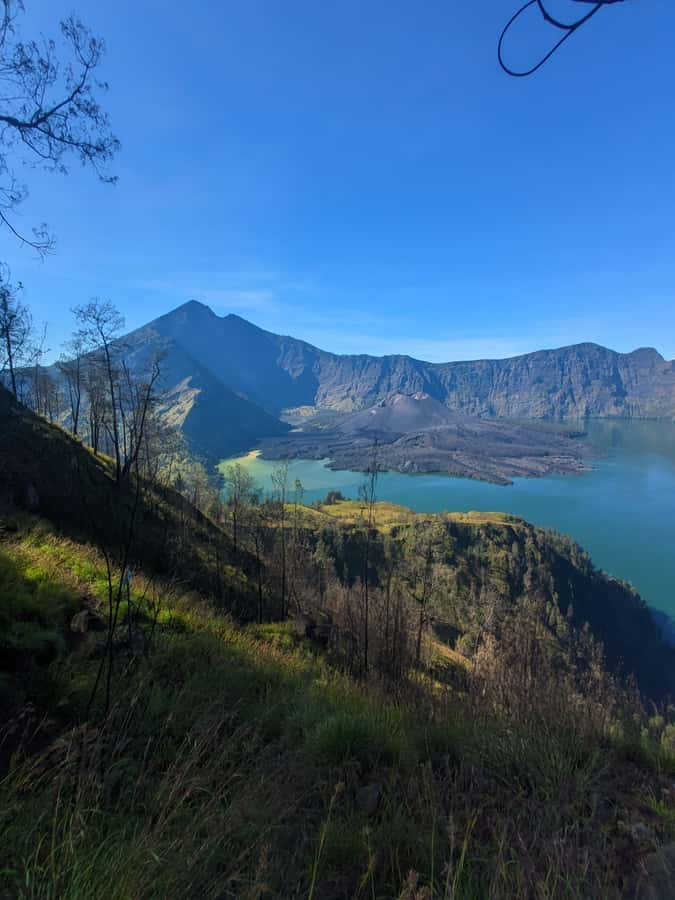
Lunch is enjoyed by the lake, which gives you time to sit, eat, and look around instead of rushing through scenery. Segara Anak Lake views feel different from typical viewpoints because you’re sitting in a living crater environment. You’re also high enough that weather can shift quickly, so having breaks here is more than comfort—it helps you keep your energy for what comes next.
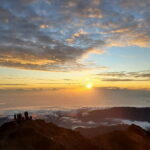
Then you hike up to Sembalun crater rim to watch the sunset and camp overnight. This sunset viewpoint is a key moment because it sets your expectations for the summit morning. You’ll likely feel the day’s fatigue at this stage, but sunset also gives you a clear payoff: the mountain starts to look dramatic in a way you can’t fake with a travel brochure.
Summit Morning: Sunrise Over Four Directions of Island Country
Day three is the summit push, and it starts earlier with a light breakfast. The goal is to reach the top for sunrise, so you need to be ready to move when it’s still early and the ground can be slippery.
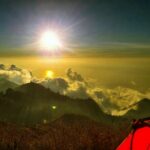
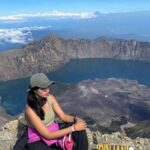
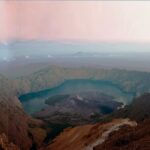
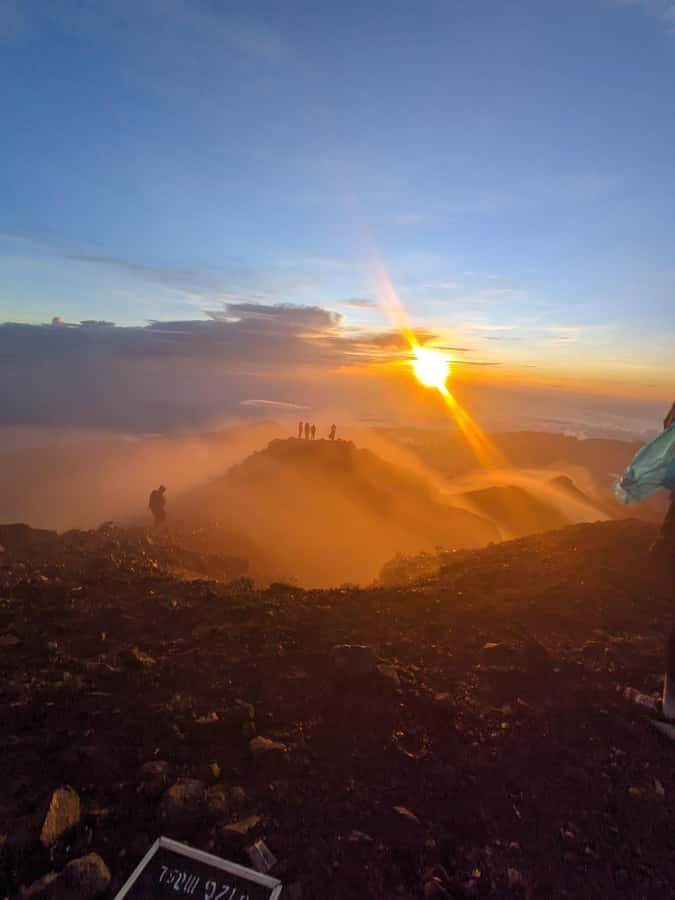
When you get to the summit, the views are the big headline: you’ll see Lombok Island, Bali, Mount Tambora in Sumbawa, and Segara Anak Lake. That mix matters because it makes the summit feel like a real viewpoint on the whole region, not just a single destination. This is also where weather becomes everything. Clear skies bring big panoramas; clouds can still be beautiful, but they reduce what you can actually identify.
After the summit, you trek down to Sembalun crater for a hot breakfast and rest. This down-and-recover phase is important. People tend to focus on the climb up, but the descent is where your legs take a hit. A planned hot meal and rest helps you finish the trek with some dignity instead of turning it into a pure endurance struggle.
Finally, you head back toward Sembalun village for your transfer to your next destination. The overall arc is: forest acclimation, lake and hot spring recovery, crater rim sunset setup, then summit and descent.
Camps, Gear, and What You Can Leave at Home
One reason this trek feels approachable is how much is handled for you. In the included package, you get the camping infrastructure: tent, toilet tent and paper, sleeping bags and mattresses, plus practical trekking support like trekking poles. Porters carry the cooking gear and camping equipment, which means your personal burden is usually far less than if you were self-guided.
You also get support from trekking guides and porters, including an experienced English-speaking guide. That helps with pace and safety on steep sections, especially when the trail gets slippery.
Still, don’t treat the included gear as a reason to underpack. Some important items are listed as not included, and you’ll feel it if you forget them:
- Head lamp/hand torch (bring one)
- Small bag/daily pack (you need something for your essentials on trekking days)
- Trekking shoes and long pants (you should plan to wear proper footwear)
- You’ll also want to bring climbing gear as specified, plus goggles and gloves since conditions can be tough at altitude.
If you’re wondering about the gloves since gloves are also mentioned in the included list: I treat that as a “you’ll have some,” but I’d still bring the gloves you’re comfortable hiking in. Cold wind or wet sections can make a difference in how quickly you tire.
For comfort, camera time is built in, but you shouldn’t expect long photography sessions during steep climbs. Bring a camera, but also keep your hands free when the ground turns slick.
Price and Value: What $150 Really Buys You
At around $150 per person for 3 days / 2 nights, the value comes from more than the route. You’re paying for:
- Guided trekking with an experienced English-speaking guide
- Porters for cooking gear and camping equipment
- Food and drinking water (listed as 3 liters of mineral water per day per person)
- Core camping items like tents, sleeping bags, mattresses, and toileting setup
- Trekking poles included
The part people miss is that the total cost is not only the base price. There’s an entrance fee to the national park of Idr.200,000 per day per person, which is not included. Since the fee is per day, it can add up across the trek duration, so budget for it early.
Also, if you have extra luggage beyond what’s expected for your trek, you might need an extra porter for your own luggage. That’s a cost you can avoid by packing light and using a daily pack for what you carry.
So is $150 a bargain or a risk? It’s a good deal if you want guided support and camp logistics without renting a bunch of gear or trying to self-coordinate a multi-day crater trek. It’s not a bargain if you’re not ready for a steep, slippery hike and you end up paying extra anyway (like shoes, headlamp, and park fees).
Timing, Weather, and Fitness Reality Checks
This trek runs on a 3-day schedule with starting times you’ll need to check based on availability. The big weather warning is serious: between January and March, predicted extreme weather has led to trail closures until the end of March 2018. Even if your travel year is different, treat this as a sign that seasonal conditions can change access. If you’re traveling around that period, confirm current trail status before you commit.
Fitness requirements are not optional. This program requires a good level of fitness and the ability to walk long distances. The route is described as steep, slippery, and challenging, so good footwear and trekking poles (provided, but still use them) aren’t “nice to have.”
There are also clear health and safety limits:
- Minimum age is 10 years old
- Not suitable for people over 95 years
- You must be in good health condition
- People suffering from mountain sickness or height phobias are not permitted
That last point matters. If you know you freeze up around heights or you’ve had altitude issues before, this isn’t the time to test yourself.
Who This Trek Fits Best (And Who Should Skip It)
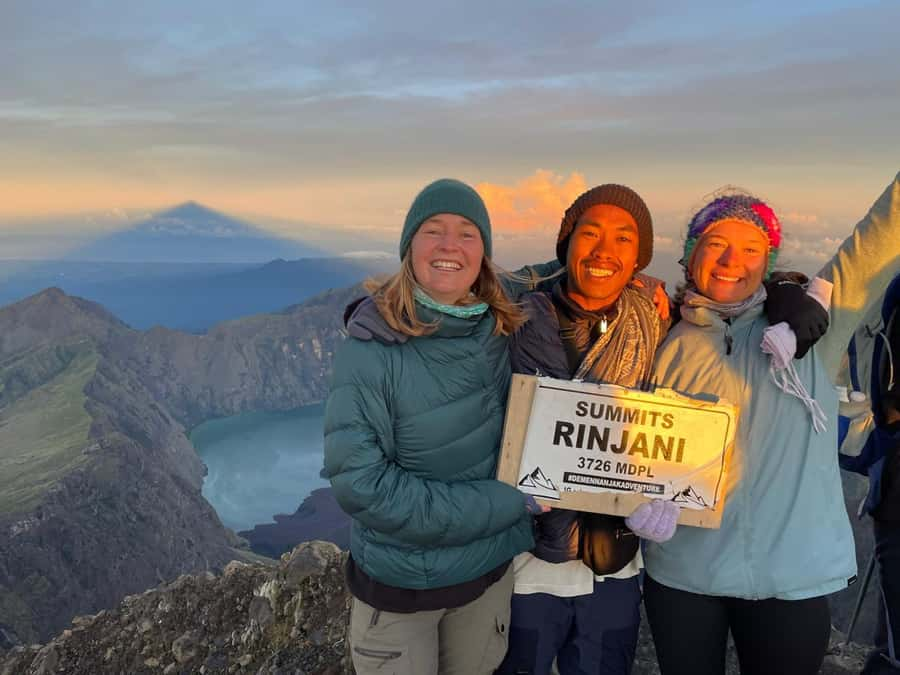
This trek is best for you if you want a real mountain experience with structured pacing, camping included, and a route that mixes rainforest walking with a volcanic lake and hot spring. If sunrise views over Lombok, Bali, Tambora, and Segara Anak Lake is the kind of payoff you chase, you’ll understand why this is a top bucket-list route.
It also fits well if you prefer practical support. Porters handle camping gear and cooking equipment, and you’ll have an English-speaking guide to keep you moving safely and efficiently.
You might want to skip it if you’re looking for a short walk or a low-stress hike. Between steep sections, slippery footing, and early summit timing, it’s demanding by design.
And if you’re traveling with expectations of nightlife comforts, this is the opposite of that. You’re camping, trekking for long hours (often around 8 to 9 hours a day), and concentrating on survival basics: warm layers, safe steps, and staying fueled.
Final Decision: Should You Book This Rinjani 3D/2N Trek?
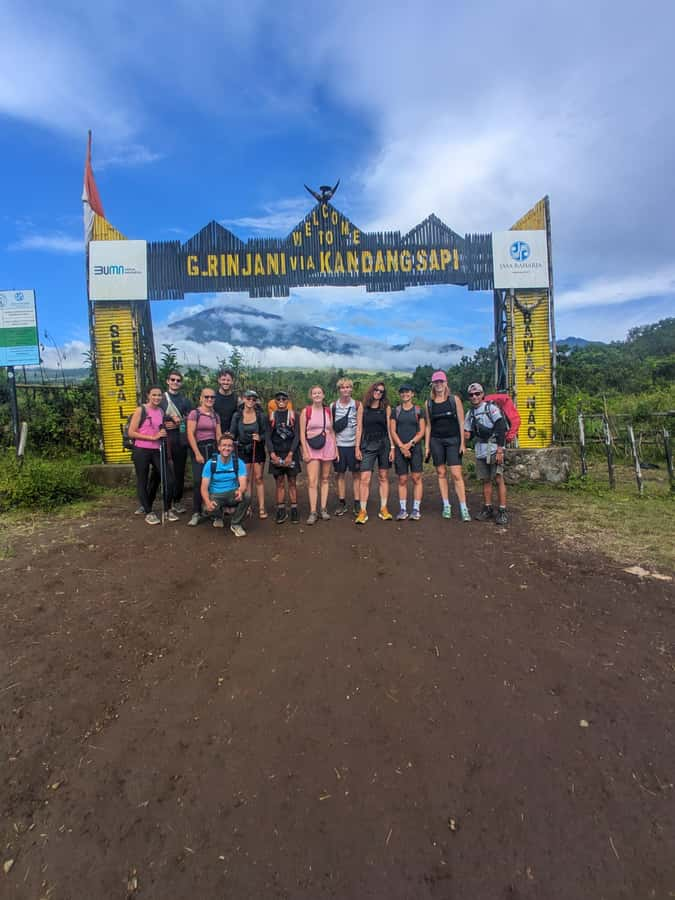
Book it if you want the full volcanic package: rainforest trail day, Segara Anak Lake + natural hot spring, then summit sunrise with crater and island views. You’ll likely appreciate the value of included camping gear, water, and porter support, especially on a route that otherwise would be a logistics headache.
Don’t book it if you’re uncertain about altitude, you have a height phobia, or you know you struggle with steep, slippery terrain. Also double-check timing if you’re traveling in the Jan to Mar window, since closures have been reported for extreme weather periods.
If you’re ready for a real hiking challenge with strong scenery payoffs, this one is a solid choice.
FAQ
What’s included in the trekking package?
The trek includes hotel pickup in Senaru or Sembalun, an English-speaking trekking guide and porters, food and drinking water during the trek (3 liters mineral water per person per day), camping gear (tent, toilet tent and paper, sleeping bags and mattress), and trekking poles and gloves.
Do I have to pay the national park entrance fee?
Yes. The national park entrance fee is not included and is listed as Idr.200,000 per day per person.
Where does the trek start and end?
It starts at the meeting point where a briefing is provided, and it ends back at the same meeting point.
What should I bring with me?
Bring a camera, comfortable clothes, gloves, climbing gear, and goggles. A head lamp/hand torch and trekking shoes are not included, so you should plan to bring them. You’ll also want a small daily pack since it’s not included.
What’s not allowed during the trek?
Alcohol and drugs are not allowed, and alcoholic drinks are also not allowed in the vehicle.
How physically difficult is the route?
The trek is described as steep, slippery, and challenging. It requires a good fitness level and the ability to walk long distances.
What are the age limits?
The minimum age is 10 years old, and the activity is not suitable for people over 95 years.
Are there weather-related closures?
There’s a known note that due to predicted extreme weather between January and March, the hiking trails can be closed until the end of March 2018, so you should confirm conditions for your travel dates.