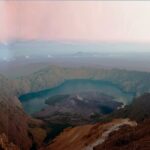
Rinjani sunrise starts in the dark. This 2-day, 1-night trek in Lombok is built around a full experience: you camp on the crater rim, then go for the summit at 3am for a clear sunrise payoff. I like the clear pacing (including lunch and rest stops) and the way the group stays small, with Cakrawala Rinjani Trekking running groups of up to 10. The trade-off is simple: this is a serious climb, with long days of up-and-down hiking.
On Day 1, you work your way from Sembalun up through marked stops and end the afternoon camping at 2639m, with sunset views. On Day 2, you wake early (about 2am), grab a hot drink and light breakfast, then head uphill again for the summit before returning to Sembalun. If you’re not already comfortable hiking for about 8.5 hours a day, this will feel punishing rather than fun.
In This Review
- Key highlights to know before you go
- Entering Rinjani Mode: The Sembalun–Senaru Setup
- Day 1: Sembalun Meadows to the 2639m Crater Rim
- The Sunset-to-Sleep Window: Why Crater-Rim Camping Changes Everything
- Day 2: The 2am Wake-Up and the 3am Summit Start
- The Real Value of Sunrise (and Why Timing Is Everything)
- The Pacing System: Posts, Lunch, Rest, and That Steep Rim Climb
- Guides, Support, and the Little Problems They Solve
- Price and Value: Is $215 Reasonable for Rinjani?
- Who This Trek Suits Best (and Who Should Choose Another Option)
- Weather Reality Check: When the Mountain Calls the Shots
- The Quick Practical Decision: Should You Book This Rinjani Summit Trek?
- FAQ
- How long is the trek?
- Where does the experience start?
- Do you get pickup from a hotel?
- What time do you start the summit day?
- Is sunrise and sunset included?
- What altitude points are on Day 1?
- How many people are in a group?
- Is the admission ticket included?
- What fitness level do I need?
- What happens if weather is bad?
Key highlights to know before you go
- Crater-rim night (2639m): camp where the sunset and sunrise views are the point
- 3am summit push: early start to catch the mountain’s most photogenic moment
- Structured day timing: lunch at Pos 2, plus clear stop-by-stop pacing
- Small group size (max 10): easier moving, less chaos at key moments
- Guides you can trust: past hikers praised calm support from guides like Ajes and Dul
- Owner responsiveness: feedback credits Sultan for being quick to help with planning and problem-solving
Entering Rinjani Mode: The Sembalun–Senaru Setup
This trek is anchored in Lombok’s Rinjani area, starting from the Senaru side and trekking from Sembalun. If you’re the kind of traveler who likes your day to begin smoothly, this helps: you’re picked up around 7:00am and driven to the trekking start in Sembalun, with trekking beginning around 8:00am.
There’s also a practical advantage to the meeting-point setup: the tour ends back at the same starting area, so you’re not left figuring out transportation mid-adventure. Your exact meeting point is listed with the provider in Senaru (Cakrawala Rinjani Trekking on Jalan Pariwisata), which is useful when you’re matching your plans to local drivers.
You can also read our reviews of more tours and experiences in Lombok.
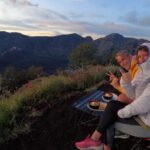
Day 1: Sembalun Meadows to the 2639m Crater Rim
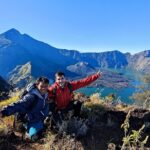
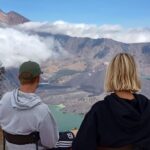
Day 1 is the workday, and it’s designed so you’re not thrown into full steepness from step one. You start with a gentle climb through open meadow, and after about 2 hours you reach Post 1 (1300m). From there it’s another 40 minutes to Post 2 (1500m), where you stop for lunch.
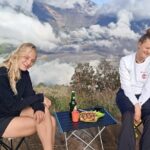
That lunch stop matters more than it sounds. On a hike like this, you’re not just refueling—you’re resetting pace and footing. After lunch, you continue to Post 3 (1800m) for another pause and rest. This gives you time to adjust your breathing and conserve energy before the steep section.
The final stretch to the rim is where Rinjani reminds you this isn’t a casual walk. From Post 3, you climb toward the crater rim (2639m), and it takes about 3 hours, including a prolonged steep climb. If you’re monitoring your effort, treat this portion as a “slow and steady wins” segment. The goal isn’t to sprint; the goal is to arrive feeling strong enough to enjoy the night.
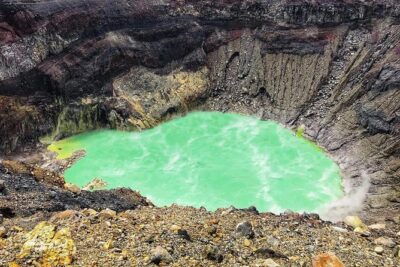
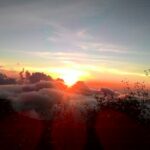
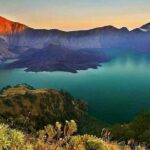
By the end of Day 1, you camp on the crater rim and you get the main reward: sunset views from a high volcanic setting. The beauty here is also practical: camping at the rim sets you up perfectly for the sunrise plan on Day 2.
The Sunset-to-Sleep Window: Why Crater-Rim Camping Changes Everything
Camping on the rim isn’t just a quirky detail. It’s the engine of this whole package. You’re positioned where the horizon can look dramatic, and the timing naturally supports both sunset on arrival and sunrise later.
You can expect the vibe to be focused and quiet, because you’re preparing for an early departure. The schedule is built around it: you’ll be watching the sky, then turning your attention to getting ready for a very short night.
One thing I’d keep in mind: conditions at elevation can feel harsher than lower trail towns. Even when the weather is clear, the early and late hours tend to be colder than you expect. Plan for a big temperature swing, and don’t count on the day’s warmth to protect you after the sun drops.
Day 2: The 2am Wake-Up and the 3am Summit Start
On the second day, the program shifts into early-morning mode. You wake up around 2:00am under the cover of darkness. Then it’s a hot drink and a light breakfast, and you start heading toward the summit at around 3:00am.
That sequence is smart. If you start hiking at 3am without warm fluids and a small amount of food, you’re more likely to feel sluggish or chilled, especially with long steep sections ahead. A hot drink also gives you a simple mental reset: you’re committed now, so you might as well settle in and move.
This is the time when having a steady guide matters. In feedback, trekkers highlighted calm, reassuring support from guides like Ajes, including during the “sporty” moments. That’s exactly what you want in the dark: someone who keeps the group moving at a safe pace and helps you avoid the classic mistake of going out too hard.
The summit push is also about managing your expectations. The trek is described as good for experienced climbers or travelers with solid fitness, able to walk up and down for about 8.5 hours per day. If you’re comfortable with that kind of effort, the early start becomes part of the adventure. If you’re not, it can feel like a grind.
The Real Value of Sunrise (and Why Timing Is Everything)
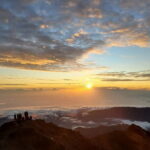
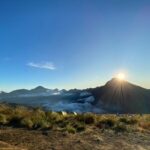
This package is specifically designed for a sunrise experience. You don’t just get sunrise from far away; the plan funnels you toward the mountain’s best moment through timing.
Starting the summit effort at 3:00am gives you a fighting chance to be at the right elevation when the sky opens up. And because you camped on the crater rim the night before, you’re already acclimatized to being high and you don’t need a complicated overnight transfer.
Here’s the practical truth: sunrise hikes are as much about logistics as they are about views. The early wake time, the hot drink and light breakfast, and the guided start all protect you from the common problems that ruin the moment: arriving too late, getting tired too early, or losing group rhythm in the dark.
When it goes well, the reward is huge. When weather doesn’t cooperate, this kind of plan can get rerouted or canceled. The experience is described as requiring good weather, so you’re betting on visibility.
The Pacing System: Posts, Lunch, Rest, and That Steep Rim Climb
A lot of trekking packages say they’re “challenging.” This one gives you a clearer map of how it will be challenging. The route is broken into specific altitude stops: 1300m, 1500m, 1800m, then the rim at 2639m.
That structure helps you mentally. You’re not guessing how long the next slog will last. You know you’ll reach Pos 1 after about 2 hours, lunch comes around Pos 2, and the rim climb is a defined segment that takes about 3 hours.
Another practical point: this plan includes time for rest, not just endless forward motion. It’s built to be doable, even when it’s difficult, because it avoids the worst kind of pressure. You’re still working hard, but the day isn’t chaotic.
Also note that the provider operates with small group size (max 10). Smaller groups tend to move more smoothly through narrow stretches and keep the guide from having to manage lots of spacing issues.
Guides, Support, and the Little Problems They Solve
The trekking experience is only as calm as the people running it. In the feedback, Cakrawala Rinjani Trekking gets strong mentions for organization and support, including equipment help. One traveler specifically praised the team for replacing broken gear like flashlights, which is the kind of small rescue that keeps a sunrise plan from turning into a stress plan.
Hikers also praised Sultan for responsiveness and being helpful with details beyond the trail itself. One review notes Sultan helped arrange transportation to reach Senaru before the trek and also helped after the descent to continue travel toward Kuta. Even if you handle logistics on your own, it’s reassuring to know the provider can step in when something doesn’t go to plan.
For guides, names that come up include Ajes and Dul, both described as professional and calm. That matters most when you’re tired and the mountain looks bigger than it did at the start of the day.
Price and Value: Is $215 Reasonable for Rinjani?
At $215 per person, the value is strongly tied to what you get included. This isn’t just a “walk in the park with a label.” You get pickup, a guided trek, and the plan includes key eating points: lunch at Pos 2, plus hot drink and light breakfast around the 2:00am start.
You also get the biggest structural value: the experience is built around the crater-rim night and the early summit timing. If you’ve ever tried to coordinate a sunrise hike on your own, you know how quickly costs and confusion add up.
That said, there’s one cost detail you should not ignore: admission ticket is not included. If you’re budgeting, factor that in. Without it, you might show up thinking the price covers everything and then have a surprise at the gate.
Group discounts are mentioned, and the max group size is 10, which typically keeps attention more personal than huge group tours. Plus, the average booking is about 23 days in advance, suggesting this is a popular window when people plan around weather and schedule.
Who This Trek Suits Best (and Who Should Choose Another Option)
This trek is recommended for climbers or trekkers with good fitness, specifically those able to walk up and down for about 8.5 hours a day. That’s not a casual “I can walk a few miles” requirement. It’s a real endurance test, especially with the steep rim climb on Day 1 and the early summit effort on Day 2.
If you’re a strong hiker who enjoys early starts, you’ll likely find this package very rewarding because it’s tightly planned for sunrise and sunset. If you tend to get winded easily on steep grades, you’ll probably spend the second half of Day 1 fighting fatigue instead of enjoying the rim camp.
The good news: the schedule includes rest stops and a structured progression through posts, so the difficulty is not random. You know what to expect.
Weather Reality Check: When the Mountain Calls the Shots
This experience requires good weather. That can sound like standard fine print, but on Rinjani it’s a serious factor. Sunrise hikes live or die by visibility, and dark starts are safer and more enjoyable when conditions are clear.
The good part: you get options if the trip is canceled due to poor weather. It’s described as offering a different date or a full refund if canceled for this reason. That flexibility matters because you can’t always control Lombok’s sky.
Still, treat the weather requirement as part of your decision-making. If your trip to Lombok is tight and you can’t move dates, you’re taking a calculated risk.
The Quick Practical Decision: Should You Book This Rinjani Summit Trek?
Book it if you want the classic Rinjani experience done the right way: crater-rim camping, then a 3am push designed for sunrise. You’ll also appreciate the small group cap (max 10), the structured altitude stops, and the kind of support that shows up in real-world ways, like gear help when something breaks.
Skip it or reconsider if you’re not confident with long uphill/downhill days or if you’re easily overwhelmed by steep, prolonged climbs. This isn’t a “try trekking once” tour. It’s a serious two-day effort with real elevation, early darkness, and a schedule that doesn’t slow down just because you’re tired.
If you match the fitness level, this package gives you exactly what you came for: sunset from the rim, sunrise on the summit, and a guided experience that stays organized when the hours get early.
FAQ
How long is the trek?
It’s a 2-day, 1-night trekking program: Day 1 from Sembalun up to the crater rim and camping there, and Day 2 including the summit push and return to Sembalun.
Where does the experience start?
The meeting point is with Cakrawala Rinjani Trekking in Senaru (Jl. Pariwisata, Senaru, Kec. Bayan, Kabupaten Lombok Utara).
Do you get pickup from a hotel?
Yes. You’re picked up at your hotel around 7:00am, then driven to the trekking start point in Sembalun, with the trek starting around 8:00am.
What time do you start the summit day?
On Day 2, you wake up around 2:00am, have a hot drink and light breakfast, and then start heading to the summit at about 3:00am.
Is sunrise and sunset included?
Yes. You camp on the crater rim and can enjoy sunrise and sunset as part of the experience.
What altitude points are on Day 1?
Day 1 includes stops at approximately Post 1 (1300m), Pos 2 (1500m) for lunch, and Pos 3 (1800m), before the crater rim camp at 2639m.
How many people are in a group?
The maximum group size is 10 travelers.
Is the admission ticket included?
No. The admission ticket is not included.
What fitness level do I need?
The program is described as suitable for experienced climbers or trekkers in good fitness, able to walk up and down for an average of about 8.5 hours per day.
What happens if weather is bad?
The trek requires good weather. If it’s canceled due to poor weather, you’ll be offered a different date or a full refund.