REVIEW · LOMBOK
2D-1N Hiking Rinjani To Rim Senaru – Dewa Trekking
Book on Viator →Operated by Dewa Trekking · Bookable on Viator
Rinjani is one big vertical workout with payoff. I love the sunset-at-the-rim timing and how the hike builds from tropical forest to high grassland, step by step. I also like that you’re not just handed a trail map; you get an English-speaking guide plus porters who handle cooking and camping gear. The main drawback: the walk is genuinely demanding, and sleeping overnight in a tent at altitude is not the same as a hotel bed.
You start in Senaru (about 601m), climb all the way to the crater rim at 2,641m, sleep in a tent, then return the next day with sunrise included. Dewa Trekking runs it as a private experience, with pickup and transfers, park entrance fees, and food plus plenty of drinking water (3 liters of mineral water per person per day). For $237, the value is strong if you’re okay bringing your own personal hiking gear and tolerating a “go-time” start.
In This Review
- Key Highlights You’ll Feel on This Hike
- Entering the Senaru Starting Line (601m) With a Clear Plan
- What’s Included for $237 (And What’s Worth Bringing Yourself)
- Day 0 in Senaru: Sleep, Register, and Get Your Legs Ready
- Day 1: From Tropical Forest to Crater Rim at 2,641m
- The Crater Rim Night: Camping Comfort Level and What to Expect
- Day 2 Sunrise and the Return to Senaru by 1pm
- Guides, Porters, and the Pace That Keeps You Happy
- Trail Stops at Pos 1, Pos 2, and Pos 3: Why the Breaks Matter
- Gear Checklist That Matches What’s Not Included
- Fitness Reality Check: Moderate Isn’t Lazy
- Value for Money: Why This Package Works at $237
- Who Should Book This Rinjani Rim Trek?
- Should You Book Dewa Trekking for Rinjani to the Rim from Senaru?
- FAQ
- How long is the Rinjani 2D-1N hike from Senaru?
- What elevation do you start from in Senaru?
- How high is the crater rim you reach?
- What happens on Day 1?
- What happens on Day 2?
- Is pickup and transfer included?
- What meals and water are included?
- What camping gear is provided?
- What should I bring since it is not included?
- Is this tour private?
Key Highlights You’ll Feel on This Hike
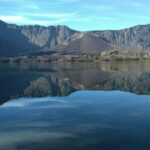
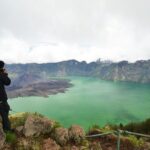
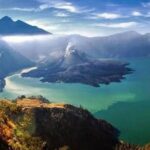
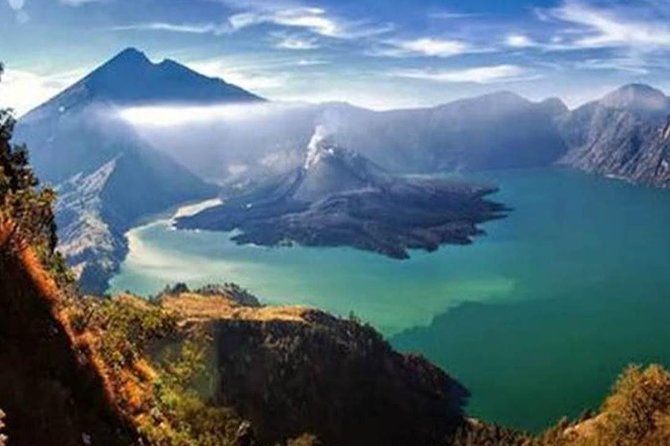
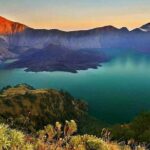
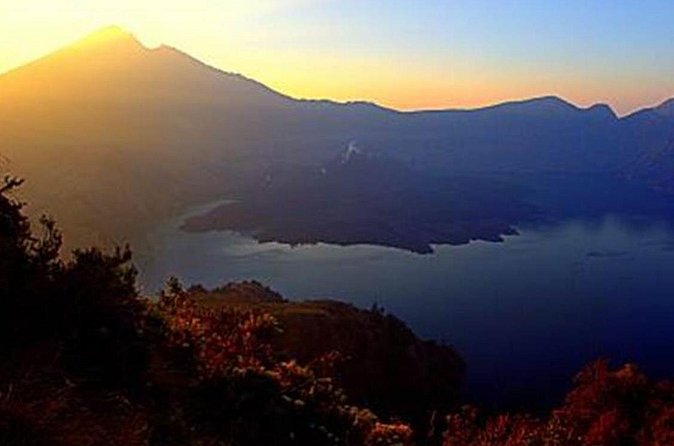
- Crater rim at 2,641m with sunset views over Rinjani, the lake, and the small volcanic cone inside the crater
- Two-pace guiding style: forest climbs with timed stops, then a steeper higher section where you’ll want breaks
- Camping support that matters: tent, sleeping bag, mattress, pillow, plus a toilet tent and paper
- Food + hydration included: daily meals on the trek and 3 liters of mineral water per person
- Private group experience: only your group participates, so the pace can fit you better
- Guides with real personality: past trips mention guides like Din, Windy, Dean and Seki, plus Rodi and Ady
Entering the Senaru Starting Line (601m) With a Clear Plan
This trek begins in Senaru, starting around 601 meters above sea level. That matters because it tells you the climb is not a “short hike with a view.” You’re stacking altitude fast over a short window, and the first day sets the tone for how you’ll pace yourself.
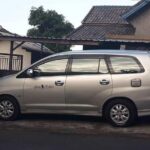
On the arrival day (Day 0), you get picked up within Lombok island, then transferred to Senaru. You check in and sleep, so you’re not trying to run the trek tired and underprepared. The listed start time is 12:00am, but what’s clear is that Day 0 is your setup day, followed by an early start for Day 1.
You can also read our reviews of more tours and experiences in Lombok.
What’s Included for $237 (And What’s Worth Bringing Yourself)
Dewa Trekking bundles a lot of the heavy-lifting logistics into the price. You get pickup before and transfers after the trek, plus a night accommodation in Senaru before you start climbing.
On top of that, the core trek support is included:
- Trekking guide and porters who carry cooking gear and camping equipment
- An experienced English-speaking guide (so you’re not guessing what’s happening)
- National park entrance fee
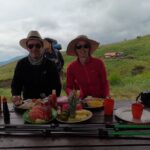
- Food and drinking water on the trek
- Camping setup: tent, toilet tent and paper, sleeping bags, mattress, and pillow
What’s not included is mostly the gear that keeps you comfortable on your own body:
- Head lamp/hand torch
- Small bag/daily pack and trekking shoes
- Rain jacket, long pants, gloves
- Tips for guide and porters
My practical advice: if you’re missing torch/headlamp, rain protection, or decent shoes, you’ll feel it more than you expect. On a steep volcano trail, those items are not optional luxuries.
Day 0 in Senaru: Sleep, Register, and Get Your Legs Ready
Day 0 is a simple but important buffer. You’ll be picked up somewhere on Lombok, transferred to Senaru, check in, and sleep.
This is where you should do the small prep that makes Day 1 easier:
- Charge your camera and power bank
- Double-check you have your torch and daily pack
- Confirm your plan for the next day’s early breakfast and start
Later, you’ll register at the Rinjani Trek Centre before trekking begins. Having your basics sorted the night before saves stress when you’re tired.
Day 1: From Tropical Forest to Crater Rim at 2,641m
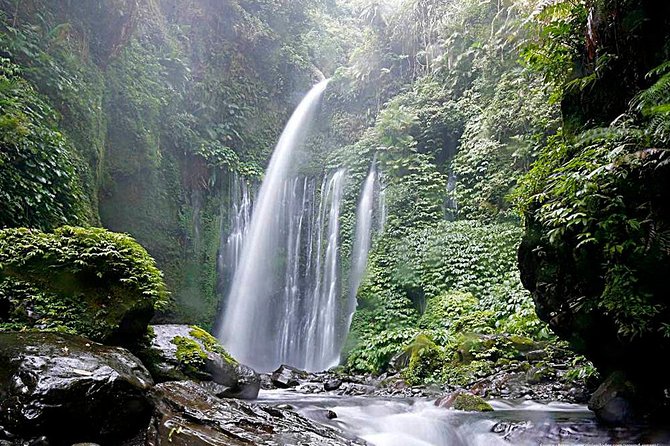
Day 1 starts after early breakfast. You register at the trek centre, then begin walking through dense tropical forest. That’s a nice change of pace from the “volcano on day one” stereotype. Early on, the air is greener, and the route feels less exposed.
Along the way, you’ll stop at Pos 1 and Pos 2 for rest breaks and snacks. Then at Pos 3 (2,000m), you take a longer break for lunch. This is a smart structure for a hard climb: short recovery at first, then a real reset halfway.
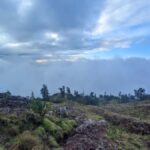
After lunch, the climb gets steeper. As you rise higher, the forest gives way to grassland. That’s when the hike can start feeling more exposed—wind can be louder, steps can feel different on higher terrain, and you’ll want your pace dialed in.
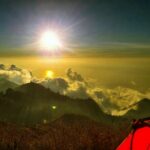
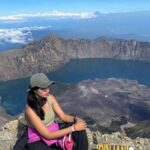
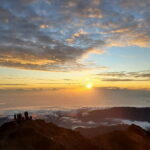
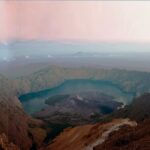
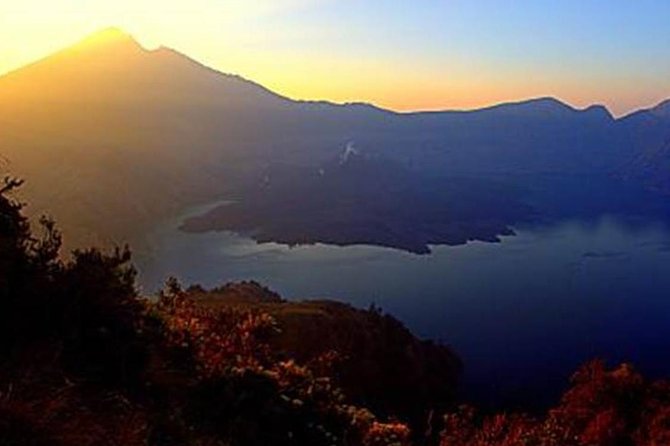
At the end of Day 1, you camp overnight at the Senaru Crater Rim (2,641m). The big payoff is the sunset, with views of Mount Rinjani, the lake, and the small volcanic cone inside the crater. This is the moment most people remember, and it’s not just because of the photo angle. Being that high when the light changes makes everything feel bigger and more real.
The Crater Rim Night: Camping Comfort Level and What to Expect
You’re sleeping in tents at 2,641m. Dewa Trekking provides sleeping bags, a mattress, and a pillow, plus a toilet tent and paper. That’s genuinely helpful because it lowers the odds of a rough night ruining your sunrise the next morning.
Still, remember what altitude does. It’s cooler than you’re used to, and night air can feel sharp. You’ll likely appreciate the rain jacket and long pants you bring, even if the day is warm.
I also like that the rim timing is built in for sunset. Instead of sprinting for a checkmark, you reach the camp area and then get to enjoy the changing views. If you bring a camera, this is where you’ll use it most.
Day 2 Sunrise and the Return to Senaru by 1pm
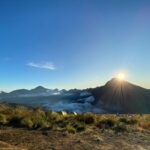
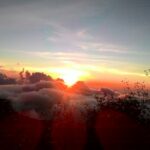
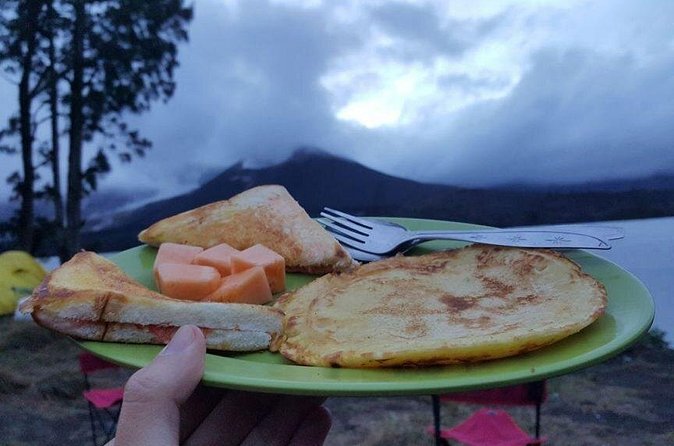
Day 2 starts with sunrise and a leisurely breakfast at the crater rim. The sunrise here isn’t just a pretty extra; it’s a way to make the day feel meaningful before you start the long walk back down.
After breakfast, you return to Senaru. The hike includes several rest and snack breaks, with Pos 2 set aside for a longer lunch break. You’ll keep moving downhill, but don’t assume it feels easy. Your knees and quads still work hard on descent, especially after a night at altitude.
You arrive in Senaru around 1pm. From there, you’ll transfer to your next destination. That timing is convenient if you’re planning to continue traveling the same day.
Guides, Porters, and the Pace That Keeps You Happy
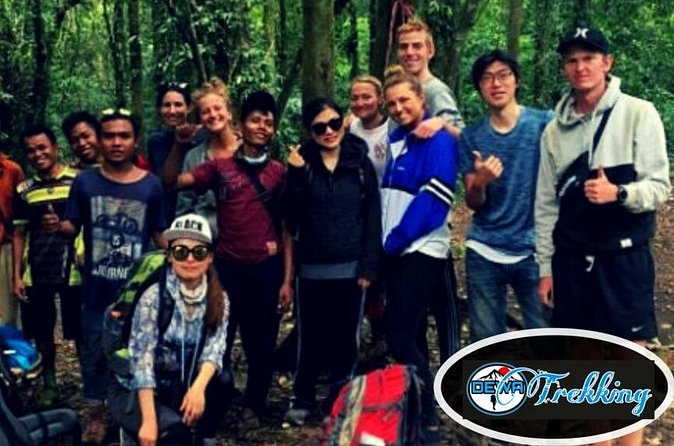
This is a place where the human factor really counts. Dewa Trekking uses a guide plus porters, with porters carrying cooking gear and camping equipment. That changes the whole experience because your energy goes into walking, not hauling.
Past trips you can pattern-match from include guides with names like Dean and Seki, plus Windy and Din, and also Rodi and Ady. The consistent thread in those experiences is that the guides are helpful and kind through both the physical and mental ups and downs.
One practical advantage of having an experienced team: you can ask for a slower pace without feeling like you’re ruining the group. Since it’s a private tour, you’re not stuck matching someone else’s rhythm.
Trail Stops at Pos 1, Pos 2, and Pos 3: Why the Breaks Matter
These stop points aren’t random. They give you structured recovery so you can keep form on a steep climb.
- Pos 1 and Pos 2: rest breaks and snacks
- Pos 3 (2,000m): longer break for lunch
That 2,000m lunch stop is key because it’s not just food. It’s a mental checkpoint at a high altitude where many people start to feel the climb in their breathing.
Then after lunch, as grassland replaces forest and the steep section kicks in, those earlier pauses help you arrive at the final stretch with better energy.
Gear Checklist That Matches What’s Not Included
The essentials are clearly listed as not included, so don’t wing it.
Bring:
- head lamp or hand torch
- trekking shoes
- a small day bag / daily pack
- rain jacket
- long pants
- gloves
If you’re bringing a camera, you’ll want it ready for sunset at the rim and sunrise on Day 2. Night and early-morning shooting can be tricky, so having a torch/headlamp is also a safety and convenience win.
If you’re sensitive to cold nights, pack accordingly. The trek climbs to 2,641m, and the rim nights can feel brisk even when you start the day in warmer conditions.
Fitness Reality Check: Moderate Isn’t Lazy
The trek is for travelers with moderate physical fitness. That’s true, but read it the right way: moderate means you can handle the work, not that it’s a casual stroll.
What makes it tough:
- starting at Senaru and gaining a lot of altitude over two walking days
- the steep segment after the grassland starts
- the night in a tent followed by a sunrise and another full walking day
If you’re unsure, think about whether you can comfortably walk uphill for hours and then descend without paying for it for days. If the answer is yes, you’re in the right zone.
Value for Money: Why This Package Works at $237
At $237, you’re paying for more than a guide. You’re paying for a full support system:
- transportation before and after
- a night in Senaru before the trek
- park entrance fees
- an English-speaking guide and porters
- food and 3 liters of mineral water per person per day
- camping equipment setup (including sleeping bag, mattress, pillow, and toilet tent)
The cost becomes easier to understand when you compare it to what it would take to self-organize: a guide, porters, permits, camping gear, and meal planning. This trek’s value is that the operational parts are handled for you, and you get to focus on walking and staying safe.
The tradeoff is that you still need to bring personal gear that’s not included. If you already own good shoes, a rain jacket, and a headlamp, this package becomes a lot more attractive.
Who Should Book This Rinjani Rim Trek?
This hike suits:
- people who want a high-impact volcano experience without a longer multi-day expedition
- couples and small groups who like the flexibility of a private tour
- travelers who want sunset and sunrise at altitude with guide support and camping included
If you want maximum comfort, skip the tent night. If you want maximum views and don’t mind work, this is exactly the kind of trip that makes sense.
Should You Book Dewa Trekking for Rinjani to the Rim from Senaru?
I’d book it if you’re ready for a real climb and you appreciate good organization. The combination of crater rim camping, included guide + porters, and meals plus water makes it a strong deal for the price.
Skip it if you hate steep hikes, you want hotel-level comfort at night, or you’re missing the basics like trekking shoes, a rain jacket, or a headlamp. You can absolutely plan around those needs, but the trek won’t slow down just because you didn’t pack.
If you’re the kind of traveler who likes earned views, this one fits your style.
FAQ
How long is the Rinjani 2D-1N hike from Senaru?
The program runs about 3 days total. It’s described as 2 days hiking and 1 night camping, starting with an arrival day and followed by the return to Senaru.
What elevation do you start from in Senaru?
The trek starts in Senaru at about 601 meters above sea level.
How high is the crater rim you reach?
You hike to the Senaru crater rim at 2,641 meters (8,665 feet).
What happens on Day 1?
Day 1 includes an early start, registration at the trek centre, hiking through tropical forest with stops at Pos 1 and Pos 2, a longer lunch break at Pos 3 (2,000m), and then continuing to camp overnight at the crater rim for sunset.
What happens on Day 2?
Day 2 includes sunrise and breakfast at the crater rim, then a return hike to Senaru with rest and snack breaks and a longer lunch stop at Pos 2. You arrive around 1pm.
Is pickup and transfer included?
Yes. Pickup before the trek and transfers after the trek are included, and you’ll also be transferred to your next destination after you reach Senaru on Day 2.
What meals and water are included?
Food and drinking water are included on the trek. The plan lists 3 liters of mineral water per person per day.
What camping gear is provided?
You get a tent, a toilet tent and paper, sleeping bags, mattress, and pillow.
What should I bring since it is not included?
Bring a head lamp/hand torch, a small bag/daily pack, and trekking shoes. You should also bring a rain jacket, long pants, and gloves.
Is this tour private?
Yes. It’s listed as a private tour/activity, so only your group participates.