REVIEW · LOMBOK
Rinjani Trekking 3D2N Summit
Book on Viator →Operated by Team Backpacker · Bookable on Viator
Mount Rinjani is a hard hike with a huge reward. What makes this trek worth your time is the supported summit route (with guides and porters) and the fact that you’re not just walking—you’re hitting crater rims, a lake, and waterfalls. The one thing to plan around: altitude. Even with porters helping carry your gear, this is still a brutal climb and the cold can get serious.
The team lead guide I saw highlighted is Radu, and the overall vibe is clear: your success depends on good pacing, not heroics. You’ll sleep in a village for one night, then camp on the mountain under the stars, with meals included. If you’re the type who wants extra comfort like a pillow or chair, think about opting for the private/deluxe service level, because the budget-style setup is simpler.
In This Review
- Key highlights to know before you go
- Mount Rinjani 3D2N Summit: who it fits (and who should skip)
- Senaru village start: your comfort check before the mountain
- Sembalun crater rim night: pacing, views, and why the schedule helps
- Summit Day and Segara Anak Lake: sunrise pressure, crater air, and the long day
- Waterfalls on the route: Sindang Gila and Tiu Kelep/S endang Gile
- Camping on the mountain: what included gear really means
- Food and timing: simple meals, included drinks, and why snacks help
- Transfers and group size: moving smoothly without crowds everywhere
- Price and value: what $243.92 includes (and what you must bring)
- What to pack for real on Rinjani (not just for photos)
- Should you book this Rinjani trek with Team Backpacker?
- FAQ
- How long is the trek?
- Where do you pick up and where do you drop off?
- What’s included in the price?
- What should I bring that’s not included?
- Do I need my own camping equipment?
- Is it suitable for most people?
- How big are the groups?
- What happens if the weather is bad?
Key highlights to know before you go
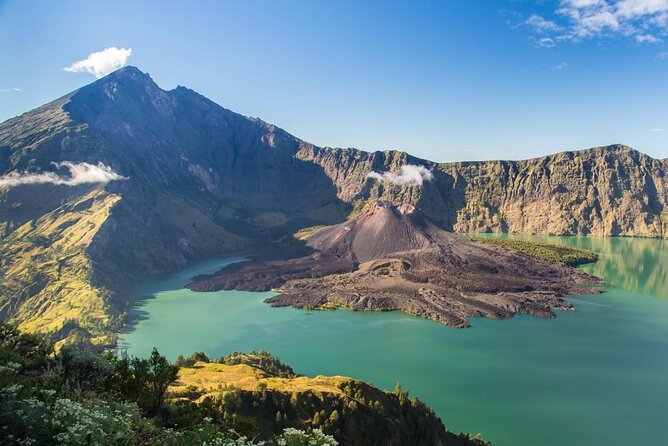
- Summit + Segara Anak Lake: you’re aiming high and then moving toward the crater lake views.
- Two crater-rim nights: you sleep on the Sembalun rim area and then the Senaru rim area.
- All food, drinks, and camping gear included: less weight and fewer logistics to manage.
- Local guide and porters (Radu is a standout): real support for navigating the hike.
- Sunrise and sunset focus: timing is built around those big views.
- Bring snacks for the simple meals: one review called out that food is tasty but basic, and snacks help.
Mount Rinjani 3D2N Summit: who it fits (and who should skip)
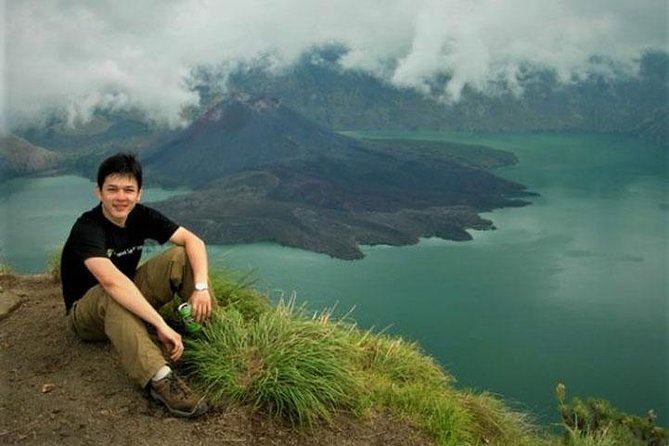
This experience is built for active travelers who want a serious hike without setting up all the details themselves. It’s described as challenging, and that word matters on Rinjani. You’re not just doing “a workout.” You’re trekking to the summit of Mount Rinjani, then working your way through crater-rim viewpoints and down again.
If you enjoy early starts, steady effort, and the satisfaction of moving through real mountain terrain, you’ll likely love it. If you’re hoping for a walk with minimal exertion, you’ll probably feel frustrated. The trek is also specifically set up to reduce logistics stress: return transfers are included, park entry fees are included, and you get a local guide plus porters to carry your gear. That means more of your energy can go into the hike itself.
The best fit: hikers who are comfortable with uphill days and cold nights, and who are okay with camping-level comfort. The main “consideration” is readiness—if you’re not capable, the hike will feel rough no matter how good the support is.
You can also read our reviews of more tours and experiences in Lombok.
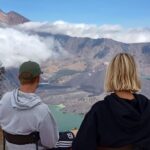
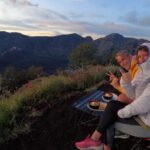
Senaru village start: your comfort check before the mountain
Your first day is about getting set. You get a pickup service from places or ports within Lombok, then you overnight in Senaru village. For many people, that village night is the difference between feeling rushed and feeling mentally ready.
Why it matters: Rinjani is not only about the summit day. The trek also asks your body to adjust to altitude and to long hours of hiking. A proper first night in Senaru lets you settle in, eat a normal meal, and gather your kit without rushing.
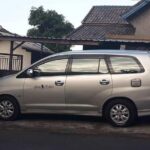
It also helps that the tour includes an air-conditioned vehicle for transfers. It’s not the mountain, but it’s a real perk after travel days—especially if you arrive in Lombok tired.
Sembalun crater rim night: pacing, views, and why the schedule helps
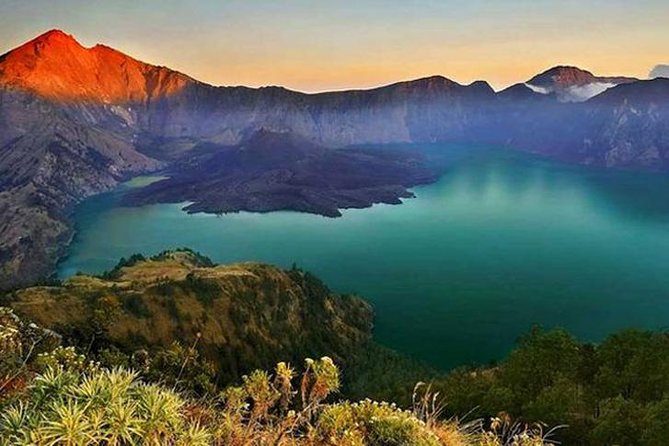
On day two, you start the trekking and then overnight at the Sembalun crater rim. This portion of the trek is where smart pacing pays off. The route is designed so you’re not jumping straight to the hardest part without an intermediate stage.
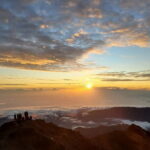
You’ll feel the payoff here: crater-rim viewpoints are dramatic, and the rim area is also where sunset watching typically becomes a key moment. The tour description specifically points to sunrise and sunset, and the rim nights are the practical reason you can experience that without crazy, last-minute timing.
Two practical benefits of that second-stage overnight:
- You get a chance to recover before the summit push.
- You can feel the cold and altitude early enough to learn how your body responds, instead of guessing.
One downside to know up front: sleeping at altitude means temperatures can get low, even down to minus temperatures. The tour notes that you should bring long pants and cold-weather layers. If you’re underprepared, you’ll spend energy trying to warm up instead of resting.
Summit Day and Segara Anak Lake: sunrise pressure, crater air, and the long day
Day three is the big one: trekking to the Mount Rinjani summit, then moving toward Segara Anak Lake, and then overnight back at the Senaru crater rim.
Here’s the reality: summit days tend to feel demanding because they often combine altitude, cold mornings, and a long sequence of uphill effort. This tour at least gives you structure. You have a local guide and porters carrying your gear, so you’re not shouldering everything while you’re already fighting the climb.
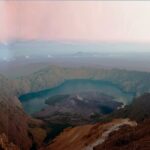
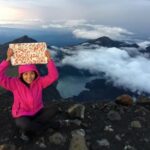
Why Segara Anak matters: the lake is part of what makes Rinjani feel like a full crater system, not just a high point. After the summit, reaching the Segara Anak area gives you a different kind of reward—wide crater views and a sense of scale that’s hard to get any other way.
Also, sunrise and sunset are not random add-ons. The itinerary is shaped so you can enjoy them from a vantage point. That’s a big deal because good light can make the whole trek feel more than just sweat and steps.
What to plan for on summit day:
- Cold layers are not optional. The tour mentions renting a tick coat or jackets on the spot if you don’t have one.
- Expect long pants and real warmth needs at high altitude.
- Bring personal comfort items that actually help (see packing section). One simple towel can matter when you’re juggling sweat, cold air, and rinse times.
Waterfalls on the route: Sindang Gila and Tiu Kelep/S endang Gile
This trek includes waterfall stops: Sindang Gila Waterfall and Sendang Gile and Tiu Kelep Waterfall. Waterfalls give your brain a break from the constant uphill focus. They also tend to be the moments when you can slow down, take photos, and remember why you came.
A quick note: exact timing can shift based on trail conditions and weather, and the tour itself says the experience requires good weather. So treat waterfalls as a bonus you earn when conditions allow, not as a guarantee at a perfect clock time.
Still, it’s a smart inclusion. Rinjani is dramatic, but adding waterfalls makes the trek feel more varied day to day. And if you bring your swimwear, the tour explicitly suggests it—so you may have opportunities to cool off or enjoy water features where permitted.
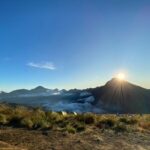
Camping on the mountain: what included gear really means
You’ll camp twice on the mountain: once near the Sembalun crater rim area and once near the Senaru crater rim area. The good news is that all camping gears are included, plus full board meals and drinks.
This is where value shows up in a practical way. When gear is included, you don’t need to shop for camping supplies or worry about what’s missing at the start of the hike. You also avoid carrying extra weight that would otherwise slow you down.
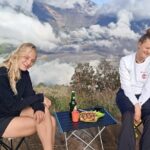
But comfort expectations need to match the setting. One review summarized it well: food is simple but tasty, and you get what you pay for. Another important point from the tour provider response: the service level changes. Shared options are described as budget/low service, while the private option is deluxe with extra comfort like chairs and pillows.
So I’d treat this as a “camping trek” rather than a luxury retreat. If you like being outdoors, if you’re fine with basic sleeping setups, you’ll fit right in. If you’re chasing comfort, spend the money on the private/deluxe service level.
Food and timing: simple meals, included drinks, and why snacks help
Meals and drinks are included, which means you won’t be stuck figuring out food during a multi-day hike. That’s a comfort for your planning brain, and it also keeps you from arriving hungry to big altitude moments.
The feedback that matters: food is generally basic but good, and it helps to bring snacks. That’s not a failure—it’s just how many supported treks operate. During steep climbs, small extra fuel can keep your energy stable when appetite runs inconsistent.
My advice:
- Pack a few personal snacks you actually like.
- Don’t assume that breakfast alone will power you through the toughest parts. Altitude makes timing weird, and snacks give you control.
Transfers and group size: moving smoothly without crowds everywhere
You’ll have all transfers in and out, including return transfers to and from the mountain. That’s a huge convenience when you compare it to piecing together transport on your own.
The tour also notes it’s near public transportation and works with a wide range of participants (it says most travelers can participate). Still, the maximum group size is listed as 100 travelers. That doesn’t mean you’ll be shoulder-to-shoulder the whole time, but it’s good to know: this is not a tiny private expedition. If you like quiet, you may feel the group energy during certain common moments.
A practical way to handle that: focus on your pacing and your own rhythm, not on the size of the group. When you’re climbing, your body sets the pace anyway.
Price and value: what $243.92 includes (and what you must bring)
At about $243.92 per person, this trek is priced around a fully supported package: transfers, park fees, guide, porters, food, and camping gear. The value is strongest when you look at the “hidden” costs that add up fast if you self-organize.
What you get for the price:
- 1 night hotel in Senaru village
- Air-conditioned vehicle for transfers
- All transfers (in/out) to the mountain
- Mt. Rinjani National Park fee
- Local guide and porters
- All camping gears
- Full board meals and drinks
What you still need to handle yourself:
- Trekking shoes (good grip is the key)
- Cold-weather layers: tick coat or jacket (you can rent on the spot), plus long pants
- Small towels
- Personal medicine
- And you should bring boots, clothing, and swimwear as suggested by the tour
So the real “cost” isn’t only dollars. It’s how prepared you are. The trek gives you big support, but you’re still responsible for your safety and comfort through proper clothing and footwear.
What to pack for real on Rinjani (not just for photos)
This is the part that can save your trip. The tour explicitly mentions cold conditions and even minus temperatures. That means your packing list should lean warm and functional.
Bring:
- Trekking shoes/boots with good grip
- Warm layers, including something to handle very cold nights
- Long pants (important for high altitude)
- A jacket or plan to rent one on the spot
- Swimwear (the tour says to bring it)
- Small towel
- Personal medicine you rely on
If you’re thinking about comfort extras:
- A private/deluxe option may include more comfort like chairs and pillows (based on the provider’s own explanation). If you know you’ll care, choose it early.
Also remember: trekking shoes are listed as not included, so don’t assume you can borrow or rent your way out of the comfort problem. Altitude + loose footing is not a time for cheap soles.
Should you book this Rinjani trek with Team Backpacker?
I’d book it if you want a guided way to reach the summit area, see the crater rims, and experience Segara Anak Lake—without building the logistics yourself. The combination of included meals, park fees, camping gear, and porters makes it a practical choice, especially if you don’t want to spend your time arranging permits and transport.
I’d pause if you’re not ready for a challenging, cold, altitude-heavy hike. Camping-level comfort is part of the deal. If comfort matters to you, choose the private option for the deluxe setup like chairs and pillows. And regardless of comfort level, plan for warmth: minus-temperature nights are not a “maybe.”
If you’re capable, you’ll likely feel like Rinjani was worth every difficult hour—especially when the sun hits the rim and you realize you earned it.
FAQ
How long is the trek?
The overall experience is listed as about 4 days, including transfers and overnights (with camping on the mountain as part of the multi-day hike).
Where do you pick up and where do you drop off?
Pickup is offered from places or ports within Lombok. For drop-off, the private option can cover any location within Lombok, while the shared option covers Mataram, Senggigi, Pemenang area, and Bangsal, Teluk Nara, and Teluk Kode Harbors.
What’s included in the price?
Included: all camping gears, full board meals and drinks, an air-conditioned vehicle, all transfers (in/out), 1 night hotel in Senaru Village, Mount Rinjani National Park fees, plus a local guide and porters.
What should I bring that’s not included?
You’ll need trekking shoes, and warm clothing such as a tick coat/jacket if you don’t want to rent one on the spot. The tour also notes long pants for the cold, small towels, and any personal medicine.
Do I need my own camping equipment?
No. All camping gears are included.
Is it suitable for most people?
The tour states most travelers can participate, but it also describes the hike as challenging. You should be capable and prepared for the effort.
How big are the groups?
The maximum group size is listed as 100 travelers.
What happens if the weather is bad?
The experience requires good weather. If it’s canceled due to poor weather, you’ll be offered a different date or a full refund.