REVIEW · SAN SEBASTIAN
Hike from San Sebastian to San Pedro across St James Way
Book on Viator →Operated by Local Experts Tours · Bookable on Viator
A steep start, then postcard coast. This St James Way hike follows part of the historic pilgrimage route along the Basque shoreline, trading city streets for forest trails and big ocean views. You’ll finish in San Pedro (Pasai) with a served pintxo stop, then get a ride back to central San Sebastián.
I love the Monte Ulia section because it ramps up early and keeps rewarding you with lookout moments over the bay of Pasaia and the lighthouse area. I also love how the walk ends in an actual working fishing village, where Basque food culture is built right into the timing rather than tacked on later.
One thing to consider: this is fairly strenuous and can be slippery on some trail stretches, especially after rain. You’ll want sturdy, slip-resistant hiking shoes and a calm pace on steep or potentially slick ground.
In This Review
- Key highlights worth planning for
- A mini Camino with real Basque coastline views
- Kursaal start at 9:00: how the morning is paced
- Monte Ulia to the bay of Pasaia: stairs, viewpoints, and slip control
- San Pedro (Pasai): pintxos, village rhythm, and a short reset
- The 14:00 return drop-off: why the logistics feel lighter
- Price around $46.85: what value looks like here
- What to wear and pack for this hike (especially after rain)
- Fitness reality check: who should join and who should skip
- Guides set the tone: pace, local stories, and practical care
- Should you book this hike?
- FAQ
- How long is the hike from San Sebastián to San Pedro?
- Where do I meet for the tour?
- What’s included in the price?
- Is the return transfer and pintxo/drink included in the bilingual option?
- What should I wear or bring?
- What happens if the weather is bad?
Key highlights worth planning for
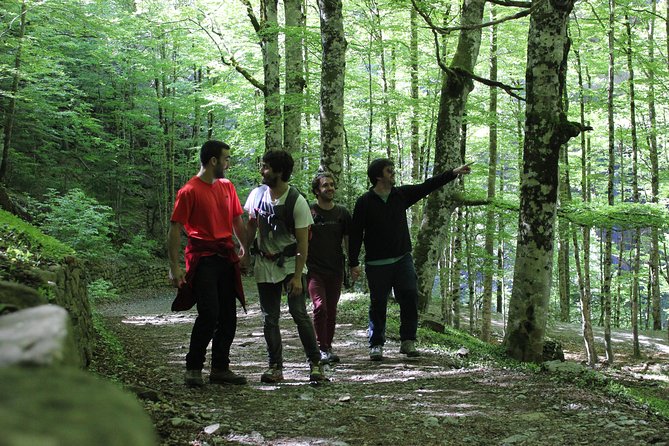
- Monte Ulia lighthouse viewpoints with dramatic angles over San Sebastián and the bay of Pasaia
- A timed pintxo and drink stop in San Pedro that keeps the morning structured
- Return transport back to central San Sebastián so you don’t have to figure out the endgame
- Small group size (max 15 people) for a more personal hike pace
- Stairs and an uphill start that many people find harder than they expect
- Guides who adapt pace and explain what you’re seeing along the way
A mini Camino with real Basque coastline views
This hike gives you a taste of the Camino de Santiago feel without needing weeks of planning. The route runs along the Basque coast and comes with the kind of payoff pilgrims usually chase: bigger views, quieter trails, and the sense that you’re moving through places that have mattered for a long time.
You’re not just walking from point A to point B. The day is built around two strong contrasts: an active climb near Monte Ulia, then a calmer fishing-village finish in San Pedro. It’s a simple formula that works—exercise in the morning, culture and food at the end.
The atmosphere is also very Basque. Even the food stop is the honest kind: pintxos plus a drink, served in the village rather than in some separate tourist-style add-on setting.
You can also read our reviews of more tours and experiences in San Sebastian.
Kursaal start at 9:00: how the morning is paced
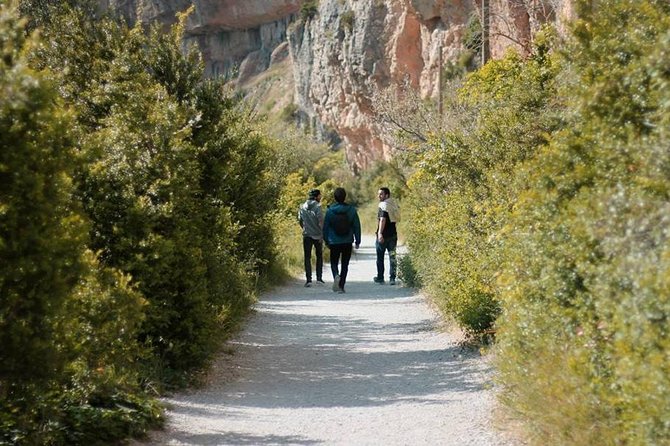
The tour starts at 9:00 am at the Kursaal area (Zurriola Hiribidea 1, San Sebastián). Pickup is set at the ticket office of that building, so you can meet up easily and get going without a complicated search.
From there, the day moves fast in a good way. You’ll begin with a hike push that gets your legs working quickly, and the guide keeps the group together without making it feel like a race. The total time is about 5 hours, with the core walking happening before your San Pedro break.
Tip for your comfort: if you know you’re not great with uphill starts, start slow for the first stretch. Several people mention the first hour can feel steeper and more demanding than expected, and getting ahead of your own pace is where trips start to go sideways.
Monte Ulia to the bay of Pasaia: stairs, viewpoints, and slip control
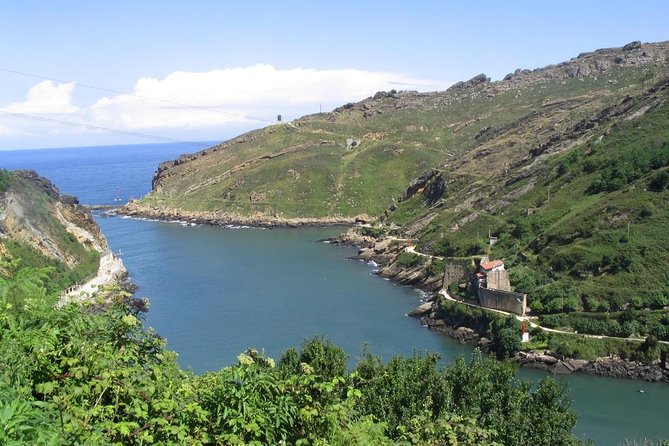
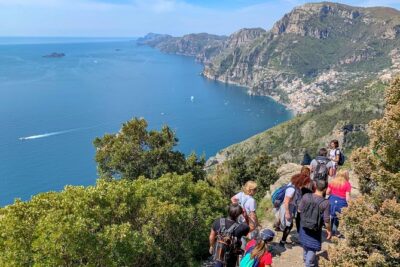
Around 9:20, you begin the Monte Ulia hike toward San Pedro (Pasai). The big theme here is a steady climb that continues until you reach the area near the bay, with multiple viewpoints along the way. You’ll see dramatic angles over San Sebastián and the bay of Pasaia, and you’ll reach areas close to the lighthouse for those classic coastal outlooks.
This is where footwear really matters. Some sections can be slippery, and there aren’t the kind of safety features you might expect on a built walkway. After rainfall, the risk goes up, so plan on careful foot placement and slow steps when the ground looks shiny or wet.
A few practical details that help:
- Bring shoes with real grip, not just road-style sneakers.
- If you use trekking poles or a walking stick, this is a good day for them.
- If your legs feel it early, that’s normal. The climb is the job.
One reason guides earn trust on this route is that they watch the pace and the footing, especially when conditions shift. People also mention spotting cows grazing in the forest areas on certain days, which adds a down-to-earth feel when you’re escaping the city.
San Pedro (Pasai): pintxos, village rhythm, and a short reset
You reach San Pedro at about 12:30. The timing matters because you get a village walk plus a quick food-and-drink break while the morning is still bright and fresh.
This stop is focused:
- You stroll through the area around the Pasajes bay.
- You get served a pintxo and a drink.
- Then you have time to soak up the fishing-village mood before the group moves on.
The best way to enjoy this segment is to treat it like a real lunch pause, not a long sightseeing session. You’re there to taste the place and see how the coast communities live, then you’re moving again to stay on schedule.
If you’re the kind of person who likes food stops, this part is a major reason the tour is so popular. The pintxo stop isn’t described as optional or vague; it’s built into the experience, and it’s one of the most praised parts of the day.
The 14:00 return drop-off: why the logistics feel lighter
Around 14:00, you’ll be dropped back in San Sebastián. The route uses private transportation to bring you from San Pedro back to the meeting point area near Kursaal.
This is a big quality-of-life factor. Without the transfer, this hike could turn into a small puzzle at the end. With it, you can focus on finishing strong and not worrying about getting yourself back across town.
In practical terms, this makes the day work even if you’re only in San Sebastián for a short visit. You get the active outdoors portion and then still get back to a central area where dinner and other plans are easy.
Price around $46.85: what value looks like here
At about $46.85 per person, this hike can feel like a bargain if you count what’s included: a local guide plus the return transfer from San Pedro to San Sebastián, along with the pintxo and drink stop in San Pedro (for the standard option).
What’s not included is also worth noting:
- Lunch is not included.
- You’re expected to bring suitable clothes and shoes.
- There’s no hotel pickup or drop-off.
That means you should budget a little extra for your own lunch plan if you’re hungry after the hike. Also plan on bringing water, since you’re outdoors and the climb can build thirst quickly.
One detail to check before you buy: the bilingual tour option changes what’s included. The return transfer and pintxo/drink are listed as not included in that specific option, so you’ll want to confirm what you’re paying for based on the language format you choose.
What to wear and pack for this hike (especially after rain)
Even if the forecast looks decent, treat the trail like it might be slick. The tour runs in all weather conditions, and the important part is that you come prepared.
I’d pack this like a serious hike, not a casual stroll:
- Slip-resistant hiking shoes (sturdy grip is the difference-maker)
- A raincoat (or at least a packable shell)
- Water
- Sunscreen and a hat if the day turns bright
- Optional: walking stick(s) for the uphill and for balance on questionable footing
Several people specifically recommend sturdy hiking boots over regular athletic shoes. Also, when it’s wet, expect that the steep and potentially slippery sections can feel more intense than on a dry day.
If you’re deciding what level to bring, here’s the simplest rule: if your shoes can’t handle a muddy path without sliding, switch them. You’ll thank yourself halfway up Monte Ulia.
Fitness reality check: who should join and who should skip
This is listed as fairly strenuous, with guidance aimed at people with good-to-high fitness levels. It’s not a flat coastal walk. The early uphill start is the hardest part for many people, and it’s the part where you’re most likely to feel the “am I ready for this?” moment.
Age and condition matter. The hike is not suitable for all ages and conditions, and the guidance specifically calls out elderly people and pregnant women as needing to consider alternative routes. If either applies to you, inform the operator before you go so you can find a safer match.
If you’re bringing a family, you might find younger kids are at the limit, even if they seem energetic in the city. One parent-style comment points out that the hike can be tough for younger children. So be honest about your group’s real outdoor endurance.
Guides set the tone: pace, local stories, and practical care
A big theme across the day is how much the guide affects your experience. People name guides such as Begonia, Imanol, Bego, Mateo, Jonathan, Andrea, and Usoa for bringing the route to life with local context and with pacing that feels considerate.
What that means for you on the trail:
- You get explanations tied to the scenery and route you’re actually walking
- You’re not left to interpret everything alone
- If the terrain turns slick, a good guide helps the group stay steady and calm
I also like that the tour is set up for a small group. A max of 15 people makes it easier for the guide to check in, adjust pace, and keep everyone together without constant waiting.
Should you book this hike?
Book it if you want a morning of real outdoor effort plus a payoff that includes Basque coastal views and an included pintxo stop. It’s also a strong fit if you’re the type who likes structure—start times, a defined finish, and a transfer back so your afternoon doesn’t collapse into logistics.
Skip it (or choose another option) if steep starts and slippery ground are your personal weak spot. This hike can feel more intense when it’s wet, and some sections don’t offer the kind of railings or safety you might find on flatter city routes.
My practical call: if you can handle stairs and you wear good shoes, this is a smart way to experience St James Way flavor from San Sebastián to San Pedro in about half a day.
FAQ
How long is the hike from San Sebastián to San Pedro?
The experience runs for about 5 hours, with the main walking portion taking roughly 3 hours and a short stop in San Pedro before returning.
Where do I meet for the tour?
Meet at Kursaal (Zurriola Hiribidea, 1, 20002 Donostia, Gipuzkoa, Spain). The start time is 9:00 am and pickup is at the ticket office of that building.
What’s included in the price?
The price includes a local guide and the return transfer from San Pedro to San Sebastián. It also includes a pintxo and drink per person at Pasaia San Pedro for the standard option.
Is the return transfer and pintxo/drink included in the bilingual option?
No. The return transfer from San Pedro to San Sebastián and the pintxo and drink are listed as not included in the bilingual tour option.
What should I wear or bring?
Wear suitable clothes and sturdy, slip-resistant shoes. The tour runs in all weather conditions, so bring water and a raincoat depending on the weather.
What happens if the weather is bad?
The experience is dependent on weather conditions. If it’s canceled due to poor weather, you’ll be offered another date or a full refund.