REVIEW · SA PA
SaPa: 2-Day Villages,Rice Fields, Love Waterfall Hiking Tour
Book on GetYourGuide →Operated by Sapa Original Trek Company Limited · Bookable on GetYourGuide
Rice terraces without the crowds. This 2-day trek from Sapa into Dong Bac focuses on real village paths and big scenery, including Love and Silver Waterfalls plus the Heaven Gate viewpoint near 2,000m. I like that it’s built around non-touristy walking and staying overnight in a traditional homestay where dinner is part of the experience.
The main consideration is weather. If you hit fog or rain, the views from higher spots can feel more muted, and trail sections can get slippery.
I also like the mix of effort and comfort: you walk daily for 12–14 km at an easy-to-medium pace with a few climbs, then you’re looked after with English guidance, meals, and planned transport so the day doesn’t turn into logistics.
In This Review
- Key highlights worth your attention
- Non-touristy Dong Bac walking: what this trek really gives you
- Price and value for $112: where the money goes
- How hard is it? Distances, elevation, and trail time
- Day 1: Suoi Ho, Giang Cha, Ta Phin village—downhill terraces to bamboo forest
- Red Dzao herbal bath and homestay dinner: the cultural night portion
- Day 2: Suoi Thau to Phin Ho—paddy viewpoint time, then waterfalls
- Love and Silver Waterfalls plus Heaven Gate: the high-pass payoff
- Weather, swimming chances, and photo expectations
- Who should book this Sapa villages trek (and who shouldn’t)
- Make it work: practical packing and comfort tips
- Should you book this Sapa trek?
- FAQ
- How long is the trek?
- How much walking is involved each day?
- What difficulty level is it?
- What’s included in the price?
- Are the Love and Silver Waterfalls included?
- Is the herbal bath included?
- Does it run as a private group?
Key highlights worth your attention
- Non-touristy village routes through Hmong and Red Dzao areas, not just main roads
- Best rice paddy viewpoint time with a panorama over terraces, cornfields, and mountains
- Traditional wooden homestay night with dinner prepared on-site
- Herbal bath with the Red Dzao (optional, extra cost) for a cultural night ritual
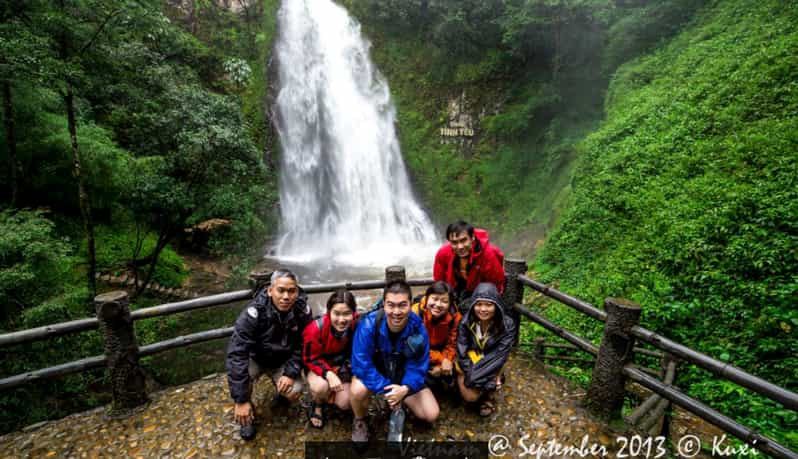
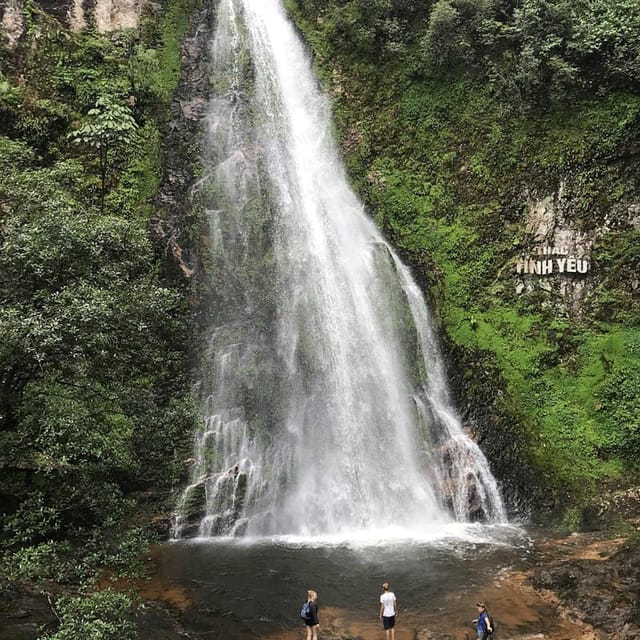
- Love and Silver Waterfalls plus photo stops at Heaven Gate and the lonely tree
Non-touristy Dong Bac walking: what this trek really gives you
This trek takes you beyond the quick photo stops and into the kind of walking Sapa is built for: paths between villages, fields, bamboo stands, and forest trails. The focus here is Dong Bac, and the route is designed to pass through minority communities rather than just following the most obvious tourist corridors.
What makes it feel authentic is how much of your time is spent moving through working farmland—rice terraces and cornfields—while your guide explains what you’re seeing as you go. You’ll also get stretches through jungle-style footpaths inside the national park area, plus viewpoints where the valley opens up and you can actually understand the scale of the terrain.
This is a good fit if you want Sapa in a slower, more human way. You’re not just consuming scenery; you’re traveling through villages with time to pause, look, and ask questions. And because it’s a private group with an English-speaking guide, you’re more likely to set a pace that suits you, not the pace of a big bus group.
One more thing I appreciate: the day isn’t purely “walk, walk, walk.” The tour builds in structured breaks like lunch at local restaurants and a transport segment for the waterfall day, so your legs don’t pay for every single transfer.
You can also read our reviews of more tours and experiences in Sa Pa.
Price and value for $112: where the money goes
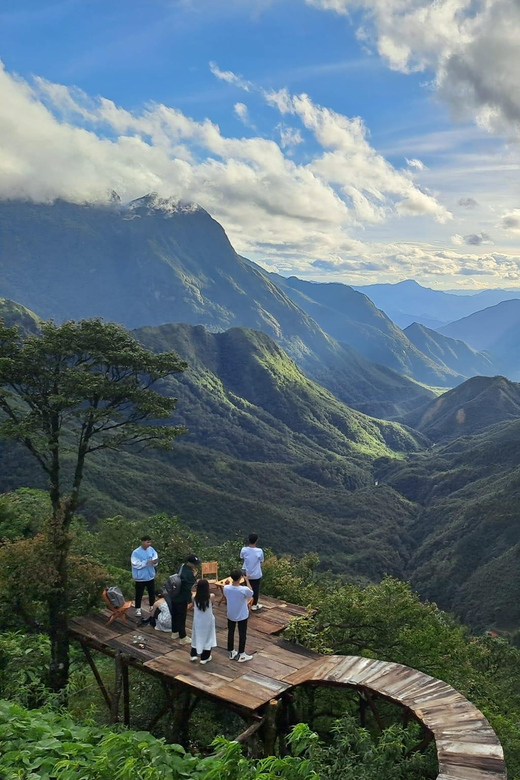
At $112 per person for 2 days, the question isn’t just whether it’s “cheap” or “expensive.” It’s what you’re getting for the price—and this one packs a lot into a short time.
Your cost includes:
- English speaking guide
- Homestay accommodation
- 2 lunches, 1 breakfast, 1 dinner
- Entrance fees to villages and waterfalls
- Transport that follows the program
- 1.5 liters of water per person per day
- Room for shower and luggage storage at the provider’s office in Sapa town
For many people, the homestay and meals are the real value driver. Eating locally with the family-style rhythm of village life is the part you remember longest. One guide-led experience can be “nice,” but staying overnight turns it into something more personal and grounded.
Two items can affect your budget:
- The herbal bath with the Red Dzao is optional and you pay for it yourself.
- You’ll still want travel insurance and personal expenses covered separately (not included).
Still, for a two-day guided trek with meals, lodging, village fees, and planned transfers, $112 can be a solid deal—especially if you’re comparing it to doing the same route yourself, where you’d have to hire a guide, arrange homestay, and cover entrance logistics on top of transport.
How hard is it? Distances, elevation, and trail time
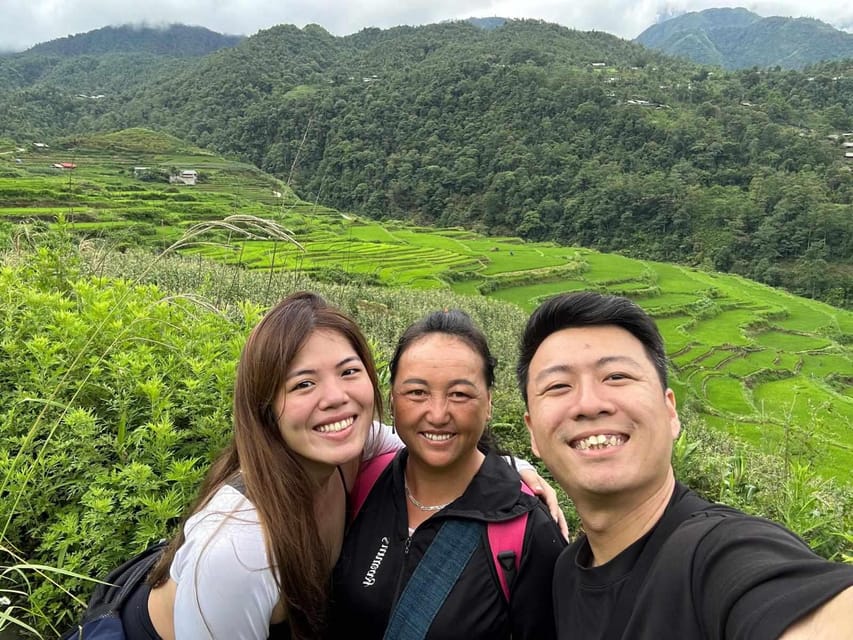
This isn’t a couch-to-hike marathon, but it isn’t a flat stroll either. Each day is about 12–14 km, with an easy-to-medium feel overall.
- Day 1: 12–14 km, about 4–5 hours walking, with roughly 200–300 m elevation gain.
- Day 2: 12–14 km, about 5 hours walking, with roughly 300–400 m elevation gain.
You’ll be walking dirt trails, crossing farmland paths, and doing some climbs that can feel longer when the weather is cool or damp. The good news: you’ll have a guide who can respect your pace. In earlier group experiences, guides have been known for being friendly and flexible with how quickly people move.
Practical advice: pack for the conditions, not the forecast. Even when the trek is labeled “easy and medium,” rain can make steps slick and turn “medium” into “slower than you planned.” Wear grippy shoes, and bring something waterproof for your day bag. Also plan to drink your water—there’s 1.5 liters per day included, but you’ll still feel thirst if it’s misty or you’re pushing uphill.
Day 1: Suoi Ho, Giang Cha, Ta Phin village—downhill terraces to bamboo forest
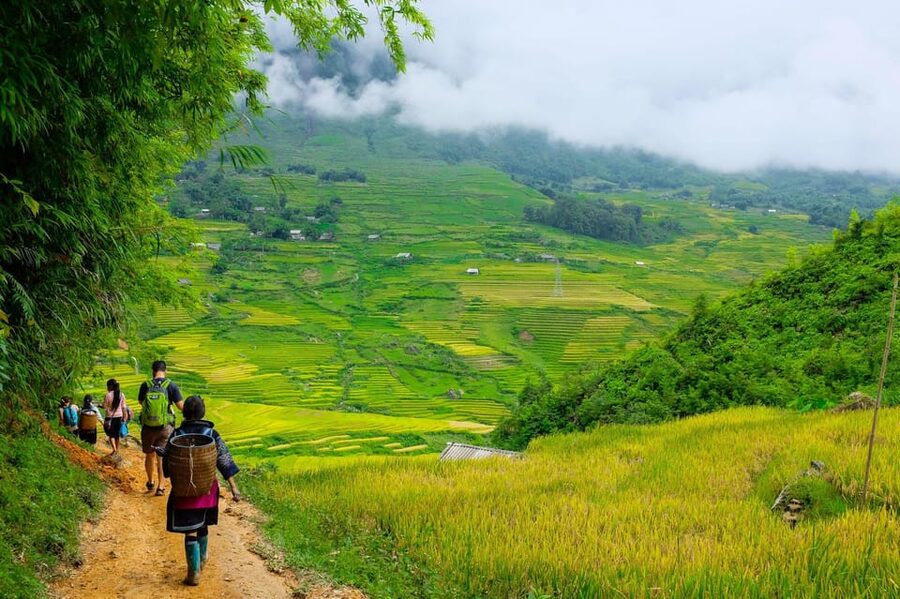
Day 1 starts in Sapa and takes you downhill through mountainous terrain using dirt trails in a non-touristy area. This is where you really begin to feel the Sapa that locals know: rice paddies stretching across slopes, cornfields in between, and mountain views that show up and disappear as the path curves.
You’ll pass through villages of the Hmong people, with plenty of moments to stop and look out over terraces and ridgelines. Expect a “work in progress” feeling—people moving through fields, daily life close to the trail.
Lunch comes in the Giang Cha village area at a local restaurant with traditional Vietnamese food. This is a smart break because it resets your energy before the next stretch of walking.
After lunch, you’ll continue toward a plateau for one of the standout viewing moments: a broad panorama over mountains, rice terraces, and cornfields. Then there’s more uphill work—climbing to a hilltop viewpoint—before you trek down again into a bamboo forest.
By evening, you’ll be hosted in a traditional wooden homestay. You’ll get time to walk around the village while your guide handles dinner prep, then share a meal with the family. For many travelers, this is the part that makes the whole trip feel real, not scripted.
Red Dzao herbal bath and homestay dinner: the cultural night portion
The overnight stay is traditional wooden homestay style, which usually means simple, warm village comforts rather than hotel polish. Your room will be part of the household setup, and dinner is built around the family’s cooking rhythm.
Here’s what I’d plan around: in the homestay setting, the evening has structure. You’ll often have a short walk around the village first, dinner follows, and the day closes with that village “quiet down” feeling you don’t get in a city hotel.
There’s also the traditional herbal bath with the Red Dzao ethnic group. This is listed as optional, and you pay separately. If you’re interested in doing it, treat it like a cultural ritual rather than a spa experience. Ask your guide what to expect, and go in with the mindset of participation.
A couple of real-life signals from prior experiences: guides have been local women who explain village differences clearly, and the homestay meal can end up being the best meal of the whole trip. One group even found dinner with the host family especially cozy after a long day outside.
Finally, remember that this is a trekking tour, so your best comfort move is to come ready for “simple but meaningful.” You’ll likely feel cleaner and more rested after the day’s rituals, especially if you’ve got access to shower space afterward in Sapa.
Day 2: Suoi Thau to Phin Ho—paddy viewpoint time, then waterfalls
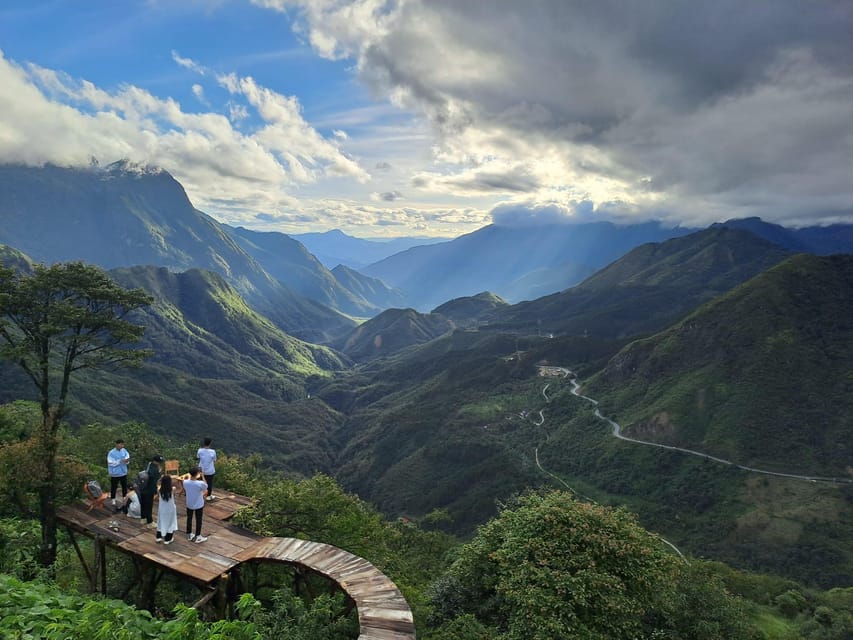
After breakfast at the homestay, Day 2 starts with a walk toward Suoi Thau village. This is another village-and-field morning, and the route continues to pass through several minority communities along the way.
What matters here is the pace of the views. You’ll be walking through rice paddy fields and heading toward a high point where the valley opens up again. This is where you can spend time looking—not just snapping a few photos and moving on.
You’ll also have a chance to reach one of the most beautiful rice paddy viewpoints in Sapa, again with jungle-edge scenery around you and a strong sense of depth in the valley.
Then it’s down toward Phin Ho village, with another viewpoint moment next to the jungle and valley area connected to the Red Dzao community. Lunch comes at a local restaurant in the Ban Khoang village area.
After lunch, the tour shifts gears: you take a car for about 25 minutes to reach the Love and Silver Waterfalls area. This matters because it reduces travel fatigue right before the most scenic stops.
The waterfalls part includes:
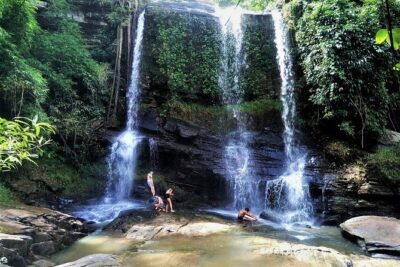
- A short walk in the national park area with scenic old trees and a golden-stream look
- Possible swimming at Love Waterfall if conditions allow and you feel comfortable with it
From there, you continue to the Heaven Gate area via photo stops, including the well-known Lonely tree viewpoint.
Love and Silver Waterfalls plus Heaven Gate: the high-pass payoff
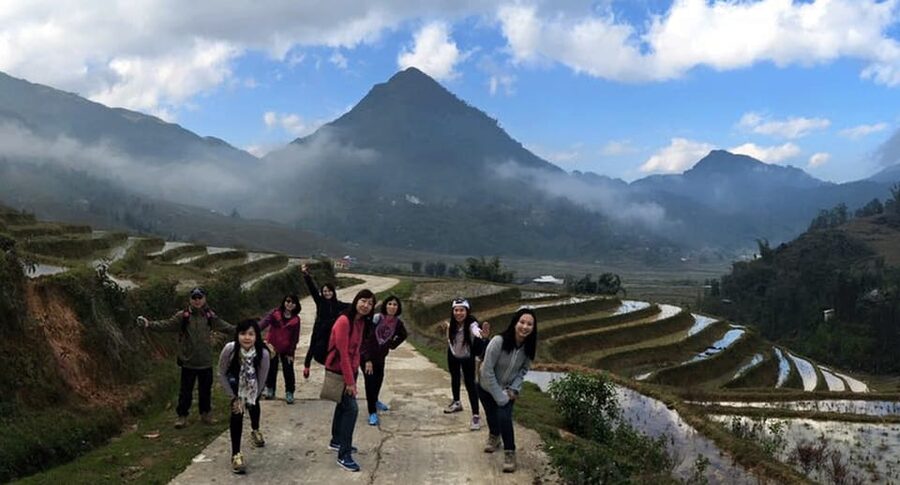
Heaven Gate is the big ticket on Day 2: the tour describes it as the highest pass in Vietnam, at about 2,000m above sea level. When you reach that point, the air feels cooler and the wind can pick up. In foggy conditions, you might not get the crispest skyline, but you can still get dramatic valley depth and cloud-like layers low in the distance.
For photos, the tour emphasizes the single tree at the Heaven Gate viewpoint. Even if you’re not obsessed with shots, it’s a memorable stop because it changes the “rice terraces” story into a “high mountain valley” story.
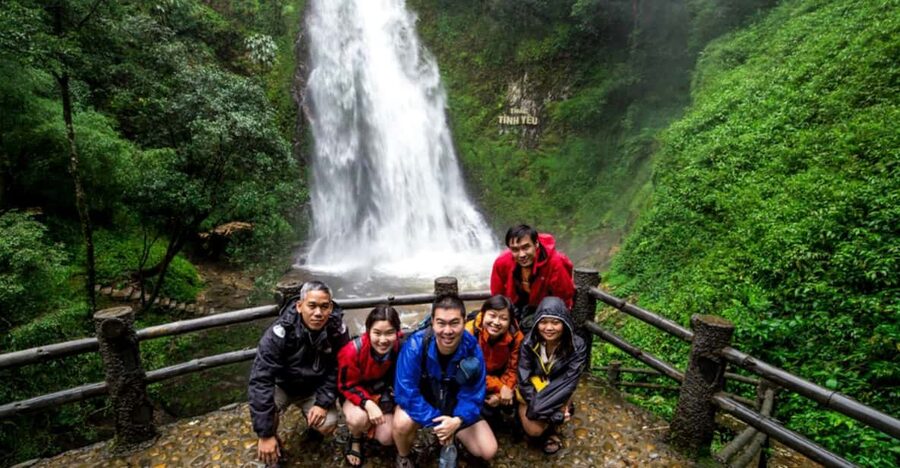
After Heaven Gate, you move by car to Silver Waterfall on the high mountain. There’s a short approach to a viewpoint where you can look down at the valley, plus a bridge section designed for waterfall photography.
And yes, Love and Silver are both described as some of the biggest waterfall sights in Sapa. The short national park walk between them helps you feel like you’re not just arriving at a waterfall parking lot.
One more detail worth noting: your day ends with a return to Sapa by car around 15:00–16:00. That makes it easier to plan your next evening in town.
Weather, swimming chances, and photo expectations
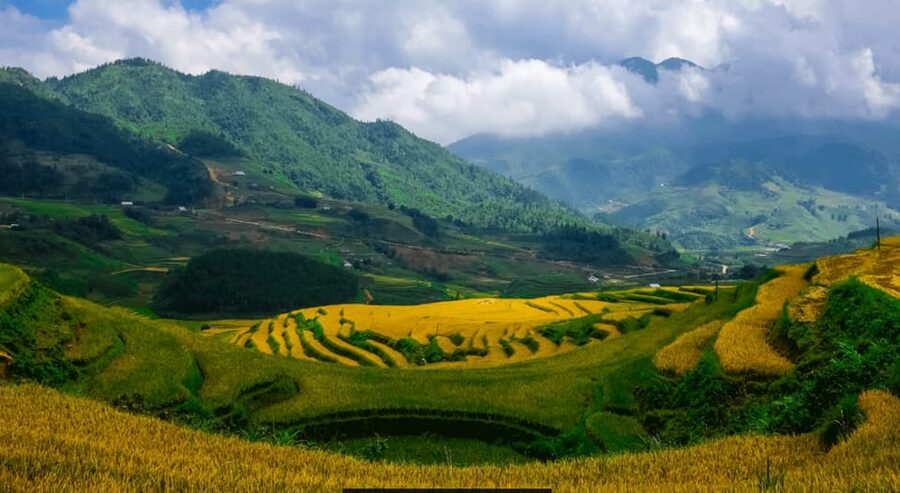
Sapa weather can turn quickly. Earlier experiences from the same style of trek have included fog and rain, and that can affect visibility at higher pass points. So don’t build your whole mental plan around crystal-clear views all day.
Instead, plan for three likely scenarios:
- Clearer weather: Heaven Gate and valley views look sharp, and waterfall edges are easier to frame.
- Fog/mist: you get atmosphere and valley depth, but less detail in far mountains.
- Rain: trails can be slippery, and waterfall volumes can look more dramatic (just be careful near wet footing).
About swimming: Love Waterfall is described as a place where swimming can be possible. Still, you’ll want to judge conditions on-site. If water is cold, fast-moving, or you’re not steady on slippery rocks, it’s fine to skip and just enjoy the view.
For photos, bring a way to protect your phone or camera from mist and drizzle. If you only have one go-to lens, focus on framing people against the valley and trees. The route is designed for that kind of scale shot, especially at Heaven Gate and the lonely tree point.
Who should book this Sapa villages trek (and who shouldn’t)
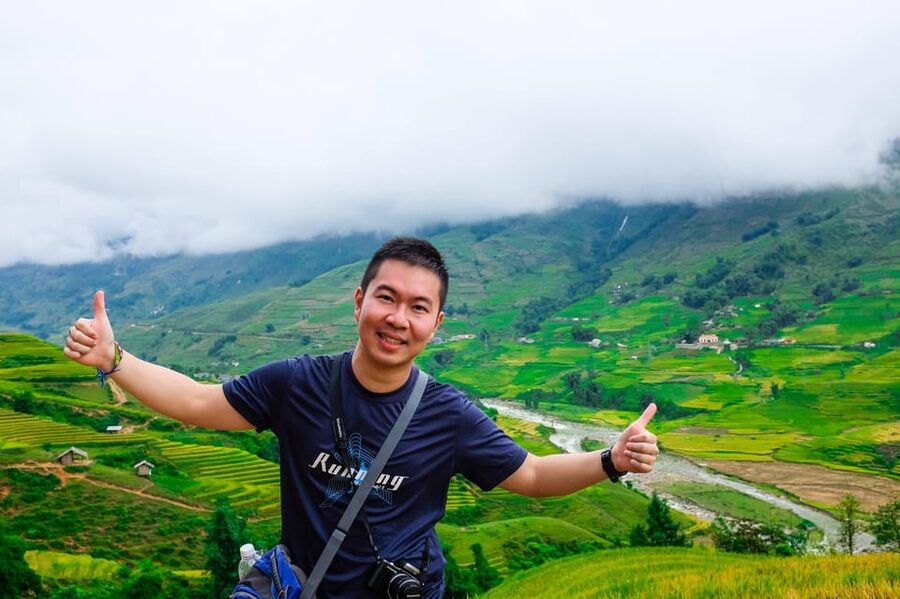
This trek is a strong match if you:
- Want non-touristy village walking and cultural explanations from a guide
- Like active travel but don’t want a super-technical hike
- Care about rice terraces, farmland scenery, bamboo forest, and waterfalls in one compact 2-day loop
- Enjoy homestay-style evenings and real local meals
You might think twice if you:
- Hate hiking in rain or fog and don’t have grippy shoes
- Want a fully hotel-like experience with predictable private facilities at every stop
- Are only interested in waterfalls and don’t care about village-and-field walking
If your top priority is maximum comfort and minimal movement, this may feel like too much. But if you want a real taste of Sapa beyond the postcard path, it’s a compelling format.
Make it work: practical packing and comfort tips
Because you’re walking 12–14 km each day, don’t overpack. Bring what you can carry comfortably and keep it dry.
A practical checklist:
- Grippy hiking shoes or trail sneakers
- A waterproof jacket or poncho
- Small day bag with a zip pouch for phone and important items
- Light layers for cooler air, especially near higher pass points
- Quick-dry basics for the homestay night
Good to know: the tour includes water each day and also provides shower and luggage storage at the office in Sapa town. That’s helpful for staying sane if you’re traveling onward after the trek.
Herbal bath tip: since it’s optional and you pay yourself, only do it if you’re comfortable with trying a village ritual. Your guide can usually help set expectations, and you’ll feel better knowing it’s not mandatory.
Should you book this Sapa trek?
I’d book it if your idea of a great Sapa trip is village paths, rice terraces, and waterfalls with actual walking time behind them. The combination of homestay dinner, Red Dzao herbal bath option, and Heaven Gate at about 2,000m gives you variety without turning the trip into a rushed checklist.
I’d skip it if you want an ultra-comfortable, low-effort sightseeing day, or if bad weather would ruin your whole experience. With fog/rain in the mix, you’re still out in nature—views may soften, but the village-and-trail atmosphere usually stays compelling.
If you can, choose this tour when you have a little flexibility in your overall Sapa schedule. Finishing around mid-afternoon on Day 2 gives you room to rest, shower, and keep traveling.
FAQ
How long is the trek?
It’s a 2-day tour with walking on both days, ending back in Sapa around 15:00–16:00 on Day 2.
How much walking is involved each day?
Day 1 is about 12–14 km (around 4–5 hours). Day 2 is about 12–14 km (around 5 hours).
What difficulty level is it?
It’s described as easy to medium on Day 1, and medium to easy on Day 2, with elevation changes of about 200–300 m (Day 1) and 300–400 m (Day 2).
What’s included in the price?
The tour includes an English-speaking guide, homestay accommodation, meals (2 lunches, 1 breakfast, 1 dinner), entrance fees to villages and waterfalls, transport during parts of the program, and 1.5 liters of water per person per day.
Are the Love and Silver Waterfalls included?
Yes. You visit Love and Silver Waterfalls, with a short walk in the national park area and viewpoint/photo time near the falls.
Is the herbal bath included?
The herbal bath with the Red Dzao is optional. It’s not included, and you pay for it yourself.
Does it run as a private group?
Yes, it’s listed as a private group with an English-speaking guide.