REVIEW · VITI LEVU
Hiking Adventure including Fiji’s Highest Mountain and 3 Nights
Book on Viator →Operated by Talanoa Treks · Bookable on Viator
Fiji’s highlands feel far from the resort map. This 4-day, 3-night trek with Talanoa Treks takes you from Nadi into Fiji’s interior for village stays and a serious climb to Mount Tomanivi, the country’s highest peak. I like that the days are set up for confident, respectful travel—local guides handle the route and context, so you’re not guessing or stressing.
One thing to plan for: the trails can be steep and muddy, with a long day feel in the mountains. If you’re expecting smooth paths and quick photo stops, this will feel more like work—and that’s true even when the weather is decent.
In This Review
- Quick Takeaways Before You Go
- Fiji Highlands Hike with Mount Tomanivi: What Makes It Special
- Getting to the Trail: Nadi Pickup and 4WD Timing
- Day 1 in Navai: Settling In Where the Hills Begin
- Mount Tomanivi Climb: Early Steps, Steep Mud, Summit Views
- Nadrau Plateau and Naga Village: Views on the Way to Community Life
- Nabutautau Old Trails: A 12km River-Linked Walk Through Forest and Grassland
- The Final Circular Hike: 5km, a Natural Waterslide, and an Old Village Site
- Sigatoka Transfer and Your Return to Nadi or Suva
- What You’ll Learn and Why the Guides Matter
- Price and Value: Is $750+ Reasonable for 3 Nights in the Highlands?
- Who This Hiking Adventure Fits Best (and Who Should Pass)
- What to Pack for Fiji’s Highlands: Heat, Mud, and Forest Stops
- Weather Reality and the Safety Tradeoff
- Should You Book the Talanoa Treks Highlands Hike?
- FAQ
- How long is the Hiking Adventure, and is it 3 nights?
- Where does the tour start, and is pickup offered?
- What days does this hike run?
- How challenging is the hike?
- How big is the group?
- Who provides the hiking support?
- What’s included with the tour?
- What happens if weather is bad?
Quick Takeaways Before You Go
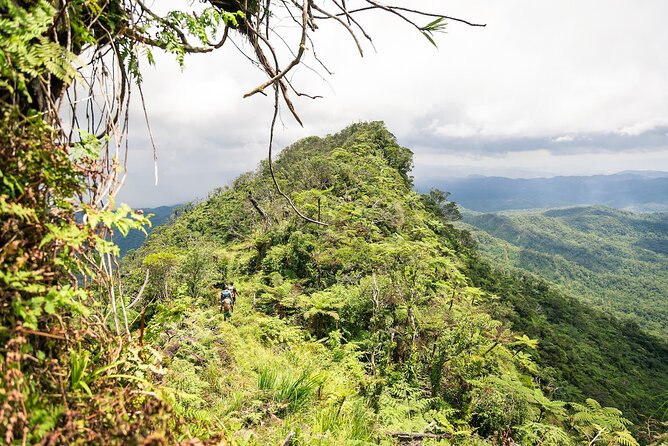
- Mount Tomanivi summit push: early start to beat the heat on a steep, muddy climb
- Village-to-village stays: you sleep with families and move through places most visitors never reach
- Trained community guides: you hike local trails with people who know the land and the stories
- Real trail variety: forest, grassland, river routes, and viewpoint time across multiple days
- Small group size: up to 12 people, so the experience stays personal
- End with a coast-side transfer: 4WD down to Sigatoka, then onward to Nadi or Suva
Fiji Highlands Hike with Mount Tomanivi: What Makes It Special
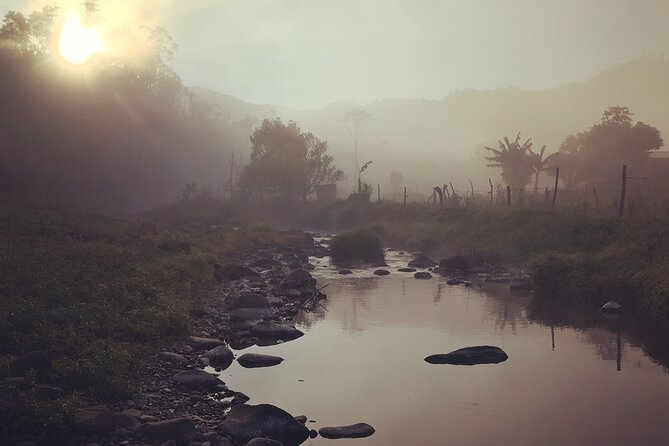
This isn’t a resort-adjacent walk. You’re going inland, up into Fiji’s highlands, and then moving between communities over several days. That shift changes everything: the scenery feels bigger, the pace is slower, and your conversations mean more than small talk.
The best part is how the route mixes effort with understanding. You’re not just collecting photos of peaks and greenery. You’re learning how people live here, and you’re hiking on paths shaped by history and daily life. Even the “hard” moments—mud, steep steps, early starts—feel purposeful instead of random.
And yes, Mount Tomanivi is the headline. The summit views on clear days are the kind that make you grateful for every slippery step—especially because the climb starts before the heat locks in.
You can also read our reviews of more tours and experiences in Viti Levu.

Getting to the Trail: Nadi Pickup and 4WD Timing
You start at The Coffee Hub – Nadi, with the address listed on the Nadi Back Rd in Nadi. Pickup is offered from your hotel too, and the usual window is between 12:30pm and 1pm. That means your mornings in Fiji can be normal—coffee, beach time, local lunch—before you trade it for mountain air.
Expect 4WD vehicle travel between trailheads and between stays. That matters for two reasons. First, it reduces the number of long transfers you’d have to piece together yourself. Second, it sets the tone: this is active travel, not a “hop in a taxi and walk three minutes” day.
The trip runs departing most Mondays from April to November. So if you’re planning around Fiji’s weather and want something more structured than DIY, this schedule fits well.
Day 1 in Navai: Settling In Where the Hills Begin
Your first real move is into the interior to your first village stay in Navai. It’s a long day—your total travel time on Day 1 is listed as 12 hours—so plan for a late arrival vibe and an early-ish start to sleep well.
What I like about Day 1 is that it doesn’t throw you into a full endurance hike right away. You’re getting oriented: meeting your guide team, learning local expectations, and arriving in a community setting where the goal is respectful participation.
You’ll also feel the reality of the highlands fast. Even before the big climbs, the air, the roads, and the terrain tell you you’re not in coastal Fiji anymore. If you’re the type who enjoys learning the “why” behind travel choices, this opening day does a lot of work for you.
Mount Tomanivi Climb: Early Steps, Steep Mud, Summit Views
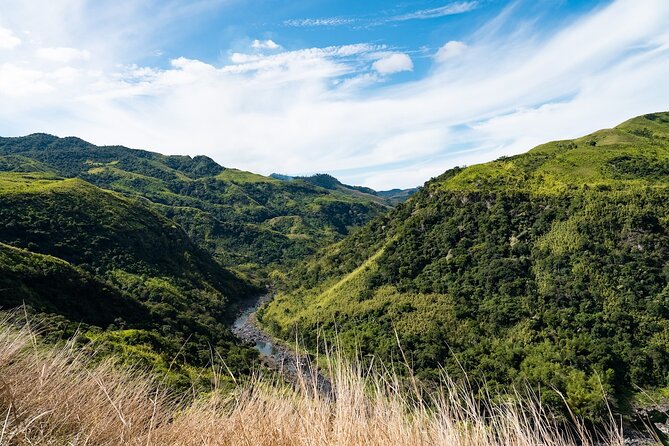
Day 2 starts with an early breakfast and a climb up a steep and muddy trail before the heat kicks in. That timing is the difference between a tough hike and an unpleasant one. You’ll be moving while the weather is still friendly, and your energy stays higher for the hardest sections.
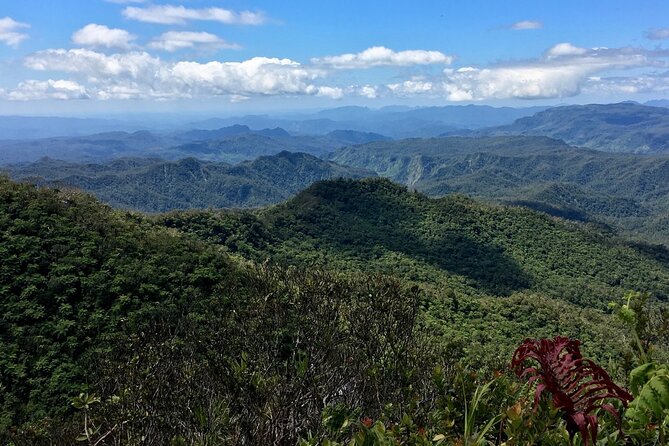
Mount Tomanivi is in a forest reserve, and the route is designed to take you through that protected environment rather than bypass it. The summit is where the effort pays off. On clear days, you get stunning views—the kind you don’t want to rush past while your legs are still screaming.
Here’s the balance point to keep in mind. This is a real mountain climb. The terrain is described as muddy and steep, so your footing matters. Trekking poles can help if you use them, and it’s smart to treat “fast” as optional.
Nadrau Plateau and Naga Village: Views on the Way to Community Life
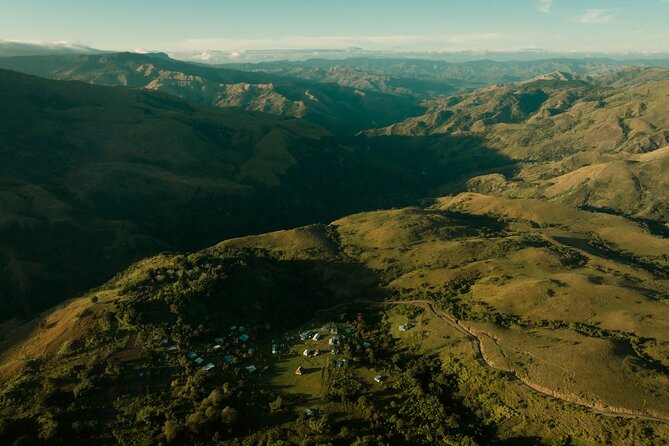
After the climb, you return to your homestay in Navai to relax and shower. Then you move farther along the Nadrau plateau and onward to the tucked-away Naga village. This part of the day is less about summit drama and more about transitioning deeper into the interior.
The highlight here is the views you can pick up along the route, plus the shift from “climb day” into “settle day.” It’s the kind of change that helps you recharge mentally as much as physically.
I also like that the itinerary keeps you moving between places rather than staying in one spot. You feel the geography, you hear different stories, and you understand how the communities connect to the hills and rivers around them.
Nabutautau Old Trails: A 12km River-Linked Walk Through Forest and Grassland
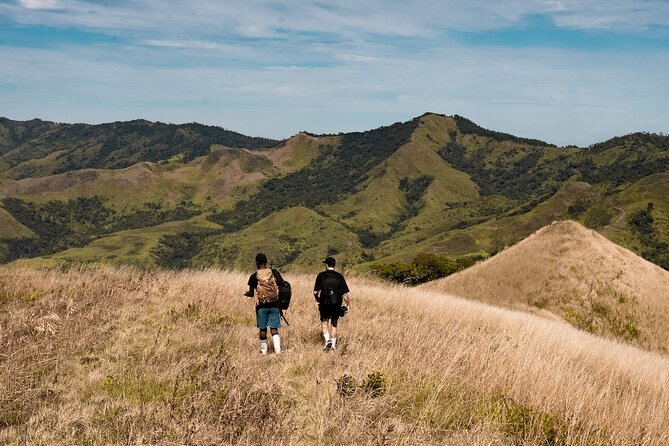
Day 3 brings the biggest stretch of walking: a hike with trained community guides along an old trail that links now-abandoned villages along the upper Sigatoka River. The distance is listed as 12km, and it takes about 7 hours, with stops built in.
The route is described as moving through grassland and forest. That variety is one of the reasons this hike doesn’t feel monotonous. You’re not just trudging forward on the same kind of ground. The ground changes, the temperature changes, and the scenery keeps shifting.
You also get time to learn along the way, not just at the end. Since these guides are community-trained, the explanations tend to connect the physical trail to people’s lives—past and present. That kind of context is a major part of why this itinerary works so well for independent-minded travelers.
Practical note: 7 hours on a trail like this needs a steady pace. If you “start strong, fade fast,” you’ll feel it. I’d aim for consistent effort and let the beauty come as a byproduct of being present.
The Final Circular Hike: 5km, a Natural Waterslide, and an Old Village Site
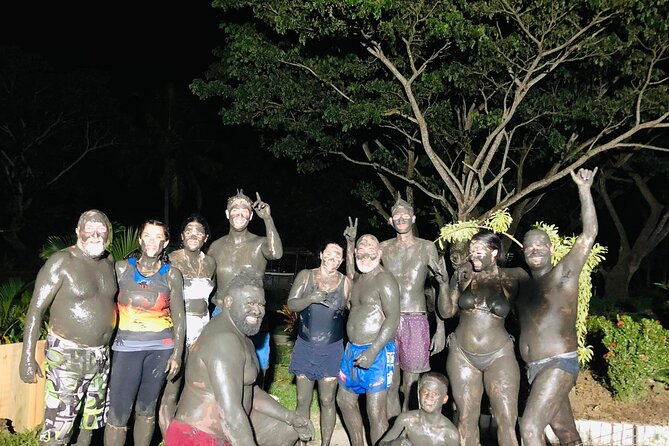
Day 4 has a different feel. You enjoy a guided 4-hour (5km) circular hike, with a stop for a natural waterslide tucked away in the forest. That’s a playful twist to the highland seriousness, and it’s exactly the kind of break that keeps long days from feeling all grind.
This hike also includes a stop to learn about Fiji’s past as you walk through an old village site. So you’re not just enjoying nature; you’re also connecting the dots between how people used the land and how the area changed over time.
The circular format matters too. You get variety without the logistics of out-and-back trekking. It’s a good way to finish with satisfaction instead of fatigue.
If you’ve been wearing the same shoes for a few days (and you likely will), this is your reminder to keep socks and basic foot care ready. Even with good guidance, wet ground can make your feet complain.
Sigatoka Transfer and Your Return to Nadi or Suva
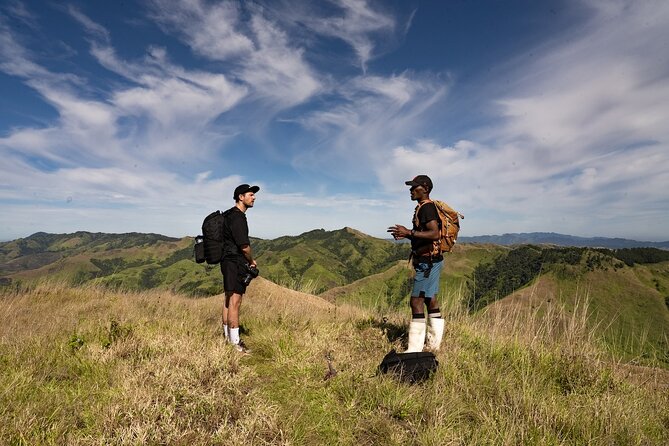
After the morning hike, you head out by 4WD vehicle down to Sigatoka. You’ll get sweeping views across watersheds for the Ba and Sigatoka rivers on the way down, and then you transfer onward to Nadi or Suva, depending on the end arrangement.
This is a nice way to close the loop. You get a final look at the river systems that feed the valley life you’ve been walking through. Then you transition out of the highlands back toward the more familiar rhythm of Fiji—without feeling like you’re simply being dropped back into traffic.
Your trip ends in a different location than where it starts. So when you plan your last day, give yourself a little flexibility and don’t stack a bunch of tight plans right after pickup-style travel ends.
What You’ll Learn and Why the Guides Matter
This trip is built around local knowledge, not just route knowledge. You hike with trained community guides, and you’re encouraged to travel respectfully on traditional land. That doesn’t mean you sit in a classroom. It means the experience is structured so your presence fits the place.
One detail I appreciated from the guide team notes: named leaders like Ben, Jake, and Sireli show up in the team experiences, which suggests continuity rather than a revolving-door approach. When a guide is invested, you feel it in how they explain terrain choices and how they manage the group during longer hiking stretches.
It also helps with confidence. If you’ve hiked in places where navigation is on you, you know the stress that comes with it. Here, you can focus on your footing, your stamina, and your questions—because the route and pacing are managed.
Price and Value: Is $750+ Reasonable for 3 Nights in the Highlands?
At $750.23 per person, this isn’t cheap. But for Fiji highlands travel, it’s priced like an activity with real overhead: multi-day guiding, multiple days of hiking, 4WD transport, and village stays across 3 nights.
Here’s how I’d judge the value in plain terms:
- You’re paying for guided time over several days, not just one hike.
- You’re paying for transport into remote areas where getting there DIY would be complicated.
- You’re paying for community-based hosting, which changes how the trip works compared to a standard lodge tour.
Reviews also point to accommodation quality and meals feeling plentiful, which strengthens the value argument. When a trek includes everything from sleep logistics to on-route guidance, the per-day cost starts to make more sense.
If your travel style is mostly resort comfort with occasional day tours, this will probably feel expensive. If your travel style is walking, learning, and meeting people away from the coast circuit, this price can feel fair.
Who This Hiking Adventure Fits Best (and Who Should Pass)
This tour asks for moderate physical fitness. The hike descriptions back that up: steep muddy climbs, long days, and a 12km walk that takes around 7 hours. You don’t need to be an athlete, but you do need to be comfortable with sustained walking and uneven ground.
This also suits you if you like:
- Independent-minded travel with structure
- A mix of hiking and village life
- Guides who explain what you’re seeing, not just where to step next
You might rethink it if you want:
- Mostly flat trails
- A short day that stays near Nadi or the coast
- Dry, easy conditions without mud or slippery spots
And if you’re traveling with kids, it can work only if they handle long hikes. One positive mother-daughter story is a good sign, but you should still judge it against your own group’s stamina.
What to Pack for Fiji’s Highlands: Heat, Mud, and Forest Stops
Even though I can’t list an official packing checklist from the provided details, the reality of the terrain is clear: muddy, steep trails and forest walks.
I’d plan around three priorities:
- Footing: trail-ready shoes or boots you trust on wet ground.
- Weather comfort: it can get hot, but you’re also climbing early when conditions may feel cooler.
- Sun and exposed sections: light protection matters.
From guide advice that’s worth taking seriously, a lightweight long-sleeve shirt plus a hat are useful for exposed parts. Hiking trousers can help too, especially where grass gets tall or where you don’t want skin rubbing.
For the natural waterslide stop, bring a practical mindset: you’ll probably get wet, so don’t bring gear you can’t tolerate getting soaked.
Weather Reality and the Safety Tradeoff
The experience requires good weather. That matters because the trail conditions can change fast in the highlands. Mud and steep sections become tougher when it rains.
The good news is that you’re not traveling blind into chaos. The route and pacing are guided, and the whole experience is set up with that mountain reality in mind. If weather turns, there’s a process to handle it with a different date or a full refund.
My tip is simple: build buffer time into your broader Fiji schedule. Don’t schedule your flight the same day as your trek end if you can avoid it. Mountains run on their own clocks.
Should You Book the Talanoa Treks Highlands Hike?
I’d book this if you want Fiji in a way that most people miss: walking in the interior, staying with families, and getting the Mount Tomanivi summit experience without worrying about routes or logistics.
I wouldn’t book it if you need guaranteed easy trails, minimal walking time, or a trip that feels like a resort vacation with a view. This is hiking first, scenery comes as a reward.
If you like your travel with purpose—effort, context, and honest connections—this one is a strong match. With small group size and guides like Ben and Jake leading the way, it feels less like a product and more like a guided passage into the highlands.
FAQ
How long is the Hiking Adventure, and is it 3 nights?
The trip runs for about 4 days and includes 3 nights of village stays.
Where does the tour start, and is pickup offered?
It starts at The Coffee Hub – Nadi. Pickup from your hotel is also offered, usually between 12:30pm and 1pm.
What days does this hike run?
Departures are listed as most Mondays from April to November.
How challenging is the hike?
It’s described as requiring moderate physical fitness. Trails include a steep, muddy climb and a 12km hike on Day 3.
How big is the group?
The tour has a maximum group size of 12 travelers.
Who provides the hiking support?
You’ll hike with experienced guides, including trained community guides on the trail sections.
What’s included with the tour?
Pickup and 4WD vehicle travel are included. The itinerary also notes admission ticket free, and you’ll receive a mobile ticket.
What happens if weather is bad?
The experience requires good weather. If it’s canceled due to poor weather, you’ll be offered a different date or a full refund.