REVIEW · CATANIA
Mount Etna: Tour to the Summit Craters by Cable Car
Book on GetYourGuide →Operated by Luca Cosma · Bookable on GetYourGuide
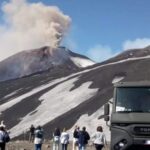
Etna feels like stepping onto another planet. In about half a day, you’ll ride up fast and then walk through a lunar mix of lava, ash, and crater edges with a volcanology guide explaining what you’re seeing. It’s the highest active volcano in Europe, so the day has that rare mix of effort and awe.
I also like the practical side: you’re not just wandering. You get helmet and trekking boots and a guide-led route that takes you to key volcanic features.
What I love most is the way the itinerary builds. You start high enough to feel the altitude, then you push to the edge of the Central Crater at 3400 meters for big-sky views. After that, you’re not done: the descent threads through lateral craters and lava flows before ending back at Rifugio Sapienza.
One consideration: Etna activity and weather can change what’s possible. If access is restricted, the route may be adjusted, and pace can vary depending on the final route chosen.
In This Review
- Key Things to Know Before You Go
- From Etna South Cable Car to 2920m: Why This Tour Starts High
- The Summit Craters Walk: Reaching the Central Crater Edge at 3400m
- Valle del Bove Views: The “Ask Your Eyes to Work” Part
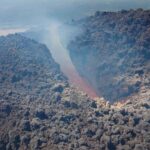
- Lateral Craters and Lava Flow Channels: Seeing Etna’s Layers Up Close
- Crossing the Craters of the 2002 Eruption and Walking Inside a Lava Tunnel
- Guide, Gear, and Group Pace: What You’re Really Paying For
- Cost and Value: The Base Price vs. Cable Car Reality
- Fitness, Weather, and Safety on an Active Volcano
- Who This Etna Summit Craters Tour Fits Best
- Should You Book This Tour?
- FAQ
- What does this Mt. Etna tour include?
- Do I need to pay extra for the cable car?
- How high do you walk on this tour?
- How long is the tour?
- What languages are available for the guide?
- Is the tour suitable for people with medical conditions?
- What should I bring, and is anything not allowed?
- How flexible is cancellation?
Key Things to Know Before You Go
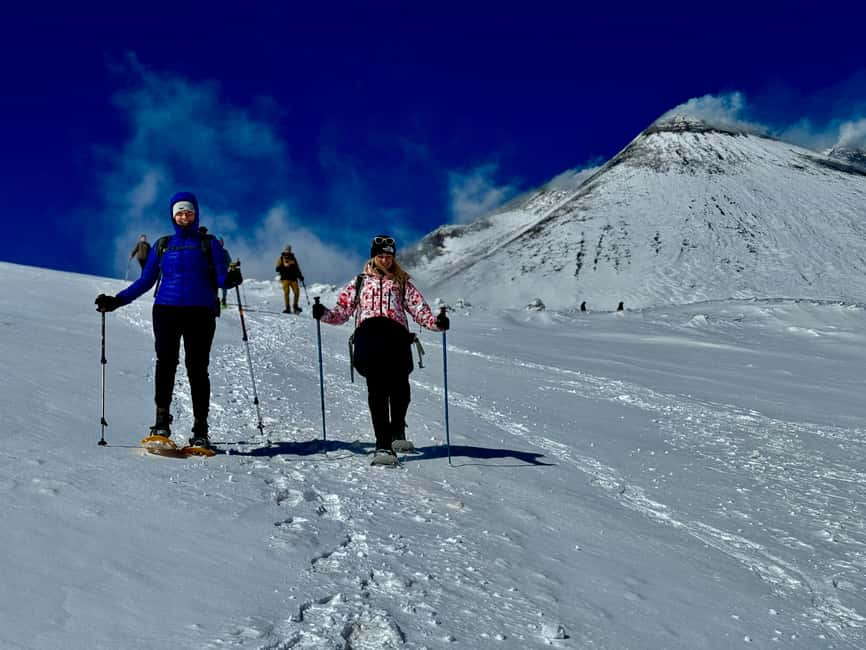
- Cable car lift + 4×4 transfer: you’re carried up to around 2920 meters before the real walking starts.
- Summit-crater edge hike: you reach the edge of the Central Crater at 3400 meters for 360° views.
- Fresh lava features: you’ll observe areas shaped by recent eruptions, plus lateral crater terrain that looks otherworldly.
- Valle del Bove amphitheater: plan to look outward a lot, not just down at your footing.
- 2002 eruption stopovers: the route includes crossing craters from the 2002 eruption.
- Lava tunnel time: you’ll walk inside a lava tunnel on the way back down.
From Etna South Cable Car to 2920m: Why This Tour Starts High
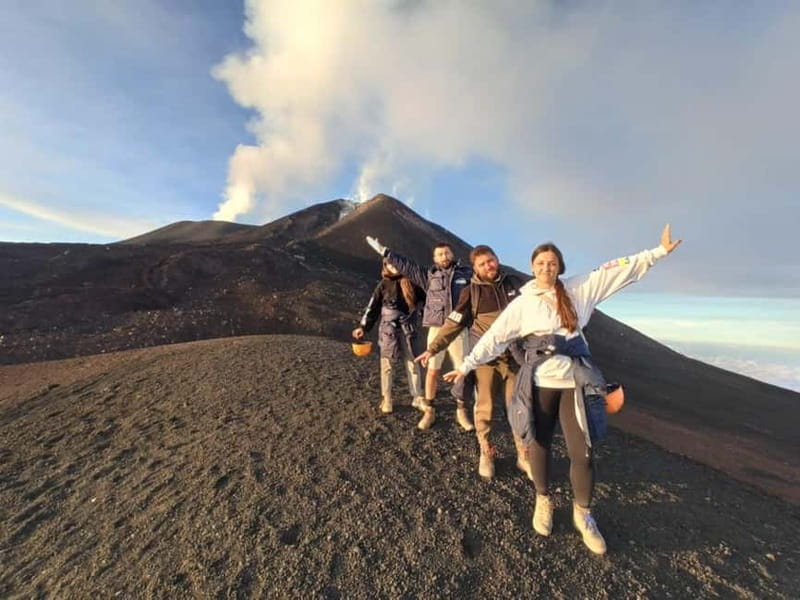
The heart of this experience is simple: you gain altitude quickly, then use that advantage to hike where the geology gets dramatic. You meet around Rifugio Sapienza at La Terrazza Dell’Etna, near the Etna South cable car area, where guides handle the start and gear setup.
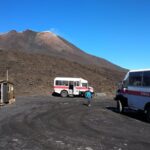
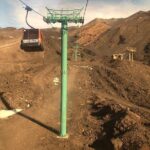
First comes the cable car up to about 2500 meters. Then you continue by special 4×4 vehicle to roughly 2920 meters, driving through volcanic terrain before your trek begins. For many people, that makes the hike feel more doable because you’re not spending the morning just climbing to the interesting zone.
The route also includes short coach transfers in between segments. That matters because Etna days can be time-sensitive: volcanic conditions, road access, and weather can shift the schedule. You’ll spend a chunk walking, but you won’t feel like you’re doing all the logistics alone.
Practical note: even with the “fast start,” you should still expect real hiking. The ground can be uneven, dusty, and loose in places, and you’ll be moving for hours.
You can also read our reviews of more tours and experiences in Catania.
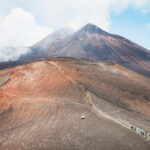
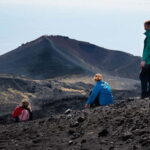
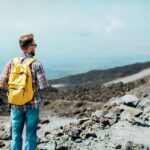
The Summit Craters Walk: Reaching the Central Crater Edge at 3400m
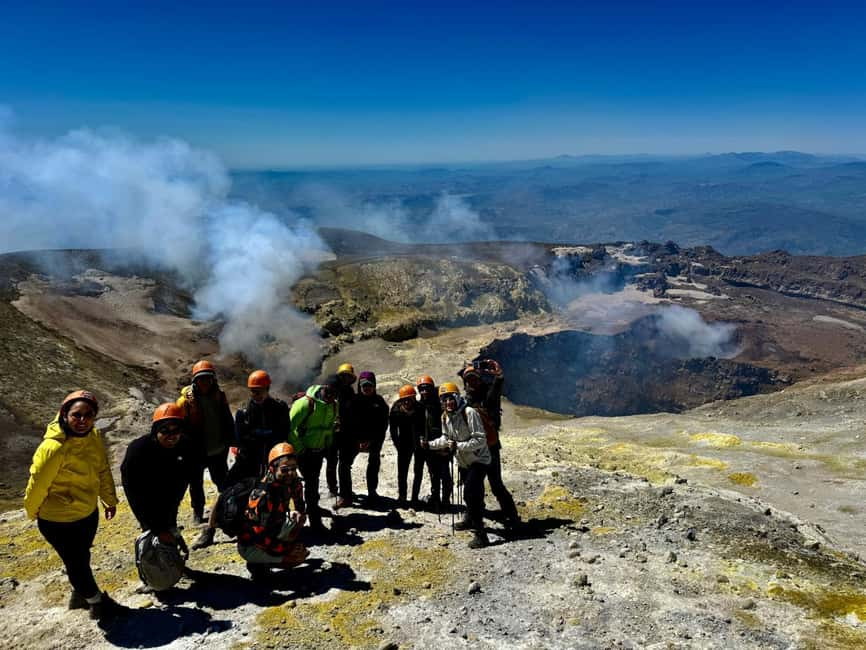
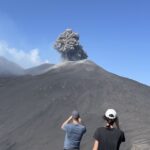
This is the moment you came for. From around 2920 meters, your guided hike climbs toward 3400 meters, aiming for the edge of the Central Crater. You’re stepping onto a world that looks like it belongs on the Moon, except the view is Sicily and the sky is very real.
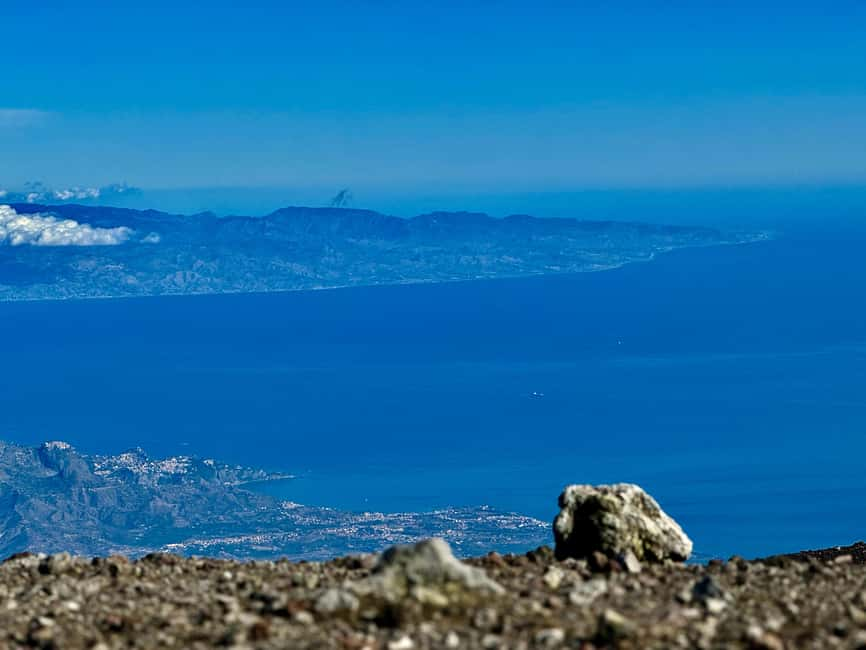
At the crater edge, you’ll have the chance to take in 360° views. On clear days, you may even be able to see the Aeolian Islands and stretch your gaze across northern and eastern Sicily. That’s not a guarantee, but it’s the payoff when the weather lines up.
The walk here is both physical and mental. Physical, because altitude adds effort fast. Mental, because the terrain can be hard to read: ash can shift underfoot, and lava rock can be sharp or jagged. Your guide’s job is more than commentary; they help keep you moving safely while explaining what the shapes mean.
If you’re visiting for photography, plan to shoot after short pauses rather than while marching. It’s not that you can’t stop, but your safety and balance come first. The best crater photos usually happen when you’re steady and the guide has pointed you toward the right angles.
Valle del Bove Views: The “Ask Your Eyes to Work” Part
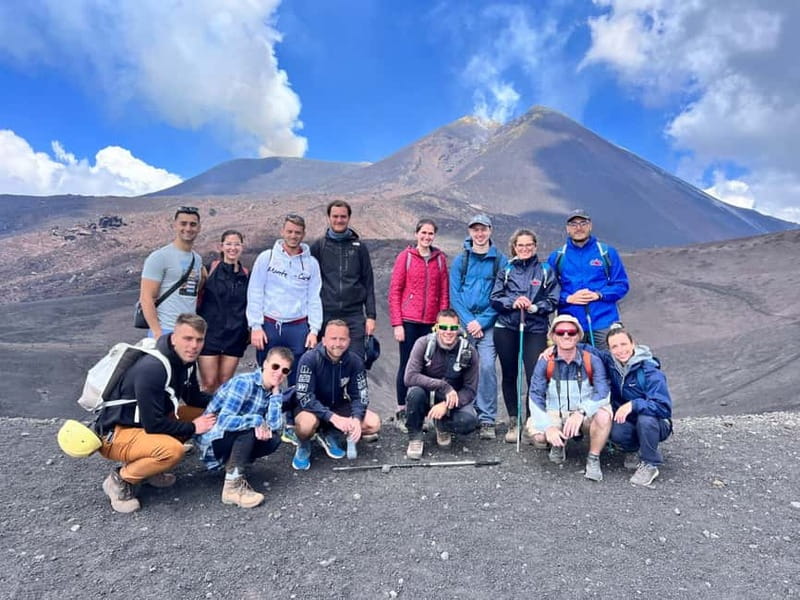
Once you’re done with summit-area highlights, the tour transitions into the broad, panoramic geology around the Valle del Bove. This is where the volcano stops being a single peak and becomes a whole system of collapse zones and volcanic walls.
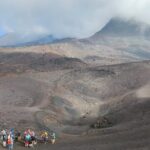
You’ll admire the immense scenery in this volcanic amphitheater setting. It’s the kind of view that makes you realize you’re not just looking at a mountain. You’re looking at a massive landscape shaped by eruptions, eruptions that changed the land so thoroughly that it now reads like a geological diagram.
This portion is also when you’ll feel the day’s rhythm. If you’ve been climbing and concentrating on your footing, the shift to wide views is a relief. Still, don’t underestimate it: wind can pick up at altitude, and your legs still carry fatigue.
My tip for this section: pause often. Not for long breaks, but for short resets. It helps you catch wind changes, hydrate before you’re thirsty, and keep your breathing under control.
Lateral Craters and Lava Flow Channels: Seeing Etna’s Layers Up Close
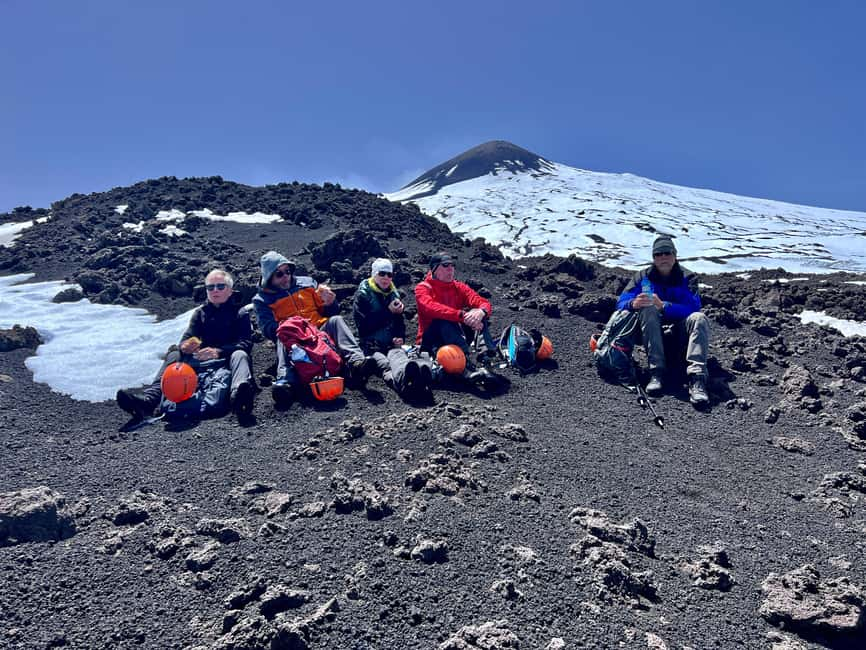
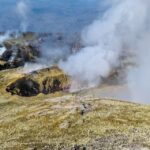
Etna’s “wow” isn’t only the summit. Some of the most memorable parts are the intermediate features that show how lava moved and how terrain formed around it. This tour includes time to explore lateral craters and a lava flow channel.
Here’s what I’d tell you to look for as you walk:
- Changes in color and texture in the lava.
- Where the ground looks smooth and where it looks broken and jagged.
- Any area where the shape suggests how lava traveled through cracks or channels.
These details matter because they turn sightseeing into understanding. A volcanology guide can point out the story behind the shapes: which parts look more recent, where lava likely cooled and hardened, and why certain edges form the way they do.
One more thing: because you’re walking through a constantly evolving active-volcano environment, the route can reflect the day’s conditions. The goal stays the same, but what’s “most visible” and “safest to reach” may vary depending on volcanic risk and weather.
Crossing the Craters of the 2002 Eruption and Walking Inside a Lava Tunnel
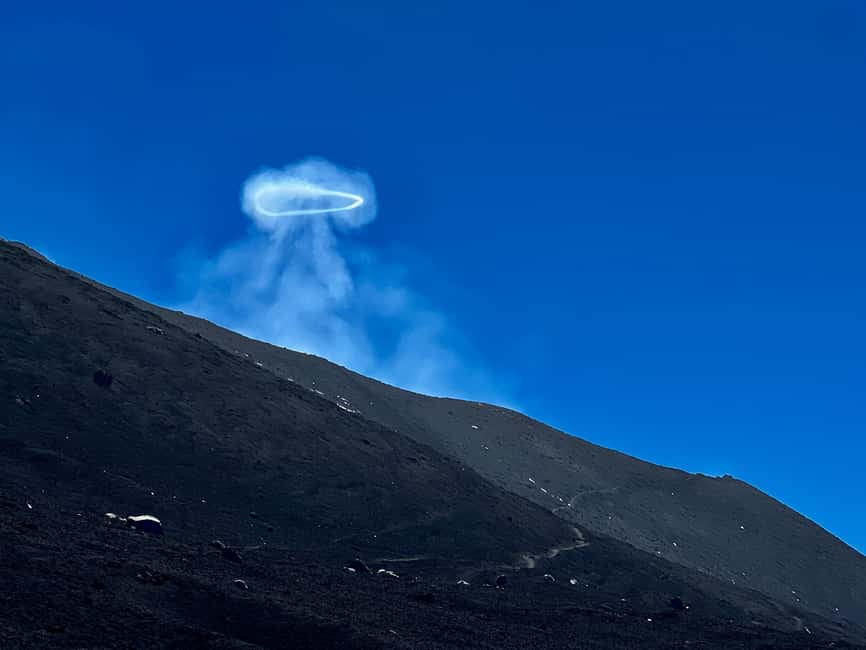
The descent phase is where the day gains variety. After leaving the summit area, the itinerary includes crossing the craters from the 2002 eruption. This part is not just scenery. It’s a chance to see how an eruption’s aftermath can become a whole walking route, with terrain that tells you where impacts and explosions once changed the ground.
Then you’ll walk inside a lava tunnel. That’s one of those experiences that feels different immediately: temperature and light shift, and you’re suddenly aware of how hollow lava systems can become.
For comfort, take it slow in the tunnel area. Floors may be uneven and surfaces can be slick with dust. Your helmet and focus help here, and your guide will steer you to the safest spots for viewing.
When you come back out, the light hits different. The outdoor amphitheater views of Valle del Bove feel even bigger after the tunnel experience, like your eyes need a minute to reset.
Guide, Gear, and Group Pace: What You’re Really Paying For
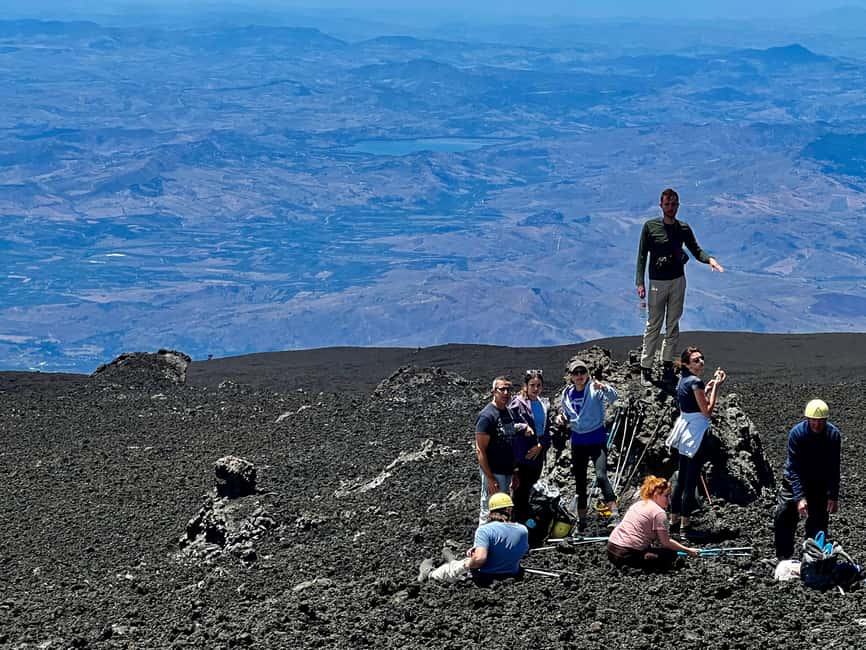
This tour includes a certified Alpine/Volcanological guide, plus practical gear: helmet, windbreaker jacket, and trekking boots, along with insurance. That gear package is a big part of value because it reduces the “what if I forgot” stress. It also supports safety on rock, ash, and windy crater edges.
The guide component is what turns Etna from scenery into a learning day. You’ll get explanations tied to what you’re seeing: crater formations, lava movement, and why the Valle del Bove looks the way it does. It’s not a classroom lecture. It’s commentary built into walking.
You’ll also get language options (English, Italian, French). If you’re booking with specific language expectations, it’s smart to double-check your chosen departure and communicate clearly with the operator if your day needs adaptation. In at least one real-world situation, language needs led to a partner route adjustment while keeping the overall experience on track.
Group pace is another factor. On the better days, your guide will match the group’s abilities and keep you safe on steeper or rockier sections. But if you end up on a more fast-moving version of the route due to conditions, you’ll need a stronger fitness base and thicker patience for uneven ground.
Cost and Value: The Base Price vs. Cable Car Reality
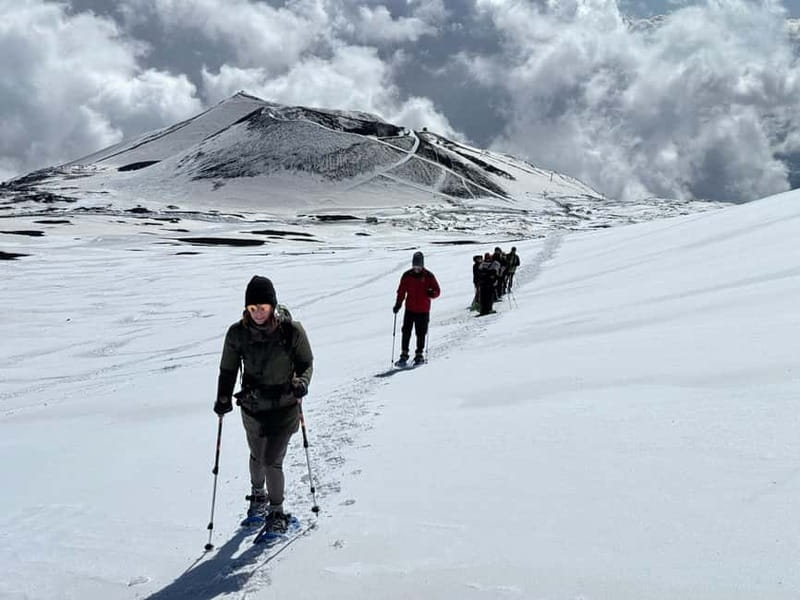
The advertised price is $62.63 per person, and the total you’ll pay depends on the cable car portion. Cable car and the 4×4 transfer are not included in that base rate.
Plan on paying €65 per person for cable car and 4×4 when the tour goes up from the south side. If the itinerary changes, you might pay €52 per person for the cable car alone. Translation: the hike experience is a package, but the transport up the mountain is a separate line item.
Is it worth it? For many people, yes, because the guide-led summit craters walk plus the lava tunnel and Valle del Bove segments would be hard to assemble on your own without committing to the same high-altitude logistics. Also, you’re not only buying a ticket. You’re buying someone who understands safety constraints on an active volcano.
The value question comes down to your goals and your comfort level with altitude. If you want crater-edge views and want someone managing the route, this is a reasonable way to do it. If you’re extremely sensitive to altitude, the cost won’t matter if you can’t enjoy the day.
Fitness, Weather, and Safety on an Active Volcano
Etna is active. That’s not just a fact; it affects how your day feels. The tour can be subject to change due to volcanic risks or weather conditions, which means you should treat your schedule as flexible.
Altitude is the big physical variable. You go from the low end of the mountain experience up to crater-edge walking. You should have good physical condition, and you should be honest about breathing and stamina before you commit. This tour is not suitable for people with respiratory issues, heart problems, or pregnant women.
Even if you’re generally fit, altitude can surprise you. Here’s what helps you enjoy the day:
- Bring food and drinks, because you’re hiking at altitude and you’ll want energy.
- Keep layers in mind. Cold wind at elevation can change fast.
- Move steadily rather than rushing. On ash and lava rock, controlled pace beats speed every time.
Also, the tour notes that alcohol and drugs are not allowed, so if you’re tempted to treat it like a party trip, don’t. This is a serious hiking day, just with unforgettable scenery.
Who This Etna Summit Craters Tour Fits Best
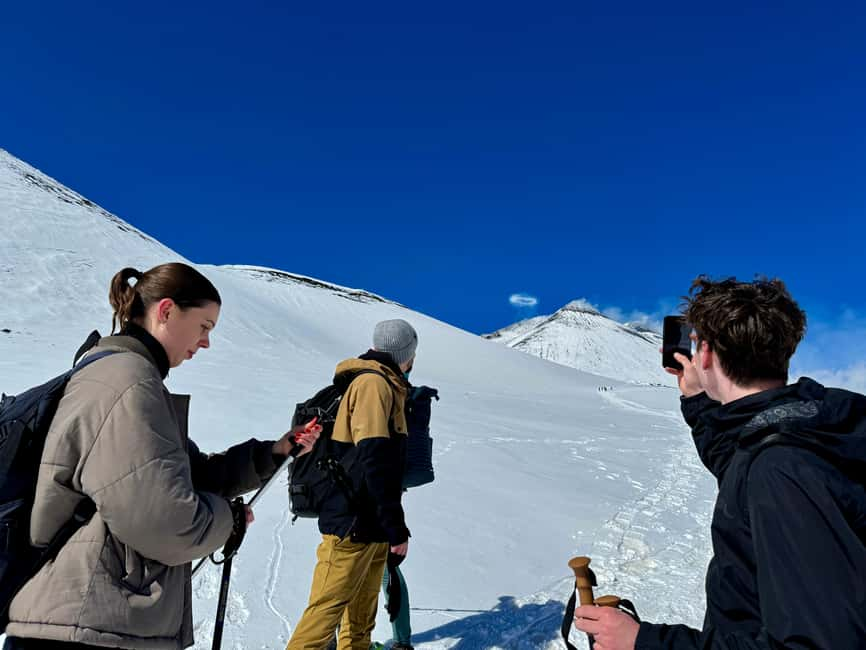
You’ll enjoy this most if you:
- Want a guided hike to the Central Crater edge with context from a volcanological expert.
- Prefer a day that combines transport plus walking, instead of a long grind up from the start.
- Like active learning: looking closely at lava flows, lateral craters, and tunnel formations.
You might struggle if:
- You have medical limitations related to breathing or heart health.
- You get overwhelmed by altitude, or you know you need a slow, low-impact pace.
- You’re hoping for guaranteed access to every summit feature regardless of conditions, because Etna can change plans.
Should You Book This Tour?
If your goal is the summit craters experience without building complex logistics yourself, I think this tour is a solid choice. The included gear, the volcanology guide, and the mix of crater walking plus Valle del Bove views plus a lava tunnel make it more than a simple cable car ride.
Book it if you can handle high altitude and you’re ready for uneven volcanic terrain. Skip it or choose another option if you have breathing or heart concerns, or if you know altitude days usually wipe you out.
For the best odds of a satisfying day, come prepared with food, layers, and a calm pace mindset. Etna rewards steady hikers. And when the crater-edge views line up under good weather, you’ll understand why people keep returning to Europe’s most active mountain.
FAQ
What does this Mt. Etna tour include?
It includes a certified Alpine/Volcanological guide, windbreaker jacket, helmet, insurance, and trekking boots. Transfers may apply with extra cost, while food and drinks are not included.
Do I need to pay extra for the cable car?
Yes. Cable car and the 4×4 transfer are not included. The extra cost is €65 per person if the tour goes up from the south side, or €52 per person for the cable car alone if the itinerary changes.
How high do you walk on this tour?
You ride the cable car to about 2500 meters and continue by vehicle to around 2920 meters. The trek climbs to the edge of the Central Crater at 3400 meters.
How long is the tour?
The total duration is about 5.5 hours (starting times vary by availability).
What languages are available for the guide?
The live guide is available in English, Italian, and French.
Is the tour suitable for people with medical conditions?
The tour is not suitable for people with respiratory issues, heart problems, or pregnant women, due to the high-altitude hiking.
What should I bring, and is anything not allowed?
Bring food and drinks, jacket and trekking gear, plus a first aid kit. Alcohol and drugs are not allowed. The tour can also change due to volcanic risks or weather conditions.
How flexible is cancellation?
Free cancellation is available up to 24 hours in advance for a full refund.