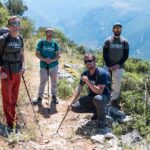
REVIEW · DELPHI
Delphi: Easy Hike on Ancient Path through the Olive Groves
Book on GetYourGuide →Operated by Delphian Paths · Bookable on GetYourGuide
A short downhill walk through myth and olives can change your whole Delphi day. This easy route follows an ancient path used by warriors, kings, and emperors seeking counsel from the Oracle of Delphi, then drops you into the Delphian valley landscape with local stories and olive-grove details along the way. You’ll also get interactive quests and friendly game-style challenges, so you’re not just watching ruins pass by.
What I like most is the mix of big scenery and small, human moments. You get breathtaking views over the Delphian valley, plus guided history and myth talk that feels personal because it’s shared by locals who actually know the area. The second win is the format: it’s downhill only and not exhausting, with the route designed for families, couples, and solos.
One consideration: it’s not the steep, high-adventure option. If you’re craving a long, strenuous hike with tons of climbing, this one may feel too gentle—especially since the included walk is intentionally relaxed.
In This Review
- Key Highlights You’ll Feel on the Ground
- Where This Hike Fits in Your Delphi Plans
- From Delphi to Chriso: Following a Route Once Used for Prophecies
- The Olive Groves and the “Secrets” of Farming You Don’t See From Lookouts
- Views Over the Delphian Valley: Why the Scenery Matters Here
- How the Quests and Games Make Learning Stick
- Local Guides: The Difference Between Seeing Places and Feeling Them
- Walking Conditions and What to Bring (So You Don’t Regret Your Shoes)
- Duration and Pacing: 90 Minutes to 3 Hours (What That Means for You)
- Price and Value: Why $35 Can Feel Like a Lot (In a Good Way)
- Getting There: Meeting Point You Can Find Without Stress
- Who This Hike Is For (And Who Might Skip It)
- Should You Book Delphi: Easy Hike on Ancient Path through the Olive Groves?
- FAQ
- How long is the hike?
- Is this hike difficult?
- What’s the meeting point?
- What should I bring?
- What’s included in the price?
- Do I need travel insurance?
Key Highlights You’ll Feel on the Ground
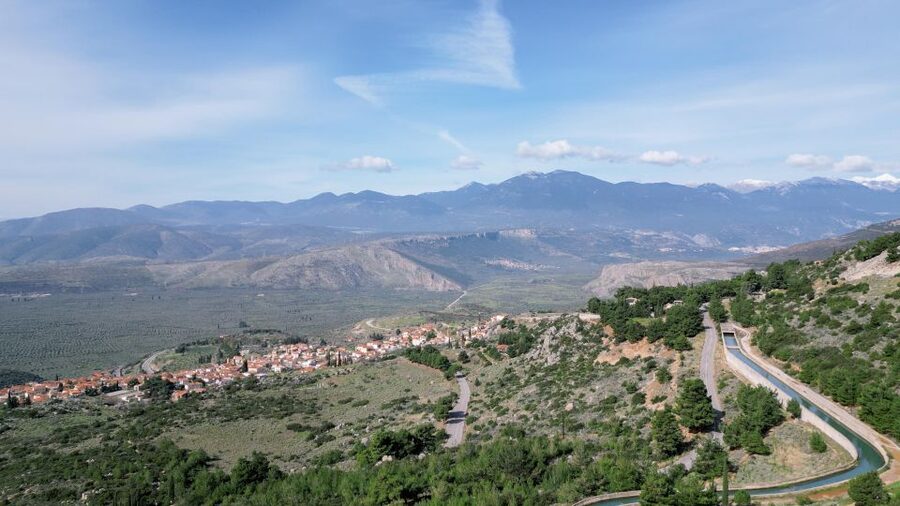
- Ancient path energy without the strain: downhill route from Delphi direction toward Chriso and the coast area
- Delphian valley viewpoints: repeated sight breaks that make the walk feel longer (in the best way)
- Interactive quests and quiz games: learning happens through playful challenges
- Local-guided myths and olive farming: history plus everyday tradition, not just monuments
- Downhill return support: included transport back to Delphi after the hike
Where This Hike Fits in Your Delphi Plans
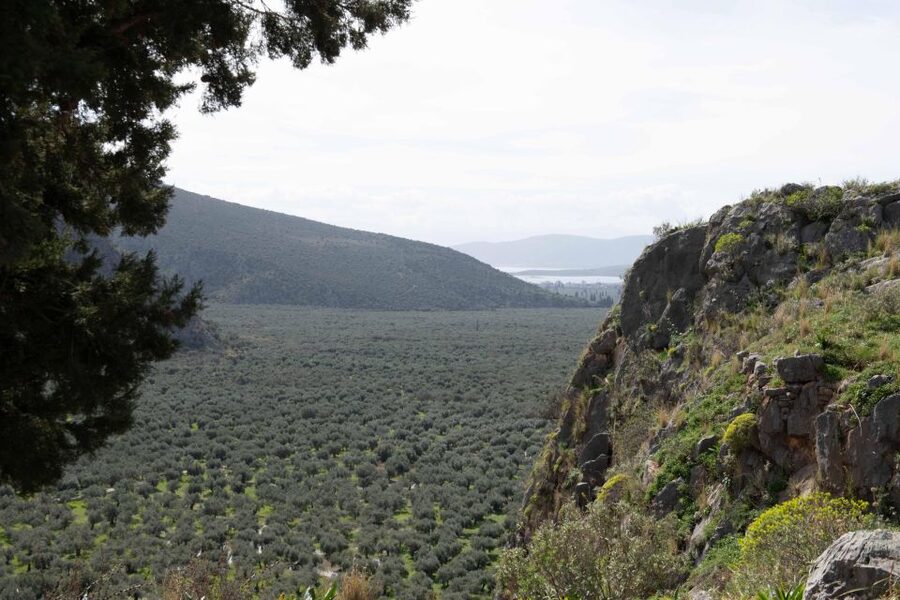
Delphi is famous for the Oracle, but a lot of visits stay stuck in a tight triangle of sights. This experience stretches the day into something more lived-in. You’ll start near central Delphi, walk down an ancient route, and end up moving through olive groves that connect the mountains to the coastline region.
Because the whole hike is described as a downhill path with no uphill sections, it fits well if you want nature and storytelling without turning it into a fitness test. You’re also given a way to keep momentum: the price includes transport from the end point back to Delphi, so you’re not stuck trying to guess bus times after your walk.
Timing matters too. The duration is listed as 90 minutes to 3 hours, depending on the specific start time and pacing. If you’re traveling with kids or you just want a calm afternoon after walking around Delphi’s archaeological areas, this is often a better match than a full-day trek.
You can also read our reviews of more tours and experiences in Delphi.
From Delphi to Chriso: Following a Route Once Used for Prophecies
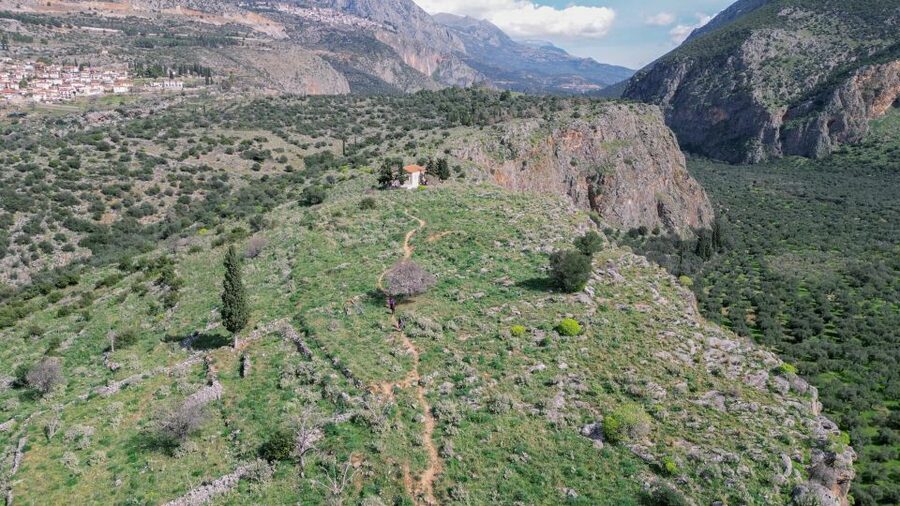
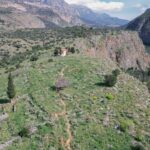
The hike starts from Delphi and heads down the ancient path through the Delphian valley, toward the village of Chriso. That sequence is the point. The walking isn’t random; it mirrors how ancient travelers moved through the landscape when they were seeking guidance connected to the Oracle.
Along the way, you’re not just looking at scenery—you’re being coached to read the valley. The guide shares context about what you’re seeing as you pass it: the geography, the settlement areas, and how the myths attached themselves to this kind of route. The experience is built around the idea that the Delphi area wasn’t just a single sacred site. It was a whole living corridor.
What makes this part work for different travelers is the pacing. Since there’s no uphill, you don’t constantly pay the “breath tax.” That means the guide can actually keep the conversation going, including myths, urban legends, and little local observations, instead of everyone taking emergency breaks.
The Olive Groves and the “Secrets” of Farming You Don’t See From Lookouts
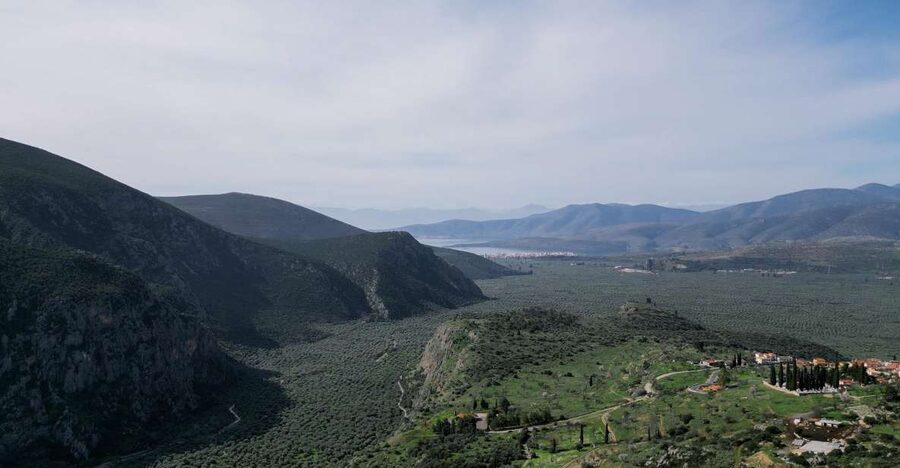
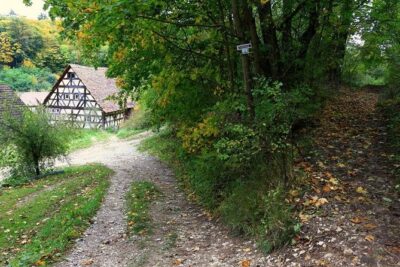
After Chriso, the hike continues along toward the coastline of Aggali, passing through perennial olive groves. Olive groves sound simple on paper, but on a guided walk they become a story machine.
You’ll learn how olive farming shaped daily life here—what people grow, how the land is used, and why this valley matters beyond its ancient reputation. The guide’s goal isn’t to dump facts; it’s to connect what you’re stepping through to what the region needed to survive and thrive.
This is also where you get the extra sensory payback: the greenery changes texture underfoot, you notice how the terrain opens, and—according to the experiences shared—the scenery can include views that stretch out toward the sea. Those sea glimpses add a “wait, we’re this close?” feeling that makes the route memorable even if you’re not a hardcore hiker.
Views Over the Delphian Valley: Why the Scenery Matters Here
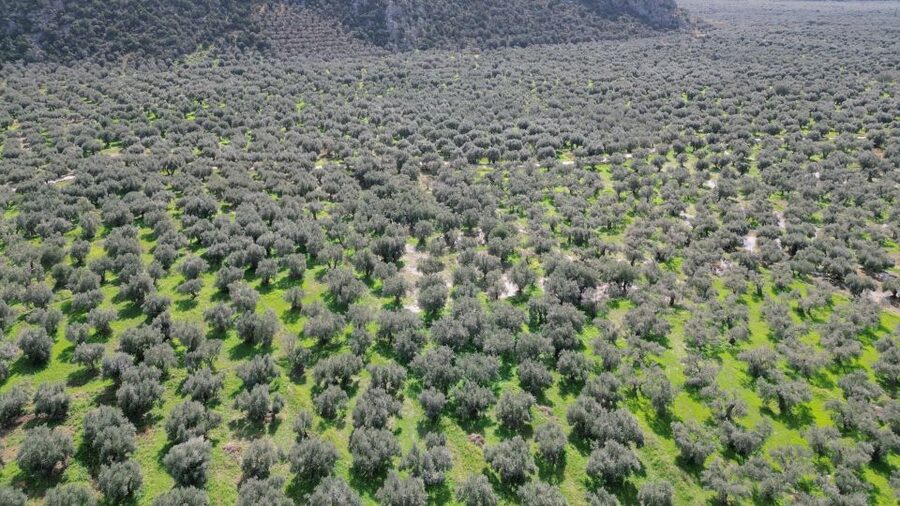
The star in this hike isn’t just Delphi’s famous past. It’s the way the landscape frames Delphi’s story from a different angle.
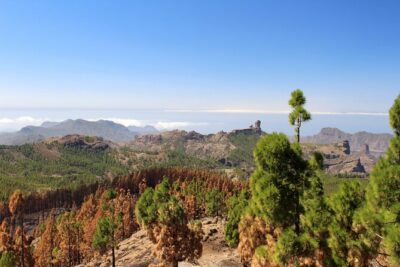
You’ll enjoy breathtaking views of the Delphian valley during the descent. This is important because it helps you understand why ancient seekers would travel through this corridor. You’re seeing the same type of wide-open spatial thinking that makes oracle legends feel believable: you can look out, imagine roads and arrivals, and feel the scale of the valley.
The gentle downhill design also helps the views land. When your legs aren’t fighting you, you can stop when something catches your eye. You’re more likely to enjoy each viewpoint break instead of rushing through them.
How the Quests and Games Make Learning Stick
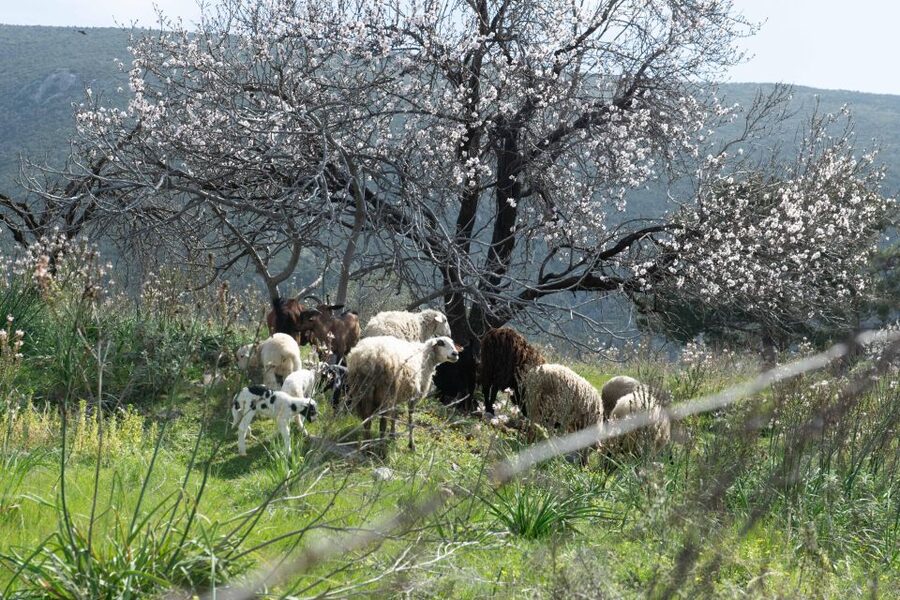
This is not a typical lecture on a trail. The experience includes games and quizzes during the tour, plus interactive quests and friendly competition. The idea is simple: when you’re answering little prompts or playing memory-style challenges, you retain more of the history and myth talk than if you’re just listening while walking.
It also changes the energy of the group. In one experience, even with just a small number of bookings for a specific hike time, the tour still ran as a more personal guided outing. That suggests you’re unlikely to be treated like a faceless participant who just happens to be on the path.
For families, this format can be a big advantage. A review specifically notes the walk feels fun for kids because history is taught in an engaging way. Even if you’re traveling solo or as a couple, the quests help you avoid the “stand there, listen, move on” cycle that can drain a hike’s charm.
Local Guides: The Difference Between Seeing Places and Feeling Them
A huge reason this hike gets strong scores is the human factor. One reviewer called out Costas as energetic and full of local knowledge, mentioning that he grew up in the area and shares where he learned to see and understand this landscape. Another review highlights the guides’ upbeat attitude and humorous twist while keeping the group spirits high.
That matters more than it sounds. On a trail like this, you’re constantly passing through “ordinary-looking” terrain—olive trees, valley edges, rural paths. A good guide turns that into meaning: why the route follows this direction, what myths attach to these kinds of paths, and what olive farming reveals about the region’s rhythm.
You’ll also hear extra practical advice from guides in some experiences, including suggestions for places to visit and places to eat. That’s a real bonus because it extends your Delphi day beyond the hike itself.
Walking Conditions and What to Bring (So You Don’t Regret Your Shoes)
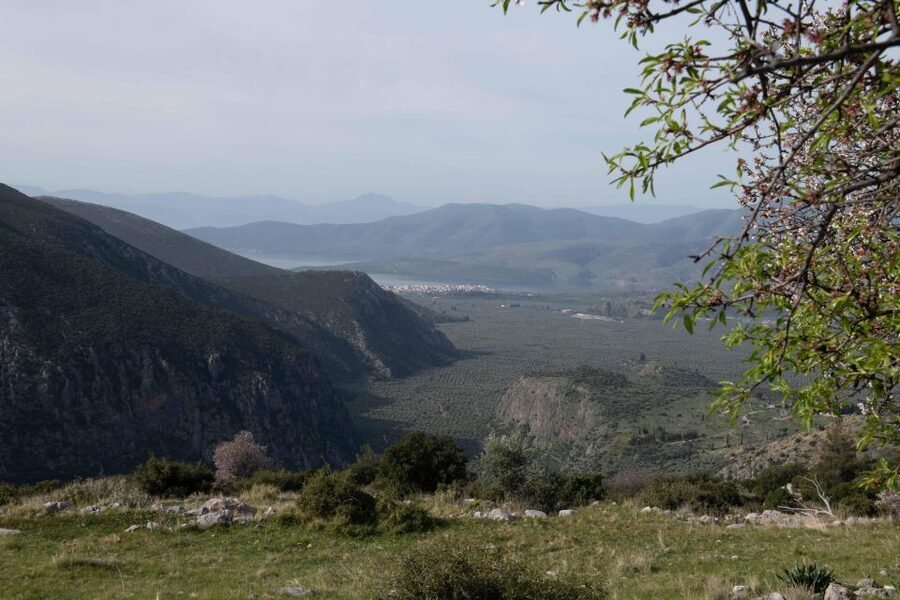
Even though it’s described as easy and downhill, you still need to be prepared for an outdoor footpath. The basic packing list is clear: comfortable shoes, sun hat, sunscreen, and water.
One practical note from a shared review: you should use sneakers rather than slip-on footwear like slippers or flip-flops. That’s not picky; it’s about grip and comfort on paths that can be uneven.
Weather also matters in central Greece. The hike is relaxed, even in July according to a review, but “relaxed” doesn’t mean “no sun.” Bring enough water for your own pace, and plan to use sunscreen more than once.
Duration and Pacing: 90 Minutes to 3 Hours (What That Means for You)
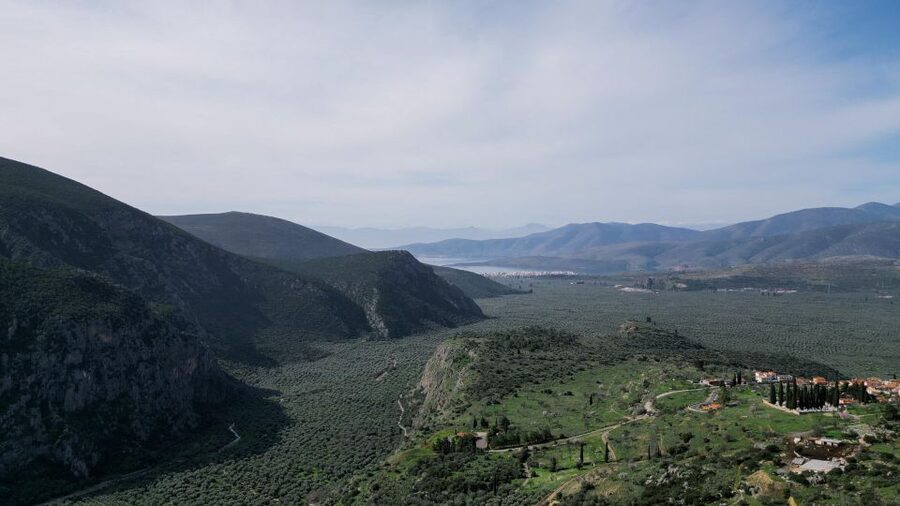
The tour duration is 90 minutes to 3 hours, depending on availability and how the hike unfolds. In practice, this gives you flexibility. If you’re short on time, you can aim for the shorter end. If you want a slow, story-heavy walk, you’ll likely feel it fill the longer range.
Because the hike is downhill-only, your energy tends to last longer than it would on a typical mixed-vertical route. That’s why solo travelers can enjoy it without feeling like they’re working against their own stamina, and why couples often like it as a “talk and take photos” afternoon instead of a “survive the incline” grind.
If you want more challenge, you might find yourself wishing you booked a longer hike option. One reviewer said their regret was not doing the longer hike and felt it was worth it. So if you’re the type who enjoys spending more time on trails with a guide, consider that upgrade mindset when you decide which length to choose.
Price and Value: Why $35 Can Feel Like a Lot (In a Good Way)
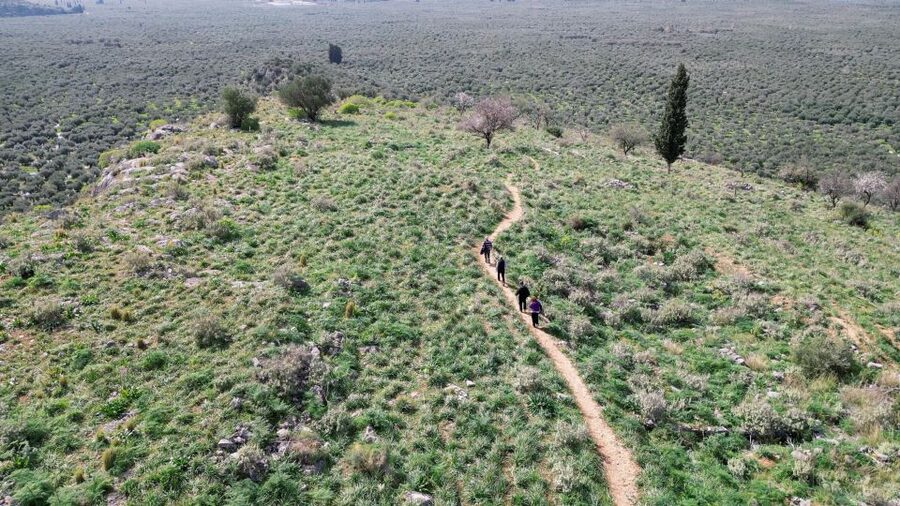
At $35 per person, this hike has a straightforward price tag, but the value is in what’s included. You’re paying for:
- Local guides who bring the area to life (including myths and olive farming)
- Transport back to Delphi from the end point, which prevents post-walk logistics stress
- Games/Quizzes that turn learning into a shared experience, not passive sightseeing
- A route designed as downhill only, which opens it up to a wider range of travelers
If you compare this to piecing together a private transfer, hiring a guide separately, or paying for a tour that doesn’t include an easy return plan, the package starts to make sense. You also get fewer “dead minutes.” Since you’re already outdoors and actively doing the walk, each part of the experience is built around movement and interpretation.
For families especially, this kind of structure can be worth it. You’re not just paying for distance; you’re paying for a guided trail that helps kids and adults stay engaged.
Getting There: Meeting Point You Can Find Without Stress
You’ll meet on the right side of the V Hotel Delphi, at the junction of Friderikis and Filellinon Street. That’s useful because it anchors the meeting point to a real landmark in central Delphi rather than something vague like a trailhead with no clear directions.
If you’re already exploring Delphi during the day, build in extra time to orient yourself around this junction. It’s the kind of detail that keeps the whole experience smooth from the start.
Who This Hike Is For (And Who Might Skip It)
This experience is a great match if you want:
- A gentle downhill walk through olive groves with serious scenery payoff
- Interactive learning with quests, quizzes, and a guide who tells stories with energy
- A local-feeling afternoon with myths, urban legends, and farming context
- A hike that works for families, couples, and solo travelers
It may not be your best choice if you’re hunting for:
- A long, strenuous trek with steep climbs
- A hike that feels like hardcore training
- Time on a route where you’re mostly checking off distance over story
Also consider your travel day rhythm. If you plan to do multiple Delphi sights in one day, the short-to-medium hike duration makes it easy to slot in without exhausting you.
Should You Book Delphi: Easy Hike on Ancient Path through the Olive Groves?
If you want Delphi beyond monuments, yes, I’d book it. The combination of downhill ease, valley views, and olive-grove storytelling is exactly the kind of experience that makes a place feel real. Add in the playful quests and quizzes, and you get a guided hike that doesn’t feel like homework.
I’d especially recommend it if you’re traveling with kids, you’re short on time, or you just don’t want the hassle of logistics after the walk thanks to the included transport back to Delphi. And if you’re drawn to local voices, look out for guides like Costas, who are specifically praised for their energy and genuine connection to the area.
FAQ
How long is the hike?
The hike lasts 90 minutes to 3 hours, depending on availability and the starting time.
Is this hike difficult?
It’s described as an easy hike with no uphill sections. The route is downhill, so it’s designed to feel relaxed.
What’s the meeting point?
Meet on the right side of V Hotel Delphi at the junction of Friderikis and Filellinon Street.
What should I bring?
Bring comfortable shoes, a sun hat, sunscreen, water, and comfortable clothes.
What’s included in the price?
Included are local guides, transport back to Delphi from the end point, and games/quizzes during the tour.
Do I need travel insurance?
Yes. Adequate travel insurance is required, and it isn’t included with the tour price.