REVIEW · MOUNT ETNA
Etna: summit craters trekking with volcano guide 3350mt
Book on GetYourGuide →Operated by Ashàra Etna & Stromboli Guides · Bookable on GetYourGuide
Etna from the rim feels like another planet. This hike pairs quick altitude lifts with a guided walk on active summit craters, with geology explained by guides such as Antonio or Massimo. I love how the route mixes real volcanic details (gas, sulfur ground, and crater edges) with photo stops that feel like they were picked for your eyes, not a checklist.
I also like the safety-first flexibility when winds or volcanic activity change access. You still get a strong day of walking, views over the Ionian coast, and stops like Valle del Bove even if the plan shifts. One drawback: the headline price does not include the cable car and 4×4, which are paid on the spot in cash.
In This Review
- Key Things I’d Put on Your Radar
- The Big Deal: Etna’s Summit Craters Are a Geology Classroom
- Getting Up Fast: Cable Car and 4×4 to 2,800m
- The Main Hike: Lava Flows, Central Crater Rim, and Photo Stops
- A note on difficulty and pace
- Valle del Bove on the Return: The Volcano’s Open Bowl
- The Altitude Lifeline: Cable Car at 2,500m and Back to Base
- Guides and Safety: Why This Tour Feels Managed, Not Random
- Price and Logistics: The Real Cost of Reaching the Top
- What to Bring: Layers, Water, and the Stuff Etna Takes Seriously
- When This Tour Fits You Best
- Should You Book This Etna Summit Craters Trek? My Take
- FAQ
- How long is the Etna summit craters trekking experience?
- Where do I meet the guide?
- What’s included in the tour price?
- What extra costs should I plan for?
- What happens if the summit craters are closed due to volcanic activity?
- What should I bring for the hike?
- Is this tour suitable for children or anyone with certain health issues?
Key Things I’d Put on Your Radar
- Cable car plus 4×4 to 2,800m so the hike starts at altitude, not in town.
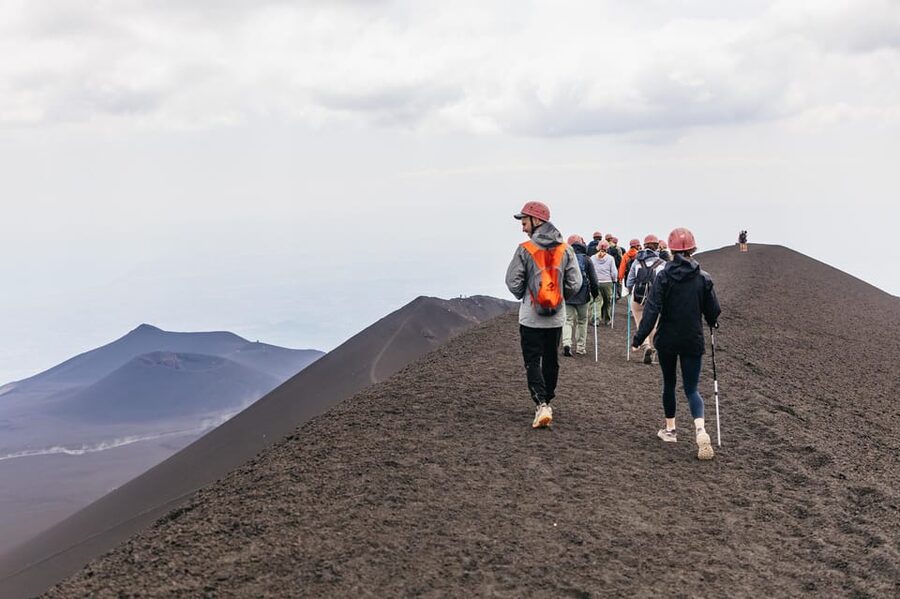
- Rim-walking craters with views over the Central Crater edge and into the Northeast and Southeast Craters.
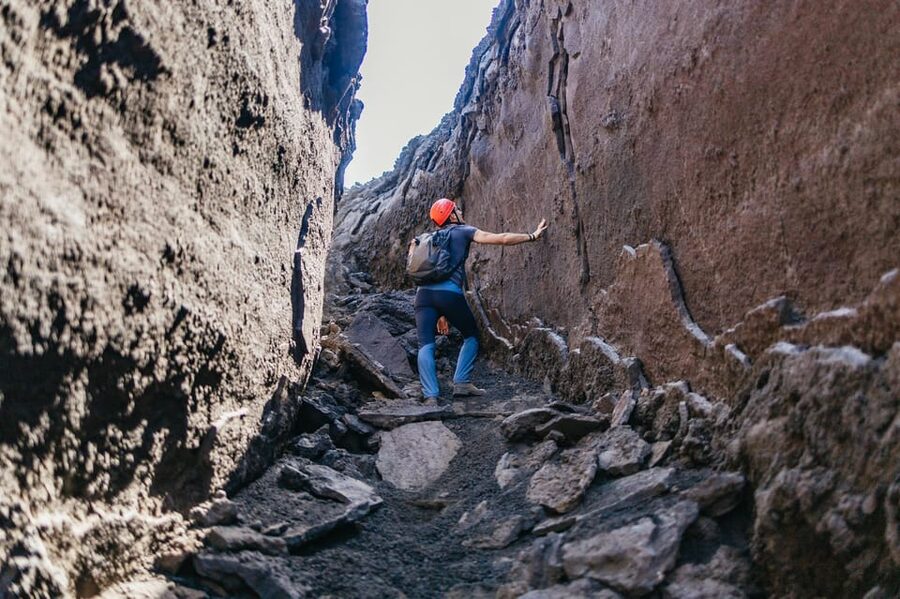
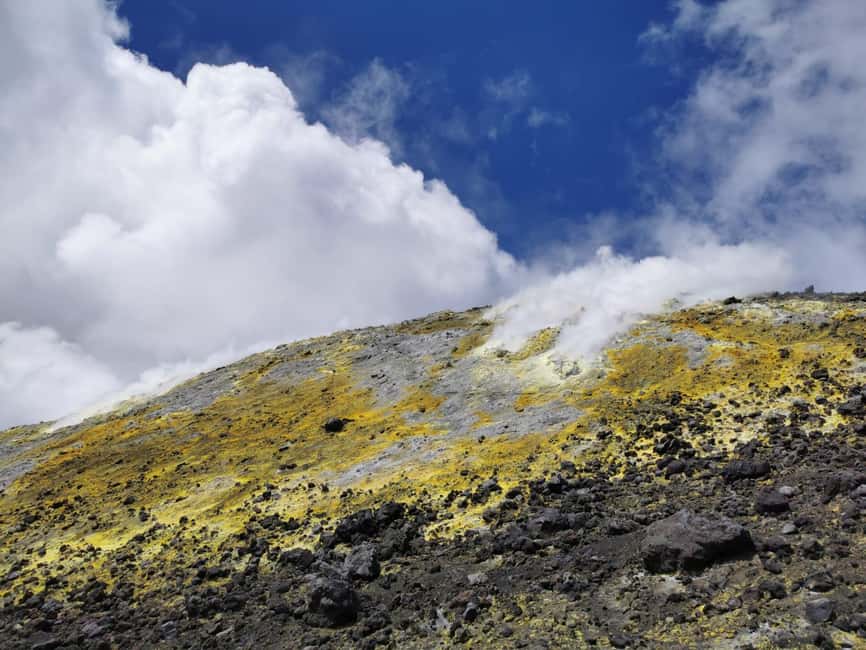
- Lava-channel crossing and lunar-like terrain where the ground colors come from mineral sublimation, especially sulfur.
- Guides who adjust fast to weather and volcanic risk, and still keep you moving with purpose.
- Gear included: boots, walking sticks, and a helmet, plus a rock helmet and insurance coverage.
The Big Deal: Etna’s Summit Craters Are a Geology Classroom
Mount Etna isn’t just tall. It’s active, layered, and constantly remaking itself. On this trek, you’re not staring at a volcano from far away. You’re walking near the summit craters and learning how eruptions, crater formation, and changing terrain shape what you see.
I love the way the guide turns the day into a living lesson. You’ll get pointed at things most people miss: gas emissions drifting out from active areas, volcanic bombs sitting around like weathered souvenirs of past eruptions, and the strange sparkle and color shifts in the ground. It’s one thing to read about Etna. It’s another to stand where the volcano has been working up close.
One more reason this day feels special: the view is huge. From the crater rim you get that vertigo-inducing sense of scale looking down toward the world below. If you’re the type who likes photos, this is also where you can actually frame the volcano as a whole.
You can also read our reviews of more tours and experiences in Mount Etna.
Getting Up Fast: Cable Car and 4×4 to 2,800m
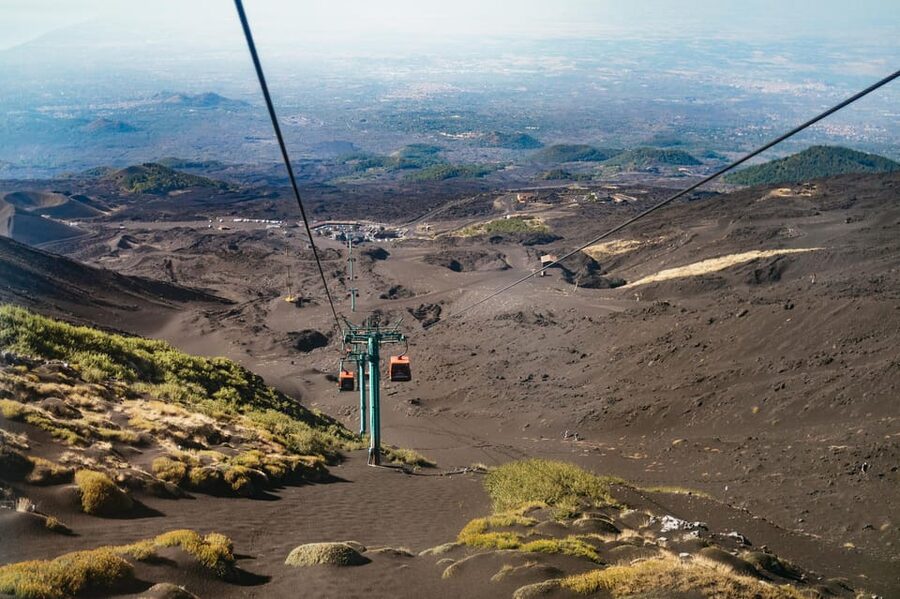
Most Etna trips start with a long drive and then ask you to work for altitude. Here, you get a head start. You ride a cable car for about 25 minutes, then take a jeep or SUV 4×4 for around 30 minutes to reach roughly 2,800 meters.
That matters for two reasons. First, you’re saving energy for the crater rim hike, which is the star of the show. Second, higher altitude changes how you feel the day. The air gets thinner, the temperatures can swing fast, and the terrain becomes rougher and more exposed. Getting there by lift also means less time stuck in the cold before you’re moving.
In the reviews, people praised the team for getting everyone ready for wind and chill, including warm layers on colder days. So if you worry you’ll arrive underdressed, you’re not the first person to ask for help with cold conditions. Still, bring your own hat and warm jacket. Etna can get chilly even when the coast is mild.
The Main Hike: Lava Flows, Central Crater Rim, and Photo Stops
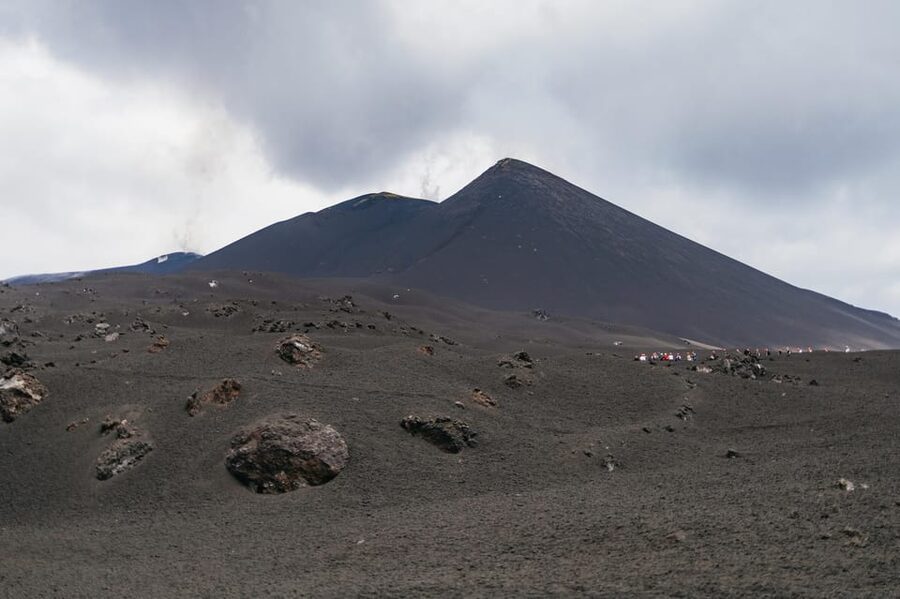
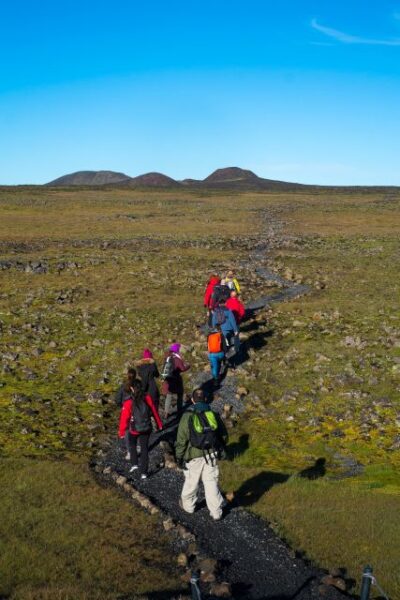
After reaching 2,800m, you’re looking at about a 2-hour hike through lava flows and a lunar-like volcanic setting. This is moderately trained hiking. The ground can be sandy and uneven, so your footing skills matter more than your speed.
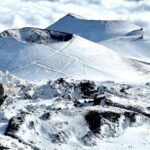
The best part is the crater approach. You’ll get to the summit craters and then walk on the rim of the Central Crater. From there, your view shifts to the Northeast Crater and the Southeast Crater, including the area known for more recent and impressive eruptions. Even if you’re not a geology person, you’ll feel the difference between looking at a mountain and looking into a volcanic system.
Photo stops are built into the pacing. You’ll get time to pause and shoot from angles that show crater edges and the drop-offs. I’d treat these pauses as part of the experience, not just breaks. The wind can be strong near the rim, so having time to steady yourself before moving on is a big deal.
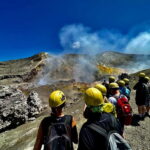
Expect more than rock and view. Etna has active features you’ll notice during the walk: gas emissions, sulfur-smelling ground, and odd-looking surfaces created by mineral sublimation. It’s the kind of sensory mix that stays with you.
A note on difficulty and pace
I’d call this “serious hike, not a stroll.” In some reviews, people mentioned needing help on the descent and that wind at the top made footing trickier. Guides like Antonio and Giovanni were singled out for setting a pace that kept the group together while still moving toward the summit targets. So you’ll want to listen to instructions and not try to power through.
Valle del Bove on the Return: The Volcano’s Open Bowl
Once you’ve spent time around the crater area, the route turns toward other dramatic parts of Etna. On the way down, you’ll visit the Barbagallo craters, cross a lava flow channel, and then head toward Valle del Bove.
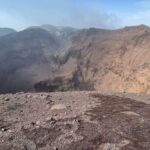
Valle del Bove is one of those Etna places that makes the volcano feel huge in a different way. Instead of just “crater and rim,” you get a broad valley-like volcanic structure where past movement and erosion shape what you see. It’s also a strong photo area, especially when the light hits the ground texture.
The walking here is part of how the day stays worth it even if conditions limit how far up you can go. If summit access changes, you still get to experience the volcanic terrain in other areas, not just shuffle back down.
The Altitude Lifeline: Cable Car at 2,500m and Back to Base
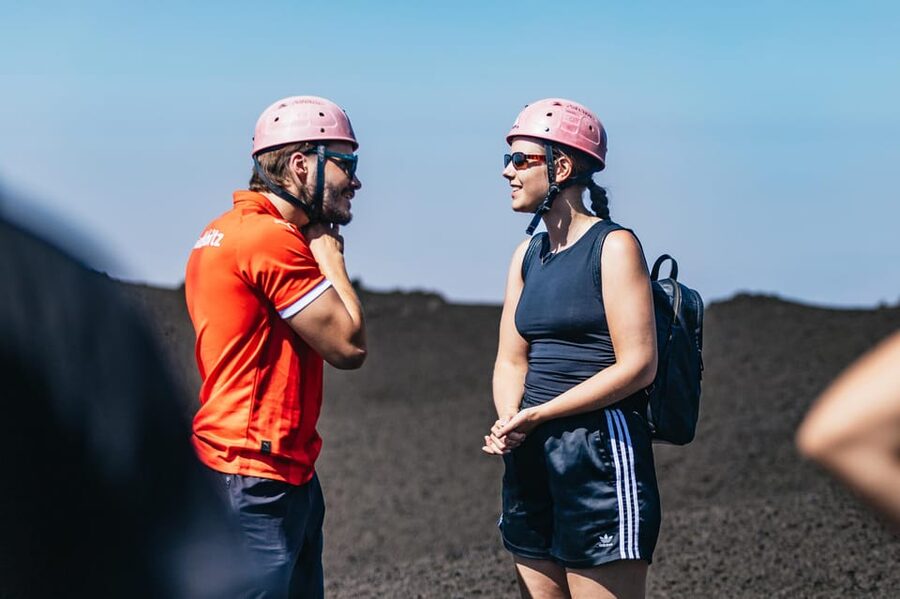
The plan includes another cable car ride on the way back, around 2,500 meters, which brings you toward the return. In a day built around a summit crater visit, having the lift as your exit keeps the energy budget sane, especially if the hike was windier or colder than you expected.
The full outing is about 6 hours. That length is a nice balance: long enough to feel like you really climbed Etna, but not so long you’re exhausted before the crater rim walk.
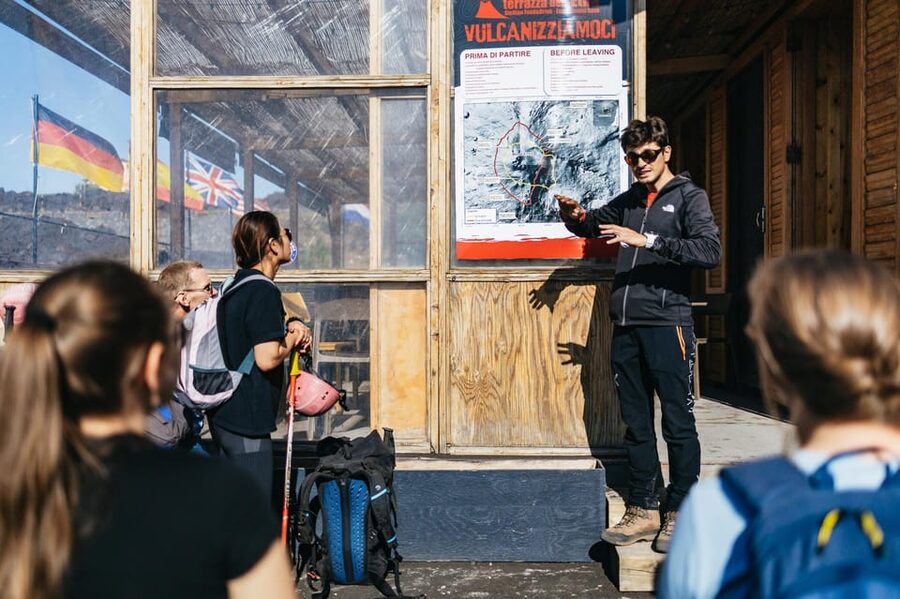
Also, meeting point matters for a smooth start. You meet at Ashàra’s info point at Rifugio Sapienza on the Etna South side, close to Terrazza dell’Etna. Arrive early enough to organize your layers and use the time before the cable car line becomes its own event.
Guides and Safety: Why This Tour Feels Managed, Not Random
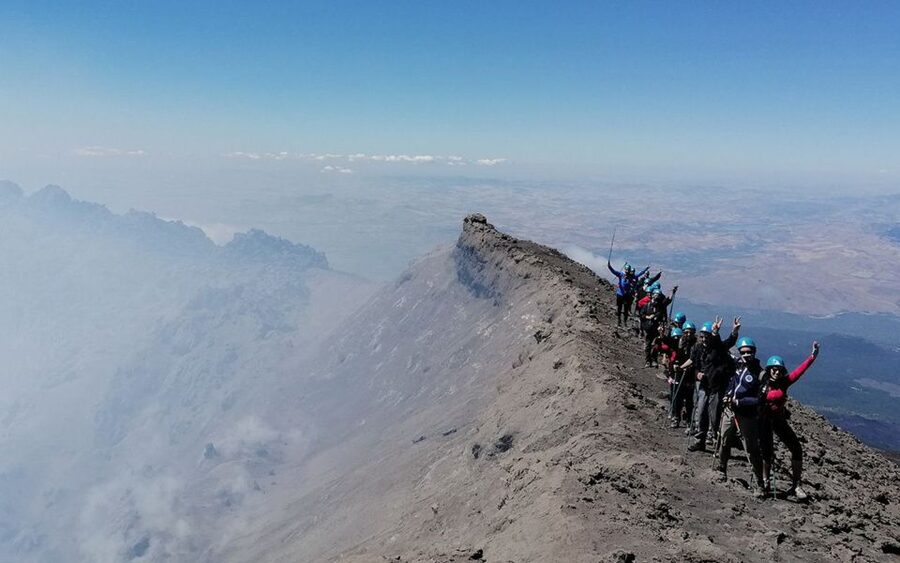
This is where the reviews are loud and consistent. People praised guides for two things: clear explanation and a strong safety mindset. Names that came up include Antonio, Massimo, Giacomo, Giovanni, Marco, and Nello.
What you’re really paying for is decision-making on an active volcano. Etna isn’t a theme park. It changes day to day. The tour team monitors conditions and the guide can adjust the route based on weather and volcanic risk.
That’s why you may hear two different versions of the day. If summit craters are off-limits on that date due to strong activity, you’ll stop at a maximum altitude allowed that day and continue only as permitted. Sometimes it means reaching about 3,000m and then taking the cable car, rather than getting to the highest crater rim. On windy days, plans can shift too, and guides still create a meaningful alternative route.
One practical point: the equipment and instructions feel designed for real conditions, not comfort-only hiking. The tour includes walking sticks and boots, plus helmets. Reviews also mention wind and cold, with people recommending extra layers and even gloves. So plan to dress for the summit wind, not the weather report for Catania.
Price and Logistics: The Real Cost of Reaching the Top
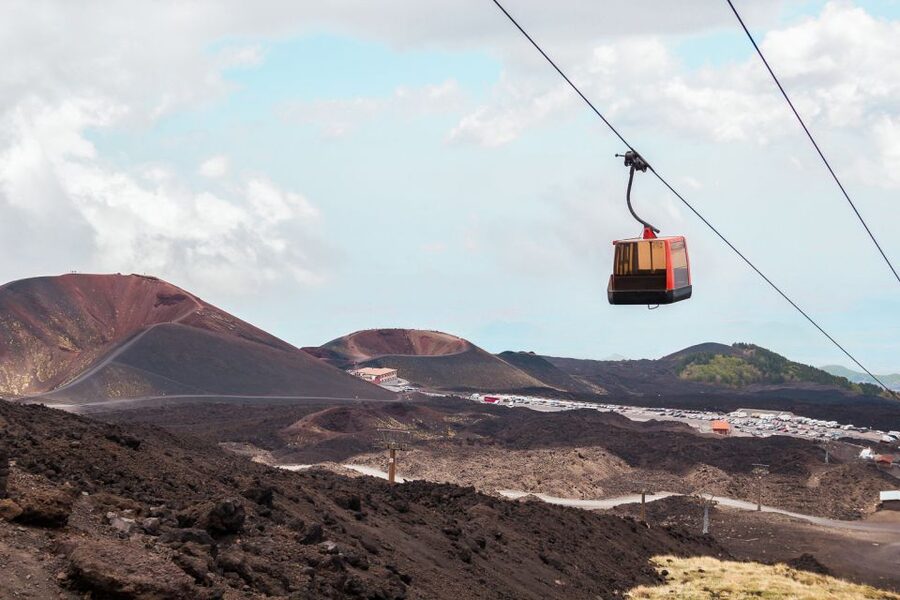
The listed price is $77 per person, but the cable car and 4×4 jeep tickets are not included. Those are €65 per person, paid in cash on the spot.
So what’s the value? For most people, the deciding factor is time and risk management. You’re not just buying a hike. You’re paying for certified guide leadership, safety monitoring on an active volcano, and included hiking gear like boots and helmet. You’re also getting transport components that drop you near the summit fast.
Still, do your math before you commit. With the on-the-spot €65 added, you should plan around roughly $77 + €65 per person (plus any currency conversion). If you’re budgeting tight, it can feel like a surprise. If you’re comfortable with the idea that active volcano access costs money, it reads more like a fair package.
One extra detail to keep in mind: a review mentioned an added safety-related charge on one date. The standard price note says cable car and 4×4 are €65 cash. But since you’re dealing with a live volcano environment, it’s smart to expect small adjustments if safety rules change that day.
What to Bring: Layers, Water, and the Stuff Etna Takes Seriously
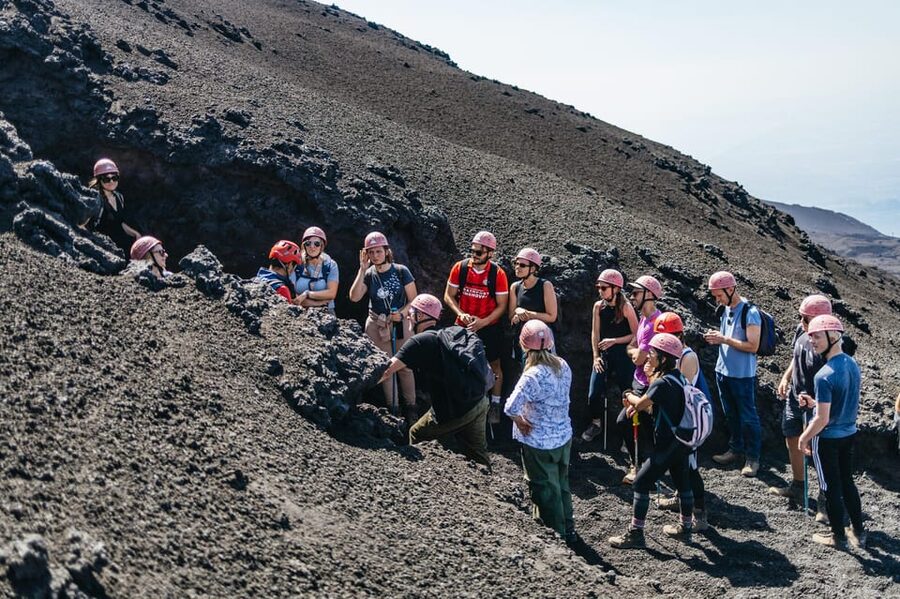
Bring food and drinks, plus snacks and sunscreen. Water matters on any hike, and on Etna you may be walking on uneven ground at altitude where you’ll feel exertion faster.
Your clothing list should be practical:
- Sunglasses and a sun hat
- Sunscreen
- Jacket and long pants
- Long socks and a T-shirt
- Daypack (roughly 10–20L)
- An extra T-shirt and warmer layer
Even on warm coast days, wind at the summit can get cold. Reviews mention strong chill and wind, with jackets and gloves sometimes being especially helpful. If you run cold, plan for that. If you’re heat sensitive, remember you’re still at altitude, so the sun plus wind combo can surprise you.
What’s not allowed helps you pack smarter:
- No pets
- No shorts
- No baby strollers
- No luggage or large bags
And there are clear medical limitations. This trek is not suitable for children under 11, pregnant women, people with back problems, heart problems, vertigo, respiratory issues, or high blood pressure. Altitude and uneven terrain are not a good mix for these conditions.
When This Tour Fits You Best
This is best for people who want real volcano access with structure. If you like walking, photography, and learning the why behind what you see, you’ll enjoy the day.
It also fits well if you’ve tried big-group tours before and felt like you were just herded from viewpoint to viewpoint. Here, reviews highlight that smaller groups can mean getting closer to the action and moving with more attention.
If you’re afraid of heights, read the situation carefully. The rim views are vertiginous by nature, and you’ll be near crater edges. Even if you’re not fully restricted by health categories, that mental comfort matters.
Should You Book This Etna Summit Craters Trek? My Take
If your main goal is Etna summit craters with a certified volcano guide, I’d book it. The combination of lifts, included hiking gear, and safety-minded rerouting is exactly what you want on an active volcano.
I’d hesitate only if you hate paying extra on the spot or you’re not comfortable hiking on sandy and uneven terrain at altitude. Also think twice if you fall into the listed medical restrictions.
If you go, treat it like a proper day outdoors: dress for summit wind, carry water and snacks, and trust the guide’s route decisions. That’s the difference between a good volcano day and a day that stays in your memory.
FAQ
How long is the Etna summit craters trekking experience?
The duration is 6 hours.
Where do I meet the guide?
Meet at Ashàra’s info point located at Rifugio Sapienza on the Etna South side, near Terrazza dell’Etna restaurant.
What’s included in the tour price?
The included items are the hiking tour, a volcano or alpine multilingual guide, hiking boots, walking sticks, a rock helmet, and RCT insurance.
What extra costs should I plan for?
Cable car and 4×4 jeep tickets are not included. They cost €65 per person and are paid in cash on the spot.
What happens if the summit craters are closed due to volcanic activity?
If the summit craters are forbidden because of strong activity, the tour will change. In some cases you may stop at 3,000 m and take only the cable car.
What should I bring for the hike?
Bring food and drinks, snacks, sunscreen, water, sunglasses, a sun hat, a jacket, long pants, socks, and a daypack (10–20L). You should also wear the listed items and bring an extra T-shirt and jacket.
Is this tour suitable for children or anyone with certain health issues?
It is not suitable for children under 11 and it’s also not suitable for people who are pregnant or have back problems, heart problems, vertigo, respiratory issues, or high blood pressure.