REVIEW · MOUNT ETNA
Mount Etna: Summit Trek with Cable Car and snack included
Book on GetYourGuide →Operated by Kemedia · Bookable on GetYourGuide
Etna feels close enough to touch. This Mount Etna summit trek takes you up Europe’s highest active volcano with an alpinist guide and gives you sweeping views over eastern Sicily. I love the high-altitude crater views and I love that the day includes a real break with a brioche and water. The main catch is that the whole experience depends on weather and the volcano being calm, and the hike is demanding enough that you should be ready for uneven, rocky ground.
One more thing I appreciate: you arrive already geared for the mountain. Helmets, trekking shoes, and hiking support like sticks are part of the setup, and guides such as Vicenzo and Pietro come across as professional and patient, with a pace that works for groups that aren’t all the same level.
Key takeaways before you go
- Summit-area trekking with real volcano terrain: You’re walking in the zone where Etna’s activity shapes what you see.
- Cable car to cut the steep slog: The ride gets you up to the working altitude before the hike starts.
- Central crater focus: The guided time centers on Cratere Centrale dell’Etna for the classic Etna views.
- A snack that actually helps: A brioche and small bottle of water keep you going on a long, physical morning.
- Guides who manage pace and safety: Multiple guides in the group help people move at different speeds.
- Expect a weather call: When visibility is good, the sights can be intense; when conditions shift, routes can change.
In This Review
- Starting at Etna Quad: Euro Etna Tourism and your gear day
- The cable car ride: why it changes the whole hike
- Cratere Centrale dell’Etna: the hike that earns its views
- The geology story: how Etna’s history becomes part of your walk
- The snack stop: brioche and water at the right moment
- Descent through recent eruption craters and the ride back down
- Price and value: what you’re really paying for
- What to bring for an Etna summit day (wind, altitude, and sulfur air)
- Who should book this Etna trek, and who shouldn’t
- Should you book this Mount Etna summit trek?
- FAQ
- FAQ
- How long is the Mount Etna summit trek?
- What’s included in the tour price?
- Do I need special hiking gear?
- Is the hike hard?
- What language is the guide?
- Is the tour guaranteed to reach the summit areas?
- Is this tour suitable for everyone?
Starting at Etna Quad: Euro Etna Tourism and your gear day
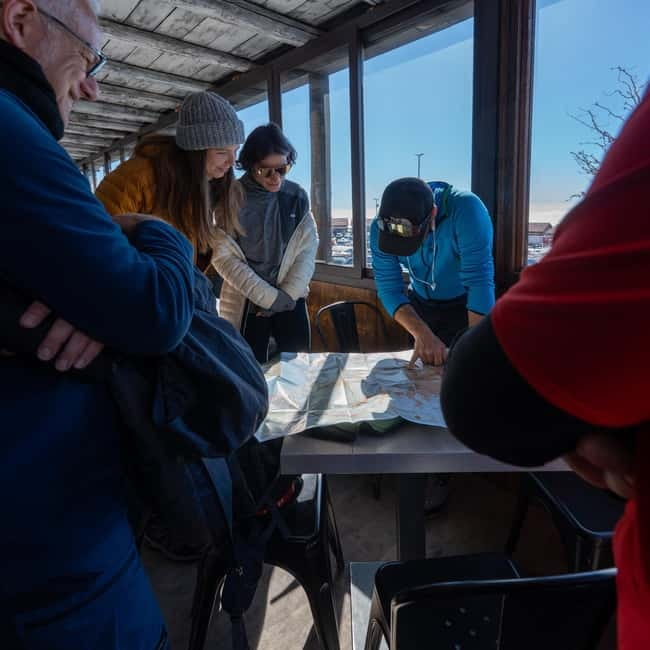
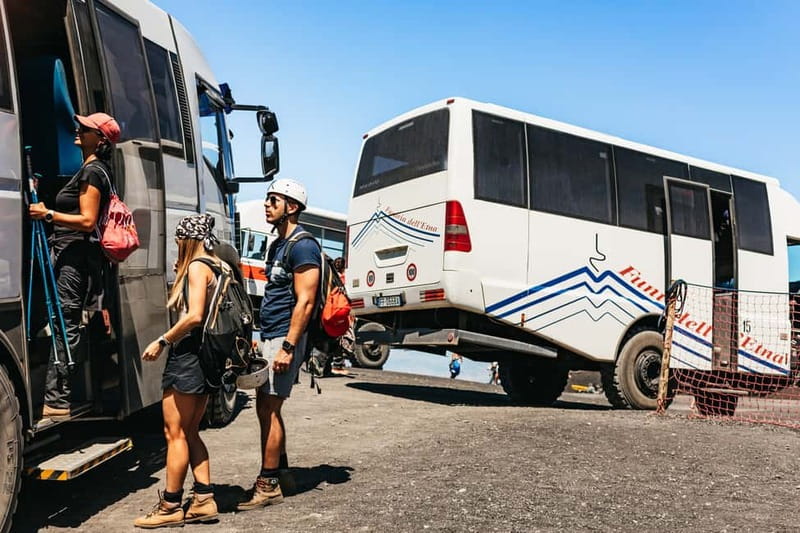
You meet your guide at the Euro Etna Tourism chalet at Etna Quad. Keep your voucher with you, because this is the place that anchors the whole day. From there, the focus turns quickly to comfort and safety, which matters on a volcano where wind and loose rock are common.
What’s useful here is that you don’t show up and improvise. The included setup includes trekking shoes and a helmet, and in practice you may also receive jackets and walking sticks depending on the group. That’s a big deal because you’re not just sightseeing from a viewpoint—you’re walking for hours where footing matters.
I also like how the guides bring the day to life with clear explanations as you move. If you’re the type who likes hearing why a place looks the way it does, you’ll get plenty of talk along the route from your alpinist guide.
The cable car ride: why it changes the whole hike
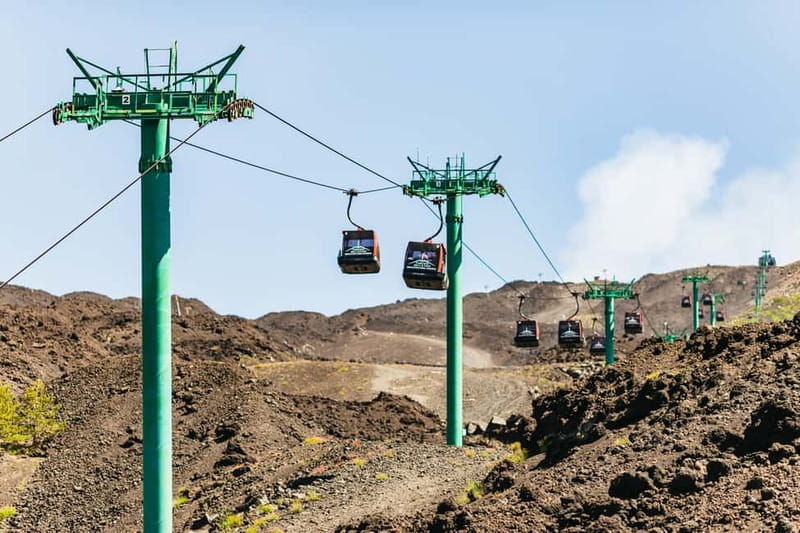
You take a cable car with a ride time of about 30 minutes. It’s not just convenience. It’s altitude strategy. Getting up to the mountain’s higher starting point means you spend more time walking the crater terrain you came for, and less time suffering your way there.
From around 2,500 meters, the hike becomes the main event. That’s where the volcanic colors, textures, and formations start to feel less like “a mountain” and more like a working system. The views over eastern Sicily are already impressive once you get above the bustle of the lower slopes.
Practical note: people report that what you pay can vary by departure details, even when the core experience includes transport. One guest ended up paying extra for additional transport options, so it’s smart to be ready for small add-ons depending on how your day is run.
You can also read our reviews of more tours and experiences in Mount Etna.
Cratere Centrale dell’Etna: the hike that earns its views
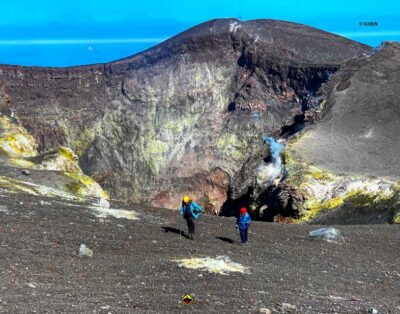
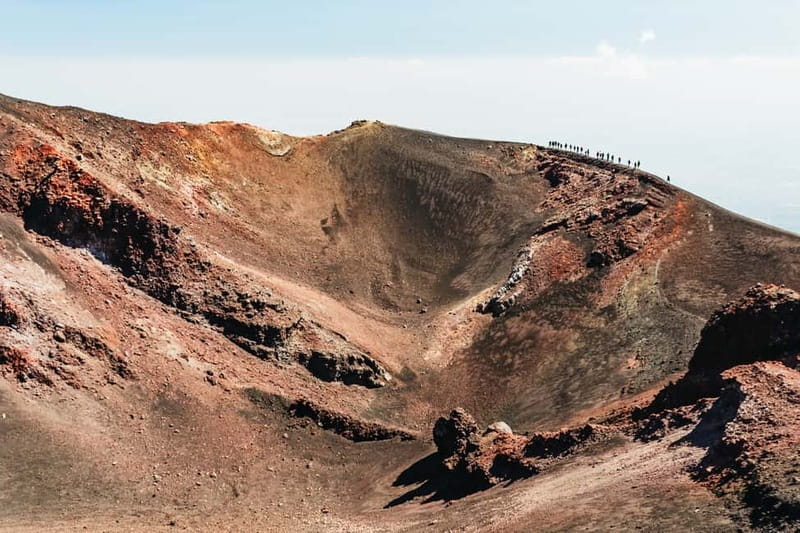
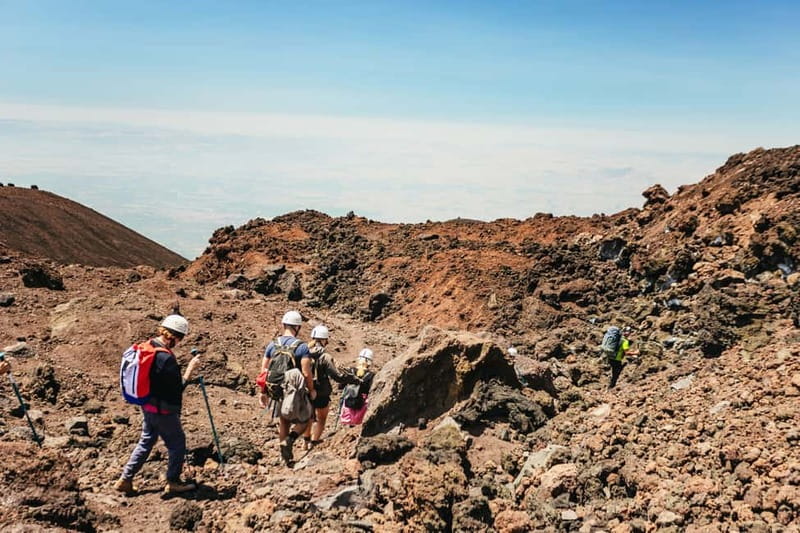
The core trekking time runs about four hours on foot, guided and focused on the central crater zone. This is the part that turns Etna from a famous name into a physical experience. You’re climbing and then working your way back down, and most of the difficulty comes from terrain rather than just steepness.
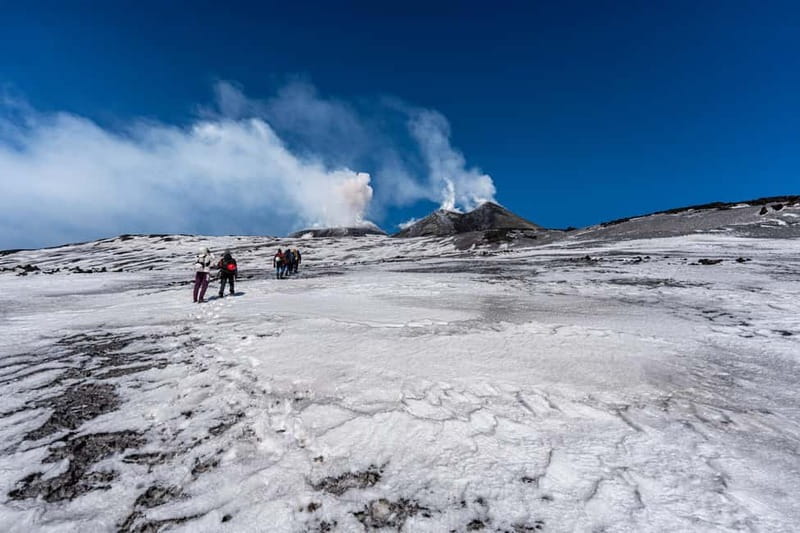
Expect a mix of surfaces—rocks, loose stones, and uneven footing. Several people describe it as steep and demanding, especially on the descent. If your hiking legs aren’t used to rocky downhills, pack extra patience and slow down. You’ll enjoy the views more when you’re not rushing your footing.
That said, it’s not chaos. Guides manage the group and keep people moving safely at a reasonable pace. One review specifically praised how there were enough guides to handle different speeds, which tells me the day is structured rather than one long string of single-file hikers.
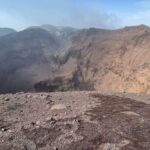
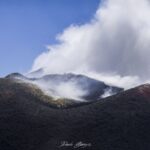
When conditions are right, the crater area delivers big-time “this is not a normal hike” moments. Guests talked about moon-like scenery, thick smoke plumes, and even sights of rumbling or intermittent spewing from additional craters beyond the main route when visibility allowed.
The geology story: how Etna’s history becomes part of your walk
This tour doesn’t treat Etna like a static museum exhibit. Your guide explains the history and geology as you go—how the volcano’s activity shapes the summit area and what those crater formations mean. It’s the kind of learning that sticks because you’re seeing the evidence while you hear it.
In practical terms, this is what makes the hike feel worth your time beyond the views. You’re not just looking; you’re connecting the look to cause and process. When a guide is patient—like Vicenzo was noted to be—you get time to ask questions and understand what you’re seeing rather than just follow along.
There can also be a language swing. Some people mention English explanations weren’t as extensive as they hoped for on their day. If you care a lot about the science, consider going with curiosity rather than expecting every detail to be delivered perfectly in every language situation.
The snack stop: brioche and water at the right moment
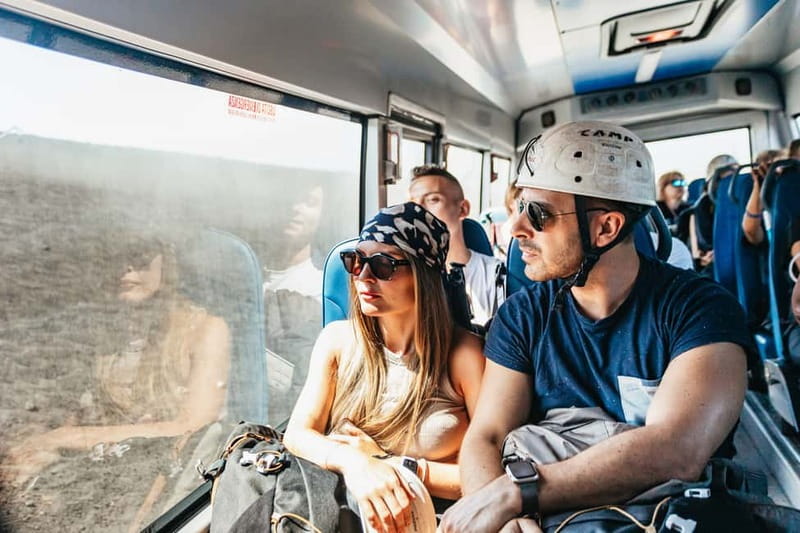
A real break is built in, and that’s more valuable than it sounds. You get a brioche and a small bottle of water during the well-deserved pause. On a volcano hike, you’re dealing with physical effort plus wind and altitude effects, so a simple fuel and hydration moment makes the rest of the walking feel manageable.
This snack is also a morale booster. Several people highlighted the treats and the friendly vibe at break time, which matters when you’re working uphill and then facing that rocky descent. It’s not a sit-down lunch, but it’s not nothing either.
Descent through recent eruption craters and the ride back down
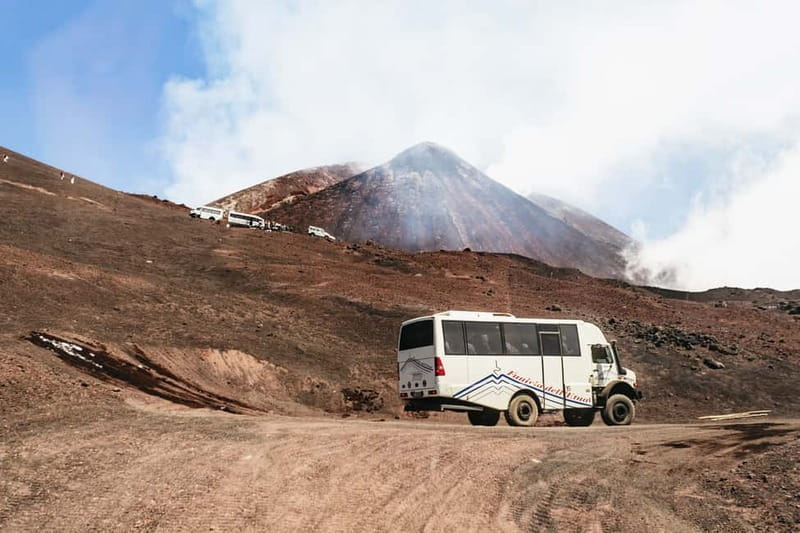
After the central crater segment, you continue on foot during the descent to the meeting point. The idea is to explore craters from recent eruptions while you head back, so you’re not only revisiting your ascent path—you’re tracing how fresh activity has changed what the ground looks like.
Then you take the cable car again for the final scenic ride. That last leg is a good reality check: you look back and see the route you walked, and it starts to sink in that you were on the highest active volcano terrain in Europe.
If visibility is great, the payoff is bigger. Guests described dramatic views when the weather cooperated, including seeing more than one crater and getting to look into an additional eruption area beyond what they expected.
Price and value: what you’re really paying for
At $109.89 per person, this trek can feel like strong value because you’re getting a bundled day: guide-led hike, key gear (like helmet and trekking shoes), insurance, and round-trip cable car ticketing is listed as included.
Still, treat pricing as a “base package” rather than a guaranteed flat total. One review warned that the price shown wasn’t the full amount for them and that they paid around €100 per person in the end, plus an extra €33 per person for additional transport options. That doesn’t mean the price is bad—it means you should verify what’s bundled for your exact departure and be mentally ready for add-ons.
Where the value really shows up is in the structure. You’re not doing a DIY volcano walk. You’re hiking with an alpinist guide, and that safety-and-meaning combo is hard to replicate on your own, especially when conditions can change quickly.
What to bring for an Etna summit day (wind, altitude, and sulfur air)
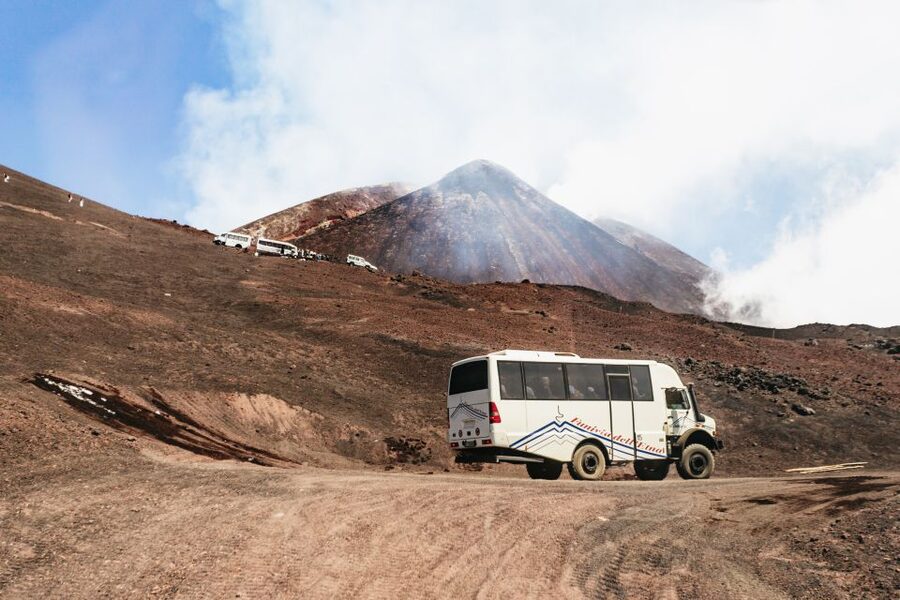
What you pack changes your comfort a lot on Etna. Bring a windbreaker, a hat, and water. Wear weather-appropriate clothing for the conditions you’ll likely face at altitude. Even in warm months, temperatures and wind on the upper slopes can surprise you.
Also, plan for socks and footwear. One guest recommended long socks, and another suggested bringing winter clothes even in July because the mountain air can feel cold once you’re up high. If you’re sensitive to sulfur smells, someone mentioned using a paper mask for sulfur exposure—so it’s smart to have a backup idea if odors or fumes bother you.
Finally, remember what’s not provided for free: other food and drinks aren’t included. The brioche and water help, but you may still want to keep cash or plan for extra drinks if you know you get thirsty.
Who should book this Etna trek, and who shouldn’t
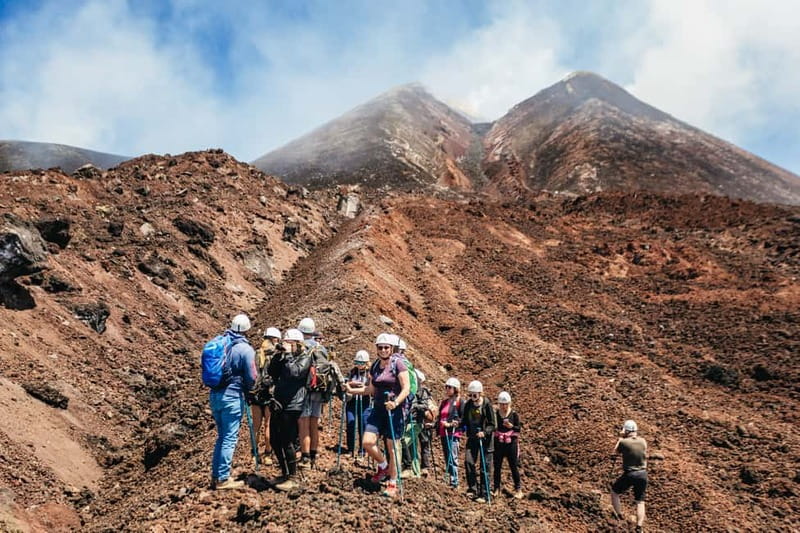
This trek is for people who can handle a mountain hike with a reasonable level of fitness. It’s described as relatively difficult by some guests, and the descent on rocks and loose stones can be tough if you’re not used to that type of footing.
It’s not suitable for:
- pregnant women
- people with mobility impairments
- people with heart problems
- people with high blood pressure
You also can’t bring pets.
If you’re traveling with kids, one review cautioned that children need to be prepared and have hiking experience in mountainous terrain. In other words: this isn’t a “carry them up and snap photos” kind of outing.
Should you book this Mount Etna summit trek?
Yes, if your goal is a true volcano experience with an expert guide, you like hiking more than lounging, and you want the big crater views that most people only see from far away. I’d especially recommend it if you’re the type who enjoys learning while you walk, because Etna’s geology becomes the story of the day.
Maybe skip it if you’re worried about rocky descents, you have heart or blood pressure concerns, or you’re not comfortable with weather-dependent route changes. And if you tend to get cold fast in wind, pack for it even when Sicily is sunny at sea level.
FAQ
FAQ
How long is the Mount Etna summit trek?
The duration is listed as 4 to 6 hours, depending on starting times and on conditions during the day.
What’s included in the tour price?
Included items are an alpine/volcano guide, hiking tour, trekking shoes, helmet, insurance, a round-trip cable car ticket, and a snack (a brioche and a small bottle of water).
Do I need special hiking gear?
You’re provided trekking shoes and a helmet. You still should bring a windbreaker, a hat, and weather-appropriate clothing, plus water.
Is the hike hard?
The tour requires a reasonable fitness level. It involves challenging trekking on volcano terrain, with steep and rocky sections that can be especially demanding on the descent.
What language is the guide?
The live tour guide is available in Italian and English.
Is the tour guaranteed to reach the summit areas?
It depends on weather conditions and the volcano being calm. The experience is dependent on those factors.
Is this tour suitable for everyone?
No. It’s not suitable for pregnant women, people with mobility impairments, people with heart problems, or people with high blood pressure. Pets are also not allowed.