REVIEW · MAUI
Maui: Rainforest Waterfalls Guided Hike with Picnic Lunch
Book on GetYourGuide →Operated by Hike Maui · Bookable on GetYourGuide
Rainforest waterfalls and cool-water swims in Maui. This guided hike takes you through East Maui’s lush jungle to 3 to 5 waterfall stops, with chances to jump into pools under a guide’s watch. I especially like how the day blends real hands-on nature time with practical culture lessons, including plants tied to Hawaiian life. One consideration: the trails can be slippery and more physical than you expect, so you’ll want grip and good footwear.
You also get a break that feels earned: a picnic lunch right beside the tumbling falls. You’ll be offered snacks and bottled water too, so you’re not scrambling for food after a humid hike. If you end up with guides such as PT, Des, Ali, Gail, or Randalyn, the plant and safety talk tends to be a big part of why the day feels so smooth.
The structure is simple: meet in Kahului, hike with your guide through rainforest streams, swim and jump where conditions allow, eat lunch near the falls, then head back. The drawback is that group pacing can vary—some people want to move faster, others linger for photos—so go in expecting a “shared adventure,” not a private speedrun.
In This Review
- 5 highlights that make this Maui hike worth it
- Rainforest Waterfalls in East Maui: what you’ll actually do
- The pace: “easy hike” can still feel wet and uneven
- Pool dips, cliff jumps, and waterfall stops you can feel in your legs
- What makes each stop special
- Safety and why the guide matters here
- Picnic lunch by the falls: why the food timing is smart
- What to expect from the picnic
- Hawaiian plants and culture lessons you’ll remember after the photos fade
- Guides make or break the learning
- Meeting in Kahului (and pickup in Kihei/Wailea): how to avoid stress
- Why this matters for a waterfall hike
- What to pack (seriously): shoes, swim gear, bugs, and a towel
- Wear and bring
- Insects and rain
- Who this is best for (and who should sit this one out)
- Great fit for
- Not suitable for
- Consider if you have mobility concerns
- Price and value: is $187 for 5 hours fair?
- Should you book this Maui rainforest waterfall hike?
- FAQ
- How long is the Maui rainforest waterfall guided hike?
- Where do I meet for the tour?
- Is hotel pickup available?
- What’s included in the price?
- Will I have time to swim?
- What should I bring and wear?
- What’s the minimum age?
- What weather does the tour run in?
- Is the tour in English?
5 highlights that make this Maui hike worth it
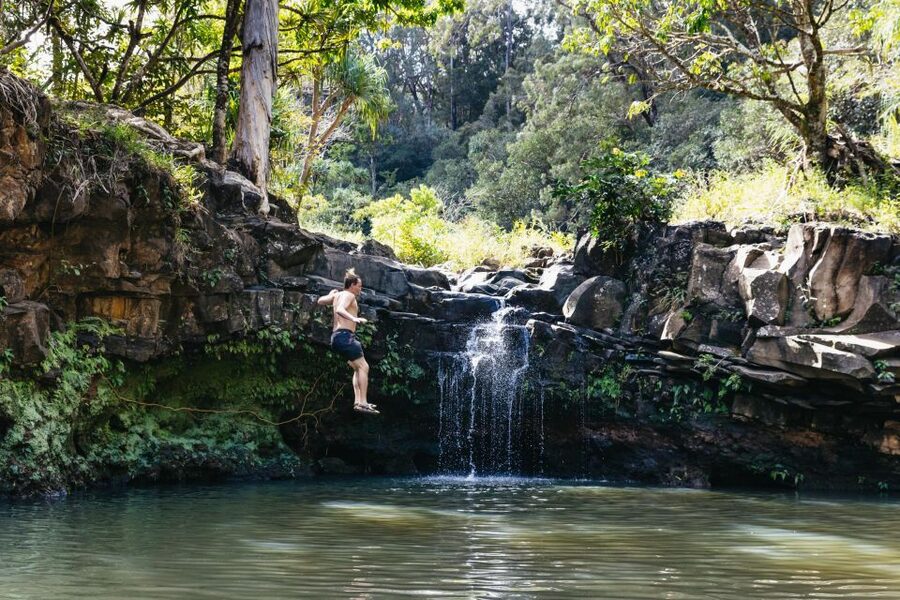
- Guided rainforest waterfalls in East Maui: follow two stream corridors and see multiple falls, often 3–5 stops.
- Jump and swim time with coaching: rock-ledge jumps into freshwater pools are possible when conditions are safe.
- Lunch with a view (and a soundtrack): a picnic lunch served beside the tumbling waterfalls.
- Plant life + Hawaiian cultural context: learn about ti leaf, bamboo, taro, and more from your guide.
- Safety-first wilderness training: guides are trained with advanced CPR and First Aid, plus permits for hiking in the National Park.
Rainforest Waterfalls in East Maui: what you’ll actually do
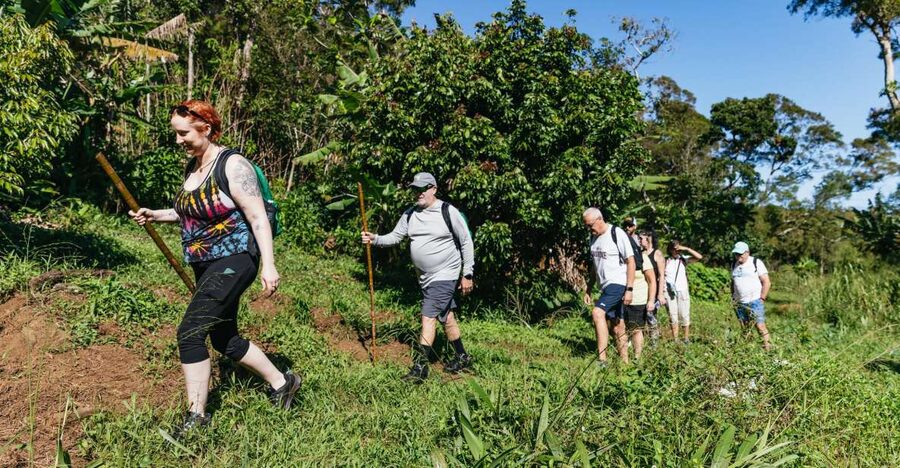
This is a guided hike that focuses on one thing: getting you into Maui’s rainforest and around its waterfalls, without you needing to figure out routes, access, or timing. The day runs about 5 hours, and you’ll spend most of that moving through lush terrain, pausing at waterfall pools, and getting brief explanations along the way.
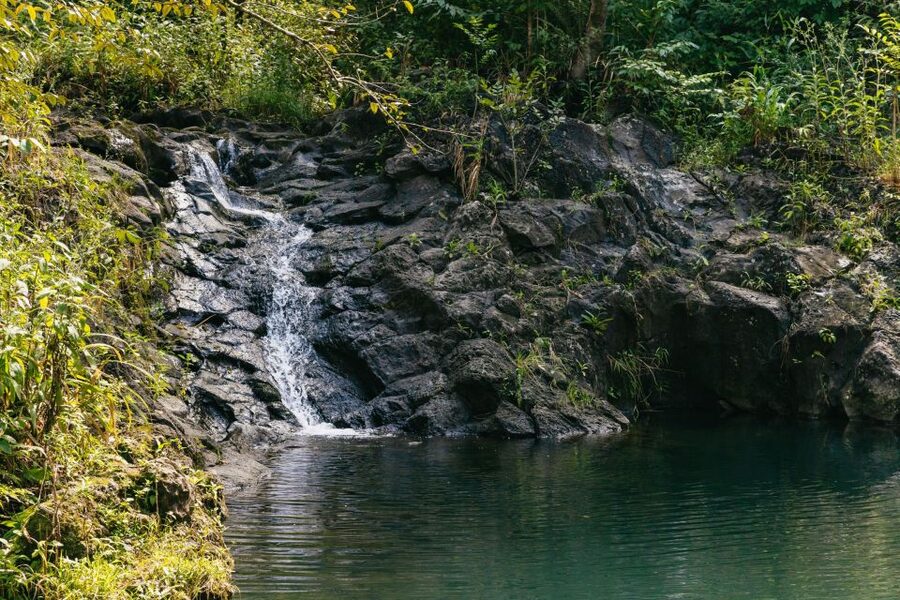
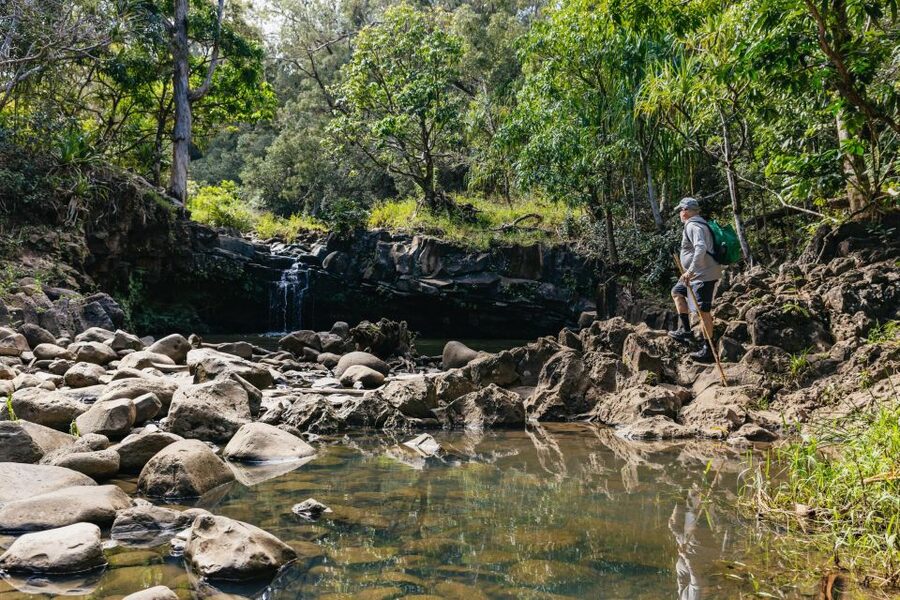
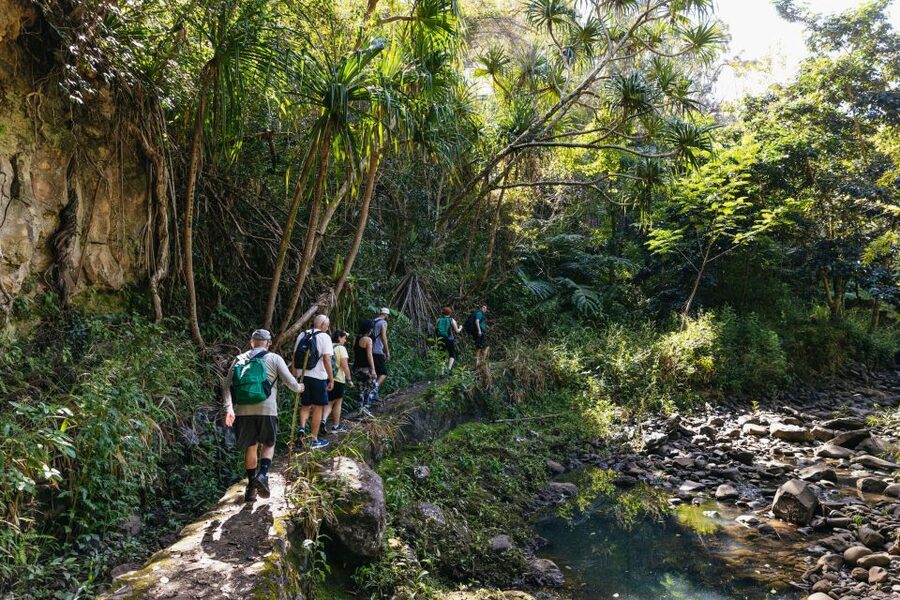
The hiking itself follows two stream lines through East Maui rainforest, and you’ll pass three to five waterfalls. The falls can run roughly 3 to 12 meters high, so you’ll see everything from small drops you can walk up to bigger cascades that set the “this is why we came” mood fast. Your guide keeps the group together, but you’re not just herded along a paved path—this is real trail time.
Swimming is part of the point. You’ll have chances to cool off in the freshwater pools below the falls, and some spots allow jumping from rock ledges. That doesn’t mean you have to be fearless to enjoy the hike; it means you get an optional slice of adventure if you want it, with the guide managing safety and spacing.
You can also read our reviews of more tours and experiences in Maui.


The pace: “easy hike” can still feel wet and uneven
I like that many guides keep the hike approachable, but you shouldn’t assume it’s a stroll. One safety note from real life: stream crossings can be deep in places, and rocks can be slick. Several people highlighted slippery areas, steep climbs or near-vertical slopes where you grab roots and rocks, and water over 3 feet deep in some sections. So if you’re planning to wear something without traction, fix that early.
Pool dips, cliff jumps, and waterfall stops you can feel in your legs
Your day centers on the waterfall sequence. As you follow the streams, your guide times the pauses so you’re not just stopping randomly to look at water—you’re stopping where you can actually experience it: splash zone, photo spot, and sometimes jump ledge.
What makes each stop special
The stops are memorable because they vary:
- Some waterfalls offer calmer pools for dipping and cooling down.
- Others have ledges where a jump is possible if the current and footing are stable.
- You’ll also get short windows to soak in the rainforest around you—plants, shade patterns, and the soundscape of moving water.
The heights matter for your expectations. Since the falls are described from 3 to 12 meters, the experience won’t feel like one single “small waterfall photo.” You’ll get different heights and different pool conditions across the day. A couple of people even described a jump around 15 feet at one waterfall, which gives you a sense of how high you could go at certain spots when conditions allow.
Safety and why the guide matters here
You’re not free-soloing this. Guides in this program are trained with advanced CPR and First Aid, plus wilderness and maritime security cards, and they hold permits for hiking in the National Park. That’s not just paperwork. On steep or slippery sections, having someone who can call your attention to footing and handholds makes a bigger difference than people expect—especially when you’re switching from hiking shoes to water shoes and back again.

Picnic lunch by the falls: why the food timing is smart
A lot of tours give you lunch later, after you’re already wiped out. This one gives you lunch at the payoff moment: after hiking and swimming time, you eat a picnic lunch beside the tumbling falls.
The lunch setup is simple and practical, paired with snacks and bottled water. You’re not going to leave hungry, and you’re not going to spend your energy hunting for a place to eat while everyone is damp and ready for a break. You’ll also have a backpack included, which helps if you need to carry a towel or extra layers.
What to expect from the picnic
The details provided focus on the experience rather than complicated menu descriptions. What’s clear:
- You get lunch plus snacks and water.
- The lunch is served outdoors in a scenic setting, so it feels like part of the adventure—not a break from it.
- Since you’re near waterfalls, you should plan for humidity and wet gear.
A small but useful tip: one guide-related suggestion from real-day advice is to pack a spare change of clothes. Even if you don’t jump, you’ll likely end up splashed. Having dry clothing for the ride back can turn the end of the day from uncomfortable to comfortable fast.
Hawaiian plants and culture lessons you’ll remember after the photos fade
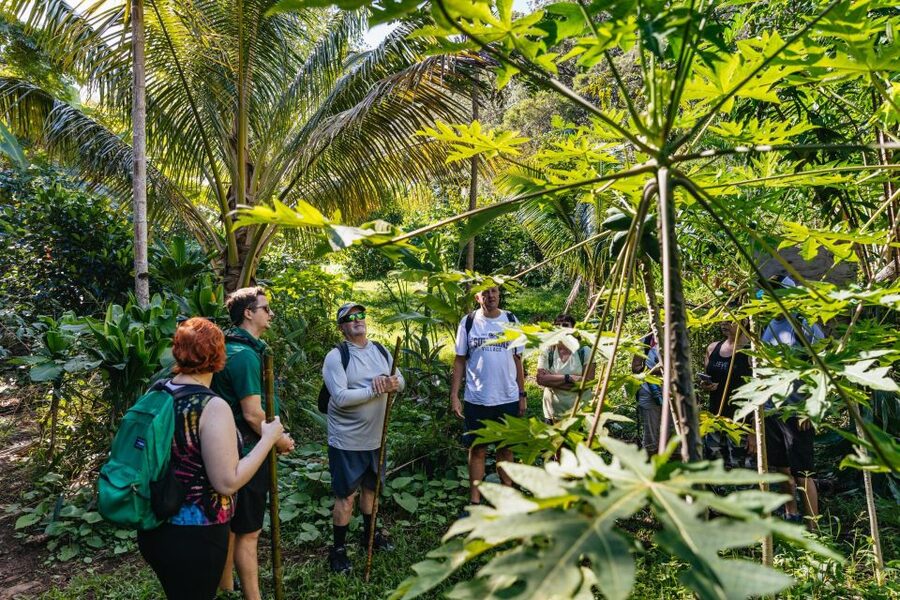
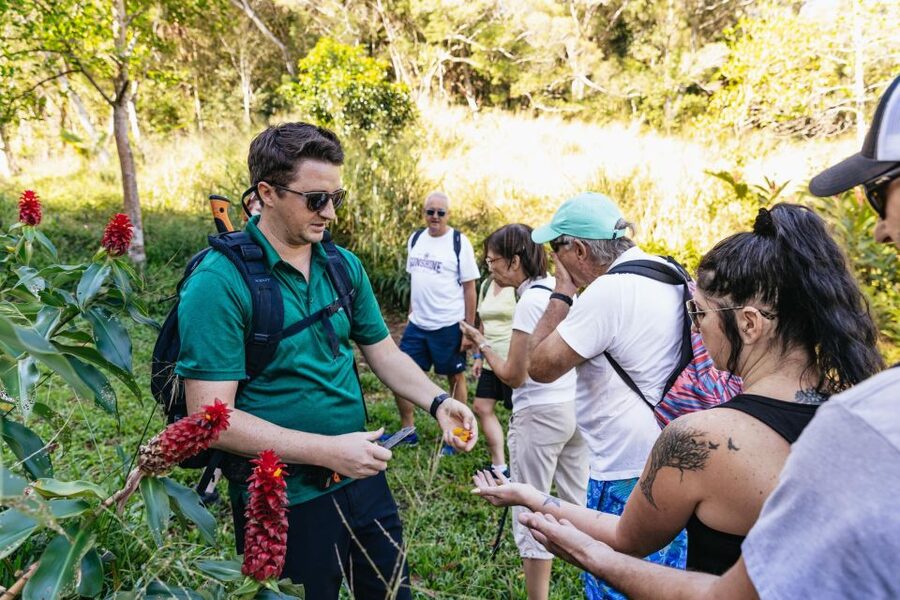
This hike is not only about waterfalls. It’s also a living classroom. Your guide shares cultural and plant knowledge as you walk, including the significance of ti leaf, bamboo, taro plant, and others.
Why that matters: when you learn what something is for in Hawaiian life, you stop seeing the rainforest as just “green scenery.” You start noticing details—leaf shape, growth patterns, and which plants cluster near streams. One review specifically noted sampling edible flowers, and that kind of detail is exactly why this tour can feel different from a standard waterfall walk.
Guides make or break the learning
The strongest praise consistently points to guides who explain plants and rainforest life in a way that lands. Names you might see on departures include Kaden, PT, Ali, Des, Gail, Randalyn, and others. What’s consistent across those examples is a mix of upbeat energy, patience with the group, and active attention to safety near slippery waterfall areas.
If you’re the type who likes to know what you’re looking at—rather than just taking pictures—this is the part of the tour you’ll carry home.
Meeting in Kahului (and pickup in Kihei/Wailea): how to avoid stress
You meet outside of Kahului at the Park & Ride, located at the intersection of highways 311 and 380. You’ll want to meet in front of a large concrete wall with parking space for a single row.
If you select pickup, you’ll be picked up at your hotel or resort in Kihei or Wailea. Plan to be ready about 5 minutes before your confirmed pickup time, and give a 15-minute window for the driver.
Why this matters for a waterfall hike
The day’s success depends on arriving ready. Wet trail time can’t be rescheduled on the fly, so being prompt keeps the group from rushing later. If you’re staying near the meeting area, many people like skipping extra driving. If you’re farther out, pickup can be the easiest way to keep your morning calm.
What to pack (seriously): shoes, swim gear, bugs, and a towel
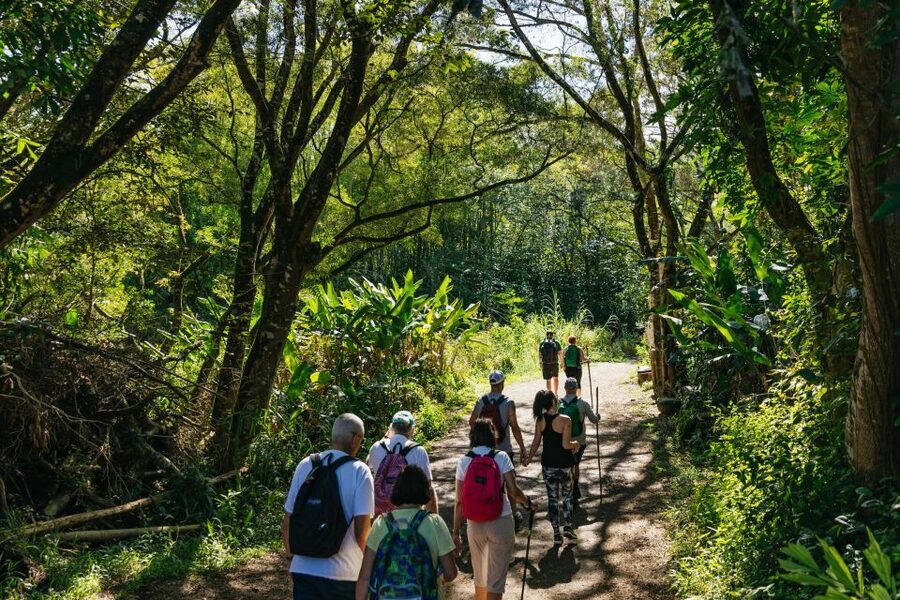
You can make or break this hike with what you wear. The essentials are straightforward, but the conditions can be slippery and wet.
Wear and bring
Bring:
- Comfortable shoes
- Swimwear
- A towel
And choose footwear with traction. Several people emphasized using water shoes or sandals like Tevas, Chacos, or Keens rather than standard sneakers. One useful reality check: tennis shoes can be a bad match for muddy, slippery stream sections. You’ll want something that grips and drains.
If you’re prone to getting cold after dips, pack a plan for staying warm after swimming. Also consider a spare change of clothes. It’s not listed as required, but it’s a smart way to avoid the end-of-day chill.
Insects and rain
The tour notes that a rain poncho and insect repellent are provided if needed. That’s helpful because rainforest conditions can mean both damp weather and bugs. Still, it’s wise to bring your own repellent if you’re someone who gets bothered easily—especially if you’re sensitive to bites.
Who this is best for (and who should sit this one out)
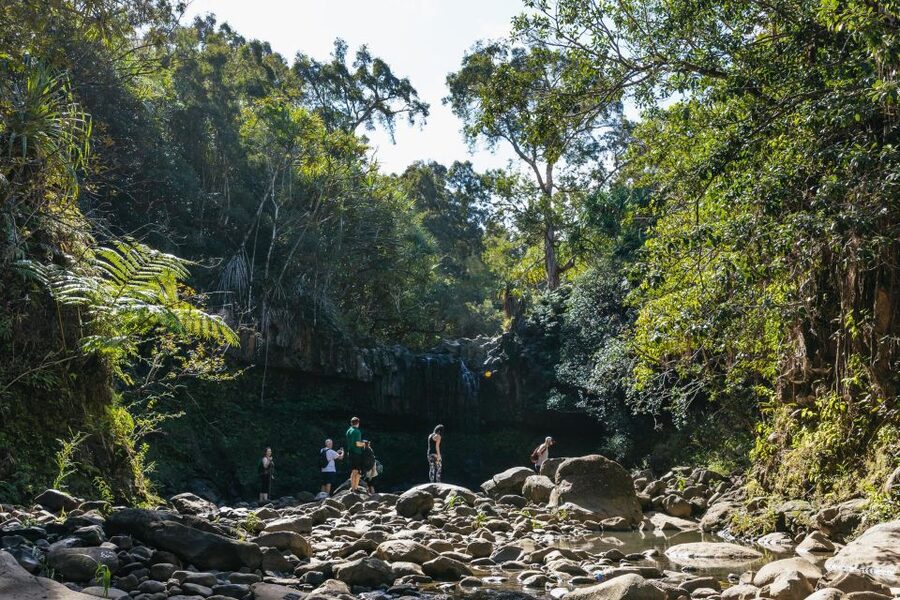
This works best if you want more than a quick photo stop. You’re here for a guided hike, multiple waterfall moments, and hands-on rainforest time with a picnic lunch built in.
Great fit for
- Teens and adults who can handle uneven, wet trail conditions.
- Families with kids who are comfortable with short swims and moving carefully on rocks.
- People who enjoy nature explanations and cultural context, not just scenery.
- Anyone who wants a guided day that manages timing, safety, and access to waterfall areas.
Not suitable for
- Children under 6 years.
Consider if you have mobility concerns
Some participants described the hike as more difficult than they expected, including stream crossings and steep climbs. If you have knee issues or you’re not comfortable stepping over slick rocks, consider whether you’re able to move safely on uneven ground. This is one of those tours where a “short hike” still asks a lot from your legs.
Price and value: is $187 for 5 hours fair?
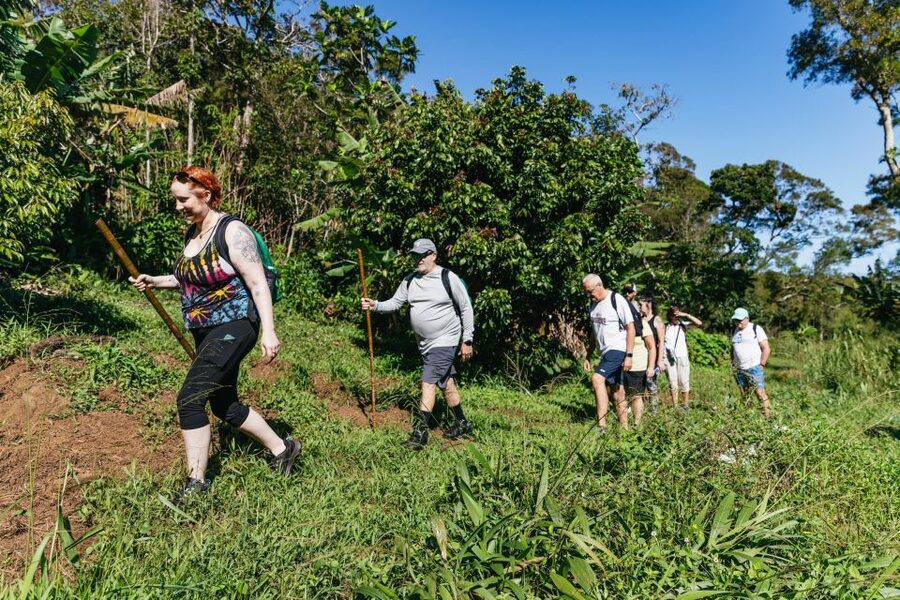
At $187 per person for about 5 hours, you’re paying for a guided, safety-focused rainforest experience with multiple waterfall stops plus lunch. What you get isn’t just someone talking while you walk—it’s support during tricky sections, a naturalist-style education component, and all the key supplies.
Here’s the value angle I’d focus on:
- You’re not driving around searching for access. The tour is structured around getting you to waterfall areas during one outing.
- Lunch is included in the experience rather than tacked on later.
- You get the gear support: backpack, water, snacks, plus poncho/repellent if needed.
- The guide training is part of the “product.” Advanced CPR/First Aid and permit access matter when you’re near waterfalls and pools.
If you’d otherwise spend time piecing together a self-guided route, buying snacks, and managing safety concerns yourself, this price starts to look more reasonable. If you’re price-sensitive or you just want a quick scenic waterfall stop with minimal physical effort, you might feel it’s more than you need.
Should you book this Maui rainforest waterfall hike?
Book it if you want the kind of Maui day that combines waterfalls you can swim in, rainforest walking with stops that feel intentional, and a picnic lunch that matches the atmosphere. It’s also a great choice if learning about Hawaiian plants and cultural uses is your idea of fun.
Skip it (or at least think hard first) if you want flat, easy ground or if slippery streambeds and steep spots would make you anxious. This isn’t a chairlift to a viewpoint—it’s a real hike with real wet conditions.
If you go, do yourself a favor: wear grippy water shoes, bring a towel and swimwear, and plan for some splashes even if you don’t jump. Then you’ll be set up to enjoy the part most people rave about—the feeling of standing at a waterfall, cooling off in freshwater, and learning the rainforest at the same time.
FAQ
How long is the Maui rainforest waterfall guided hike?
The experience runs for about 5 hours.
Where do I meet for the tour?
Meet at the Park & Ride outside of Kahului, at the intersection of highways 311 and 380, in front of the large concrete wall with parking for a single row.
Is hotel pickup available?
Pickup is optional for hotels and resorts in Kihei or Wailea. Be ready about 5 minutes before the confirmed pickup time, and allow a 15-minute window for the driver.
What’s included in the price?
You get a guide, picnic lunch, bottled water, snacks, and a backpack. A rain poncho and insect repellent are included if needed.
Will I have time to swim?
Yes. The tour includes freshwater pool dips, and there are opportunities to jump from rock ledges into some of the pools.
What should I bring and wear?
Bring comfortable shoes, swimwear, and a towel. Running shoes or sports sandals with grip are recommended, and water shoes are a good idea for slippery areas.
What’s the minimum age?
The tour is not suitable for children under 6 years.
What weather does the tour run in?
Tours run in most weather conditions, but the provider may alter tour parameters for safety reasons.
Is the tour in English?
Yes, the live tour guide speaks English.