REVIEW · MAUI
Hike Honolua Ridgeline
Book on Viator →Operated by HeleWai Eco Tours · Bookable on Viator
Two miles in Maui can teach a lot. This Honolua Ridgeline hike pairs a shaded ridge walk with hands-on interpretation of how Maui’s conservation teams protect native forest and water systems. You’re also stepping onto private conservation lands near the Puʻu Kukui Watershed Preserve, so it feels less like a sightseeing loop and more like a guided look at how the island is managed.
What I like most is the way the hike is paced for real life. At about 2 miles (3.2 km) over roughly 3 hours 15 minutes, it works for people who want movement and views without turning it into a boot-camp. The second big win is the guide-led focus on plants and conservation work, with clear explanations that make the whole watershed story make sense—especially if you care about Hawaii’s ecology.
One thing to keep in mind: the trail can have slippery spots, even though it’s generally not strenuous. If you’re prone to slipping on uneven paths, plan to take your time and use the walking support the team provides.
In This Review
- Key Things That Make This Hike Worth Your Time
- Why the Honolua Ridgeline Feels Like More Than a Walk
- Native Forest + the Puʻu Kukui Water Story
- The 2-Mile Route: Shade, Views, and Slippery Sections
- Lookouts That Turn Into Real Lessons
- Guides Who Make the Island Feel Understandable: Jason, Yancy, and Kevin
- Walking Sticks, Pineapple, and Those Little Details
- Who This Hike Fits Best (And Who Might Want a Different Option)
- Price and Value: What You Get for Your Time
- Weather, Timing, and Trail Conditions You Should Plan For
- Should You Book the Honolua Ridgeline Hike?
- FAQ
- How long is the Honolua Ridgeline hike?
- How far is the hike?
- Where does the hike start, and where does it end?
- What time does the tour start?
- Is this tour suitable for beginners or people with only moderate fitness?
- How many people are in the group?
- What language is the tour offered in?
- Are walking sticks provided?
- Is there any food included?
- What happens if weather is bad?
Key Things That Make This Hike Worth Your Time
- Private conservation lands by Puʻu Kukui: you see what protection looks like, not just what it’s supposed to do
- A short ridge hike with real interpretation: 2 miles (3.2 km) but the learning is the main event
- Lookouts along the Honolua Ridgeline: you get valley views without needing hours of trekking
- Guides who translate native ecology into a story: you’ll learn what a conservation team actually does
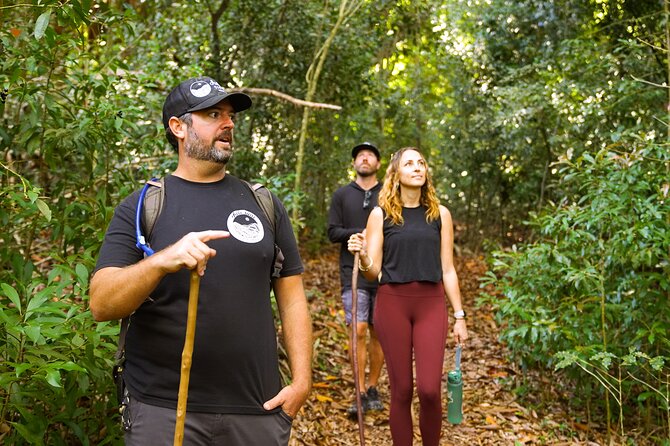
- Shade and a steady pace: good for morning energy and for groups that aren’t all hardcore hikers
Why the Honolua Ridgeline Feels Like More Than a Walk
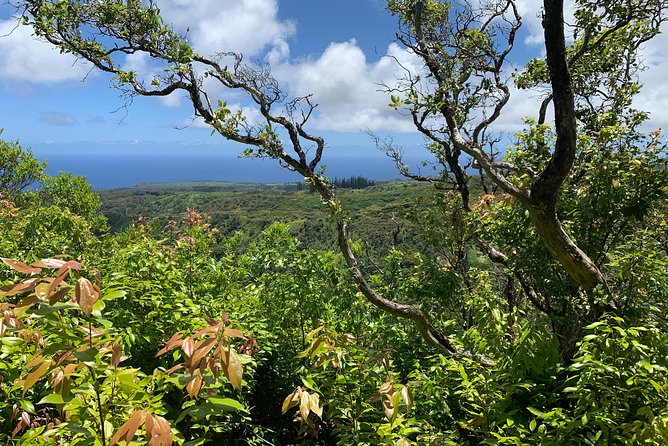
Maui has a way of putting on a show, but this hike focuses on the behind-the-scenes part of the show: water and the living systems that depend on it. The Honolua Ridgeline walk is set under a canopy of shade, and that matters. The shade keeps the hike comfortable, so you spend less energy fighting the sun and more paying attention to what the guide points out—plants, habitats, and why conservation is urgent on this island.
I also like that the experience is grounded in a specific place: the Puʻu Kukui Watershed Preserve and the private conservation lands nearby. A lot of nature tours tell you Hawaii is special. This one explains how it stays that way, by connecting the ridgeline’s plants to the island’s water story.
And because the group size is capped at 12 travelers, you’re not lost in a crowd. You can ask questions, and the guide can keep the pace human. It’s a rare setup in Maui where you still feel like you’re getting personal attention rather than being herded from one photo spot to another.
You can also read our reviews of more tours and experiences in Maui.

Native Forest + the Puʻu Kukui Water Story
The big theme here is the connection between land and water. You’ll explore Maui’s native forest and learn about the thriving ecosystem tied to the Puʻu Kukui preserve. The best part is that the story doesn’t stay abstract. The guide explains what a conservation team does and why their work matters for the watershed.
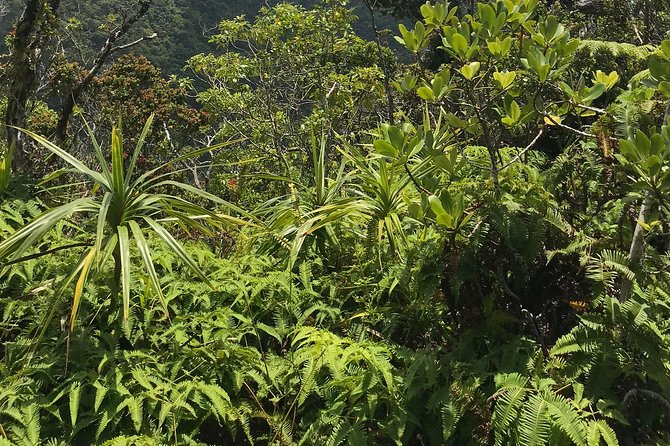
Here’s what that means for you on the trail: you’ll start noticing how plants behave in a healthy system—how certain species support the forest, how the land holds moisture, and how protecting the native community helps the whole watershed function better. If you’ve ever wondered why Hawaii’s ecology feels so sensitive, this gives you a practical answer.
You also get a feel for the difference between public views and protected ecosystems. Since part of your route includes private conservation lands, you’re not just passing through space—you’re being invited into a protected process. That makes the hike feel respectful, like you’re learning the role of land stewardship rather than just consuming scenery.
The 2-Mile Route: Shade, Views, and Slippery Sections
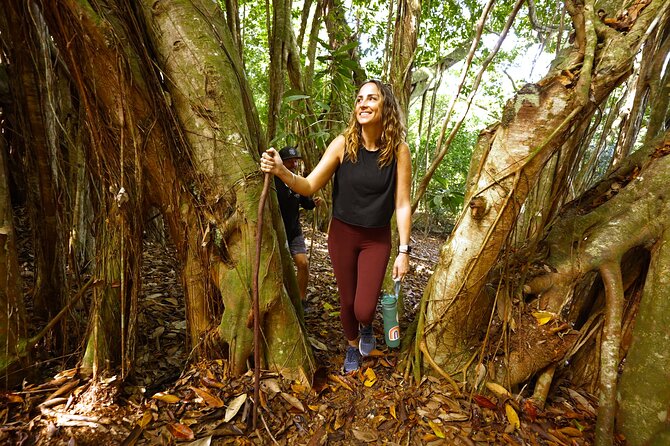
The hike covers about 2 miles (3.2 km) along the Honolua Ridgeline, and the pacing is built around comfort and interpretation. The time estimate is around 3 hours 15 minutes, which is long enough for real stops and learning, but short enough that you don’t have to plan your whole day around it.
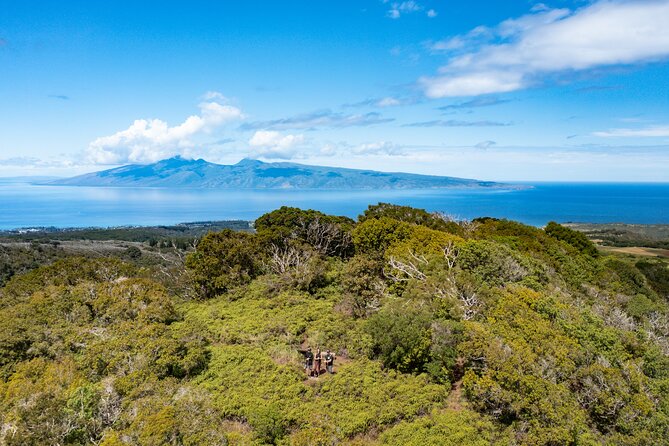
You’ll walk beneath shade along the valley ridgeline, so you get that classic Maui feeling of moving through green while still catching views when the trail opens up. The ridge setting also helps with perspective. Even if you’re not a super athletic hiker, lookouts are part of the experience—valley views you simply wouldn’t see from the roadside.
That said, this is still a natural trail. One real caution from the experience: slippery spots can show up. They’re not described as constant, but they’re enough that you should treat footwear and footwork seriously. If the ground is wet or you’re visiting after early morning mist, slow down and keep your balance. Using the walking sticks can help too, and they’re provided thoughtfully.
A practical way to enjoy it: dress for comfort first, then traction. You don’t need heavy gear, but you do want shoes you trust on uneven surfaces.
Lookouts That Turn Into Real Lessons
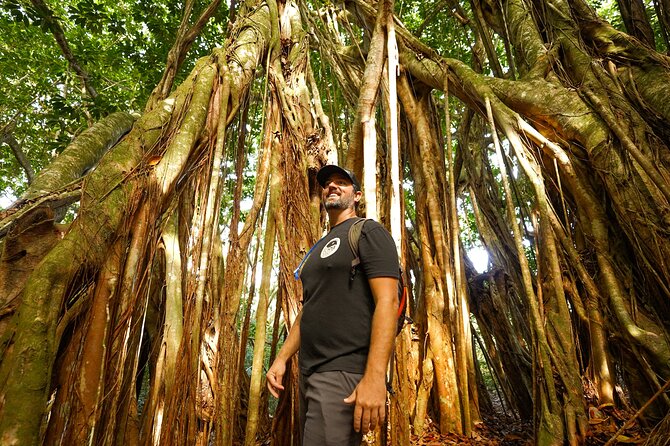
This is an interpretive hike, which means you don’t just walk past plants—you learn what you’re looking at and why it matters. At times, that happens at lookouts and at points where you can see valleys and ridge lines more clearly. Those view breaks are not random; they’re tied to the conservation story.
A guide might point out how the ridgeline’s vegetation relates to moisture, or how certain plants fit into a healthy native ecosystem. You’ll also hear about native and invasive species of plants and the conservation efforts underway. The point isn’t to win a plant trivia contest. It’s to understand what happens when native systems are protected versus disrupted.
In my view, the best nature tours do this: they make the environment feel legible. After enough explanation, you start seeing patterns—how the forest differs from disturbed areas, why the watershed matters, and how conservation work protects more than scenery.
Guides Who Make the Island Feel Understandable: Jason, Yancy, and Kevin
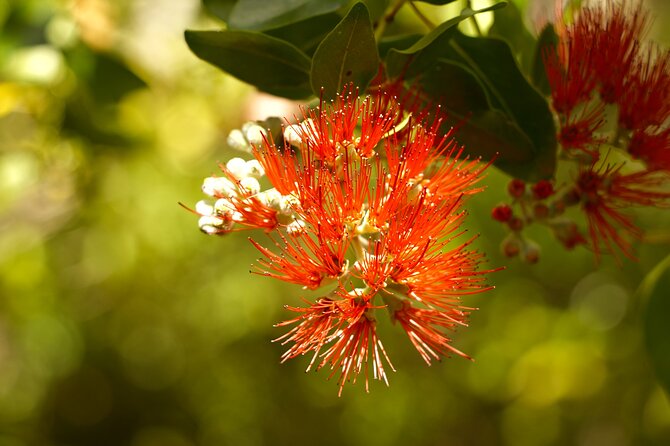
The guide can make or break an interpretive hike, and this one leans hard on strong guiding. Multiple guide names came up—Jason, Yancy, and Kevin—and the common thread was passion paired with clarity.
What you’ll feel during the hike is that the guide isn’t just listing facts. They connect what you’re seeing to the bigger conservation purpose. One guide experience emphasized learning about plants and area details throughout the trip. Another focused heavily on plant life and conservation efforts, with a sense of genuine enthusiasm. Another described the hike as mild difficulty while using the route to teach about native and invasive species.
If you like conversations that go beyond surface-level sightseeing, you’ll probably enjoy this style. It’s the kind of hiking where you may start asking your own questions—like why a certain plant belongs in the native system, or what makes watershed protection different from general environmental protection.
And if you’re traveling with someone who isn’t much of a hiker, this can still work. The pace is described as friendly, and the guides make the experience educational without demanding long, hard climbs.


Walking Sticks, Pineapple, and Those Little Details
Small details are where value hides. Here, the team provides walking sticks, which is a smart touch on a trail with slippery sections. It signals that they expect real conditions on the ground, not just a perfect brochure path. That alone helps many people feel more confident.
Then there’s the snack at the end. You might end the hike with Maui gold pineapple, served fresh at the finish. A word of realism, though: one piece of feedback criticized the snack setup, noting it wasn’t much—just a few pieces of cut pineapple. That’s still consistent with the idea that this is a short, interpretive hike after breakfast and before lunch. So I’d treat the pineapple as a pleasant bonus, not a meal replacement.
If you want to arrive fueled, do a normal breakfast. Then let the pineapple be the fun punctuation at the end of the walk, not the plan for your day’s calories.
Who This Hike Fits Best (And Who Might Want a Different Option)

This is a great choice if you:
- Want a moderate fitness outing that isn’t overly strenuous
- Enjoy learning about ecology, native plants, and conservation in a practical way
- Like guided walks with lookouts, not just views from a bus window
- Prefer a small group experience (max 12)
It’s also family-friendly based on real experience with groups that included a 12-year-old and an adult who didn’t hike much. That doesn’t mean it’s a stroller hike. The trail can be uneven and slippery, so kids should be ready for careful steps and attention.
If you’re expecting a long, rugged mountain challenge, you may find it too mild. The tradeoff is intentional: this is a 2-mile ridge walk designed for people who want access to conservation education and viewpoints without a grueling day.
Price and Value: What You Get for Your Time
Since no price is listed here, I’ll focus on value in a different way: what your money buys in experience design.
You’re paying for a short hike that packs in:
- A guide-led conservation lesson tied to a specific watershed preserve
- A small group size (up to 12) that keeps the experience personal
- On-trail help like walking sticks
- Lookouts and interpretive stops rather than just a straight trail march
- A fresh pineapple finish
In other words, you’re not just buying movement. You’re buying time with someone who can explain what you’re seeing and why it matters. If you’re the type of traveler who enjoys learning while walking, this tends to feel worth it because the payoff is mental as much as physical.
Also, the timing works well for Maui. A 9:00 am start keeps you in the morning window when many people feel best and before the island gets busier. You should be able to wrap the hike and still have plenty of day left for the rest of your itinerary.
Weather, Timing, and Trail Conditions You Should Plan For
This activity depends on weather. It requires good weather, and if conditions are poor, you’ll be offered another date or a full refund. That matters for a ridge hike, because slippery spots can become more serious when things get wet.
Here’s how to plan so you don’t lose time:
- Check the day’s conditions and don’t wait until the last second to decide on footwear
- Keep a little patience if the route needs to be adjusted due to weather
- Expect that morning light and shade can make the hike more comfortable, but the ground can still be unpredictable
If you do this on a dry day, you’ll likely find the trail easier than you fear. If it’s been raining, slow down and treat each step like it’s worth an extra thought.
Should You Book the Honolua Ridgeline Hike?
Book it if you want Maui that feels thoughtful. You’re going to walk a short ridge trail, see valley views, and leave with a clearer picture of how conservation teams protect the native ecosystem and the water connection tied to Puʻu Kukui.
Skip it only if you’re looking for a hard workout or you want a long, self-guided hike with no interpretation. Also, if slippery trails make you nervous, bring shoes with good traction and plan to use the walking sticks.
For most people—especially those who care about Hawaii’s ecology—this one is a high-value morning: calm pace, strong guiding, and a conservation story that sticks with you long after the trail ends.
FAQ
How long is the Honolua Ridgeline hike?
It lasts about 3 hours 15 minutes.
How far is the hike?
The route is about 2 miles (3.2 kilometers).
Where does the hike start, and where does it end?
It starts at 800 Office Rd, Lahaina, HI 96761, USA and returns to the same meeting point.
What time does the tour start?
The start time is 9:00 am.
Is this tour suitable for beginners or people with only moderate fitness?
The experience is listed as suitable for travelers with moderate physical fitness.
How many people are in the group?
There is a maximum of 12 travelers.
What language is the tour offered in?
It’s offered in English.
Are walking sticks provided?
Yes. Walking sticks are provided.
Is there any food included?
There is an end-of-hike pineapple option (Maui gold pineapple).
What happens if weather is bad?
The experience requires good weather, and if it’s canceled due to poor weather, you’ll be offered a different date or a full refund.