REVIEW · MAUI
Maui: Guided Hike of Haleakala Crater with Lunch
Book on GetYourGuide →Operated by Hike Maui · Bookable on GetYourGuide
Haleakala feels like another planet. This guided crater hike takes you from the 10,000-foot summit zone to 8,000-foot lava trails, with Maui culture lessons along the way and food included.
I really like that you’re not just walking in silence. The guide brings safety-focused CPR and wilderness training, and you get practical perks like ponchos, bottled water, snacks, and a picnic lunch.
One drawback to plan for: this is a tough, rocky hike. It’s not a good fit if you’re concerned about slippery footing, steep grades, or health limits on uneven ground.
In This Review
- Key Things I’d Focus On Before You Go
- Walking Haleakala: Why This Crater Hike Feels Special
- The Day’s Route: 10,000-Foot Summit to 8,000-Foot Lava Trail
- The first climb: about 2 miles toward the 10,000-foot summit
- The second hike: about 2 miles at 8,000 feet on a lava trail
- What the Included Food and Extras Really Mean for Your Day
- Guides, Pace, and Safety: What You Can Expect From the Human Part
- Meeting Point in Kahului Area: Get There Before You’re Rushing
- What to Wear and Bring for Haleakala’s Cold, Rocky Reality
- Difficulty Level and Who Should Skip This Hike
- Price and Value: Is $208 Worth It for a 7-Hour Guide?
- Weather and Trail Changes: How Flexible You Have to Be
- Should You Book the Haleakala Crater Hike with Lunch?
- FAQ
- How long is the Maui Haleakala guided hike with lunch?
- Where is the meeting point?
- Is hotel pickup and drop-off included?
- What should I bring for the hike?
- What food and drinks are included?
- Are backpacks and ponchos provided?
- Is this tour suitable for children or people with mobility impairments?
- What if I need to cancel or I’m booking a group of 10 or more?
Key Things I’d Focus On Before You Go
- Two elevations, one crater: Hike up to cinder cones near 10,000 feet, then down to lava terrain around 8,000 feet.
- Real Maui context, not just views: You’ll learn heritage and culture while you walk through volcanic features.
- Food and comfort extras are included: Bottled water, snacks, picnic lunch, plus backpacks and ponchos.
- Guide safety matters: Guides have advanced CPR, First Aid, and Wilderness Training, with National Park hiking permits.
- Not for everyone physically: It’s not suitable for children under 8 or people with mobility impairments.
Walking Haleakala: Why This Crater Hike Feels Special
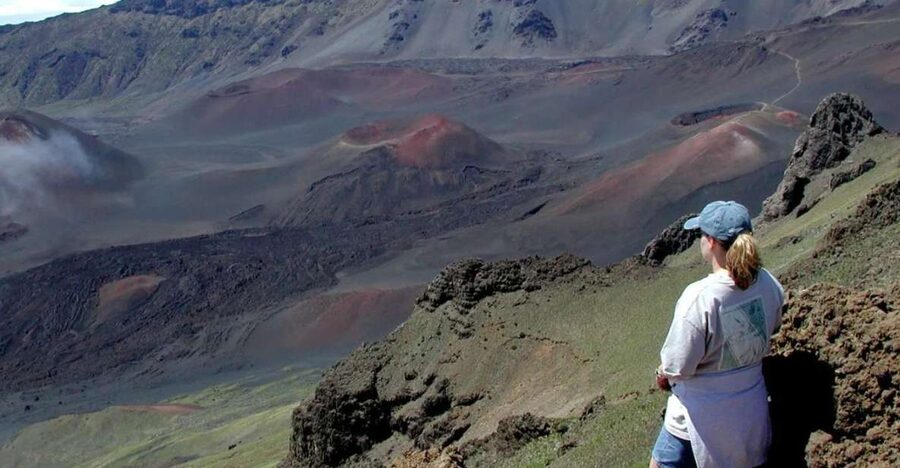
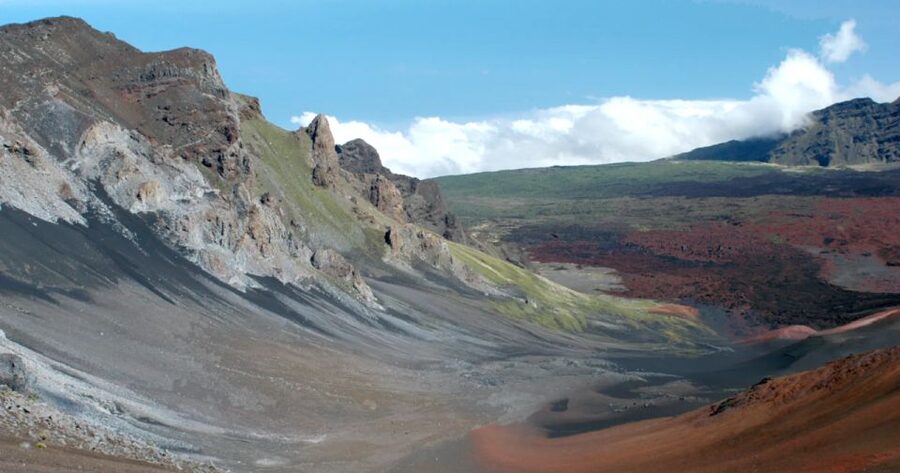
If you’ve never hiked on Maui’s dormant volcano Haleakala, this route does a smart thing: it shows you the crater in two different moods. You start in an extreme, desert-like high zone dominated by cinder cones, then you move to a lava trail lined with rare native plants at a lower elevation. The terrain alone can feel unreal.
What makes the day more than a scenic walk is the guiding. You’re not just ticking off elevation. You’re learning Maui’s heritage and culture while you’re standing in the volcanic setting that shaped the island. That turns the hike into a story you can feel under your boots, not a backdrop.
You can also read our reviews of more tours and experiences in Maui.

The Day’s Route: 10,000-Foot Summit to 8,000-Foot Lava Trail
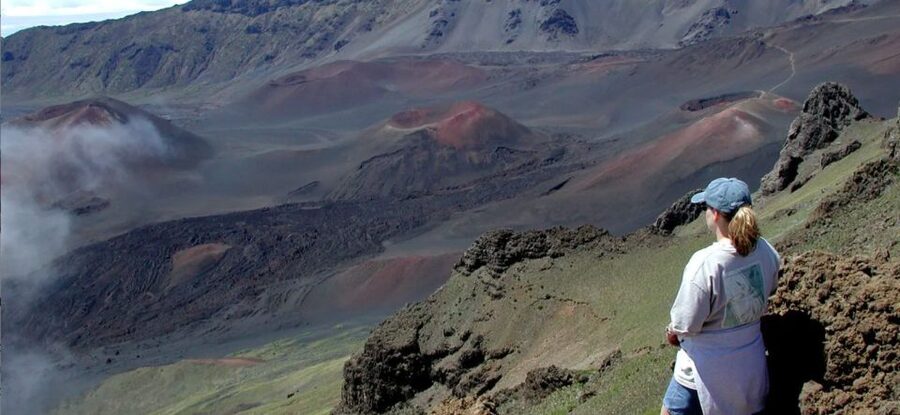
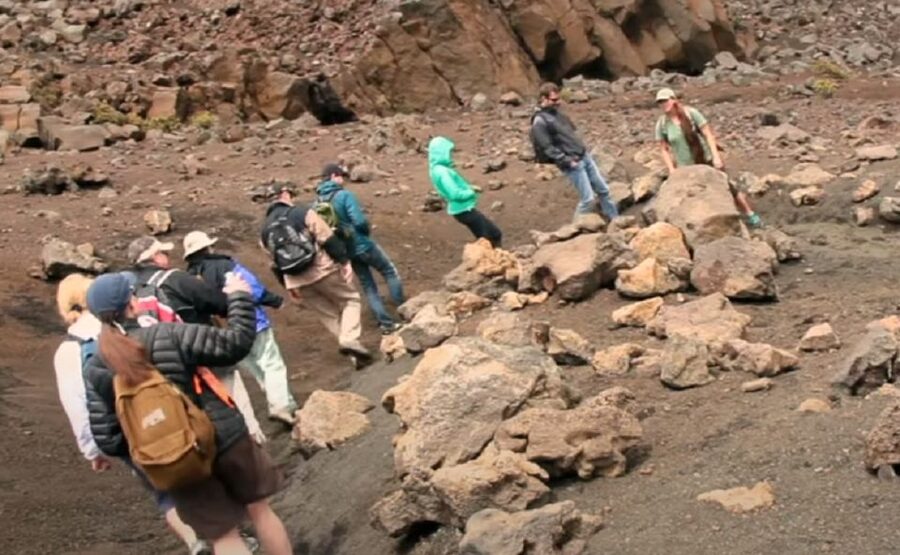
This is a 7-hour guided trek that covers about two hiking segments. You’ll be moving through the crater on trails that can be rocky and uneven, so plan on a steady, active pace.
The first climb: about 2 miles toward the 10,000-foot summit
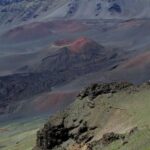
The first part is a 2-mile hike up to roughly the 10,000-foot area. In this zone, huge cinder cones dominate the view. It’s expansive and stark in a way that’s hard to describe until you’re there—volcanic shapes, open sky, and that dry, high-altitude feeling.
Along the way, you’ll hear about Maui and its natural wonders that show up at the top of the crater. Expect the guide to point out what you’re seeing so it makes sense, especially if you don’t know much about Hawaiian geology or native ecosystems.
A practical note: the higher you go, the more you’ll feel the cold and wind potential even on a sunny day. Warm clothing matters, and sports shoes with grip matter more.
The second hike: about 2 miles at 8,000 feet on a lava trail
After that high-zone summit walk, the second 2-mile segment takes you to around 8,000 feet. Here, you’re still in volcanic territory, but the trail focus shifts to a lava trail environment.
This is where you’ll see rare native plant species along the route. The contrast is nice for your brain: first you’re surrounded by cinder cone terrain, then you’re paying attention to living details—plants that manage to thrive in the harsh volcanic conditions.
If the day is clear, the views can feel endless. That’s the kind of sight that makes people slow down and just look. The guide’s job here is helpful: they’ll keep you oriented so you don’t spend the whole time staring at your feet.
What the Included Food and Extras Really Mean for Your Day
One reason this tour is easy to pack for is that it includes the basics that usually cost time or money.
Here’s what you get:
- Bottled water
- Snacks
- Picnic lunch
- Backpacks
- Ponchos
That matters because Haleakala conditions can change fast. Even when it’s sunny, the crater can feel chilly and exposed. Having ponchos included means you’re not scrambling for a rain layer in the parking lot.
The backpack and lunch setup also changes the mental load. You’re not trying to balance a lunch bag, water bottle, and extra clothing while hiking rocky surfaces. You can focus on the hike and the guide’s explanations.
And the lunch is a real benefit. This is a full 7-hour outing, and having a picnic lunch included keeps you from losing time to finding food on the road.


Guides, Pace, and Safety: What You Can Expect From the Human Part
This hike is run with a live English-speaking guide, and the safety credentials are specific: advanced CPR, First Aid, and Wilderness Training. There’s also a permit for hiking in the National Park. That combination is reassuring on a trail that can be slippery and exposed.
What stands out from real-world experience is how guides handle different comfort levels. One guide, George, was highlighted for being helpful and for taking participants’ needs seriously. The overall theme: good guides keep an eye on footing, check that everyone has what they need, and adjust the experience so you can enjoy it without feeling rushed.
That said, you still have to respect the physical side. The hike can be difficult if you’re older, have health issues that affect balance, or you’re not used to rocky terrain. If you’re in that group, make your decision based on your own comfort with slippery surfaces and sustained uphill effort.
Meeting Point in Kahului Area: Get There Before You’re Rushing
This tour doesn’t include hotel pickup and drop-off, so your planning matters. You meet at the intersection of highways 311 and 380.
The meeting location description is very specific: in front of a large concrete wall with a single row of parking facing Hwy 380 west of Hwy 311, just before entering Kahului.
Practical tip: arrive early. Because there’s no pickup, you want buffer time to park, walk to the right spot, and settle in before the group heads out.
What to Wear and Bring for Haleakala’s Cold, Rocky Reality
The tour’s packing list is short, which is a good sign. You just need the essentials.
Bring:
- Warm clothing
- Sports shoes
Even if you expect sun, Haleakala’s elevation can make it feel colder than you think. Warm layers help you stay comfortable enough to keep moving. Sports shoes are about traction and stability on uneven ground.
You’ll also get ponchos and a backpack, which helps with rain or mist and with carrying your lunch/snacks. But you should still dress for warmth, not just for dryness.
Difficulty Level and Who Should Skip This Hike
This is not an easy stroll. It’s a guided hike that includes steep sections and rocky, potentially slippery surfaces. Because of that, it isn’t suitable for everyone.
Not suitable for:
- Children under 8
- People with mobility impairments
It can also be hard for adults who aren’t comfortable with rocky footing, even if they’re generally active. One older participant noted that if you have certain health issues that impact walking on slippery surfaces, the hike may not be a good match. I’d treat that as a serious hint, not a warning to ignore.
If you’re unsure, ask yourself two questions:
- Can you handle a long walk with uneven, sometimes slick terrain for multiple hours?
- Are you comfortable with altitude-driven cold and wind exposure at high elevation?
If the answer is no, you’ll be happier choosing a gentler Haleakala option.
Price and Value: Is $208 Worth It for a 7-Hour Guide?
At $208 per person for a 7-hour hike, the value depends on what you’re getting and what you’d otherwise need to manage yourself.
You’re paying for:
- A professional guide who’s trained for wilderness conditions and has permit access for National Park hiking
- Two meaningful hiking segments inside the crater area
- Food support (bottled water, snacks, and a picnic lunch)
- Comfort and practicality items (backpacks and ponchos)
- A guided learning component focused on Maui heritage and culture
If you’d otherwise pay for a similar guided experience plus buy snacks, pack lunch, and arrange gear, the price starts to make more sense. It’s not just “a walk with a view.” It’s structured hiking time with safety-led guidance and included supplies that reduce your own logistics.
If you’re traveling light, this matters even more. Packing lunch and rain protection is doable, but the included gear saves hassle when you’re already dealing with elevation and weather changes.
Weather and Trail Changes: How Flexible You Have to Be
The tours run in most weather conditions, but they may be altered if safety issues arise. That’s the realistic part of hiking Haleakala. Weather and ground conditions can affect trail safety, especially on rocky sections.
The best strategy: dress for cold, wear grippy shoes, and accept that the plan can shift when conditions require it. Because you’re in crater terrain, safety overrides convenience.
Should You Book the Haleakala Crater Hike with Lunch?
I’d book this if you want:
- A guided crater experience with context about Maui heritage and natural wonders
- A full day that combines a high summit zone with a lower lava trail walk
- Included water, snacks, picnic lunch, backpacks, and ponchos so you travel with less stress
- A guide with advanced CPR, First Aid, and Wilderness Training who prioritizes safety
I wouldn’t book it if:
- You need a low-impact route
- You have mobility limitations that affect balance on uneven, rocky surfaces
- Your group includes kids under 8
- You’re likely to struggle with steep, slippery terrain for sustained time
Final thought: this is a hike for people who are excited by big elevation and real volcanic terrain. If that’s your kind of day, the mix of learning, included food, and safety-led guiding makes the $208 feel more like a complete experience than just a price tag.
FAQ
How long is the Maui Haleakala guided hike with lunch?
The tour lasts 7 hours.
Where is the meeting point?
You meet at the intersection of highways 311 and 380, in front of a large concrete wall with a single row of parking facing Hwy 380 west of Hwy 311, just before entering Kahului.
Is hotel pickup and drop-off included?
No, hotel pickup and drop-off are not included.
What should I bring for the hike?
Bring warm clothing and sports shoes.
What food and drinks are included?
You get bottled water, snacks, and a picnic lunch.
Are backpacks and ponchos provided?
Yes. Backpacks and ponchos are included.
Is this tour suitable for children or people with mobility impairments?
No. It is not suitable for children under 8 and it is not suitable for people with mobility impairments.
What if I need to cancel or I’m booking a group of 10 or more?
You can cancel up to 24 hours in advance for a full refund. For parties of 10 or more, a gratuity of $250 will be collected before the trip.