REVIEW · MARRAKESH
From Marrakesh: Atlas Mountains Talamrout Summit Day Hike
Book on GetYourGuide →Operated by Toubkal Hiking · Bookable on GetYourGuide
Marrakesh turns into mountain air fast on this day hike. I like the clear rhythm: a scenic drive to Imlil, then an organized trek up toward Adrar Talamrout (2,600m) with mint tea breaks and a proper lunch. I also like how the guides keep the group moving at a safe pace, with help for slower hikers, which makes the day feel welcoming even when your legs get loud. The main consideration: the hike can feel more challenging than the word moderate suggests, especially on the steeper, loose descent and in cold or icy conditions.
You’ll start at Imlil in the High Atlas, climb through Berber villages and mountain passes, and finish with panoramic views over the Imenane Valley and the villages below. And yes, Mount Toubkal is part of the viewing story here, even though you’re not climbing it. If you want an active day that still feels well-run (transport, guide, food), this one is hard to beat for $45.
In This Review
- Quick Takes Before You Go
- Talamrout Summit Day Hike: Why This Marrakesh Excursion Feels Worth It
- Getting to Imlil: 64 km, Early Start, and Mountain Setup
- Up Through Berber Villages to Tizi n’Tamatert Pass
- Climbing in the Pine Forest to Adrar Talamrout Summit
- Tea, Lunch, and Pacing on the Way Down
- Views of Toubkal, Imenane Valley, and the Villages Below
- What to Bring, and What to Rent in Imlil
- Price, Value, and Who This Tour Suits Best
- Should You Book This Talamrout Summit Hike from Marrakesh?
- FAQ
- How much does the Marrakesh to Talamrout hike cost?
- How long is the hike?
- What’s included in the price?
- Is hiking equipment included?
- What is the route like and how much climbing should I expect?
- Where does the tour pick me up and how do I know the exact time?
- What languages is the guide available in?
- What should I bring for the hike?
- Who is the hike not suitable for?
Quick Takes Before You Go
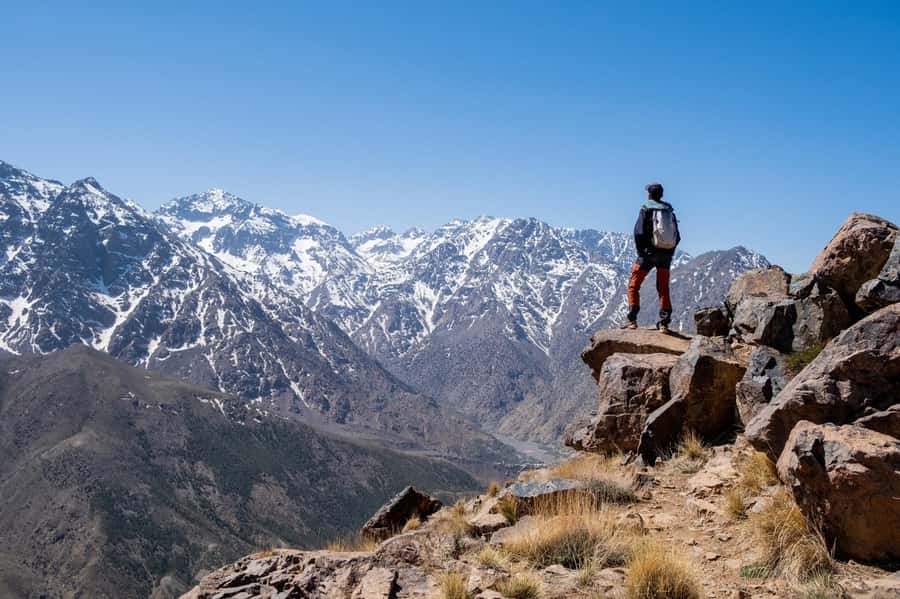
- Adrar Talamrout (2,600m) gives big payoff views without an all-day grind.
- Almost 900m of total climb/descend means you’ll feel the altitude change by the end.
- Berber village route includes Ait Souka and Tamatert on the way up to the pass.
- Pine forest trekking cools things down and adds a quieter, more atmospheric feel.
- Tea + lunch on the mountain route keeps energy steady when the trail gets steep.
- Guide support matters: help with pacing, breaks, and footing shows up in how the day is led.
Talamrout Summit Day Hike: Why This Marrakesh Excursion Feels Worth It
This trip works because it’s built around a real mountain day, not a long bus ride with a short photo stop. You get a full trek experience right outside Marrakech: start higher than the city, climb to a pass, then continue into the Moroccan pine forest toward a summit viewpoint. The best part is that the views are the goal, but the hike is the point.
I also like that it’s practical. You’re picked up from your hotel, transported in an air-conditioned car, fed with lunch, and handed Moroccan mint tea along the way. That means you can focus on hiking instead of managing logistics, which is a big deal when you only have one day.
One more thing: this route tends to feel less chaotic than the most famous valley day trips. If you prefer quiet trails and small-group trekking over crowds, you’re in the right place.
You can also read our reviews of more tours and experiences in Marrakesh.

Getting to Imlil: 64 km, Early Start, and Mountain Setup
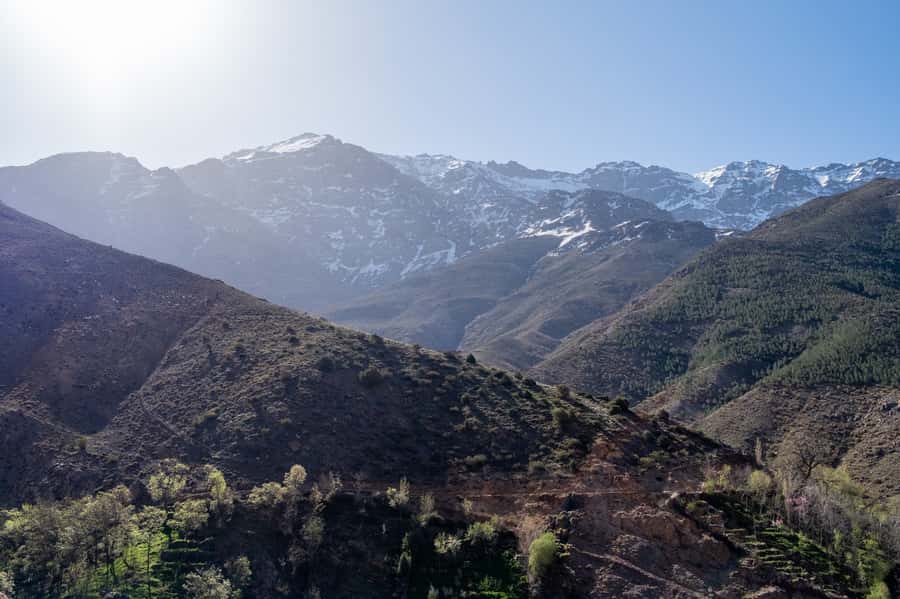
After pickup in Marrakesh, you’ll drive about 64 kilometers toward the High Atlas. It’s an easy way to shift from city pace to mountain pace without arranging your own transport. On the day before your hike, you’ll get WhatsApp details about pickup timing, so you’re not guessing in the dark.
When you arrive at Imlil (around 1,740m), the day’s tempo becomes clearer. This is where you meet your local guide and get organized before the first climb. If you don’t have hiking shoes yet, this is also the moment to handle rentals in Imlil, since footwear with grip is the difference between steady steps and slipping.
In winter, the morning can feel cold, but things often warm up as you gain altitude and move into the sun. Still, plan for a chilly start and bring rain gear, since weather in the Atlas can shift.
Up Through Berber Villages to Tizi n’Tamatert Pass
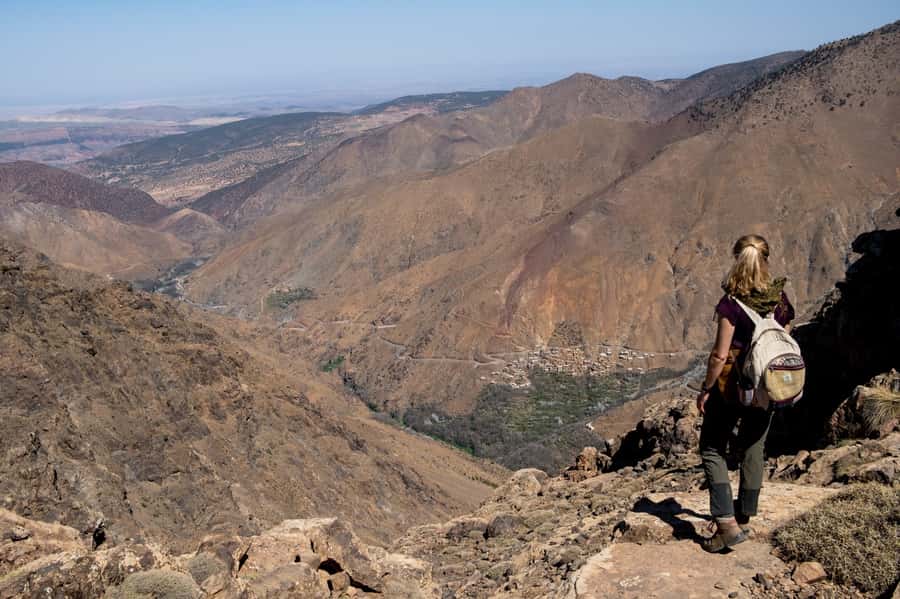
The hike begins with a steady ascent that totals close to 900m across the day. It’s not a “walk through a park” kind of route. You’re gaining elevation consistently, and that shows up in both your breathing and your leg burn.
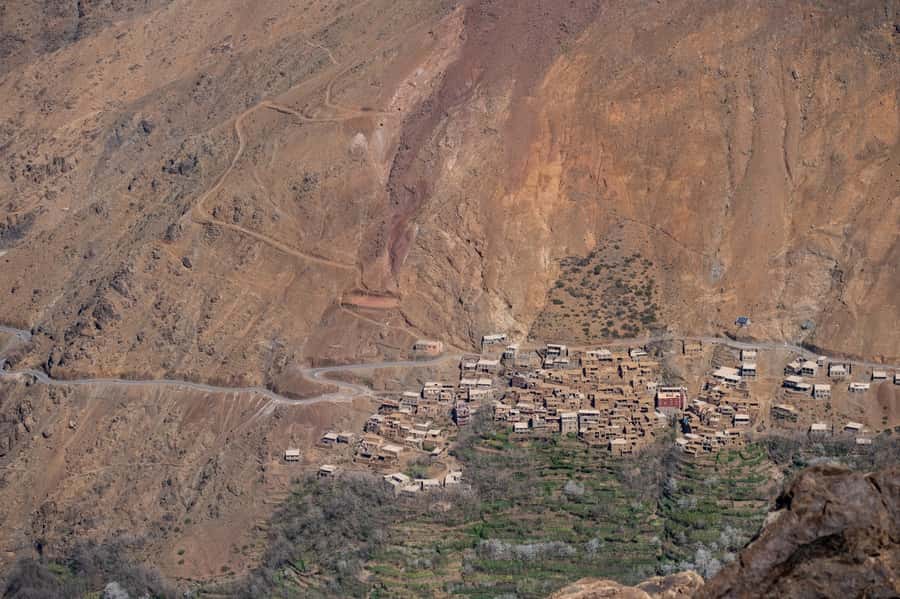
You’ll head up through the Tamatert Valley toward Tizi n’Tamatert pass (2,280m). Along the way, the route passes Berber villages, including Ait Souka and Tamatert. These village sections matter because they break up the climb with moments of culture and scenery, not just pure uphill.
Expect a rhythm that often feels like two main pushes. A common pattern is a first climb to a tea stop (often after roughly the first 500m or so), then another stretch up toward the pass. That tea break isn’t just a perk. It gives you a chance to reset, check your footing, and keep energy steady before the next steep portion.
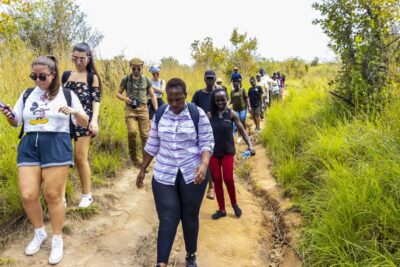
This is also where pacing and group dynamics show. A good guide (I saw names like Rashid, Ayoub, Abdul, Radouane, and Abdou) tends to look out for people who start strong and then fade. If you’re not the fastest hiker, you’ll likely get encouragement and small break adjustments so you can stay in the group without rushing.
Climbing in the Pine Forest to Adrar Talamrout Summit
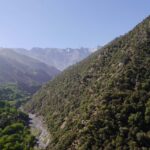
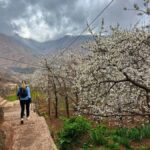
From Tizi n’Tamatert, the trail turns into the quieter side of the mountains: you move into a Moroccan pine forest. That shift in vegetation helps the hike feel less repetitive, and the shade can be a relief if the sun is strong.
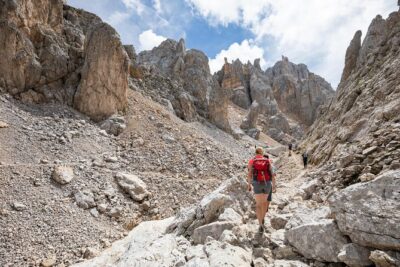
Then comes the summit push to Adrar Talamrout (2,600m). The key thing to know is that the trail near the top can be looser underfoot. Dry days still feel different from paved paths, and in cold weather you might get slick patches. This is why footwear grip is non-negotiable.
I also recommend bringing a daypack with the basics accessible. Sunglasses help when the light hits the slopes, and rain gear matters if clouds roll in as you climb. You’ll want layers you can adjust, because the temperature can swing between the morning start and the warmer, sunlit sections mid-hike.
If conditions are rough (especially in winter), your final summit outcome can change. Some days get snow or ice, and guides may adjust the route for safety. That doesn’t mean the day is ruined. It just means you’ll spend more time on the mountain experience, with the route shaped to what’s safe that day.
Tea, Lunch, and Pacing on the Way Down
The day is thoughtfully broken up with breaks that keep you from overheating too early. You’ll have Moroccan mint tea and time to rest during the ascent, then lunch on the descent. Food here is more than fuel. It’s a chance to slow down, recover, and enjoy the scenery without racing for the summit.
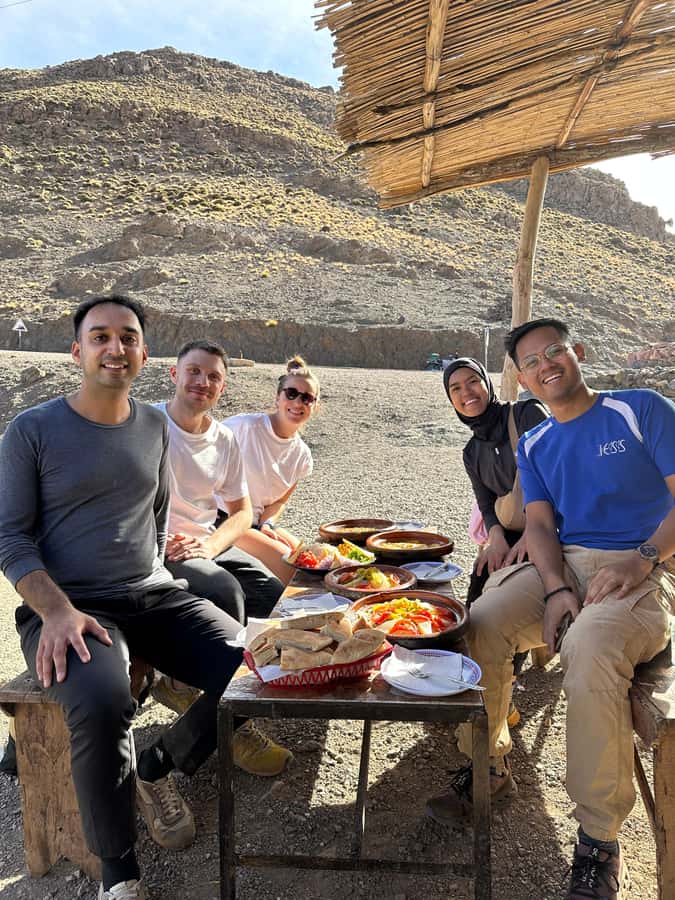
Lunch is often described as solid and filling, including items like tagine, salad, bread, rice, and seasonal fruit such as mandarins. Vegetarian options can be available (some diners noted vegetable tagine), so if you have preferences, it’s worth asking when you connect with your guide.
The descent is where many people feel the hike most. Your legs are tired, and the trail can be steep or uneven. If you’re prone to sore knees, treat your descent like part of the climb: shorter steps, slow pace, and focus on footing.
This is also the time when trekking poles can help. Even if you don’t bring any, some guides provide extra support with poles if needed. Still, don’t count on it. Better to come prepared so you’re not stuck deciding at the trailhead.

Views of Toubkal, Imenane Valley, and the Villages Below
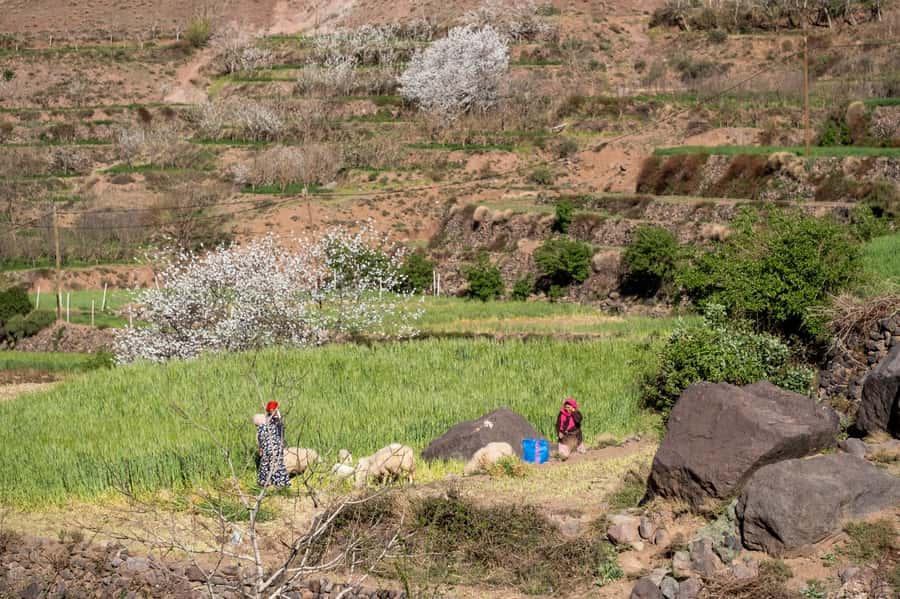
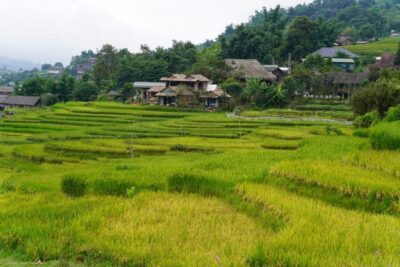
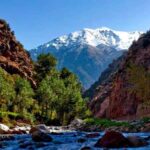
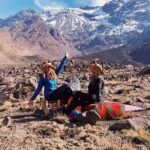
Reaching the summit viewpoint is the moment when the day turns into something memorable. From Adrar Talamrout, you get wide panoramas over the Imenane Valley and the Berber villages spread beneath you, including places like Amskere and Ikkiss.
Mount Toubkal is a standout feature in the viewing story. Even though it’s a much higher peak (4,167m), you can see it from the right angles on clear days. There’s something special about spotting a famous giant from a viewpoint that you earned on foot.
What I like most about this kind of mountain summit isn’t just the height. It’s the way you learn the geography by moving through it. You’re not just looking at a postcard. You’re seeing how valleys, villages, forest sections, and passes relate to each other.
Also, if weather cooperates, the silence can be a real treat. The Atlas can feel still when you’re above the day’s noise, especially after you’ve been walking in the trees.
What to Bring, and What to Rent in Imlil
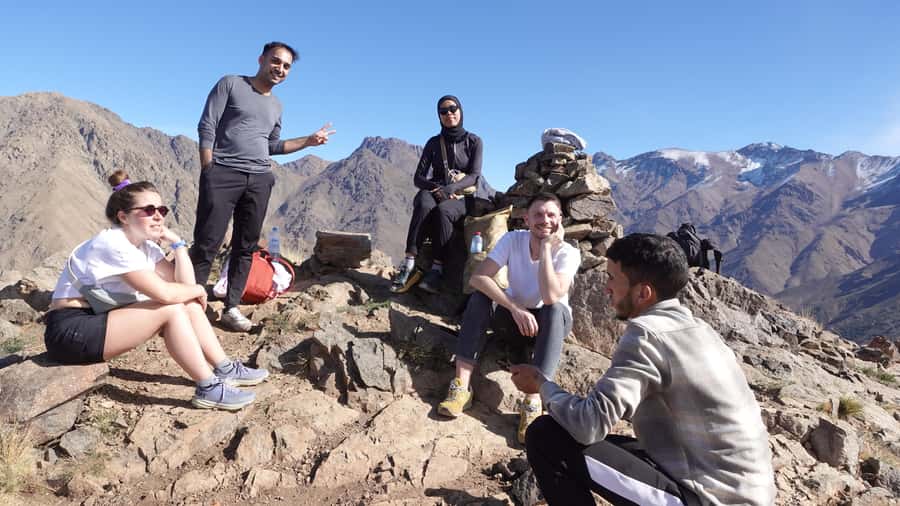
Do yourself a favor and start with shoes that grip. The tour notes hiking shoes with grips, and it also says footwear can be rented in Imlil village. If you’re unsure what to get, aim for ankle-supporting hiking shoes or boots with traction. Sneakers can work on dry ground for some people, but the slope and loose sections make supportive grip the safer choice.
Bring:
- Hiking shoes with grip
- Rain gear
- Sunglasses
- A daypack for layers and snacks
If you hike in winter, consider extra caution. Some days include ice or snow, and slipping becomes the main challenge rather than pure effort. In that case, you’ll want good boots and practical traction. Some hikers mention renting crampons when icy conditions hit, so if your dates are in colder months, plan around winter footing.
Food-wise, you’re getting lunch and mint tea, but it doesn’t hurt to carry a small snack. It can save you if you get hungry earlier than planned, especially during the steep sections.
Price, Value, and Who This Tour Suits Best
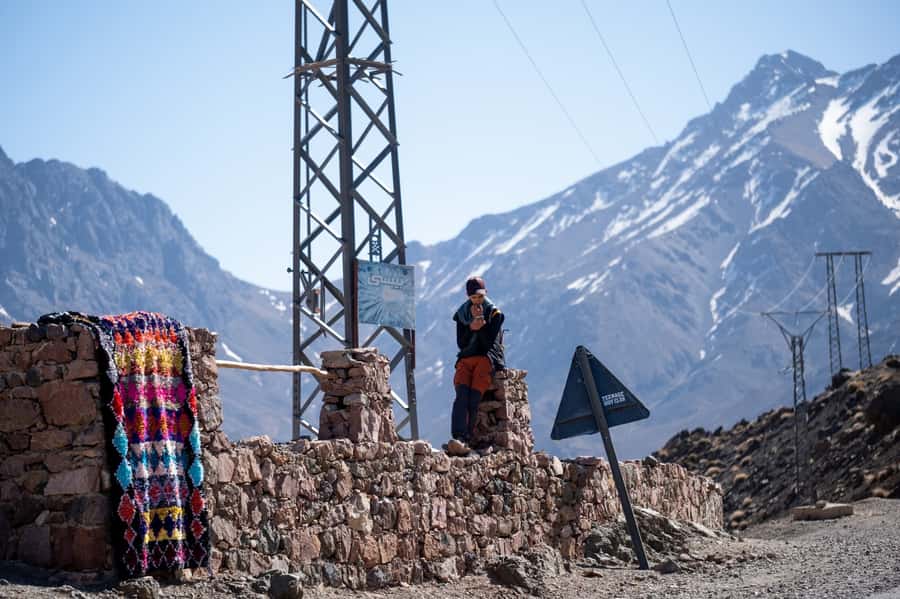
At $45 per person, you’re paying for more than a “guide.” You’re paying for a full day structure: hotel pickup and drop-off, air-conditioned transport, a local guide, and meals. That’s value when you consider how hard it is to assemble transport + guiding + food by yourself for a one-day schedule.
It’s also a smart choice if you want a manageable trek. The tour is described as moderate, with a total climb of almost 900m, and the typical route is around several hours of active hiking plus breaks. If you’re reasonably fit, this can be a great step into High Atlas trekking without committing to a multi-day trek.
Who this fits best:
- People who want a real hike with views, not just sightseeing
- Solo travelers or couples who like small-group mountain days
- Hikers who can handle steep moments and a tiring descent
Who should skip it:
- The tour isn’t suitable for pregnant women, people with back problems, or those with respiratory issues.
One logistics note: if your hotel is more than 30 minutes from the Medina area, an additional transportation fee may apply. If you’re outside central Marrakech, it’s worth planning for that possibility so there are no surprises.
Should You Book This Talamrout Summit Hike from Marrakesh?
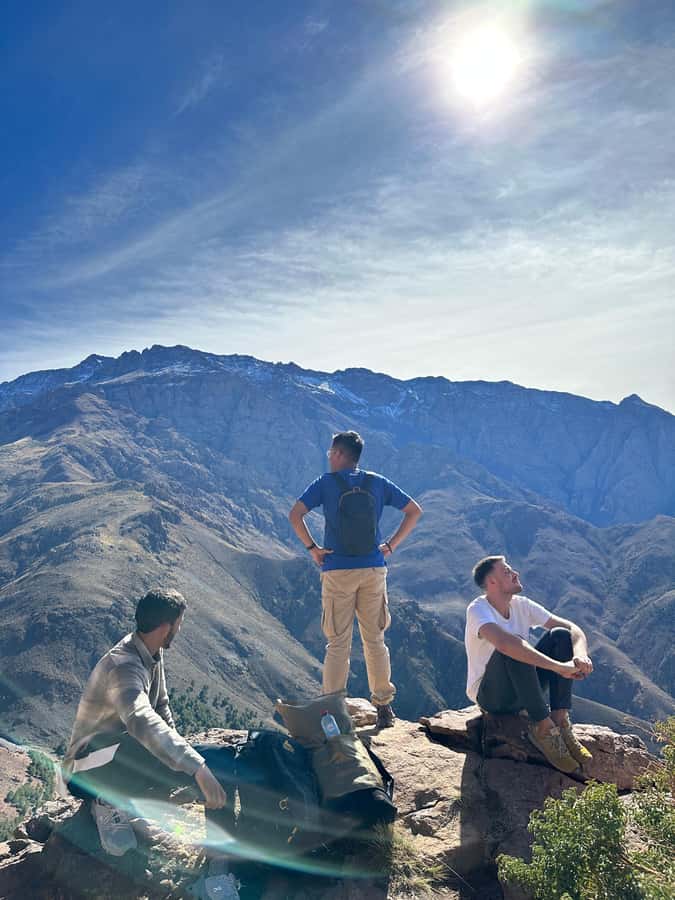
Book this if you want your Marrakech day to include actual walking, earned summit views, and mountain culture through Berber villages on the route. The combination of guide-led pacing, mint tea breaks, lunch, and a straightforward pickup/drop-off makes it a good value day trip for most people who are willing to put in steady effort.
Skip it (or choose a gentler option) if you know descending steep trails is where you struggle, or if you have any of the health limitations listed by the tour. And if you’re hiking in winter, bring traction seriously and expect a cold start, even when the sun later warms things up.
If you’re ready for a focused, scenic High Atlas day with the right kind of structure, Talamrout from Imlil is a strong choice.
FAQ
How much does the Marrakesh to Talamrout hike cost?
It costs $45 per person.
How long is the hike?
It’s a one-day experience with about 7 hours listed for the full program.
What’s included in the price?
You get a guide, hotel pickup and drop-off, air-conditioned car transportation, lunch, and Moroccan mint tea.
Is hiking equipment included?
No. Hiking equipment is not included, but hiking shoes can be rented in Imlil village.
What is the route like and how much climbing should I expect?
You start in Imlil (about 1,740m), climb to Tizi n’Tamatert pass (2,280m), and reach Adrar Talamrout summit (2,600m). The trek includes ascending and descending almost 900m in total.
Where does the tour pick me up and how do I know the exact time?
Pickup is from your Marrakesh location, and you’ll receive details about the pickup time via WhatsApp the day before.
What languages is the guide available in?
The live guide is available in English, French, and Spanish.
What should I bring for the hike?
Bring sunglasses, hiking shoes, rain gear, and a daypack.
Who is the hike not suitable for?
It is not suitable for pregnant women, people with back problems, or people with respiratory issues.