REVIEW · MARRAKESH
Marrakesh: Ourika Valley Tour & Secret Berber Lunch + Guide
Book on GetYourGuide →Operated by MOROCCO TRIP · Bookable on GetYourGuide
The Atlas cools you down fast. This Ourika Valley and Atlas Mountains tour pairs Berber home mint tea with women-run argan oil cooperative visits, then tops it off with a guided hike to Setti Fadma waterfalls. I also like how it’s built for real questions and real conversation, not just check-the-box photos. The main thing to consider is that pickup in/near the Medina can be confusing if you’re not watching for the WhatsApp details.
You’ll ride through the Houz Plains and the Atlas foothills, then spend time in the valley itself—either by hiking to the falls or by relaxing near the river if you prefer less walking. Small group size (up to 8) makes it easier to get your guide’s attention, and English-speaking guides like Mustapha and Hassan have been praised for keeping the day fun and moving the right way. If it’s a Monday, you may also get a trip to the weekly Berber market in Tnin Ourika.
In This Review
- Key highlights to know before you go
- Why this Ourika Valley day trip is worth your time from Marrakech
- The drive: Houz Plains and Atlas Mountains photo stops
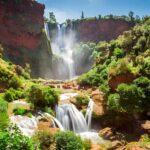
- Setti Fadma waterfalls: how the hike actually works
- Ourika Valley time: where lunch fits, and what to plan for
- Berber home visit: mint tea and bread that set the tone
- Women-run argan oil cooperative: practical insight and real value
- Tnin Ourika Berber market (Mondays): a colorful stop with structure
- Price, time, and group size: what $21 buys you
- Pickup and routing: the only part that can trip you up
- What to pack so you’re comfortable on hike + tea + river time
- Should you book this Ourika Valley and Berber Lunch tour?
- FAQ
- How long is the Marrakesh Ourika Valley tour?
- Is hotel pickup and drop-off included?
- What’s the group size?
- Do I have to hike to the waterfalls?
- Which waterfall area does the tour focus on?
- Is lunch included in the price?
- Do we visit an argan oil place?
- Is there a market stop?
- What languages are available with the guide?
- Is the tour suitable for mobility impairments?
Key highlights to know before you go
- Setti Fadma waterfalls with a tailored route: choose an easier walk or push for the more waterfall-focused path
- Mint tea and bread in a Berber home: a home visit moment that feels personal, not staged
- Women-run argan oil cooperative: see how production works and buy authentic products
- Photo stops with scenic timing: enough pauses to shoot without feeling rushed
- Ourika Valley time for lunch or a picnic: you decide how you want to eat and rest
- Tnin Ourika Berber market on Mondays: a local rhythm stop when timing lines up
Why this Ourika Valley day trip is worth your time from Marrakech
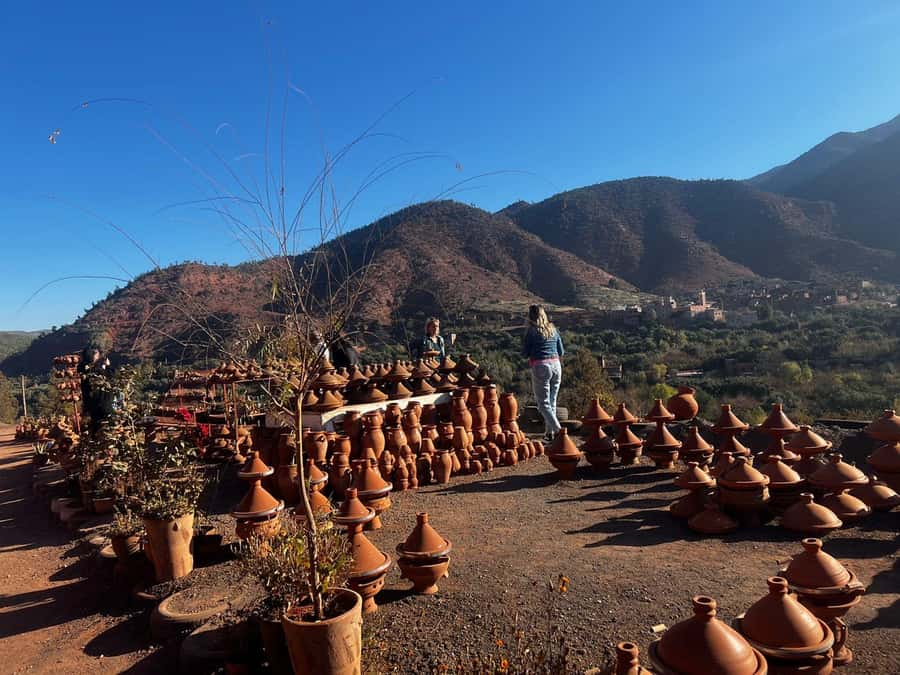
If you’re basing yourself in Marrakech, you need one day that pulls you out of the city’s noise. This is that day. You trade medina alleys for mountain air, river views, and a hike that leads to real payoff: Setti Fadma waterfalls.
What I like most is the balance. You get culture first (a Berber home for mint tea and bread, plus a women-run argan oil cooperative), then nature (the hike and waterfall viewpoints). That mix matters because it keeps the day from turning into a single-note sightseeing loop. Even the praised guides on past departures—names like Omar, Baadi, Mustapha, Hassan—are known for steering you toward viewpoints rather than just moving you from one stop to the next.
The other big win is the structure for different energy levels. The guided hike is designed to be accessible, and if you really don’t want to hike, your guide can point you to a comfortable spot near the river while the group heads to the falls. That flexibility is rare on day trips that claim they’re “for everyone.”
You can also read our reviews of more tours and experiences in Marrakesh.
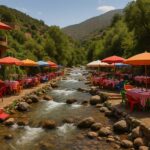
The drive: Houz Plains and Atlas Mountains photo stops
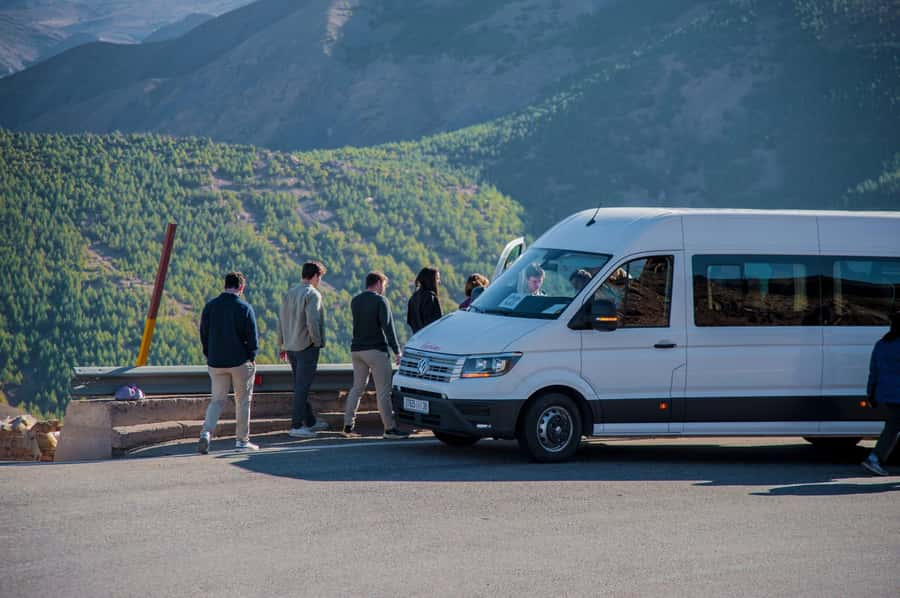
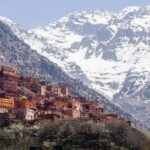
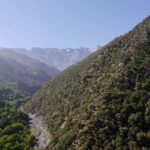
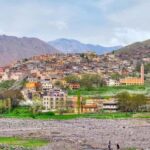
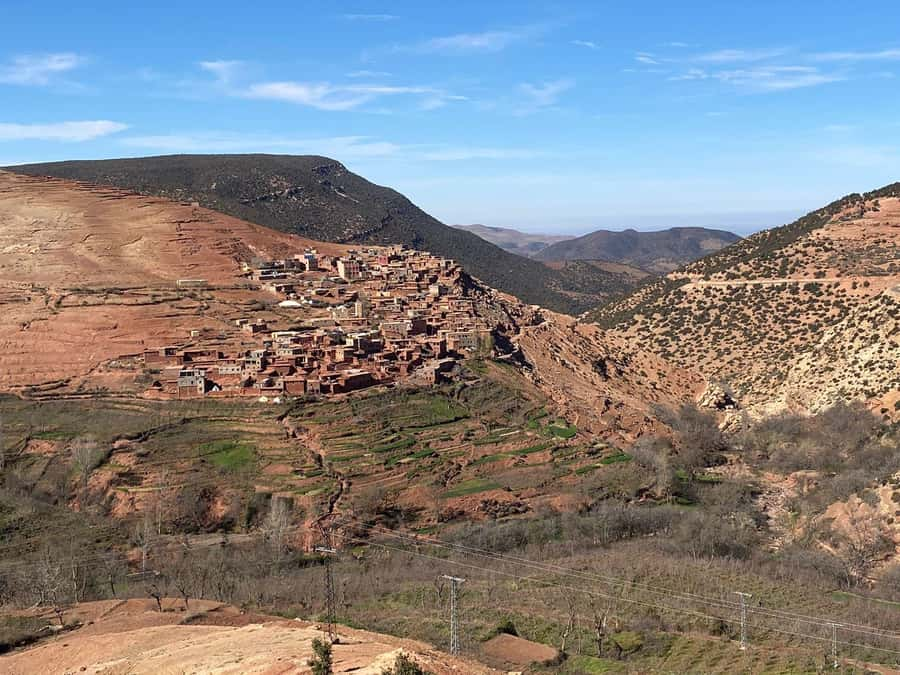
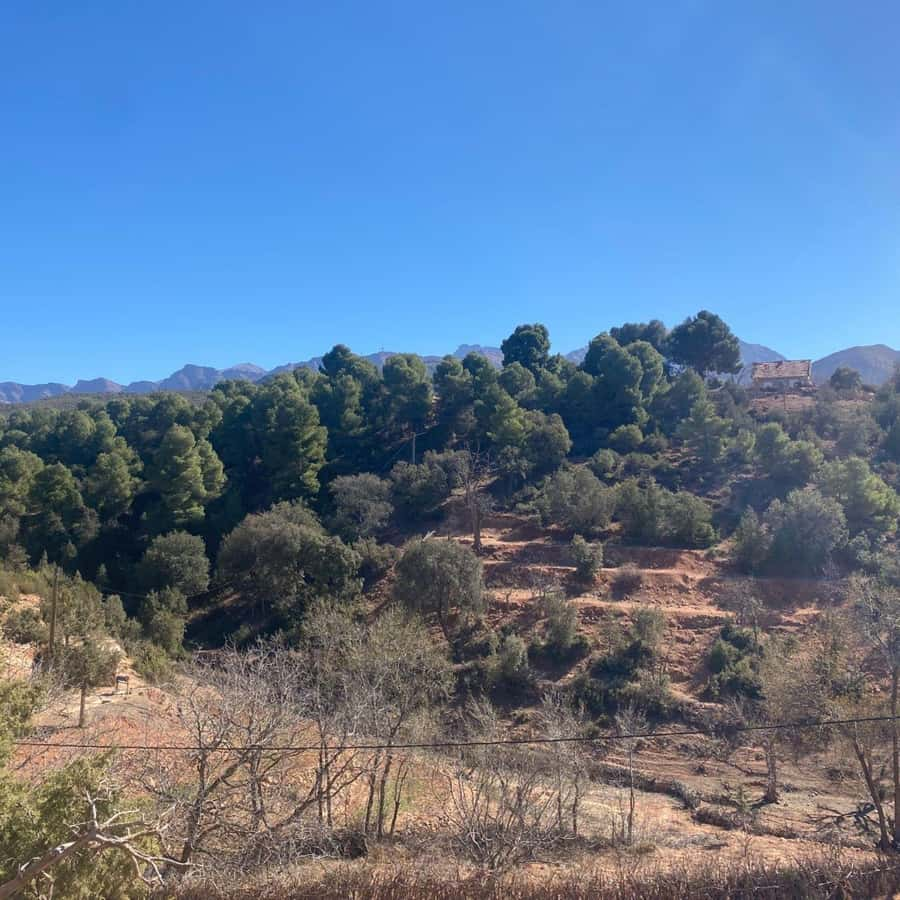
The day starts with pickup in Marrakech (door-to-door within the city, with a car-accessible meeting point if you’re in the pedestrian Medina). Then you’re in a vehicle headed toward the Houz Plains and the Atlas Mountains foothills. Expect a mix of scenery and short, planned photo stops—enough time to grab the shots, not so much that you feel stuck in traffic.
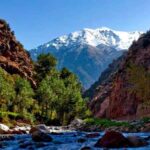
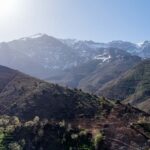
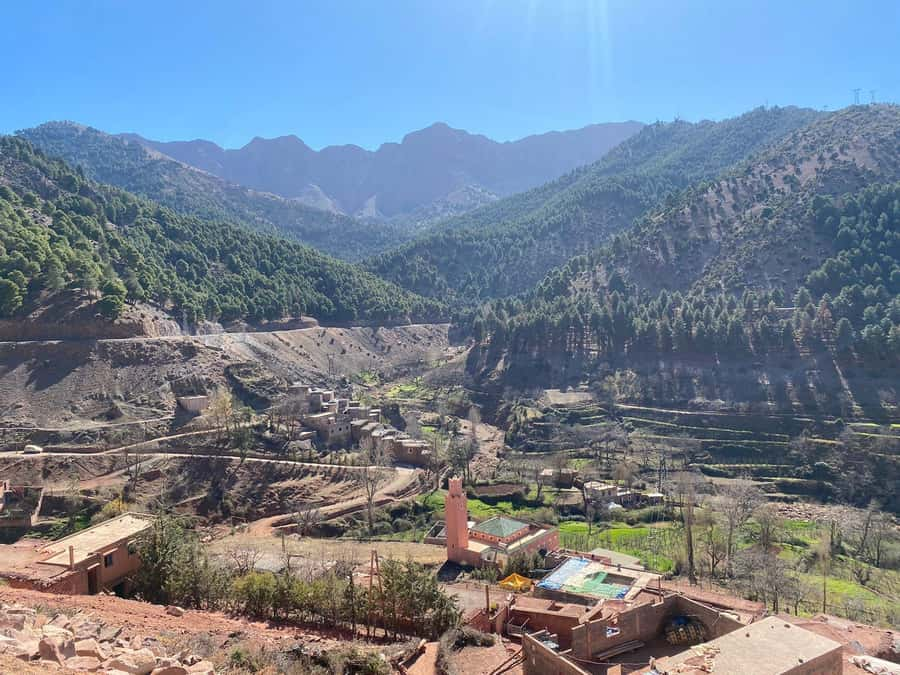
This matters because the drive is part of the experience. Even before you reach the waterfalls, you’re watching the terrain change: from city outskirts to valley edges and rising mountain slopes. The scenic photo-stop timing is also why people often come away saying the trip felt smooth and not exhausting.
One practical note: your driver/guide is English-speaking (and also French, Spanish, and Arabic), so you can ask about what you’re seeing—plants, route choices, and what to expect once you reach the valley.
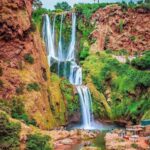
Setti Fadma waterfalls: how the hike actually works
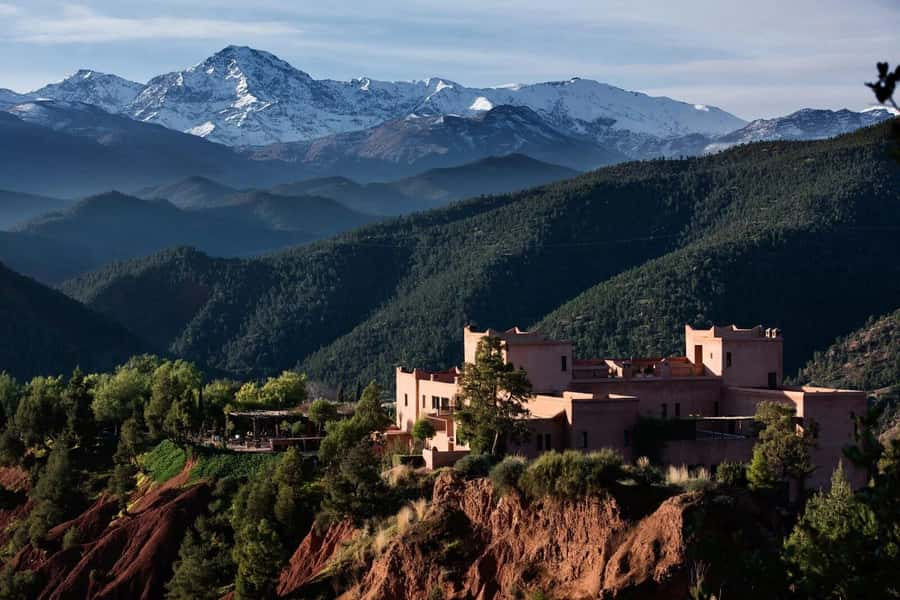
Setti Fadma is the heart of the outing. This is where your guided trek turns into the reason people book this specific day.
You’ll have time for sightseeing on the way, then the guided tour portion for hiking and viewpoints. The key detail is that the route can be tailored to your preference and fitness level. That means you’re not stuck with one long, punishing walk if you’re just there for a half-day of mountain air and a waterfall photo.
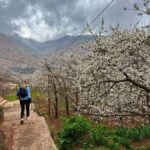
If you choose the easier option, you’ll still get scenery and waterfall views without the full effort. If you’re up for more, you’ll follow paths that bring you closer to where the water drops down the Atlas slopes. Either way, your guide will talk you through what you’re seeing—plants and wildlife observations are part of the experience—so the hike feels like a guided walk, not a random climb.
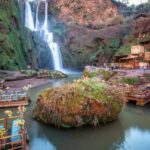
The payoff is simple: you’re walking through the Ourika Valley foothills and ending at a place that looks like it belongs in a postcard. The guidance quality matters here. In past days, people have specifically praised a guide like Hassan for leading them to waterfalls with great panoramas, and you can feel how that affects your overall enjoyment.
Ourika Valley time: where lunch fits, and what to plan for
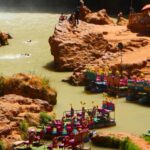
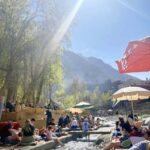
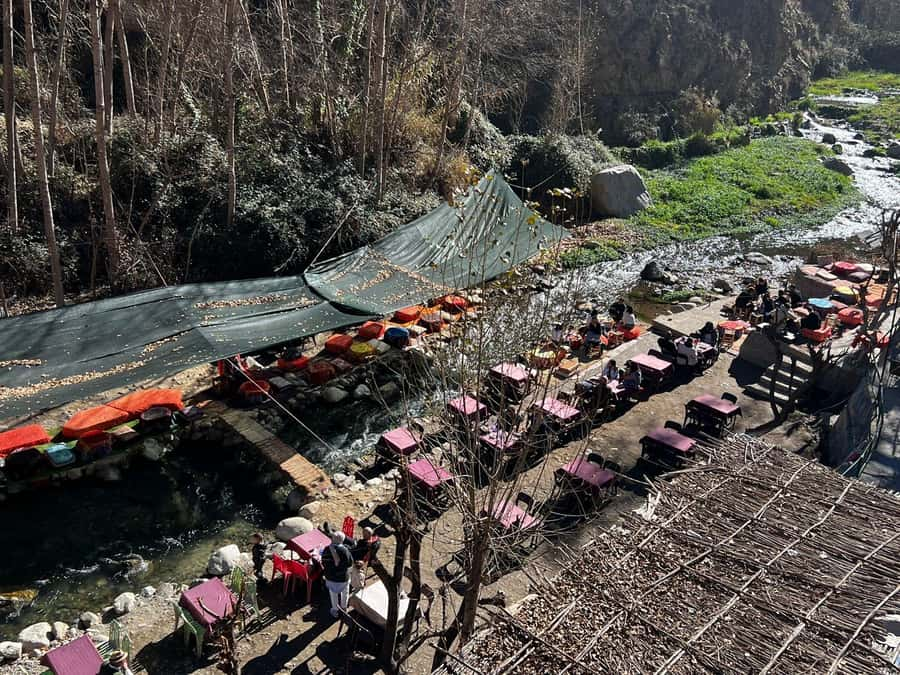
Once you reach the Ourika Valley area, you get a break and a longer chunk of time set aside. This is where your day becomes less about marching and more about breathing.
You’ll have time for photos, then a lunch window. Lunch itself is not included in the price, so you’ll be paying for what you choose. Your guide can help with the decision between a local restaurant meal or a picnic-style setup if that fits your mood. Either option is a good way to experience the valley at a slower pace.
Here’s how I’d think about lunch timing for your own comfort:
- If you want less walking after the hike, pick a restaurant near where you’re dropped off and let the day wind down.
- If you want the scenic moment, ask what picnic setup looks like in that exact area and plan to linger.
Also, remember it can feel cool in the mountains compared to Marrakech—but it can still be warm depending on the season. Pack for temperature swings so you’re not stuck trading comfort for photos.
Berber home visit: mint tea and bread that set the tone
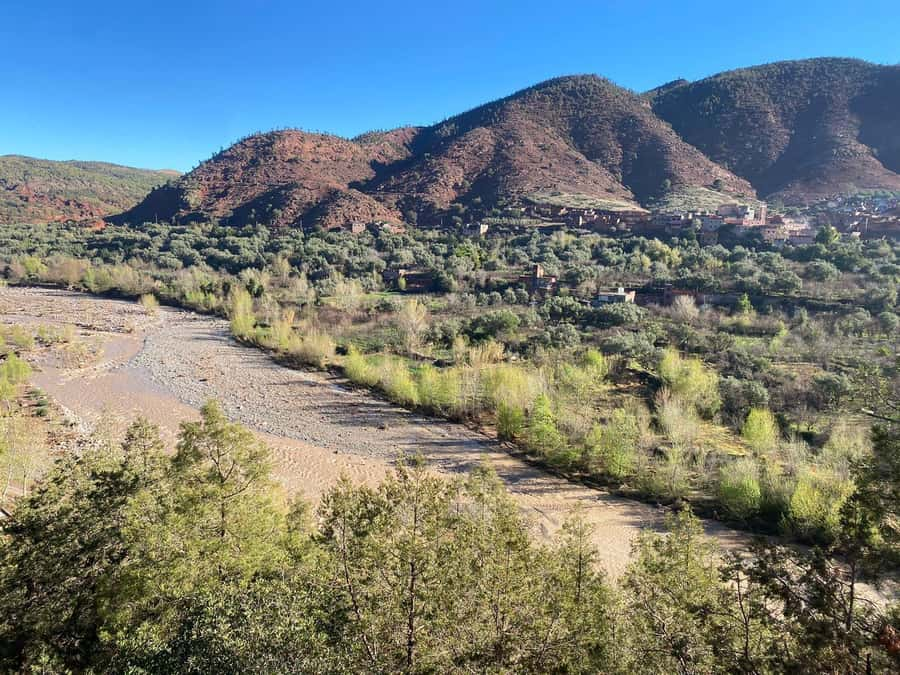
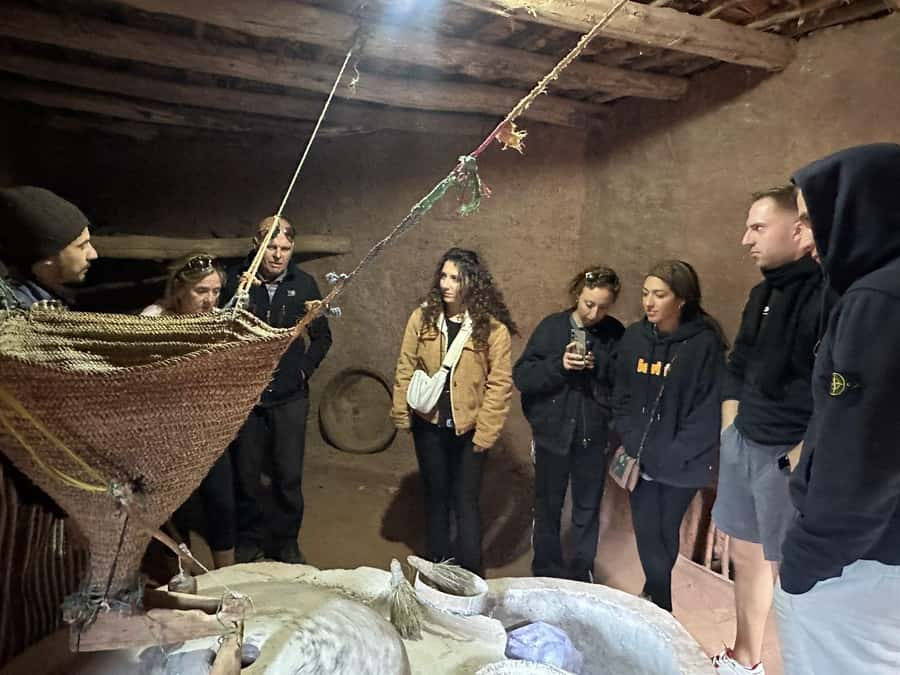
One of the most memorable parts of this tour is the Berber home visit. You’re not just taking a quick look from the outside. You step inside for mint tea and local bread, and the moment is set up to feel like an actual welcome.
This is where the day gains warmth. People often expect “culture” to mean a quick stop. Instead, this is more like a small pause where you see daily hospitality in action. It’s also a moment that fits perfectly between travel and hiking. Tea first helps everyone reset, and bread gives you that grounded feeling that the day isn’t only about views.
You’ll likely be offered tea more than once—this has come up in feedback from past departures—and that extra serving says something: the host is giving you time, not rushing you out for the next group photo.
Women-run argan oil cooperative: practical insight and real value
Argan oil is famous, but the practical question is always the same: how does it actually happen? That’s where this tour earns its keep.
You’ll visit a women-run argan oil cooperative, learn how the production works, and understand why argan oil is culturally important. The process is the point, not just the branding. You’ll have the chance to support the community directly by purchasing authentic products.
This stop is also one of the clearest “value” moments. Your day trip price covers the cooperative visit and guided elements, while lunch is separate. So you’re spending your money in the places where the experience is hands-on and tied to real work.
A small tip: if you’re going to buy argan oil or related products, ask what you’re buying and how it’s used. Even basic questions can help you avoid the generic stuff and focus on what the cooperative is known for.
Tnin Ourika Berber market (Mondays): a colorful stop with structure
If your travel timing lands on a Monday, you may get a visit to the weekly Berber market in Tnin Ourika. Markets are never just about shopping. They’re about rhythm—how people meet, buy, and trade in a place that’s part of everyday life.
This stop works best if you approach it like an observation mission: look for how goods are arranged, watch how people choose produce and other items, and try to notice the small details of local daily needs. Even if you don’t buy much, the market gives your day a different texture than the waterfall hike.
If you do want to shop, keep it simple. You don’t want souvenirs to slow your schedule too much, especially on a 7-hour day trip where you still need time to enjoy the valley and finish comfortably back in Marrakech.
Price, time, and group size: what $21 buys you
At about $21 per person for a 7-hour outing, you’re getting a lot of the expensive parts bundled together: transportation in an air-conditioned vehicle, hotel pickup and drop-off within Marrakech, a guide, the Berber home visit, the guided hike, and the women-run argan oil cooperative stop.
Lunch is not included, and that’s normal for Morocco day trips. But it also means you have control over what you eat and where. If you want the simplest plan, choose something quick and sit close to the river afterward.
The small group size (limited to 8) is a quiet advantage. It helps the guide manage pace on the hike and gives you more room to ask questions in the tea house or during the argan oil visit. On a full-day trip, that can make a big difference between feeling like you’re in a crowd and feeling like you’re actually participating.
Pickup and routing: the only part that can trip you up
Here’s the one drawback area I’d pay attention to. Pickup is door-to-door within Marrakech, but if you’re staying in the pedestrian Medina, you meet at the nearest car-accessible point. You also receive your exact pickup time via WhatsApp by 8:30 PM the night before.
That’s usually fine, but it’s the type of detail that can go wrong if you assume the meeting point is exactly your accommodation name every time. One issue that came up in past feedback was a misleading pickup-text setup that led people to be late and keep the group waiting.
So do this instead:
- Confirm the WhatsApp message the night before.
- Double-check the meeting point instructions in plain language, not just the accommodation name.
- Be ready to leave early from the Medina side if you’re walking out to where the car can reach.
Also note that the tour is not suitable for people with mobility impairments. The hike component and uneven paths are part of the experience, so plan accordingly.
What to pack so you’re comfortable on hike + tea + river time
This is one of those days where the packing list is short, but it matters:
- Comfortable shoes with grip
- Sunglasses (valley light can be strong)
- Warm clothing in case the mountain air feels cooler than Marrakech
- Camera (you’ll want it for both viewpoints and the river area)
- Passport or ID card
- Any personal medication you need
A quick reality check: even though the hike is designed to be manageable for most fitness levels, you’ll still be walking on trails. Good shoes are non-negotiable.
Should you book this Ourika Valley and Berber Lunch tour?
Book it if you want a full day that blends mountain waterfalls, a Berber home tea welcome, and a practical look at women-run argan oil production—all for a price that’s hard to match on a single-day outing from Marrakech. The small group size and the option to tailor the hike (or take a break near the river) are especially strong if you’re traveling with mixed fitness levels.
Skip or consider another option if you’re expecting a totally no-walking day, or if you need mobility accessibility. Also, if you’re in the Medina, take pickup instructions seriously. The tour is great when you start on time and keep your meeting point clear.
FAQ
How long is the Marrakesh Ourika Valley tour?
The tour runs for 7 hours.
Is hotel pickup and drop-off included?
Yes. Pickup and drop-off are included within Marrakech, with pickup at the nearest car-accessible point if your accommodation is in the pedestrian Medina.
What’s the group size?
It’s a small group limited to 8 participants.
Do I have to hike to the waterfalls?
No. The guided hike is designed to be enjoyable for most fitness levels, and if you don’t want to hike, the guide can help you find a comfortable restaurant near the river while the rest of the group goes.
Which waterfall area does the tour focus on?
The tour includes a guided hike to the waterfalls and viewpoints around Setti Fadma.
Is lunch included in the price?
Lunch is not included. You’ll have time for lunch during the day, and you can choose options like a local restaurant or a picnic setup.
Do we visit an argan oil place?
Yes. You’ll visit a women-run Argan oil cooperative and learn about how argan oil is made.
Is there a market stop?
If the timing lines up, there is a weekly Berber market visit in Tnin Ourika on Mondays.
What languages are available with the guide?
The live guide is available in English, French, Spanish, and Arabic.
Is the tour suitable for mobility impairments?
No. It is not suitable for people with mobility impairments.