REVIEW · MARRAKESH
From Marrakech: Atlas Mountains Full-Day Hiking Trip w Lunch
Book on GetYourGuide →Operated by Tours From Marrakech · Bookable on GetYourGuide
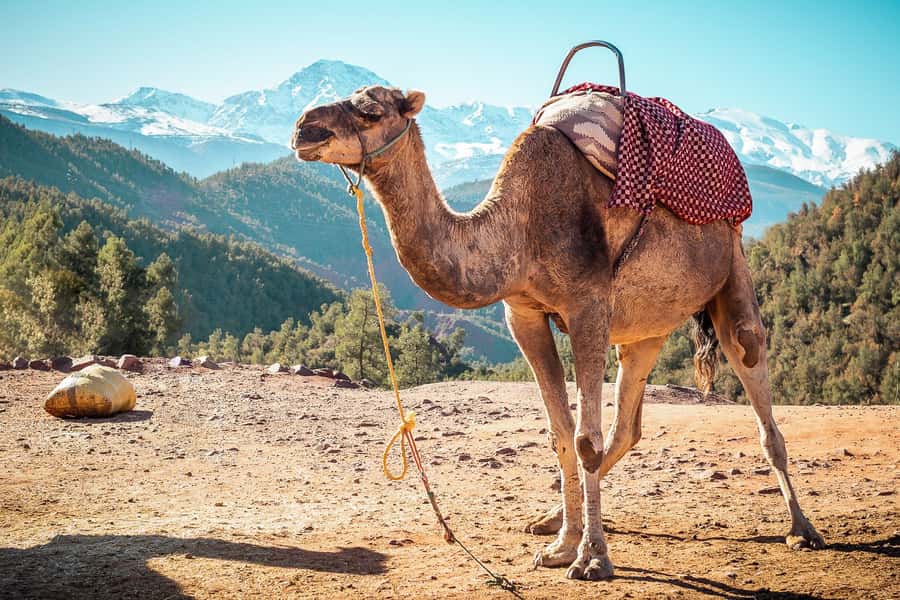
You start on a camel before the mountain trail. This full-day High Atlas trek from Marrakech threads Berber villages with Imlil Valley scenery and finishes with Berber lunch in a family home.
I love how the hike is moderate (about 2 to 3 hours on foot) and still feels like a real mountain day. I also like the included mint tea breaks and the way the guide explains what you’re seeing, from village routines to orchards in the valley.
One consideration: in winter you can get cold, slick conditions—sometimes even snow or rain—and the plan may shorten for safety. It’s also not suitable if you have heart problems.
In This Review
- Key things to know before you go
- Marrakech to the Atlas: a day built for contrast
- Agafay camel ride and the Moulay Brahim photo stop
- Imlil: tea, views, and that first sense of the valley
- The 2–3 hour High Atlas hike: moderate, not flat
- Villages, orchards, and real Berber home lunch
- How the guides shape the whole experience
- Price check: why $26 can be a bargain (if it matches your style)
- What to bring so the day stays comfortable
- Who should book this High Atlas day trek
- Should you book this Atlas Mountains Full-Day Hiking Trip with Lunch?
- FAQ
- How long is the hiking portion?
- Is the camel ride included, and is it required?
- What’s included in the tour price?
- When do I get picked up in Marrakech?
- Can I get vegetarian food?
- Does the tour accommodate weather changes?
- Is this tour suitable for people with heart problems?
Key things to know before you go
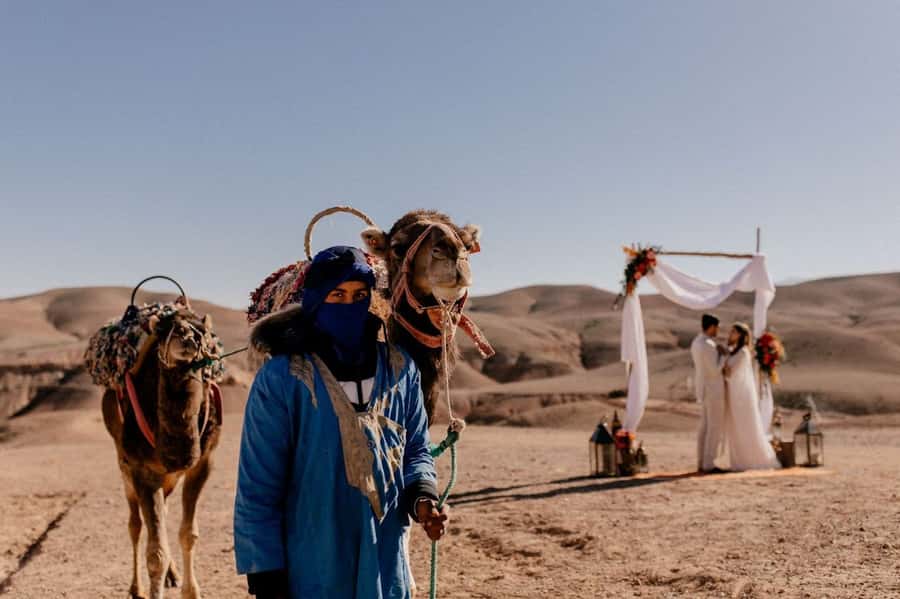
- Camel ride is optional, about 20–25 minutes, with Berber clothes provided for photos
- 2.5 hours of hiking on uneven, uphill-and-downhill trails (sturdy shoes matter)
- Homemade lunch in a family home is a major highlight, with vegetarian options if you tell them in advance
- A lot of photo stops (Agafay area, Moulay Brahim, Imlil) keep the day scenic without rushing
- Winter weather can change the route, and the guide adjusts on the spot
- Pickup is from Marrakech (around 8:20–9:00 AM) with return to the city around 5:00–6:00 PM
Marrakech to the Atlas: a day built for contrast
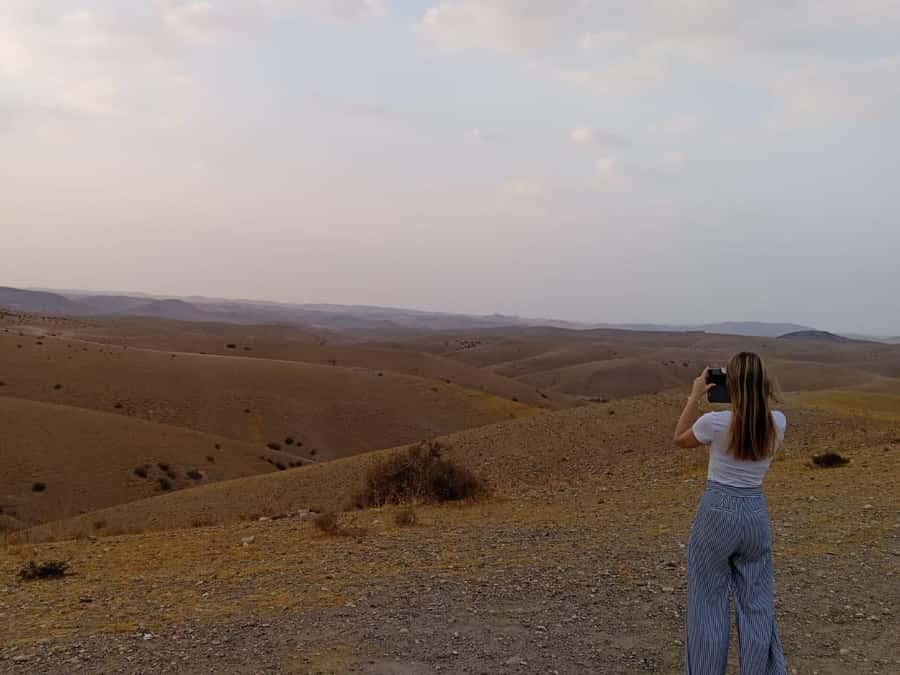
This trip is really good at one thing: it changes your world fast. You’ll get picked up in Marrakech in the morning and drive out toward the High Atlas. After about 80 minutes in the van, you reach a stop near the Agafay area for a break and a camel ride.
What I like here is the rhythm. You’re not thrown straight onto steep trails. You get a short warm-up with views, time to settle in, and mint tea, then you build toward the real hiking part later.
In my mind, that matters because your legs (and mood) are ready when you hit the trail. It also makes the day feel like more than just transportation from point A to point B.
You can also read our reviews of more tours and experiences in Marrakesh.
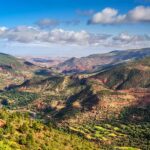

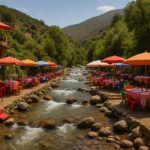
Agafay camel ride and the Moulay Brahim photo stop
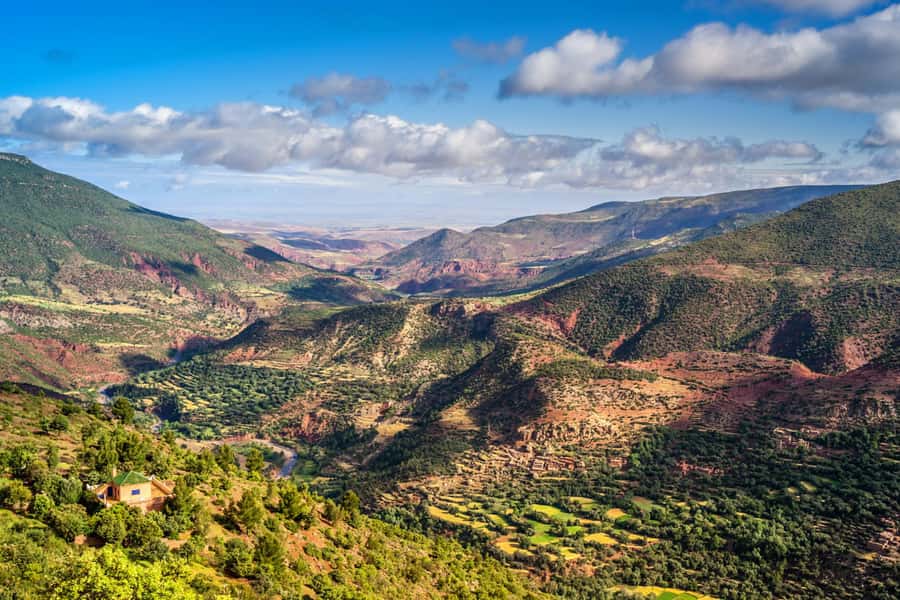
The camel ride is offered as part of the day, but it’s still treated as optional. Expect it to last roughly 20–25 minutes, even if the wider stop is longer. Berber clothes are provided, so you can get the kind of photos that look staged back home but feel very “you’re here” on location.
After that, there’s a short photo stop at Moulay Brahim. It’s only about 15 minutes, so don’t expect a long break. Think of it as a scenic checkpoint—just enough time to orient yourself visually before the drive continues toward Imlil.
This stretch is also where you’ll start noticing the way the region is structured: villages, orchards, and mountain slopes all packed into view. Even the short stops help you connect the dots before you start walking.
Imlil: tea, views, and that first sense of the valley
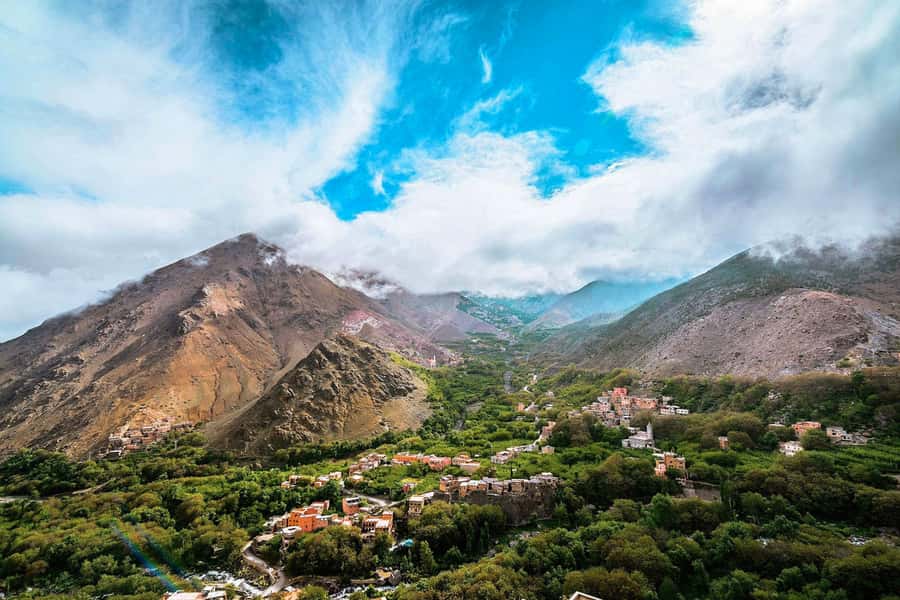
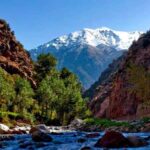
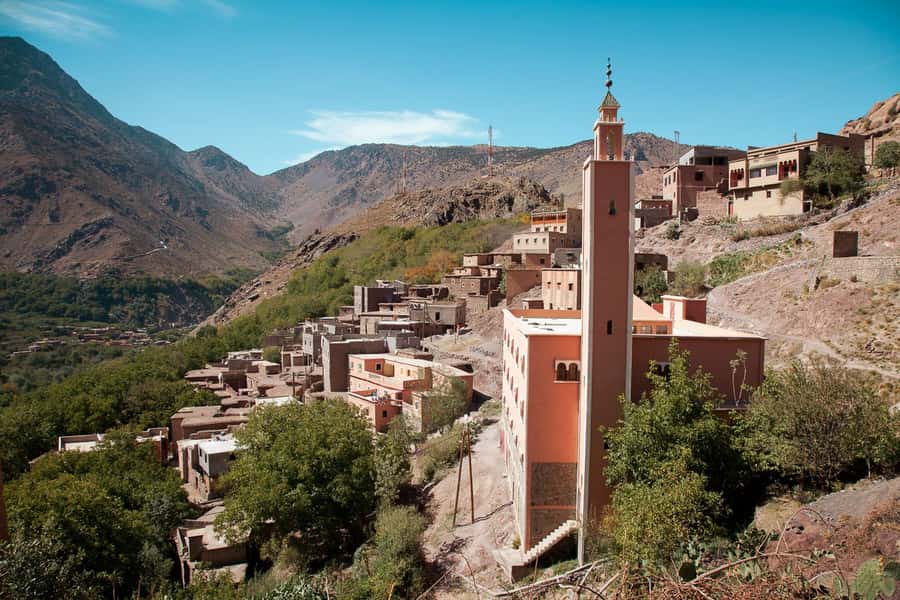
Once you reach Imlil, you’ll get a photo stop and a short visit (around 30 minutes). This is one of those moments where Imlil feels like a hub: you see the valley approach, you get your first close-up views of mountain walls, and you can start picturing where your hike will take you.
Then comes tea time. Mint tea is included, and you’ll also hear about what life is like in the surrounding Berber communities. The guides on these trips tend to explain the “why” behind what you see—how orchards fit into daily life, and how villages function in the mountains—so you’re not just collecting photos. You’re learning how the scenery is used.
The tea break also helps with energy. It’s not a huge meal break, but it’s a practical reset before your walking portion.
The 2–3 hour High Atlas hike: moderate, not flat
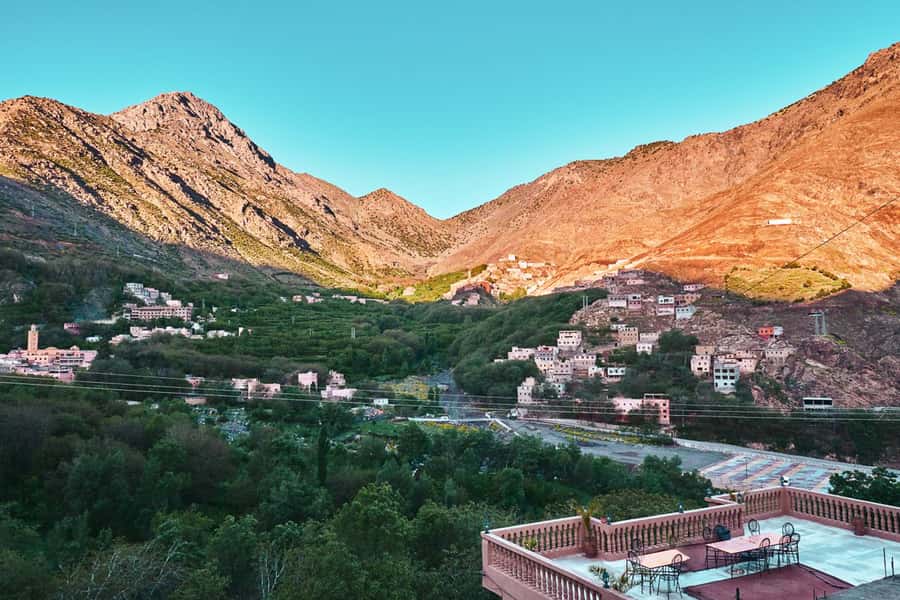
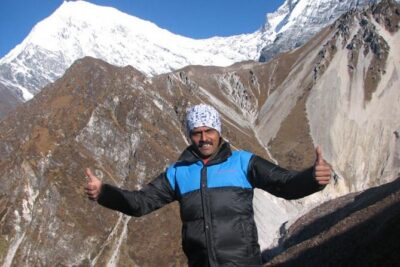
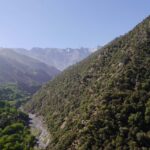
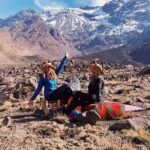
This is the heart of the day. The hiking portion is roughly 2.5 hours, and it’s described as moderate. That word matters, so here’s the honest translation: you’re not doing technical climbs, but you are walking on uneven ground with ups and downs.
You should plan for:
- uphill stretches and downhill sections
- uneven rocky terrain
- uneven steps where shoes make a real difference
In winter, this can get slick. Some guides have to pivot when snow or rain rolls in, and safety comes first. If you’re traveling in colder months, bring layers and plan for the possibility of ice or snow in the higher areas. A participant can end up walking less than planned if conditions demand it, but the day usually still includes meaningful village time and extra stops.
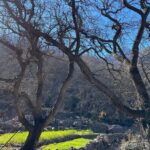
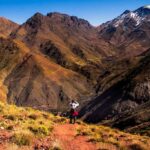
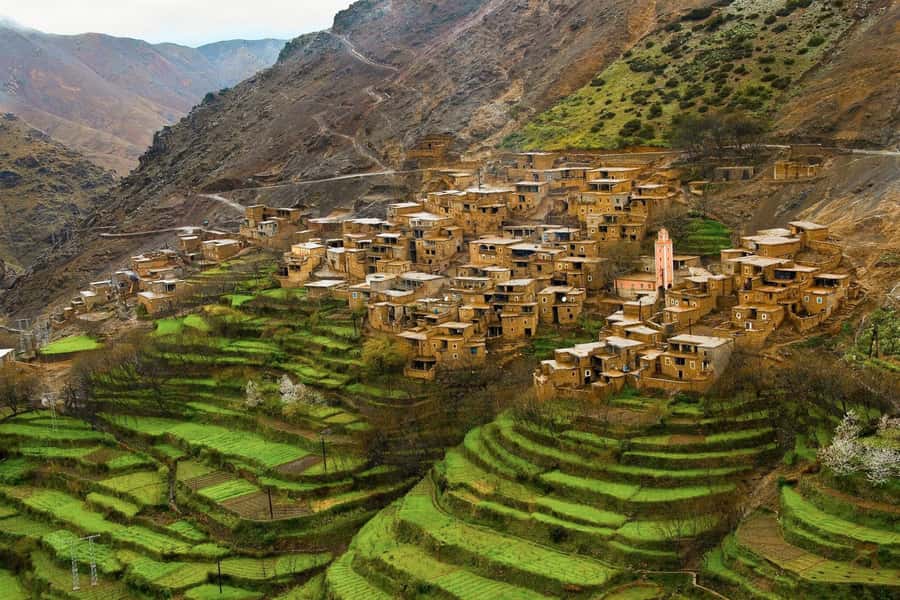
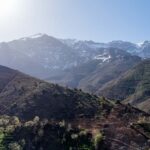
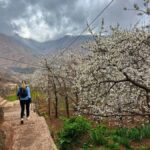
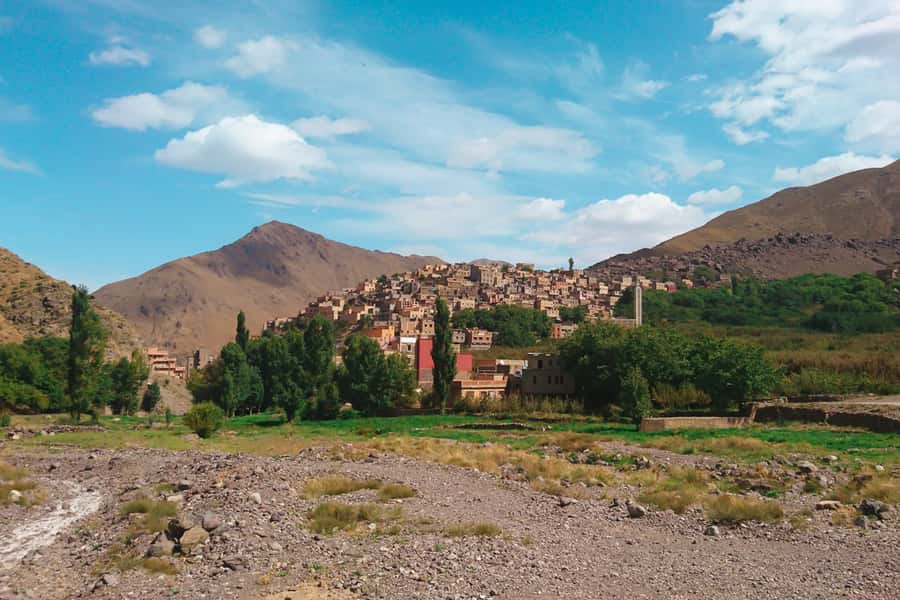
The good news? You get the kind of views you only see after you walk a bit. The route takes you past terraced valleys and toward areas known for fruit orchards, including Tamatert, where walnut, apple, and cherry trees are part of the scenery.
For me, the biggest value of this hike is that it’s long enough to feel like effort, but flexible enough to stay enjoyable. The guide also tends to keep the group together and adjust pace so nobody gets left behind.
Villages, orchards, and real Berber home lunch
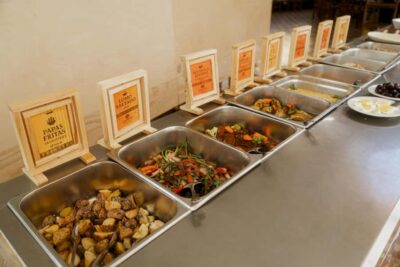
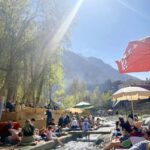
One of the strongest reasons to book this tour is the lunch plan. It’s served in a traditional Berber home, prepared fresh by a local family. You’re not just eating somewhere scenic; you’re eating as part of how the day works for local people.
Before lunch, you’ll pass through villages in the region—often including areas around Ait Mizan, Targa, Imoula, and Ait Souka (names can vary slightly depending on the exact route and conditions). You may also pass through places like Asni and Moulay Brahim, depending on the day’s flow.
The orchard part is another big win. The walking and stops are set up so you see how the valley supports everyday life, not just dramatic peaks. Tamatert is specifically noted for fruit trees—walnuts, apples, and cherries—growing against cliffy backdrops. Even if you don’t go deep into farming, you’ll understand how agriculture shapes the landscape and the villages that live around it.
Lunch itself is the payoff:
- traditional Berber food served at a family home
- mint tea included as part of the day’s rhythm
- vegetarian options available if you notify the operator in advance
Some departures also include extra stops connected to local products, like an argan oil making center. If your day includes this, you’ll get a chance to see how oil is produced and learn what it means economically for families in the area. One review noted an especially “be mindful” moment around cooperative pricing—so if you’re shopping for souvenirs, set a budget and don’t feel rushed.
How the guides shape the whole experience
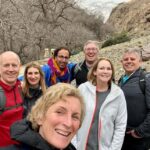
The guide is a big deal on this kind of trip. Here, you’re walking in a place where nobody should feel lost or unsafe. Multiple guides have been praised for being attentive and for explaining what you’re seeing in a way that makes the day feel personal.
You might travel with guides like Lahcen, Oussama, Ali, Amina, or Mahmoud. While names vary by departure, the pattern stays similar: the guide shares cultural context, keeps an eye on everyone’s comfort, and uses the stops to make the day educational without turning it into a lecture.
Language support is also a practical benefit. The tour lists many possible languages, including English, French, Spanish, Arabic, and several others. Even when your language preference isn’t your first one, the guide should be able to communicate clearly.
Also: guides handle weather changes. When snow shows up, they can adjust the route and still give you a good day. You may not always get the full hike, but you’re usually not left with a “we did nothing” experience.
Price check: why $26 can be a bargain (if it matches your style)
At $26 per person for a 9-hour day, the math looks surprisingly good. You’re paying for:
- hotel pickup and drop-off
- roundtrip transportation from Marrakech
- a guide
- lunch (prepared by a local family)
- mint tea
- camel ride
Even if you compare just the included lunch and transportation cost versus booking those separately, the structure is already strong value. And the hike length makes the day feel “earned.” You’re not spending 9 hours on a bus with one short walk. You get multiple scenic stops plus around 2.5 hours of hiking time.
The trade-off is that you’re sharing the day with the realities of a group schedule and mountain weather. If you want zero risk of schedule changes, or you want a very self-paced hike with no cultural stops, this might not be your best fit.
But if you want a full Atlas day with real village contact and food that’s actually part of the trip, this price feels fair and often excellent.
What to bring so the day stays comfortable
You don’t need fancy gear, but you do need the right basics. Bring:
- comfortable hiking shoes or trainers
- layers (morning can feel cool, and the mountains can surprise you)
- sunscreen, hat, sunglasses
- camera or phone
If you’re going in winter, treat this as a “mountain conditions” day, not a casual stroll. Even when the tour is described as moderate, uneven terrain and cold air can make walking feel harder than the trail looks on a map.
Also think about your lunch appetite. One small note from the day’s flow: lunch happens after the hiking and mountain stretch, so plan to be ready to eat when it’s served, especially if you’re walking in colder air.
Who should book this High Atlas day trek
This trip is a great fit if you:
- want a guided day that mixes walking + village life + lunch
- enjoy moderate hiking with plenty of stops for photos
- like learning about Amazigh/Berber culture through daily routines, not museum-style facts
- want a day away from Marrakech that still feels grounded in real communities
It may not be ideal if you:
- have heart problems
- want a long, isolated trek with no stops
- struggle with uneven uphill-and-downhill walking
Should you book this Atlas Mountains Full-Day Hiking Trip with Lunch?
I’d book it if your goal is a true day out of Marrakech that combines hiking, village interaction, and a proper home-cooked lunch. The value is strong, the day is well-paced, and the guides seem to take care of the group—especially when weather shifts.
Skip it if you need a guaranteed hike length in winter or if uneven terrain is a dealbreaker for you. Otherwise, this is one of those trips where your best memories likely come from the simple parts: tea, the walk between villages, the orchards you pass, and eating with a family when the day’s effort has finally caught up to you.
FAQ
How long is the hiking portion?
The hike is about 2.5 hours, and the overall walking is described as a moderate 2–3 hour effort.
Is the camel ride included, and is it required?
The camel ride is included, but it’s optional. It lasts about 20–25 minutes.
What’s included in the tour price?
You get hotel pickup and drop-off, roundtrip transportation, a guide, lunch, camel ride, and mint tea.
When do I get picked up in Marrakech?
Pickup is around 8:20–9:00 AM, and you return to Marrakech around 5:00–6:00 PM.
Can I get vegetarian food?
Vegetarian options are available. Let the operator know in advance about dietary needs or allergies.
Does the tour accommodate weather changes?
The route can change based on conditions, including shortening or adjusting the walking for safety.
Is this tour suitable for people with heart problems?
No. The tour is not suitable for people with heart problems.