REVIEW · MARRAKESH
From Marrakech: Atlas Mountains 4-Day Hike with Hotels
Book on GetYourGuide →Operated by Marrakech Day Trips - Tours · Bookable on GetYourGuide
One four-day walk in Morocco can change your pace. This trek from Marrakech into the High Atlas sends you through Berber villages and green valleys, then up toward mountain passes with serious views. I like how it mixes hiking with real, lived-in culture, not just scenery postcards.
My favorite part is the way you’re looked after: pickup from Marrakech, a guide who explains Amazigh life along the way, and all meals plus luggage carried by mule. The one thing to think about is that the hiking can be physically demanding and sometimes slippery, especially on loose rocks—so you’ll want solid footwear and a realistic fitness level.
In This Review
- Key Things You’ll Notice on This High Atlas Hike
- Why This Imlil-Based 4-Day Trek Feels Like Real Morocco
- Day 1: Marrakech Transfer to Imlil and the Imnane Valley Start
- Day 2: From Tachdirt to Imi Oughlad Through Berber Villages
- Day 3: Azzaden and the Red Valley Day to Tizi Oussem
- Day 4: Juniper Forest Return, Lunch at Tizi Mezik, Then Back to Marrakech
- The Real Value: Mule Luggage, All Meals, and a Cook Who Follows the Route
- Guesthouses, Blankets, and the Truth About Mountain Nights
- Fitness Level: How Hard Is It, Really?
- Guides, Teamwork, and the Names You Might Hear Along the Way
- Price and Value: Is $176 Fair for a 4-Day Atlas Trek?
- Who Should Book This Hike (and Who Should Skip It)
- Should You Book This Atlas Mountains 4-Day Hike?
- FAQ
- What is the duration of this Morocco Atlas hike?
- How much does the Atlas Mountains 4-Day Hike cost?
- Where does the hike start and end?
- What’s included in the price?
- What is not included?
- What type of group size should I expect?
- What languages are available for the live tour guide?
- Is there an activity besides hiking?
- What should I bring?
- Is this tour suitable for everyone?
Key Things You’ll Notice on This High Atlas Hike
- Small group (max 10) keeps the pace friendly and the walking feel personal.
- Mule transport for luggage means you hike with less on your back.
- Three different valleys show different colors, trees, and village life across the days.
- Guesthouses in remote Berber settlements give you that close-to-the-mountains feeling.
- A cook who plans the meals around the route so you’re fed after climbs, not hours later.
- Optional Berber hammam in Tizi Oussem is a nice extra if you want it (extra cost).
Why This Imlil-Based 4-Day Trek Feels Like Real Morocco
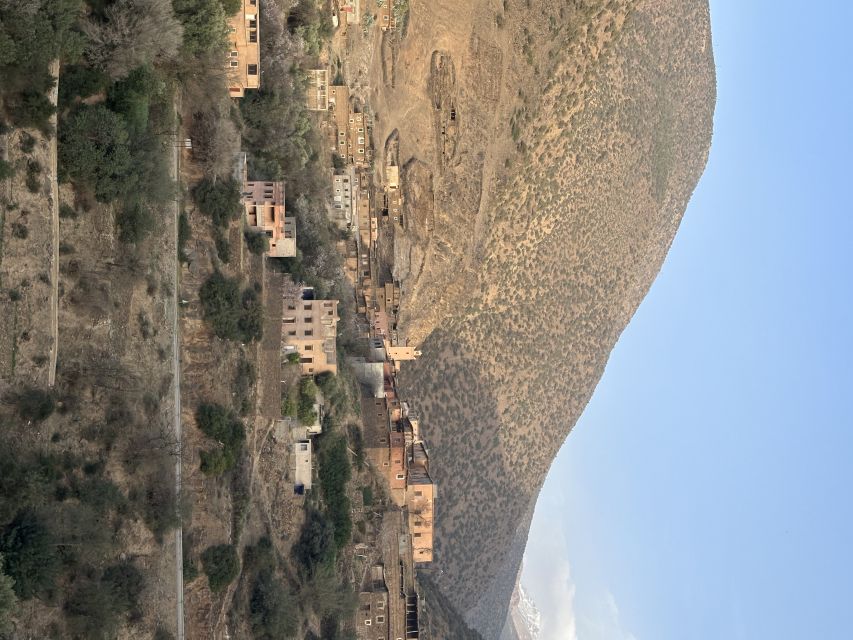
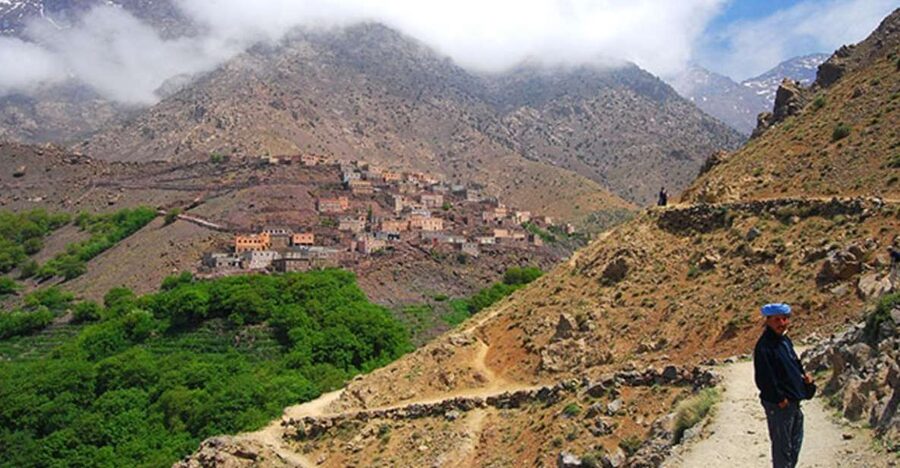
This isn’t a “bus, photo, repeat” style trip. You start in the Marrakech area, but the rhythm quickly changes to walking, tea stops, and villages you can’t reach without a guide. The High Atlas mountains around Imlil are famous for their routes, and this hike uses that network to link valleys, farms, and small hamlets.
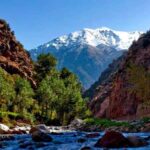
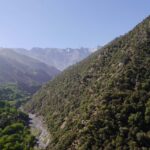
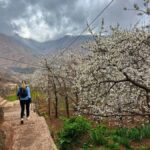
What makes it work for most people is the balance. You’re not doing technical mountaineering, but you are walking up and down every day, crossing river streams and gorges, and passing orchards and terraced fields. It’s the kind of hike where you feel your body working while your brain relaxes from the constant mountain details—juniper, oak, pine, walnuts, cherries, and terraced corn and barley.
One more practical point: you’re sleeping in local guesthouses in the villages. That means you’re not rushing off to a modern hotel every night. If your goal is authenticity and quiet mountain evenings, this format delivers.
You can also read our reviews of more tours and experiences in Marrakesh.

Day 1: Marrakech Transfer to Imlil and the Imnane Valley Start
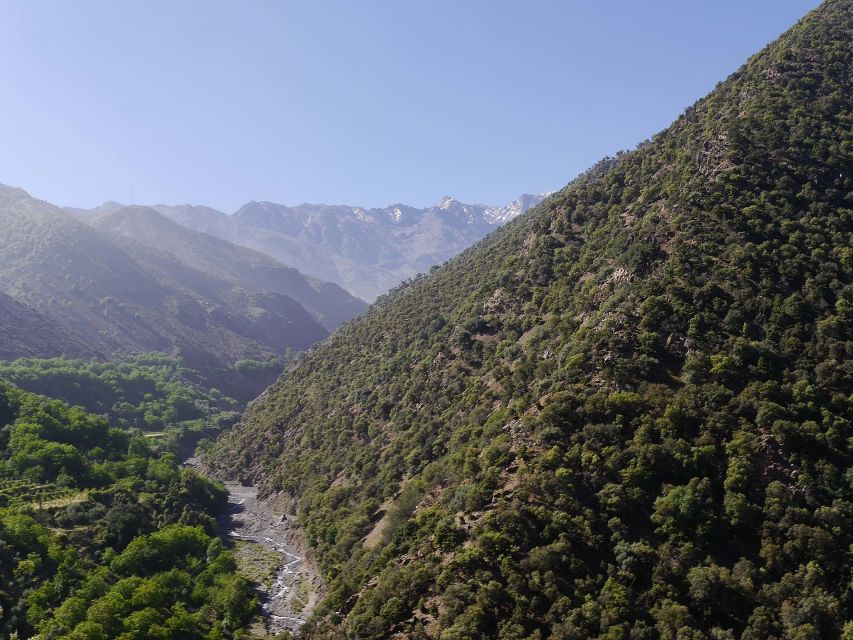
Day one begins with hotel pickup in Marrakech and a transfer to the Imlil area. If your riad isn’t reachable by car, the team will contact you ahead of time (WhatsApp or email) to confirm the meeting point. Once you’re set, you meet the trekking team in Imlil and start walking toward the Imnane Valley.
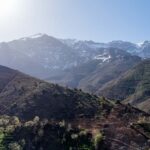
You’ll climb into the mountains toward Tizi n’tamater at 2300 m, and that altitude shift sets the tone for the whole trip. Expect cool vegetation—juniper, oak, and pine—plus the kind of valley views that make you slow down without trying. The walk includes a mix of uphill and downhill, so you don’t get one long grind; you get constant variation.
Lunch is built into the day in a very “local route” way: a three-course meal prepared by the local cook on the spot. Then you continue to Tachdirt village for your first overnight at a guesthouse. This first night is the “switch flip” moment: you’re no longer in sightseeing mode. You’re in the mountains.
Day 2: From Tachdirt to Imi Oughlad Through Berber Villages
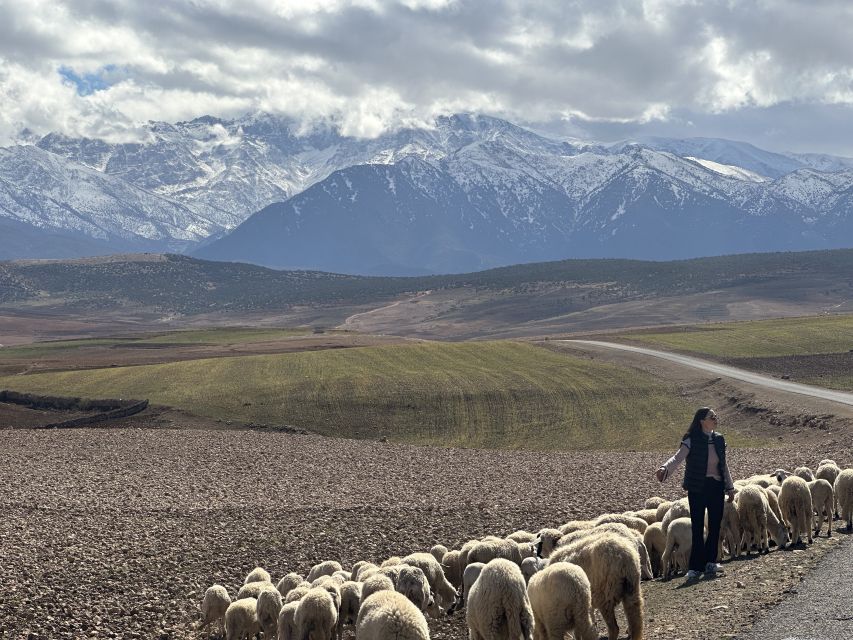
After breakfast, day two pushes deeper into the Amazigh countryside. You follow the Imnane Valley route toward Imi Oughlad, walking through several Berber villages along the way.
This is where the guide’s role matters. You’re not just checking boxes of places; you’re learning what you’re seeing—how villages are arranged along the valley, what farming and herding look like, and how people live in mountain terrain. Guides often explain the culture and history as you walk, so the scenery turns into context.
The terrain is still “walk all day” rather than hard climbing all day, but it’s never flat. You’re moving across hills with changing perspective on gorges and streams, and you’ll get plenty of stops for photos and breathing time.
You sleep in a local guesthouse in Imi Oughlad tonight. A nice bonus here: some trips include the option to join the cook in preparing dinner, which gives you a closer look at how meals happen in these villages, not just what ends up on your plate.
Day 3: Azzaden and the Red Valley Day to Tizi Oussem
Day three changes the visual mood. Instead of the greener valley feel, you move into the Azzaden area, often described as the red valley. You’ll walk toward Tizi Oussem, crossing an oak tree park and climbing up to Tizi n’Lbour pass for lunch.
That lunch stop matters because it breaks up the day at a high point. You eat while the air is thinner and the views feel wider. Afterward, the route continues along dirt paths to your guesthouse for the night.
This is also the day where a bit of “local life” becomes optional fun. In the evening, you can try a Berber hammam in Tizi Oussem for an extra fee (listed as €4). If you’re tired in a good way—muscles humming, legs stiff from walking—you’ll probably understand why this is popular.
Accommodation remains basic, but the point is comfort in a mountain setting. Expect blankets and a night atmosphere that feels completely removed from Marrakech traffic.
Day 4: Juniper Forest Return, Lunch at Tizi Mezik, Then Back to Marrakech
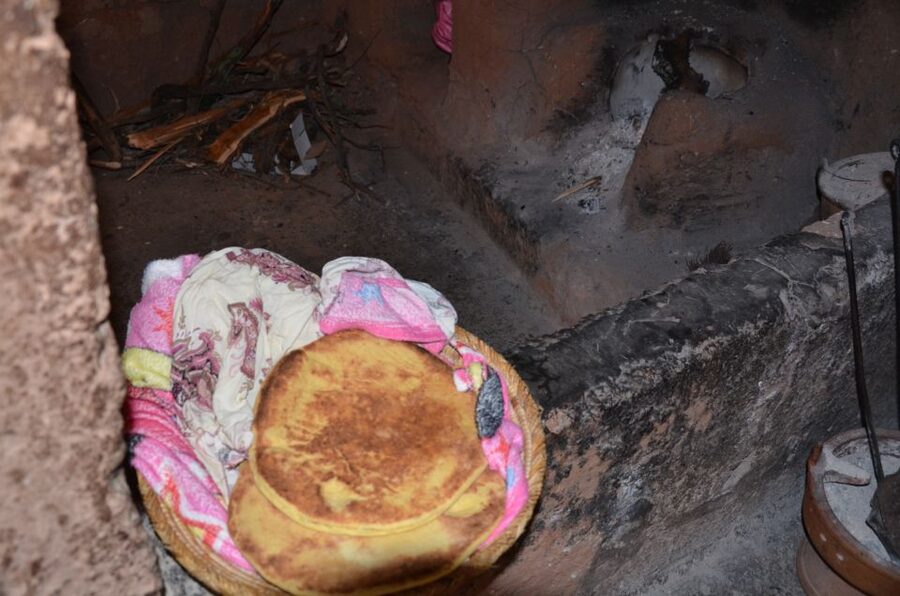
The final day is both beautiful and a little tough. The trail has a few challenging sections, but you’re hiking with a professional guide whose job is your safety and comfort. You walk toward Imlil, and the route runs through a wide forest of juniper trees, with chances to see locals and their herds.
This day has a “closing the loop” feeling: you’re ending the valley-hopping journey where the trip began. It’s also when the mountains start to feel familiar. You recognize the valley rhythm and you know what kind of effort each section will take.
Lunch is at the pass of tizi Mezik (2500 m), after which you walk downhill to the end point of the experience. From there, you head back to Marrakech for your drop-off. Even if you’re ready to be done hiking, it’s usually a satisfying kind of tired—the good one.
The Real Value: Mule Luggage, All Meals, and a Cook Who Follows the Route
A good Atlas hike isn’t just about walking. It’s about how much energy you spend carrying stuff and worrying about food. This trip handles both.
First, a mule transports your luggage. That means your daypack stays manageable, and you’re more likely to enjoy the views instead of fighting your own backpack. You’ll still want hiking shoes and warm layers, but you won’t be doing the “haul everything yourself” version of the Atlas.
Second, all meals are included. Day one lists a three-course lunch prepared by the cook on the spot, and the rest of the trip follows the same logic: you get food at sensible times after walking. Multiple people highlight that the meals are generous and varied, including for picky eaters, which is a strong sign that the cook plans thoughtfully rather than doing a repeat buffet.
One small detail that shows up in feedback: people mention mint tea (sometimes with wild mint and thyme). In the mountains, that’s not a gimmick. It’s a simple reset button after steep walking.
Guesthouses, Blankets, and the Truth About Mountain Nights
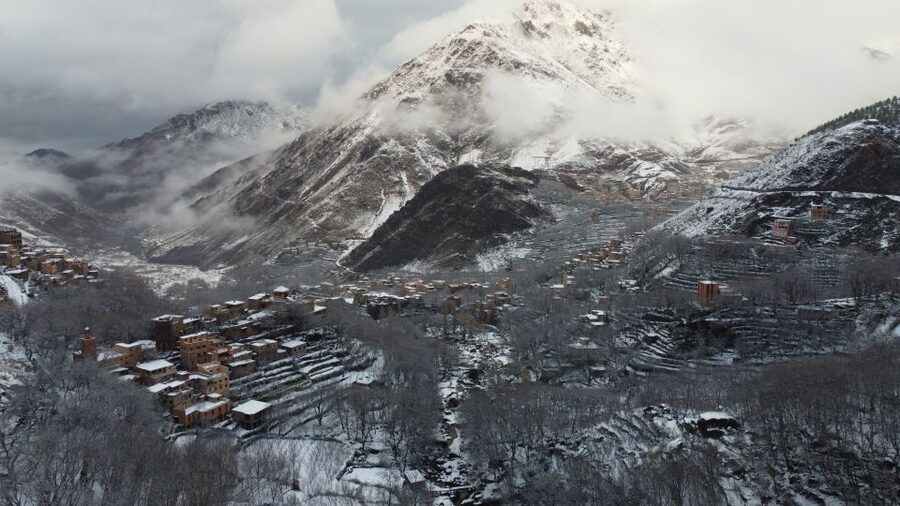
Let’s talk sleep like an adult. The accommodation is in guesthouses in remote villages, and that’s a trade: you get location and atmosphere, and you give up luxury.
Expect basic rooms, often with plenty of blankets, which matters because nights can get cold. In colder months, you might even face very winter-like conditions on higher trails, including deep snow in some cases. That doesn’t mean you’ll have snow, but it does mean you should treat “warm clothing” as essential, not optional.
A practical tip from real experience: bring a towel. In some guesthouses, towels aren’t always available. It’s the kind of thing you don’t think about until you’re already there.
If you’re someone who needs a super quiet room, bring earplugs. Village guesthouses can be lively in their own way, and you may be sharing space with the reality of mountain life.
Fitness Level: How Hard Is It, Really?
This trek is non-technical, but it isn’t a walk in the park. Most days feel like a combination of climbing and descending. One review-style description even frames it as a climb and descent every day, which matches how High Atlas valley routes feel.
Another common theme is slipperiness. Loose rocks can make sections tricky, especially after rain or when trails hold moisture. If you choose this, pack shoes with good grip and expect to take your time.
If you’re very unfit, you can still find the trip enjoyable, but you’ll need to pace honestly and stop before you’re exhausted. If you like walking for hours and you’re comfortable with uneven footing, you’re in the right zone.
Also: this is not suitable for wheelchair users. It’s also not recommended for pregnant women. The terrain and passes make that an important eligibility rule, not a minor detail.
Guides, Teamwork, and the Names You Might Hear Along the Way
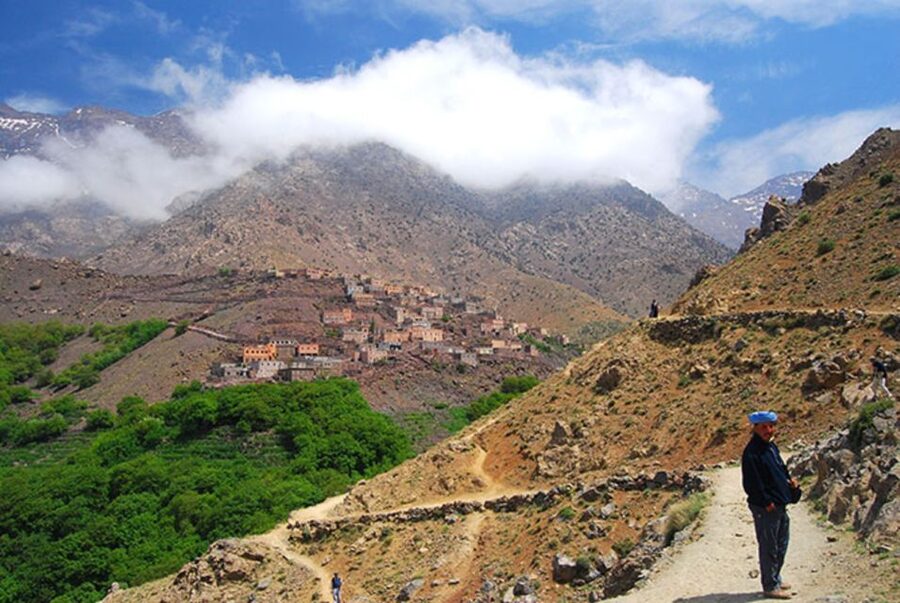
A big part of why this trek works is the team behind it. You get a local guide, plus a driver/guide, and the mule driver/cook handling food and supplies.
In real-world experiences on this route, guide names that show up include Mostafa and Houssain, and cooks/mule drivers like Ibrahim, Omar, and Muhammad. One itinerary set also credits Kamal, Hamid, and Mohamed for keeping people safe and fed, with a steady pace and clear explanations of Amazigh culture.
You should take that as a signal of the overall style: calm, attentive, and focused on your group. If you care about learning while hiking, it helps to ask questions. Guides tend to answer, and the route gives you plenty of real topics—villages, farming on terraces, and how people adapt to valley life.
Price and Value: Is $176 Fair for a 4-Day Atlas Trek?
At $176 per person for 4 days, the headline price looks modest for what you get—especially compared to tours that only include guiding. This fee covers hotel pickup and drop-off, a local guide, mule transport, accommodation, and all meals.
The savings here come from doing the logistics in the mountains the traditional way. You’re not paying for a string of city hotels or taxis every day. You’re paying for local labor, planning, and the systems that keep the group fed and moving.
What’s not included is also clear. You’ll need walking shoes, possibly walking sticks, warm clothing, and you should plan on tips for the service. If you already own decent boots and layers, your real cost beyond the tour price is mainly personal gear and gratuities.
Bottom line: if you want a guided High Atlas hike with meals and overnight stays handled, this is strong value. If you hate basic accommodations or you’re unwilling to hike for long hours, then no price feels fair—because you’ll spend the whole time wishing for a different trip.
Who Should Book This Hike (and Who Should Skip It)
This trek fits best if you want:
- A true mountain walking experience with daily scenery change
- Berber village contact and cultural context while you hike
- A trip where food and sleeping are handled, not improvised
- A small group (10 max) so your pace and comfort get respected
You might skip it if:
- You need wheelchair access or expect paved paths (you won’t get them here)
- You’re not comfortable with uneven footing, rock sections, and uphill/downhill rhythm
- You don’t want basic guesthouse conditions or cold nights without control
The trip is also a good fit for families and shared challenges, since the main pitch is hiking together and learning as you go. If your family likes teamwork and can handle moderate difficulty, you’ll probably enjoy it more than a “light stroll” style outing.
Should You Book This Atlas Mountains 4-Day Hike?
I’d book this if you want your Morocco trip to include the kind of day you can’t replicate at home: walking between valley villages, eating meals that match the route, and sleeping in guesthouses where you hear the night beyond the walls. The mule luggage and included meals remove the biggest hassles of a mountain trek, leaving you with the actual hike and the culture.
I wouldn’t book it if you’re looking for luxury comfort or if your fitness level is closer to sedentary than hiking-ready. The route can be hard enough that you’ll need the right shoes and the willingness to take your time.
If you do decide to go, do one extra thing: check the weather. Conditions can change how “fun hard” feels, and winter nights in the Atlas can be brutally cold.
FAQ
What is the duration of this Morocco Atlas hike?
The tour runs for 4 days.
How much does the Atlas Mountains 4-Day Hike cost?
The price listed is $176 per person.
Where does the hike start and end?
It includes pickup in Marrakech and ends back in Marrakech with drop-off included.
What’s included in the price?
Hotel pickup and drop-off, a local guide, driver/guide, mule to transport luggage, accommodation, and all meals are included.
What is not included?
Mountain gear like walking shoes and walking sticks, warm clothing, and tips for the service are not included.
What type of group size should I expect?
It’s a small group with a maximum of 10 participants.
What languages are available for the live tour guide?
Arabic, English, and French are offered.
Is there an activity besides hiking?
Yes. You can try a Berber hammam in Tizi Oussem for an extra €4.
What should I bring?
Bring your passport, comfortable clothes, warm clothing, and hiking or comfortable walking shoes.
Is this tour suitable for everyone?
No. It is not suitable for pregnant women or wheelchair users.