REVIEW · CUSCO
4-Day Inca Jungle Adventure, Mountain Biking, Rafting and Zipline
Book on Viator →Operated by Chullos Travel Peru · Bookable on Viator
Four days, zero boring moments in the Andes. This is an active Inca Jungle route from Cusco to Machu Picchu, mixing biking, river time, hiking, a zipline, and a guided morning at the ruins. I especially like the small-group size (max 15), which keeps things flexible when trails get slippery or weather shifts.
What I like most, though, is the way the trip sequences effort and payoff: a downhill run starting at Abra Málaga (4316 m), then a full trek through coca and coffee country, and finally a guided Machu Picchu sunrise geared toward seeing the important sectors. One consideration: even though lots is included, Machu Picchu entrance and the bus to the site cost extra, and you’ll also be staying in basic shared hostal rooms for three nights.
In This Review
- Key highlights and practical takeaways
- Inca Jungle Adventure: The real reason this route feels different
- Day 1: Cusco pickup to Abra Málaga bike down, then rafting and Santa María
- Day 2: Waka Yupana hike through coffee and coca, then zipline and Cocal Mayo thermal baths
- Day 3: Lucmabamba coffee forest to Llactapata, with Machu Picchu in sight
- Day 4: Puente Ruinas to the main gate—guided Machu Picchu sectors in the morning
- Price and logistics: what you pay for (and what you still need to budget)
- Lodging and food reality check in Santa María, Santa Teresa, and Aguas Calientes
- Pacing: strong fitness helps, but the hard parts are predictable
- What to pack for a bike + humid jungle + Machu Picchu morning
- Who should book this Inca Jungle combo—and who might think twice
- Should you book this 4-Day Inca Jungle Adventure?
- FAQ
- How big is the group?
- What physical level do I need?
- What’s included in the $378 price?
- What extra costs should I expect for Machu Picchu?
- Do I get meals and a place to sleep?
- Is biking equipment provided?
- How do I get from Hidroeléctrica to Aguas Calientes on Day 3?
- Can I cancel for a full refund?
Key highlights and practical takeaways
- Small-group pace (max 15) means more attention on hikes, gear, and timing.
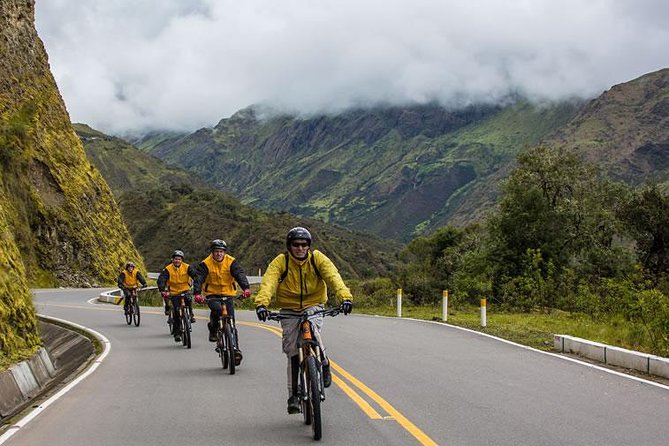
- Downhill biking from Abra Málaga is scenic, mostly downhill, and gear is provided.
- Waka Yupana hike through agricultural valleys (coca, coffee, cassava, citrus, pineapple, mangoes) plus big views of Wankar Q’asa.
- Zipline over the river with a waist harness, followed by optional thermal baths in Cocal Mayo.
- Lucmabamba tropical forest and organic coffee field time before you work your way toward Machu Picchu area.
- Sunrise Machu Picchu run from Puente Ruinas to the main gate, with a guide showing key sectors.
Inca Jungle Adventure: The real reason this route feels different
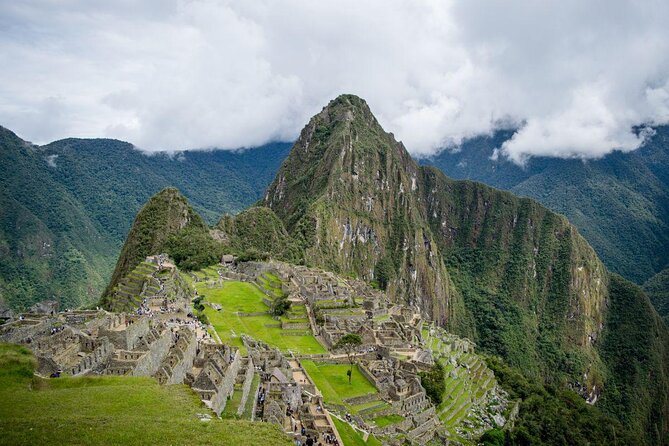
This isn’t a sit-and-stare “Inca tour.” It’s built around motion—biking, rafting, hiking, and zipline—so you feel like you’re moving through the Andes the way locals do: by foot, by river, and by switching climates as you drop in elevation. In practice, that makes the whole week-to-Machu-Picchu storyline feel earned instead of rushed.
The small-group limit (15) matters more than it sounds. It helps your guide keep the group together on slower sections of trail and lets you get quick answers about what you’re seeing—especially on the jungle/agriculture parts. And because hotel pickup is included on Day 1, you lose less time wrangling buses right when you’re starting out.
You can also read our reviews of more tours and experiences in Cusco.
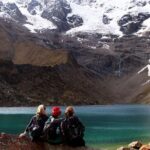
Day 1: Cusco pickup to Abra Málaga bike down, then rafting and Santa María
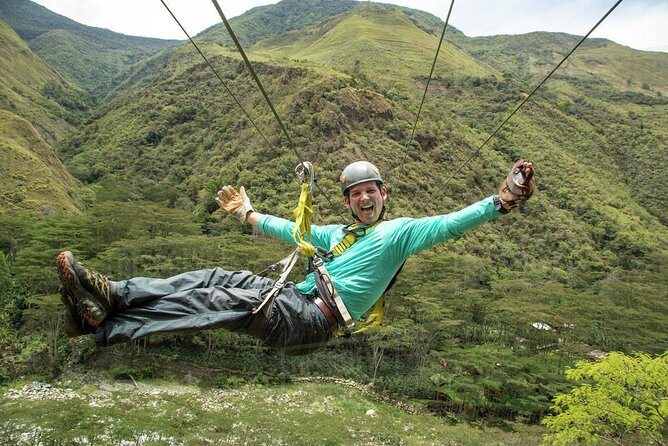
Day 1 starts with an early hotel pickup in Cusco—typically between 6:00 and 7:00 a.m. Then you head out toward the Sacred Valley, stopping in Ollantaytambo about an hour in. Breakfast is on your own there, which is handy if you want something familiar before the active day.
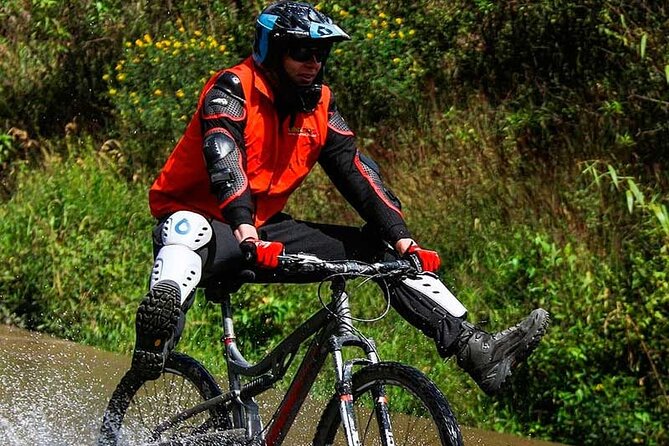
Next comes the big setup: you drive toward Abra Málaga (4316 m) and begin your descent by bicycle. The guide provides the complete bike setup for this activity, and the ride is designed to be beginner-friendly compared with many technical mountain routes—mostly downhill with a chance to pick up speed while the views open up.
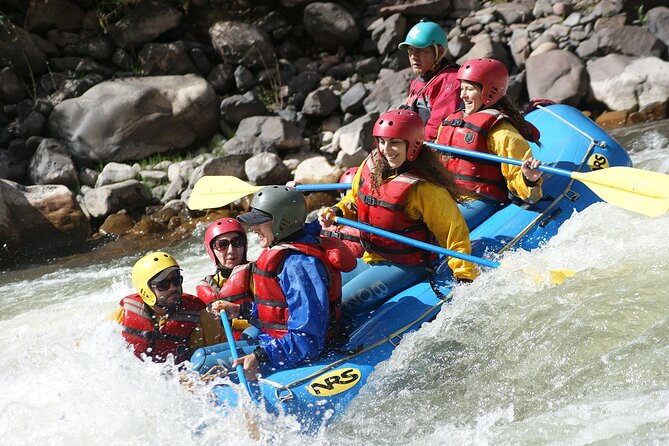
Midday you shift from the cold mountain feel into the warmer river-and-fruit-farm world. You’ll visit the archaeological center of Huamanmarka after the biking portion, then continue into the start of the Peruvian Amazon zone. Since the tour includes a river rafting experience, this is also where you should expect rafting to slot in as part of that transition—when the setting is green, warm, and river-ready.
By the end of the day you reach Santa María for your first overnight. The lodging is hostal-style (shared rooms), and this is one place where you should set expectations: at least one recent traveler flagged the first night as very basic, including a cold-water shower after rafting. You’re tired on purpose by the end of Day 1—so plan for simple, functional sleep.
Day 2: Waka Yupana hike through coffee and coca, then zipline and Cocal Mayo thermal baths
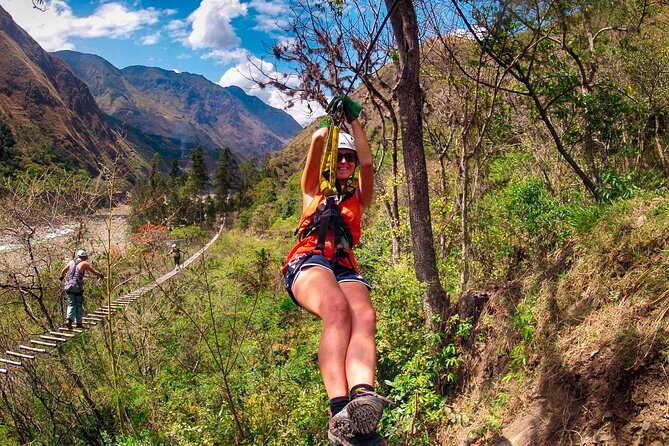
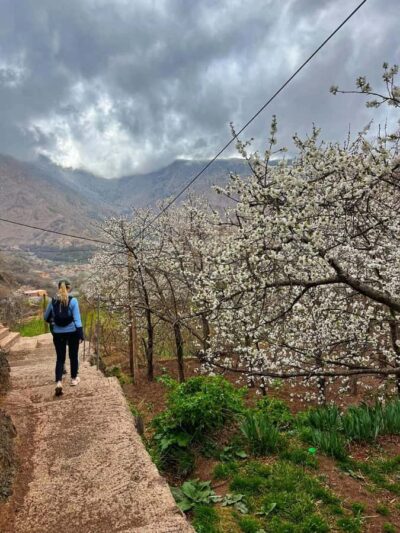
After breakfast, you start walking toward Waka Yupana for about 5 hours. The effort is graded: the first couple hours are easier, then there’s about two hours uphill, followed by a descent. You’ll pass a patchwork of crops—coca, coffee, cassava, annatto, and tropical fruits—which makes the jungle feel less mysterious and more agricultural. This is also one of the easiest days to learn how the region works, because your walk is directly through working fields, not just “viewpoints.”
A highlight is the stretch with views into the Wankar Q’asa canyon. After that, you descend for about an hour to where transport is waiting. Then you head to Santa Teresa for lunch, giving your body time to reset before the afternoon activity.
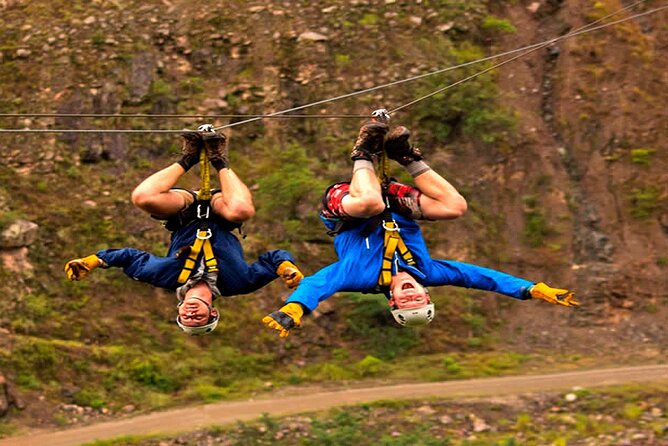
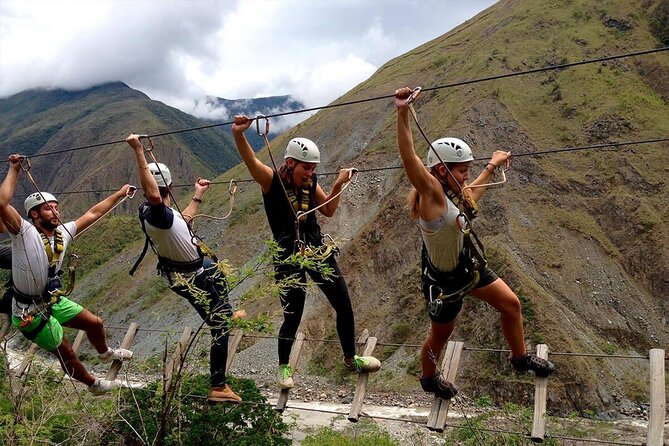
In the afternoon: zipline. The timing listed is about 2 hours, with you sliding through a pulley attached to a waist harness. It’s over a river area, and it’s a fun contrast to all the walking—more fast-and-flashy, less grinding.
Then you have the chance to soak at Cocal Mayo Thermal Baths. This part is optional and not included, but if you like warm water after hiking and gearing up for the next day, it’s the kind of stop that can feel like a recovery hack. (One traveler’s note put it at around +30 Sol.)
You finish Day 2 with dinner and another overnight in Santa Teresa. Expect hostal-style lodging again—this day tends to feel like the “best quality” night compared with the others, but it’s still not a hotel.
Day 3: Lucmabamba coffee forest to Llactapata, with Machu Picchu in sight
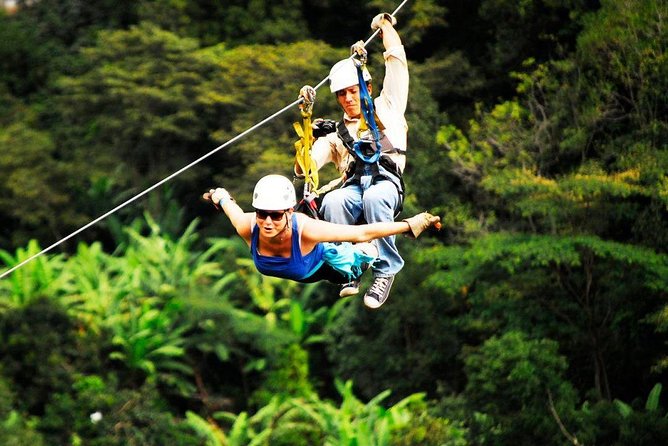
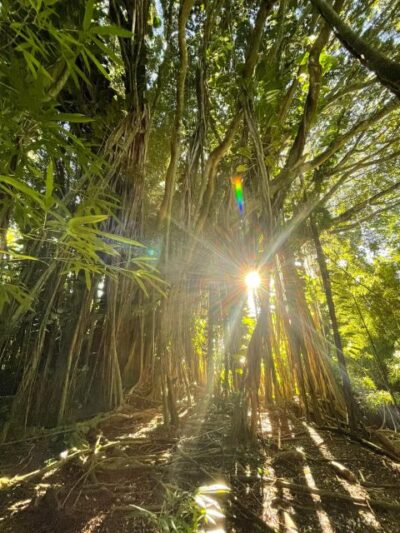
Day 3 is an early one: breakfast at 5:30 a.m. Then you take local transport (about 45 minutes) to Lucmabamba. The morning starts with a tropical forest walk and time in an organic coffee agricultural field, where you can try fresh coffee. Even if you’re not a coffee nerd, this is a nice way to break up the hard hiking into smaller, understandable segments.
Next you hike to Llactapata (around 2 hours 50 minutes). After visiting Llactapata, you continue with a 2-hour downhill hike. A key detail: on this section you’ll be able to keep seeing Machu Picchu in the distance as you go—so you’re working toward it with your eyes already on the prize.
You arrive at Hidroeléctrica station for lunch. After lunch, you reach Intiwatana, described as an ancient rock used as a sundial in Inca times. Then you walk toward the train tracks that lead into Aguas Calientes.
At the end of the day, you get two choices for getting to Aguas Calientes:
- Option 1: Take the train to Aguas Calientes (train not included).
- Option 2: Walk from Hidroeléctrica to Aguas Calientes along the train track (about 2 hours).
Because the day already includes significant hiking, I’d choose based on your energy. If you feel cooked, the train option can save your legs for Machu Picchu morning.
You overnight in Aguas Calientes, the base town for reaching the ruins.
Day 4: Puente Ruinas to the main gate—guided Machu Picchu sectors in the morning
This is the day you planned for, and it starts ridiculously early: you wake up at 4:00 a.m. Then it’s a walk to the first control at Puente Ruinas (about 30 minutes) and then up stairs for about 1 hour to reach the main gate of Machu Picchu. You’ll have a packed breakfast to keep you going on the climb.
Once you’re inside, your Machu Picchu cultural guide leads you through the main sectors for about 2 and a half hours. The tour style here is about context: where the major areas fit into Inca culture and why this citadel was designed the way it was. It’s one of those moments where having a guide changes everything from “cool ruins” to “I get why this place mattered.”
After the visit, you return to Aguas Calientes. Lunch is on your own, then you wait for your train departure.
The route back is straightforward: train from Aguas Calientes to Ollantaytambo (about 2 hours and included), then transfer by bus back to Cusco with the same company. Plan on a long travel day, but it’s a clean exit plan after a big morning.
Price and logistics: what you pay for (and what you still need to budget)
At $378 per person for 4 days, this is a full-on “activities + transit” package. Included items cover the backbone of the trip: hotel pickup, the Cusco-to-Abra Málaga transport, biking and zipline experiences, rafting, your guides, and hostal for three nights. Meals are also covered across the four days (breakfast three times, plus lunch and dinner where listed).
Transport between the main waypoints is included too: the Day 3 train ticket from Aguas Calientes to Ollantaytambo, and the bus transfer from Ollantaytambo to Cusco.
Now the add-ons that can surprise people:
- Bus to Machu Picchu (round trip) is not included (listed at $24 per person).
- Machu Picchu entrance fee is not included, and your circuit is selected depending on availability (Circuit 1 or 2, depending on what’s available).
- Huayna Picchu entrance is optional, and if you buy it through the company it’s listed at $79 per person.
So the real value question isn’t just the $378 number. It’s that your time is packed with activities plus the big Machu Picchu morning guide and train back—meaning you’re paying to avoid planning headaches. If you already have Machu Picchu figured out and you want a la carte freedom, you might compare options. But if you want someone else to handle the sequencing of bike-to-river-to-jungle-to-sunrise-Machu-Picchu, this price starts making a lot of sense.
Lodging and food reality check in Santa María, Santa Teresa, and Aguas Calientes
This tour is adventure-heavy, so the lodging is functional rather than luxury. You’ll stay in hostal 3 nights. From the way the trip is scheduled, you’re not spending much time in your room except to shower and sleep.
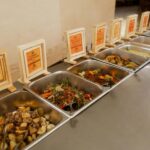
The most consistent issue to plan for is “basic.” One traveler described the first hostel as very barebones, with a cold water shower after rafting. Another noted Santa Teresa nights as an improvement in quality, though still hostel-style. Day 3 food was described as lighter portions.
What you can do: pack a mindset for simple meals and a consistent water-and-energy routine. If you’re the type who gets cranky when portions are small, bring a snack strategy for hikes (as permitted) so you’re not negotiating hunger while walking.
Pacing: strong fitness helps, but the hard parts are predictable
The tour specifically asks for strong physical fitness. That’s not marketing talk. You have multiple hiking days, and Day 4 includes a steep stair climb to the main gate after a 4 a.m. wake-up.
Good news: the effort is broken into scheduled chunks. Day 2 has uphill segments but also guided pacing and breaks. Day 3 is a long hiking day, but there’s a rhythm—Lucmabamba to Llactapata, then downhill toward Hidroeléctrica, then the final approach walk to Aguas Calientes.
If you’re intermediate rather than elite, you still can do this if you keep a steady pace and don’t sprint early. You’ll feel the altitude shifts too: starting in colder high areas, then moving into the warmer tropical conditions as you drop. Bring water discipline seriously.
What to pack for a bike + humid jungle + Machu Picchu morning
You’ll carry your belongings for multiple days, including long walks, so keep your pack reasonable. Based on a practical packing list from a recent participant, here’s what actually makes life easier:
- Hiking boots (or solid trail shoes) and good hiking socks (two quality pairs help a lot)
- One set of full-length hiking pants and swimming shorts (for zipline/thermal possibilities)
- Sweat-wicking shirts (3–4) for day-to-day comfort
- A sun hat and sunglasses
- Sunscreen and mosquito repellent
- A small rain layer if you’re the cautious type (humid zones can surprise you)
- Toiletries: toothbrush/paste, basic soap
- A water system (a water bladder is convenient; one traveler used about 2 liters total)
- Money and passport for entry requirements
Also: on Machu Picchu day, you’ll want to be ready for a long morning on stairs. Pack like you’re going to move fast, not like you’re going to lounge.
Who should book this Inca Jungle combo—and who might think twice
I’d strongly consider this tour if you:
- Want an alternative to the classic Inca Trail that still ends at Machu Picchu
- Love active days more than museum days
- Are comfortable with early mornings and long walking days
- Like variety: bike + rafting + hike + zipline + guided ruins
I’d think twice if you:
- Struggle with steep stair climbs and very early starts (Day 4 is not negotiable)
- Expect hotel-level comfort every night
- Don’t want to budget extra for Machu Picchu entrance and the bus up to the site
If you’re the type who loves seeing the Andes from multiple angles—on bikes, from canyon viewpoints, and finally from inside the citadel—this route delivers.
Should you book this 4-Day Inca Jungle Adventure?
If your idea of value is one price that bundles transport, guides, activities, and a guided Machu Picchu morning, I think you’ll like this tour. The small-group size, the bike-from-Abra-Málaga start, the Waka Yupana jungle/agriculture hike, and the sunrise Machu Picchu timing make it feel like a real journey, not a checklist.
Just go in with clear eyes: lodging is basic, and Machu Picchu costs add up once you include entrance and the bus. If you’re okay with that trade-off, this is a high-energy way to reach Machu Picchu through the living landscapes of the Inca jungle route.
FAQ
How big is the group?
The tour runs with a maximum of 15 travelers, with an adventure-experienced Inca Jungle tour guide.
What physical level do I need?
You should have a strong physical fitness level, since the schedule includes long hikes, biking, rafting, and a steep stair climb on Machu Picchu morning.
What’s included in the $378 price?
The price includes pre-departure briefing, transportation during the route, biking, zipline, river rafting, guides, hostal for three nights, and meals (breakfasts, lunches, and dinners as listed).
What extra costs should I expect for Machu Picchu?
You’ll need to pay for the round-trip bus to Machu Picchu (listed at $24 per person) and the Machu Picchu entrance fee (Circuit 1 or 2 depending on availability). Huayna Picchu entrance is optional and listed at $79 per person if booked through the company.
Do I get meals and a place to sleep?
Yes. You’ll stay at hostals for three nights and receive breakfast, lunch, and dinner as stated in the itinerary.
Is biking equipment provided?
Yes. The guide provides the complete equipment for the biking activity.
How do I get from Hidroeléctrica to Aguas Calientes on Day 3?
You can either take the train to Aguas Calientes (not included) or walk along the train track for about 2 hours.
Can I cancel for a full refund?
Yes. You can cancel up to 24 hours before the experience’s start time for a full refund.